Restaurants With Robot Servers
You walk into a restaurant, and instead of a person taking your order, a sleek machine glides up to your table. It speaks, it delivers your food, and sometimes it even cracks a joke.
This isn’t science fiction anymore. Restaurants around the world have started using robots to handle tasks that servers used to do, and the trend keeps growing.
How the Robots Actually Work

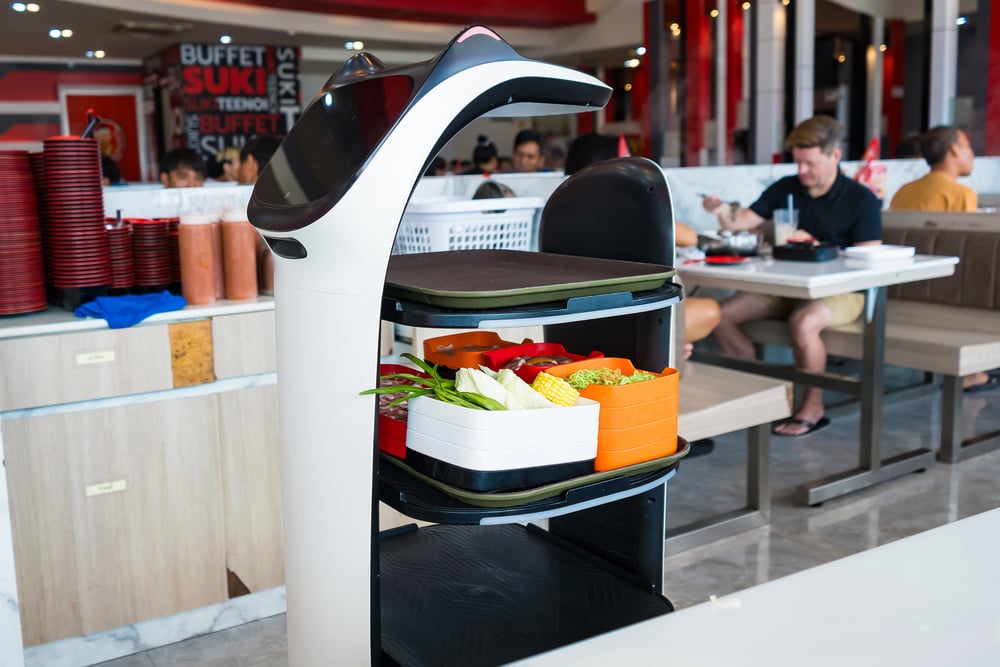
Most restaurant robots roll around on wheels, navigating through dining rooms using sensors and cameras. They follow pre-programmed paths but can detect obstacles and stop when someone gets in the way.
The technology isn’t perfect—these robots can’t climb stairs, and they sometimes need help when tables get rearranged. The robots connect to the restaurant’s computer system.
When your food is ready, kitchen staff place dishes on the robot’s trays. The robot knows which table ordered what because someone entered that information into the system.
It rolls to your table, announces your order, and waits for you to take the food off its tray.
Why Restaurants Made the Switch

Labor shortages hit the restaurant industry hard in recent years. Finding reliable staff became a real problem, especially for businesses that needed workers during odd hours or in less popular locations.
Robots don’t call in sick, don’t need breaks, and work whenever you turn them on. The cost makes sense for some owners.
A robot might cost between $10,000 and $30,000 upfront, but after that, the only expenses are maintenance and electricity. Compare that to paying a server’s wages, benefits, and payroll taxes year after year.
The math works out differently for each restaurant, but busy places with high turnover often see returns within a year or two.
What Customers Think When They See Robots

Reactions split pretty evenly. Some people find the robots fun and enjoy the novelty of having a machine bring their food.
Kids especially love them. Others feel uncomfortable with the lack of human interaction and miss being able to ask questions or make special requests to a real person.
The robots can’t read a room. If you look confused or need help, a robot won’t notice.
If your order is wrong, the robot can’t fix it on the spot. You still need human staff around to handle problems, answer questions, and make judgment calls.
Types of Restaurants Using Robots

Fast-casual chains adopted robots faster than fine dining establishments. Places where customers order at a counter and wait for their food to arrive work well with robots.
The robot just needs to know where to deliver the food, which keeps things simple. Buffet restaurants and hot pot spots use robots too.
These places have customers who stay at one table for the whole meal, so the robot makes repeated trips to the same locations. Some sushi restaurants use robots that look like little trains or boats, carrying plates around a track for customers to grab.
The Human Staff Still Matters
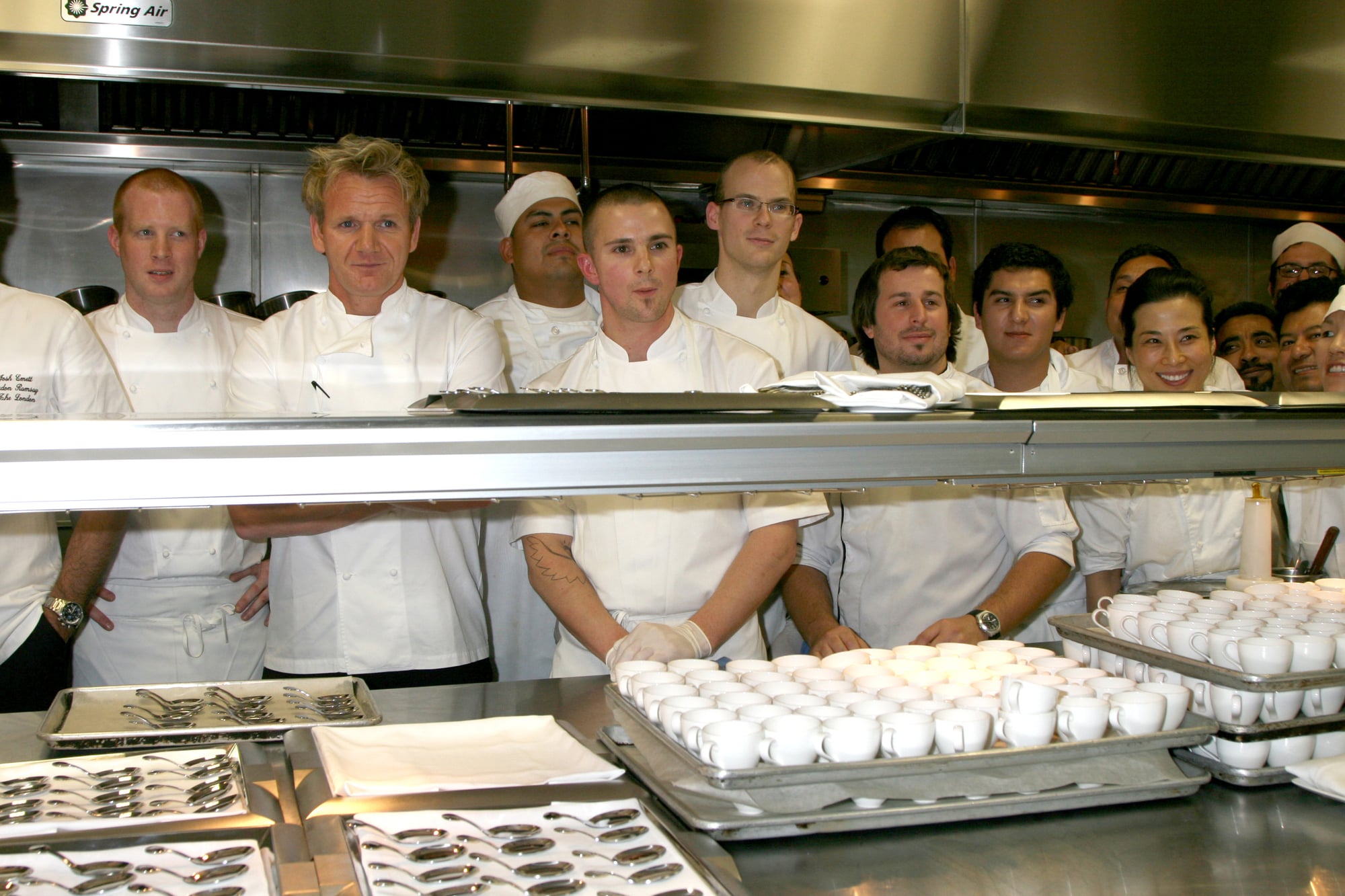
Robots haven’t replaced all the workers. Someone still needs to cook the food, clean the tables, handle complaints, and manage the overall operation.
The robots just take on the repetitive task of carrying food from the kitchen to the table. In most robot restaurants, human servers still greet you, take complex orders, and check if everything tastes okay.
The robot handles the heavy lifting—literally. Carrying trays of food from point A to point B is hard on your back after a few hours, and robots don’t get tired.
When Robots Create Problems

Technical issues happen more often than restaurants like to admit. Robots get stuck on uneven floors, bump into chairs, or lose their connection to the network.
When that happens, someone has to physically move the robot and restart the system. Customers sometimes treat the robots roughly.
People block their paths on purpose, poke them, or try to trip them up. Kids grab at the trays, and adults make the robots their entertainment.
This slows down service and sometimes damages the machines.
The Economics of Robot Restaurants

Small restaurants struggle to justify the cost. If you only serve 50 customers a day, spending $20,000 on a robot doesn’t make financial sense.
But a busy location serving hundreds of people daily can spread that cost across more transactions. Maintenance adds up.
These robots need regular servicing, software updates, and occasional repairs. Some restaurants learned this the hard way after buying cheap models that broke down constantly.
The initial price tag tells only part of the story.
How Different Countries Approach Robot Servers
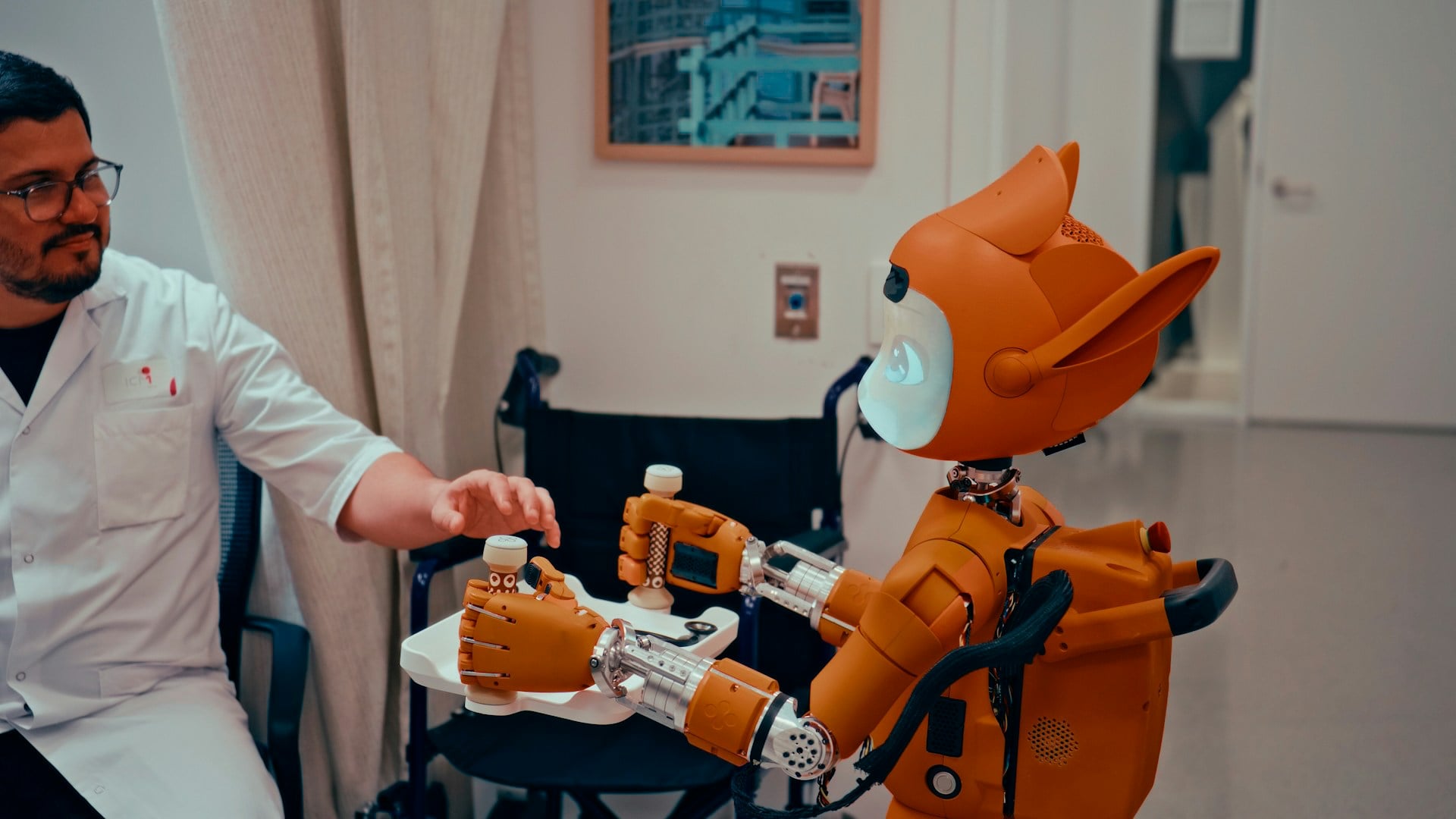
Japan and South Korea lead in robot adoption. Cultural factors play a role—these countries have less stigma around automation and more comfort with technology in daily life.
Labor costs run high in both countries, which makes robots more attractive financially. China has thousands of restaurants using robots, from cheap noodle shops to upscale establishments.
The technology developed quickly there, and local manufacturers produce affordable models. American and European restaurants move slower, partly because labor costs less and partly because customers expect more personal service.
What Happens to Tips

The tipping system gets awkward with robots. Some restaurants keep a tip jar at the counter, but customers feel less obligated to tip when a machine delivers their food.
This affects the human staff who still work there, since tips often make up a significant part of their income. A few places adjusted their pricing to account for this.
They raise menu prices slightly and pay all staff regular wages instead of relying on tips. Others split tips evenly among all workers, including those who program and maintain the robots.
The Future Models Coming Soon

Newer robots have better sensors and can navigate more complex spaces. Some can open doors, call elevators, and work across multiple floors.
Others have screens that show advertisements or let customers rate their experience right away. Voice recognition is improving.
Future robots will understand when you ask for extra napkins or say your order is wrong. They’ll connect to central systems that track inventory and suggest menu items based on what’s running low in the kitchen.
Where the Technology Falls Short

Robots can’t handle the subtle parts of service. They don’t notice when your drink is almost empty or when you look ready for the check.
They can’t make small talk or give recommendations based on your mood. The warmth of good service comes from human intuition, and machines don’t have that yet.
Accessibility issues exist too. Robots struggle with wheelchair users who need special accommodations or children who can’t reach the trays.
Elderly customers sometimes find the robots confusing or intimidating. These aren’t small problems—they affect real people trying to enjoy a meal.
The Hybrid Model Most Places Actually Use
Few eateries rely entirely on machines. Usually, automated helpers take care of moving food while staff do the rest.
Together, they outperform separate efforts. Machines deliver plates; people handle what comes before and after.
Some clever café managers treat machines like helpers instead of stand-ins. With the load lifted, employees shift toward work needing thought and warmth.
While the machine moves full trays across the floor, a host remembers names, smiles at birthdays, takes extra time.
How Eating at Restaurants Might Change

What matters most to you shapes how you see robot-run eateries. Speed and smoothness might impress you if friendly talk isn’t a priority.
A quiet machine bringing food could feel lacking when you crave warm interactions. Missing human faces may stand out more than the novelty of gadgets.
Change never stops in business. Today’s odd idea often turns into tomorrow’s routine.
Remember when drive-thrus felt like a threat to dining? They simply blended in.
Grocery self-scans met doubt too. Machines serving food might feel off now.
Soon enough, that feeling fades. Some spots will run on them without notice.
Finding harmony between machines and people is what keeps diners showing up. When places go too far one way – either cold automation or old-fashioned chaos – it pushes guests away slowly.
Success hides where screens meet smiles without trying too hard.
More from Go2Tutors!

- The Romanov Crown Jewels and Their Tragic Fate
- 13 Historical Mysteries That Science Still Can’t Solve
- Famous Hoaxes That Fooled the World for Years
- 15 Child Stars with Tragic Adult Lives
- 16 Famous Jewelry Pieces in History
Like Go2Tutors’s content? Follow us on MSN.