Interesting Mozart Facts to Celebrate His Birthday
A date on the calendar, Mozart’s birth gets marked now and then with quiet respect. But his days weren’t neat or lined up like sheet music.
Wild bursts of energy met deep focus in him, one moment laughing, the next scribbling late into the night. Rules mattered, yet he broke them just as fast.
The man beneath the notes isn’t separate from the sound – a closer look makes each note louder.
Born in 1756, he died before turning forty. Still, those years overflowed with movement, drive, tension – endless composing.
Most remember him playing piano at age five; fewer know about quarrels with patrons or feverish work late into Vienna nights. January twenty-seventh marks not just a birth but a chance to look again at quirks, struggles, routines behind melodies everyone seems to know by heart.
Picture this: Mozart, not just a name in history books, but someone who lived wildly, laughed loudly. His days weren’t silent – filled instead with scribbled notes between bites of dinner.
Imagine him pacing rooms, humming tunes before they hit paper. One moment he’d be joking, next composing like the walls were listening.
He didn’t wait for inspiration – it chased him. Even sleep seemed optional when music crowded his mind.
Birthdays now mark time, yet back then, every day felt urgent, packed with sound. Not perfection, but motion – that’s what kept him real.
He was touring Europe before most children could read

Mozart began touring as a performer when he was still very young, travelling across Europe with his family. These trips were not leisurely cultural exchanges.
They were exhausting, tightly scheduled performances meant to showcase his abilities to courts, nobles, and patrons.
The experience shaped him early. He learned how different cities responded to music, how audiences varied, and how politics influenced artistic opportunity.
By the time he reached adulthood, he had already absorbed a pan-European musical education that most composers never experienced.
This early exposure explains part of his stylistic flexibility. Mozart did not grow up musically isolated.
He absorbed influences constantly, adapting them with remarkable ease.
He had an exceptional memory for music

Mozart’s memory was legendary, even among accomplished musicians. He could hear a piece once and recall it with uncanny accuracy.
One well-documented incident involved him hearing a complex choral work during a church service and later writing it down from memory.
This was not simply a party trick. It allowed him to study music internally, without needing constant reference to written scores.
He could revise, recombine, and develop ideas mentally before ever committing them to paper.
That mental workspace helped explain his speed as a composer. Mozart often completed works rapidly because much of the work had already happened in his head.
He did not compose in a constant frenzy

Popular myth portrays Mozart as someone who wrote music nonstop, driven by uncontrollable inspiration. The reality was more structured.
While he could compose quickly when needed, he also planned carefully and worked methodically.
He often composed with specific performers, events, or commissions in mind. That meant tailoring difficulty, style, and length to real circumstances.
Practicality guided creativity more than romantic impulse.
This balance between imagination and planning is part of why his music remains so playable. It was written with real musicians and audiences at its center.
His father played a complicated role in his life
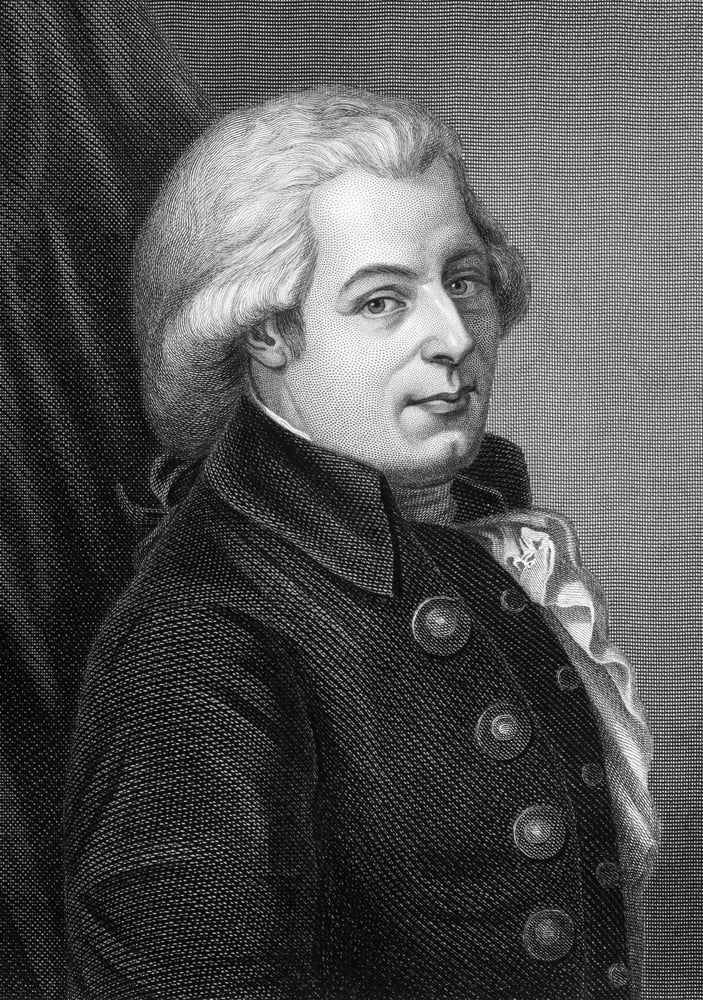
Mozart’s father, Leopold, was deeply involved in his early career. He was a skilled musician and teacher, but also a manager who controlled much of Mozart’s professional life well into adulthood.
Leopold believed strongly in patronage and hierarchy, while Mozart increasingly desired independence. Their correspondence reveals affection mixed with frustration and guilt.
Mozart wanted creative freedom, yet felt obligated to his father’s expectations.
This tension shaped many of Mozart’s career decisions. His eventual break from full paternal oversight marked a turning point, both creatively and financially.
He struggled with money despite his success

Mozart earned significant sums during his career, especially through commissions and performances. However, income was irregular, and expenses were high.
He lived in cities where maintaining social status required spending on housing, clothing, and appearances.
Financial instability was not unusual for musicians of his time, particularly those without permanent court positions. Mozart preferred freelance independence, which brought freedom but also uncertainty.
This context helps explain the urgency behind some of his later work. Productivity was not just artistic ambition.
It was an economic necessity.
He enjoyed social life and humor more than expected
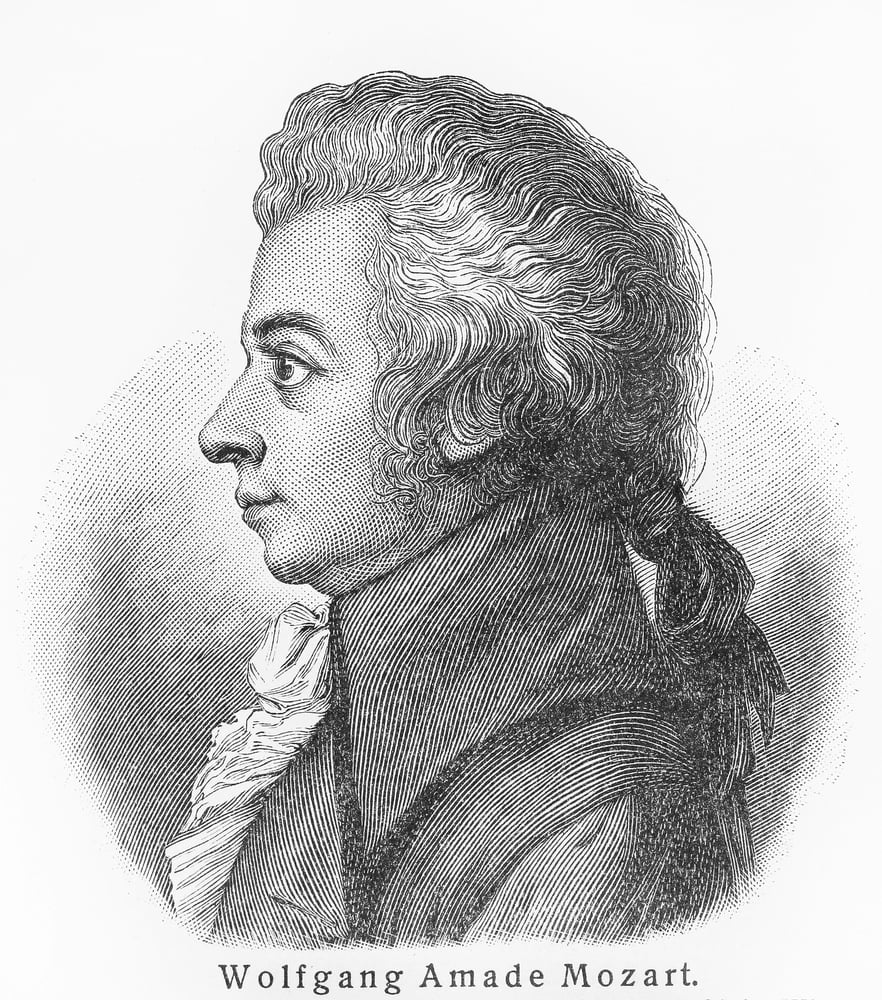
Mozart was not the solemn figure often imagined. His letters reveal a fondness for jokes, wordplay, and social interaction.
He enjoyed company, games, and lively conversation.
This playfulness did not undermine his seriousness as a composer. Instead, it reflected comfort with contradiction.
He could write deeply emotional music while also enjoying everyday amusements.
That balance may help explain the warmth in much of his work. His music often feels alive rather than austere, grounded in human experience rather than distant idealism.
He wrote operas that challenged social hierarchy

Mozart’s operas were not merely entertainment. Many of them questioned power structures, class divisions, and authority figures.
Characters of lower social standing were often given intelligence, dignity, and emotional depth.
This was not accidental. Mozart collaborated closely with librettists to shape narratives that resonated with contemporary audiences.
Humor became a vehicle for critique, allowing serious themes to pass through more easily.
These operas remain compelling because their conflicts feel recognisable. Status, jealousy, and autonomy still drive human behavior, centuries later.
He valued collaboration more than isolation

Although often described as a solitary genius, Mozart thrived in collaborative environments. He worked closely with singers, instrumentalists, and writers, adjusting music based on their strengths.
He paid attention to feedback and practical concerns, refining pieces through rehearsal and performance.
This responsiveness helped his music feel natural rather than rigid.
The collaborative nature of his work reminds us that genius does not operate in a vacuum. Mozart’s brilliance was amplified through dialogue with others.
He composed across nearly every musical form of his time

Mozart did not specialise narrowly. He wrote symphonies, operas, chamber music, sacred works, keyboard pieces, and more.
Each genre was approached with equal seriousness and curiosity.
This breadth required adaptability. Writing for different settings meant understanding acoustics, performers, and audience expectations.
Mozart navigated these shifts effortlessly.
His versatility contributes to his lasting relevance. There is a Mozart piece for nearly every mood and occasion, which keeps his music woven into modern cultural life.
He often worked under tight deadlines

Many of Mozart’s most admired works were written under significant time pressure. Commissions came with expectations and schedules that left little room for delay.
Rather than stifling creativity, deadlines often sharpened his focus.
He could prioritise essential ideas quickly, producing clear and effective musical structures.
This challenges the romantic notion that great art requires unlimited time. Mozart demonstrated that discipline and constraint can coexist with brilliance.
He valued clarity over excess

Mozart’s music is often praised for balance and transparency. This was a conscious choice rather than a limitation.
He believed music should communicate directly, without unnecessary complication.
Even in complex works, lines remain clear and purposeful. Each part contributes to the whole without overwhelming it.
This clarity helps explain why his music remains accessible. It invites listeners in rather than holding them at a distance.
He was not universally admired during his lifetime
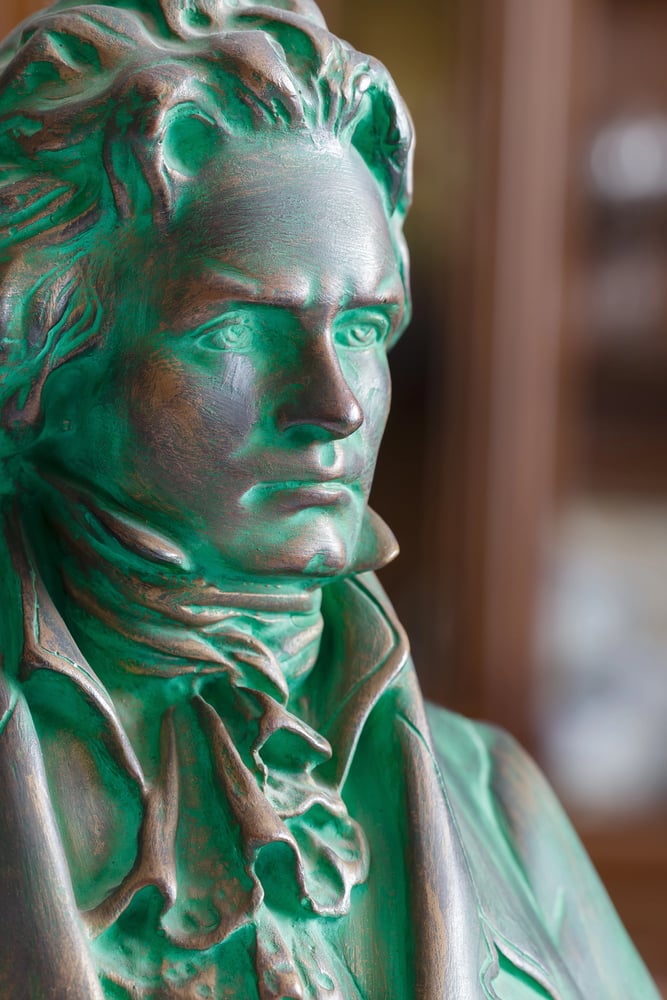
While Mozart was respected, he was not consistently celebrated as the unparalleled genius later generations declared him to be. Tastes shifted, politics interfered, and competition was fierce.
Some of his works were misunderstood or underappreciated when first performed. Others gained recognition only after his death.
This reminds us that artistic legacy often unfolds slowly. Immediate reception does not always predict long-term impact.
His death became mythologised almost immediately
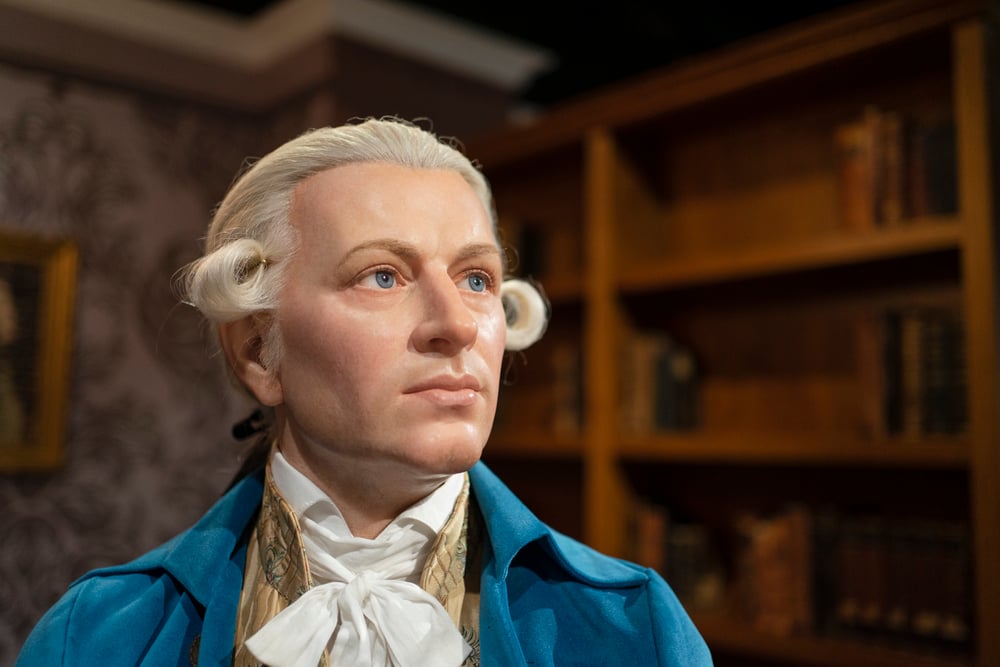
Mozart’s early death sparked speculation and storytelling that overshadowed reality. In truth, he was working actively until very near the end, completing and planning projects.
The romanticised image of a neglected genius dying in obscurity simplifies a far more complex situation. He faced challenges, but he was also productive, connected, and creatively engaged.
Separating myth from fact allows a clearer appreciation of his achievements without relying on tragedy alone.
Why Mozart’s birthday still matters
Marking Mozart’s birth isn’t just bowing to greatness. His story hits close because he lived so completely – juggling drive, money troubles, parents’ expectations, working with others, moments of delight, waves of irritation – all while composing pieces that cut deep.
What stands out? Not perfection, but the mess behind it.
Genius isn’t born from flawless talent or smooth paths. Out of effort, wonder, and paying attention grows what lasts.
Because his sound holds layers instead of hiding them, people still hear Mozart clearly today.
His birthday makes it easier to see Mozart as someone real, not a name on a pedestal. Because of that, the sound feels near, almost like a voice speaking now.
When he wrote those notes, truth was in them – so they stay fresh, even after all these years.
More from Go2Tutors!

- The Romanov Crown Jewels and Their Tragic Fate
- 13 Historical Mysteries That Science Still Can’t Solve
- Famous Hoaxes That Fooled the World for Years
- 15 Child Stars with Tragic Adult Lives
- 16 Famous Jewelry Pieces in History
Like Go2Tutors’s content? Follow us on MSN.



