15 Historical Documents That Changed Everything
Throughout human history, certain pieces of paper have wielded more power than armies, reshaping entire civilizations with nothing more than ink and ideas. These documents didn’t just record history—they created it, fundamentally altering how we govern ourselves, understand our rights, and view the world around us. From ancient codes that established the first legal systems to modern declarations that redefined human dignity, these texts prove that sometimes the pen truly is mightier than the sword.
The impact of these writings extends far beyond their original time and place, creating ripple effects that continue to influence our daily lives centuries later. Here is a list of 15 historical documents that transformed the world in ways their authors could never have imagined.
The Code of Hammurabi
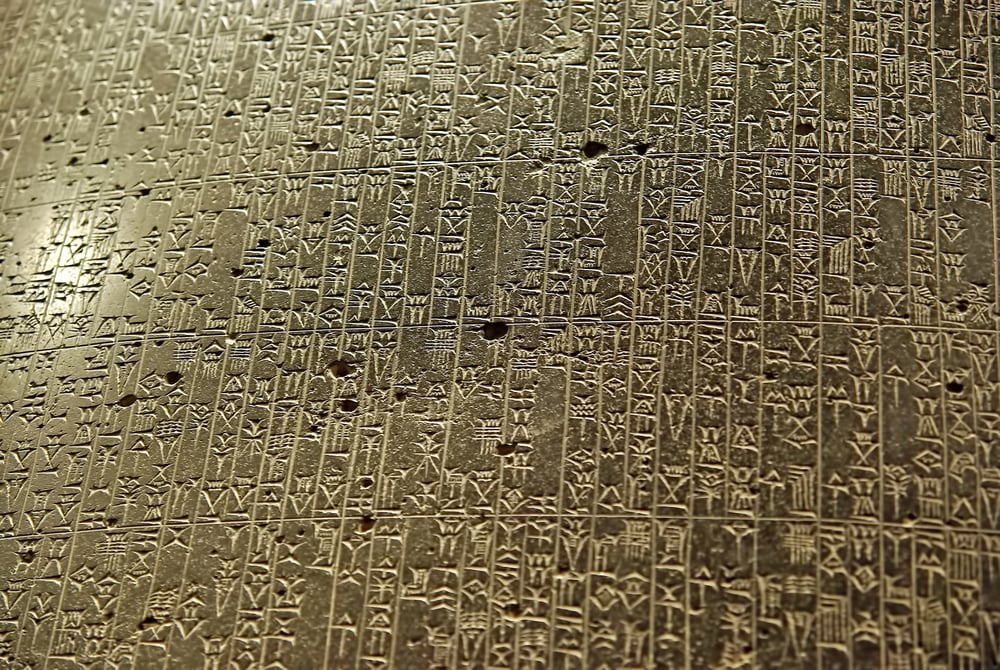
King Hammurabi of Babylon created one of humanity’s first comprehensive legal codes around 1754 BCE, establishing the revolutionary idea that laws should be written down and publicly displayed. This stone pillar contained 282 laws covering everything from property rights to family relationships, introducing the concept of proportional punishment that still influences legal systems today.
The code’s most famous principle, ‘an eye for an eye,’ represented a major advancement in justice by limiting retaliation to match the original offense.
The Magna Carta
When English barons forced King John to sign this document in 1215, they accidentally created the foundation for modern constitutional government. The Magna Carta established that even kings must follow the law, introducing concepts like due process and habeas corpus that would later become cornerstones of democratic societies.
What started as a feudal squabble between nobles and their monarch evolved into the blueprint for limiting government power and protecting individual rights.
Like Go2Tutors’s content? Follow us on MSN.
The 95 Theses
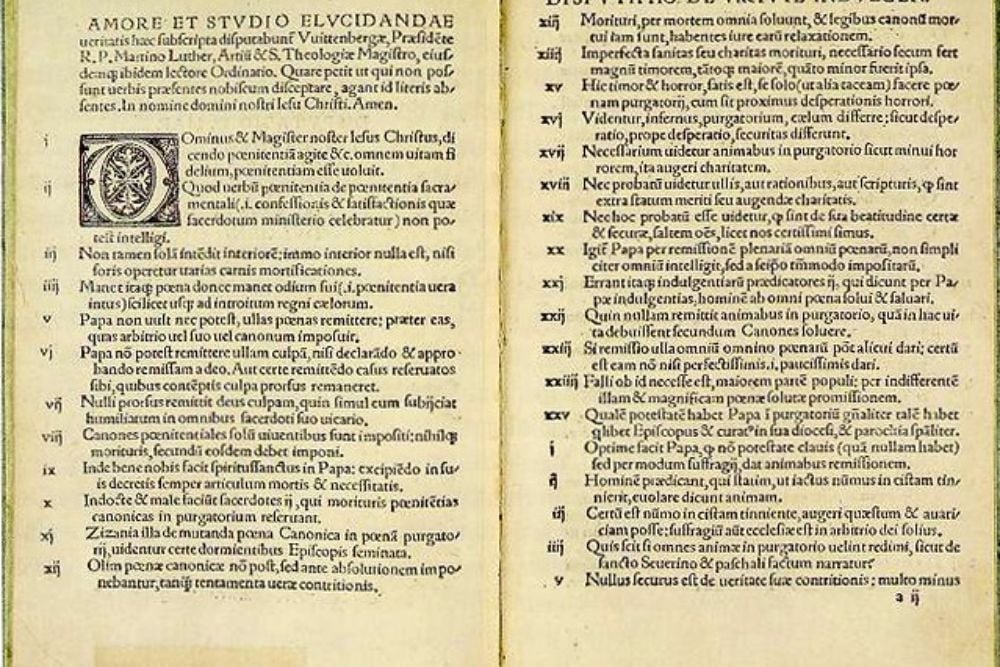
Martin Luther’s list of complaints against the Catholic Church, nailed to a church door in 1517, sparked the Protestant Reformation and forever changed Christianity. His criticisms of church corruption and the sale of indulgences spread like wildfire thanks to the printing press, creating religious divisions that still exist today.
The document challenged the absolute authority of the Pope and gave birth to the idea that individuals could interpret religious texts for themselves.
The Declaration of Independence

Thomas Jefferson’s eloquent statement in 1776 that ‘all men are created equal’ became a rallying cry for freedom movements worldwide. The Declaration didn’t just announce America’s break from Britain—it introduced the radical notion that governments derive their power from the consent of the governed.
This document inspired revolutions from France to Latin America, proving that ideas about liberty and self-determination could spread across continents.
The Constitution of the United States
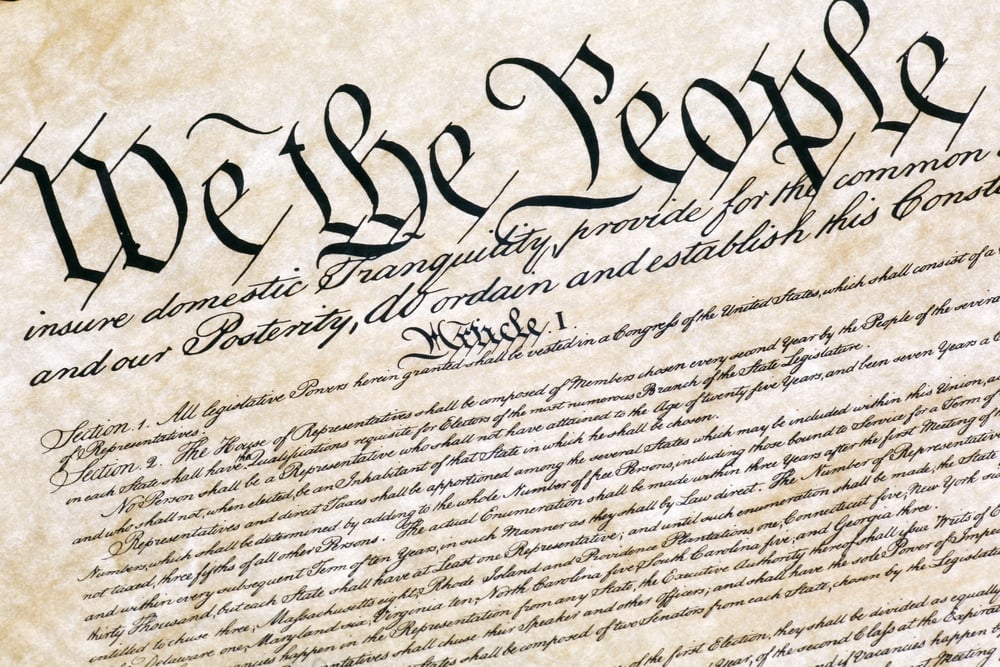
The world’s oldest written constitution, ratified in 1788, created a new form of government that balanced power among three branches while protecting individual rights. The Constitution’s system of checks and balances prevents any single person or group from gaining too much control, a concept that has been copied by democracies around the globe.
Its ability to adapt through amendments has allowed it to remain relevant for over two centuries.
Like Go2Tutors’s content? Follow us on MSN.
The Bill of Rights

The first ten amendments to the U.S. Constitution, ratified in 1791, transformed abstract concepts of freedom into concrete protections for individual citizens. These amendments guarantee fundamental rights like freedom of speech, religion, and the press, creating a template that other nations have used to protect their own citizens.
The Bill of Rights proved that a government could be both powerful and limited, strong enough to govern but restrained enough to preserve liberty.
The Communist Manifesto
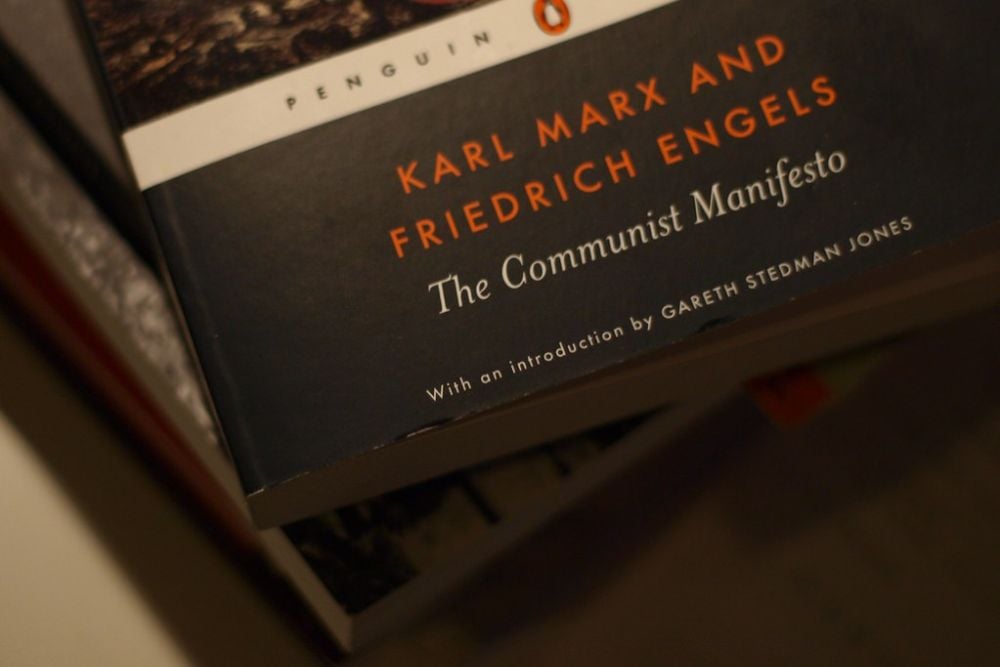
Karl Marx and Friedrich Engels’ 1848 pamphlet introduced ideas that would reshape the political landscape of the 20th century. The Manifesto’s call for workers to unite against capitalist exploitation inspired revolutions in Russia, China, and dozens of other countries.
Even in nations that rejected communism, the document forced governments to address workers’ rights and economic inequality more seriously.
The Emancipation Proclamation
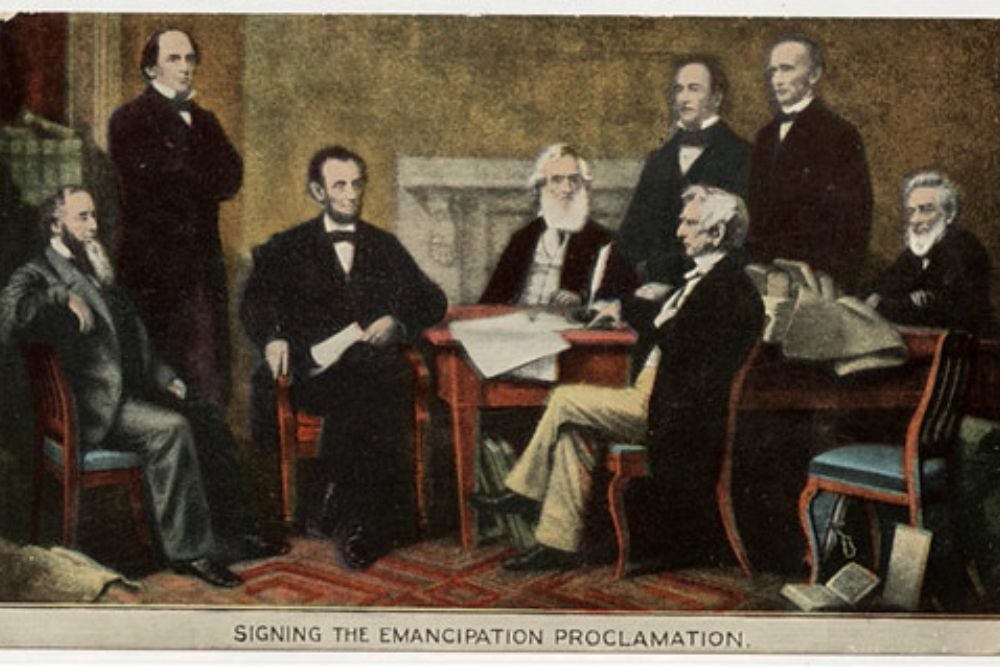
Abraham Lincoln’s 1863 executive order transformed the American Civil War from a fight about union to a battle for human freedom. The Proclamation freed enslaved people in rebellious states, fundamentally changing the character of the conflict and making it impossible for European powers to support the Confederacy.
This document proved that a single leader’s moral courage could redirect the course of history.
Like Go2Tutors’s content? Follow us on MSN.
The Origin of Species
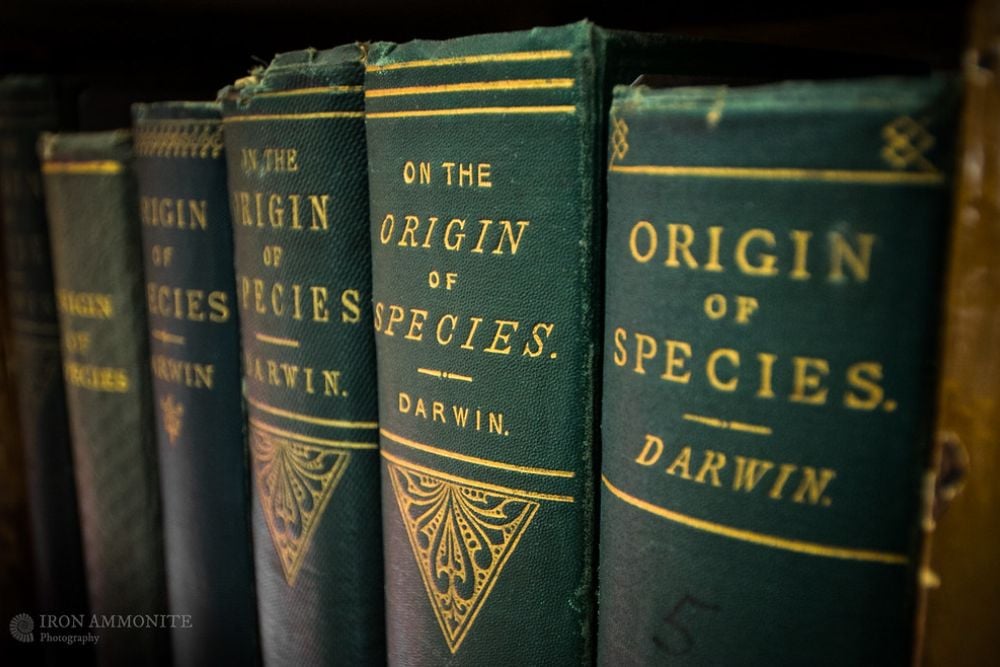
Charles Darwin’s 1859 scientific work revolutionized how humans understand their place in the natural world. The book’s explanation of evolution through natural selection challenged religious beliefs and established biology as a modern science.
Darwin’s ideas about adaptation and survival continue to influence fields from medicine to psychology, proving that scientific theories can be as transformative as political revolutions.
The Gettysburg Address

Lincoln’s brief 1863 speech at a battlefield cemetery redefined the purpose of American democracy in just 272 words. The Address transformed a devastating civil war into a struggle for a ‘new birth of freedom,’ shifting focus from preserving the old union to creating a better one.
This short speech became a template for how leaders could use simple, powerful language to inspire nations during their darkest hours.
The Fourteen Points
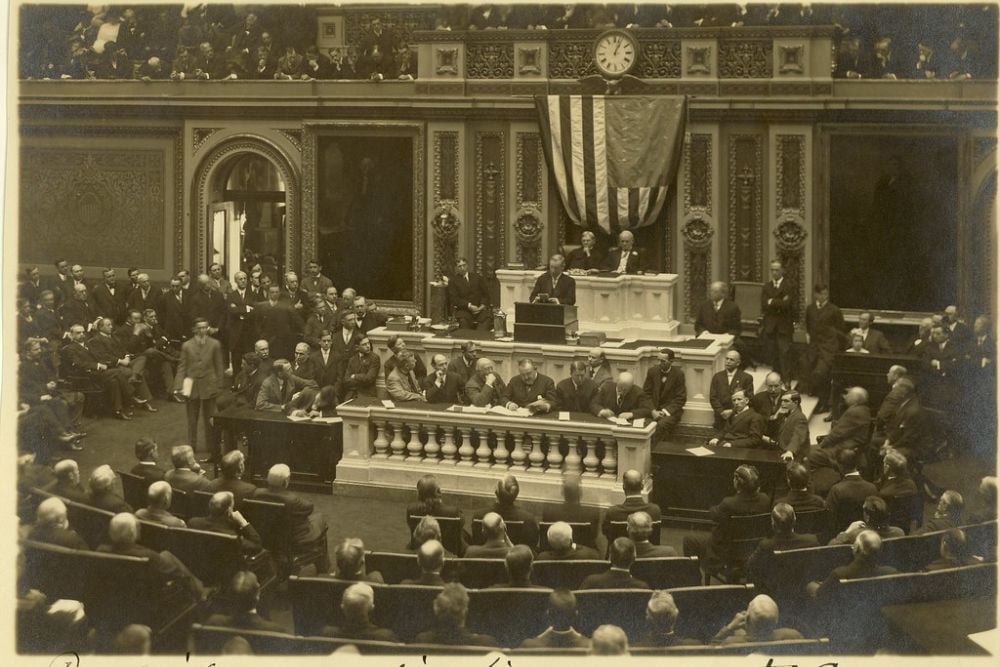
Woodrow Wilson’s 1918 outline for post-World War I peace introduced the concept of international cooperation through organizations like the League of Nations. The Points promoted self-determination for ethnic groups and open diplomacy, establishing principles that would later guide the creation of the United Nations.
Wilson’s vision of collective security and international law changed how nations interact with each other.
Like Go2Tutors’s content? Follow us on MSN.
The Treaty of Versailles

The 1919 peace treaty that ended World War I redrew the map of Europe and established the framework for international relations in the 20th century. The treaty’s harsh treatment of Germany created resentment that would fuel World War II, demonstrating how peace agreements can sometimes plant the seeds of future conflicts.
Its creation of new nations and international institutions showed both the possibilities and limitations of trying to engineer lasting peace.
The Universal Declaration of Human Rights
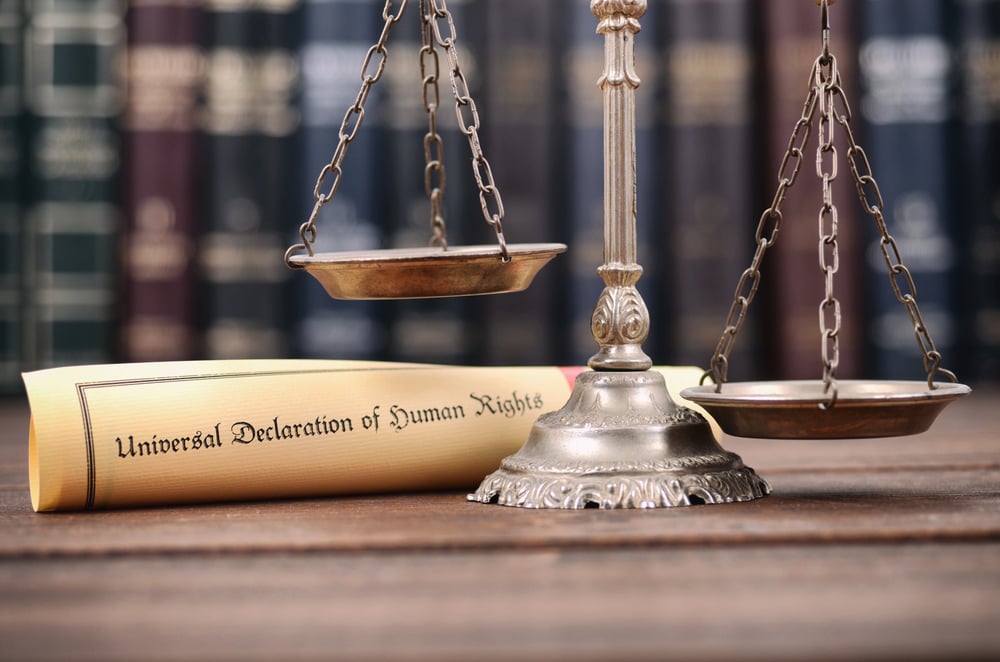
The United Nations’ 1948 declaration established for the first time that all humans possess inherent rights simply by virtue of being human. The Declaration’s 30 articles created a common standard for human dignity that transcends national boundaries, cultures, and political systems.
This document has become the foundation for international human rights law and continues to inspire people fighting oppression worldwide.
The Civil Rights Act of 1964
This groundbreaking American law finally made racial discrimination illegal in public places, employment, and education. The Act represented the culmination of decades of struggle by civil rights activists and proved that persistent grassroots organizing could overcome entrenched injustice.
Its passage inspired similar movements for equality among women, disabled people, and other marginalized groups.
Like Go2Tutors’s content? Follow us on MSN.
The Camp David Accords
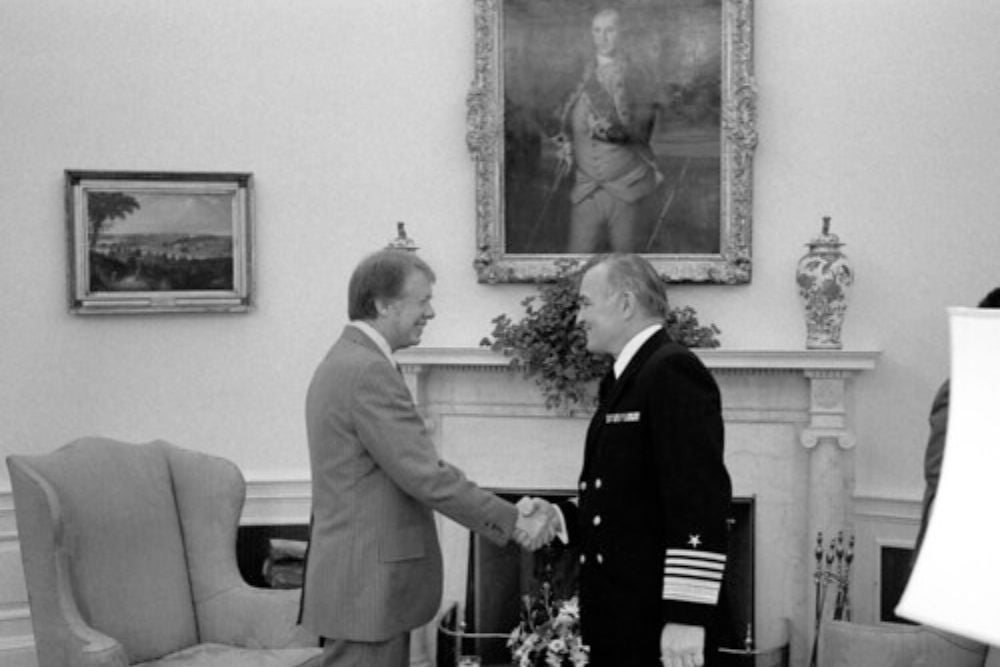
The 1978 peace agreement between Egypt and Israel, brokered by President Jimmy Carter, proved that even the most intractable conflicts could be resolved through patient diplomacy. The Accords ended 30 years of warfare between the two nations and established a framework for Middle East peace negotiations.
This document showed that personal relationships between leaders could sometimes accomplish what armies and sanctions could not.
Words That Built Tomorrow

These 15 documents demonstrate that history’s most profound changes often begin with someone putting pen to paper. From ancient Babylon to modern America, written words have toppled kings, freed slaves, and established new forms of government that millions of people now take for granted.
The power of these texts lies not just in what they said, but in their ability to inspire ordinary people to imagine and fight for a better world. Today, as we face new challenges and opportunities, the example of these transformative documents reminds us that the next great change in human civilization might be just one well-written page away.
More from Go2Tutors!

- 16 Historical Figures Who Were Nothing Like You Think
- 12 Things Sold in the 80s That Are Now Illegal
- 15 VHS Tapes That Could Be Worth Thousands
- 17 Historical “What Ifs” That Would Have Changed Everything
- 18 TV Shows That Vanished Without a Finale
Like Go2Tutors’s content? Follow us on MSN.