17 Islands That Are Technically Claimed, But No One Goes There
In a world mapped down to the last square inch, it’s easy to forget that some places remain virtually untouched by human presence. Despite being officially claimed by various nations, certain islands stand as remote outposts of isolation, their shores rarely, if ever, greeting visitors.
Here is a list of 17 islands that technically belong to someone on paper, but in reality, exist in splendid isolation from the hustle of human activity.
Bouvet Island
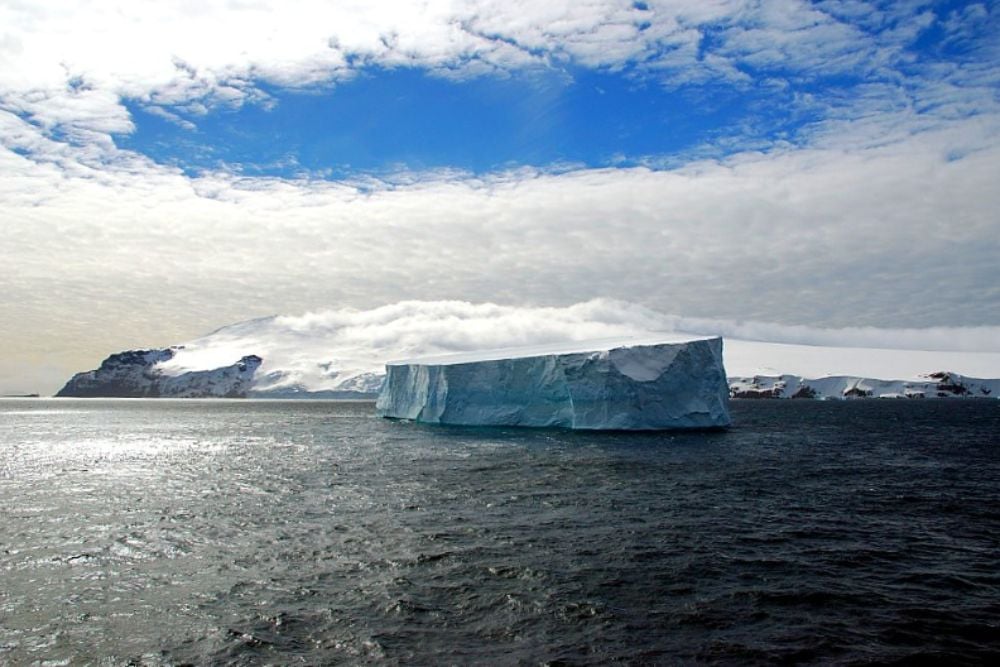
This uninhabited volcanic island sits in the South Atlantic Ocean, technically belonging to Norway since 1927. Located over 1,000 miles from Antarctica and 1,400 miles from South Africa, it’s often called the most remote island on Earth.
The island’s inhospitable terrain, with glaciers covering nearly 93% of its surface, combined with frequent fog, makes landing nearly impossible without specialized equipment.
Heard Island
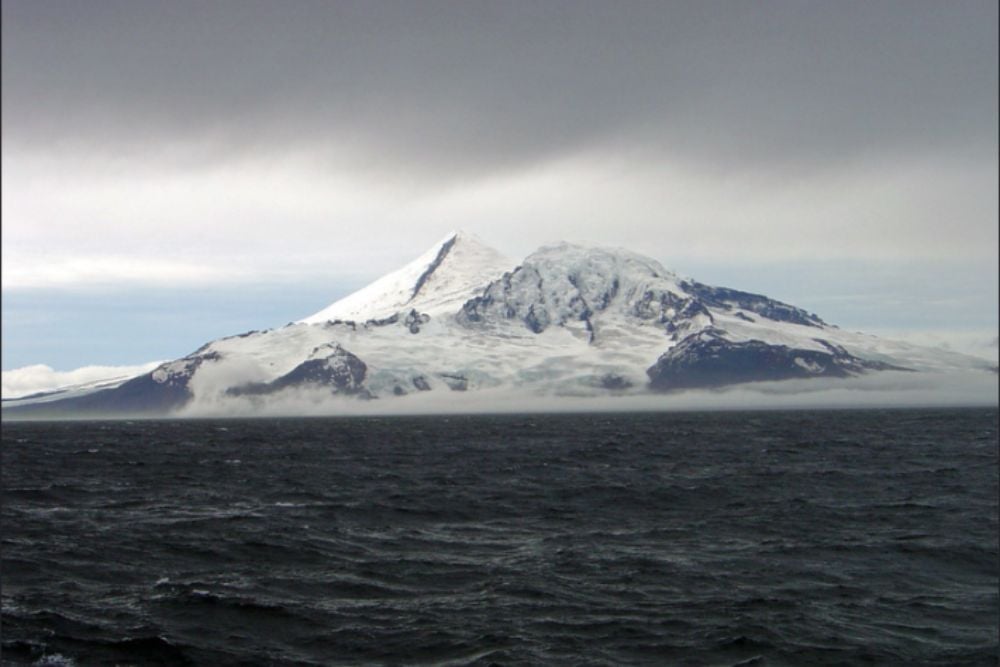
Australia claims this barren, ice-covered volcanic landmass located between Madagascar and Antarctica. The active volcano Big Ben dominates the landscape, standing at 9,006 feet above sea level.
Weather conditions are so severe and unpredictable that scientists who occasionally visit must plan expeditions years in advance, and even then might be unable to land due to fierce winds and massive waves battering the coastline.
Like Go2Tutors’s content? Follow us on MSN.
Baker Island
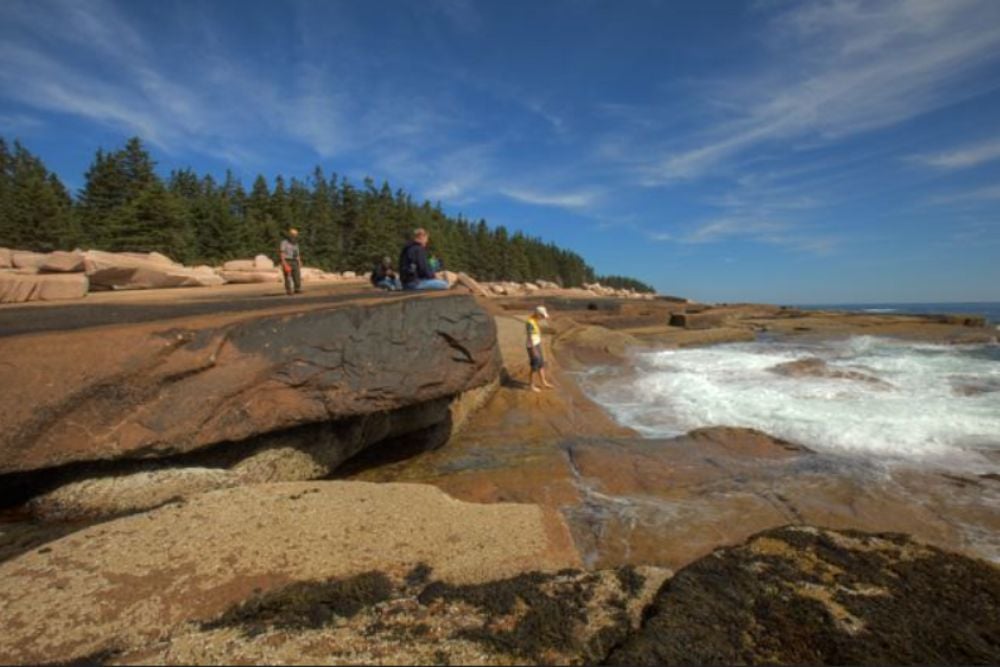
This tiny, unincorporated U.S. territory in the central Pacific measures just 0.5 square miles and sits directly on the Equator. Once valued for its guano deposits in the 19th century, today it serves as a National Wildlife Refuge closed to the public.
The island lacks fresh water sources and has no natural harbor, making visits extraordinarily difficult even for the occasional government researchers who monitor its bird populations.
Clipperton Island
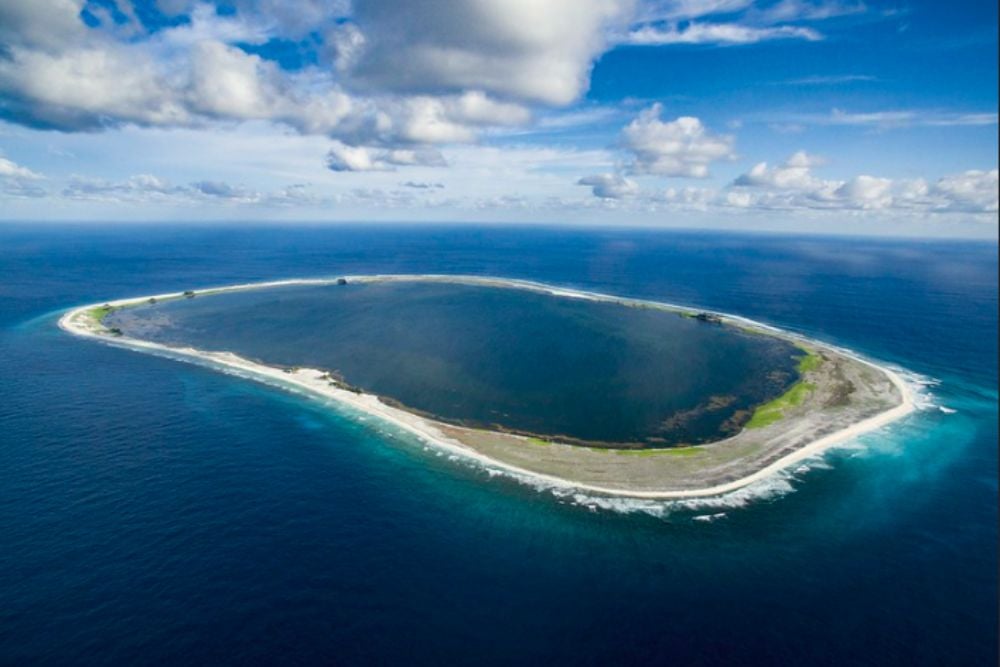
France maintains control over this remote coral atoll lying about 670 miles off Mexico’s southwest coast. Named after an 18th-century English pirate, the ring-shaped island surrounds a toxic lagoon and hosts crumbling remnants of failed settlement attempts.
Aside from scientific expeditions every few years, the only regular visitors are the hundreds of thousands of land crabs that have completely overtaken the island.
Desventuradas Islands
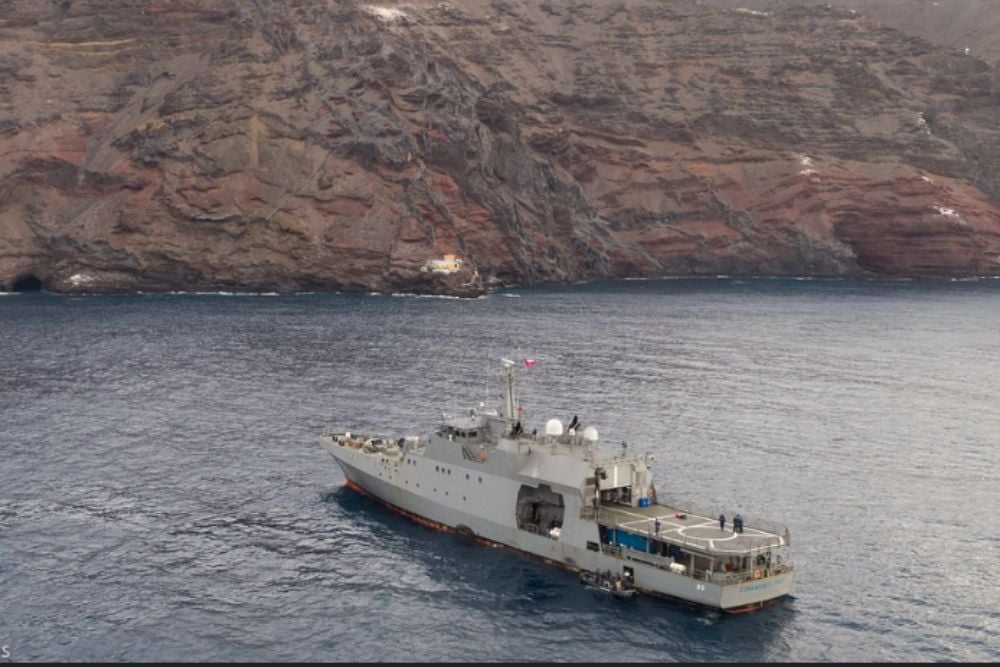
Chile owns this archipelago located 530 miles off its coast, consisting primarily of San Ambrosio and San Félix islands. These volcanic formations feature harsh conditions with minimal vegetation and sheer cliff faces rising dramatically from the ocean.
The Chilean Navy maintains a small station but rotates personnel frequently due to the psychological toll of the extreme isolation.
Like Go2Tutors’s content? Follow us on MSN.
Navassa Island
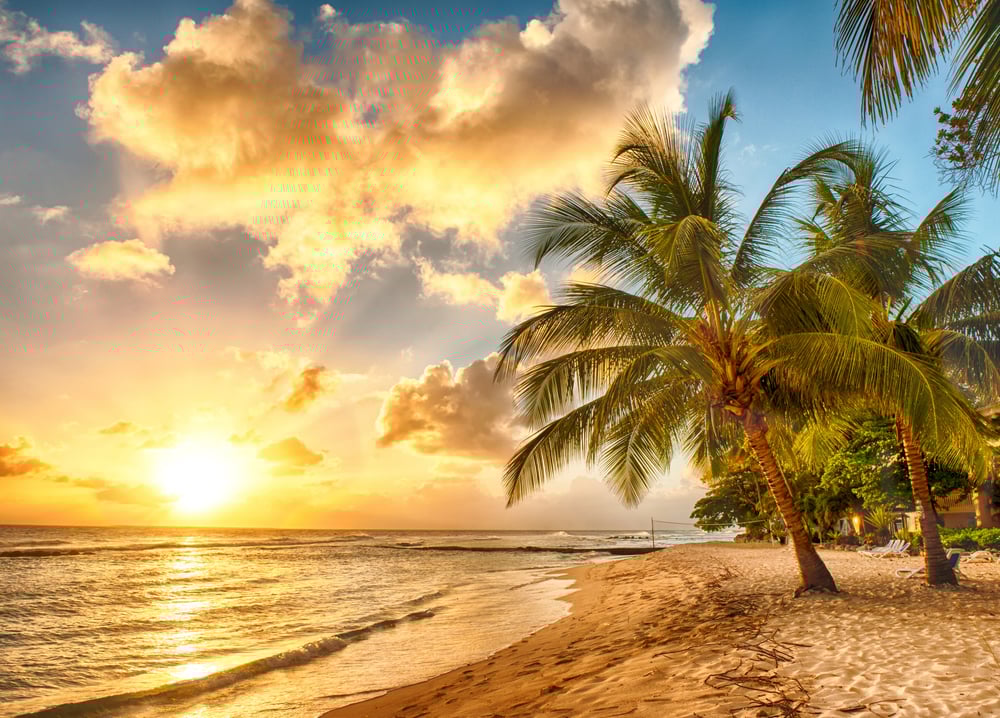
Technically a U.S. territory, this small Caribbean island sits between Haiti and Jamaica and remains the subject of an ongoing territorial dispute. Its razor-sharp limestone formations, nicknamed ‘ironshore,’ make landing treacherous without specialized equipment.
The U.S. Coast Guard occasionally patrols the waters surrounding the island, but human presence remains extremely rare on its hostile shores.
Jarvis Island
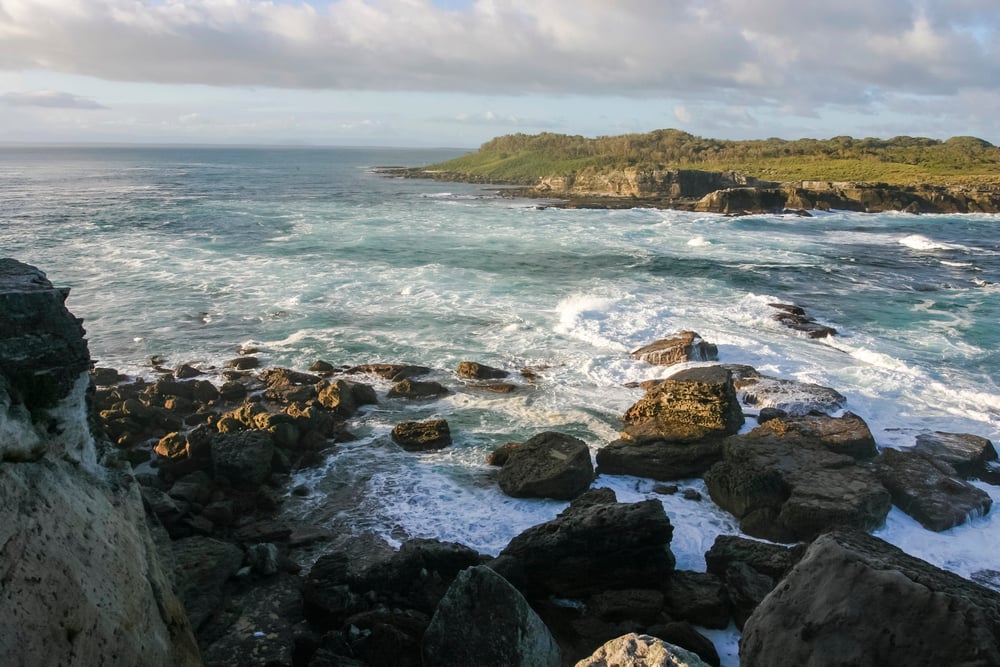
Another uninhabited U.S. territory in the South Pacific, Jarvis Island, has been designated a National Wildlife Refuge since 1974. The island experienced brief periods of human habitation during the 19th-century guano mining operations and later during pre-WWII American colonization efforts.
Today, its isolation serves as protection for the diverse seabird population that uses the island for breeding, with access restricted to scientific researchers who rarely visit.
Peter I Island
Norway claimed this entirely glacier-covered island in 1929, but its extreme location 280 miles from Antarctica means almost no one ever reaches its shores. The surrounding pack ice makes approaching by ship nearly impossible for most of the year.
Since its discovery in 1821, fewer than a dozen expeditions have successfully landed on the island, making it less visited than even the surface of the moon.
Like Go2Tutors’s content? Follow us on MSN.
Ashmore Reef
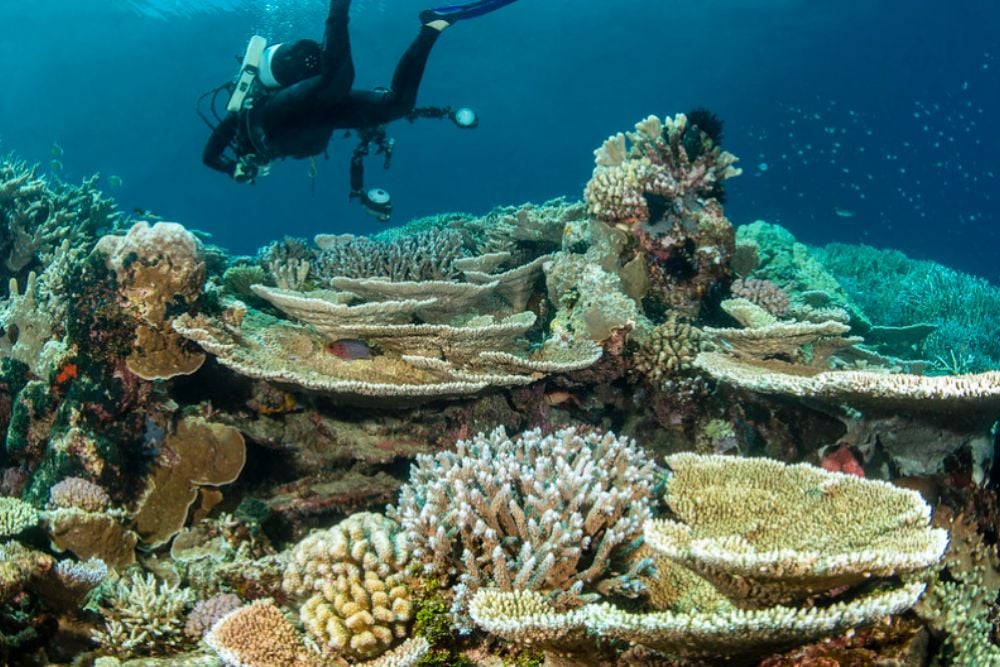
Australia administers this group of small, uninhabited islands in the Indian Ocean with strict visitation controls. The reef system encompasses three small islands surrounded by flourishing coral gardens.
While Indonesian fishermen occasionally visit certain designated areas based on traditional fishing agreements, the Australian Border Force maintains regular patrols to prevent unauthorized access, keeping human footprints to an absolute minimum.
South Sandwich Islands

Part of the British Overseas Territory that includes South Georgia, these volcanic islands sit in the far South Atlantic, punished by some of the planet’s most severe weather conditions. The archipelago consists of 11 mostly ice-covered islands where temperatures rarely climb above freezing.
Between the frigid climate, active volcanoes, and treacherous landings, only dedicated research teams endeavor to visit these remote outposts.
Rockall
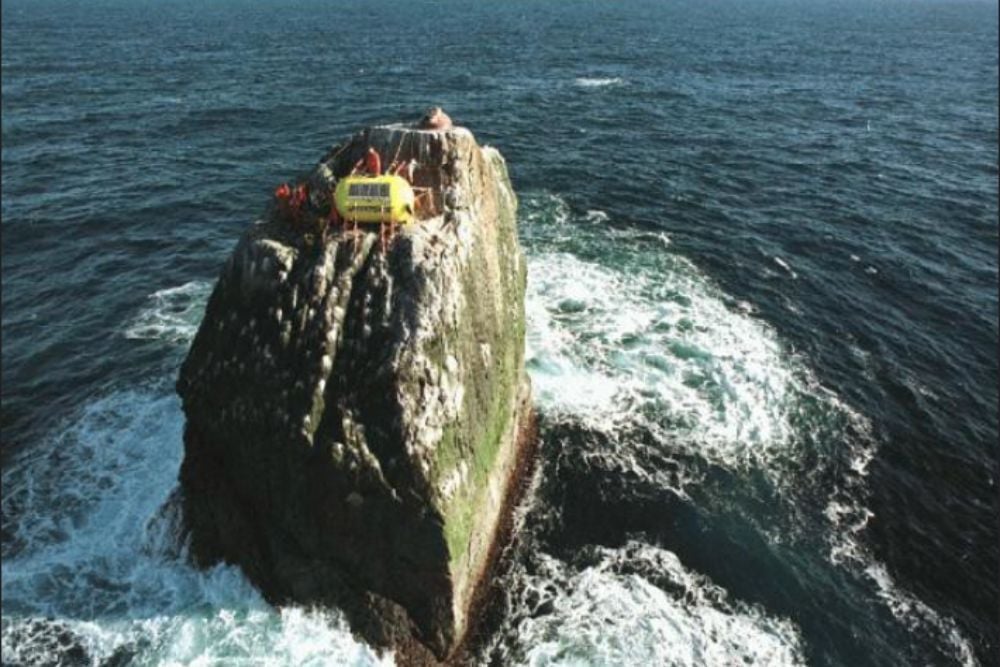
This granite islet in the North Atlantic stands as one of the most isolated places in the United Kingdom’s territory. Rising barely 70 feet above sea level with a base diameter of about 80 feet, the uninhabitable rock has been the site of several sovereignty disputes.
The violent North Atlantic conditions make landing extremely dangerous, with waves regularly washing over the entire formation during storms.
Like Go2Tutors’s content? Follow us on MSN.
Kingman Reef
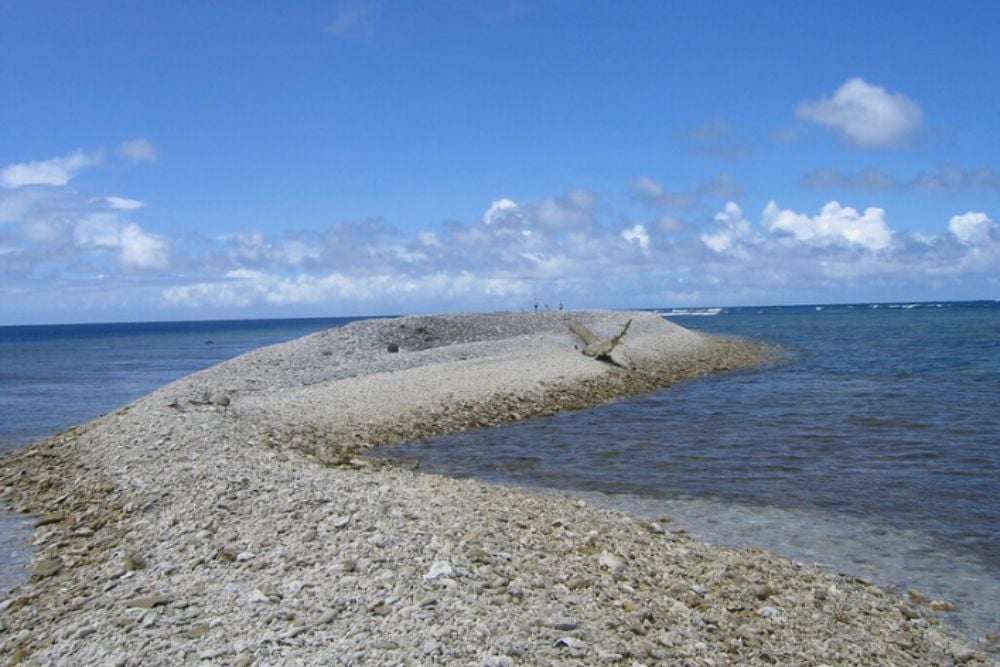
This U.S. possession exists as little more than a triangular reef that barely breaks the ocean’s surface at low tide. Located about 1,000 miles south of Hawaii, the reef contains no dry land except for a small strip that disappears at high tide.
The U.S. Navy used it briefly during World War II, but today it remains untouched except for the occasional scientific expedition studying its pristine coral ecosystem.
Bajo Nuevo Bank
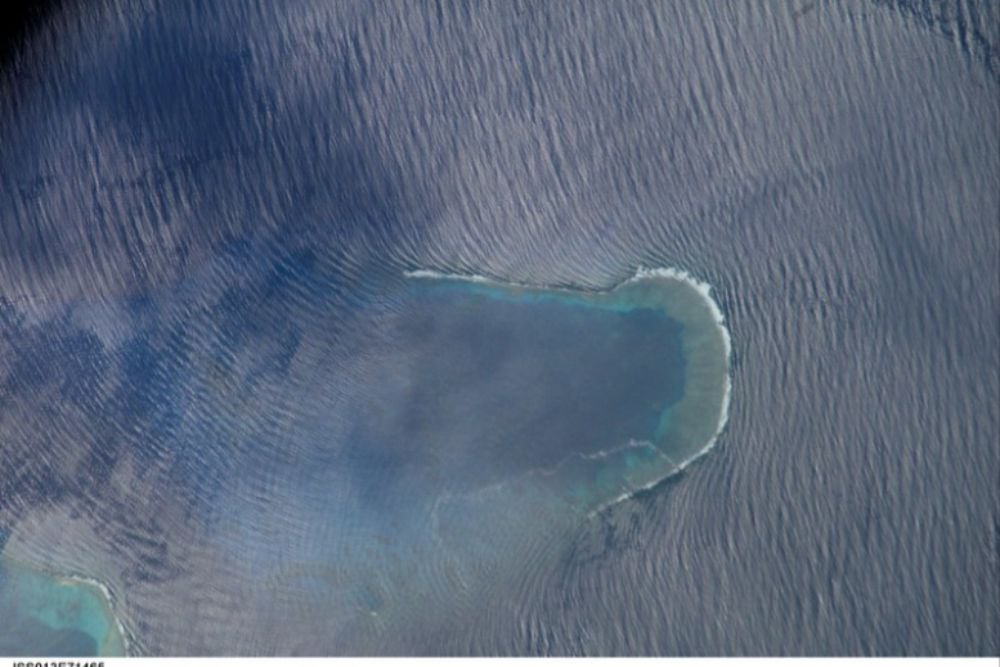
Though claimed by the United States and administered as part of Puerto Rico, this remote reef system remains disputed territory with Colombia, Jamaica, and Nicaragua also asserting ownership. The reef’s only dry land consists of small sandy cays that appear and disappear with major storms.
Despite rich fishing grounds in the surrounding waters, its isolation and political ambiguity keep human visitors extremely rare.
Bassas da India
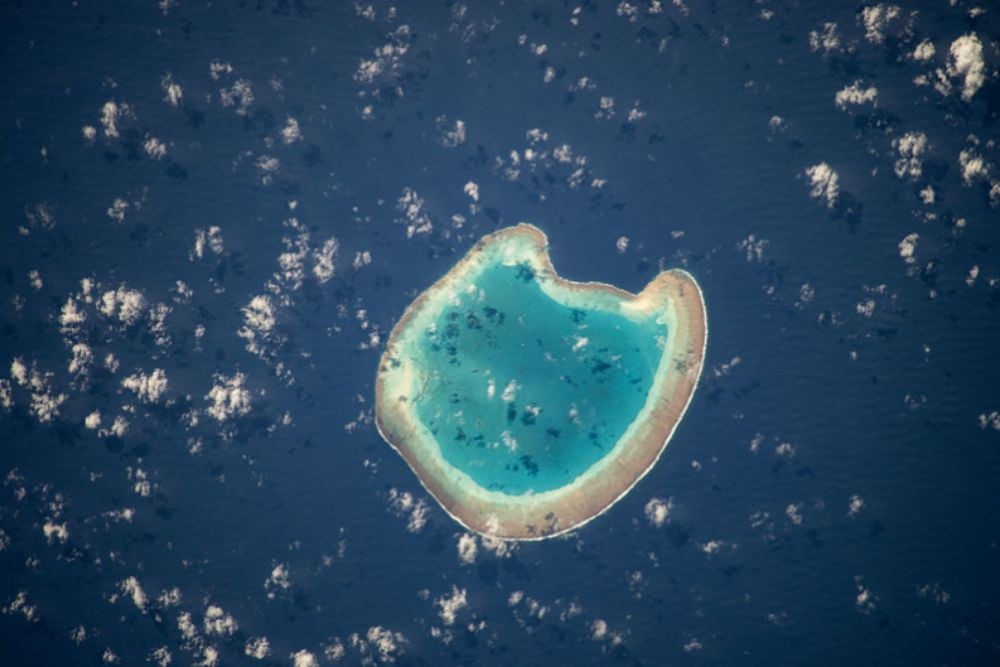
This uninhabited French possession in the Mozambique Channel presents as a circular atoll that completely submerges during high tide, revealing itself only twice daily. Its constantly shifting sands and surrounding reef system have caused numerous shipwrecks throughout history.
The treacherous waters and lack of permanent dry land make it impossible to establish any human presence beyond the occasional passing scientific vessel.
Like Go2Tutors’s content? Follow us on MSN.
Antipodes Islands
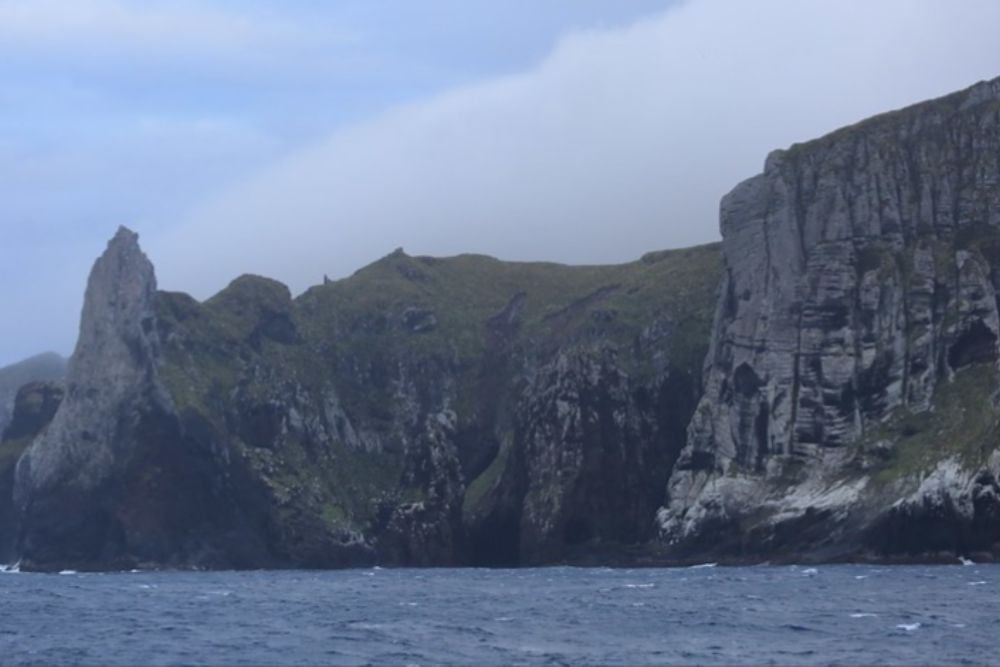
New Zealand maintains these subantarctic islands located 470 miles south of its mainland. The volcanic archipelago experiences almost constant precipitation and fierce winds that sweep across its tussock-covered landscape.
Access requires special permits from the New Zealand Department of Conservation, which are rarely granted except for scientific research, maintaining the islands’ pristine ecosystem virtually untouched by human influence.
Macquarie Island
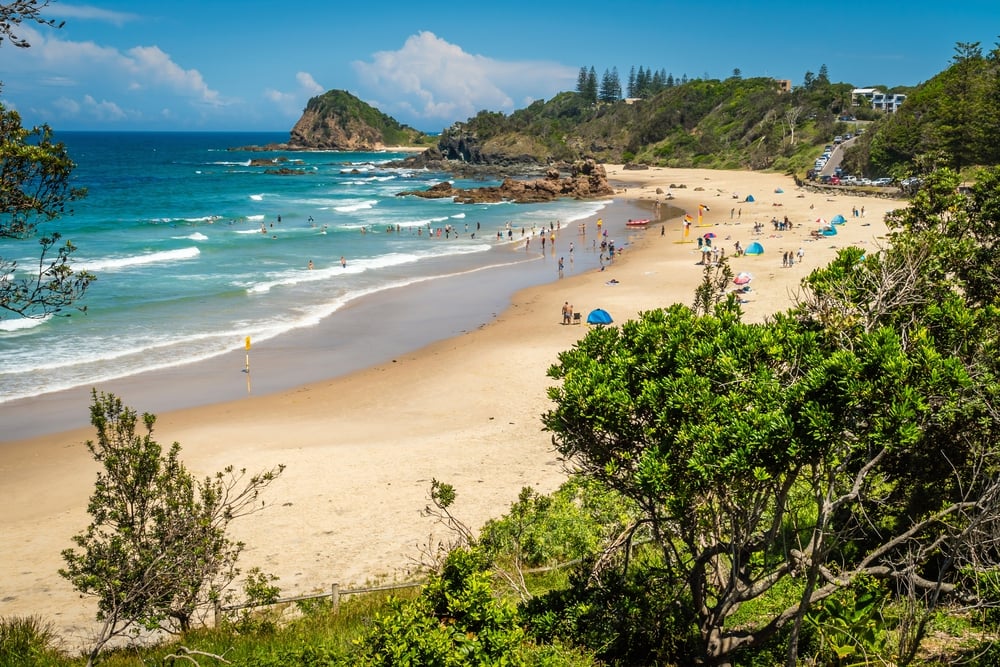
Administered by Tasmania, Australia, this UNESCO World Heritage site sits halfway between New Zealand and Antarctica. Despite having a small research station with rotating staff, most of the island remains off-limits to humans to protect its unique ecosystem.
The island’s position in the path of the “Furious Fifties” winds means weather conditions change dramatically within minutes, making travel to and around the island exceptionally challenging.
Johnston Atoll
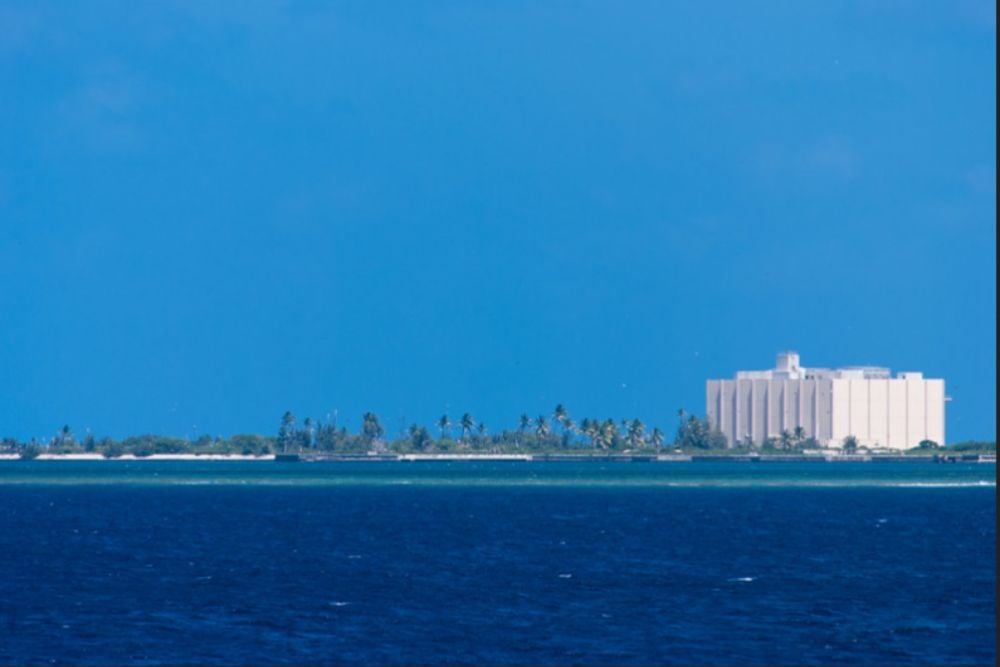
This former U.S. military site located 750 miles southwest of Hawaii once housed chemical weapons and served as a nuclear test site. After decades of environmental remediation following its closure as a military installation in 2004, the island remains strictly off-limits to visitors.
Today, this remote outpost exists as a National Wildlife Refuge, with human presence limited to occasional scientific monitoring teams checking on restoration progress.
Like Go2Tutors’s content? Follow us on MSN.
Isolated Outposts in a Connected World
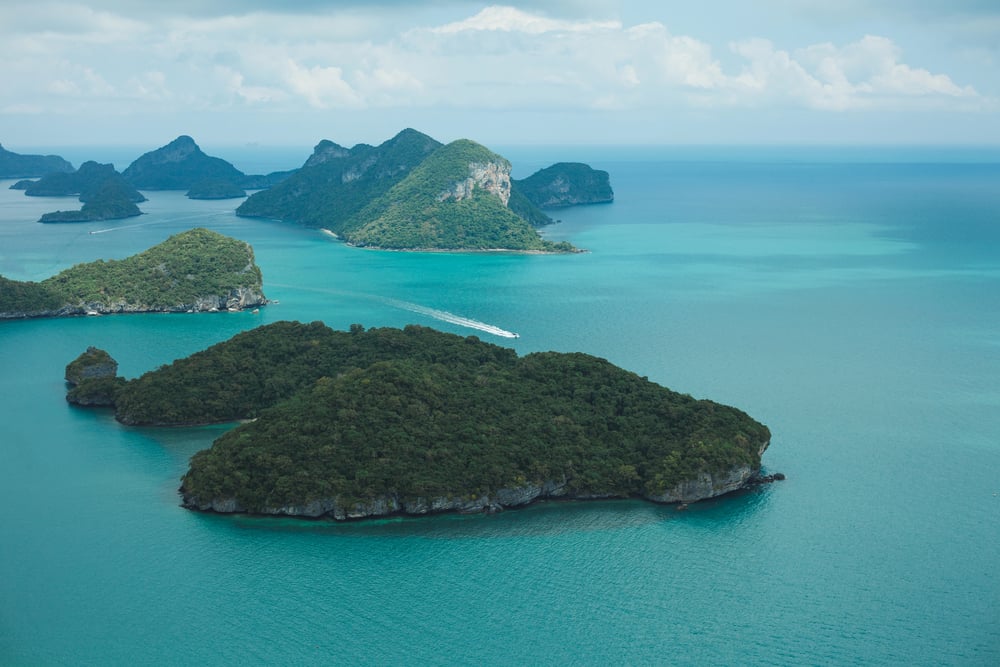
These remote territories represent the last truly isolated places on our planet—claimed on maps but existing beyond regular human experience. While satellites photograph them and ships occasionally pass by, these islands continue their solitary existence largely as they have for millennia.
Their very inaccessibility has become their greatest asset, preserving unique ecosystems and offering rare glimpses of how our planet functions without constant human interference.
More from Go2Tutors!

- 18 Unexpectedly Valuable Collectibles You Might Have Lying Around
- 15 Things Every Teenager in the ’70s Did That Teens Today Wouldn’t Understand
- 15 Strange Things People Have Tried to Ban (And Failed)
- 15 Inventions That Were Immediately Banned After Being Created
- 20 Actors Who Were Almost Cast in Iconic Roles
Like Go2Tutors’s content? Follow us on MSN.



