15 Unique Rocks That Scientists Study
The natural world contains an astonishing variety of rocks that tell stories of our planet’s history. From fiery volcanic origins to the crushing pressures of Earth’s interior, these geological wonders capture moments of time and forces of nature that have shaped our world for billions of years.
Here is a list of 15 fascinating rocks that continue to captivate geologists and other scientists around the world:
Moldavite
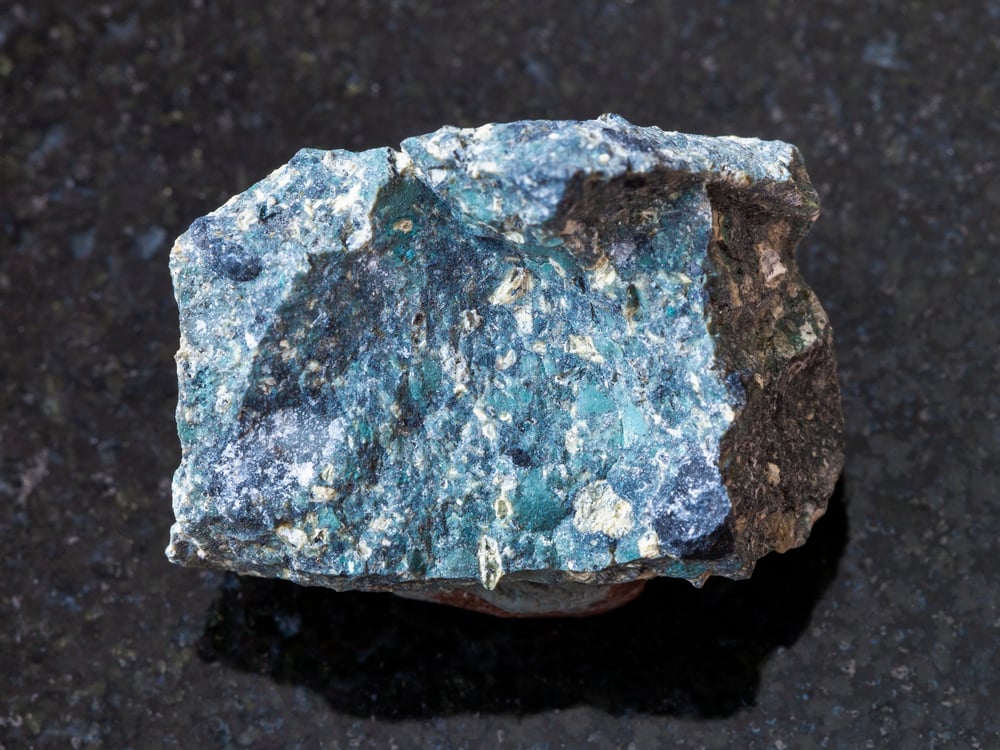
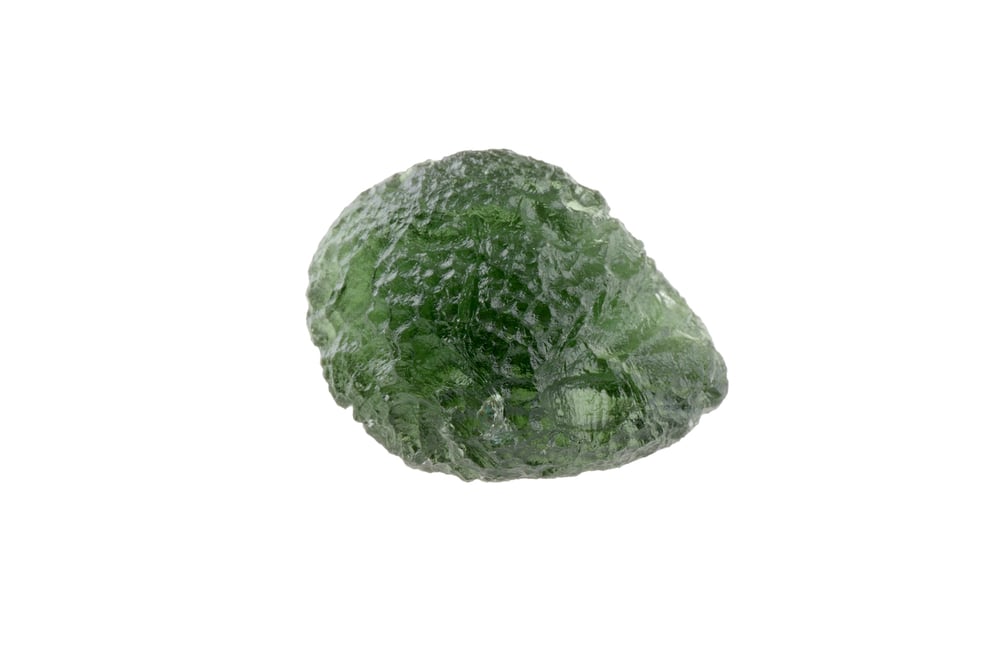
This olive-green gemstone isn’t just beautiful—it’s extraterrestrial. Moldavite formed when a massive meteorite struck present-day Germany about 15 million years ago.
The extreme heat and pressure of the impact melted surrounding rock and catapulted it through the air, creating these glass-like formations that landed primarily in the Czech Republic. Scientists value moldavite for its ability to provide information about cosmic collisions without needing to leave Earth.
Kimberlite

Formed deep within Earth’s mantle, kimberlite serves as nature’s delivery system for diamonds. These igneous rocks travel at extraordinary speeds from depths of over 90 miles, carrying diamond crystals that formed under extreme pressure.
When geologists find kimberlite pipes (the vertical structures created by these eruptions), they’ve essentially discovered the elevator shafts that bring Earth’s most coveted gemstones to accessible depths.
Like Go2Tutors’s content? Follow us on MSN.
Pumice
The only rock that can float on water, pumice forms during explosive volcanic eruptions when lava cools so rapidly that gas bubbles become trapped inside. The result is an extremely lightweight, highly porous rock filled with countless tiny air pockets.
Marine biologists have discovered that pumice rafts—massive floating islands of this rock—can transport marine organisms thousands of miles across oceans, helping to spread life between distant shores.
Lapis Lazuli
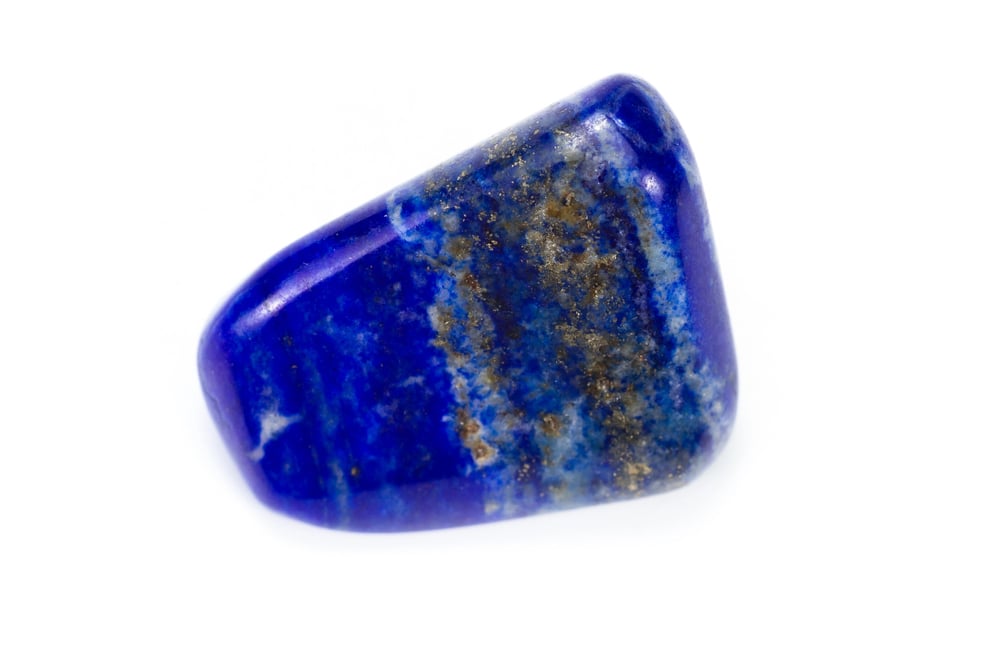
This striking blue metamorphic rock has captured human attention for over 6,000 years. Formed when limestone undergoes metamorphism in contact with igneous intrusions, lapis lazuli contains multiple minerals that create its signature deep blue color with flecks of gold (pyrite).
Archaeologists study ancient lapis trade routes to understand prehistoric economic systems, as this rock was once more valuable than gold in many ancient civilizations.
Banded Iron Formation

These distinctively striped rocks represent some of Earth’s oldest evidence of life. Formed between 3.8 and 1.8 billion years ago, these sedimentary rocks contain alternating layers of iron-rich minerals and silica that could only have formed in the presence of oxygen-producing organisms.
Paleontologists view these formations as a timeline of early Earth’s atmosphere, marking the transition from an oxygen-poor environment to one that could support complex life forms.
Like Go2Tutors’s content? Follow us on MSN.
Chondrite
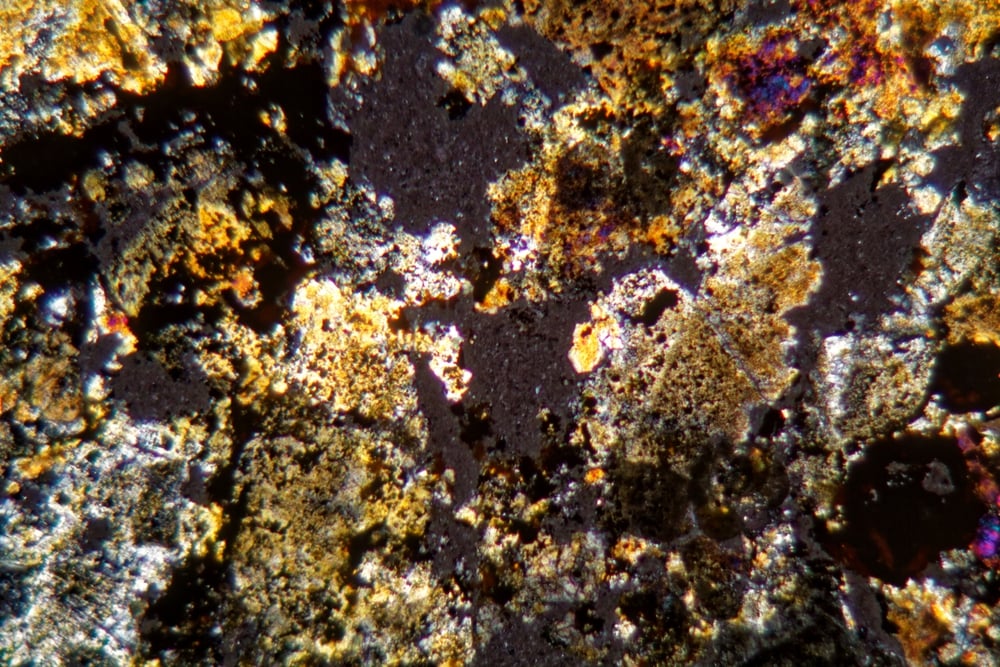
Among the most primitive materials in our solar system, chondrites are stony meteorites that haven’t changed since their formation 4.56 billion years ago. These cosmic rocks contain small, round grains called chondrules that formed as molten droplets in the early solar nebula.
Cosmochemists analyze chondrites to understand the original building blocks of our planets and how they formed from the dust surrounding our young sun.
Kakortokite
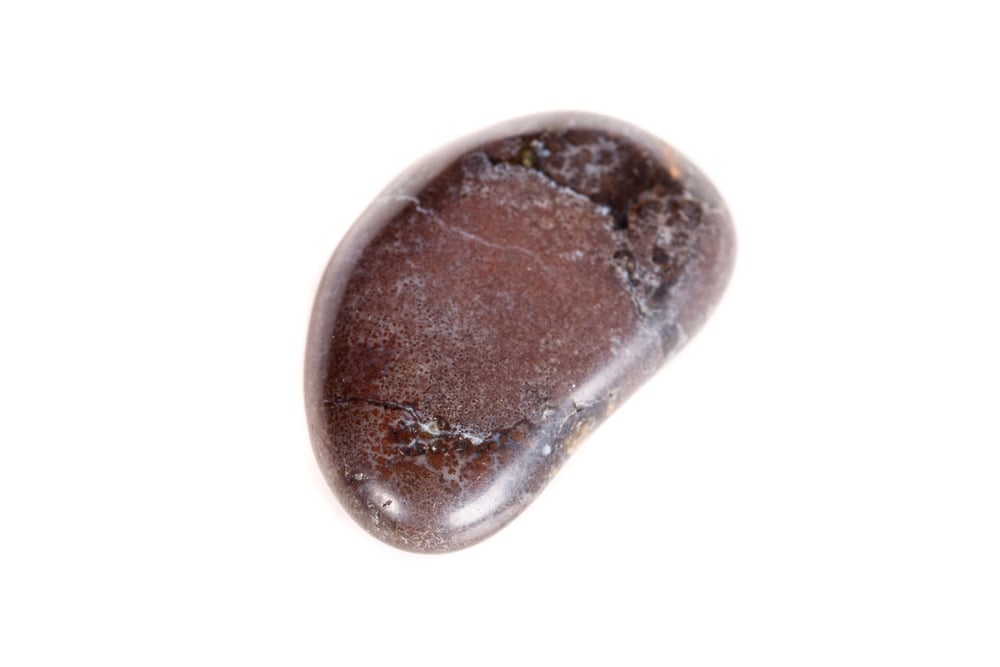
Found primarily in Greenland, this rare layered igneous rock shows stunning bands of black, red, and white minerals. The distinct layers form through a process called magmatic layering, where different minerals crystallize and settle at different times in a magma chamber.
Petrologists study kakortokite to understand complex crystallization processes and how magma evolves as it cools within Earth’s crust.
Coquina
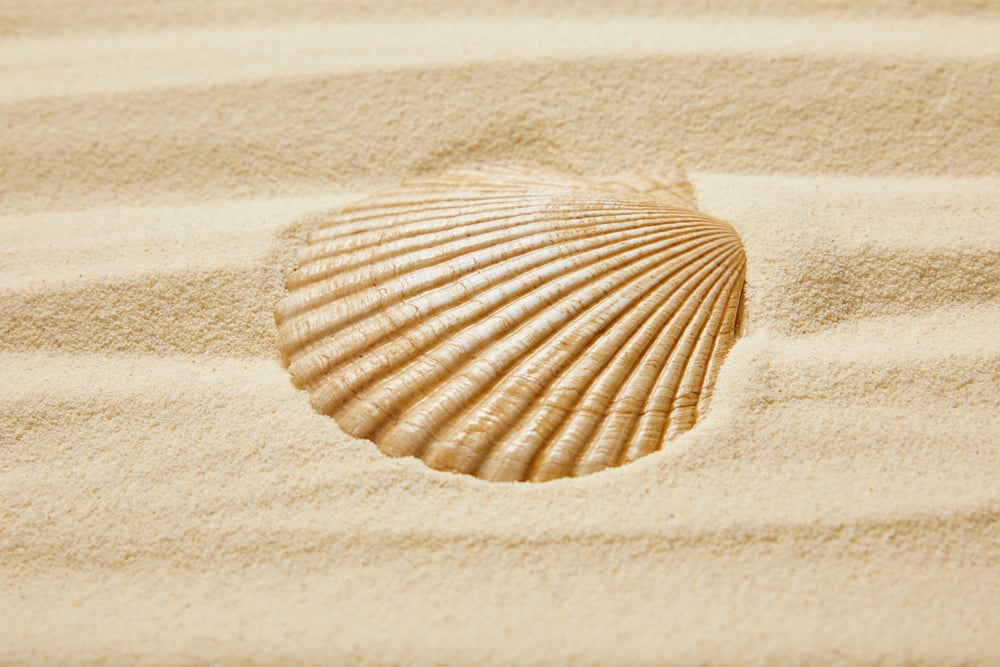
Composed almost entirely of shell fragments, coquina forms when ocean currents deposit and compact seashells along shorelines. These shells become cemented together over time, creating a natural record of ancient marine ecosystems.
Paleontologists examine coquina to reconstruct prehistoric coastlines and understand how marine communities have evolved over millions of years in response to changing climates and sea levels.
Like Go2Tutors’s content? Follow us on MSN.
Eclogite
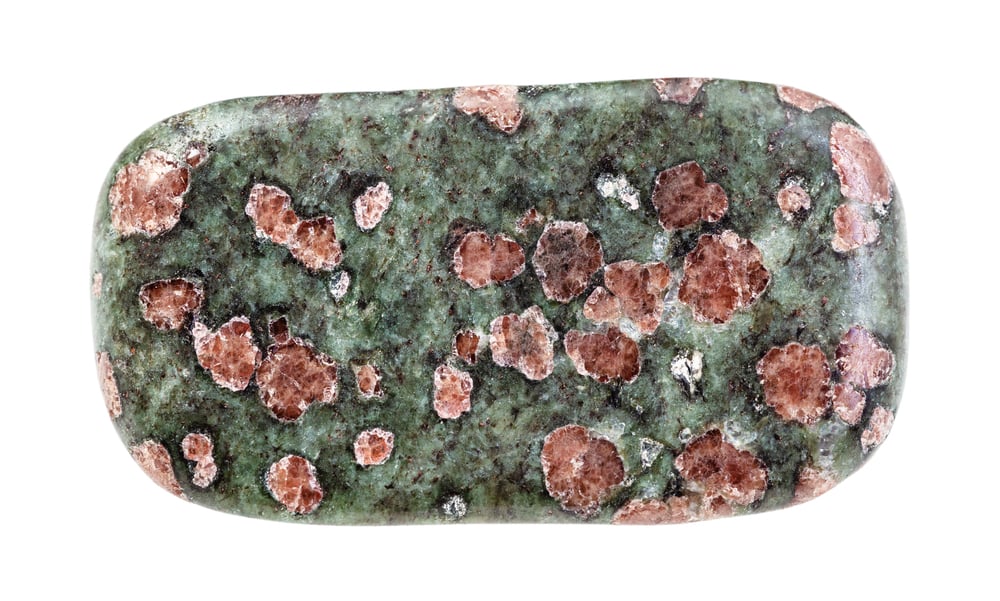
Formed under extreme pressure deep within subduction zones, eclogite represents oceanic crust that has been pushed down into Earth’s mantle. These metamorphic rocks contain distinctive green and red minerals that only form under pressures about 45,000 times greater than atmospheric pressure.
Structural geologists analyze eclogite samples to understand the mechanics of plate tectonics and how continents collide and separate over geological time.
Serpentinite
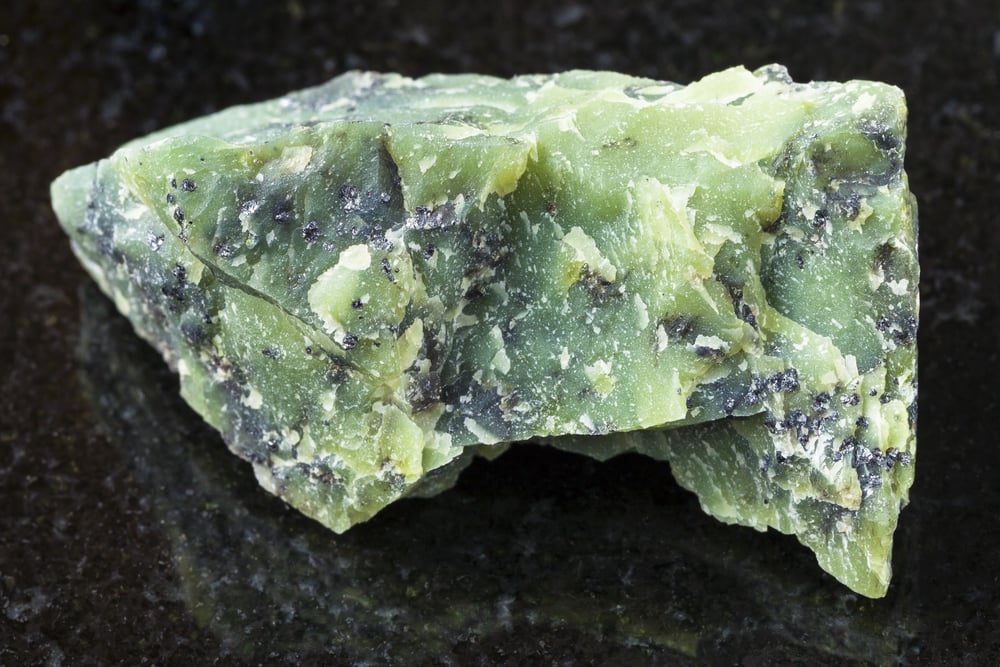
This glossy, green-to-black rock forms when water alters ultramafic rocks from Earth’s mantle. The transformation process, called serpentinization, releases hydrogen gas and creates highly alkaline conditions similar to those that may have existed on early Earth.
Astrobiologists study serpentinite environments as analogs for where life might have originated on our planet, or where it might exist on other worlds like Europa or Enceladus.
Fulgurite

Created when lightning strikes sand or soil, fulgurites are natural glass tubes that form in less than a second. These hollow, branching structures follow the path of electrical discharge into the ground, sometimes extending several feet deep.
Atmospheric scientists analyze fulgurites to understand the properties of lightning strikes throughout Earth’s history, including their intensity and frequency during different climate periods.
Like Go2Tutors’s content? Follow us on MSN.
Zebra Rock
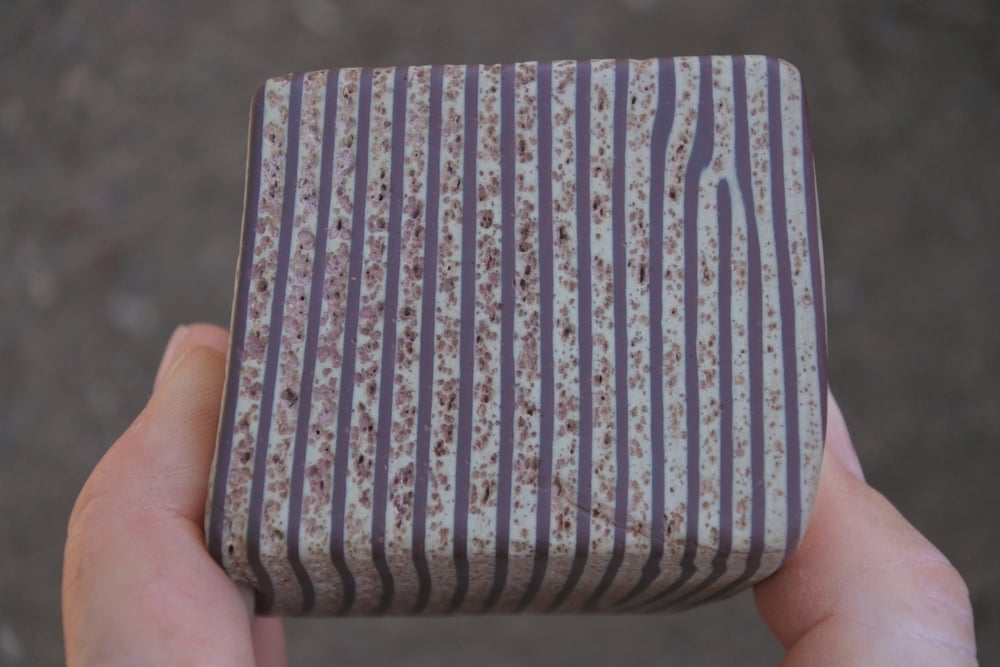
With its distinctive red and white stripes that indeed resemble a zebra’s pattern, this rare sedimentary rock is found almost exclusively in Western Australia. Formed approximately 1.8 billion years ago, the precise mechanism that created these regular bands remains a geological mystery.
Sedimentologists study zebra rock to understand ancient depositional environments and the unusual chemical conditions that could have produced such regular patterning.
Unakite
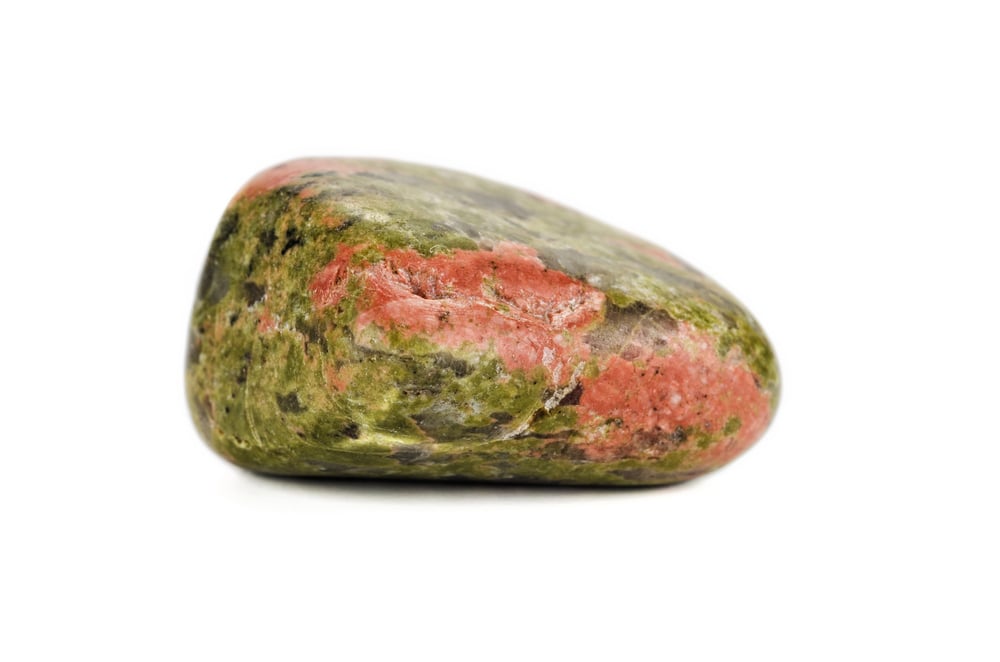
This green and pink granite underwent transformation when mineral-rich fluids altered its original composition. Named after the Unaka Mountains in Tennessee, where it was first identified, unakite contains green epidote, pink feldspar, and clear quartz.
Geochemists analyze unakite to understand how rocks interact with hydrothermal fluids and how this process redistributes elements through Earth’s crust.
Itacolumite

Known as “flexible sandstone,” this unusual rock can actually bend without breaking when cut into thin slabs. Found primarily in Brazil, India, and North Carolina, itacolumite contains interlocking quartz grains with tiny spaces between them that allow for slight movement.
Materials scientists study this natural phenomenon to develop synthetic materials with similar flexible properties for construction and engineering applications.
Like Go2Tutors’s content? Follow us on MSN.
Tektite
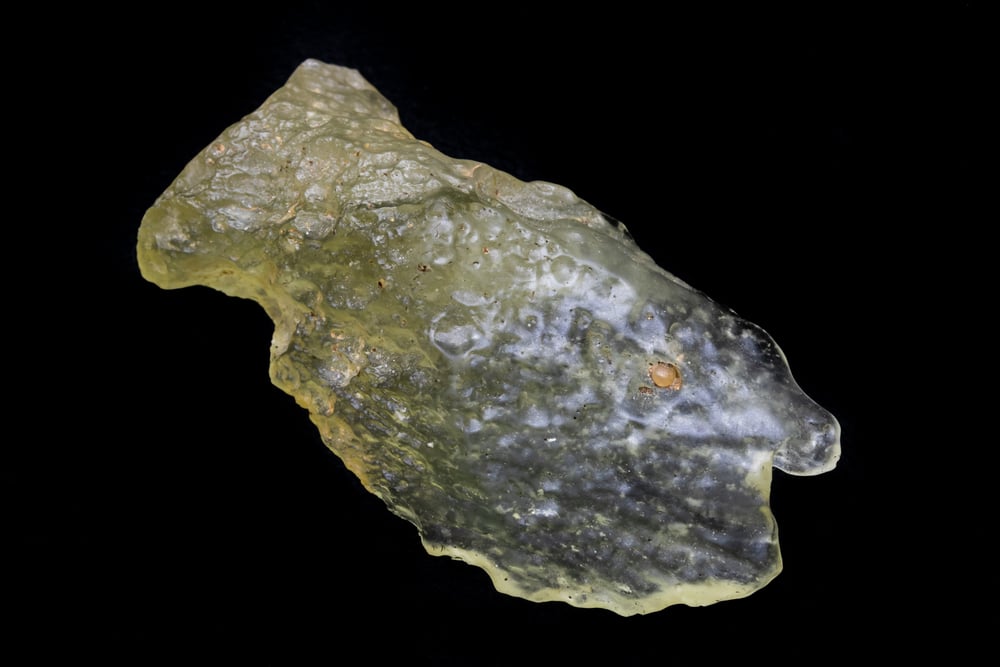
Similar to moldavite but more widely distributed, tektites are glassy objects formed from terrestrial debris melted during meteorite impacts. These aerodynamically shaped rocks have been scattered across specific regions of Earth called strewn fields.
Geophysicists analyze tektites to reconstruct the size and angle of ancient meteorite impacts that were powerful enough to melt rock and launch it into the atmosphere.
Earth’s Rocky Storytellers

These fifteen remarkable rocks represent just a fraction of the geological diversity that scientists investigate daily. Each specimen serves as a time capsule, preserving evidence of processes ranging from Earth’s earliest days to cosmic collisions that continue to shape our planet.
When geologists examine these rocks, they’re not just looking at stones—they’re reading chapters in the ongoing story of our dynamic world.
More from Go2Tutors!

- 18 Unexpectedly Valuable Collectibles You Might Have Lying Around
- 15 Things Every Teenager in the ’70s Did That Teens Today Wouldn’t Understand
- 15 Strange Things People Have Tried to Ban (And Failed)
- 15 Inventions That Were Immediately Banned After Being Created
- 20 Actors Who Were Almost Cast in Iconic Roles
Like Go2Tutors’s content? Follow us on MSN.