16 Roman Inventions Still Used Today
The ancient Romans were remarkable innovators whose legacy extends far beyond their military conquests and architectural wonders. While their empire may have fallen over 1,500 years ago, many of their practical inventions and engineering solutions continue to shape our modern world in surprising ways. Their pragmatic approach to solving everyday problems resulted in technologies that have stood the test of time, often with only minor modifications to the original designs.
Here is a list of 16 ancient Roman inventions that we still use today, demonstrating how this civilization’s ingenuity continues to influence our daily lives.
Concrete

By creating a concrete that could even solidify underwater, the Romans transformed the building industry. They used a proprietary mixture of lime, seawater, and volcanic ash to create constructions so strong that many of them are still standing two millennia later.
The composition of Roman concrete from harbors has been researched by contemporary engineers, who have discovered that it is actually stronger than many contemporary mixes, particularly in maritime conditions where our concrete usually deteriorates within decades.
Aqueducts
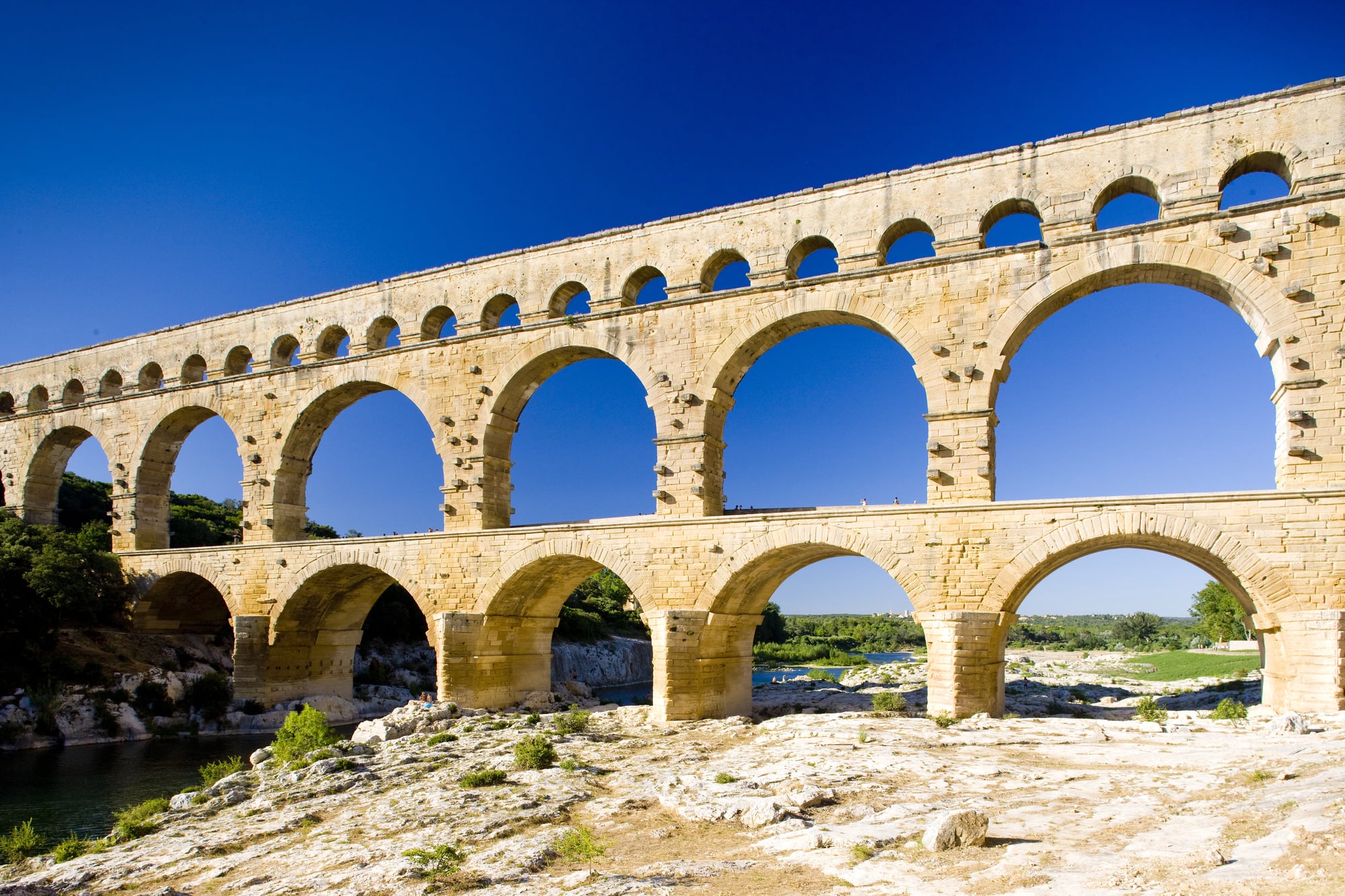
Roman aqueducts used only gravity and ingenious architecture to move fresh water over great distances. Clean water from far-off springs was delivered to cities via these amazing water delivery systems, which frequently spanned kilometers and had well-planned gradients.
Roman-built aqueducts were still in use in many European towns far into the modern era, and the fundamental ideas of efficiently moving water via elevation changes are being used in our present water delivery infrastructure.
Like Go2Tutors’s content? Follow us on MSN.
Apartment Buildings

The insulae, or Roman apartment buildings, were the ancient world’s solution to urban housing shortages. These multi-story residential structures housed the majority of city-dwelling Romans and featured shops on the ground floor with apartments above—a layout still common in cities worldwide.
Today’s urban apartment buildings follow essentially the same concept, though thankfully with better fire safety features and more reliable plumbing than their ancient counterparts.
Newspapers
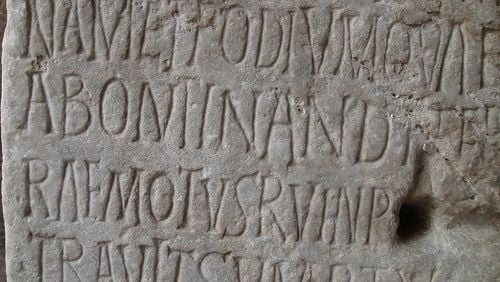
The Acta Diurna, or ‘Daily Acts,’ was the Roman equivalent of a newspaper, carved on stone or metal and displayed in public spaces. These primitive news sheets announced important events, legal proceedings, and even sports results to keep citizens informed.
Like today’s newspapers, they provided official information and represented an early form of mass communication. However, modern printing technology has made our news sharing considerably more efficient than carving announcements in stone.
Central Heating

The hypocaust system was the Roman answer to cold European winters. It consisted of hollow spaces under floors where hot air from furnaces could circulate.
This ingenious design heated homes, public baths, and buildings throughout the empire, keeping occupants comfortable in otherwise frigid conditions. Our modern radiant floor heating systems operate on remarkably similar principles, though we’ve replaced slave-tended furnaces with more convenient electric or hydronic systems.
Like Go2Tutors’s content? Follow us on MSN.
Roads
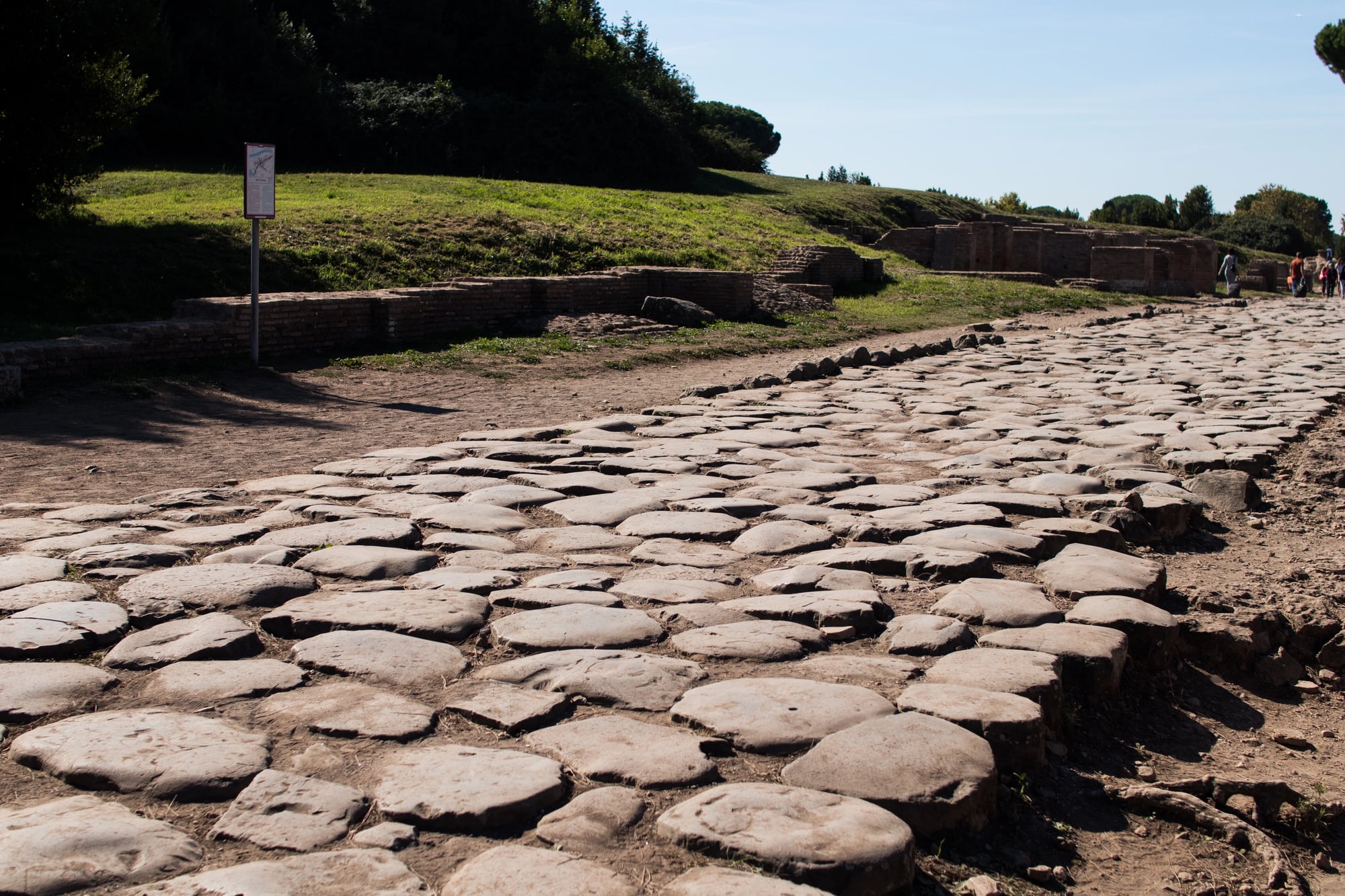
The famous Roman roads featured innovative multi-layered construction with drainage systems, cambered surfaces for water runoff, and durable paving materials. Their network of over 250,000 miles of roads connected the vast empire and was built with such precision that many routes still form the basis of modern European roadways.
The phrase ‘all roads lead to Rome’ reflects how their comprehensive transportation network revolutionized travel and trade in ways that continue to influence our own highway systems.
Surgical Tools
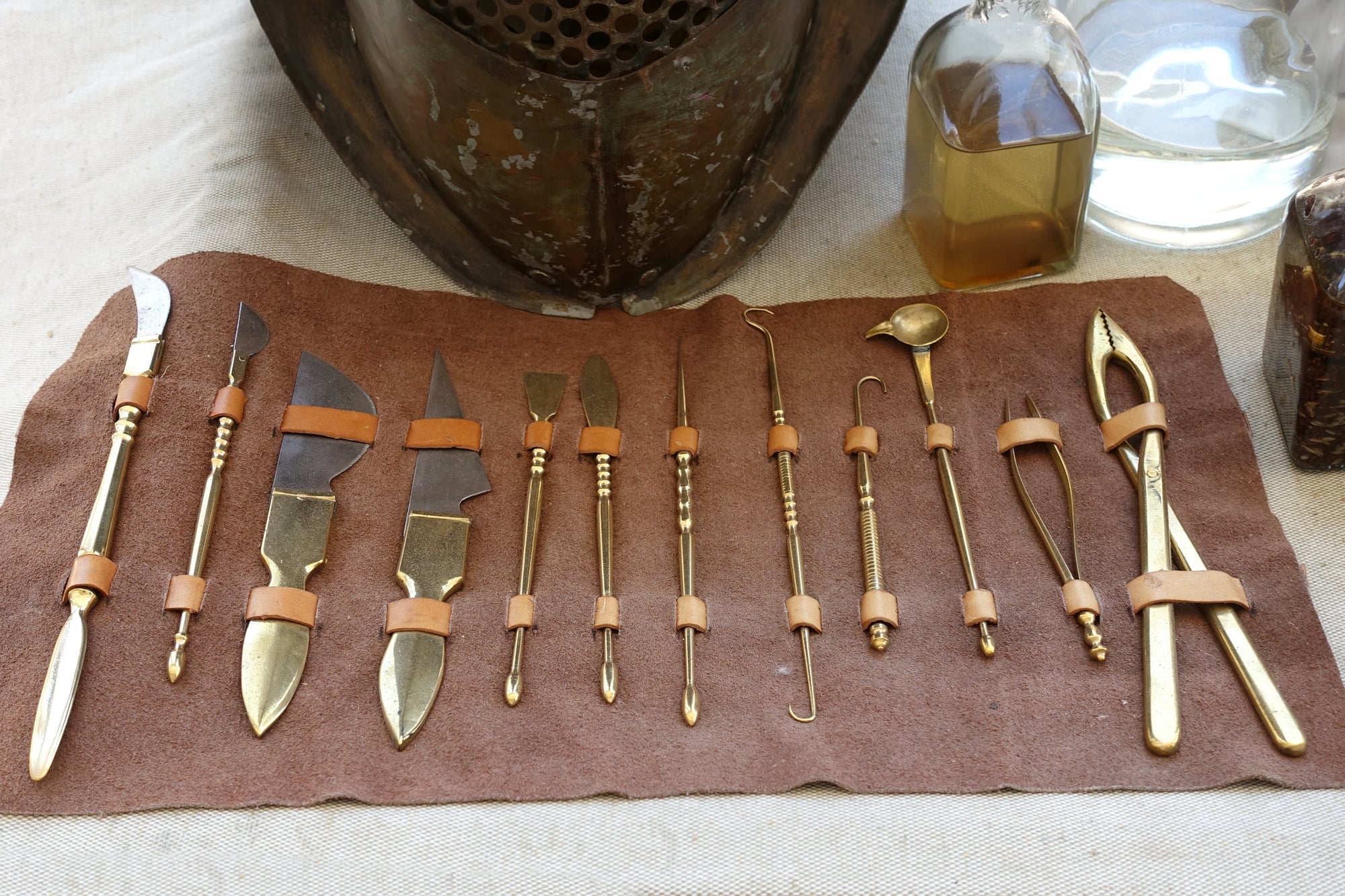
Roman medical tools, including forceps, scalpels, bone drills, and speculums, would look surprisingly familiar to today’s surgeons. Military doctors serving Roman legions became especially skilled at treating wounds and performing surgeries, developing specialized instruments for different procedures.
Archaeological discoveries have revealed surgical kits with tools almost identical in design to those used in modern medicine, showing how effective these basic instruments truly were.
Sewers
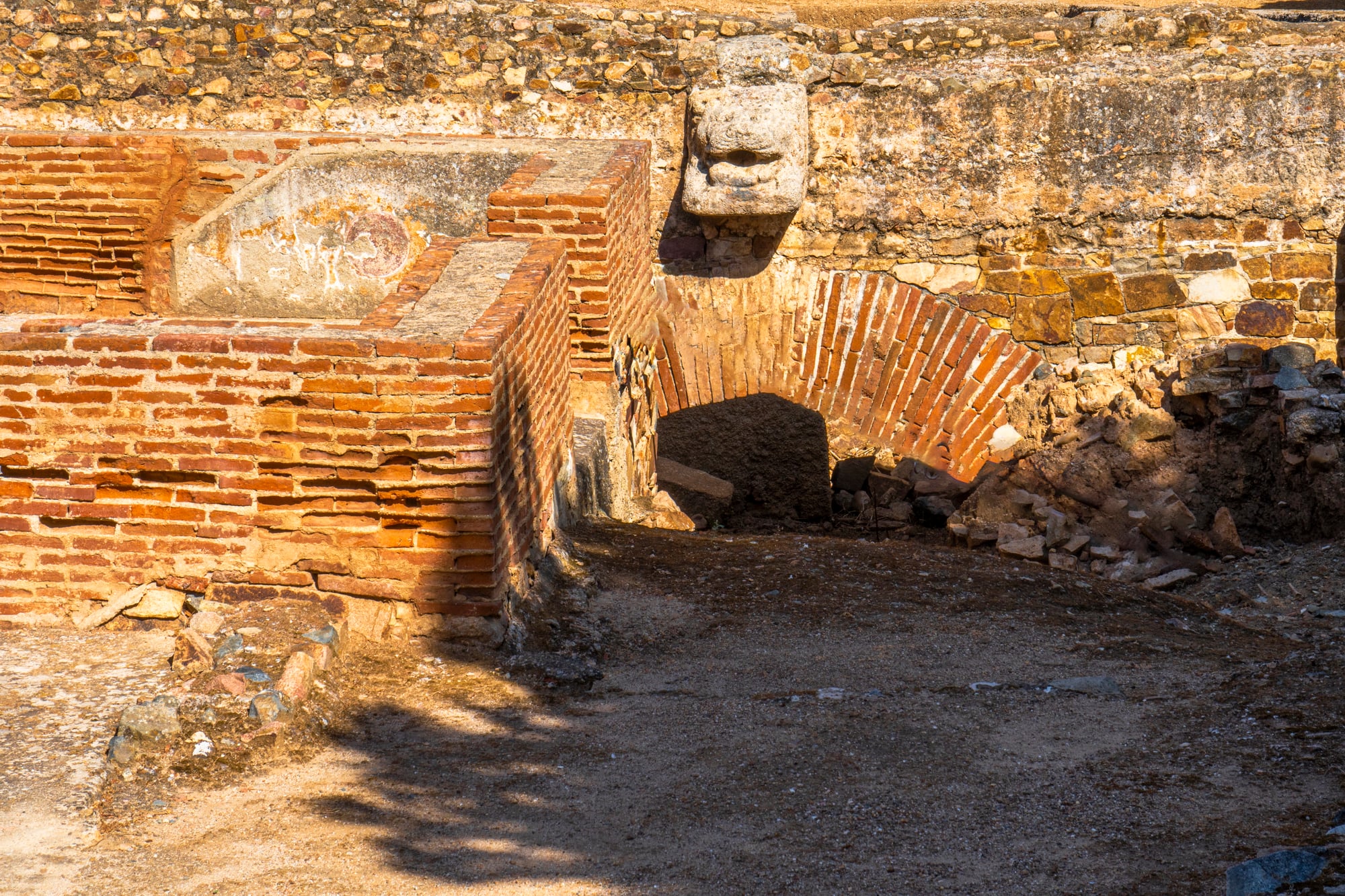
The Cloaca Maxima, Rome’s main sewer line, represents one of humanity’s earliest large-scale wastewater management systems. This massive underground channel carried waste and stormwater away from populated areas, significantly improving public health in the ancient city.
Our modern sewer systems follow the same fundamental approach of using gravity-fed pipes to transport wastewater away from where people live, though with added treatment processes the Romans could only dream about.
Like Go2Tutors’s content? Follow us on MSN.
Calendar

Our current calendar is directly descended from the Julian calendar, implemented by Julius Caesar in 45 BCE with help from astronomers. This system introduced the 365-day year with a leap year every four years, bringing much-needed order to timekeeping.
While Pope Gregory XIII refined it slightly in 1582 (creating our current Gregorian calendar), the basic structure remains Roman in origin, including the names of months—July and August still honor Julius and Augustus Caesar.
Plumbing

Roman plumbing systems featured lead and bronze pipes, water tanks, valves, and even pressurized water delivery. Thanks to this sophisticated network, public fountains, baths, and wealthy homes enjoyed running water.
Archaeologists have uncovered Roman water pipes with designs nearly identical to modern plumbing fixtures, complete with spigots and faucets that would look right at home in today’s hardware stores.
Bound Books

The codex—essentially a bound book with separate pages—was a Roman innovation that replaced unwieldy scrolls. This revolutionary format allowed readers to quickly access specific passages and made writing on both sides of a page practical.
Every modern book on your shelf owes its existence to this Roman invention that transformed how information was recorded and accessed, making knowledge more durable and portable than ever before.
Like Go2Tutors’s content? Follow us on MSN.
Grid-based City Planning

Roman urban planners arranged cities in structured grid patterns, allocating specific spaces for marketplaces, public buildings, and residential zones. This methodical approach to urban planning produced effective cities with sensible layouts based on the cardo and decumanus, two major highways that intersect.
Look at any modern planned city with its neat perpendicular streets, and you’re seeing the direct influence of Roman city planning principles at work.
Arches
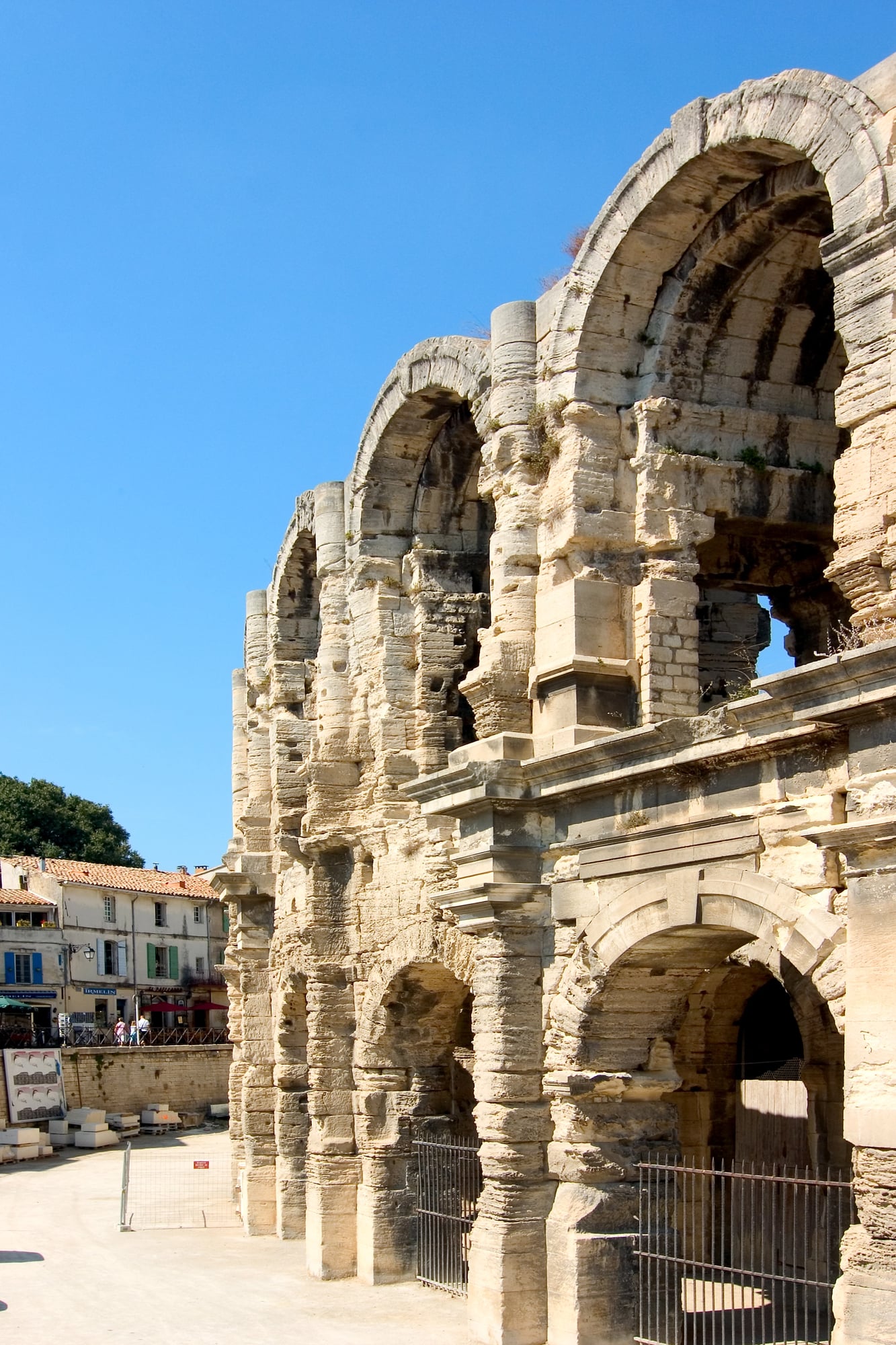
The Roman arch distributed weight efficiently, allowing for structures far more stable than previous post-and-lintel designs. This engineering breakthrough enabled the creation of bridges, aqueducts, and massive buildings that could support unprecedented weight.
Modern architecture still relies heavily on the arch and its derivatives, including the dome, which the Romans perfected in structures like the Pantheon with its oculus opening that still inspires architects today.
Glass Windows

Romans developed clear glass window panes that allowed light into buildings while keeping out the elements. Excavations at Pompeii and Herculaneum revealed homes with glass windows that provided insulation and security, luxuries previously unavailable.
While our modern float glass manufacturing techniques produce clearer, larger panes, the basic concept of using transparent glass to create comfortable indoor spaces originated with Roman glassmakers.
Like Go2Tutors’s content? Follow us on MSN.
Forks
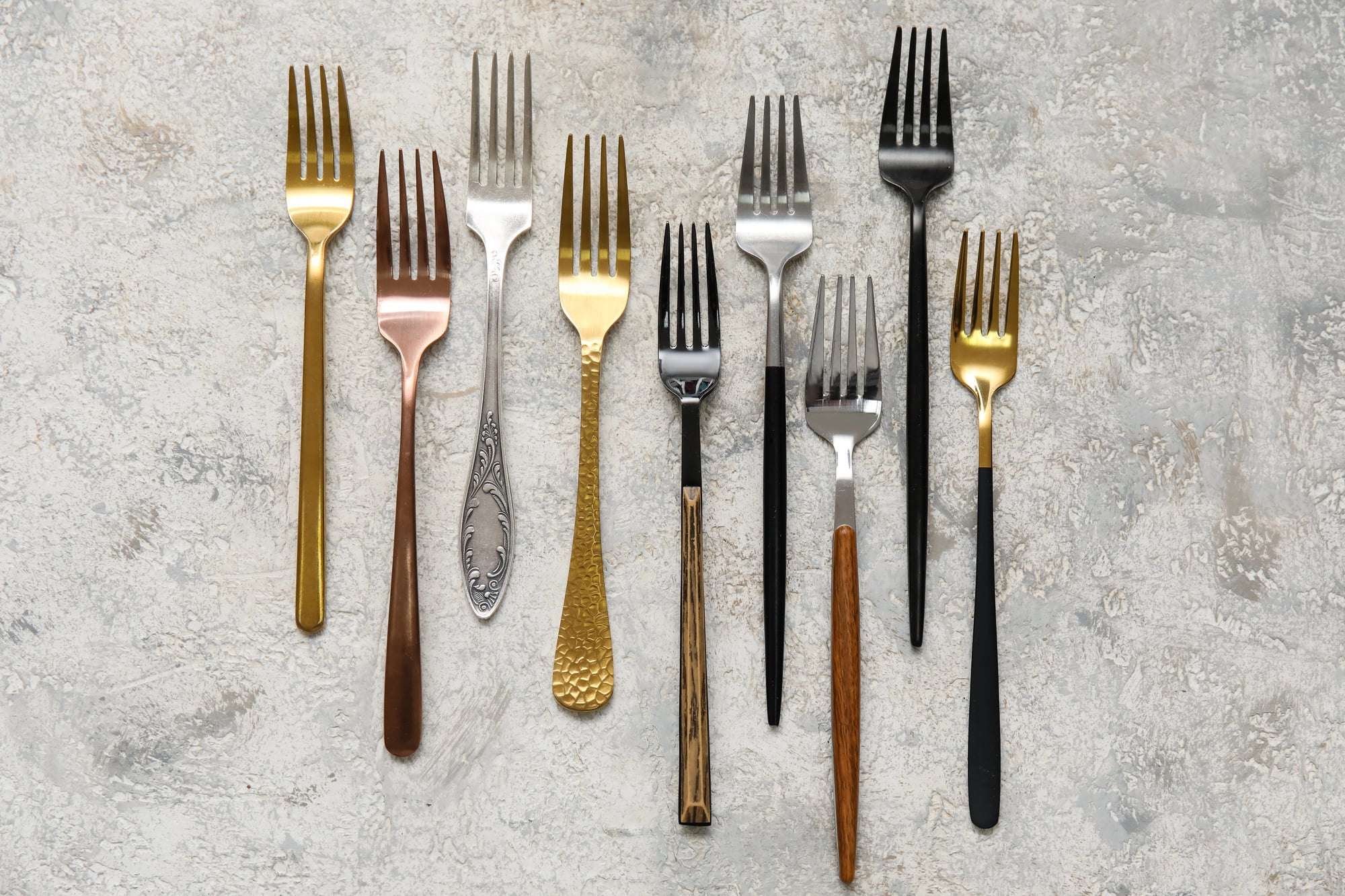
While not as widely used as in modern times, excavations have uncovered dining forks in Roman archaeological sites dating back to the 1st century CE. These early forks typically had two tines and were used primarily by the wealthy for serving specific foods rather than everyday eating.
It would take many more centuries for forks to become common dining implements, but the Romans deserve credit for developing this handy utensil that now appears at every place setting.
Enduring Innovation

The Romans weren’t just conquerors and rulers—they were practical problem-solvers whose innovations transformed daily life across their empire and beyond. Their emphasis on useful, scalable technology created lasting solutions to universal human needs.
Modern life would look remarkably different without these Roman contributions that continue to serve essentially the same functions today as they did two millennia ago, often with surprisingly few modifications to their original designs.
More from Go2Tutors!

- 18 Unexpectedly Valuable Collectibles You Might Have Lying Around
- 20 Little-Known Historical Battles That Had Huge Consequences
- 20 Historical Artifacts That Scientists Can’t Explain
- 15 Inventions That Were Immediately Banned After Being Created
- 20 Actors Who Were Almost Cast in Iconic Roles
Like Go2Tutors’s content? Follow us on MSN.