Fake Historical Quotes Attributed to Famous Leaders
History has a funny way of putting words in dead people’s mouths. The internet age has made it easier than ever to slap a profound statement onto a sepia-toned photo and call it historical fact.
These fabricated quotes spread faster than actual documented words, probably because they sound exactly like what we want our heroes to have said. The most persistent fake quotes tend to share certain qualities: they’re inspirational without being too complex, they align perfectly with modern values, and they’re vague enough to apply to almost any situation.
Real historical figures, it turns out, rarely spoke in fortune cookie wisdom or motivational poster slogans.
Winston Churchill
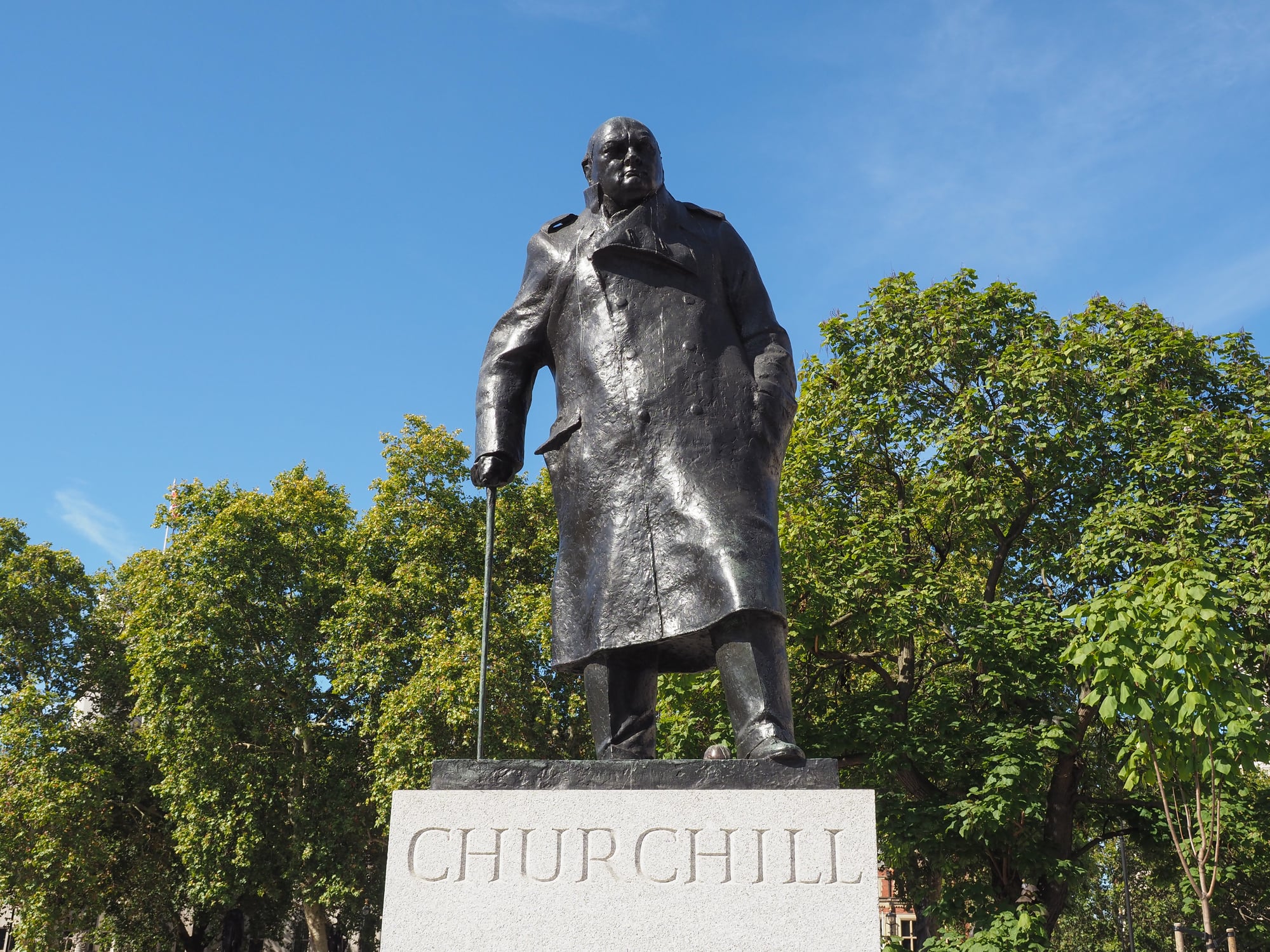
Churchill never said “Success is going from failure to failure without losing your enthusiasm.” The International Churchill Society keeps a running list of quotes wrongly attributed to him, and this one tops it.
The real Churchill was far more caustic and specific in his observations about failure and success. The fake quote sounds nothing like Churchill’s actual speaking style, which tended toward lengthy, carefully constructed sentences with classical references.
But it’s exactly the kind of inspirational message that fits nicely on a LinkedIn post or graduation speech.
Mark Twain
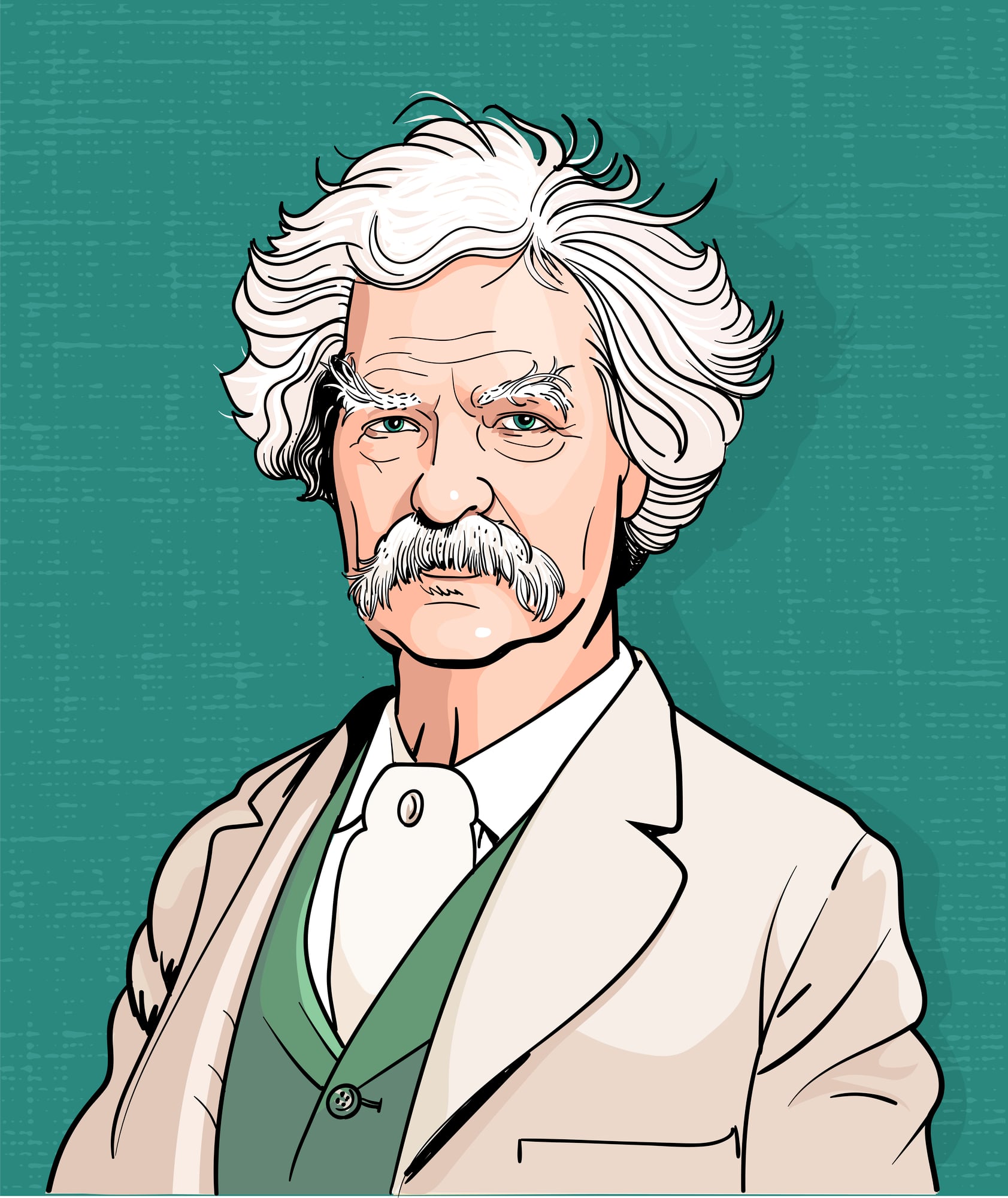
The problem with Mark Twain quotes (and there are dozens of fake ones floating around) is that Twain was genuinely witty, so people assume any clever observation must have come from him. “The reports of my death have been greatly exaggerated” gets close to something he actually said, but the real version was more mundane:
“The report of my death was an exaggeration.” Even his actual wit gets embellished over time, because apparently the truth wasn’t quite punchy enough for modern consumption, which says something about how we prefer our wisdom pre-packaged and immediately digestible rather than historically accurate (though to be fair, Twain himself might have appreciated the irony of being misquoted so prolifically).
The man spent his career skewering human nature. He’d probably find it hilarious. And yet most of the profound life advice attributed to him online sounds more like a self-help book than the author of “Huckleberry Finn.”
Twain’s real quotes were often darker and more cynical than the inspirational memes suggest.
Mahatma Gandhi
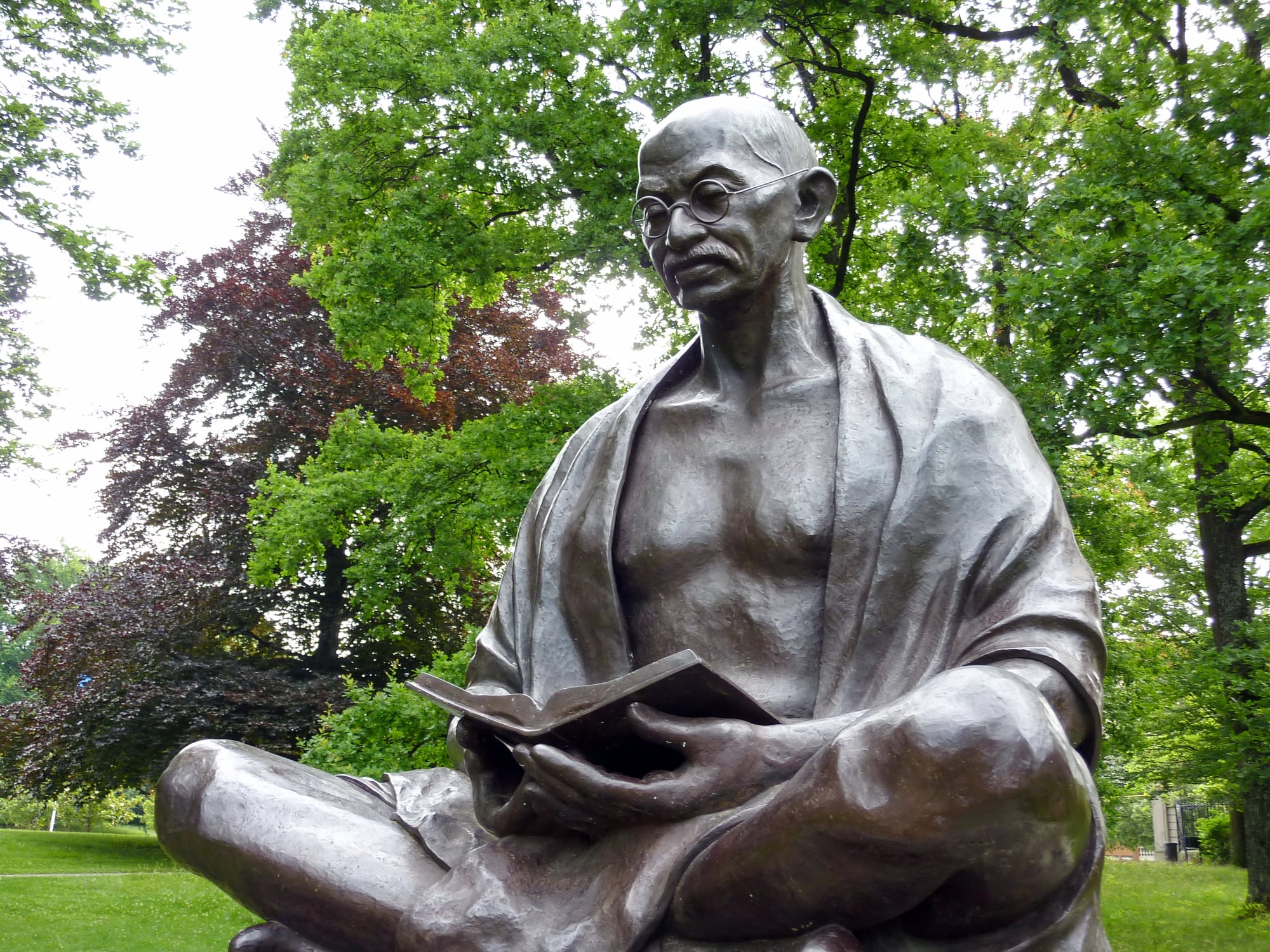
Gandhi never said “Be the change you want to see in the world.” This might be the most widespread misattribution in modern history. The Quote Investigator traces the earliest version to the 1970s, decades after Gandhi’s death in 1948.
What Gandhi actually said was more complex and less catchy: “If we could change ourselves, the tendencies in the world would also change.” Not quite as tweet-worthy, but more in line with his philosophical approach to social change.
The fake version works because it simplifies Gandhi’s message into something that sounds both profound and actionable. It’s self-help dressed up as historical wisdom.
Albert Einstein
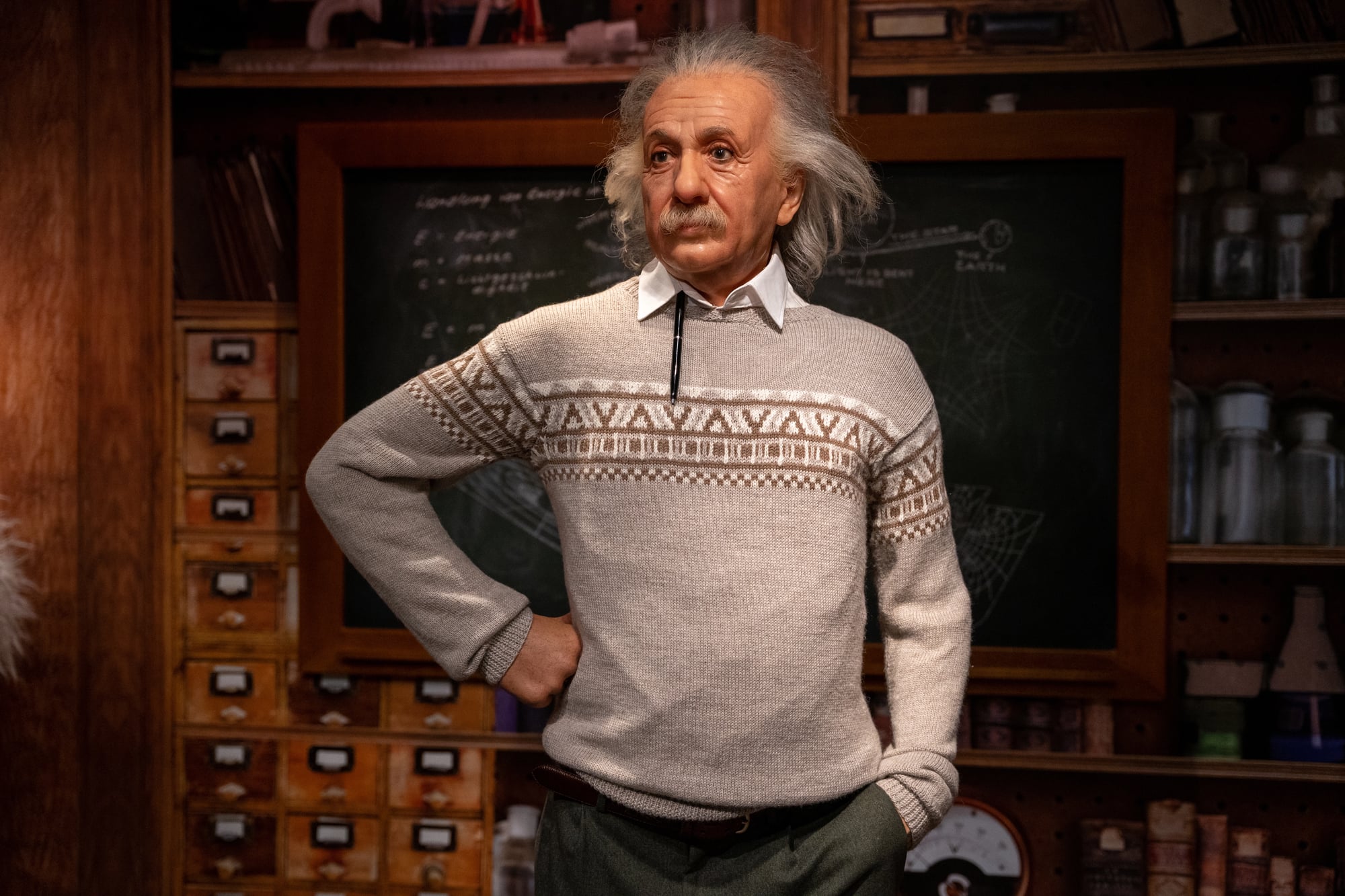
Einstein gets credit for saying “Insanity is doing the same thing over and over again and expecting different results.” He never said it. The quote has been traced to various sources, none of them Einstein. The earliest known version appears in a Narcotics Anonymous pamphlet from the 1980s.
Einstein’s documented quotes about human nature and science are typically more nuanced and less aphoristic than this one. Real Einstein quotes require more than a moment’s thought to digest fully.
This particular fake quote persists because it combines scientific authority (Einstein) with practical wisdom about changing behavior patterns. It’s become shorthand for describing stubborn thinking.
Marie Antoinette
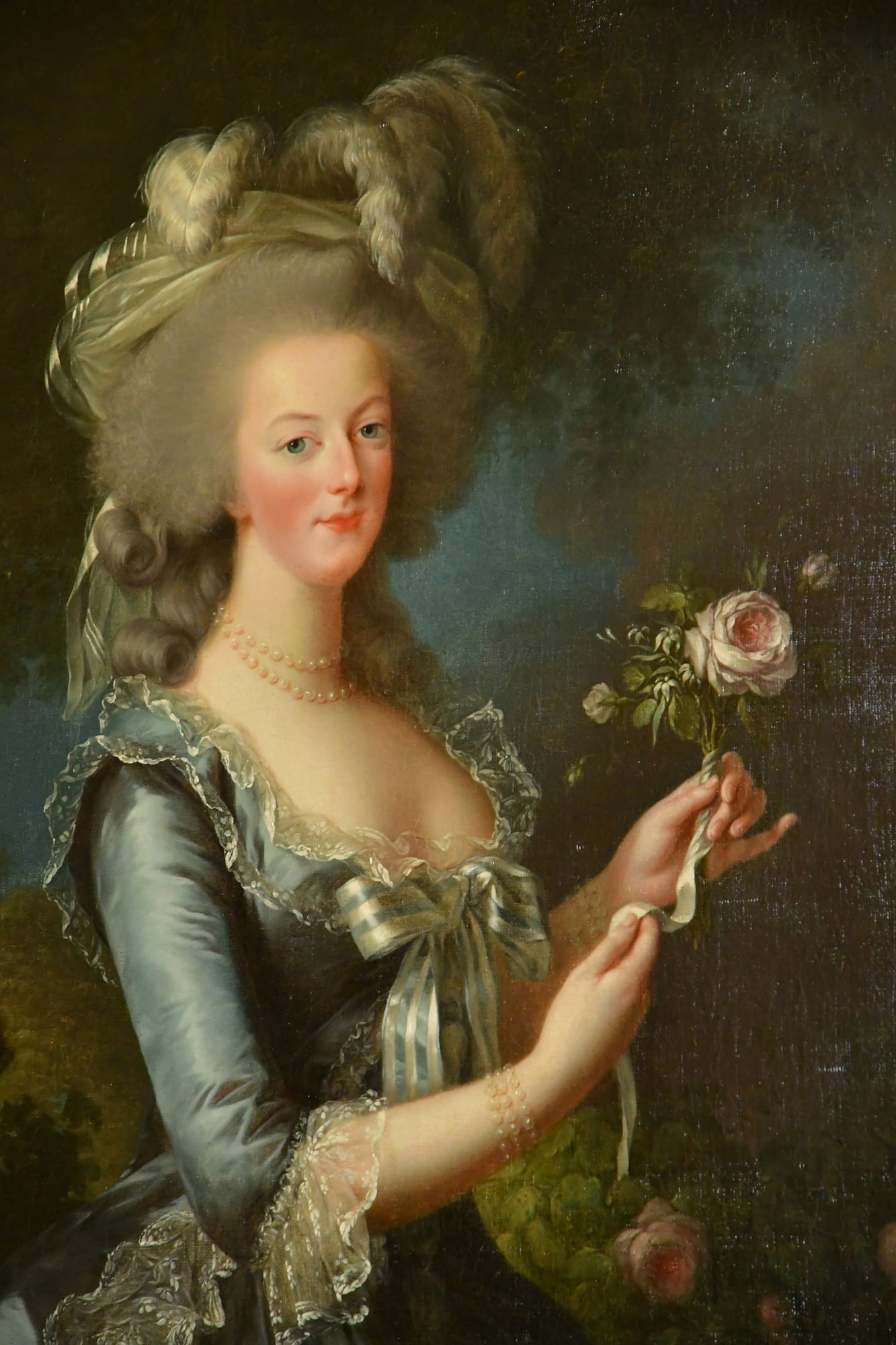
“Let them eat cake” is probably the most famous quote Marie Antoinette never said. The phrase appears in Jean-Jacques Rousseau’s “Confessions,” written when Marie Antoinette was still a child. Rousseau attributed it to “a great princess,” but not specifically to the future French queen.
The quote perfectly encapsulates everything people wanted to believe about aristocratic indifference to common suffering. It’s too perfect, which should have been the first clue it was manufactured.
Real historical records suggest Marie Antoinette was actually more aware of public sentiment than this quote would suggest. But the fake quote serves the narrative better than her actual documented words.
Abraham Lincoln
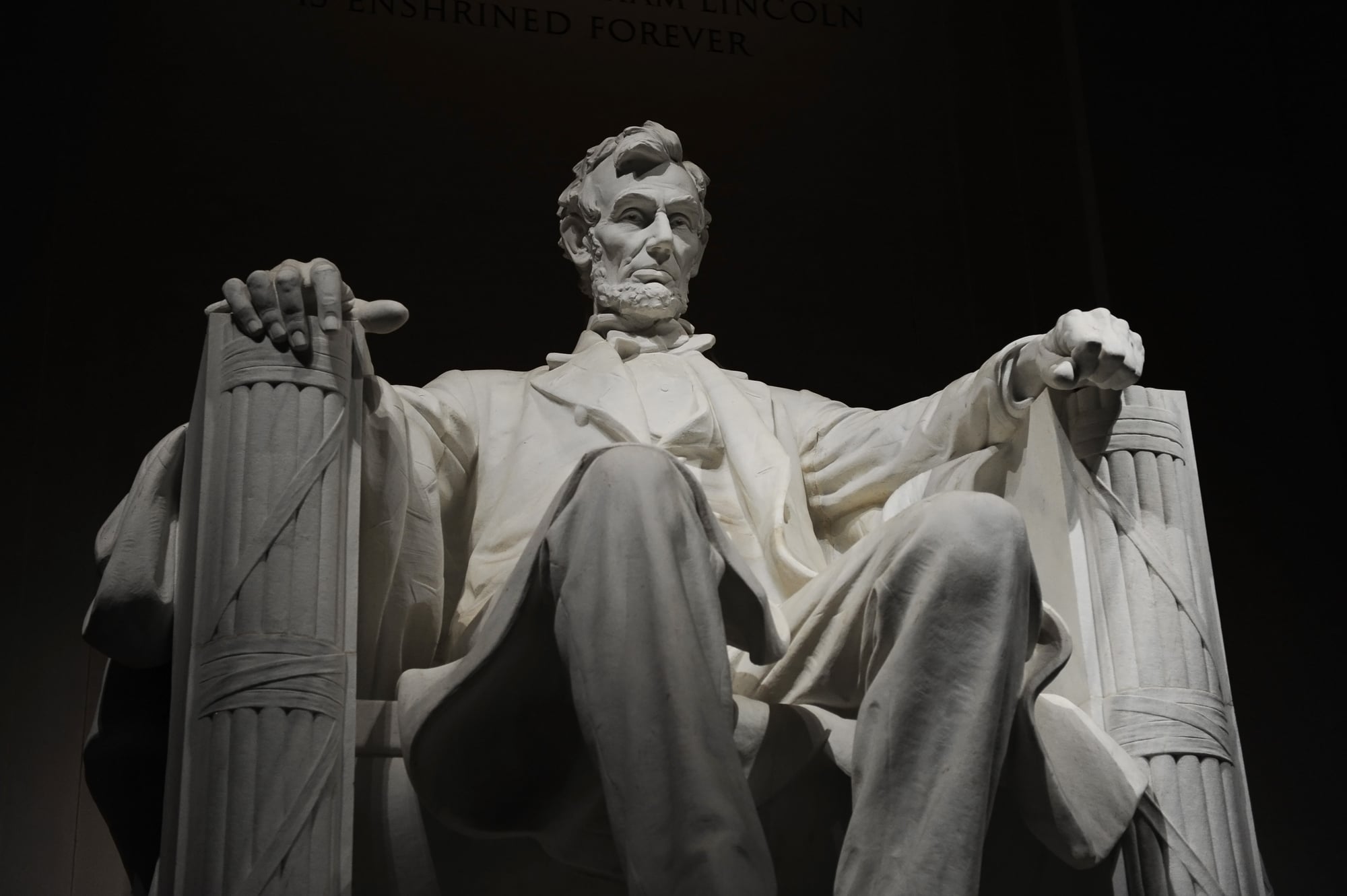
Lincoln supposedly said “Don’t believe everything you read on the internet.” This is obviously a modern joke, but it illustrates how easily fake quotes spread when they sound like something a historical figure would say.
The real Lincoln quotes that survive are typically longer and more formal than the snappy one-liners often attributed to him. His Gettysburg Address and inaugural speeches show a preference for careful, measured language over quick wit.
Lincoln gets fake quotes attached to his name because he’s seen as both wise and folksy. The combination makes him seem like someone who would dispense practical advice in memorable phrases.
John F. Kennedy
Kennedy never said “As we express our gratitude, we must never forget that the highest appreciation is not to utter words, but to live by them.” This quote appears frequently around Thanksgiving, usually attached to a photo of JFK.
Kennedy’s actual speaking style was more direct and less flowery than this fabricated quote suggests. His documented statements about gratitude and service were typically tied to specific policy goals or national challenges.
The fake quote sounds presidential and inspirational, which is probably why it sticks. It captures a sentiment people want to associate with Kennedy’s legacy, even if he never actually expressed it this way.
Benjamin Franklin
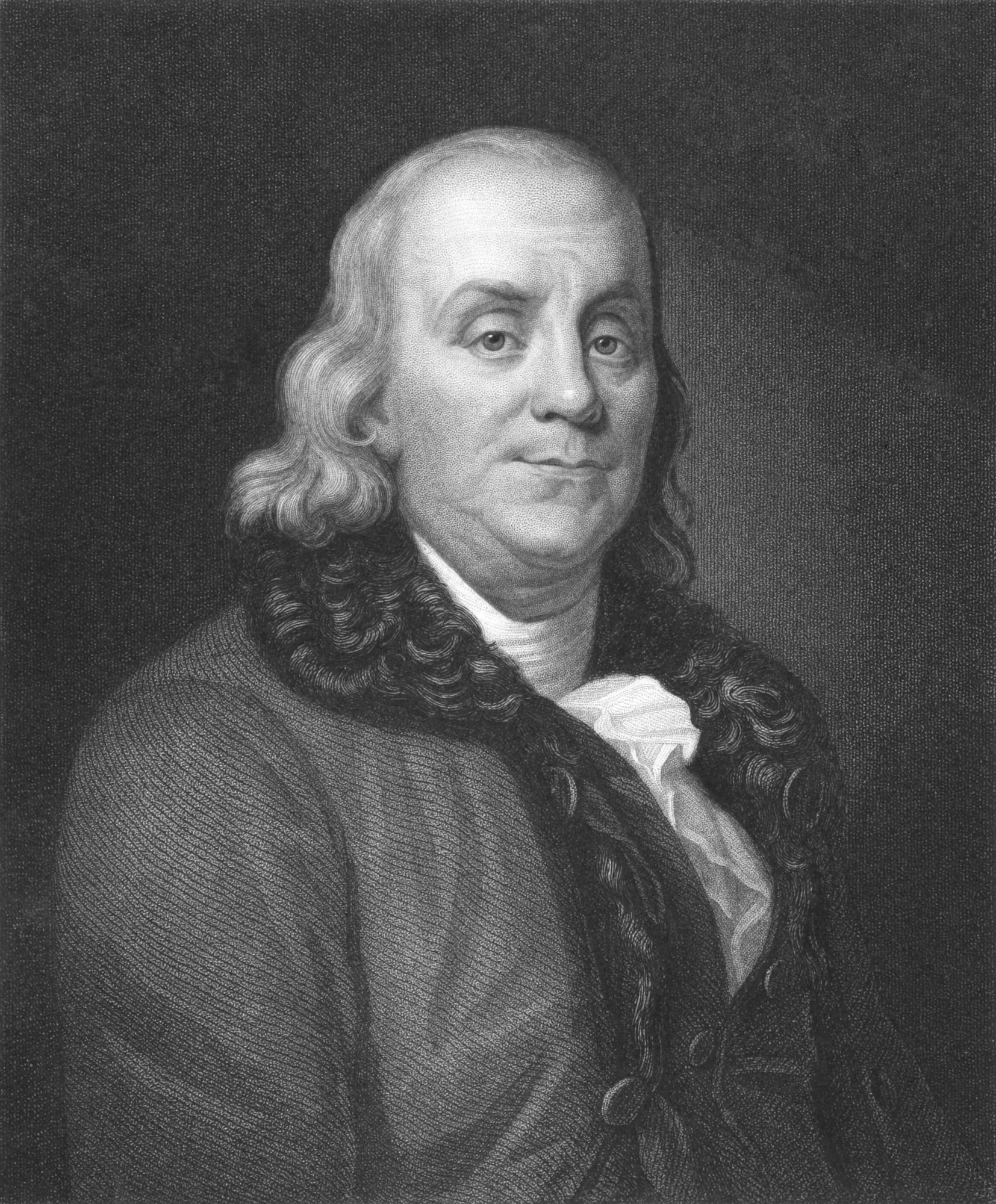
Franklin attracts fake quotes like a lightning rod attracts electricity (he’d probably appreciate that metaphor). “Beer is proof that God loves us and wants us to be happy” is commonly attributed to him, but Franklin scholars have found no record of it in his extensive writings.
What Franklin actually wrote about beer was more technical and less quotable. He discussed brewing processes and the economic benefits of beer production, but without the theological angle that makes the fake quote memorable.
Franklin’s real quotes about alcohol tend to be more practical observations about moderation and social drinking customs. The fake beer quote sounds like Franklin because it combines his reputation for wit with his known enjoyment of tavern culture.
Sun Tzu

“All warfare is based on deception” is actually something Sun Tzu wrote in “The Art of War.” But most of the inspirational business quotes attributed to him online are completely fabricated. Modern motivational speakers love attaching ancient Chinese wisdom to their advice, and Sun Tzu’s name carries instant authority.
The real “Art of War” is a technical manual about military strategy, not a collection of life advice for corporate executives. The actual text is often dense and context-specific, while the fake quotes are designed to sound universally applicable.
Sun Tzu’s legitimate strategic insights get buried under layers of manufactured wisdom about leadership and success that he never wrote.
Thomas Edison
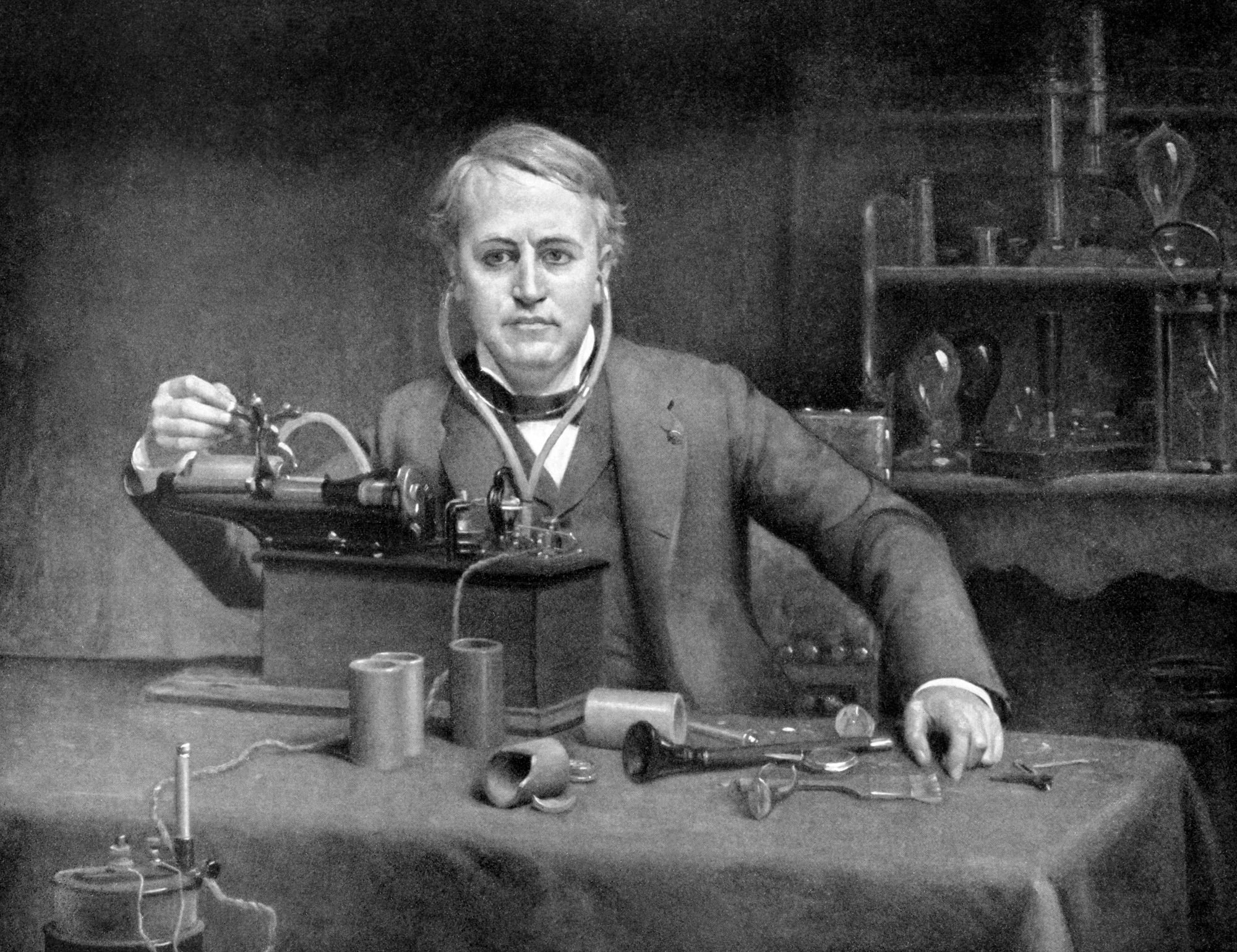
While the exact ratio evolved over time—an 1898 Ladies’ Home Journal interview attributed to Edison stated the ratio as ‘2 percent genius and 98 percent hard work’—Edison himself claimed authorship of the 1/99 version in a 1927 letter: ‘it is quite true I once made the statement that genius is one percent inspiration and 99 percent perspiration, and I am still of the same opinion.’
He repeated this claim in a 1932 Harper’s Monthly interview. The later version differs from the 1898 formulation, but Edison did endorse the famous 1/99 ratio.
This demonstrates how even real quotes get simplified over time until they become essentially fake versions of themselves.
Voltaire
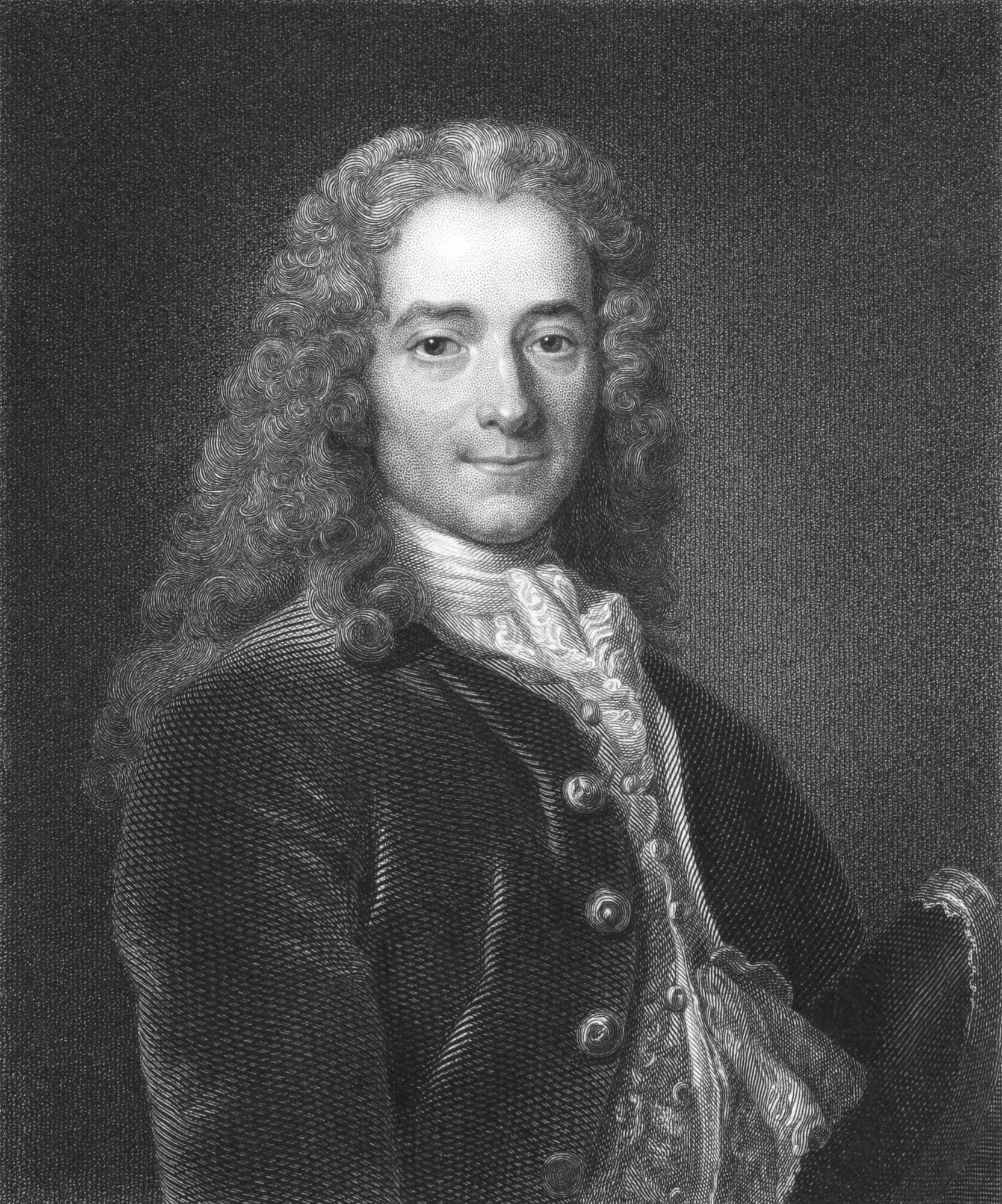
Voltaire never wrote “I disapprove of what you say, but I will defend to the death your right to say it.” This paraphrase of his general philosophy first appeared in a 1906 biography written by Evelyn Beatrice Hall. She was summarizing his attitude toward free speech, not quoting him directly.
Voltaire’s actual writings about free expression were typically longer and more complex than this pithy summary suggests. His defense of free speech came with various conditions and qualifications that don’t fit into a memorable quote.
The fake quote has become more influential than Voltaire’s actual words about censorship and tolerance. It’s cleaner and more absolute than his nuanced position.
Theodore Roosevelt
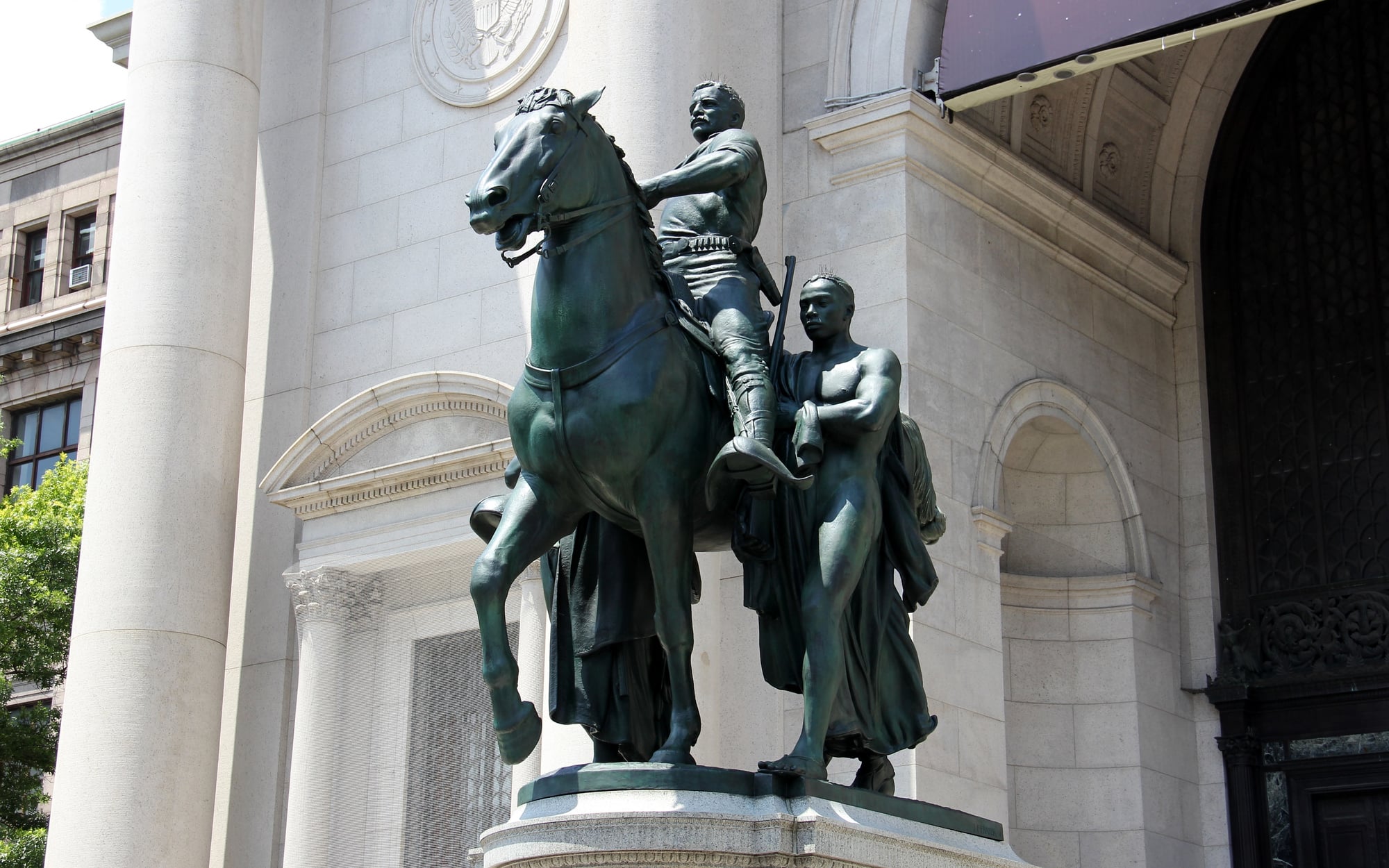
“Speak softly and carry a big stick” is real, but Roosevelt never said “Comparison is the thief of joy.” That phrase has been traced to various sources, none of them Theodore Roosevelt. It’s too modern in its psychology and too focused on individual happiness rather than national policy.
Roosevelt’s documented quotes tend to focus on action, duty, and national strength. His language was typically more vigorous and less introspective than this fake quote suggests.
The misattribution probably stems from Roosevelt’s reputation for both toughness and wisdom. People assume he must have dispensed practical life advice along with his political philosophy.
Anonymous Wisdom Merchants
The strangest thing about fake historical quotes is how they reveal what each generation wants their heroes to have believed. The fabricated quotes almost always align perfectly with contemporary values while sounding just historical enough to carry authority.
Real historical figures were products of their time, with blind spots and perspectives that don’t always translate well to modern audiences. The fake quotes smooth out those rough edges, creating versions of historical leaders that are more palatable than the originals.
The Persistence of Fabrication

These misattributions stick around because they serve a purpose beyond historical accuracy. They let people borrow authority from respected figures to support ideas those figures never actually endorsed. It’s a form of intellectual borrowing that feels more legitimate than admitting the wisdom comes from unknown sources or modern thinking.
The internet has accelerated this process, but fake quotes existed long before social media. The difference now is speed and scale – a fabricated quote can circle the globe before historians have time to fact-check it.
More from Go2Tutors!

- The Romanov Crown Jewels and Their Tragic Fate
- 13 Historical Mysteries That Science Still Can’t Solve
- Famous Hoaxes That Fooled the World for Years
- 15 Child Stars with Tragic Adult Lives
- 16 Famous Jewelry Pieces in History
Like Go2Tutors’s content? Follow us on MSN.