17 Jingles That Outshined the Products They Sold
There’s a particular kind of advertising magic where the song sticks around long after you’ve forgotten what it was selling. You’ll be humming something in the shower and suddenly realize you can’t even picture the product — just the melody, looping endlessly, doing its job decades after the campaign ended.
Some of these tunes became more famous than the brands behind them. A few became genuine cultural touchstones.
And a handful are so embedded in collective memory that people who never bought the product can still sing every word. Here are 17 jingles that did exactly that.
“I’d Like to Teach the World to Sing” — Coca-Cola (1971)
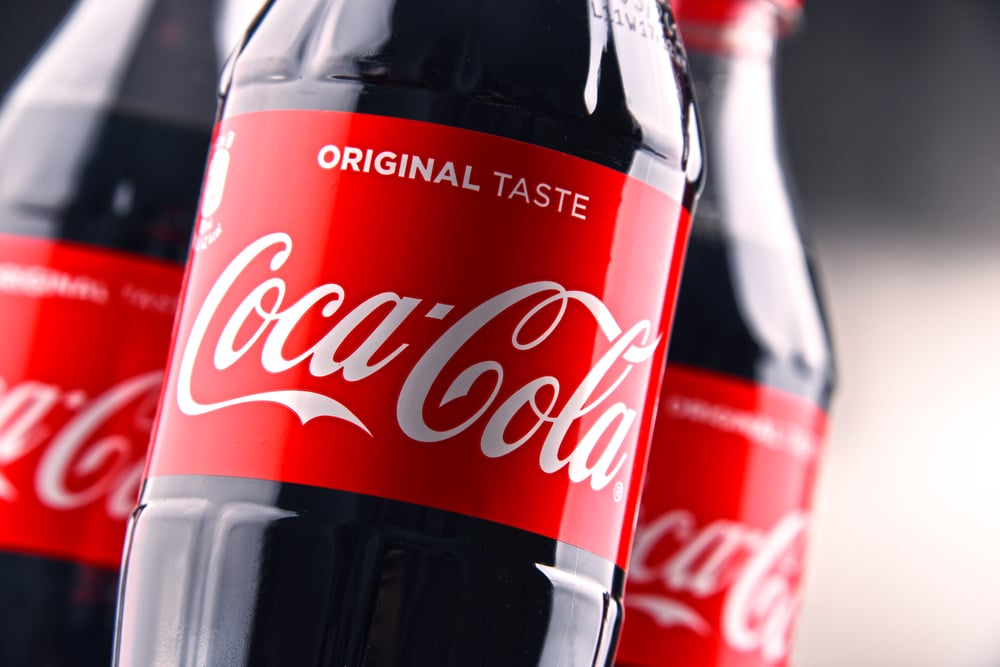
Coca-Cola spent a fortune putting teenagers on a hillside in Italy, handing them bottles, and filming them singing about world harmony. What they got back was a pop hit.
“I’d Like to Teach the World to Sing” crossed over from a jingle to an actual Billboard chart entry after the New Seekers recorded a standalone version. Most people who bought that record had completely forgotten it started as a soft drink commercial.
The song outlived dozens of Coke campaigns that came after it.
“Gimme a Break” — Kit Kat (1986)

The Kit Kat jingle is so simple it almost shouldn’t work. Four words, a snap cue, repeat. But the “Gimme a Break” melody has been running continuously for nearly four decades, surviving reformulations, ownership changes, and about a hundred attempts at modernizing the brand.
People who haven’t eaten a Kit Kat in years still snap the bar in two because of it. That’s not advertising — that’s behavioral conditioning through song.
“Like a Good Neighbor, State Farm Is There” (1971)

Barry Manilow wrote this one. Yes, that Barry Manilow. He was doing jingle work before his solo career took off, and this tune for State Farm became so recognizable that the company brought it back decades later, leaning into nostalgia.
The jingle became a punchline in pop culture — characters in movies and TV shows started invoking it whenever they needed something to appear. State Farm ran with the joke.
The song is now bigger than the insurance product it was built to sell.
“Meow Meow Meow Meow” — Meow Mix (1974)
This is arguably the most abstract jingle ever produced. The entire lyric is the word “meow,” repeated to a simple melody.
There’s no product description, no call to action, no pricing, no emotional narrative. Just meowing.
And yet people of a certain age can still hum it perfectly on demand. The Meow Mix jingle proves you don’t need to say anything meaningful — you just need to say something memorable.
“Have It Your Way” — Burger King (1974)
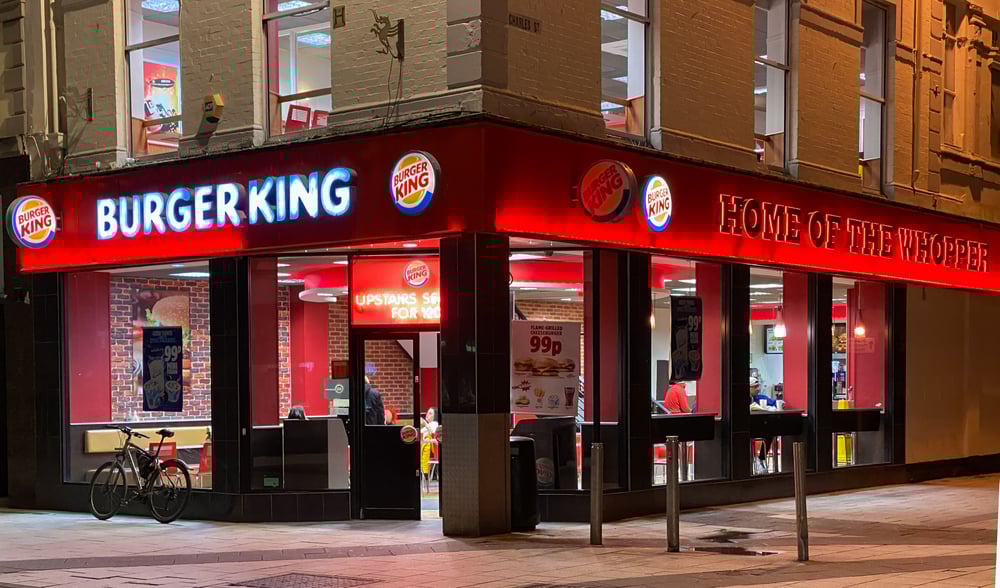
Burger King created this jingle specifically to undercut McDonald’s by emphasizing customization. But the song took on a life of its own.
“Have It Your Way” stopped being fast food messaging and became a general expression for consumer freedom. It got sampled, parodied, and referenced in contexts that had nothing to do with hamburgers.
Burger King has periodically dropped and revived it, which tells you everything about how valuable a strong jingle is — you keep coming back because nothing you create later sounds as good.
“Two All-Beef Patties” — McDonald’s Big Mac (1974)
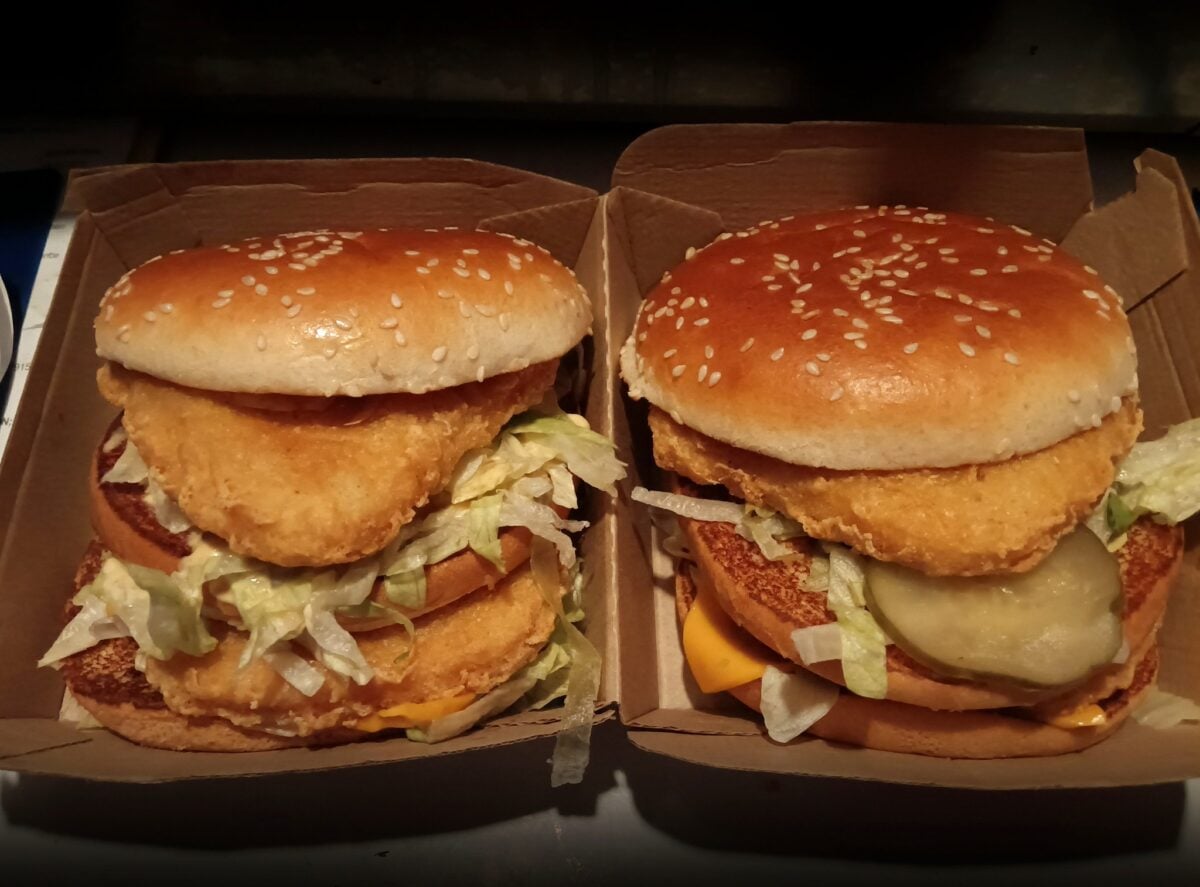
This one is a memory test disguised as an ad. The full lyric — “two all-beef patties, special sauce, lettuce, cheese, pickles, onions on a sesame seed bun” — was designed to be recited in under four seconds, and McDonald’s ran promotions where customers who could say it fast enough won free burgers.
It worked too well. The jingle turned the Big Mac’s ingredient list into a piece of memorized trivia that millions of people carry around with them, even people who’ve never ordered one.
“I Am Stuck on Band-Aid” — Band-Aid (1975)
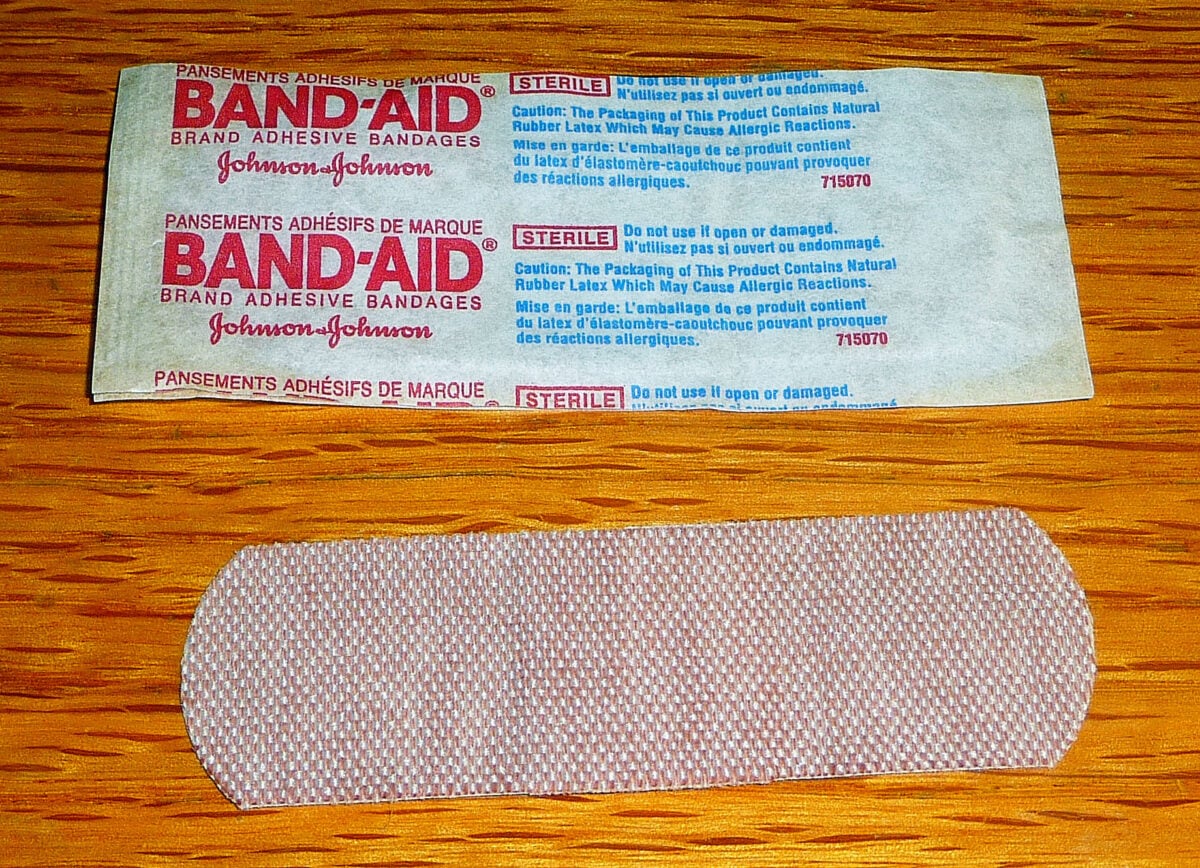
Johnson & Johnson commissioned one of the catchiest product jingles in history, and the song completely absorbed the product name into everyday language. People say “Band-Aid” generically now — for any adhesive bandage, from any brand.
The jingle didn’t just sell Band-Aids. It helped make “Band-Aid” the default word for an entire product category.
That’s brand dominance achieved partly through music.
“Plop Plop, Fizz Fizz” — Alka-Seltzer (1976)
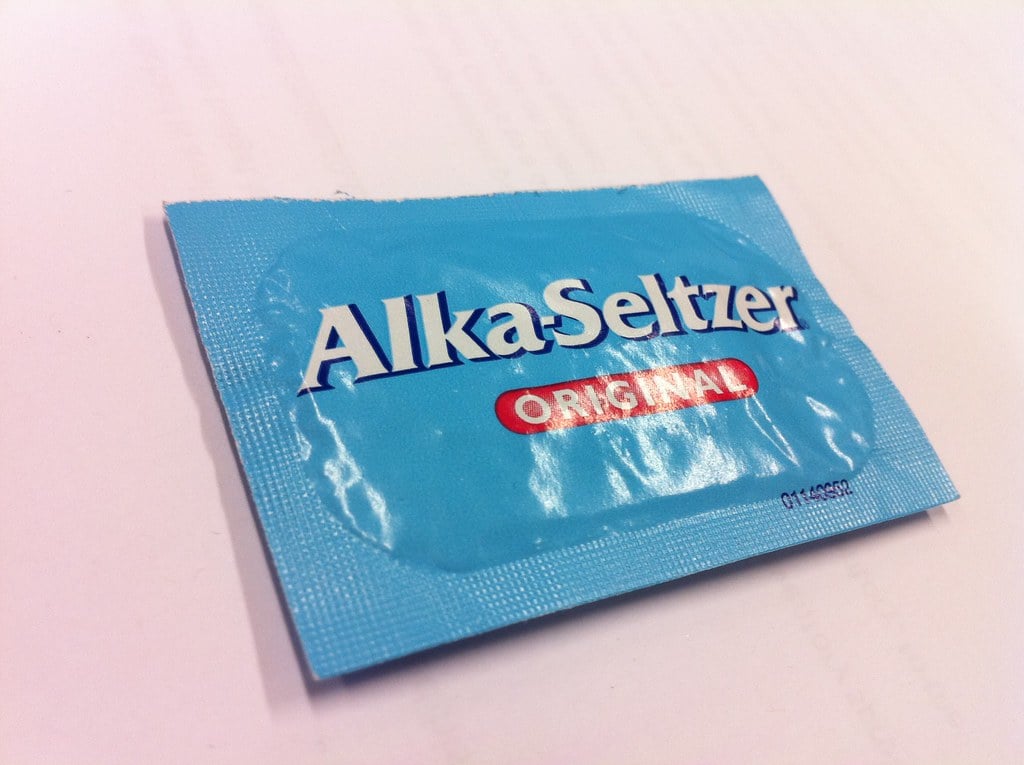
Alka-Seltzer’s “Plop Plop, Fizz Fizz, Oh What a Relief It Is” solved a genuine marketing problem. Research showed that people were only dropping one tablet into their water instead of two.
So the jingle was engineered to establish the two-tablet ritual. It worked so effectively that the jingle outlasted the problem it was solving.
You hear those four words now and you see the tablets hitting water. The song essentially rewired consumer behavior, and then stuck around long after that behavior became automatic.
“My Bologna Has a First Name” — Oscar Mayer (1973)
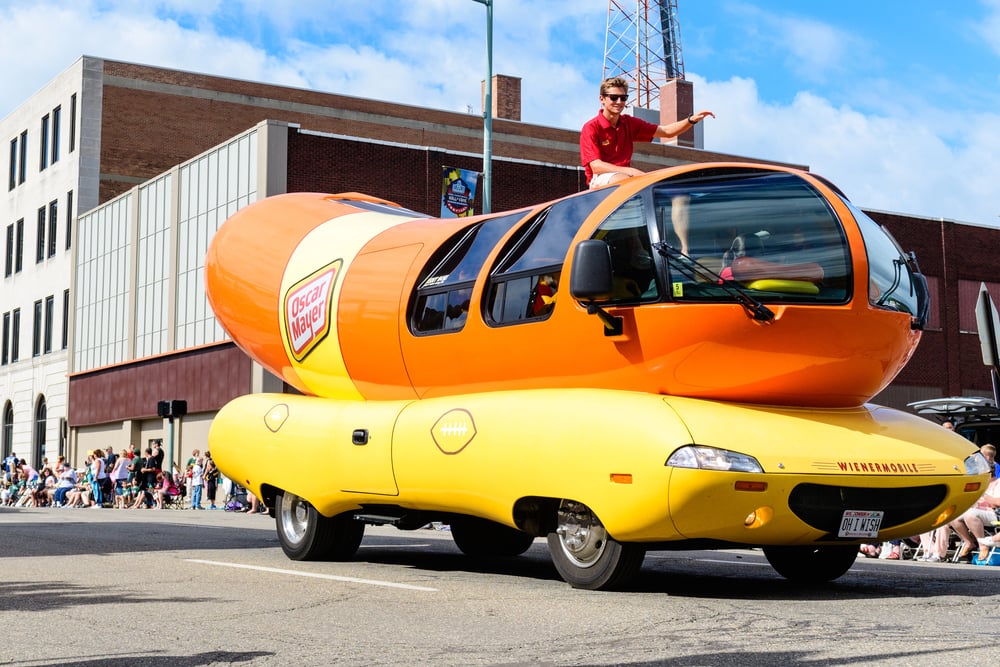
Starting with a little voice forming each letter – O-S-C-A-R M-A-Y-E-R – the tune slipped into homes like something familiar, though nobody saw it coming. Yet somehow, those notes stuck around longer than anyone predicted.
Instead of grown-up voices selling meat, they handed the microphone to children. Because of that choice, the melody spread fast through playgrounds and backyards.
Singing it felt more like play than listening to an ad ever should. For well over half a century, new versions kept appearing on screens.
Even adults who groaned at the noise couldn’t escape its echo. One boy, Andy Lambros, stepped into the spotlight just by belting out syllables on camera.
His moment didn’t last forever – but fame rarely does.
“I Don’t Want to Grow Up, I’m a Toys R Us Kid” (1982)
This tune struck a nerve. Not growing up, staying wide-eyed and curious – that stuck with people well past their school days.
Grown-ups felt a pull toward old memories because of it. That melody turned into code for youth left behind, keeping the toy store alive in talk long after money troubles started piling up year after year until everything finally fell apart.
Still playing somewhere, long after the shop closed. A little sad, how a tune sticks around when nothing else does.
Wendy’s 1984 beef question
That line wasn’t quite a tune, yet its beat felt like music anyway. An eighty-one-year-old woman named Clara Peller asked about missing meat with such fire it stuck in people’s heads.
Her words jumped past burgers, landing straight into politics when a candidate repeated them on stage. Suddenly everyone spoke that way – questioning what was real beneath the surface.
A restaurant chain didn’t plan for this kind of reach, still the query outlasted every ad they ran.
“Give Me a Break” – cs “Uncola” Campaign (1970s)
Though 7Up calling itself the “Uncola” was clever advertising, its sound design – especially those first radio ads – gave the drink an underground vibe. When Coke and Pepsi ruled everything, 7Up’s tunes went playful, almost cheeky. Instead of shouting, the melodies floated sideways.
That brightness in the music aged the brand down, even if the flavor – just lemon and lime – stayed neutral on its own. The earworms did what fizz could not.
“Nationwide Is on Your Side” – Nationwide Insurance (1969)
Something made Nationwide keep bringing back Peyton Manning to sing that tune. Warmth lives inside the first version’s notes – plain, soft, almost like a steady hand on your shoulder.
Not many messages about coverage pull off comfort so quietly. Much like State Farm’s familiar call, it wrapped worry in something predictable, even kind.
While facts and figures sit flat, the melody carried feelings where words could not reach.
“The Best Part of Waking Up Is Folgers in Your Cup” (1984)
Folgers turned a morning routine into a feeling. The jingle didn’t sell coffee on taste or price or freshness — it sold the ritual of waking up, the smell of coffee, the warmth of a familiar kitchen.
The melody is calm and nostalgic almost by design. It became so associated with the concept of morning that parody versions still reference it automatically.
The song is more evocative of “waking up at home” than almost any other piece of music in advertising.
“Tony the Tiger’s Frosted Flakes Theme” — Kellogg’s (1952)
It was just meant to be a slogan, yet how Tony said “They’re Gr-r-reat!” made it feel like a tune you’d hum. Running across decades, the changing versions of the Frosted Flakes song settled into weekend mornings like clockwork.
His voice – sharp, punchy – landed everywhere, known even by people who’d never seen the ad. Children copied his growl at school, on playgrounds, during breakfast chatter.
The tiger himself began overshadowing the thing he sold – cereal took second place to cartoon roar. Ask anyone what Frosted Flakes is, they’ll recall the mascot long before the flavor.
“Oh I Wish I Were an Oscar Mayer Wiener” (1963)
It’s rare for one brand to grab two spots here, yet Oscar Mayer pulled it off – revealing a sharp sense for ads. Before the bologna tune ever existed, there was this catchy jingle, arriving ten years prior, built on an odd but clear idea: a kid who dreams of becoming a hot dog just to be adored.
Strange? Maybe. Once you hear it, though, that thought fades.
Joy floods the melody, delivered with such wide-eyed sincerity that kids sang along without pause. No hesitation.
Just pure repetition across decades. Proof isn’t in explanation – it’s in how easily the thing sticks.
“You Deserve a Break Today” – McDonald’s (1971)
Rest came first, then fries. In the early seventies, America dragged itself forward – war behind, money shaky, streets restless. McDonald’s whispered, not shouted: you’ve earned a pause.
Not about beef between buns, but breath after strain. A tune did what taste could not.
Decades later, Ad Age crowned it king of jingles. Flavor wasn’t their edge.
Emotion was. Sound carried comfort straight into ears and hearts.
The Songs That Never Left
Something sticks, though it’s not a fancy design. Built on quick tunes, brief lines, yet tied to memory through echo after echo.
They latch onto what was already there – warmth remembered, playground days, fitting in, a breath held quiet. Sold soap, snacks, stuff found anywhere.
But the sound gave weight to emotions those things never earned alone. A tune sticks around long after ads fade, decades pass, businesses vanish.
Once it does, it stops selling something. Instead, it slips into the way folks recall moments from their lives.
That a handful of notes can do such a thing feels odd. Yet there it is – small melodies holding big pieces of time.
More from Go2Tutors!

- The Romanov Crown Jewels and Their Tragic Fate
- 13 Historical Mysteries That Science Still Can’t Solve
- Famous Hoaxes That Fooled the World for Years
- 15 Child Stars with Tragic Adult Lives
- 16 Famous Jewelry Pieces in History
Like Go2Tutors’s content? Follow us on MSN.



