19 Jobs That Sound Fake But Once Existed
History’s full of people who earned their living in ways that’d make you do a double-take today. What seems absolutely ridiculous now was once someone’s legitimate career, shaped by whatever technology, social norms, and daily needs existed at the time. These occupations might sound like they were dreamed up by a comedy writer, yet they were real jobs performed by skilled individuals who took their work seriously.
Before modern conveniences transformed everything, entire industries built themselves around tasks we can’t imagine requiring human assistance. Here is a list of 19 jobs that sound completely fabricated but were once genuine ways to make a living.
Knocker-Upper

Long before alarm clocks became standard in every household, people in Britain’s industrial towns paid knocker-uppers to wake them for work. These human alarm clocks walked the streets during the pre-dawn hours — tapping on windows with long sticks or shooting dried peas at upper-story windows.
The job demanded impeccable timing and an internal clock that could rival any rooster, since showing up late meant their clients would miss work and lose pay.
Professional Mourner

Ancient civilizations and cultures throughout history employed professional mourners to wail at funerals. These performers — often women — would arrive at memorial services to demonstrate appropriate grief through dramatic displays of sorrow.
The louder and more emotional the mourning, the more it honored the deceased while showcasing the family’s social standing.
Ice Cutter

Before refrigeration existed, the ice industry employed thousands of workers who’d venture onto frozen lakes during winter months. These ice cutters used specialized saws to carve massive blocks from natural bodies of water — which were then stored in insulated warehouses and sold year-round.
The work was dangerous and physically demanding, requiring workers to navigate slippery surfaces while handling heavy, razor-sharp tools.
Rat Catcher
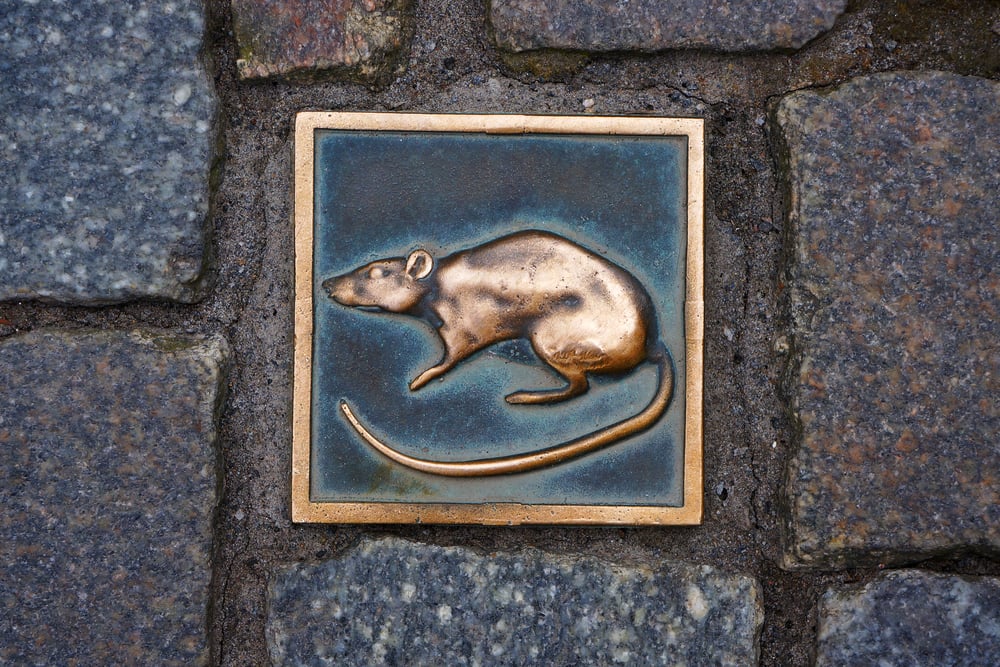
Medieval and Victorian cities were absolutely overrun with rats — creating a booming business for professional rat catchers. These pest control specialists used various methods including trained dogs, traps, and sometimes even their bare hands to rid buildings of infestations.
Some rat catchers became local celebrities, competing to see who could catch the most rats in a single day or developing innovative mass extermination techniques.
Pinsetters

Before automatic pinsetters were invented in the 1950s, bowling alleys employed young men to manually reset pins after each frame. These pinsetters — often called ‘pin boys’ — would duck behind the pins as bowlers threw their shots, then quickly emerge to clear fallen pins and reset them for the next throw.
The job required lightning-quick reflexes and the ability to work in cramped, noisy conditions while dodging flying bowling pins.
Lamplighter

Street lighting in the 19th century required armies of lamplighters who’d walk predetermined routes every evening to ignite gas lamps throughout cities. These workers carried ladders and lighting equipment — manually turning on each lamp as darkness fell and extinguishing them at dawn.
The job demanded punctuality and reliability, since entire neighborhoods depended on these individuals to provide safe passage through dark streets.
Leech Collector

Medical leeches were in high demand during the 19th century when bloodletting was considered a cure for various ailments. Leech collectors would wade into ponds and marshes — using their own legs as bait to attract the bloodsucking creatures.
Once leeches attached themselves, collectors would carefully remove them and store them in containers to sell to doctors and apothecaries.
Resurrectionist

Also known as body snatchers, resurrectionists made their living by digging up freshly buried corpses and selling them to medical schools for anatomical study. This grisly profession emerged because legal restrictions made it nearly impossible for medical students to obtain cadavers through legitimate means.
These nocturnal workers operated in secret — often bribing cemetery watchmen or timing their activities to avoid detection.
Groom of the Stool

One of the most intimate royal positions in medieval English courts was the Groom of the Stool — whose primary responsibility was assisting the monarch with their bathroom needs. This position involved not only helping with personal hygiene but also managing the royal toilet chamber and ensuring the king’s comfort during private moments.
Despite the unseemly nature of the job, it was actually considered a position of great honor and trust, since the groom had unparalleled access to the monarch.
Powder Monkey

Naval warfare during the age of sail required small, agile crew members to transport gunpowder from storage areas to the ship’s cannons during battle. These powder monkeys — often young boys — would run through the ship’s narrow passages carrying dangerous explosives while cannons fired overhead.
The job required tremendous courage and speed, since any delay could mean the difference between victory and defeat in naval combat.
Tosher
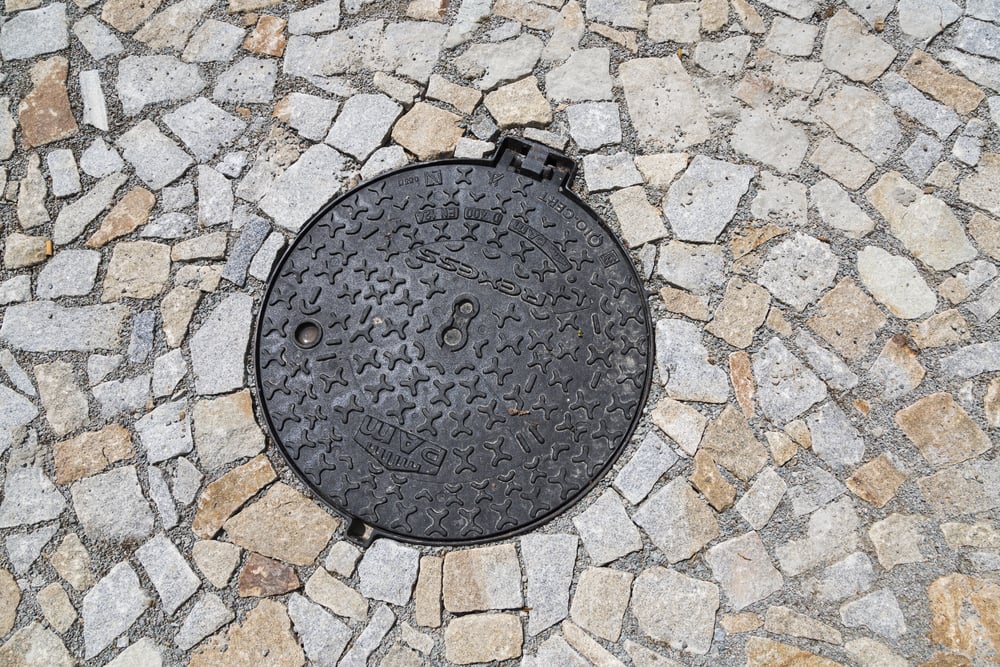
In Victorian London, toshers made their living by scavenging through the city’s sewer system for valuable items that had been flushed or fallen through street drains. These underground treasure hunters would wade through waste and muck, searching for coins, jewelry, and scrap metal that could be sold.
The work was dangerous and absolutely disgusting, though some toshers claimed to make better money than many legitimate workers of their time.
Chimney Sweep

Before modern heating systems, homes relied on fireplaces and coal stoves that required regular cleaning to prevent dangerous buildups of soot and creosote. Chimney sweeps, often young boys small enough to fit inside narrow flues, would climb up chimneys with brushes and scraping tools to remove accumulated debris.
The job exposed workers to toxic fumes and cramped conditions, making it one of the most hazardous occupations of the industrial age.
Mudlark

Thames mudlarks spent their days searching the river’s muddy banks at low tide for anything of value that might have washed ashore. These scavengers, often impoverished children and elderly people, would sift through the thick mud looking for coal, rope, bones, and metal objects that could be sold.
The work was cold, wet, and offered little guarantee of finding anything worthwhile, yet it provided a means of survival for London’s poorest residents.
Whipping Boy

Royal children in medieval times were considered too sacred to punish directly, so courts employed whipping boys to receive physical punishment on behalf of young princes. These unfortunate individuals would be beaten whenever the royal child misbehaved, theoretically teaching the prince about consequences while preserving royal dignity.
The position required a strange combination of loyalty and masochism, since whipping boys were expected to accept punishment for crimes they didn’t commit.
Daguerreotypist

Before photography became accessible to the general public, daguerreotypists operated specialized studios where they created the first practical photographs using a complex chemical process. These early photographers had to master the art of coating copper plates with silver, exposing them to light, and developing images using dangerous mercury vapors.
The job required both artistic skill and scientific knowledge, since each photograph was a unique, unrepeatable creation.
Herb Strewer

Royal courts employed herb strewers to scatter sweet-smelling herbs and flowers throughout palace floors, particularly before important ceremonies or when disease was present. These workers would carefully arrange aromatic plants like lavender, rosemary, and mint to mask unpleasant odors and supposedly ward off illness.
The position required knowledge of different plants and their properties, along with an understanding of which combinations would be most effective for various occasions.
Bowling Alley Pinsetter

Long before automatic machinery, bowling alleys relied on human pinsetters who would manually arrange pins after each frame. These workers, typically young men, would position themselves behind the pins and quickly reset them between throws while dodging bowling shots.
The job demanded quick reflexes and good timing, since pinsetters had to work efficiently while staying out of harm’s way in the narrow space behind the pins.
Sin Eater

In some rural communities, families would hire sin eaters to symbolically absorb the misdeeds of deceased relatives during funeral ceremonies. These individuals would consume bread and ale over the coffin, supposedly taking on the sins of the dead person and ensuring their passage to heaven.
The practice was based on ancient beliefs about spiritual cleansing, though sin eaters were often ostracized by their communities despite providing what was considered an essential service.
Waterman

Before bridges were common and public transportation existed, watermen operated small boats that ferried people across rivers and between different parts of cities built on waterways. These skilled boatmen knew every current, tide, and hazard in their local waters, providing essential transportation services for urban dwellers.
The job required physical strength, navigation skills, and the ability to work in all weather conditions while managing often difficult passengers.
From Yesterday’s Necessity to Today’s Curiosity

These forgotten professions remind us how dramatically technology and social changes can reshape the job market within just a few generations. What once required specialized human skills and knowledge became obsolete almost overnight when machines, electricity, and modern conveniences arrived.
Many of these jobs disappeared so completely that we can barely imagine why they existed in the first place, yet they were once vital parts of daily life. The next time you flip a light switch or set an alarm clock, remember that someone once made their living doing those tasks by hand, one customer at a time.
More from Go2Tutors!

- The Romanov Crown Jewels and Their Tragic Fate
- 13 Historical Mysteries That Science Still Can’t Solve
- Famous Hoaxes That Fooled the World for Years
- 15 Child Stars with Tragic Adult Lives
- 16 Famous Jewelry Pieces in History
Like Go2Tutors’s content? Follow us on MSN.