17 Largest Abandoned Structures Across the US
America’s landscape holds some truly massive buildings that nobody uses anymore. These aren’t your average empty houses or closed-down shops.
These are enormous structures that once served important purposes, employed hundreds or thousands of people, and cost millions to build. Now they just sit there, slowly falling apart.
Let’s take a tour through some of the biggest forgotten places scattered across the country.
Michigan Central Station In Detroit
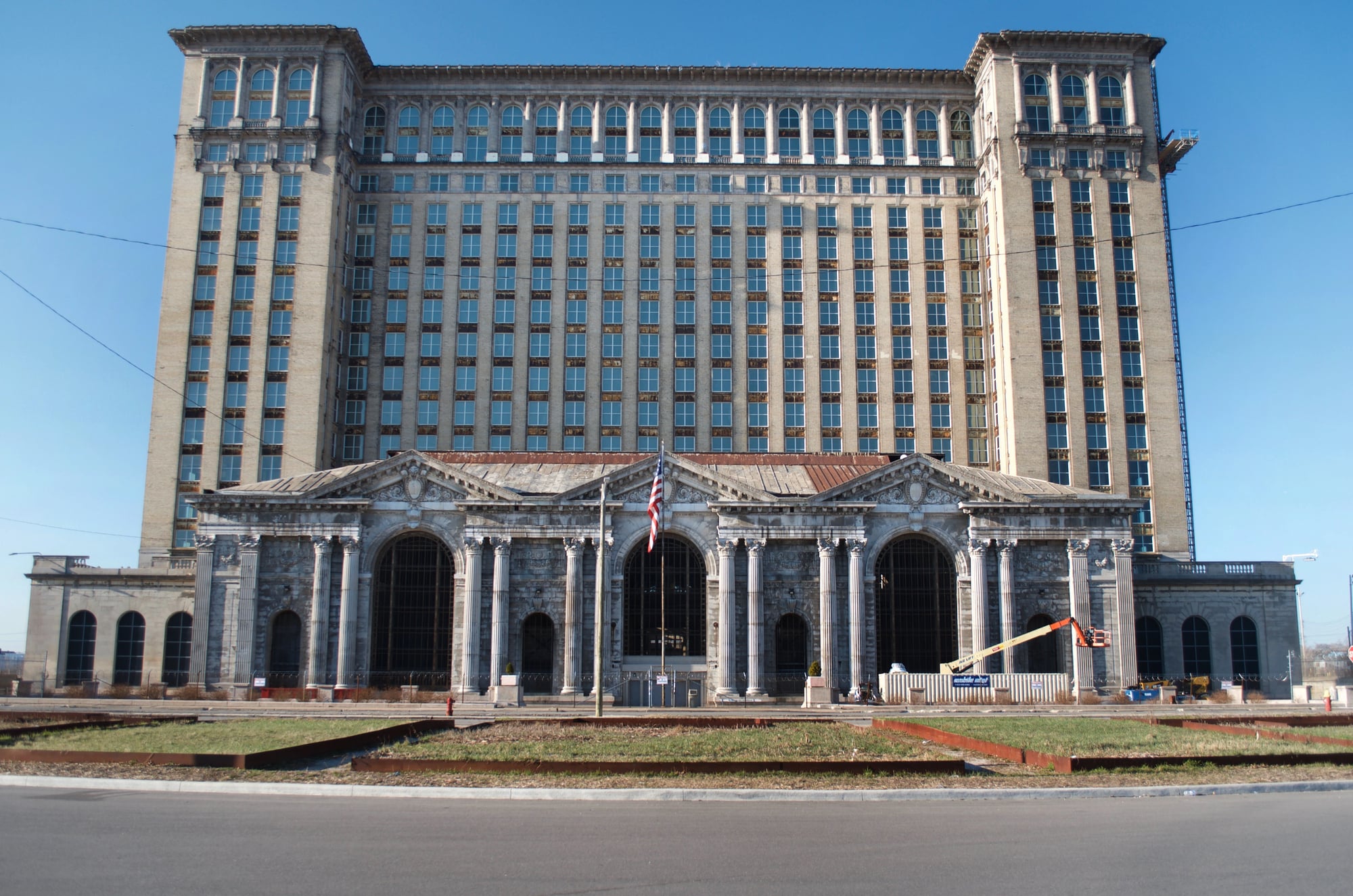
This train station towers 18 stories high and covers an entire city block in downtown Detroit. Built in 1913, it was once the tallest rail station in the world and served as a grand entrance to the Motor City.
The building closed in 1988 when passenger rail service dried up, and for decades it stood as a symbol of Detroit’s decline. Ford Motor Company recently bought it and started restoring the structure, but for over 30 years this massive building sat empty with broken windows and crumbling walls.
Packard Automotive Plant In Detroit
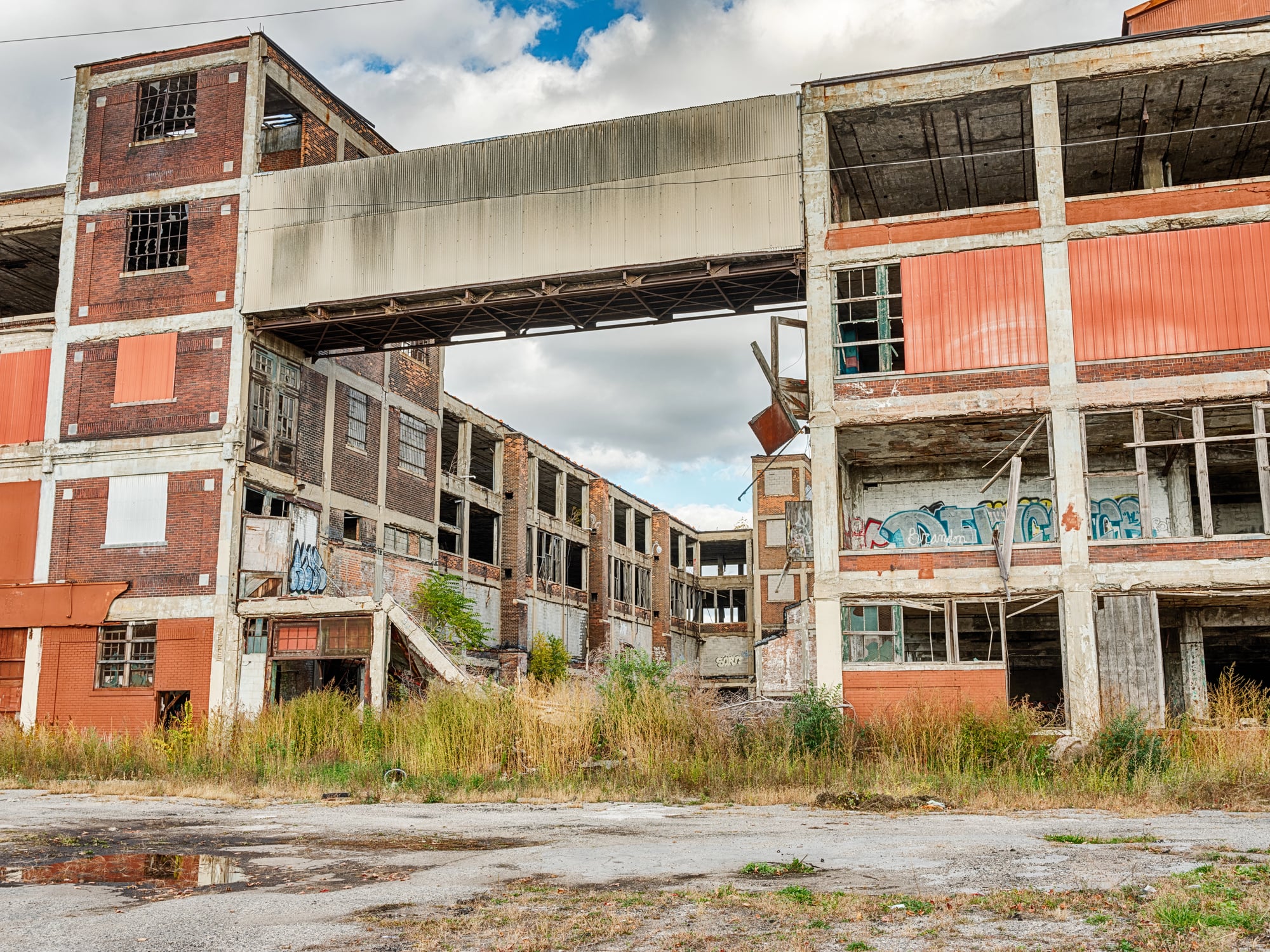
Stretching across 3.5 million square feet, this factory complex is one of the largest abandoned industrial sites in America. The Packard Motor Car Company built luxury vehicles here from 1903 until 1958, employing thousands of workers across dozens of connected buildings.
After the company went bankrupt, various smaller businesses used parts of the facility until the 1990s. Now the entire complex sits deteriorating, with trees growing through floors and graffiti covering nearly every surface.
City Methodist Church In Gary, Indiana

This Gothic Revival church rises eight stories tall and once held congregations of over 3,000 people during Gary’s steel boom years. Built in 1926 with an attached community center, Sunday school, and gymnasium, it represented the wealth and optimism of the growing industrial city.
The congregation shrank as Gary’s population declined, and the church closed in 1975. The building has appeared in several horror movies because its towering sanctuary with collapsed roof sections creates an eerie atmosphere.
Bethlehem Steel Plant In Pennsylvania
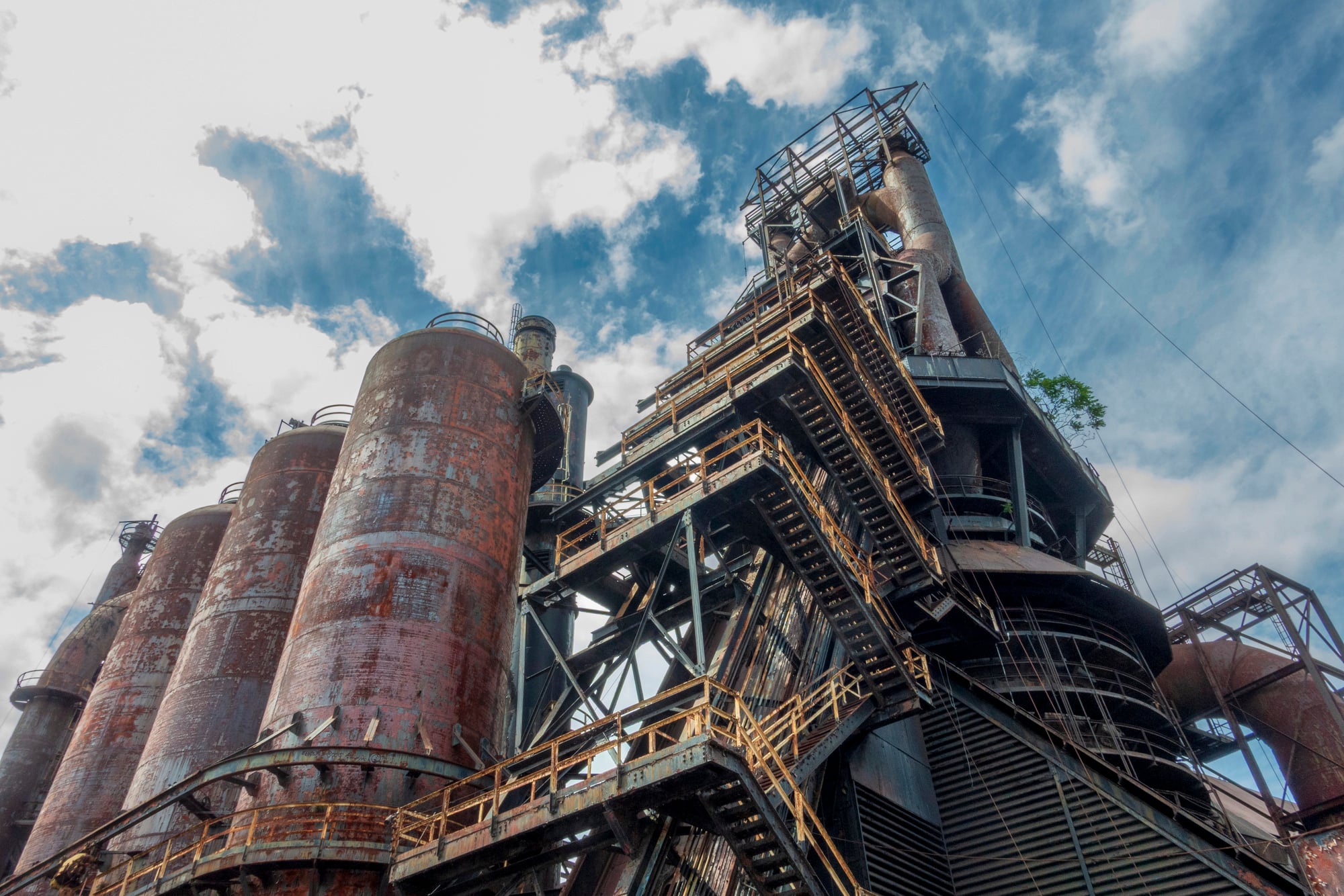
This steel mill stretches for miles along the Lehigh River and employed over 30,000 workers at its peak during World War II. The plant produced steel for warships, skyscrapers, and the Golden Gate Bridge before closing in 1995.
The main blast furnaces stand 200 feet tall and dominate the skyline like rusting monuments to America’s industrial past. Parts of the site have been converted into a casino and cultural center, but enormous sections remain abandoned.
Eastern State Penitentiary In Philadelphia
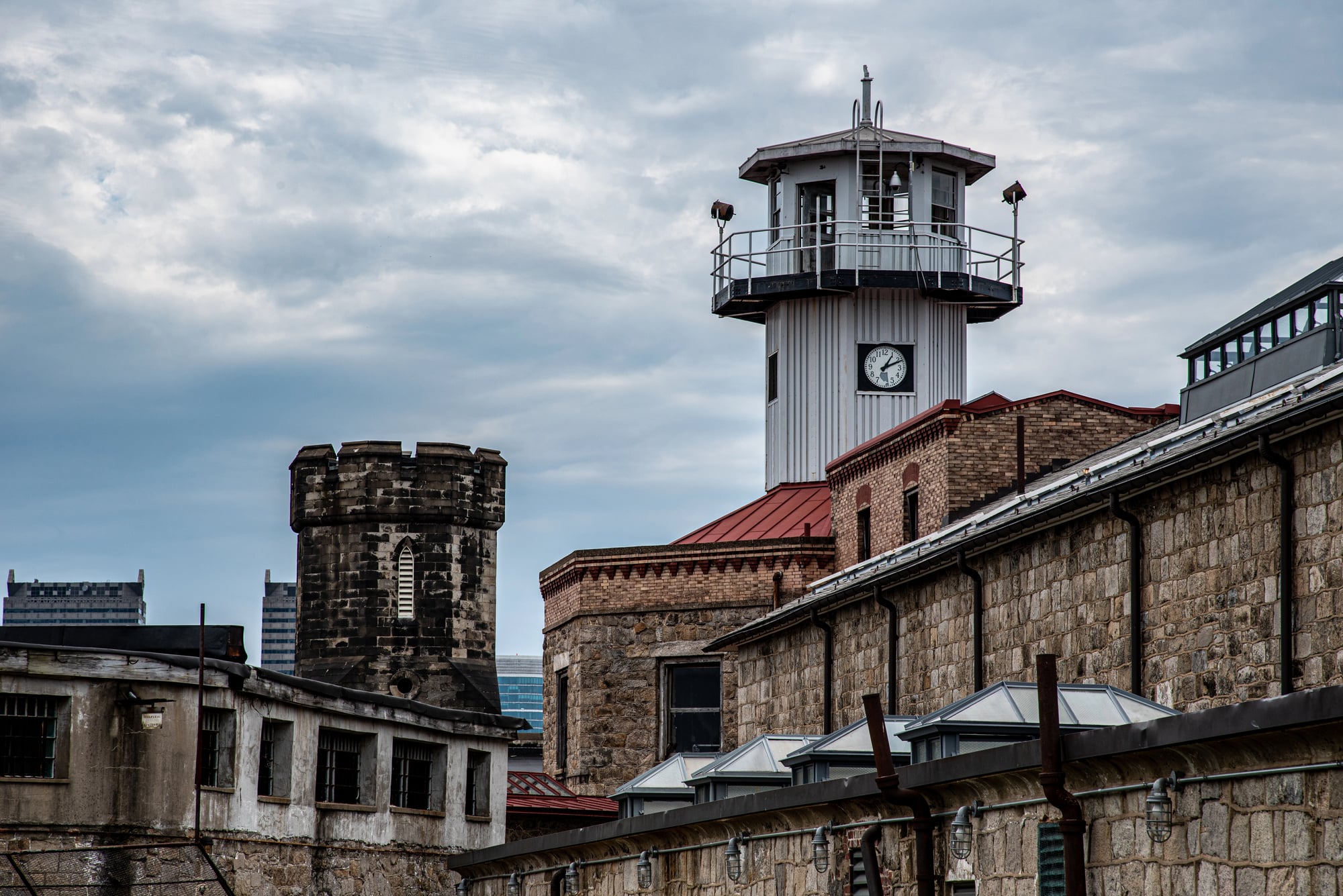
Built in 1829, this prison covered 11 acres and pioneered the concept of solitary confinement with its radial floor plan. At the time of construction, it was the largest and most expensive public structure ever built in America.
The facility held notorious criminals including Al Capone before closing in 1971. The massive stone walls and cell blocks now operate as a museum, but much of the interior remains in a state of preserved decay.
Six Flags Jazzland In New Orleans
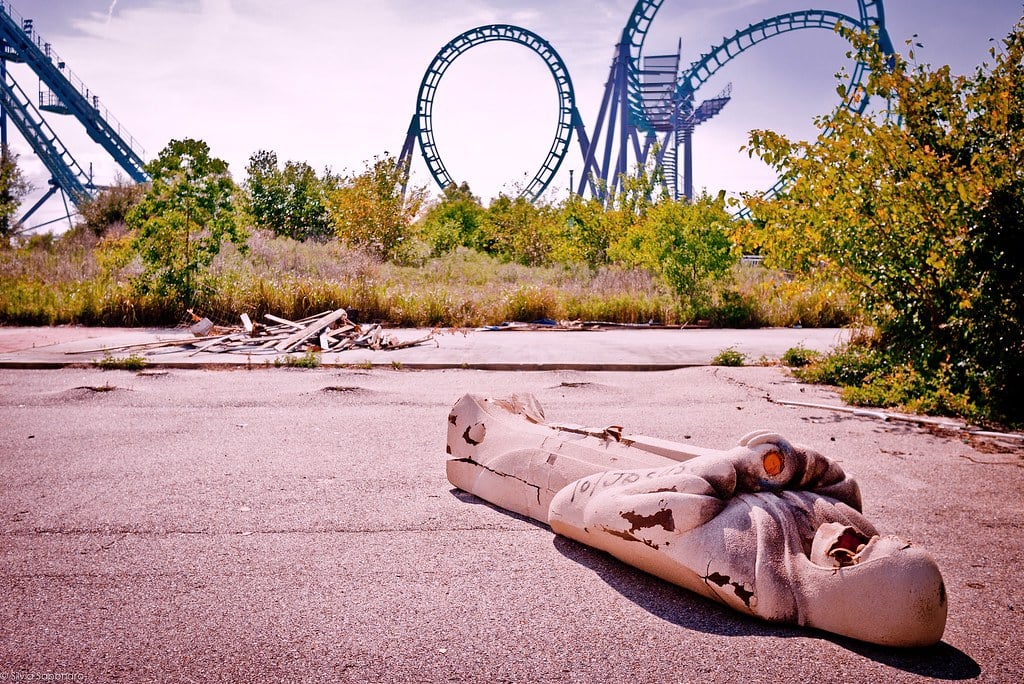
Hurricane Katrina flooded this 140-acre amusement park in 2005, and it never reopened. Roller coasters still stand frozen in place, their tracks covered in rust and vegetation.
The park originally opened in 2000 and featured themed areas based on different types of music. Rides like the Mega Zeph wooden coaster and the Jester spinning attraction now sit surrounded by swamp water and overgrown paths.
Several developers have proposed redevelopment plans, but the property remains untouched nearly two decades after the storm.
Bannerman Castle On Pollepel Island, New York
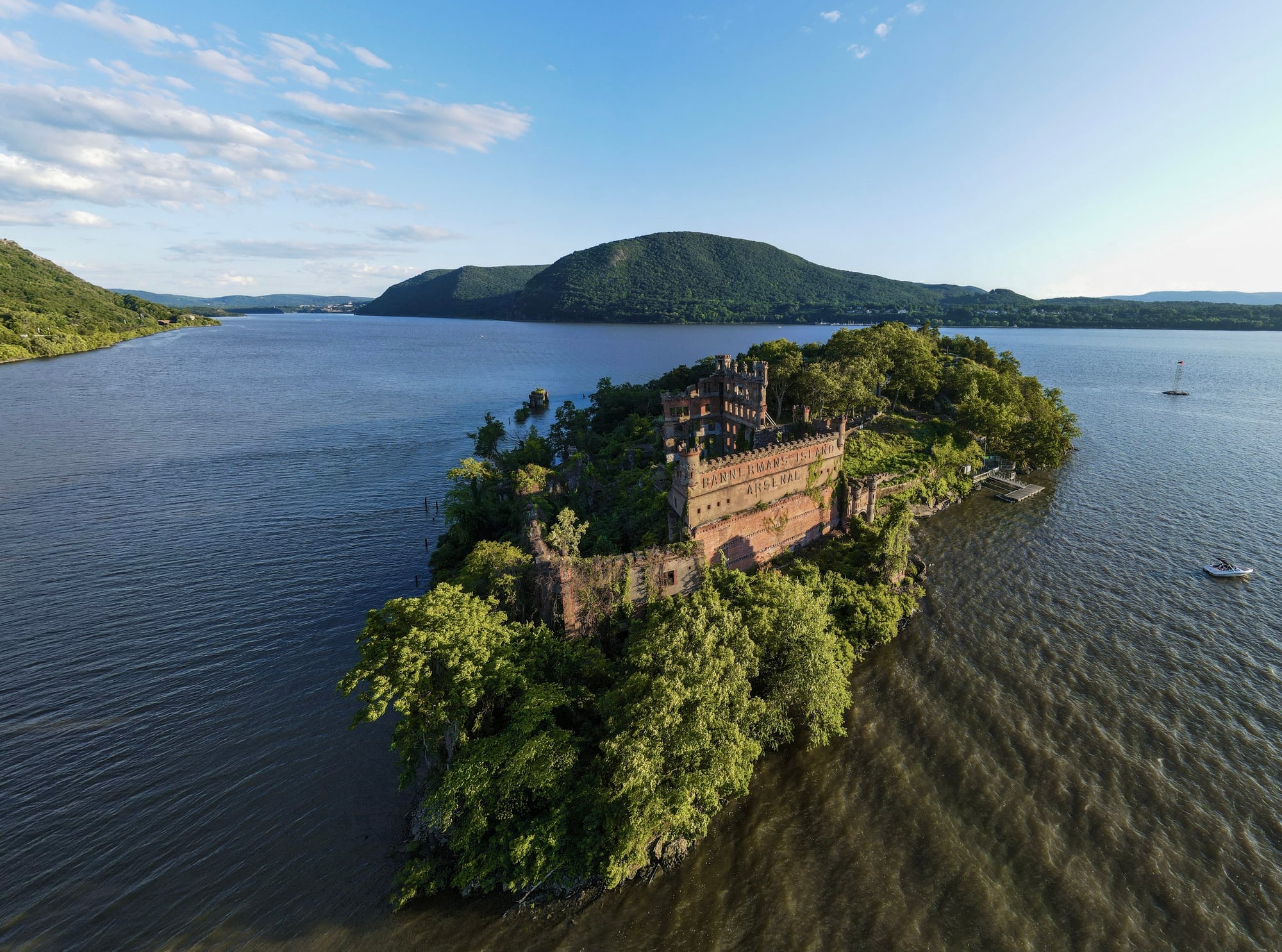
This castle-like arsenal sits on a small island in the Hudson River, about 50 miles north of New York City. Francis Bannerman VI built it in 1901 to store military surplus he sold from his business.
The main building covered about 150,000 square feet before a gunpowder explosion and subsequent fires damaged large sections. The structure has been abandoned since 1967, and only the outer walls remain standing.
Tourists can visit the island on guided tours to see the ruins up close.
Ohio State Reformatory In Mansfield

This massive prison opened in 1896 and housed inmates in a six-story cell block that stretches 240 feet long. The building combines Romanesque, Victorian Gothic, and Queen Anne architectural styles into an imposing structure visible for miles.
Guards walked the longest free-standing steel cell block in the world before the prison closed in 1990 due to overcrowding and deteriorating conditions. The facility gained fame as the filming location for The Shawshank Redemption and now operates as a tourist attraction.
Letchworth Village In New York
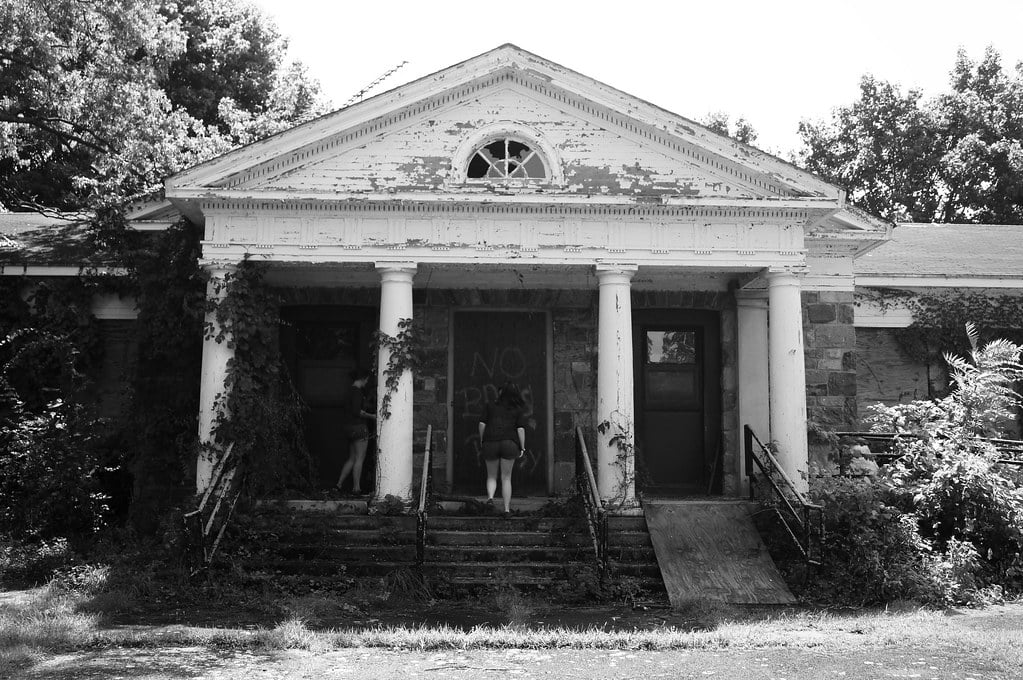
This developmental center sprawled across 2,000 acres in Rockland County and contained over 130 buildings at its peak. Opened in 1911 as a progressive institution for people with intellectual disabilities, it eventually housed over 4,000 residents.
The facility closed in 1996 after investigations revealed abuse and neglect. Most buildings still stand empty, including massive dormitories, administration buildings, and a power plant, all slowly being reclaimed by the surrounding forest.
Buffalo Central Terminal
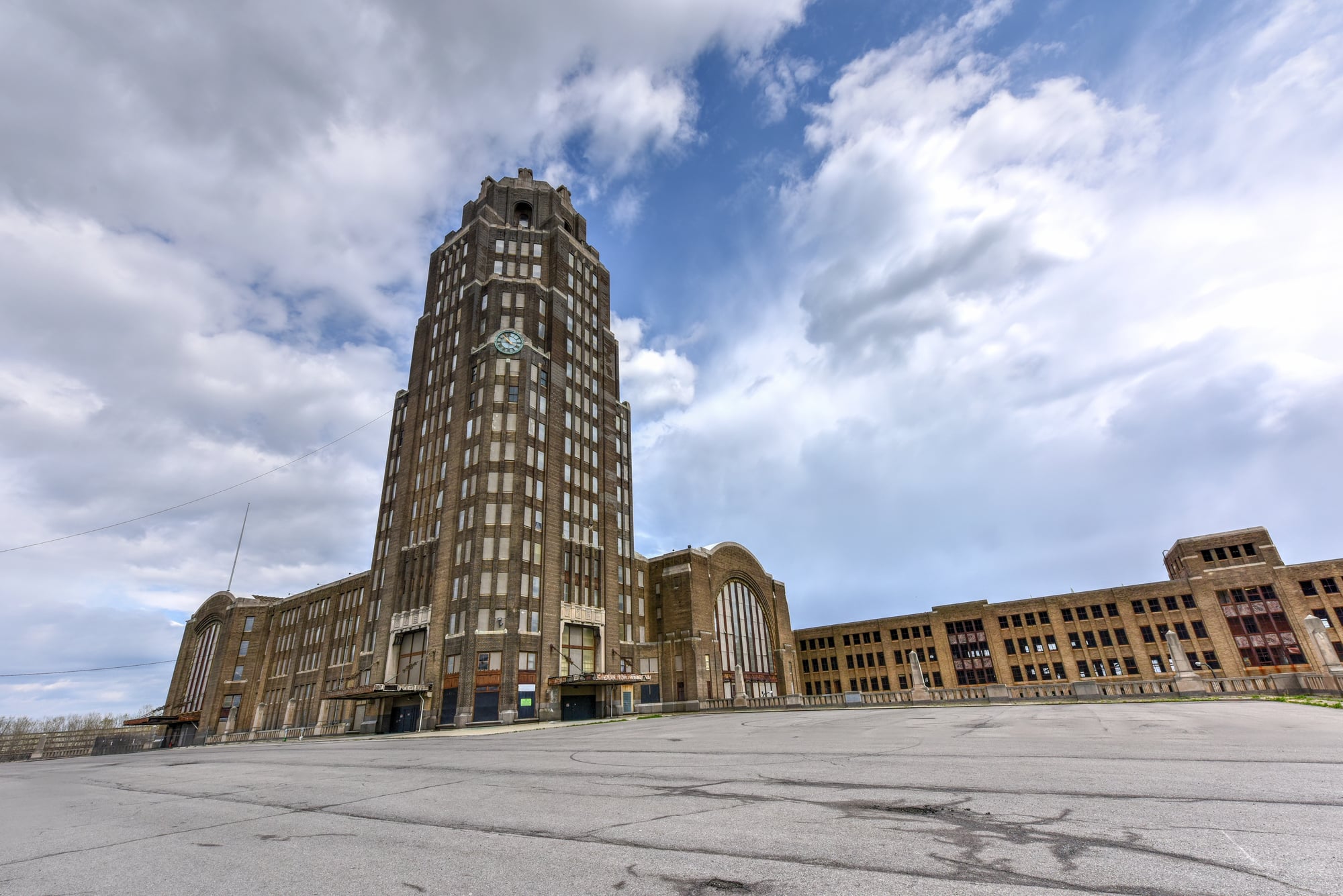
This Art Deco train station covers 17 acres and features a 17-story office tower connected to a massive concourse. Built in 1929 for $15 million, it represented Buffalo’s ambition to become a major transportation hub.
The station handled over 200 trains daily at its peak but closed to passenger service in 1979. The building sat completely abandoned for years, though preservation groups now maintain the property and host occasional events in the grand concourse.
Grossinger’s Catskill Resort Hotel In New York
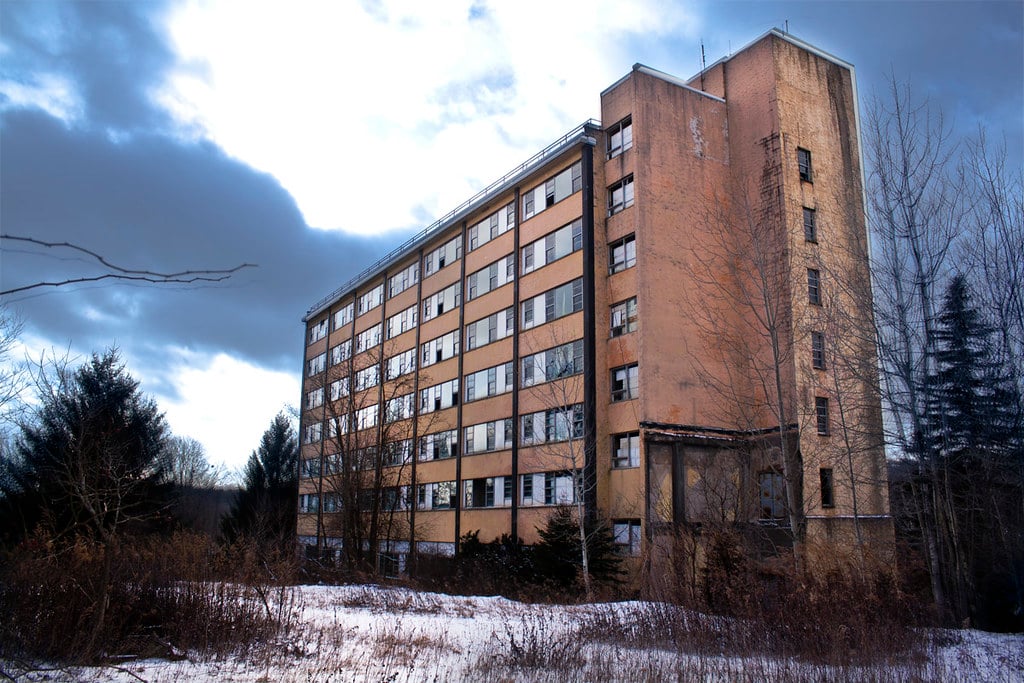
This resort complex covered 1,200 acres in the Catskill Mountains and could accommodate 1,500 guests across multiple hotel buildings, cottages, and recreational facilities. The resort was a premier destination during the heyday of the Borscht Belt from the 1950s through the 1970s.
It closed in 1986 as vacation habits changed and air travel made distant destinations more accessible. The main hotel building and other structures have been slowly collapsing for decades.
Joliet Correctional Center In Illinois
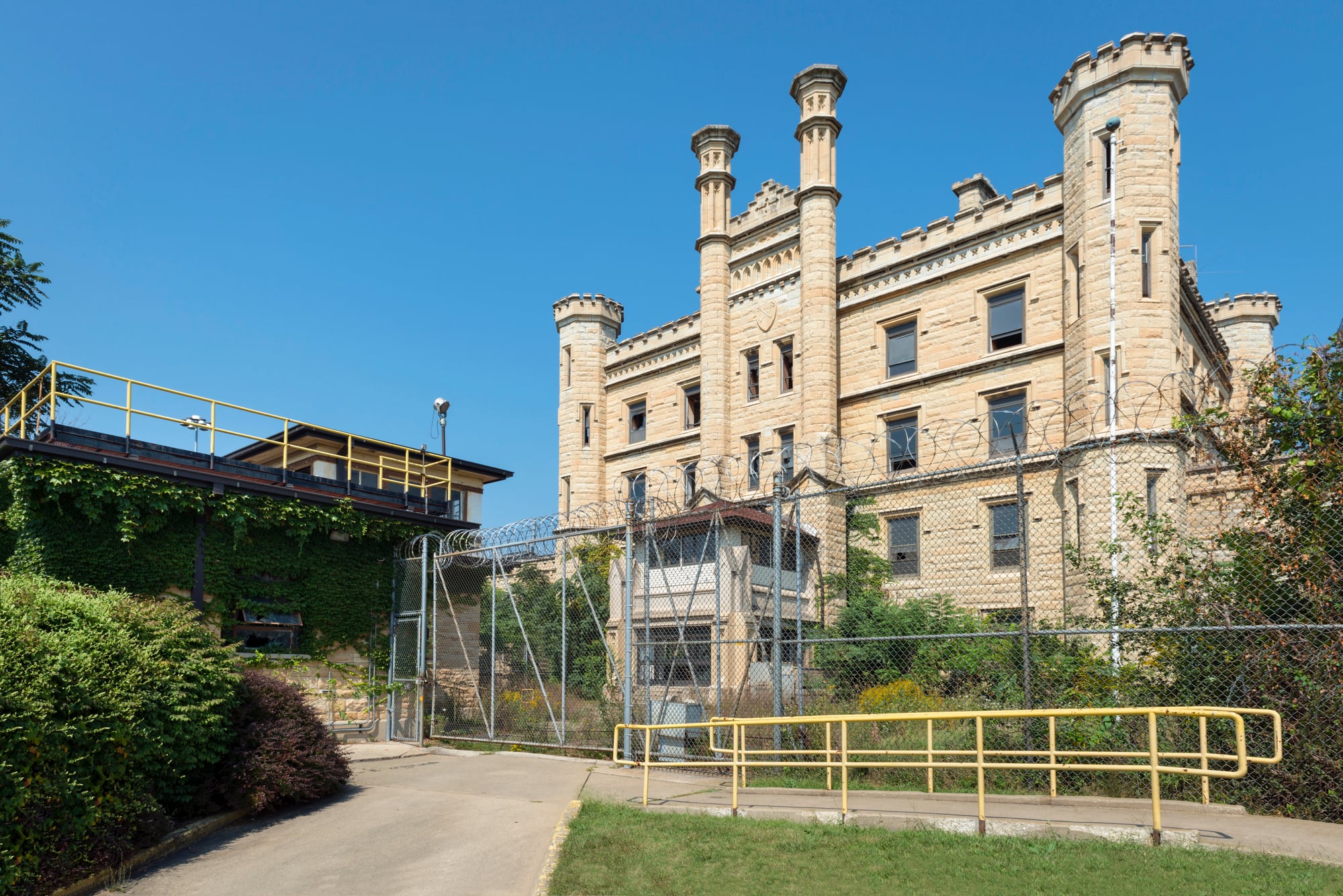
This maximum security prison opened in 1858 and operated for 144 years before closing in 2002. The facility sprawls across 11 acres and once held notorious criminals like John Wayne Gacy and Richard Speck.
The prison gained international recognition as the fictional location in the opening scene of The Blues Brothers movie. Most of the complex sits empty and deteriorating, with its distinctive castle-like walls and guard towers still intact.
Yankee Stadium Freight Building In The Bronx
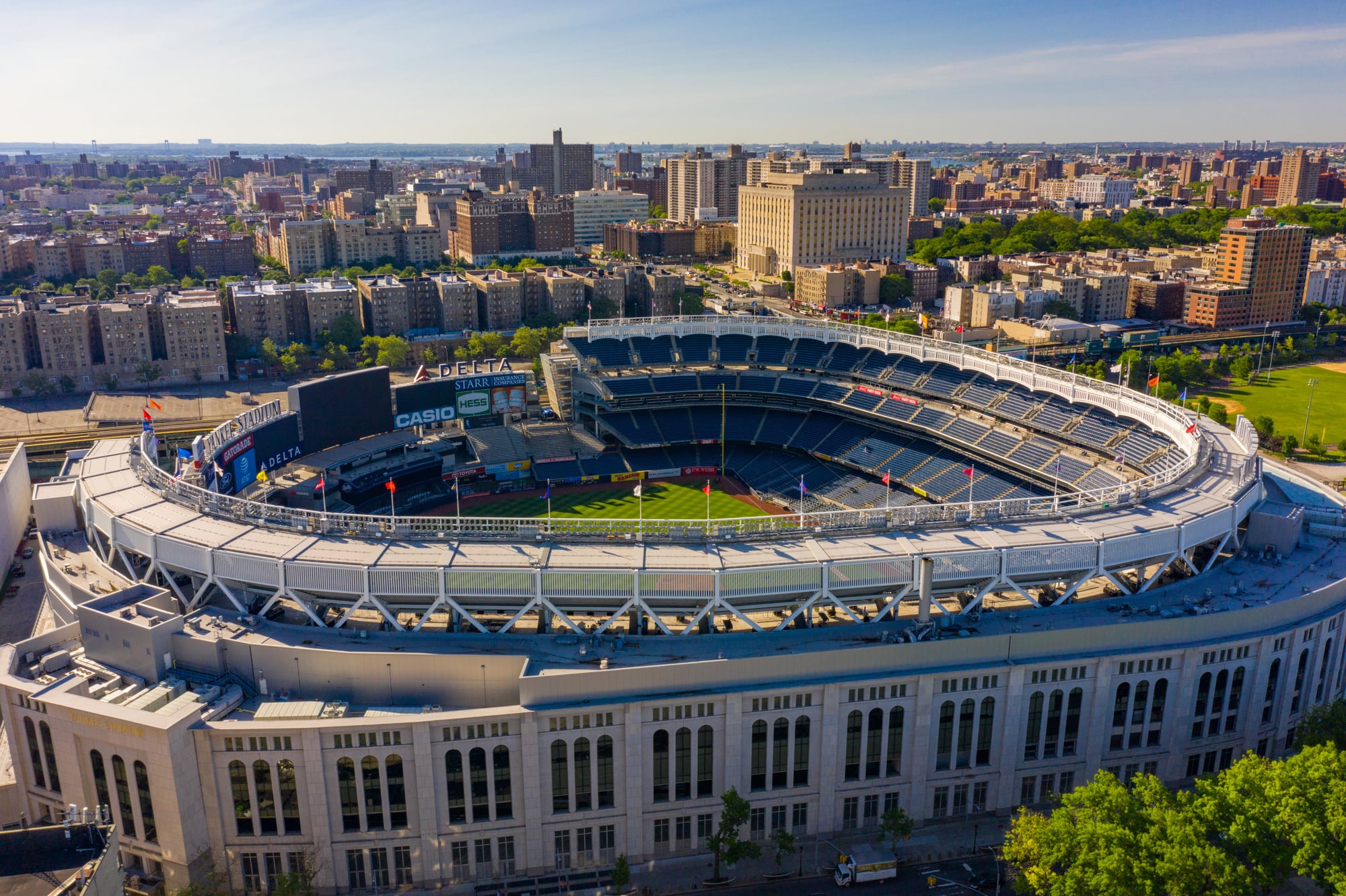
This massive warehouse sits adjacent to the old Yankee Stadium site and covers several city blocks. Built in 1927 to handle freight for the surrounding industrial area, it once buzzed with activity as trucks loaded and unloaded goods.
The building has been abandoned since the 1990s as manufacturing left the Bronx. Its Art Deco facade still stands, but the interior has been stripped and vandalized.
New York State Pavilion At The 1964 World’s Fair

High up above Flushing Meadows Corona Park stand three slender towers, one stretching 226 feet into the sky. A vast canopy floats overhead within what was once called the Tent of Tomorrow, covering fifty thousand square feet of open space.
Created under Philip Johnson’s vision, it became New York’s centerpiece when the world came to visit. After the crowds left, plans began – then stalled – for bringing life back into its frame.
Though people tried fixing it more than once, silence still fills most corners today. You might recognize those round platforms and sharp spires – they showed up on screen in Men in Black.
Dixmont State Hospital Pennsylvania
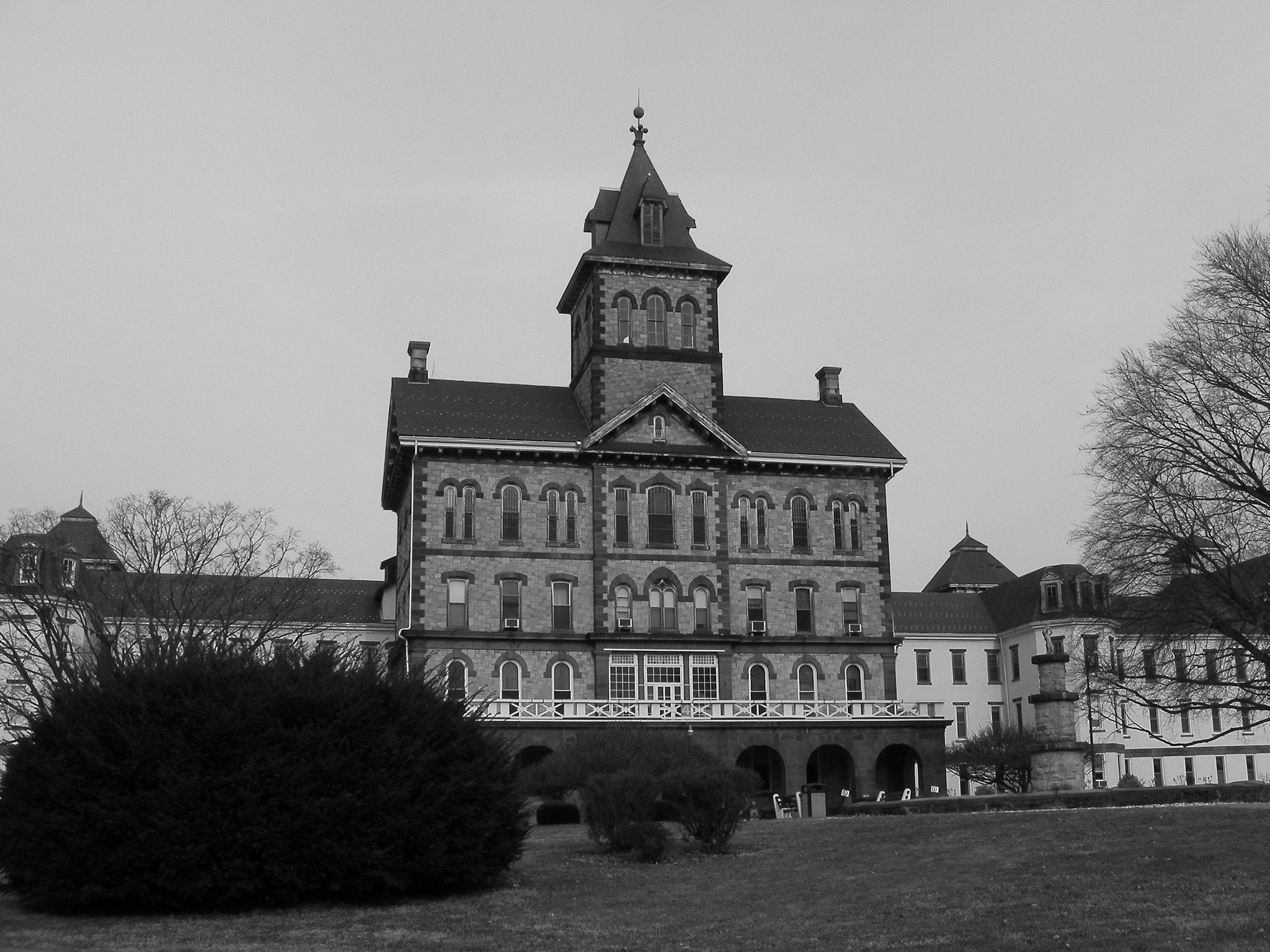
A once-busy psychiatric hospital stood from 1862 until 2005 on a riverside plot of land measuring 407 acres near the Ohio River. Over two thousand five hundred people lived there at its busiest time, spread through many linked buildings built during the Victorian period.
Rising above them was a central tower part of the largest structure, where hallways ran more than fifteen hundred feet in length. After shutting down, the site lay empty for years under open sky and growing weeds.
By 2016, wrecking crews arrived, bringing nearly everything to the ground. What’s left now is just a small cluster of old walls still upright.
Trans World Airlines Flight Center JFK Airport

Once home to TWA flights, this bold structure spans 200,000 square feet, shaped by Eero Saarinen’s visionary hand. From 1962 onward, travelers passed through its wings – until the carrier folded in 2001.
Its flowing concrete forms, striking inside and out, proved too tight for today’s jets and safety rules. Left silent for nearly two decades, it found purpose again when doors reopened – not as an airport hub but as a guest-ready space.
Opened in 2019, the site now shelters visitors instead of boarding passengers, holding on to its retro soul without skipping forward.
Renaissance Centers First Hotel Tower In Detroit
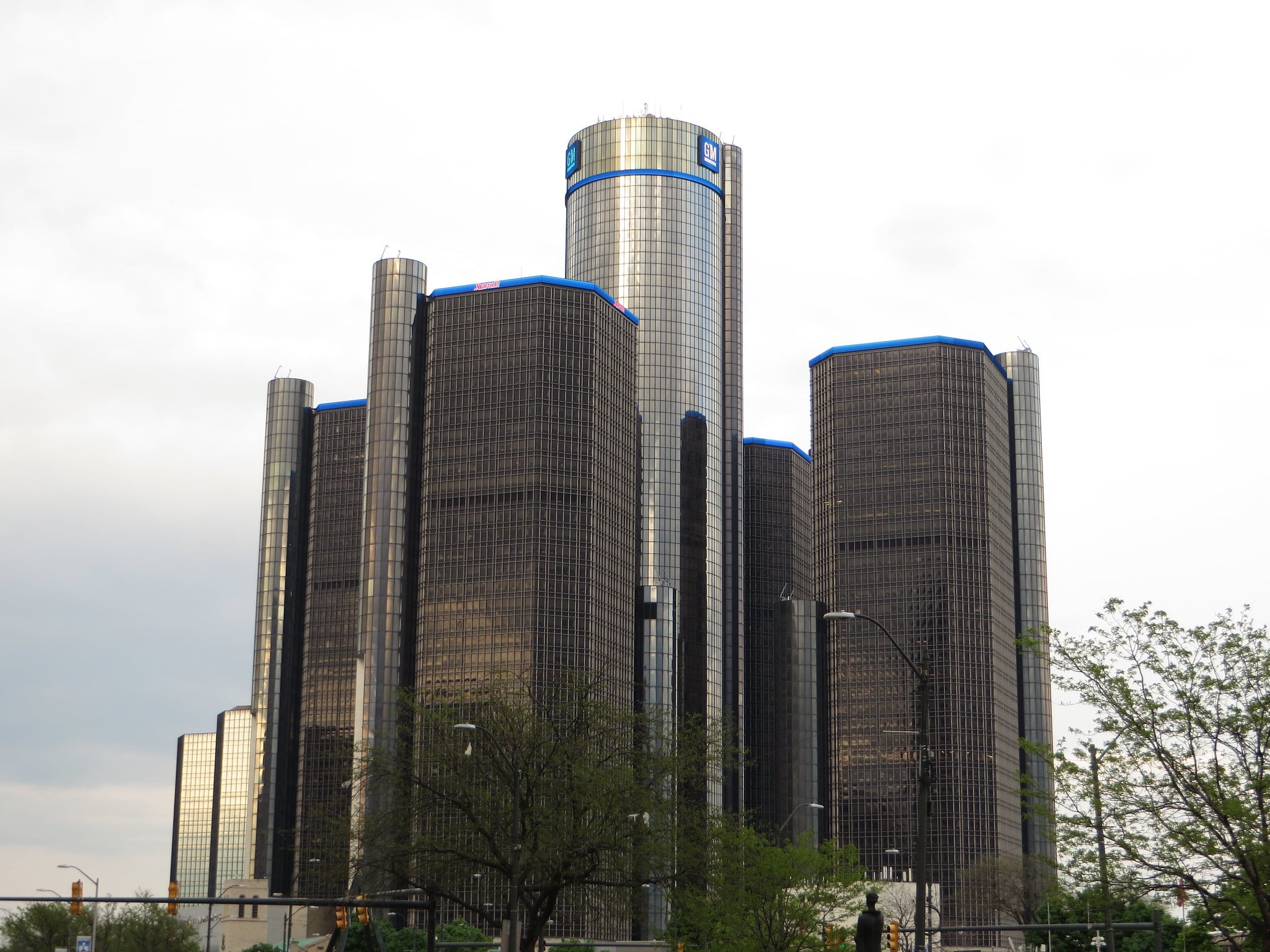
Back in the seventies, General Motors put up this massive site hoping it would mark Detroit’s return. Rising high, a 73-floor hotel stands ringed by four office towers – each thirty-nine stories tall.
Costing three hundred fifty million dollars, the project aimed to breathe life into the city center. Yet through the years, parts of the complex lost tenants one after another.
Whole floors stayed shut, untouched for long stretches at a time. Even though the hotel welcomes guests and GM keeps some workspace inside, much of the lower area sits out of reach, silent and bare.
Where Giants Rest
Out here, size doesn’t guarantee survival – what once worked may not work tomorrow. Built tall and paid for dearly, each of these stands as proof: change waits for no design.
A shift happens quietly – markets move on, needs vanish overnight. Not every shell gets repurposed; some simply wait their turn to come apart.
Still standing today, they’re like echoes shaped by ambition, slowly fading under sun and rain.
More from Go2Tutors!

- The Romanov Crown Jewels and Their Tragic Fate
- 13 Historical Mysteries That Science Still Can’t Solve
- Famous Hoaxes That Fooled the World for Years
- 15 Child Stars with Tragic Adult Lives
- 16 Famous Jewelry Pieces in History
Like Go2Tutors’s content? Follow us on MSN.



