17 Laws Created Because of One Person
With time, it has taken only one person to begin reforming our legal systems. Occasionally, the reforms come as a result of tragic accidents, and sometimes they come due to extraordinary actions or relentless advocacy.
The ripple effect of what one does or goes through may shape how society operates through new laws.
These are 17 incredible laws that were enacted due to the influence, effect, or bad fortune of one person.
Megan’s Law

After seven-year-old Megan Kanka was murdered by a convicted child offender living across the street in 1994, her parents fought for change. Their advocacy led to Megan’s Law, requiring law enforcement to make information about registered offenders available to the public.
The law started in New Jersey but quickly spread nationwide, fundamentally changing how communities monitor convicted offenders in their neighborhoods.
Amber Alert
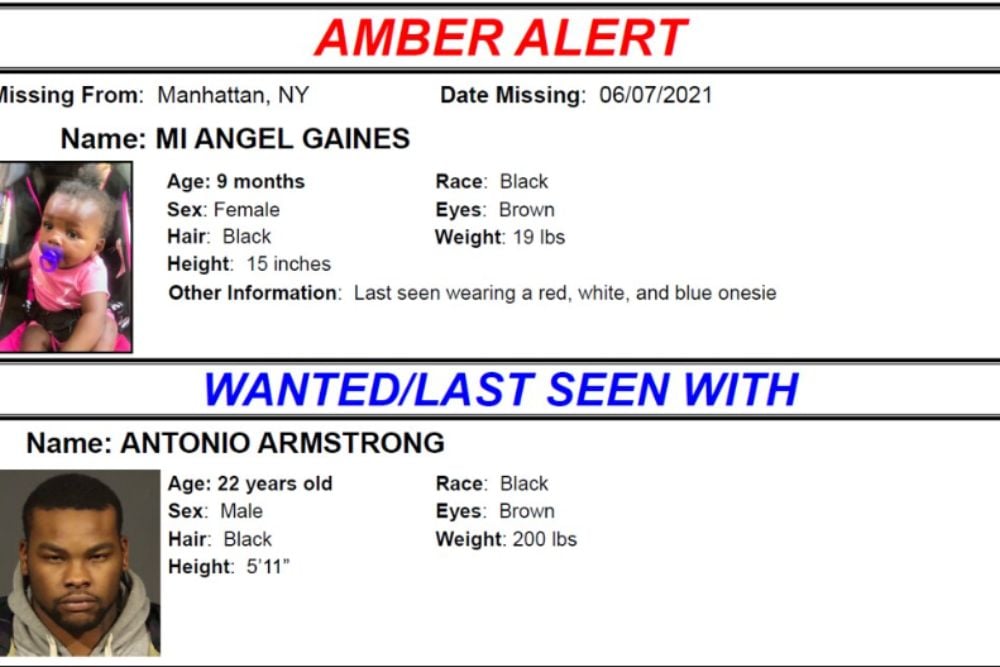
A national emergency response system was established in reaction to the kidnapping and murder of nine-year-old Amber Hagerman in Texas. Local Dallas-Fort Worth radio stations developed the first alert system following her tragedy in 1996.
When a child disappears, emergency notifications are sent across a variety of channels thanks to the program’s widespread adoption. Since they were put into place, these notifications have assisted in the recovery of hundreds of children.
Brady Handgun Violence Prevention Act

When White House Press Secretary James Brady was shot in an assassination attempt on President Reagan in 1981, he became a vocal gun control advocate. Though Brady was partially paralyzed by the shooting, he and his wife Sarah lobbied for years.
Their efforts led to the Brady Act of 1993, which mandated federal background checks prior to a gun being sold and instituted a five-day waiting period prior to a handgun being sold.
Kristen’s Law
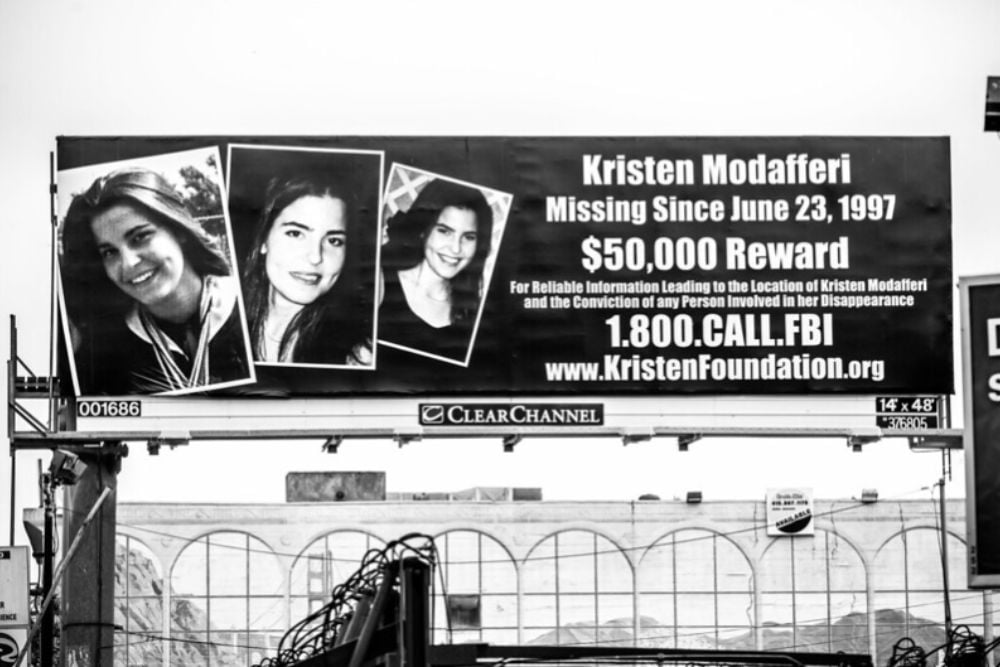
Due to her age of 18, authorities were unable to conduct a thorough investigation into the 1997 disappearance of college student Kristen Modafferi. Her parents found that adults without evidence of foul play weren’t given priority in missing persons situations.
As a result of their advocacy, the National Center for Missing Adults was established, and resources for missing adult investigations were made available under Kristen’s Law. Numerous families have benefited from the law’s assistance in finding their lost adult loved ones.
Laura’s Law

Following the killing of Laura Wilcox by an untreated schizophrenic man in 2001, California enacted a law allowing court-ordered assisted outpatient treatment. The legislation offers mental health treatment to seriously mentally ill individuals who have been treatment-resistant.
Laura’s parents made their tragedy into advocacy and developed a system to assist those who do not know they need treatment without compromising community safety.
Leandra’s Law
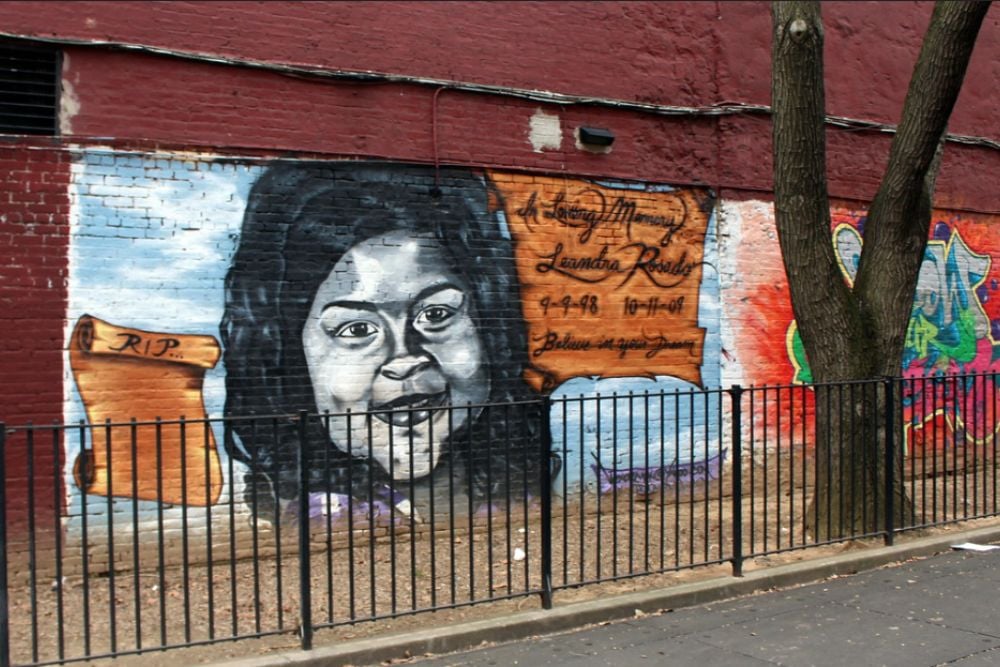
Eleven-year-old Leandra Rosado died as a passenger in a car driven by her friend’s intoxicated mother. New York responded with one of the nation’s toughest DWI laws in 2009.
Leandra’s Law makes driving drunk with a child passenger a felony and requires ignition interlock devices for all convicted drunk drivers. Leandra’s father turned personal tragedy into a mission that has likely saved many young lives.
Ryan White CARE Act

When Ryan White was diagnosed with AIDS after a blood transfusion in 1984, his community reacted with fear and discrimination. Despite being just 13, Ryan became a powerful advocate against AIDS stigma.
After his death in 1990, Congress passed the Ryan White CARE Act, the largest federally funded program for people living with HIV/AIDS. The legislation has provided vital treatment and support services to millions of Americans.
Jessica’s Law

After nine-year-old Jessica Lunsford was abducted and murdered by a previously convicted offender in 2005, her father Mark campaigned for stricter monitoring. Jessica’s Law established mandatory minimum sentences for offenders who commit sexual crimes against children and requires GPS monitoring of released offenders.
The legislation has been adopted in various forms across multiple states to enhance child protection.
Kari’s Law

When Kari Hunt was attacked in a hotel room, her daughter tried calling 911 but didn’t know she needed to dial “9” first to get an outside line. This tragic 2013 incident led to Kari’s Law, requiring direct 911 dialing from multi-line phone systems in hotels, offices and schools.
The simple but crucial change ensures anyone can reach emergency services without confusion during critical moments.
Kelsey Smith Act

After 18-year-old Kelsey Smith was abducted from a department store parking lot in 2007, law enforcement faced delays getting her phone location data from her provider. These precious hours may have cost Kelsey her life.
The resulting legislation requires wireless providers to quickly release location information to law enforcement in emergencies. The act has helped locate numerous missing persons since its implementation.
Caylee’s Law

Following the high-profile case of two-year-old Caylee Anthony, whose disappearance wasn’t reported for 31 days, several states enacted versions of Caylee’s Law. These statutes make it a felony for parents or guardians to fail to report a child’s disappearance or death within specified timeframes.
The law aims to ensure that missing children cases receive immediate attention, potentially saving lives through faster response times.
Lilly Ledbetter Fair Pay Act

After discovering she’d been paid significantly less than her male counterparts for nearly two decades at Goodyear, Lilly Ledbetter fought for wage equality. Her Supreme Court case was initially unsuccessful due to time limitations, but her advocacy led to landmark legislation.
The 2009 Lilly Ledbetter Fair Pay Act reset the statute of limitations with each discriminatory paycheck, giving workers more opportunity to challenge ongoing pay discrimination.
Kyle Busch Law

NASCAR driver Kyle Busch was caught driving 128 mph in a 45 mph zone in North Carolina in 2011. The incident highlighted a gap in state law regarding extreme speeding.
The resulting legislation created stiffer penalties for drivers caught going more than 25 mph over speed limits above 55 mph, including license suspension and substantial fines. The measure targets dangerous high-speed driving that puts communities at risk.
Buster’s Law

The horrific torture of a cat named Buster led to stronger animal cruelty legislation in New York. Previously, animal abuse was often treated as a minor offense with minimal penalties. Enacted in 1999, Buster’s Law made aggravated animal cruelty a felony punishable by up to two years in prison.
The legislation recognized the connection between animal abuse and human violence, taking a stand against cruelty in all forms.
Jake Laird Law

After Indianapolis police officer Timothy “Jake” Laird was killed by a man with mental illness who had previously had guns removed but later returned, Indiana passed a “red flag” law. The 2005 Jake Laird Law allows police to temporarily confiscate firearms from people showing signs of being dangerous to themselves or others.
The measure has served as a model for similar legislation in other states focusing on both public safety and crisis intervention.
Kevin’s Law

Kevin Morrissey struggled with untreated mental illness before taking his own life in 2002. His sister advocated for Michigan’s assisted outpatient treatment law, allowing courts to order treatment for those with severe mental illness who might not recognize their need for help.
Kevin’s Law aims to intervene before crisis points, providing support systems for vulnerable individuals while potentially preventing tragic outcomes through earlier intervention.
Melanie’s Law

After 13-year-old Melanie Powell was killed by a repeat drunk driver in Massachusetts, her grandfather led a campaign for stronger penalties. Melanie’s Law, passed in 2005, created harsher punishments for repeat offenders including mandatory jail time, extended license suspensions, and required ignition interlock devices.
The legislation has been credited with reducing drunk driving fatalities through both deterrence and keeping dangerous drivers off the roads.
The Final Impact

These seventeen laws show how our legal system can change as a result of personal experiences. Each signifies a changed society that has learned from individual tragedy or success, not merely a change in policy.
Even though these laws were created in response to particular situations, their effects are far-reaching, saving many lives and improving systems for all. Perhaps the greatest lasting lesson from these legislative legacies is the ability of one individual to bring about significant change.
More from Go2Tutors!

- The Romanov Crown Jewels and Their Tragic Fate
- 13 Historical Mysteries That Science Still Can’t Solve
- Famous Hoaxes That Fooled the World for Years
- 15 Child Stars with Tragic Adult Lives
- 16 Famous Jewelry Pieces in History
Like Go2Tutors’s content? Follow us on MSN.



