17 Leaders Who Lived in Secret Bunkers
History’s most powerful leaders have sometimes found themselves in situations where staying alive meant going underground. Wars, coups, assassinations attempts—when things got too hot above ground, these figures disappeared into elaborate bunkers that were part fortress, part luxury hideaway.
Some of these underground lairs were hastily constructed wartime shelters. Others? Massive complexes that took years to build, complete with gold fixtures and escape tunnels. Here is a list of 17 leaders who called these subterranean fortresses home.
Adolf Hitler
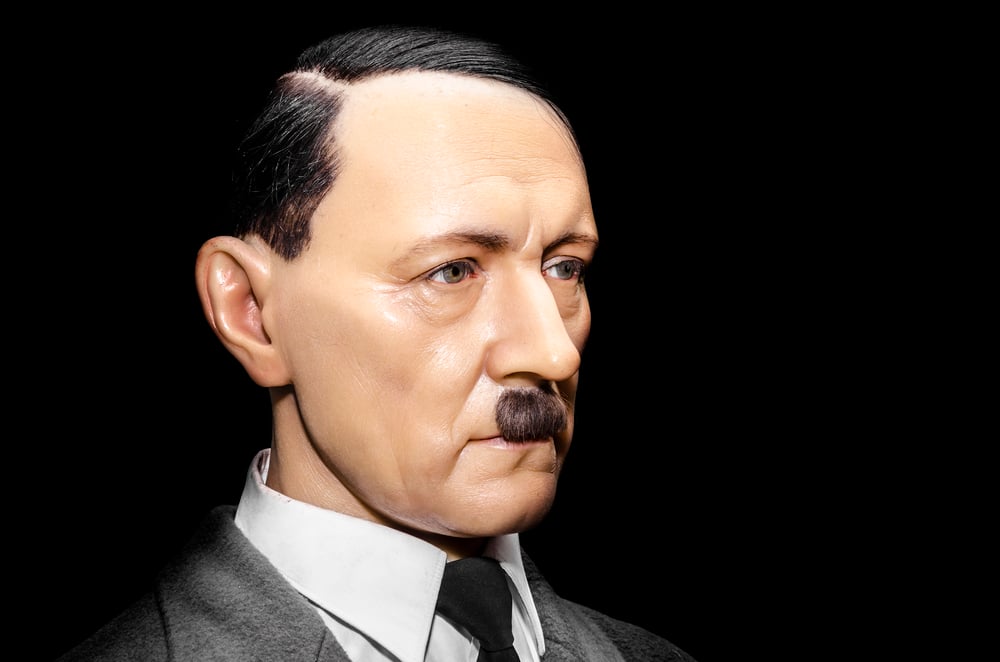
The Führerbunker became Hitler’s tomb. Fifty feet beneath Berlin, this concrete maze housed the Nazi leader during his final 105 days.
Multiple rooms sprawled through the underground complex, including Hitler’s private study where he barked out increasingly desperate orders. Soviet artillery pounded the city above while he planned his final act below.
Winston Churchill
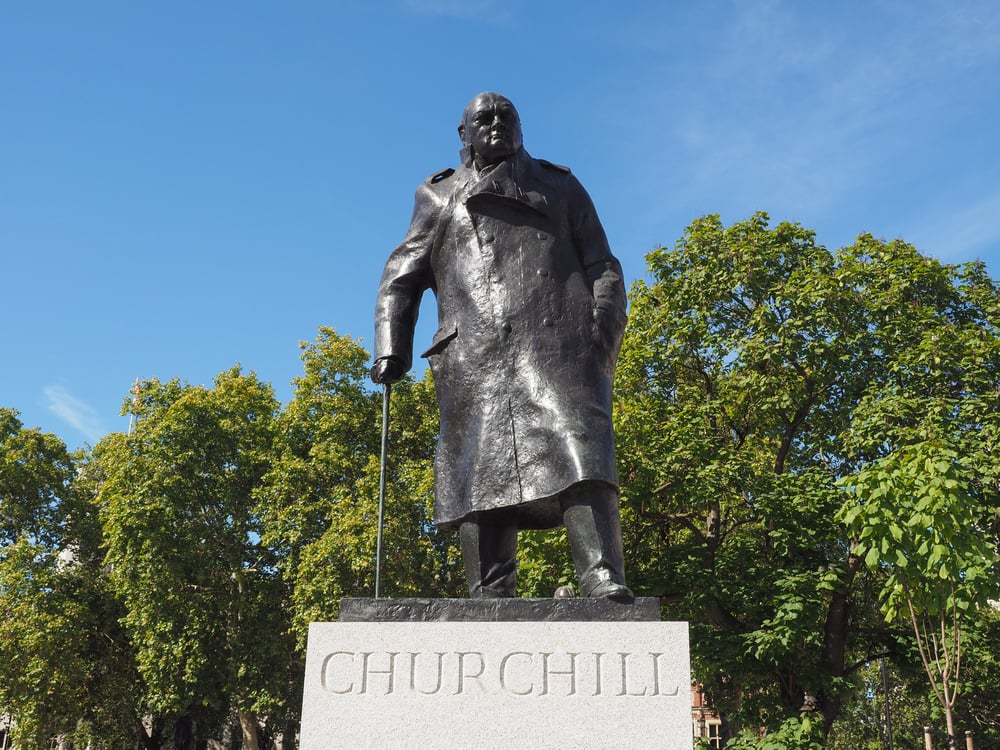
London’s Cabinet War Rooms kept Britain’s war machine running while the Blitz raged overhead. Churchill didn’t just visit—he practically lived there during the worst bombing raids.
The bunker’s map room became his obsession, covered in pins tracking every Allied movement from North Africa to the Pacific. Sleep came in snatches between air raid sirens.
Franklin D. Roosevelt
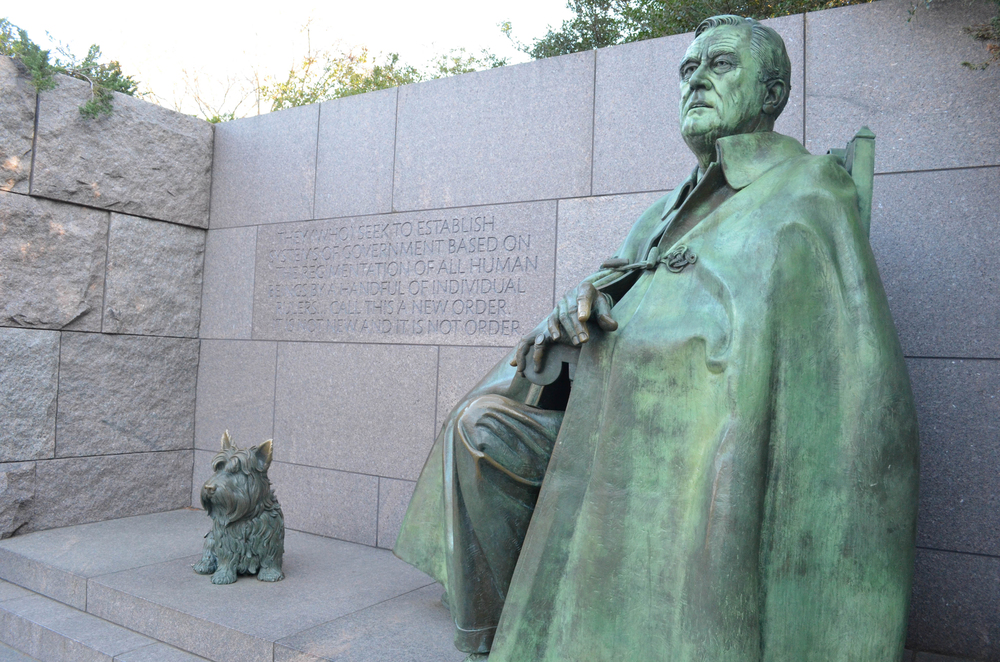
Roosevelt had a bunker beneath the White House but hated using it. He worried that hiding underground would hurt American morale, so he stayed visible even when advisors begged him to take cover.
The facility sat there, ready and waiting, used mainly during the most serious air raid alerts of 1942. His wheelchair made bunker access complicated anyway.
Joseph Stalin
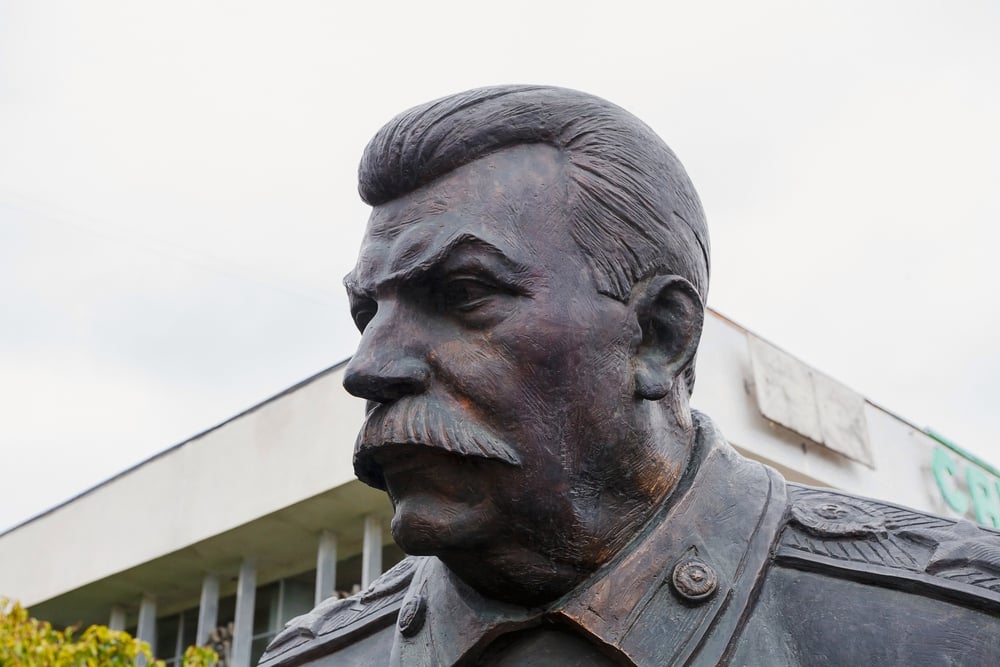
Stalin ran Moscow’s defense from a converted subway platform deep in the Kirov Metro Station. German panzers were closing in on the Soviet capital, yet Stalin refused to evacuate.
The makeshift command center buzzed with radio chatter and frantic military planning. He kept a backup bunker at his countryside dacha, just in case the metro wasn’t safe enough.
Benito Mussolini
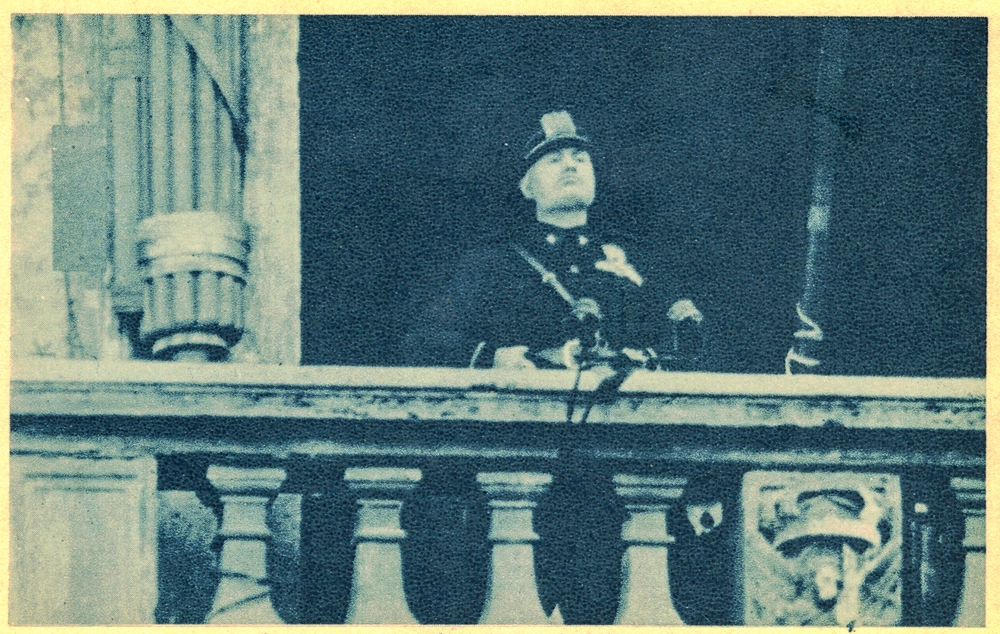
By 1943, Mussolini was running out of places to hide. His Alpine bunker near Lake Garda became his last real stronghold, equipped with radio gear to reach what remained of his forces.
The facility carved into the mountainside offered stunning lake views—though Mussolini probably wasn’t enjoying the scenery much. Allied forces were closing in fast.
Mao Zedong
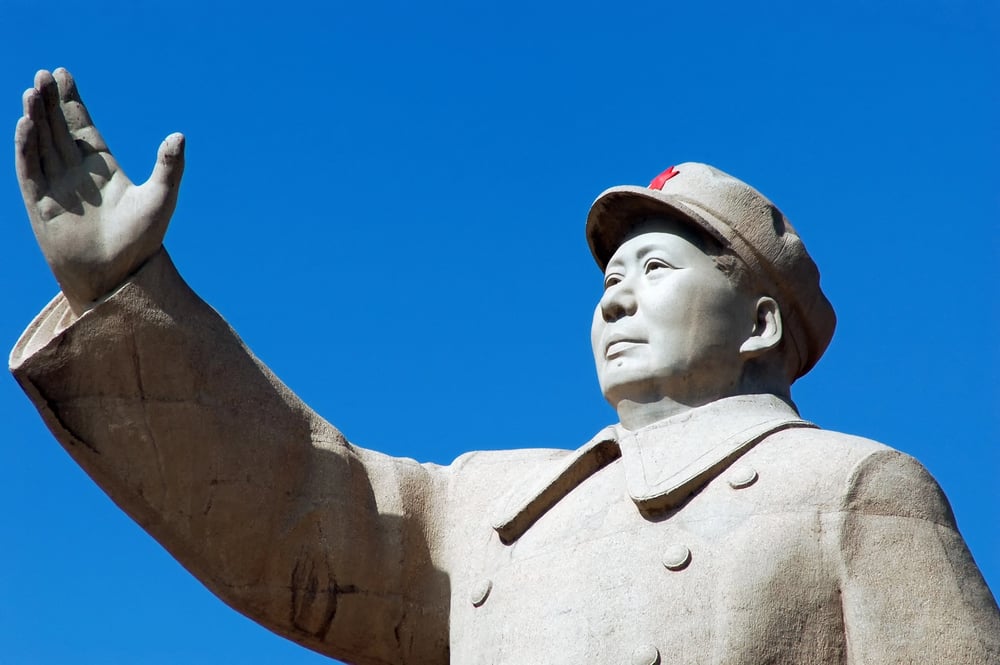
Beijing’s Underground City became Mao’s answer to nuclear war. This wasn’t just a bunker—it was an entire subterranean world stretching for miles beneath the Chinese capital.
Hospitals, factories, living quarters for thousands of people. Mao spent significant time down there during the worst periods of Sino-Soviet tension, when nuclear war seemed terrifyingly possible.
Chiang Kai-shek
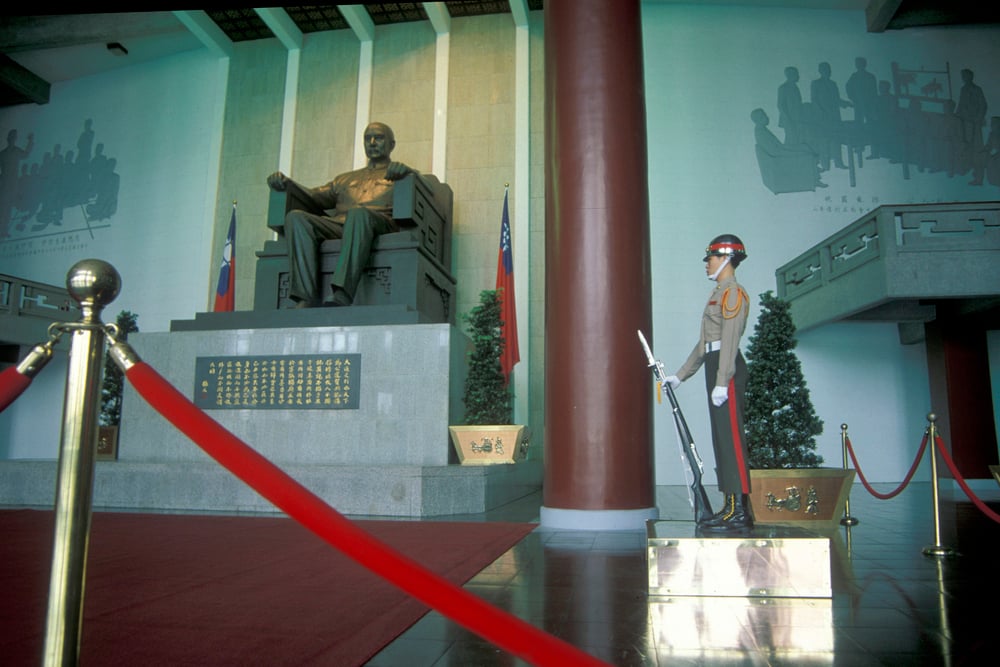
Taiwan’s mountains hid Chiang’s primary bunker, carved directly into solid rock. After losing mainland China, he couldn’t afford to lose Taiwan too.
The facility served double duty as family residence and military command post during crisis periods. His wife and closest advisors shared the confined space, planning Taiwan’s defense against potential invasion from across the strait.
Saddam Hussein
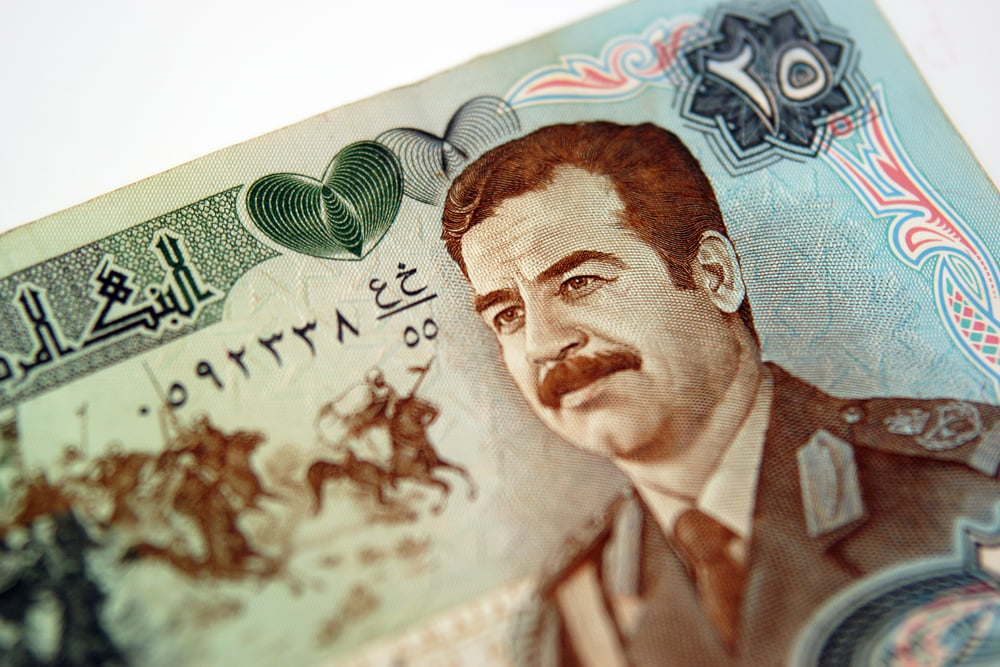
Hussein’s bunker network rivaled anything built by ancient pharaohs. Gold-plated bathroom fixtures, murals celebrating his reign, air filtration systems designed to survive chemical attacks—luxury met paranoia in underground palaces across Iraq.
During the 2003 invasion, he played an elaborate shell game, moving between facilities while U.S. forces hunted him above ground.
Muammar Gaddafi
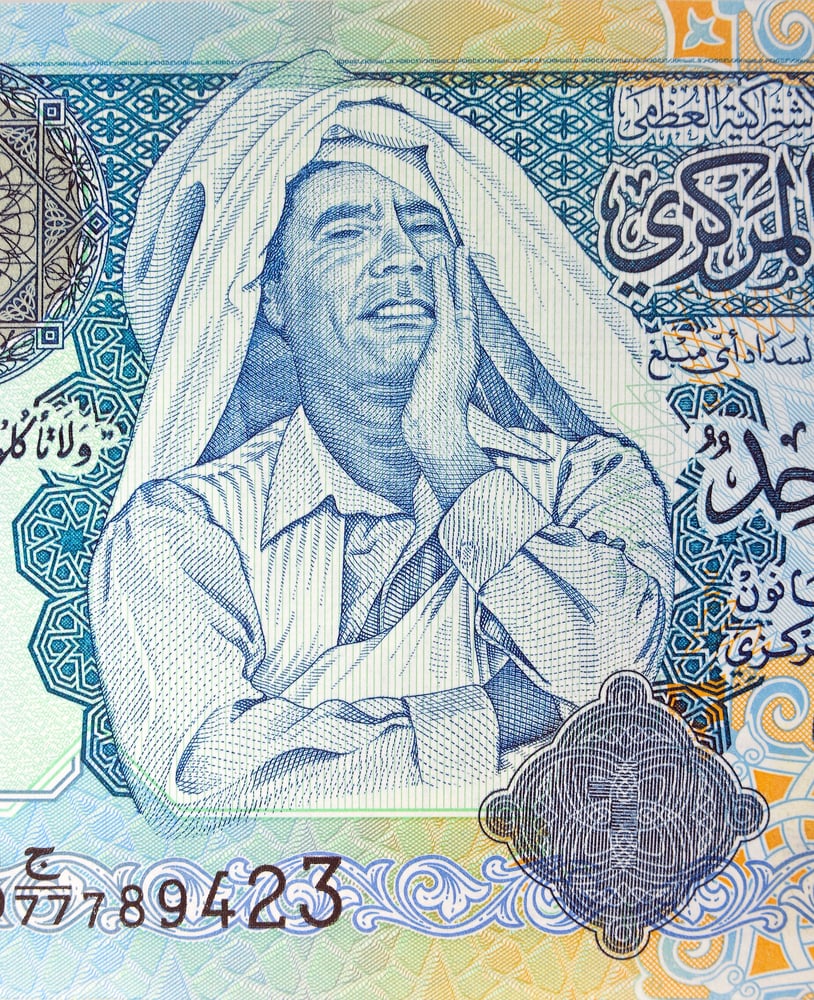
Gaddafi’s main bunker beneath Tripoli looked like something from a spy movie. Green was everywhere—his signature color decorated walls, furniture, even communication equipment.
NATO bombs fell on the city while he coordinated Libya’s defense from his underground command center. Escape tunnels snaked through the complex, leading to various exit points across Tripoli.
Kim Jong-il
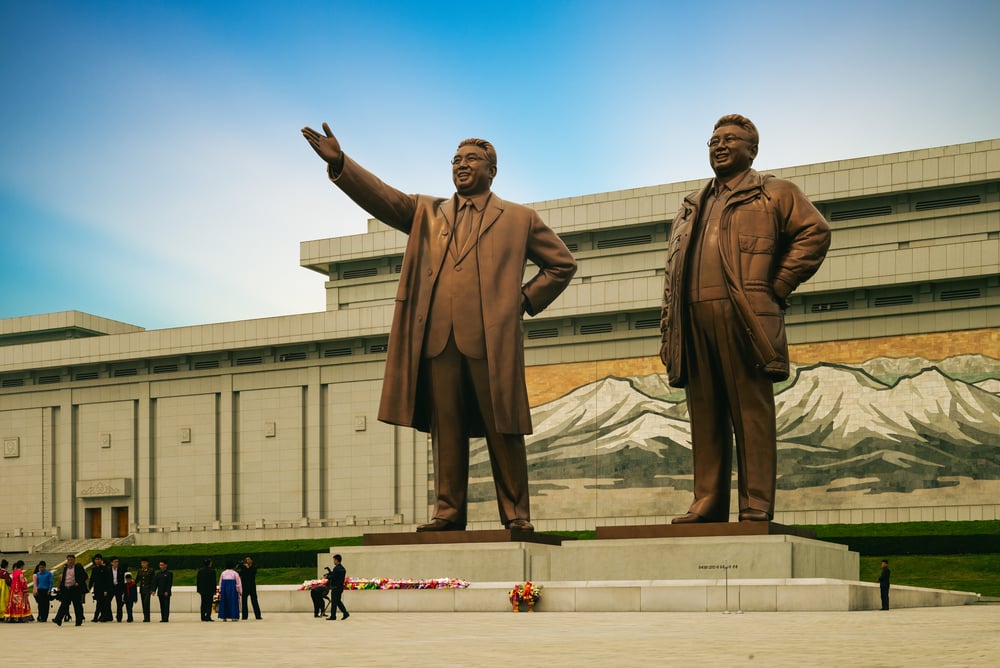
North Korea’s supreme leader never slept in the same bunker twice if he could help it. Assassination paranoia drove him to rotate constantly between dozens of underground facilities scattered across the country.
Each bunker stocked imported delicacies and entertainment systems—because even dictators need their creature comforts. Military and political orders flowed from whichever bunker housed him that week.
Fidel Castro
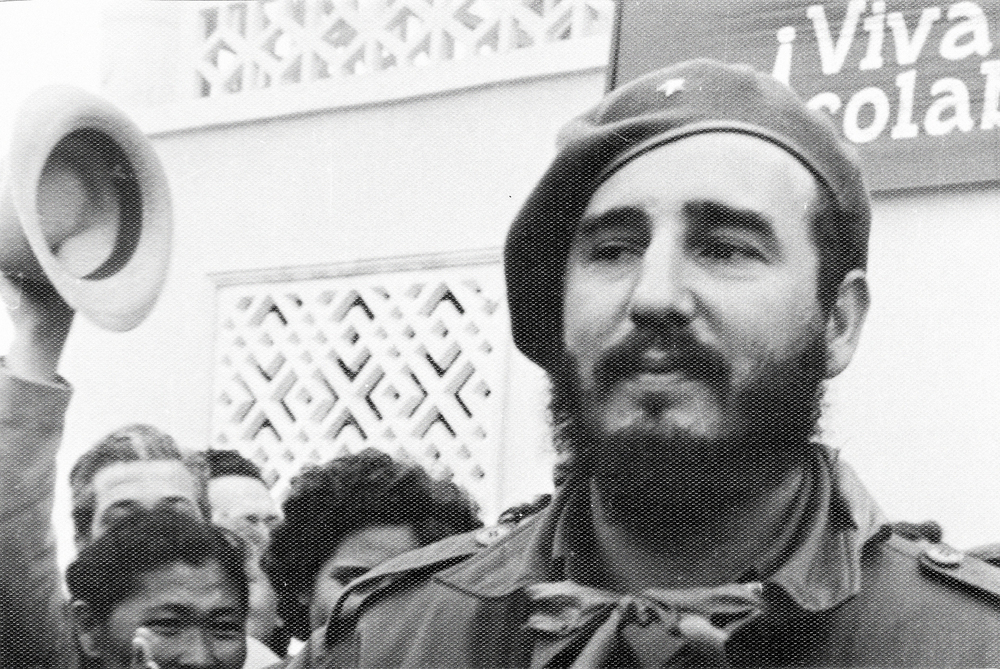
Castro’s Havana bunkers were built to survive nuclear war. During the Cuban Missile Crisis, when the world teetered on the edge of atomic annihilation, these facilities kept Cuba’s government functioning.
Secure phone lines connected directly to Moscow, allowing Castro to coordinate with Soviet leadership while American warships blockaded the island above.
Leonid Brezhnev
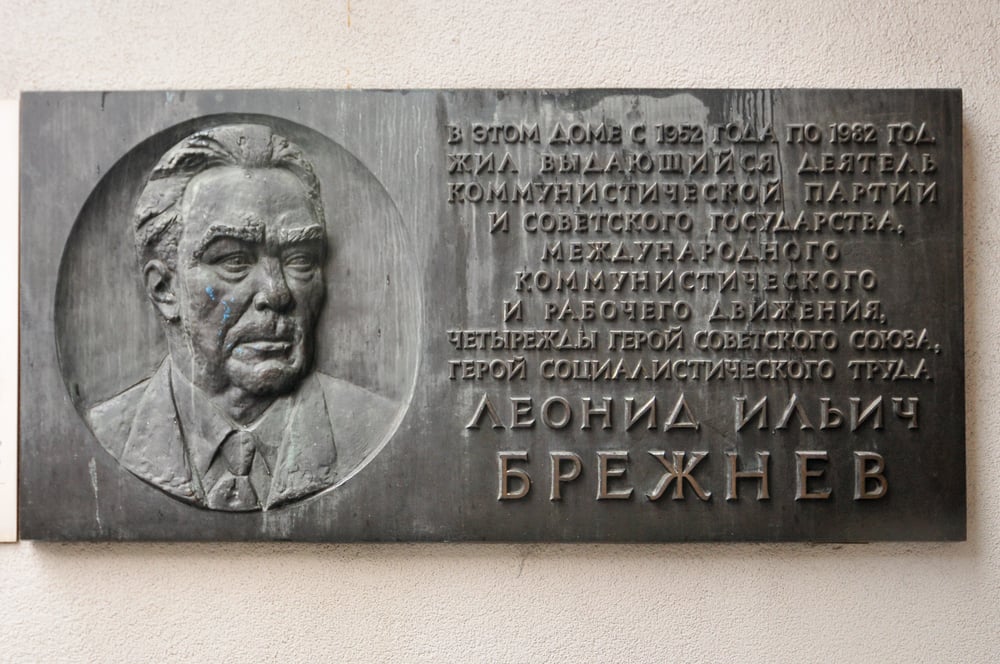
Moscow’s Metro-2 system was the Soviet Union’s best-kept secret. This shadow subway connected government buildings through luxurious underground stations that doubled as bunker facilities.
Brezhnev could travel across Moscow without ever surfacing, moving between meetings in armored subway cars while the regular metro carried ordinary citizens overhead.
Nicolae Ceaușescu
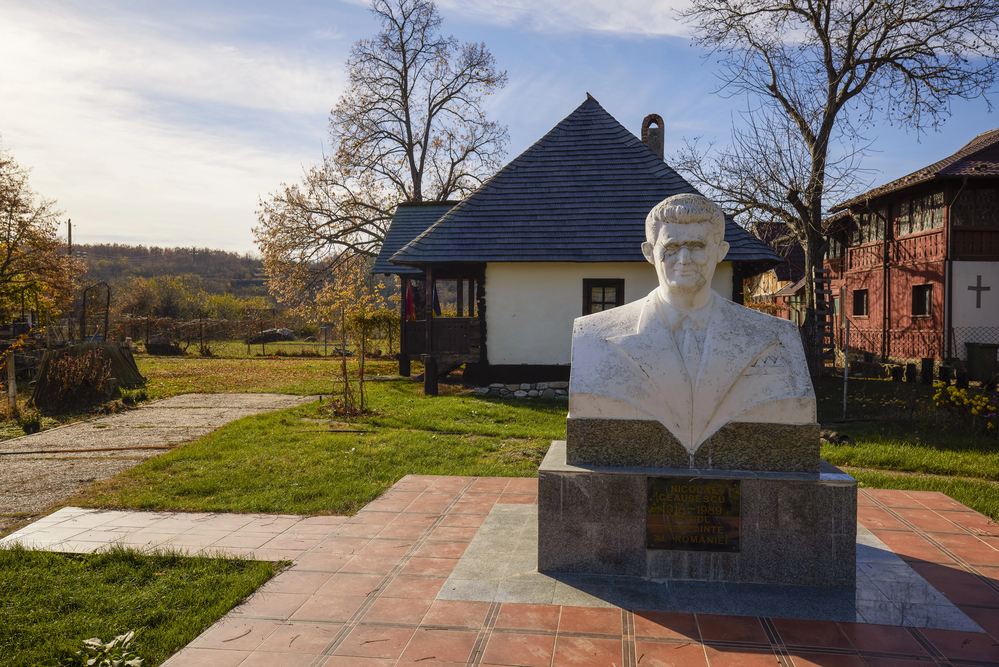
Bucharest’s underground maze reflected Ceaușescu’s growing paranoia during his final years. The bunker system included everything from conference rooms to swimming pools, connected by tunnels that reached key government buildings.
As revolution erupted across Romania in 1989, he spent his last weeks as leader hiding in these subterranean chambers, cut off from the reality unfolding above.
Idi Amin
Amin’s Kampala bunkers were workshops of terror. Living quarters sat alongside torture chambers in a twisted reflection of his brutal regime.
These weren’t just hideouts—they were operational bases where his security forces planned raids and interrogations. The contrast between luxury accommodations and instruments of torture captured the dictator’s split personality perfectly.
Pol Pot
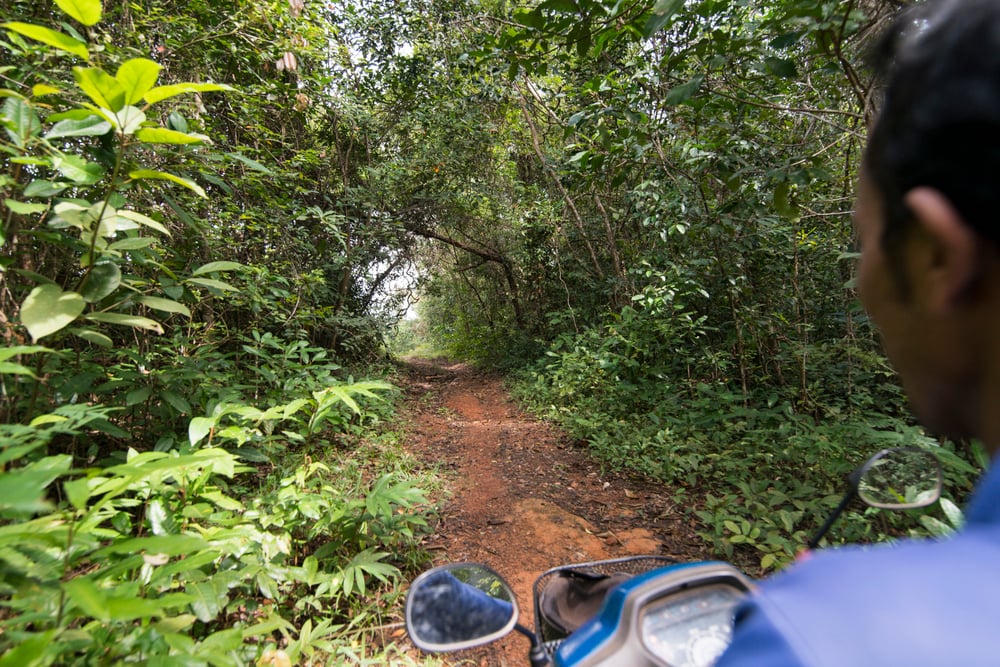
After Vietnamese forces drove him from power, Pol Pot retreated to primitive jungle bunkers along the Thai border. These facilities couldn’t match the luxury of other dictators’ hideouts, but they served their purpose.
Radio equipment kept him connected to remaining Khmer Rouge fighters scattered across Cambodia’s forests. Guerrilla warfare required guerrilla accommodations.
Augusto Pinochet
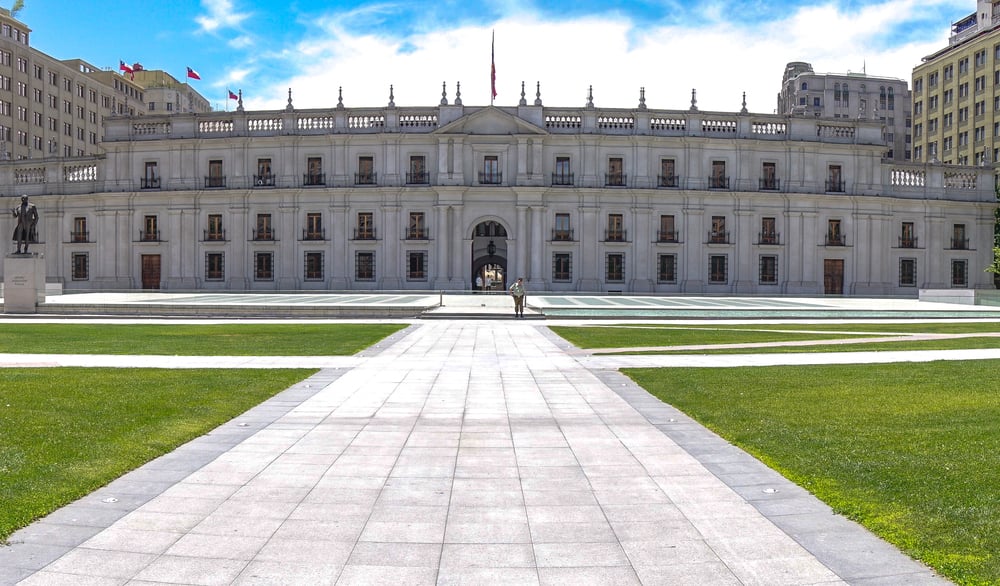
Chile’s mountain bunkers became Pinochet’s insurance policy against domestic unrest. Advanced communication systems linked these facilities to military units across the country, creating a backup command structure if Santiago fell to opposition forces.
The general who seized power in a coup wasn’t taking any chances with counter-coups. Mountain fortresses offered both security and symbolic authority.
Manuel Noriega
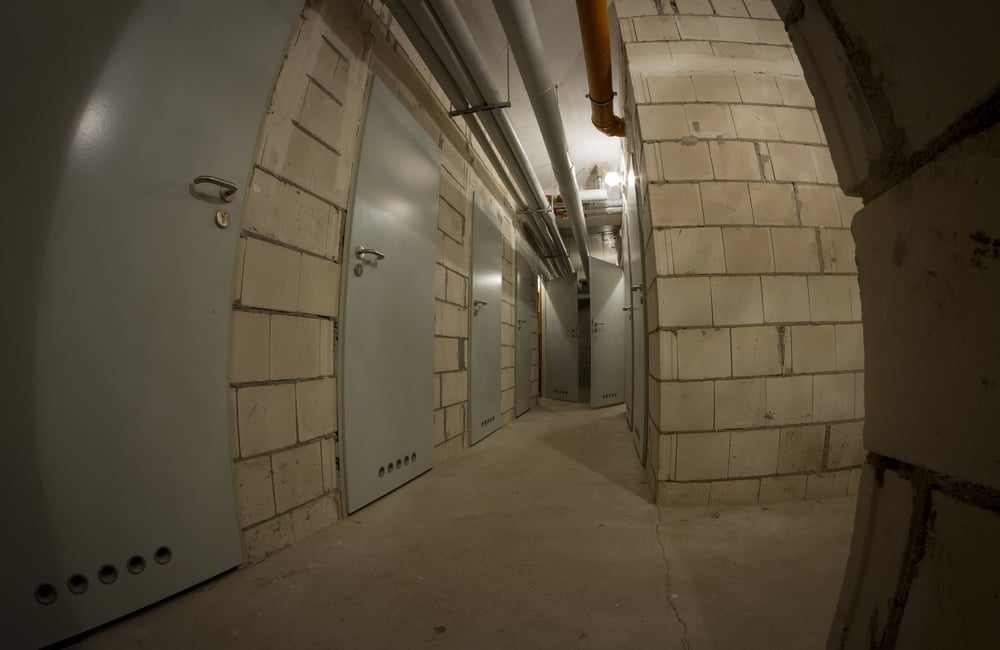
Panama City’s bunker network turned into Noriega’s final gambit during the 1989 U.S. invasion. Intelligence equipment and secure communications helped coordinate resistance against American forces, though the writing was already on the wall.
U.S. troops systematically discovered and cleared each facility until Noriega had nowhere left to run except the Vatican embassy.
Power’s Last Resort
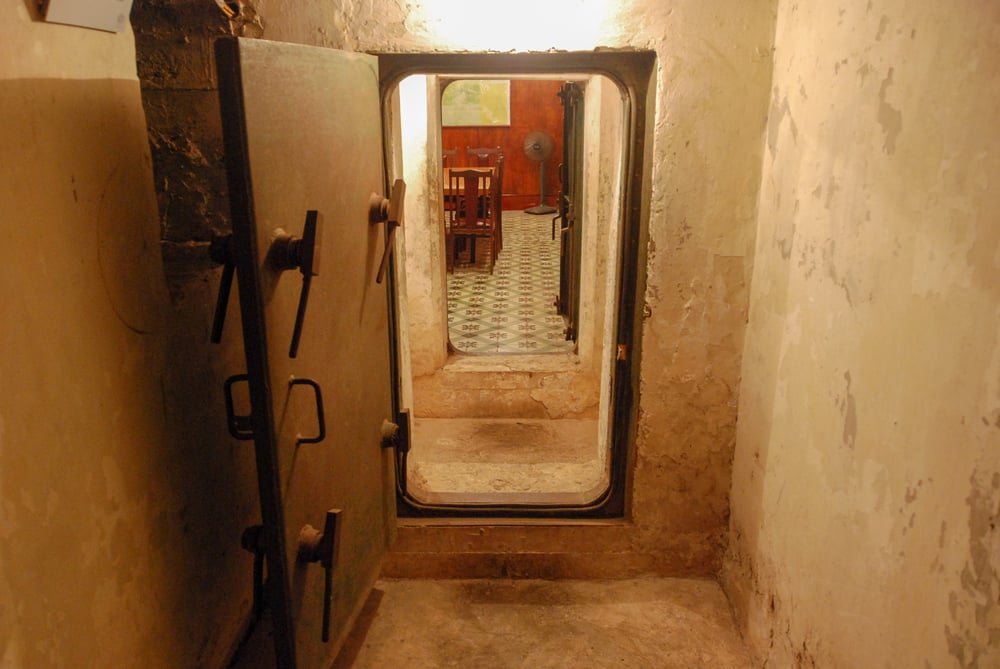
These underground refuges tell a story about power’s ultimate fragility. Dictators who commanded millions, generals who controlled vast armies, leaders who seemed untouchable—all eventually found themselves cowering beneath the earth.
Their bunkers were monuments to both absolute authority and absolute fear, equipped with every luxury money could buy yet surrounded by concrete walls that might as well have been prison bars. Political power, regardless of how it’s obtained or maintained, sometimes comes down to the most basic human instinct: survival at any cost.
More from Go2Tutors!

- The Romanov Crown Jewels and Their Tragic Fate
- 13 Historical Mysteries That Science Still Can’t Solve
- Famous Hoaxes That Fooled the World for Years
- 15 Child Stars with Tragic Adult Lives
- 16 Famous Jewelry Pieces in History
Like Go2Tutors’s content? Follow us on MSN.



