Toys from the 1800s That Were Quite Scary
Back then, kids didn’t have screen time. Handmade toys ruled playtime, built tough but breaking easy.
Life for little ones mimicked grown-up life too well. Porcelain dolls stared blankly; metal carts clanked on hard floors.
Wood carved into horses, wax shaped like fruit – none of it was meant to soothe. Some pieces felt warm and familiar.
Others sent quiet chills through the room.
Old toys from the 1800s hardly ever meant to scare. Crafted using what was at hand, they grew out of how people saw art back then, shaped by beliefs held widely across communities.
Yet today, staring at these objects now, certain ones seem to whisper secrets better suited to moonlit castles than children’s rooms.
Here’s a closer look at toys from the 1800s that were surprisingly haunting.
Porcelain Dolls with Glass Eyes
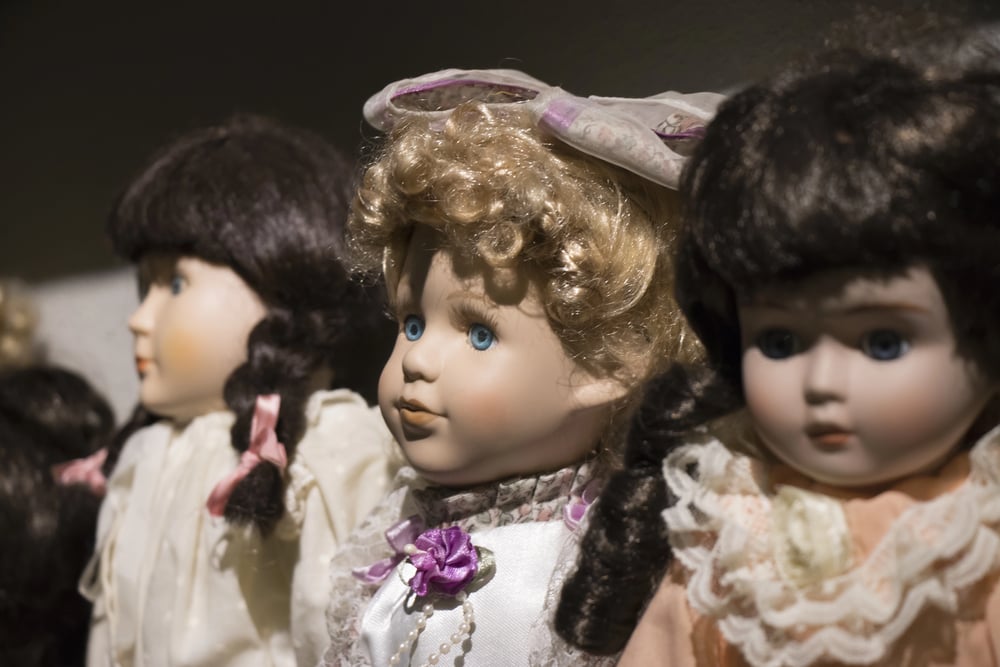
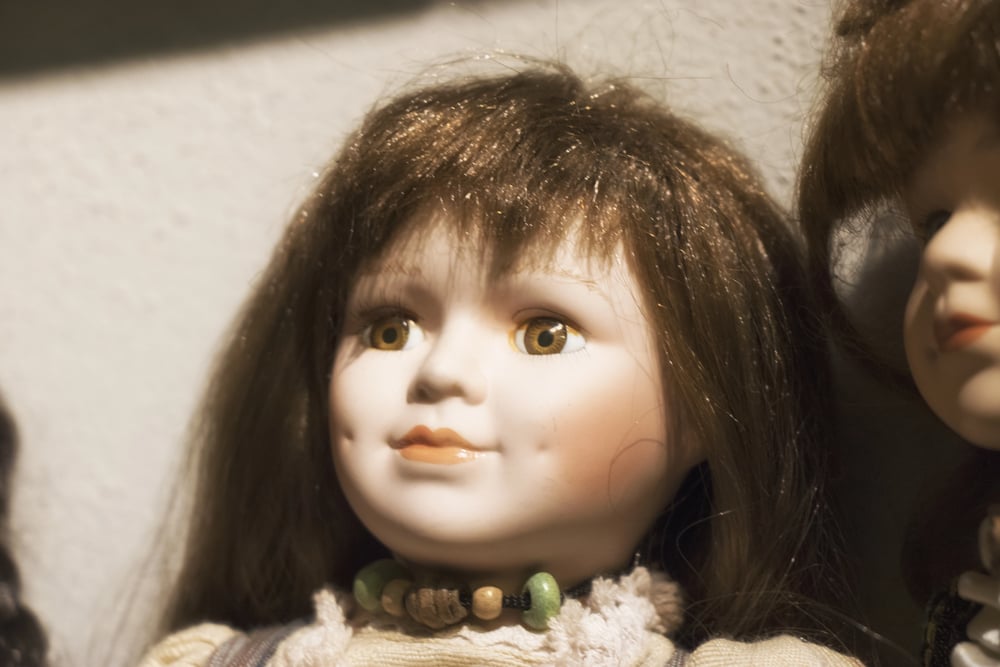
Porcelain dolls were among the most prized toys of the Victorian era. Crafted with delicate painted features and glass eyes that seemed to follow movement, they were designed to resemble real children as closely as possible.
Over time, however, porcelain tends to crack, craze, and discolor. Hair made from human strands or mohair can thin unevenly, and eyelids may stick half-open.
The combination of lifelike detail and subtle decay gives many surviving dolls an uncanny quality. What once symbolized refinement and affection now often appears frozen in an expression that feels almost watchful.
Wax Dolls That Melted
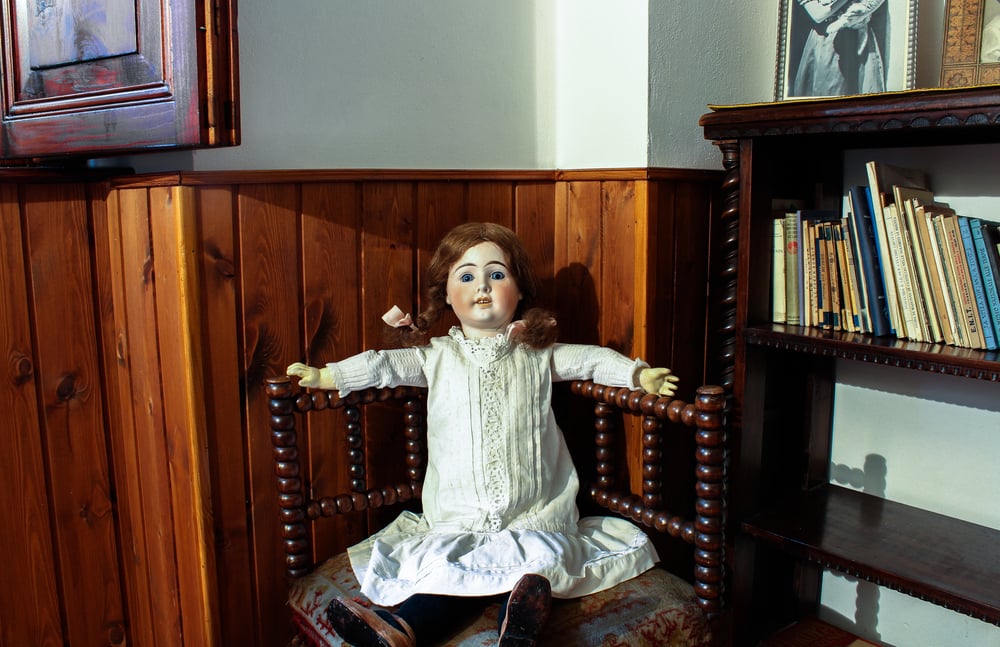
Before durable plastics, wax was used to create doll faces with soft, realistic features. These dolls were admired for their smooth skin tones and delicate craftsmanship.
The problem was heat. Wax is not forgiving under warm conditions, and exposure to sunlight or fireplaces could cause subtle warping.
A softened cheek or slightly slumped eye was enough to transform a sweet toy into something far less comforting. Over decades, the aging process has amplified their ghostly appearance.
Mourning Dolls
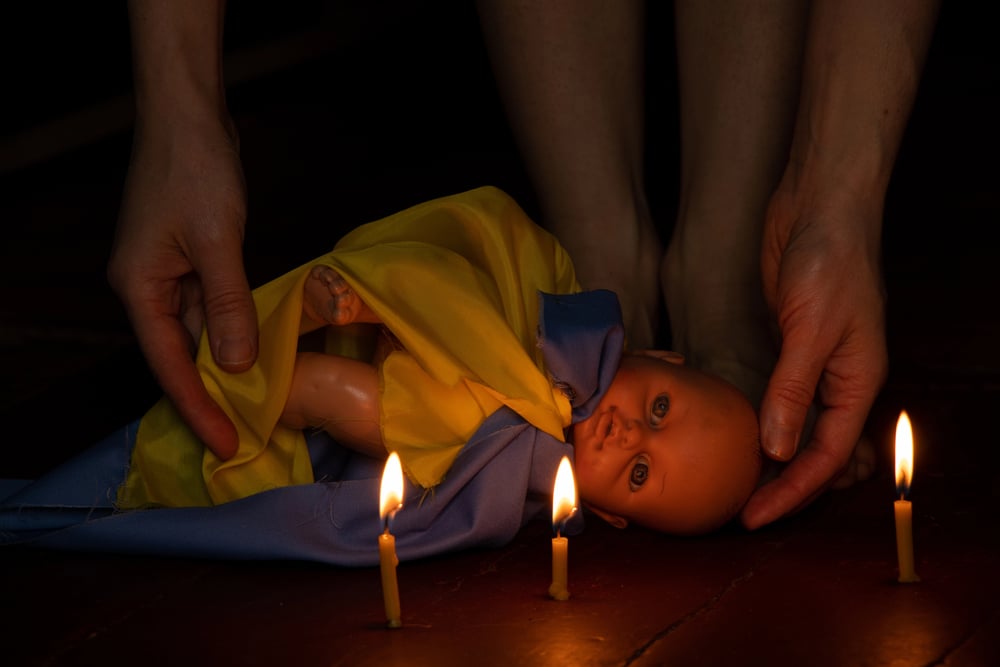
The 19th century, particularly in the Victorian period, had elaborate mourning customs. It was not uncommon for children to receive dolls dressed entirely in black to reflect family loss.
Some were even styled to resemble deceased relatives.
These dolls were not meant to frighten; they were part of a cultural framework that openly acknowledged mortality. Today, the sight of a child’s doll dressed for mourning feels heavy and unsettling.
It blurs the boundary between comfort object and memorial artifact.
Penny Dreadful-Themed Figurines
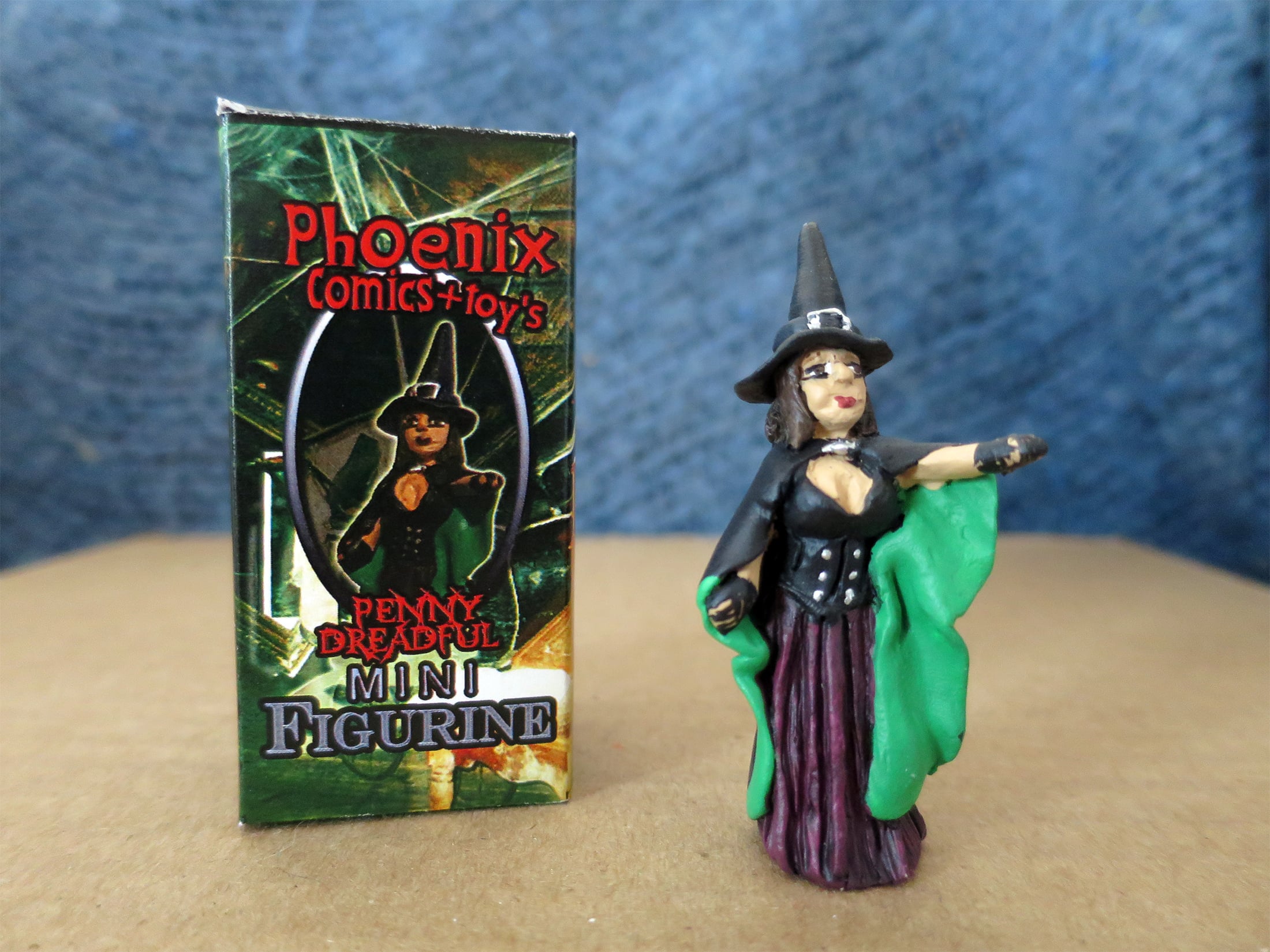
The 1800s saw the rise of serialized horror stories, often referred to as ‘penny dreadfuls.’ Popular characters included vampires, masked villains, and mysterious creatures.
Toymakers sometimes created figurines inspired by these tales.
These small figures captured exaggerated facial expressions and dramatic poses. For children of the time, they represented thrilling adventures.
To modern eyes, they resemble miniature relics from a darker storytelling tradition.
Punch and Judy Puppets
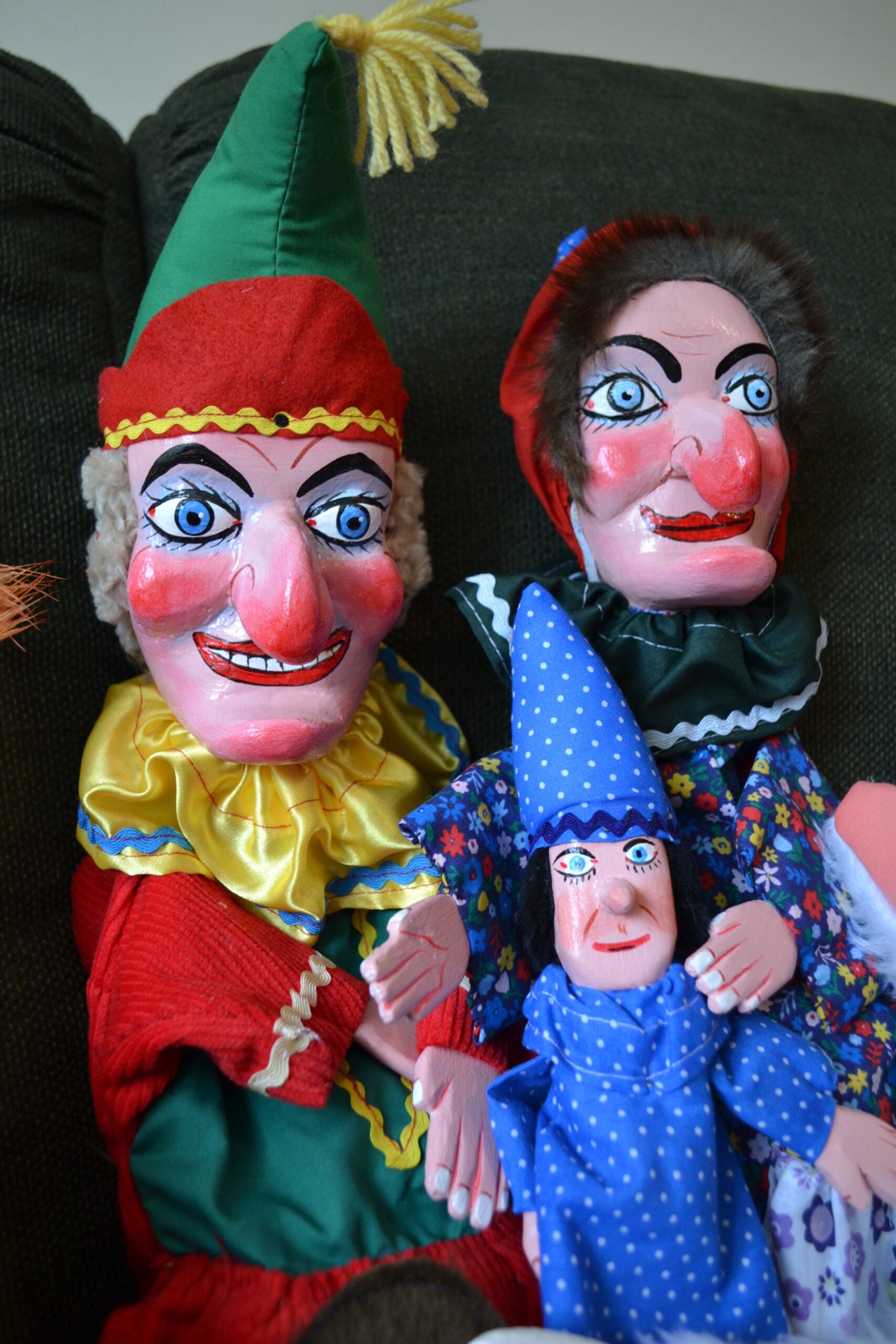
The Punch and Judy puppet tradition dates back centuries, but it remained popular with children throughout the 1800s. Performances often featured exaggerated violence and slapstick humor.
Puppet versions sold for home use included Mr. Punch with his hooked nose and wide grin. The painted expressions were bold and theatrical, bordering on grotesque.
When separated from the performance context, the puppets themselves can appear strangely intense.
Miniature Coffin Toys
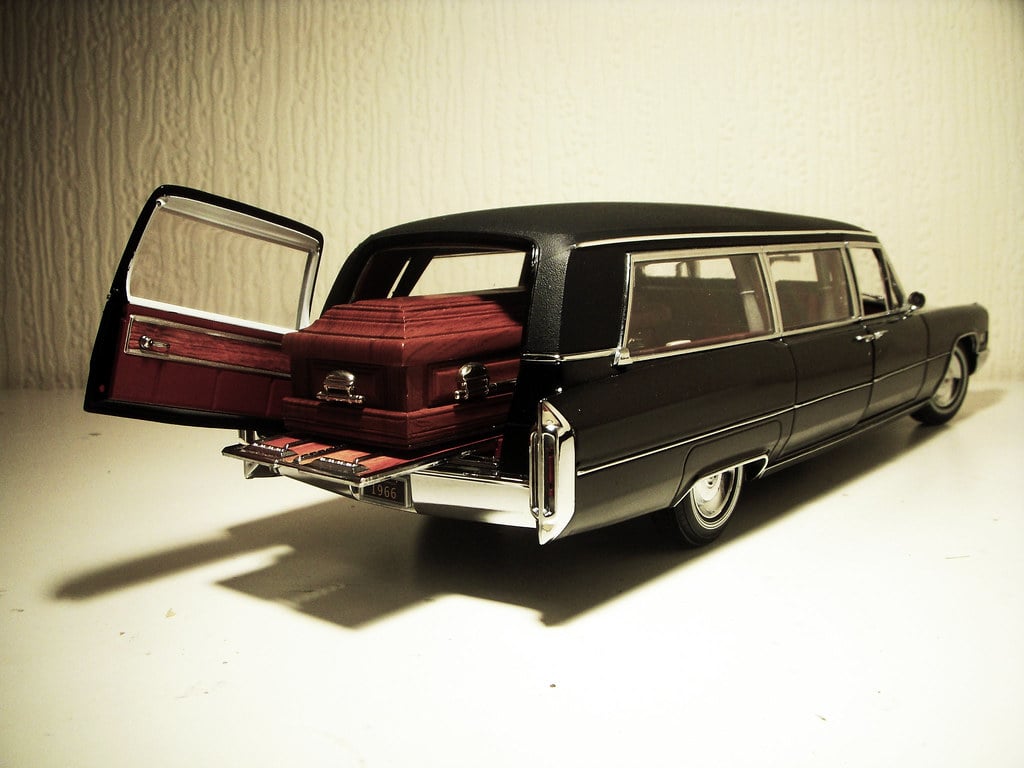
Victorian fascination with mortality extended into play. Small wooden coffins were sometimes sold as novelty items or included in toy sets.
They were not necessarily meant to depict tragedy but reflected a society where death was more visible in daily life.
Modern toy design avoids such symbolism entirely. In contrast, 19th-century children might have encountered these objects without the same discomfort many feel today.
The shift in cultural attitudes has made these artifacts seem far darker than originally intended.
Taxidermy Toy Animals
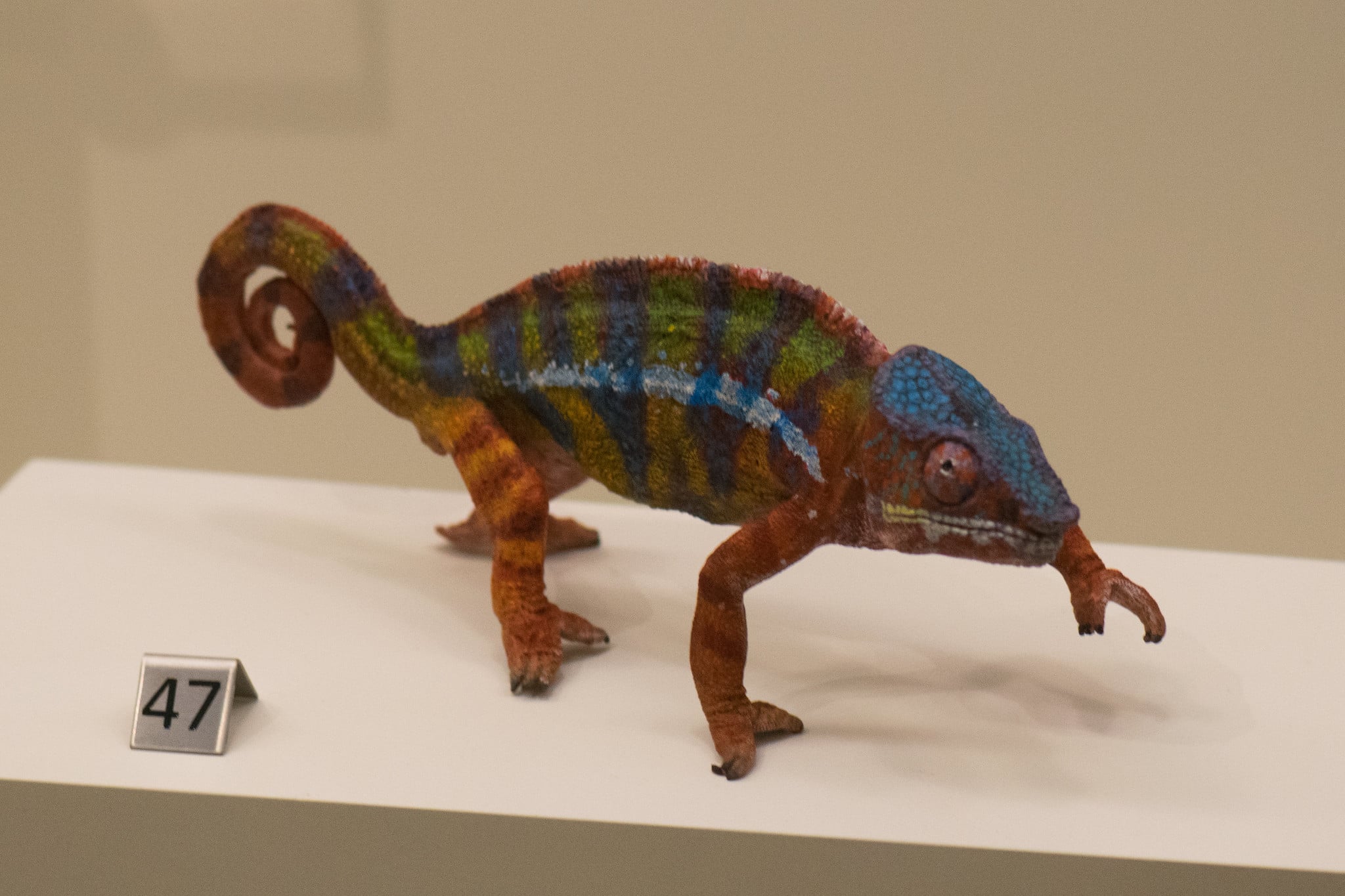
Before mass-produced stuffed animals became common, some toy animals were made using real fur or preserved materials. Small taxidermy pieces were sometimes marketed as curiosities or playthings.
These creations sat somewhere between educational objects and toys. The rigid posture and glass eyes of preserved animals can feel unsettling, especially when placed in a nursery context.
What was once viewed as novelty now appears almost theatrical.
Early Clown Dolls
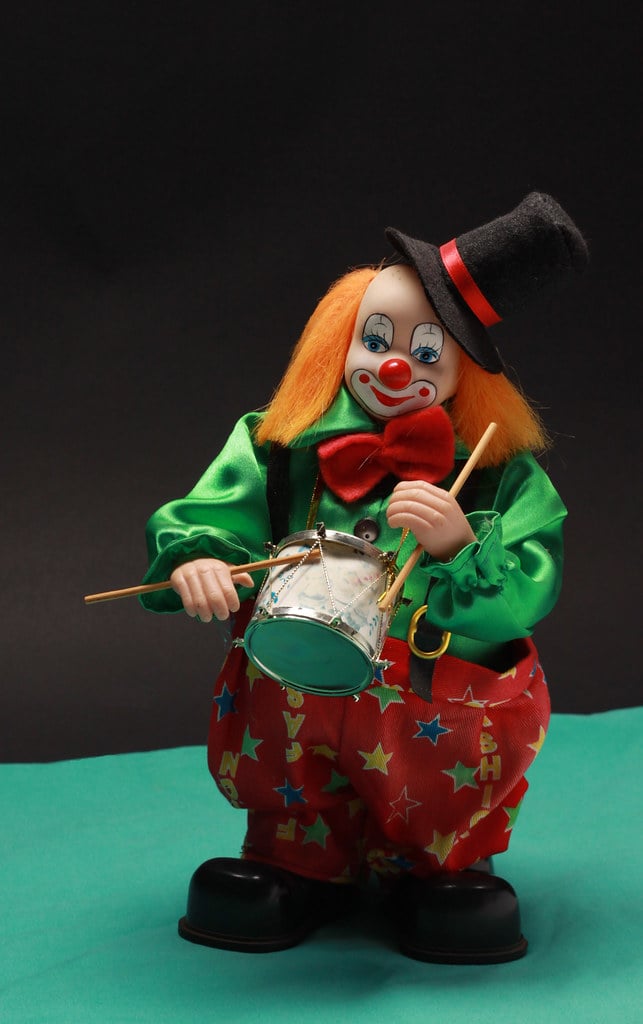
Clowns have long balanced humor and unease. In the 1800s, clown dolls were handmade from cloth or carved from wood, painted with exaggerated smiles and dark-lined eyes.
Over time, paint can chip unevenly, leaving expressions distorted. A fixed grin that once suggested comedy may now seem permanent and hollow.
These toys reflect how quickly design intention can shift when filtered through modern perception.
Papier-Mâché Masks
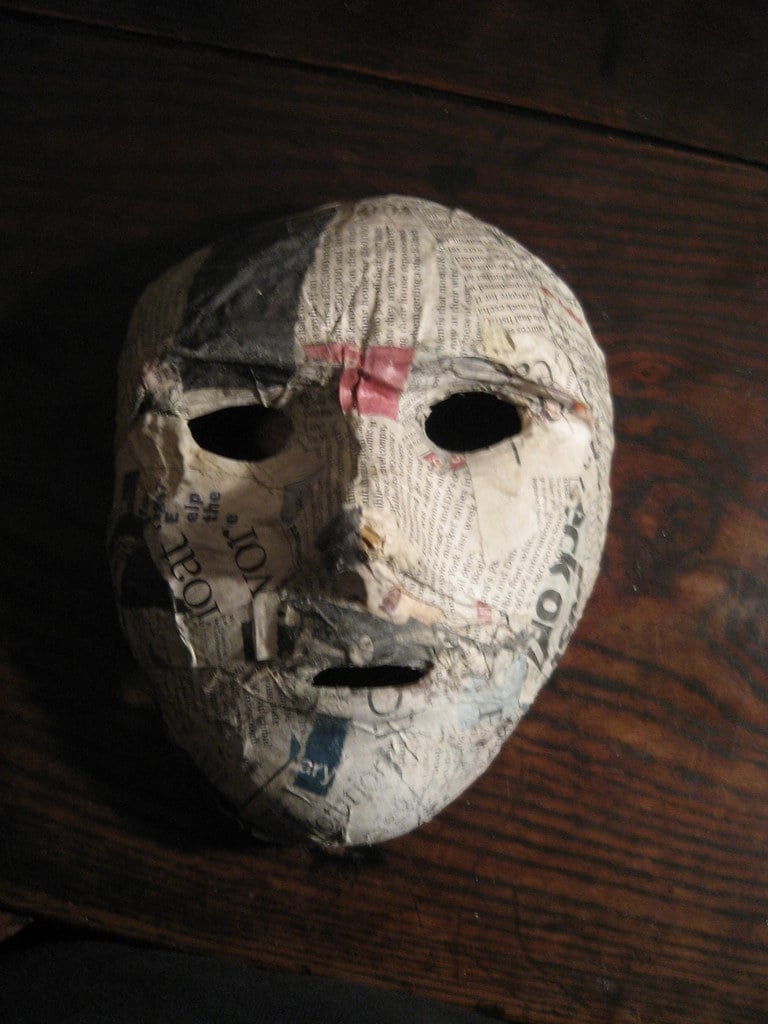
Children’s masquerade masks were often crafted from papier-mâché and hand-painted. Designs included exaggerated animals, devils, and mythical creatures.
While playful at the time, the rigid structure and faded paint can give these masks an unsettling presence today. Without the context of a festive gathering, they resemble relics from a theater production that never quite ended.
Early Teddy Bears
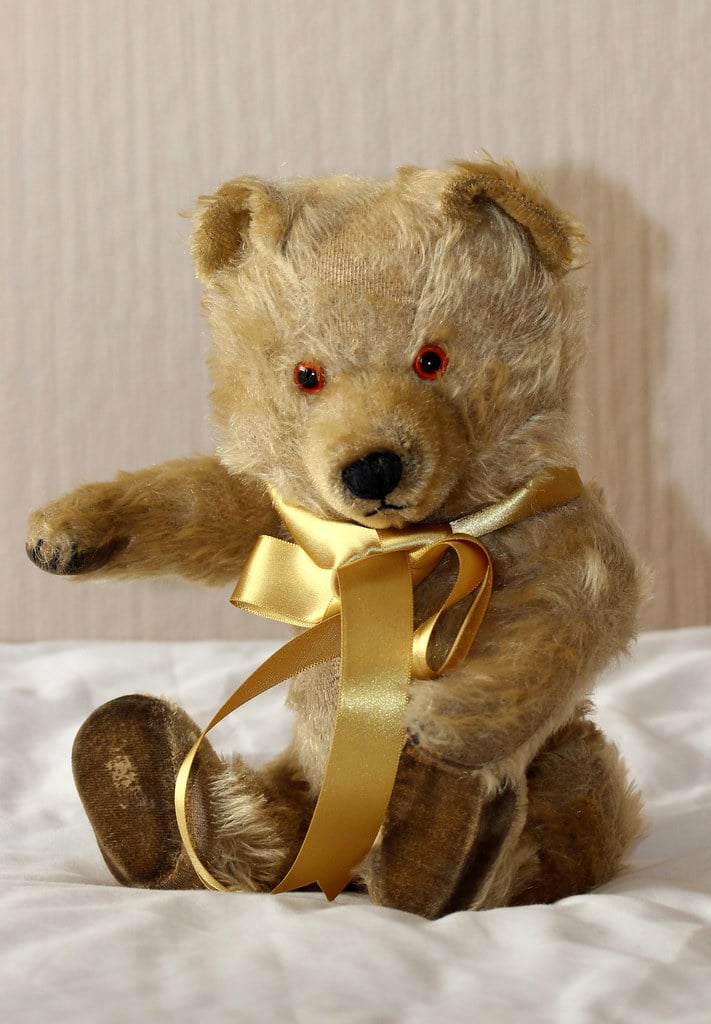
The teddy bear as we know it emerged at the turn of the 20th century, but its earliest forms were less soft and far more angular. Early bears produced by companies like Steiff featured long limbs, narrow faces, and dark button eyes.
Unlike modern plush toys, these bears were not designed for exaggerated cuteness. Their proportions were closer to actual animals.
With worn fur and faded stitching, antique versions often carry a solemn expression that feels far removed from today’s cheerful designs.
Miniature Soldiers with Realistic Detail
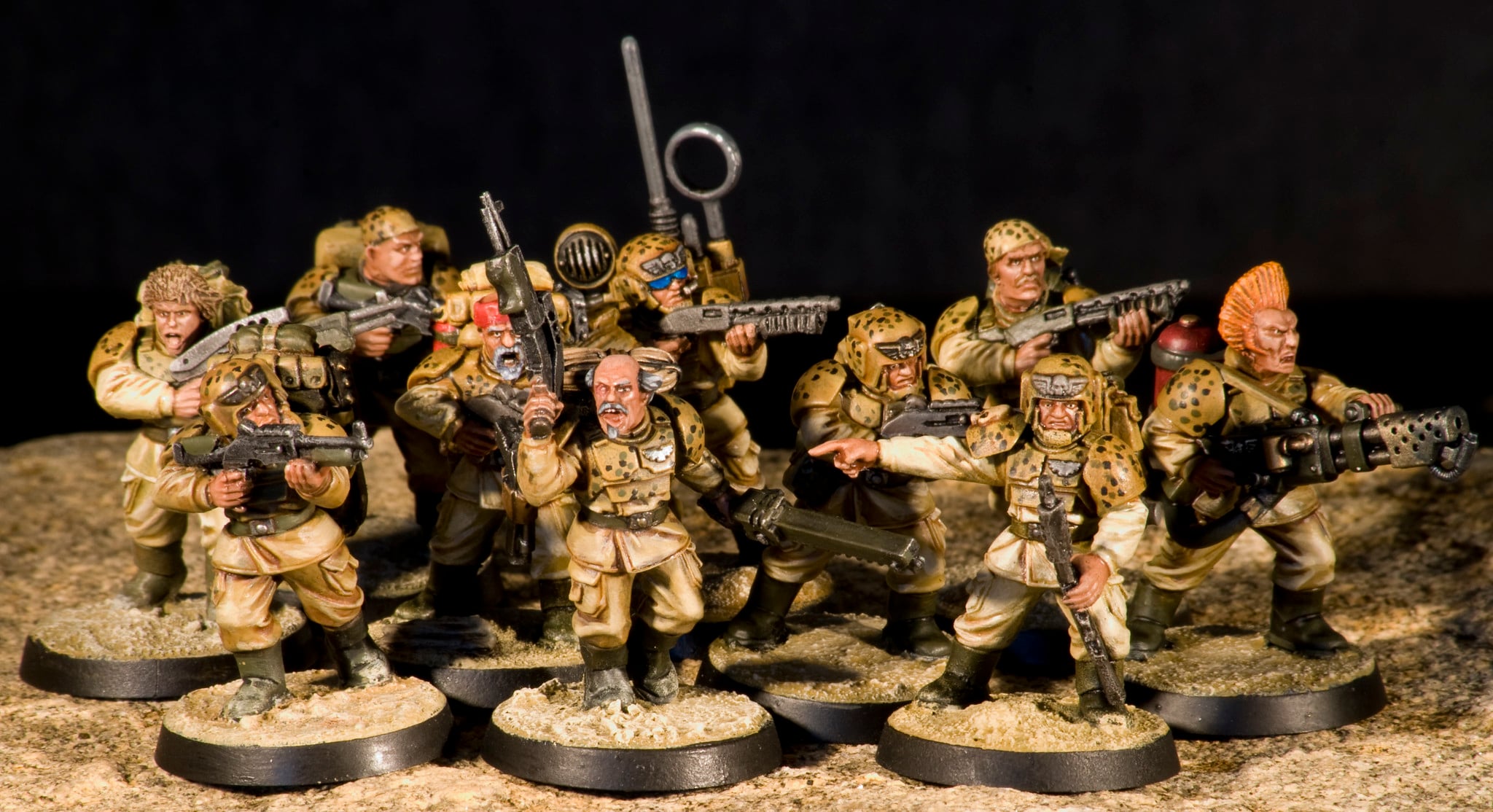
Lead soldiers were popular throughout the 1800s. They depicted military uniforms and battle scenes with surprising accuracy.
For children, they represented strategy and storytelling.
From a contemporary perspective, realism can feel heavy. The detailed uniforms, stern faces, and rigid formations reflect a world closely tied to warfare.
What once symbolized national pride may now feel somber.
Haunted-Looking Marionettes
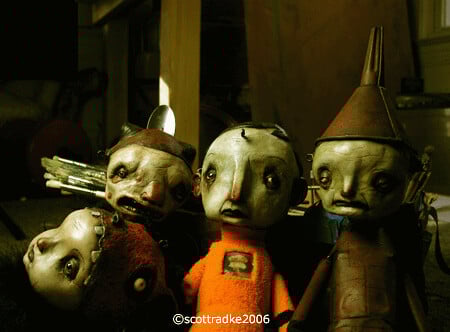
Marionettes operated by strings were common in 19th-century entertainment. Small versions were sold as toys, allowing children to control joint figures.
Without skilled movement, these figures can hang limp and expressionless. The combination of dangling limbs and fixed painted faces creates an effect that feels theatrical yet eerie.
Age has only intensified the effect, as worn paint and frayed strings alter their balance.
Why They Feel Different Today
The toys of the 1800s were not designed to frighten. They reflected craftsmanship, cultural values, and available materials.
Porcelain, wax, wood, and metal were practical choices at the time, even if they now appear stark compared to soft modern plastics.
Context changes perception. A mourning doll in a Victorian household carried meaning and ritual.
Today, it feels out of place. Mechanical ticking once signaled innovation; now it can sound ominous in a quiet room.
What seems unsettling now often comes from age, preservation, and shifting expectations of childhood. Modern toys prioritize comfort and safety, while 19th-century toys prioritized realism and durability.
When Childhood Looked More Serious
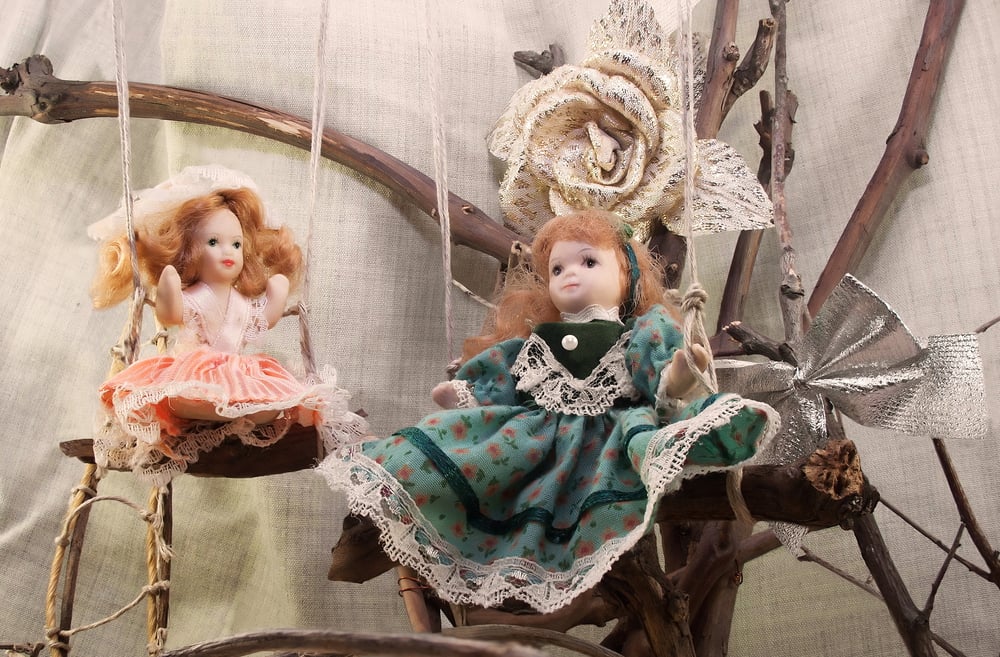
Back then, soft colors and playful drawings didn’t shape childhood. Growing up meant tasks, work, because kids saw life as it happened around them.
Their playthings looked much like the world they lived in.
Looking at them today, some items seem oddly unsettling. Still, they show the way people change over time.
Things that scare us now used to feel normal. Comfortable once, strange now.
Distance changes how we see things, especially what scares us. Not knowing shifts something familiar into something strange.
Time pulls facts away until guesses take their place. Shadows grow in the space between memory and myth.
More from Go2Tutors!

- The Romanov Crown Jewels and Their Tragic Fate
- 13 Historical Mysteries That Science Still Can’t Solve
- Famous Hoaxes That Fooled the World for Years
- 15 Child Stars with Tragic Adult Lives
- 16 Famous Jewelry Pieces in History
Like Go2Tutors’s content? Follow us on MSN.



