17 Massive Blockbusters With Tiny Original Budgets
Some of the most profitable films ever made started with next to nothing. No stars.
No studio backing. Just a handful of people with a camera, a script, and enough stubbornness to finish what they started.
The gap between what these movies cost and what they eventually earned is almost impossible to wrap your head around. Here are 17 films that prove money isn’t what makes a movie work.
Halloween (1978) — Budget: $325,000
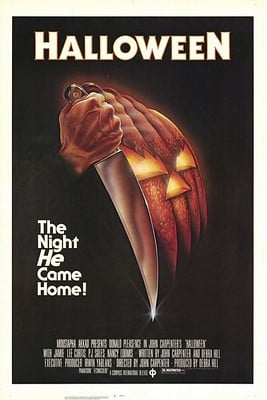
John Carpenter shot Halloween in just 20 days on a shoestring. The William Shatner mask, bought for $2 from a costume shop and spray-painted white, became one of the most iconic visuals in horror history.
The film went on to earn over $70 million worldwide and kick-started an entire slasher genre that Hollywood milked for decades. Carpenter himself famously said he was just trying to make a simple, scary movie — and he did exactly that.
The Blair Witch Project (1999) — Budget: $60,000
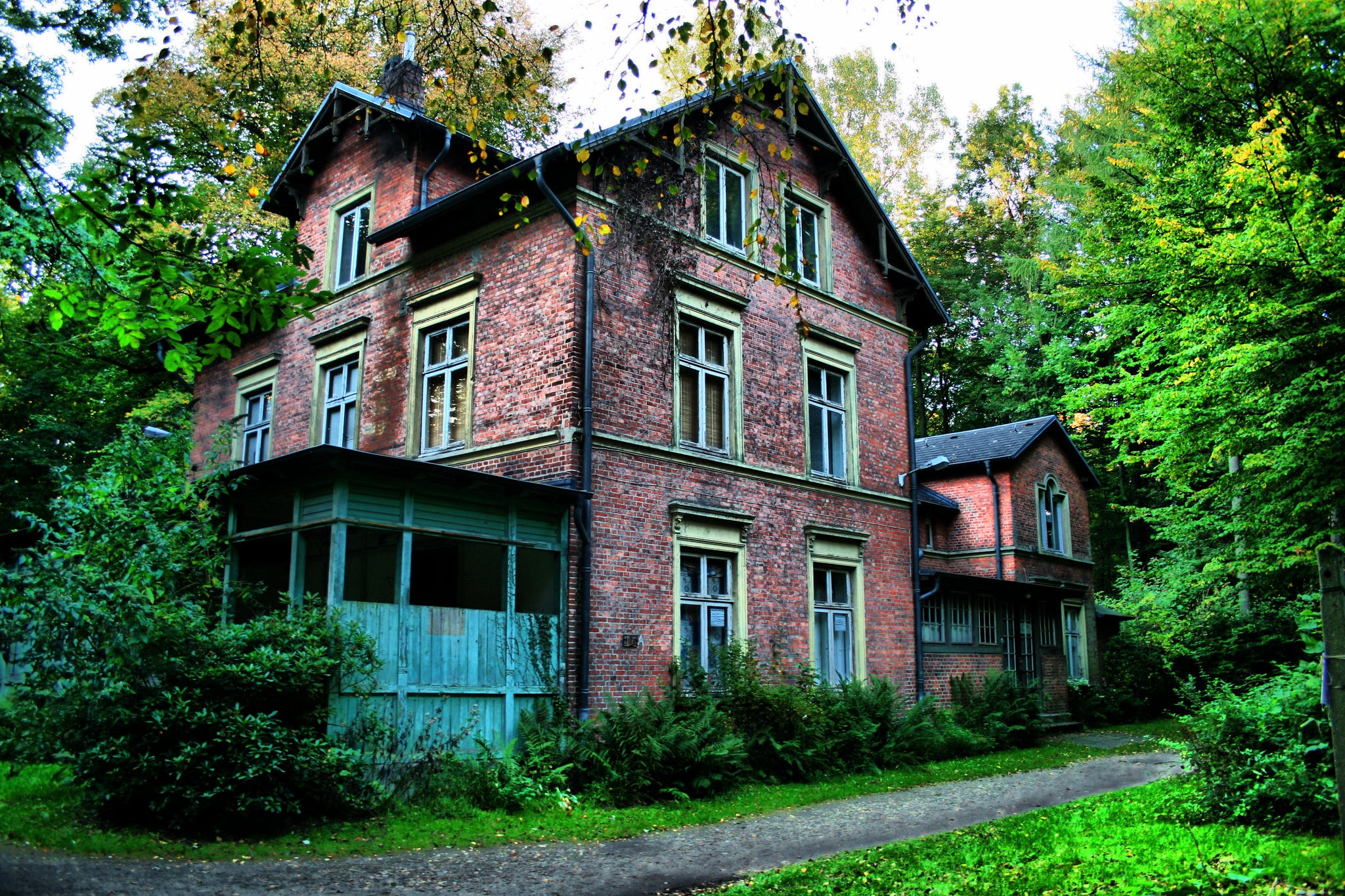
Three actors, a forest, and a marketing campaign that convinced half the world the footage was real. That’s the whole story.
The Blair Witch Project earned nearly $250 million globally and made found-footage horror a legitimate subgenre. The production was so cheap that the filmmakers handed the actors cameras and sent them into the woods with GPS coordinates instead of a full script.
The fear on their faces? Partially real. They were genuinely cold, tired, and running low on food by the end.
Rocky (1976) — Budget: $1 Million

Sylvester Stallone wrote the script in three days and refused to sell it unless he could star in it. Studios wanted Ryan O’Neal or Burt Reynolds.
Stallone held firm. The film was shot in 28 days and won the Academy Award for Best Picture, going on to earn $225 million.
It also launched one of the longest-running franchises in film history. For a guy who was nearly broke when he wrote the screenplay, it worked out.
Mad Max (1979) — Budget: $400,000
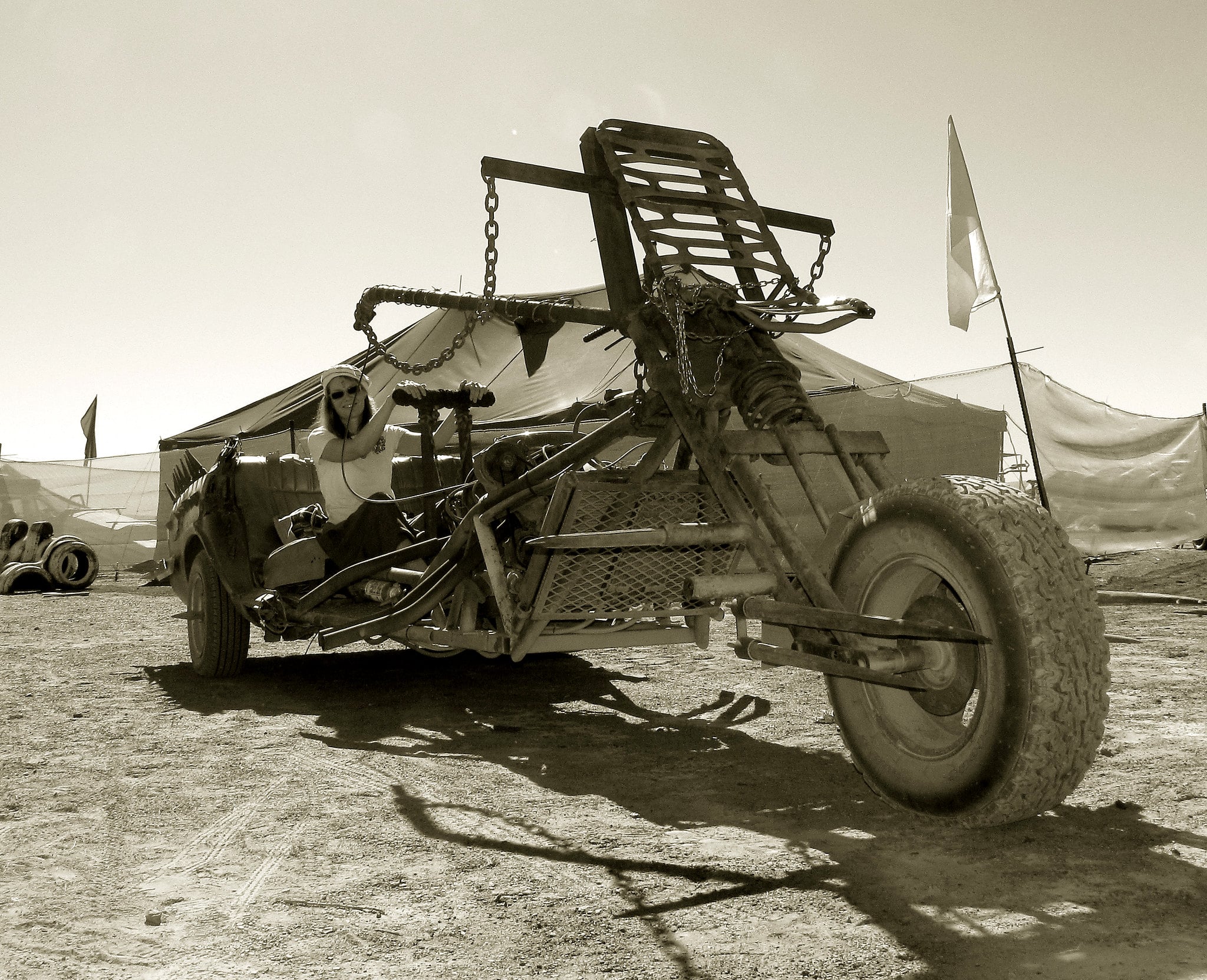
George Miller filmed Mad Max in Australia on a budget so tight that some of the stunt drivers were just friends willing to do dangerous things for free. The film made $100 million worldwide and launched Mel Gibson into international stardom.
It also established a post-apocalyptic visual language that films and video games still borrow from today. The sequel, The Road Warrior, had a bigger budget and a bigger reputation — but Mad Max started it all.
Paranormal Activity (2007) — Budget: $15,000
Oren Peli shot this film in his own house over seven days. The total budget was $15,000.
After years of trying to get the film seen, it was picked up by Paramount and released in limited theaters in 2009. Word of mouth turned it into a phenomenon.
Final worldwide gross: $193 million. That’s one of the highest profit ratios in cinema history, and it was filmed in a suburban bedroom.
Clerks (1994) — Budget: $27,575
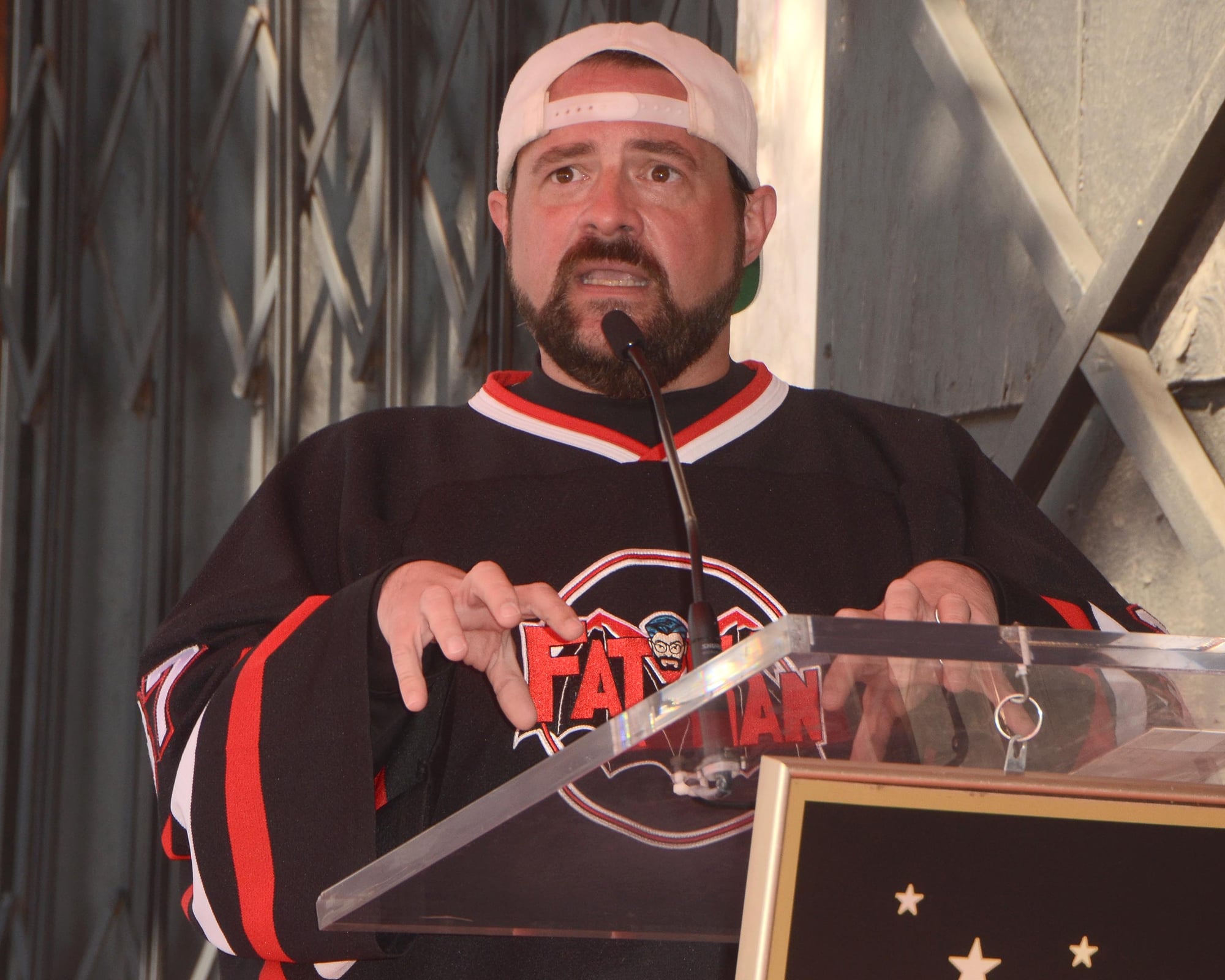
Kevin Smith maxed out credit cards, sold his comic book collection, and used money from a flood insurance payout to make Clerks. He shot it at the convenience store where he actually worked — at night, after his shift.
The film premiered at Sundance, got picked up by Miramax, and became the foundation of an entire career. It cost less than most people spend on a car and made over $3 million at the box office.
Night Of The Living Dead (1968) — Budget: $114,000
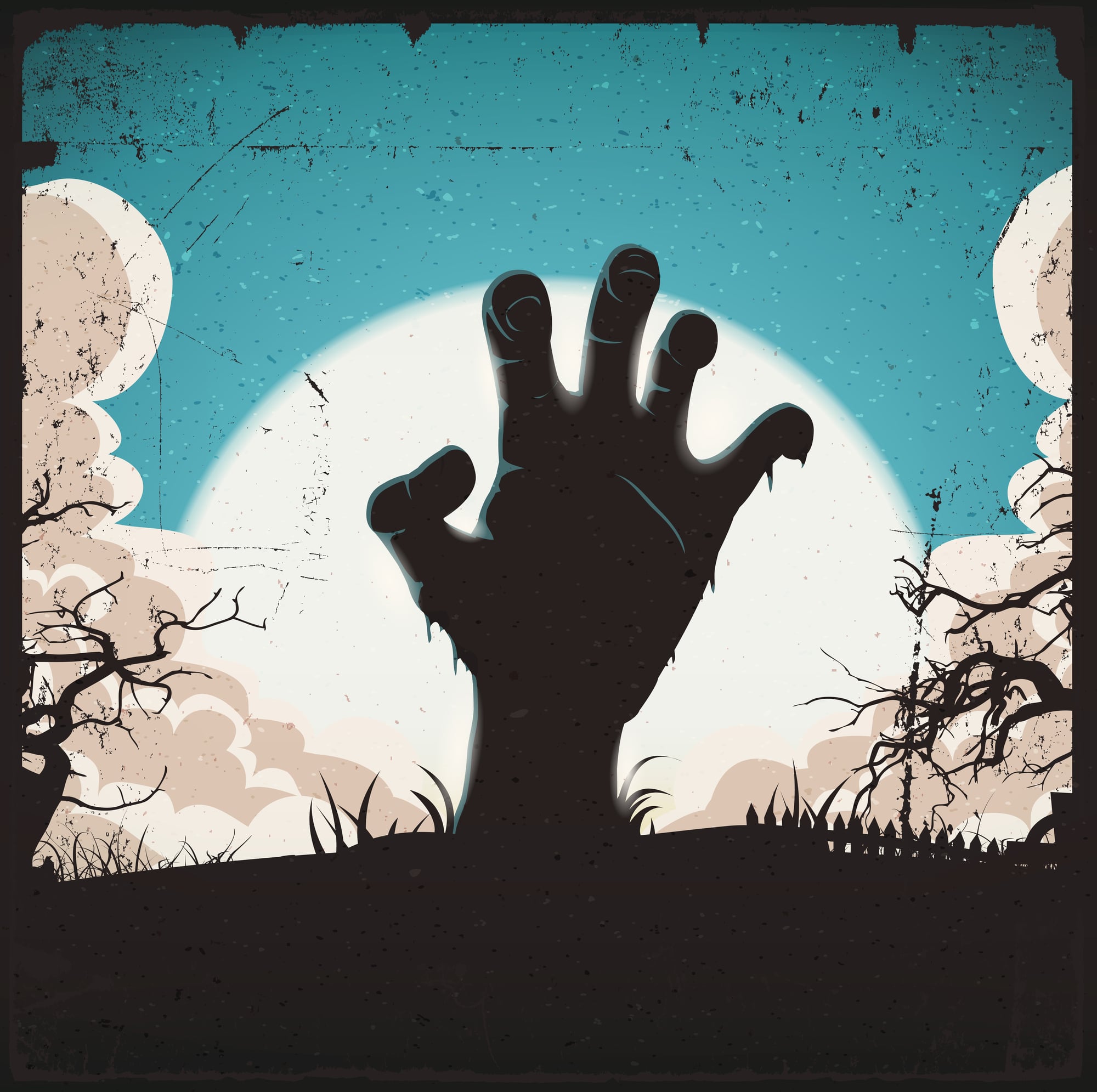
George Romero shot this film in Pittsburgh with a cast of unknowns and a crew of friends. The budget was so small that they used real chocolate syrup for blood because actual theatrical blood was too expensive.
Night of the Living Dead invented the modern zombie as we know it — the shambling, flesh-hungry undead that every film, TV show, and novel has ripped off ever since. The film made roughly $30 million in its original theatrical run and continues to generate revenue over 50 years later.
El Mariachi (1992) — Budget: $7,000
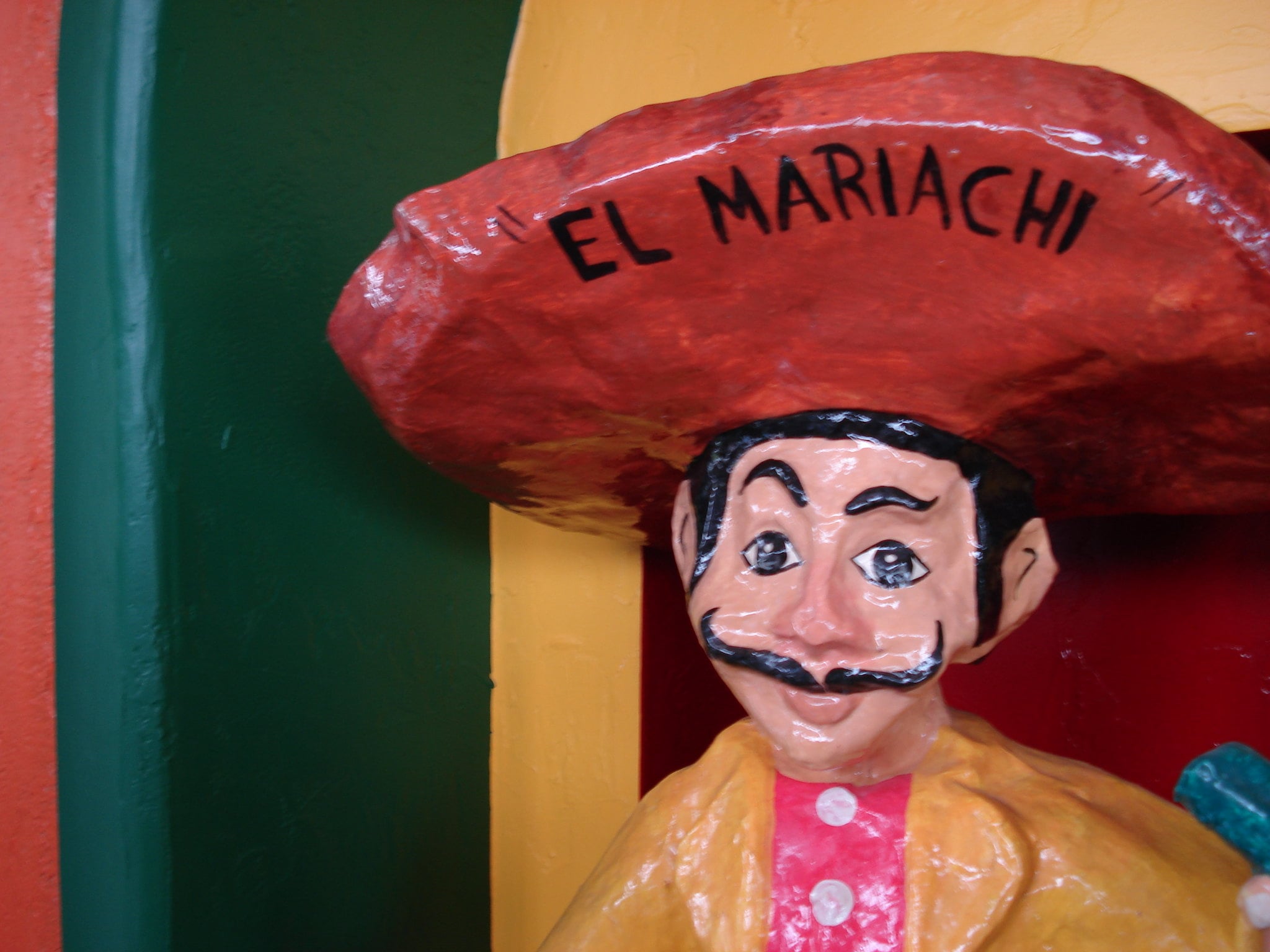
Robert Rodriguez raised the money by enrolling in medical experiments. The film was originally made for the Spanish home video market — Rodriguez never expected it to get a theatrical release.
When Columbia Pictures discovered it, they spent $1 million on post-production and released it internationally. It earned $2 million at the box office and launched Rodriguez’s Hollywood career.
The original cut, made for $7,000, is a masterclass in low-budget filmmaking.
Saw (2004) — Budget: $1.2 Million
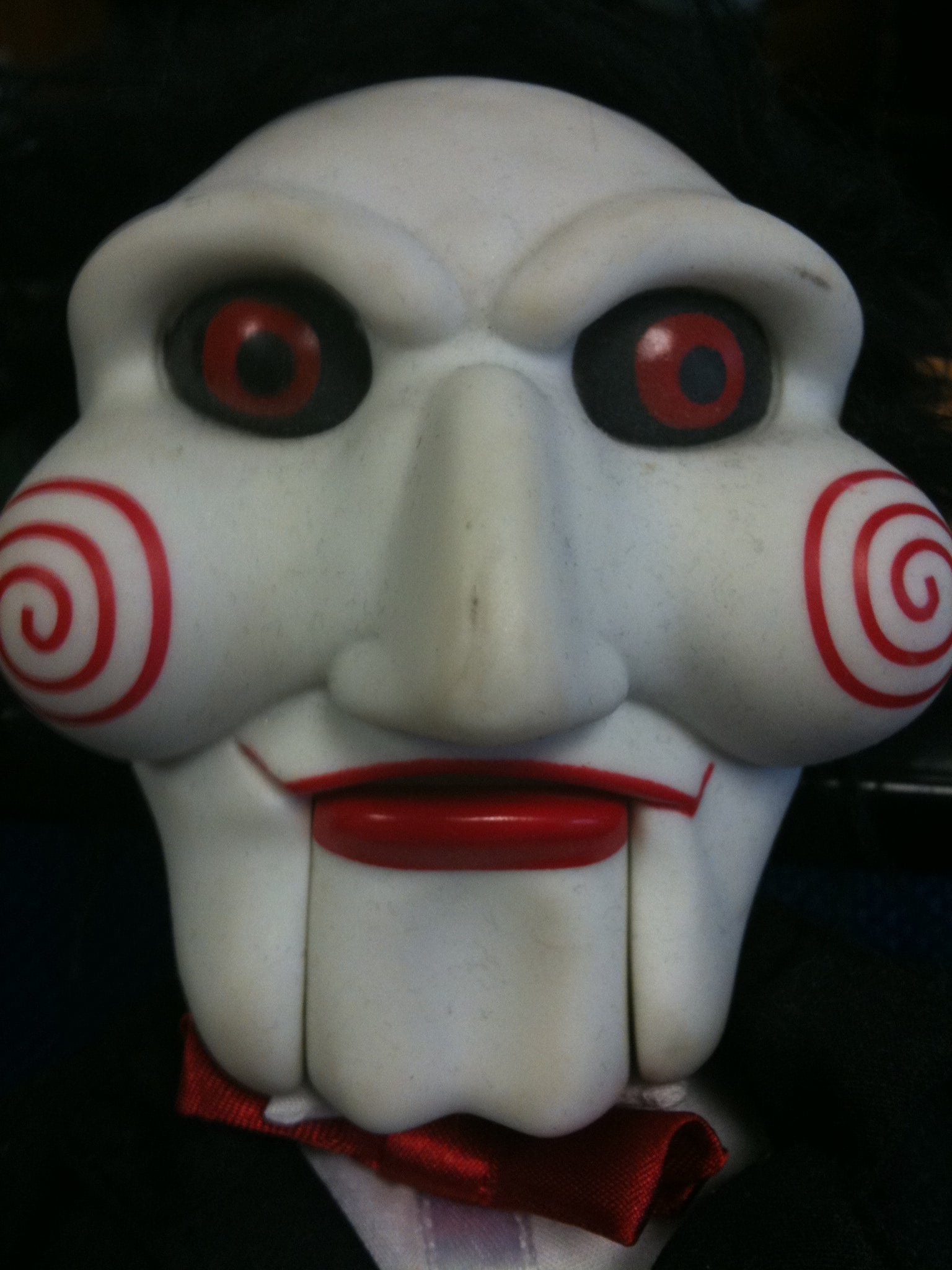
James Wan and Leigh Whannell made a short film to prove their concept worked, then pitched the feature to Lionsgate. The film was shot in 18 days on a single location.
It earned $103 million at the box office and spawned one of the most profitable horror franchises ever, with sequels still coming out two decades later. The bathroom set where most of the film takes place cost almost nothing to build — and it’s one of the most memorable settings in modern horror.
Napoleon Dynamite (2004) — Budget: $400,000
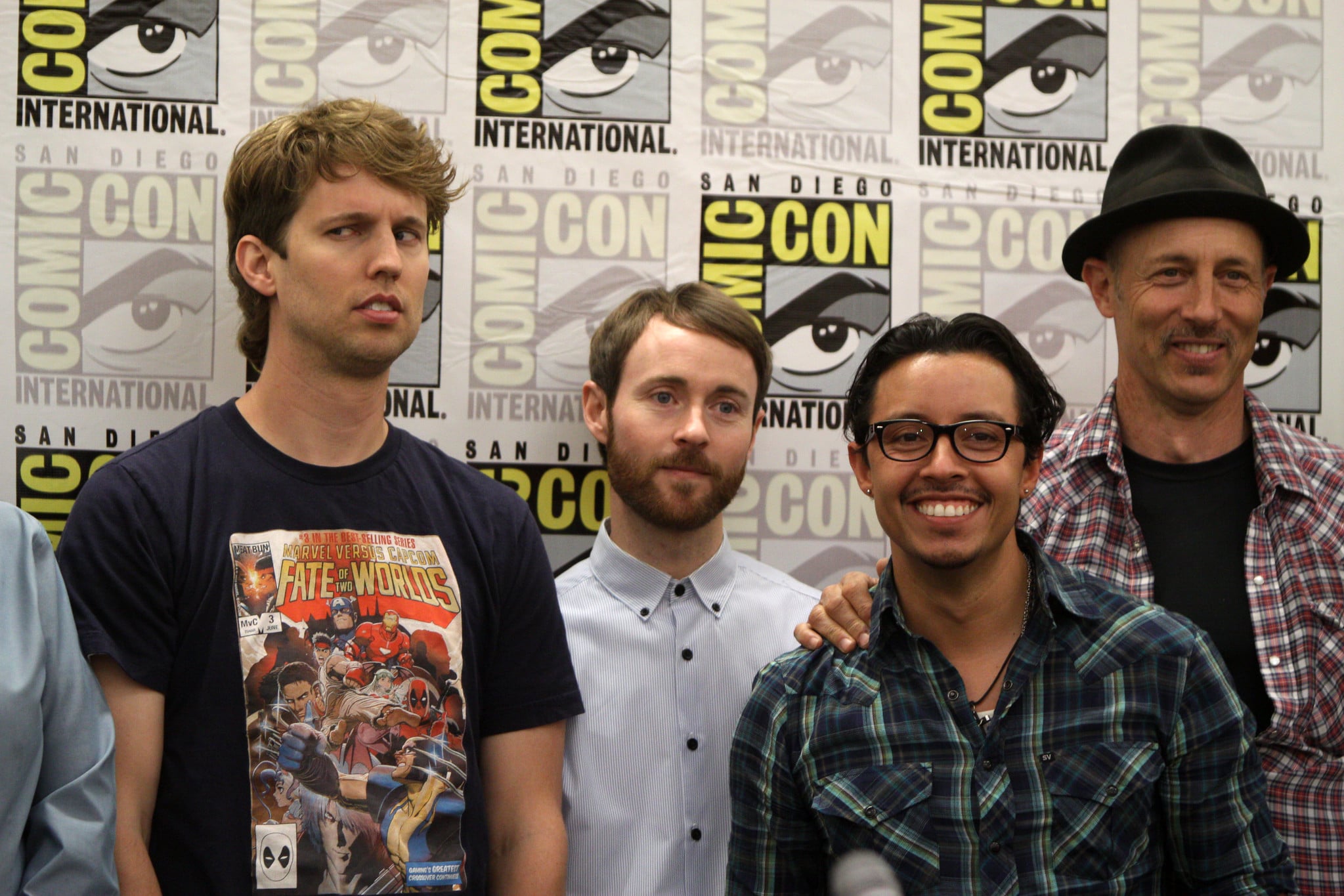
Jared Hess shot this film in Idaho with his wife Jerusha as co-writer and a cast of people they knew personally. Fox Searchlight picked it up at Sundance for $3 million and released it to an unexpected wave of enthusiasm.
The film earned $46 million worldwide and became a genuine cultural touchstone — the kind of movie people still quote at each other 20 years later. Nobody saw it coming.
That’s what made it work.
Friday The 13th (1980) — Budget: $550,000

Sean Cunningham made Friday the 13th in New Jersey with a group of young actors and a makeup effects artist named Tom Savini who had learned his craft from working in war photography. The film made $59 million worldwide and created one of horror’s most enduring franchises.
Jason Voorhees became a cultural icon despite barely appearing in the first film — a detail most people forget.
Whiplash (2014) — Budget: $3.3 Million

Damien Chazelle shot Whiplash in 19 days after making a short film version to prove the concept. Miles Teller and J.K. Simmons rehearsed intensively before production, which meant the shoot could move fast.
The film earned $49 million globally, won three Academy Awards including Best Supporting Actor for Simmons, and launched Chazelle’s career into the stratosphere. He went on to make La La Land and Babylon with budgets many times larger, but Whiplash remains his sharpest film.
The Full Monty (1997) — Budget: $3.5 Million
A British film about unemployed steelworkers stripping for money had no obvious reason to become a global hit. But it did.
The Full Monty earned $258 million worldwide on a tiny budget and became one of the most successful British films ever made. It struck something real — a story about dignity and desperation that audiences connected with across cultures.
The film was nominated for four Academy Awards, including Best Picture.
Moonlight (2016) — Budget: $1.5 Million
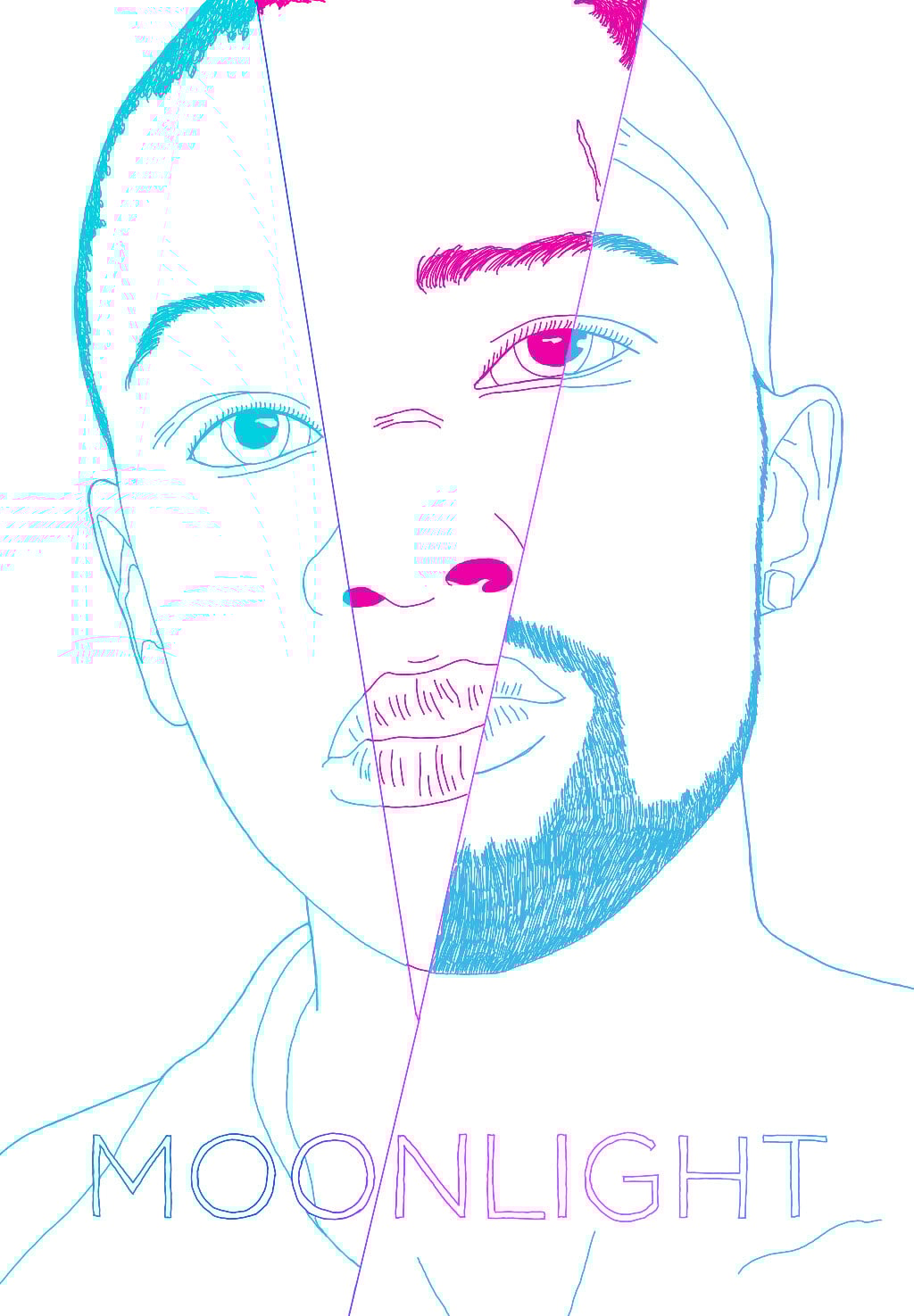
Barry Jenkins made Moonlight for $1.5 million. It won the Academy Award for Best Picture — in the most chaotic way possible, after La La Land was mistakenly announced as the winner first.
The film earned $65 million globally and introduced Mahershala Ali to mainstream audiences in a role that won him his first Oscar. It’s a quiet, carefully observed film that deserved every bit of attention it received.
Once (2007) — Budget: $150,000

John Carney shot this Irish musical on the streets of Dublin in 17 days with a cast that included a Czech actress named Markéta Irglová who had never acted professionally before. The film earned $20 million worldwide and won the Academy Award for Best Original Song.
Glen Hansard and Irglová performed the winning song at the ceremony in a moment that felt genuinely unscripted and moving. The film went on to become a Broadway musical that ran for years.
Get Out (2017) — Budget: $4.5 Million
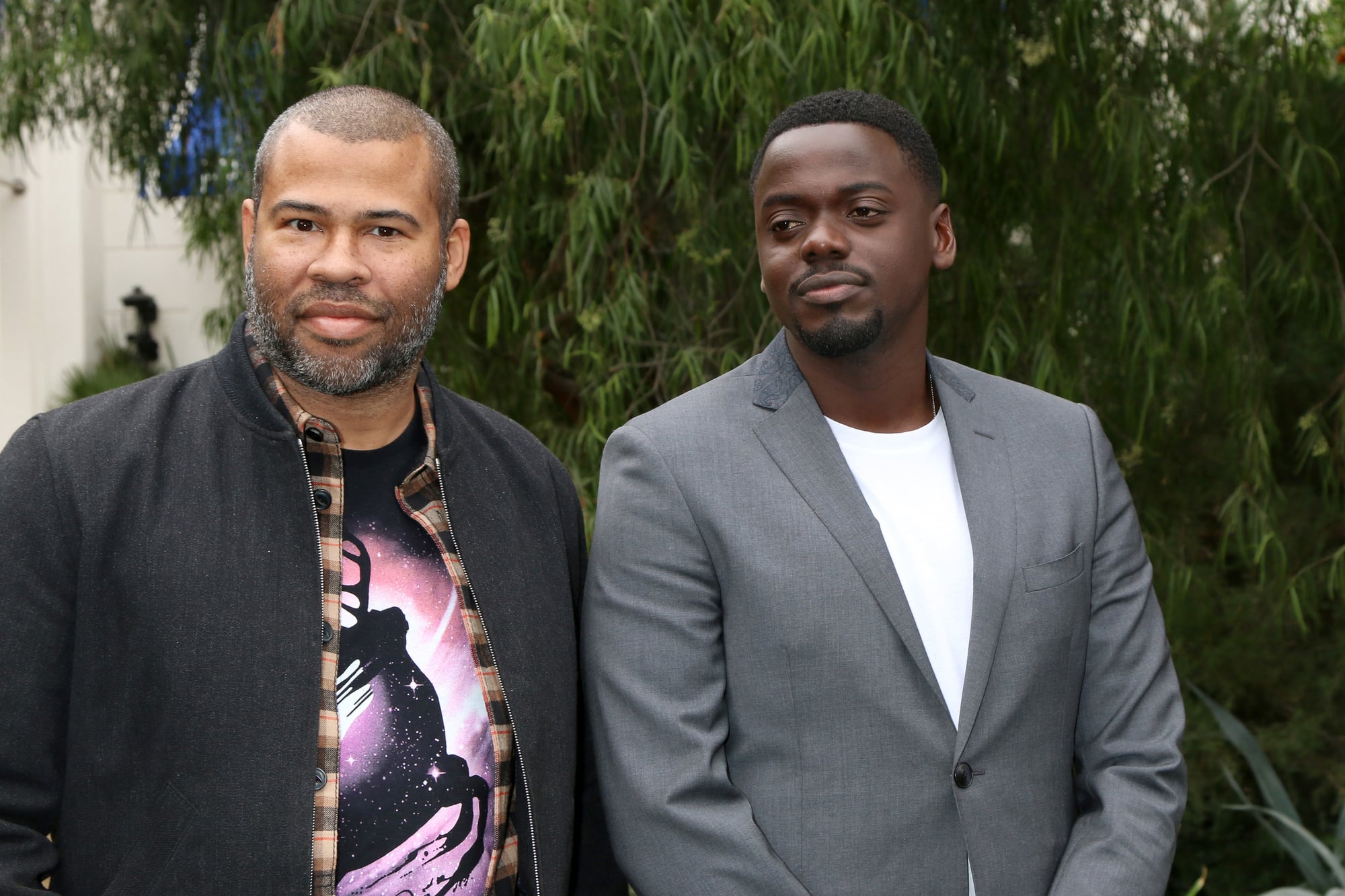
Jordan Peele wrote and directed Get Out as his feature debut. Universal released it in February — historically a dumping ground for films studios don’t believe in — and it became a phenomenon.
The film earned $255 million worldwide, holds a near-perfect score on Rotten Tomatoes, and sparked serious critical discussion about race, identity, and horror as a political tool. Peele won the Academy Award for Best Original Screenplay.
Not bad for a first film.
It Follows (2014) — Budget: $2 Million

Walking through Detroit’s quiet corners, David Robert Mitchell built a mood few forget. A curse moves from person to person, slow and sure.
What hunts you does not rush. It steps forward, always.
Empty roads and broken buildings shape the silence between scenes. Twenty-three million dollars came in from screens around the world.
People didn’t praise blood or sudden shocks. They spoke of tension that grew without noise.
Ten years passed and voices still rise when it comes up. Not fast.
Not loud. Just there.
Common Thread Among These Movies
Not one of these films leaned on flashy effects to make its point. What made them click was clear intent – someone behind the camera knew exactly what they wanted you to feel, then found a way through tight conditions.
Limits shaped choices, and those choices turned out sharp. That fake blood?
Just syrup off the shelf. It stuck around longer than anyone expected.
The quiet street made the home seem somehow darker than a film lot ever could. A buddy behind the wheel brought chaos, where someone trained would’ve kept things steady.
A truth hides in there, one that reaches beyond directors to folks making do with too little. Lack might not be the issue at all.
Often, it’s what shapes the result.
More from Go2Tutors!

- The Romanov Crown Jewels and Their Tragic Fate
- 13 Historical Mysteries That Science Still Can’t Solve
- Famous Hoaxes That Fooled the World for Years
- 15 Child Stars with Tragic Adult Lives
- 16 Famous Jewelry Pieces in History
Like Go2Tutors’s content? Follow us on MSN.