17 Minerals That Are More Valuable Than Gold
Long known for its worth, gold stands apart through time. Its steady nature earns trust across continents.
Recognition follows it like shadow to light. Prestige clings close, something rare among earth’s offerings.
Most measure riches against this metal without second thought. Truth is, gold doesn’t always top the list of pricey stuff floating around.
Some elements beat it hands down – thanks to how scarce they are, what industries need them for, plus their unique roles in tech or medicine. A rare metal tucked away in labs might cost way more without anyone noticing.
Peeking behind the curtain reveals certain minerals worth more than gold. A second glance shows how these hidden gems stack up in price.
Rhodium
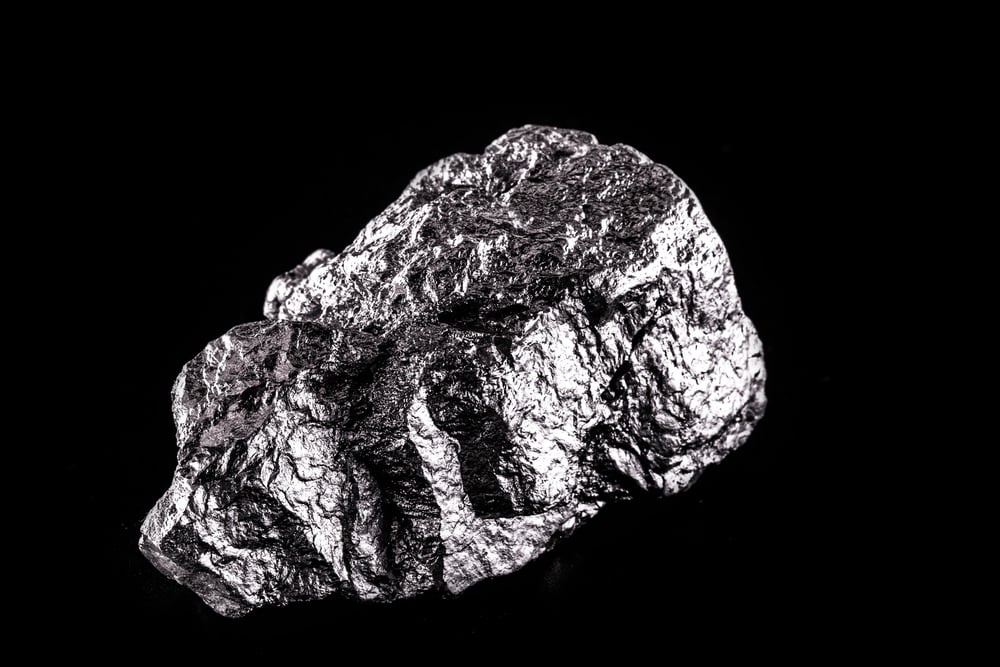
Rhodium often sits at the top of the value chain, sometimes trading at several times the price of gold. It’s extremely rare and primarily used in catalytic converters to reduce vehicle emissions.
That combination of scarcity and industrial demand drives its price upward, sometimes dramatically. Even so, its market is volatile, with sharp spikes and drops depending on supply constraints.
Platinum

Platinum is often grouped with gold, but it can exceed gold’s value during periods of high demand. It’s widely used in automotive manufacturing, jewelry, and industrial processes.
Its rarity and resistance to corrosion make it highly desirable. Still, its price tends to fluctuate more than gold, especially when industrial demand shifts.
Palladium

Palladium has seen major price surges in recent years, at times overtaking gold by a significant margin. Like rhodium, it plays a key role in reducing vehicle emissions.
Demand has increased as stricter environmental regulations push manufacturers to use more of it. That said, limited supply keeps its value elevated.
Iridium

Iridium is one of the rarest elements in the Earth’s crust. It’s incredibly dense and resistant to extreme conditions, making it useful in high-performance equipment.
Because it’s so difficult to obtain, its price can climb well above gold. Even so, its niche applications keep it from being widely known.
Osmium

Osmium is another extremely rare and dense metal, often used in specialized alloys and scientific instruments. Its unique properties make it valuable in very specific contexts.
Still, it’s not traded as commonly as gold, which makes its pricing less visible to the public. That said, its rarity alone places it in a higher value category.
Ruthenium
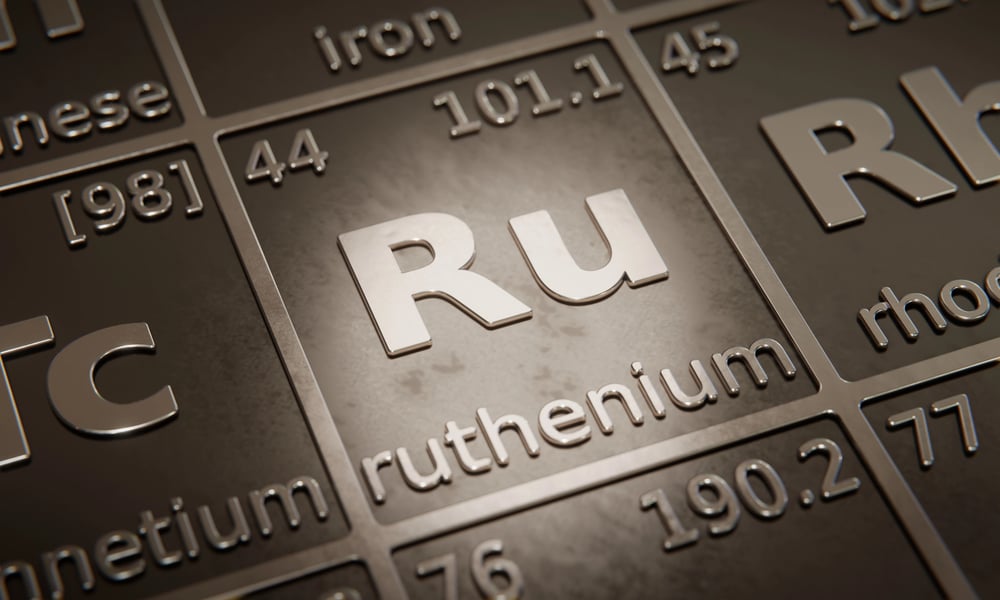
Ruthenium is used in electronics, particularly in data storage and chip technology. As demand for advanced technology grows, so does interest in this lesser-known metal.
It’s not as famous as gold, but its role in modern devices gives it a strong underlying value. On the other hand, its market remains relatively niche.
Jadeite

Jadeite is the rarest and most valuable form of jade, especially in high-quality, vivid green varieties. In certain markets, particularly in Asia, it can fetch extraordinary prices.
Unlike metals, its value is driven more by aesthetics and cultural significance. Still, top-grade jadeite can easily surpass gold in price per gram.
Lithium

Lithium has become one of the most talked-about resources in recent years. It’s essential for rechargeable batteries used in everything from smartphones to electric vehicles.
While its price per weight doesn’t always exceed gold, demand has pushed its value sharply upward. Even so, its importance lies more in its role in modern technology than in traditional notions of luxury.
Cobalt
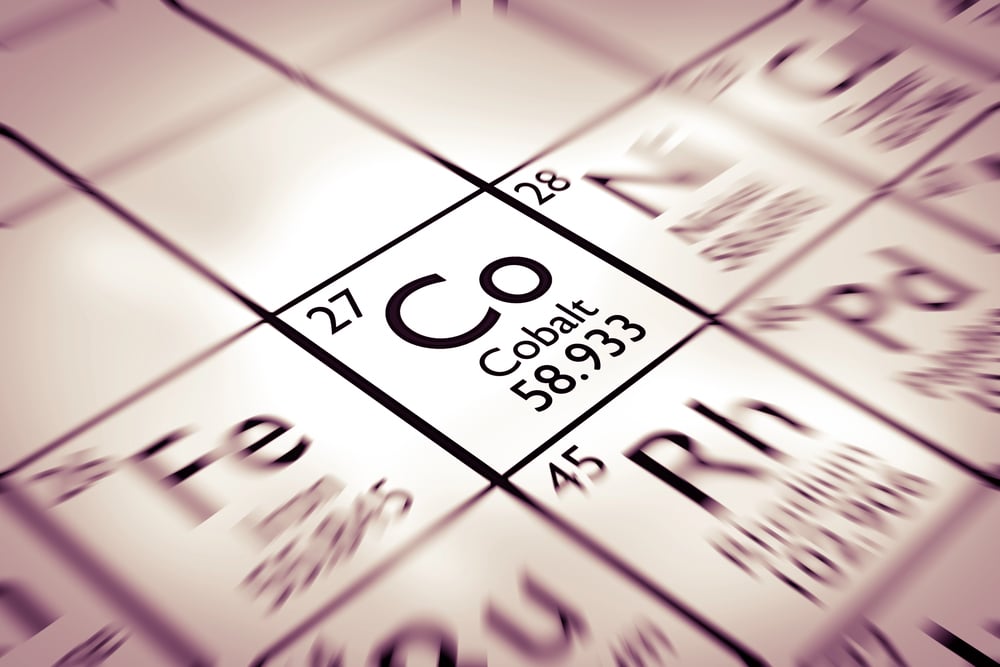
Cobalt is another key material in battery production, helping improve energy density and performance. As the push toward renewable energy grows, so does the demand for cobalt.
Supply challenges and geopolitical factors can drive up its value significantly. That said, its importance is tied closely to the future of energy and transportation.
Scandium
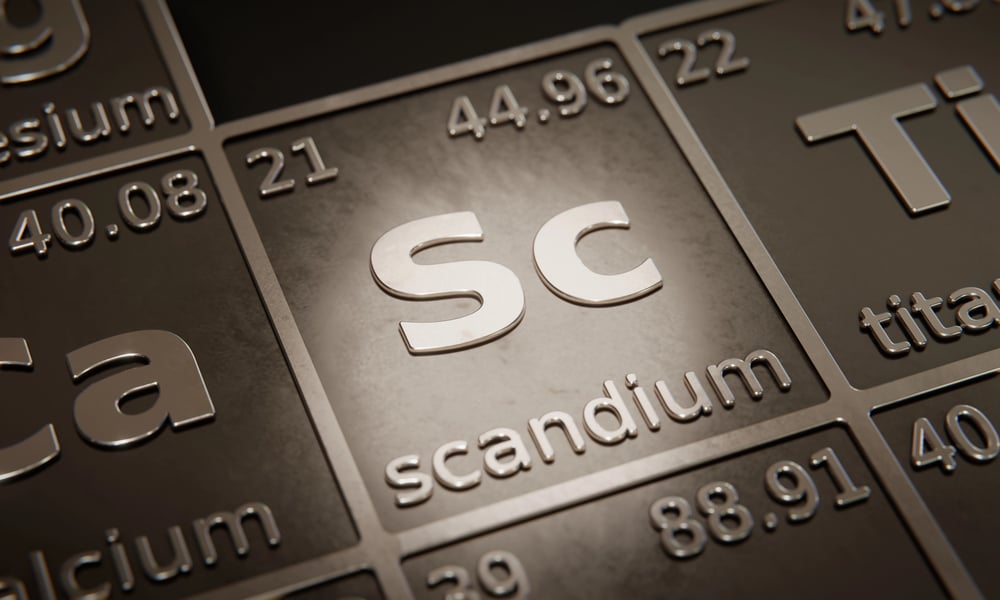
Scandium is a rare metal used to strengthen aluminum alloys, making them lighter and more durable. It’s especially valuable in aerospace and advanced manufacturing.
Because it’s so scarce, even small amounts can be extremely valuable. Still, its limited availability keeps it out of mainstream awareness.
Tantalum
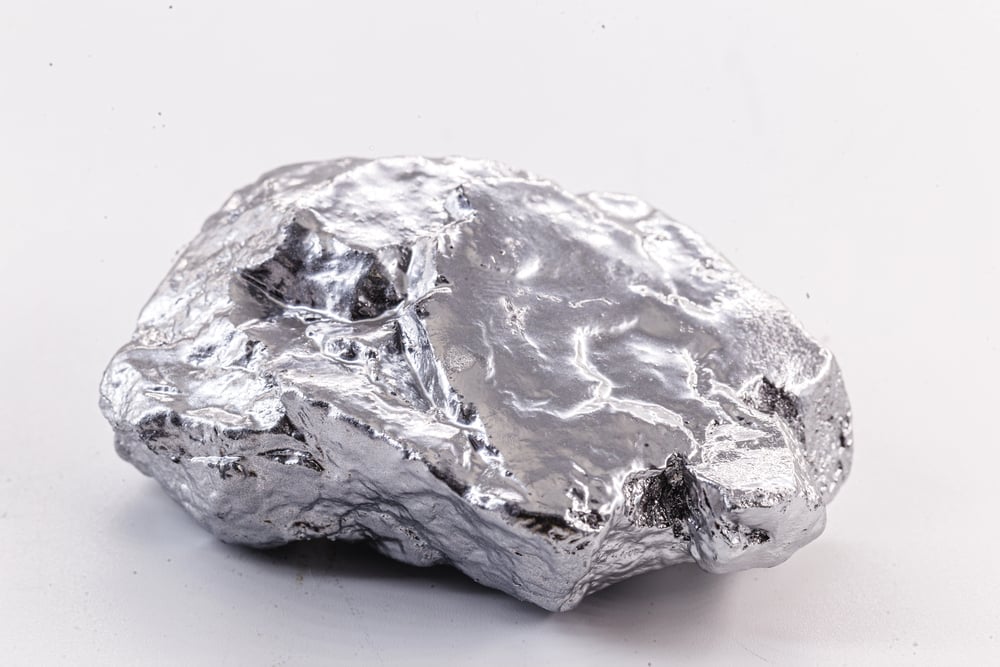
Tantalum is widely used in electronic components, particularly capacitors found in smartphones and computers. Its ability to store and release energy efficiently makes it indispensable.
Demand remains steady due to the global reliance on electronics. Even so, supply constraints can push its price beyond that of gold in certain markets.
Hafnium

Hafnium is used in nuclear reactors and high-temperature alloys. Its ability to absorb neutrons makes it critical in controlling nuclear reactions.
This specialized use gives it a high value despite its relatively low profile. On the other hand, its market is tightly linked to specific industries.
Rhenium

Rhenium is one of the rarest elements on Earth and is used in jet engines and high-performance turbines. Its ability to withstand extreme heat makes it essential in aerospace.
Because of its scarcity and critical applications, it can command prices higher than gold. Still, its niche use keeps it largely out of public attention.
Tellurium

Tellurium is used in solar panels and thermoelectric devices. As renewable energy technologies expand, its importance continues to grow.
It’s not widely known, but its role in clean energy makes it increasingly valuable. That said, its supply is limited, which can drive up its price.
Indium

Indium is a key component in touchscreens, flat-panel displays, and semiconductors. Without it, many modern devices wouldn’t function as they do today.
Its demand is tied directly to the tech industry. Even so, its relatively low visibility keeps it from being as widely discussed as gold.
Gallium

Gallium is used in LEDs, solar panels, and advanced electronics. It plays a quiet but crucial role in many modern technologies.
Because it’s often produced as a byproduct of other processes, its supply can be unpredictable. That said, its value can exceed gold in certain contexts.
Painite

Painite is often described as one of the rarest gemstones in the world. For years, only a handful of specimens were known to exist.
Its extreme rarity gives it a value that can surpass gold by a wide margin. Still, it remains largely a collector’s item rather than a mainstream investment.
Why Value Isn’t What It Seems

Far from being the rarest, gold sticks around simply because people everywhere agree on its worth. What keeps it relevant isn’t flashy scarcity or specialty markets – instead, quiet reliability does the work.
Recognition across borders gives it staying power, while steady behavior builds trust over time. Not every shiny thing lasts; this one does, quietly.
Something else hides in those rocks. Prices jump when certain jobs need them, or new gadgets depend on them, sometimes even outpacing gold.
A sudden drop hits just as fast if needs change or stock piles grow too large. Worth today might mean little tomorrow.
What matters shifts with the situation. When tech shapes everything, rare substances quietly power progress – unknown to nearly everyone.
More from Go2Tutors!

- The Romanov Crown Jewels and Their Tragic Fate
- 13 Historical Mysteries That Science Still Can’t Solve
- Famous Hoaxes That Fooled the World for Years
- 15 Child Stars with Tragic Adult Lives
- 16 Famous Jewelry Pieces in History
Like Go2Tutors’s content? Follow us on MSN.