Vacation Spots Frequented By American Presidents
Pressure shapes presidents more than speeches ever could. Still, even powerful figures need moments away from desks cluttered with urgent papers.
Some places keep showing up on itineraries not because they’re luxurious, but because trees and silence help untangle hard choices. Away from microphones and advisors, clarity sometimes arrives during long walks beside lakes.
History watches closely when leaders vanish into mountain cabins or coastal homes for days at a stretch. These escapes matter less for rest, more for what returns: sharper judgment.
Quiet rooms shape history too. Beyond their beauty, these spots have quietly held talks that changed paths.
Out here, choices took shape not in stiff rooms but under open skies. Leadership showed its softer side, something palaces often hide.
Moments unfolded slowly, without ceremony, where trust grew between pauses in conversation.
A peek behind the gates of retreats where U.S. presidents traded power corridors for quiet – each place holding its own steady pull across decades. Not escape, but rhythm.
Far from Capitol echoes, these locations rooted themselves quietly, offering more than rest. Some found calm in the mountain hush.
Others leaned into coastal tides. Each return visit stitched another layer into their staying power.
Geography shifted. Presidencies turned. The places remained.
Camp David
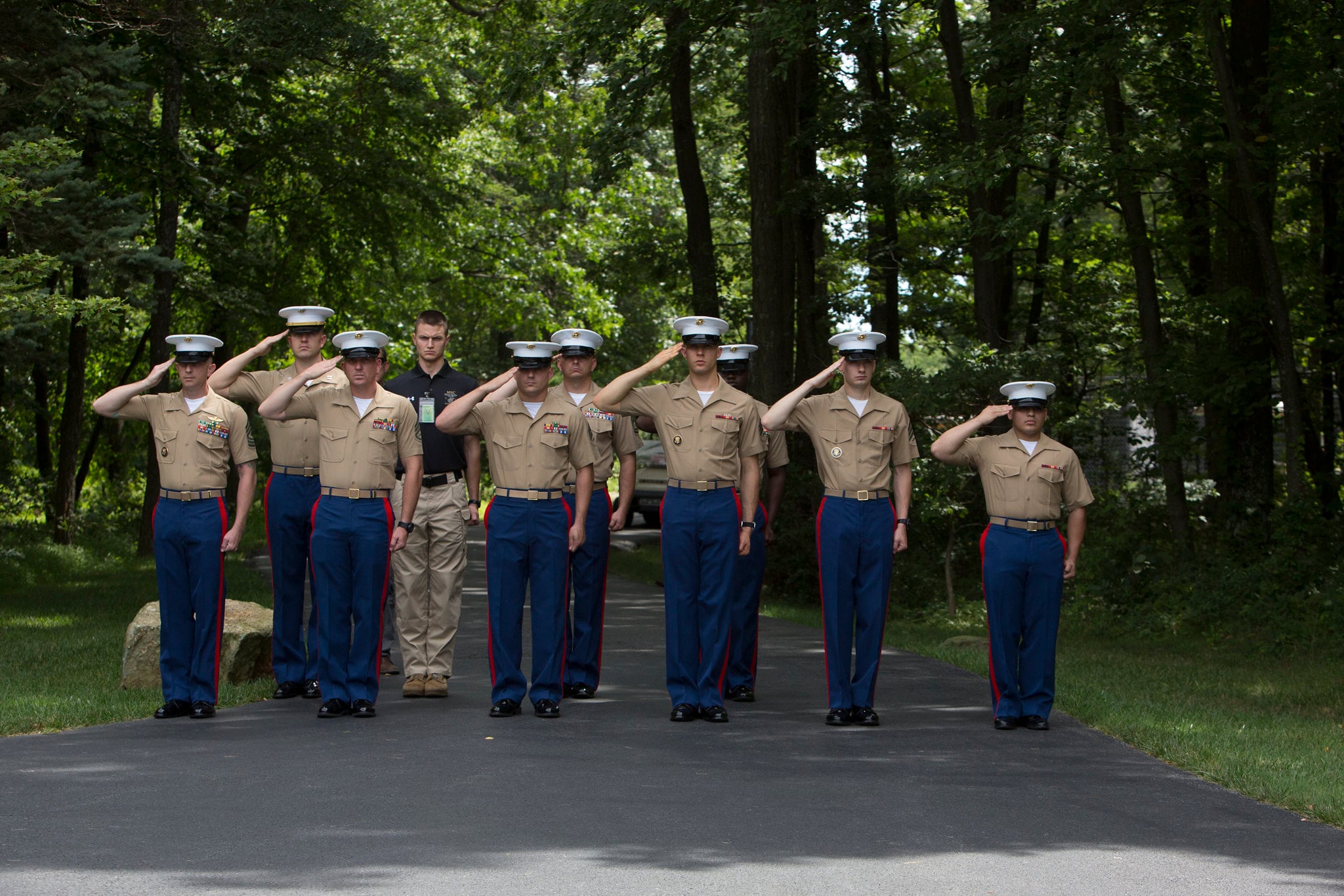
Camp David, nestled in the wooded hills of Maryland, remains the most recognizable presidential retreat. Established during Franklin D. Roosevelt’s presidency, it was designed as a secure yet relaxed environment where leaders could step away without fully disconnecting.
Over time, it became a place where world events quietly unfolded, including high-stakes meetings and negotiations. Even so, its simplicity is part of its appeal, with cabins and forest paths replacing formal rooms and rigid schedules.
It reflects a balance between isolation and accessibility that few locations can match.
Warm Springs
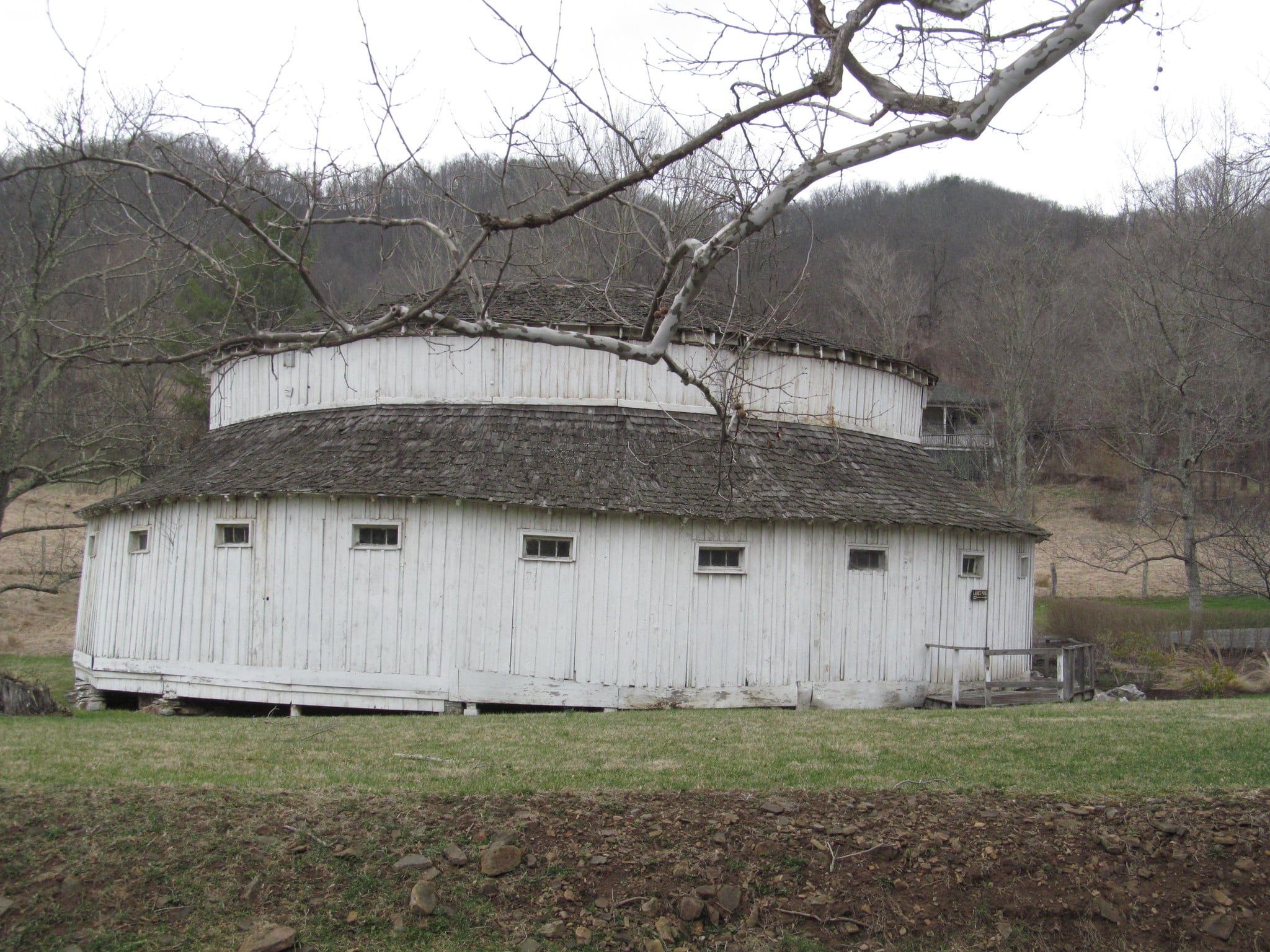
Before Camp David became the standard retreat, Franklin D. Roosevelt often turned to Warm Springs, Georgia. Originally drawn there for its therapeutic waters, he developed a deep personal connection to the area.
The setting provided both physical relief and emotional grounding, allowing him to recharge during some of the most challenging years in American history. Still, Warm Springs was never just about rest—it became a place where Roosevelt continued to engage with the public in a more personal way.
Its significance lies in how it blurred the line between private recovery and public leadership.
Key West
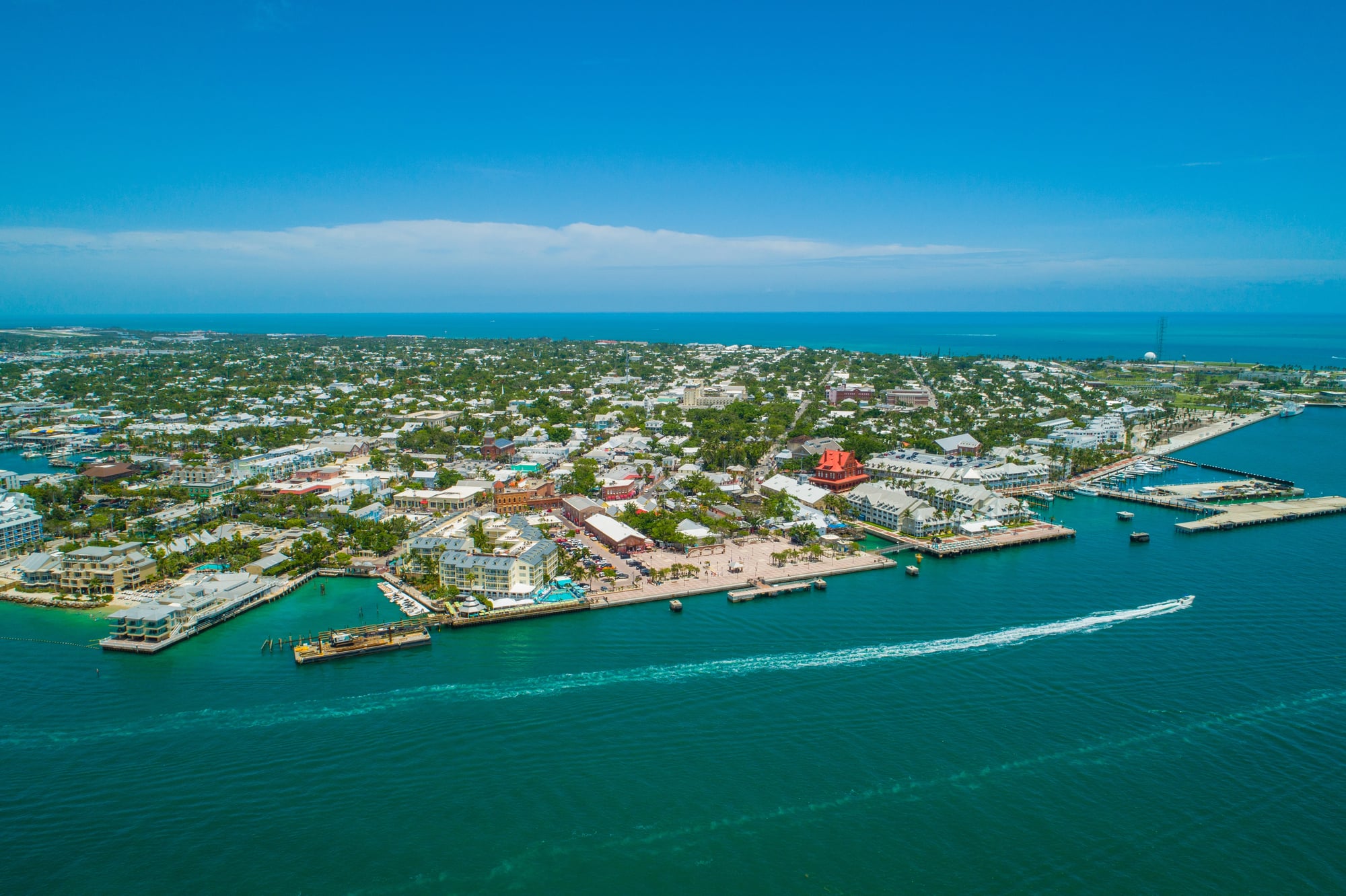
Harry S. Truman found his retreat in Key West, Florida, where the Little White House became a regular escape from Washington. The tropical climate and slower pace offered a stark contrast to the demands of the presidency.
Truman spent significant time there, often conducting business while maintaining a relaxed routine. Even so, the location carried a sense of informality that allowed for clearer thinking.
It became one of the earliest examples of a president blending work and rest in a setting far removed from the capital.
Martha’s Vineyard
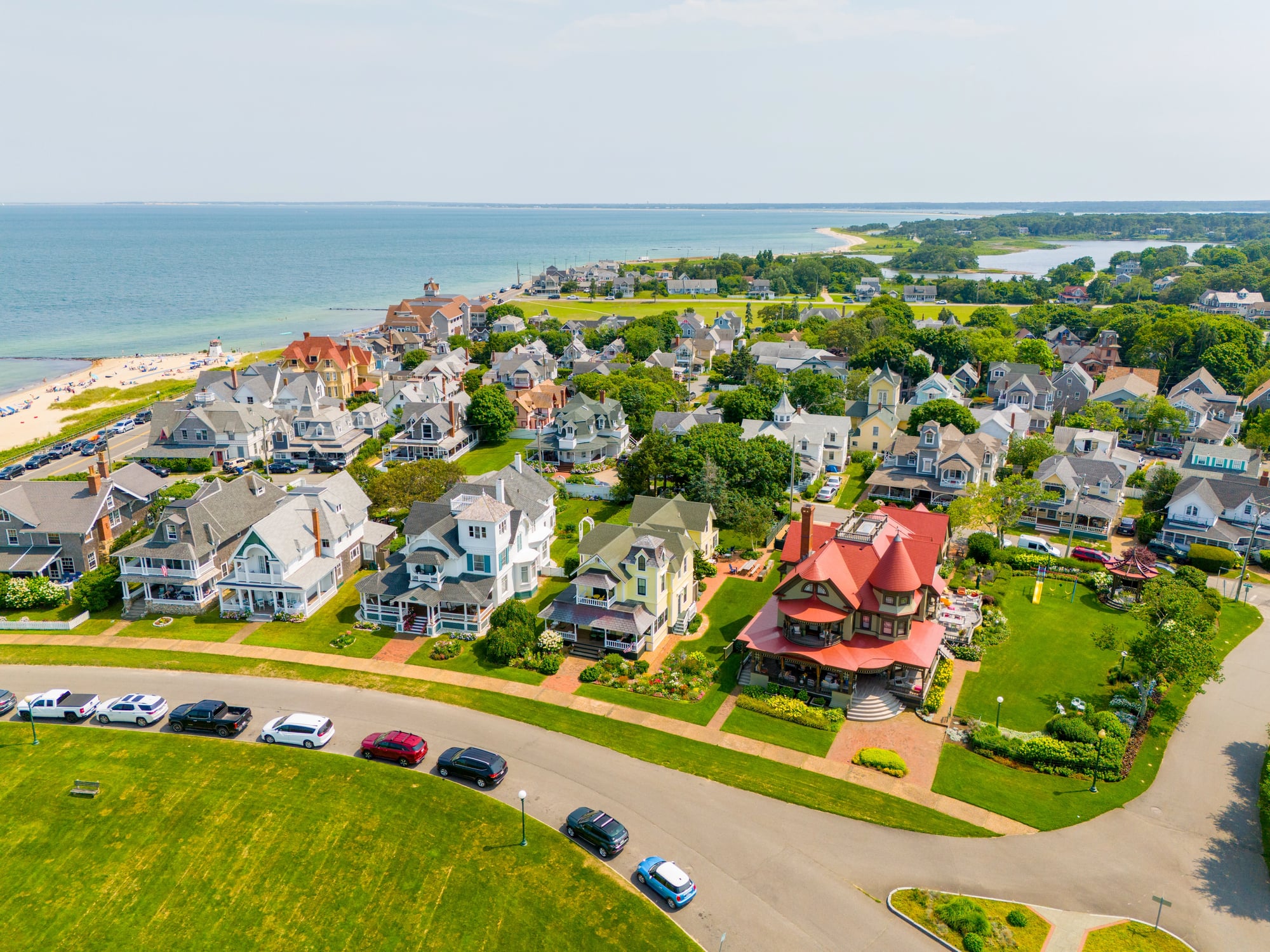
In more recent decades, Martha’s Vineyard has come to symbolize a modern version of presidential downtime. Known for its coastal charm and quiet sophistication, it has hosted several presidents, particularly Barack Obama.
The island offers a rare combination of privacy and normalcy, where leaders can move through public spaces without the same intensity of scrutiny. That balance makes it feel less like an escape and more like a temporary shift in pace.
Even so, its visibility reflects how modern presidencies operate in a more public-facing world.
Kennebunkport
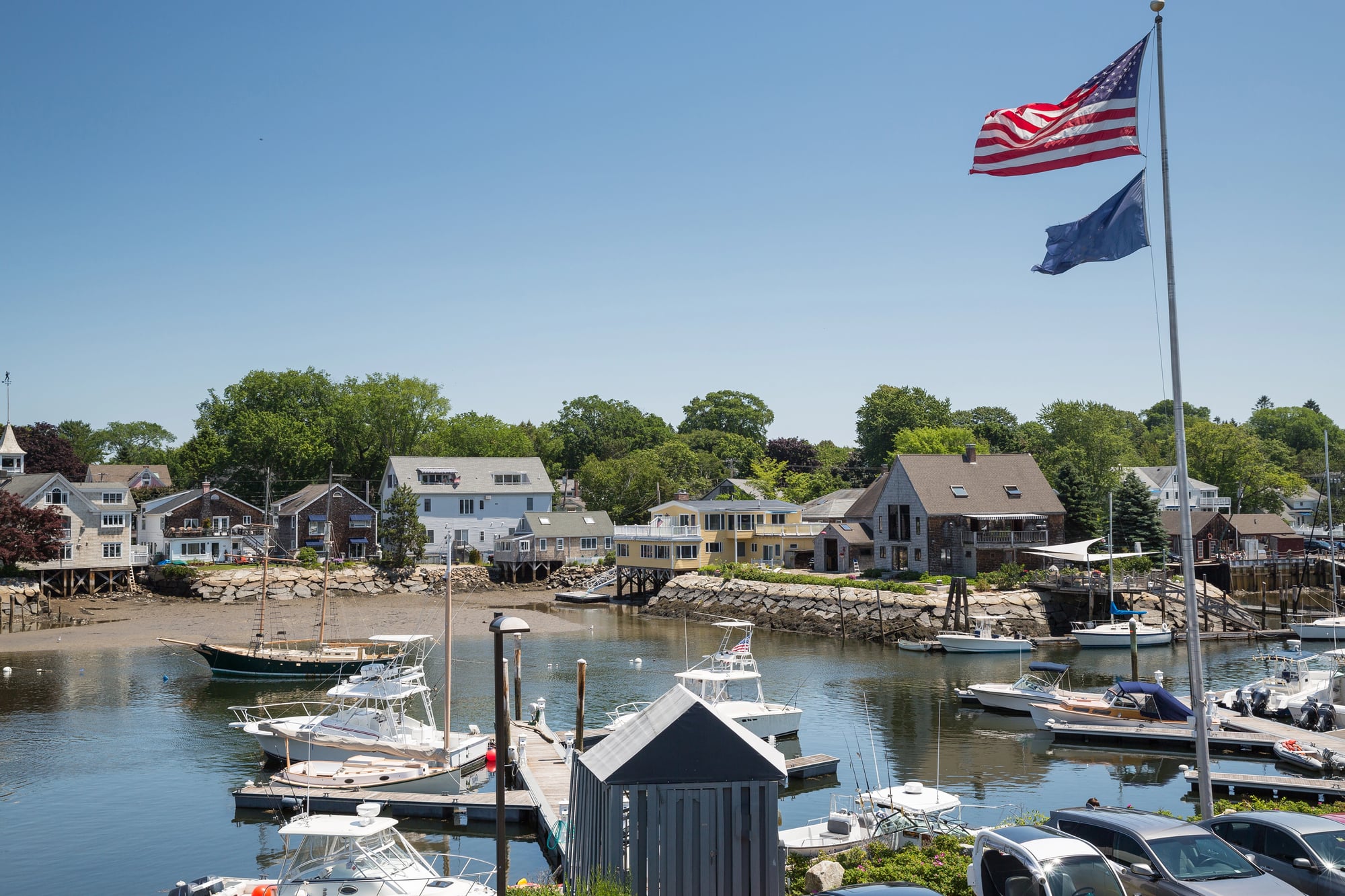
Kennebunkport, Maine, is closely tied to the Bush family, especially George H. W. Bush. The family compound at Walker’s Point became a recurring setting for both personal time and informal diplomacy.
Its rocky coastline and cooler climate create a sense of distance from political intensity, offering a more grounded environment. Still, it also served as a meeting place for global leaders, blending relaxation with quiet influence.
The location represents continuity, a place that remained constant even as the political landscape shifted.
Rancho Mirage
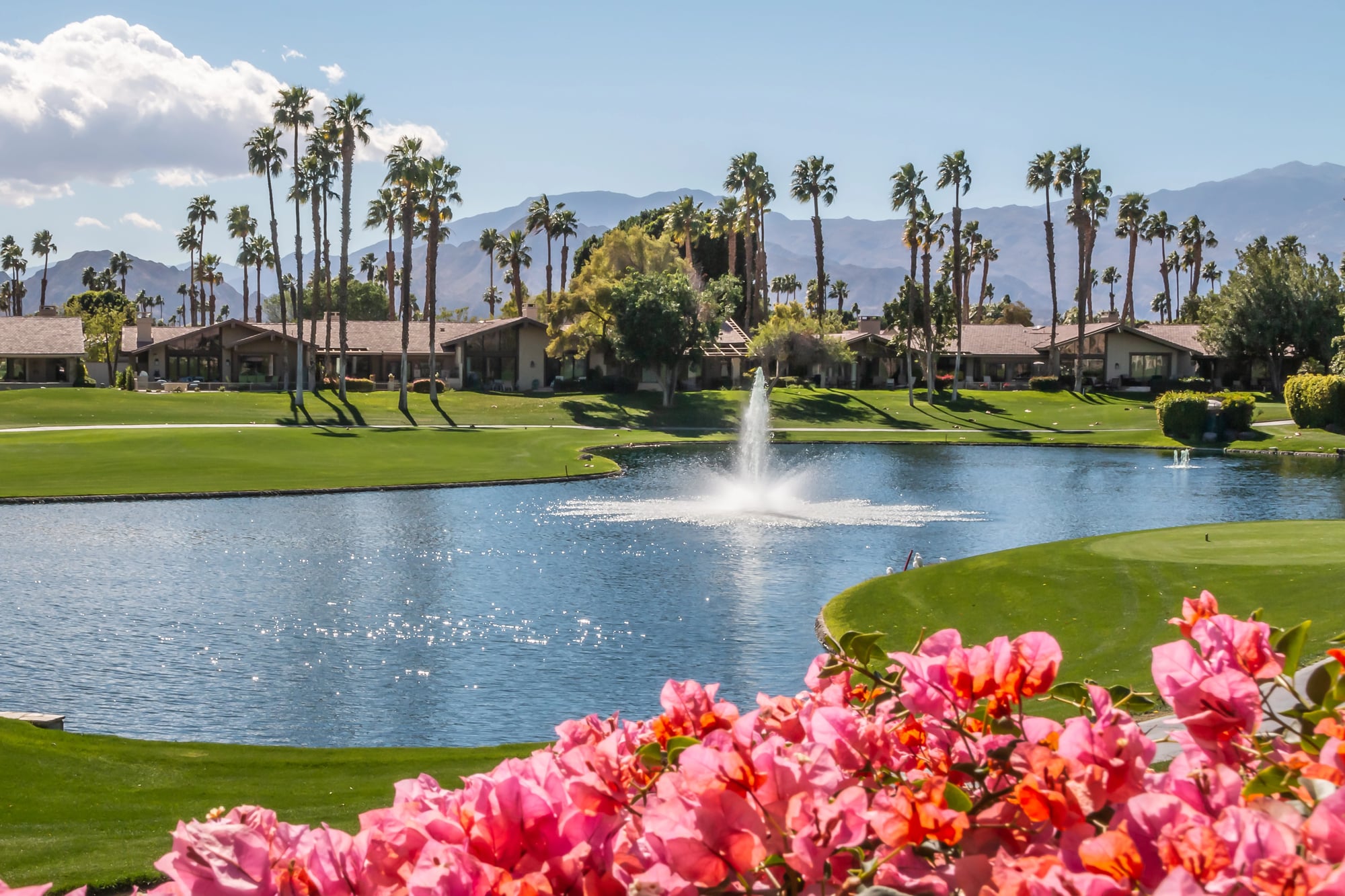
Rancho Mirage in California gained prominence through the Sunnylands estate, often referred to as a western counterpart to Camp David. Presidents from Dwight D. Eisenhower to Barack Obama have spent time there, drawn to its open desert landscapes and calm atmosphere.
The setting encourages a slower pace, where conversations feel less constrained by formality. At the same time, it has hosted important diplomatic meetings, reinforcing its dual role.
That balance between leisure and leadership gives it lasting relevance.
Hyde Park

Hyde Park, New York, was not just a retreat for Franklin D. Roosevelt—it was home. His estate at Springwood offered familiarity, comfort, and a sense of continuity that few other locations could provide.
Even during wartime, Roosevelt hosted key figures there, blending personal space with national responsibility. The environment allowed him to remain grounded while navigating immense pressure.
Still, its importance lies in how it reflects a leader who didn’t need to leave home to find clarity.
Palm Beach
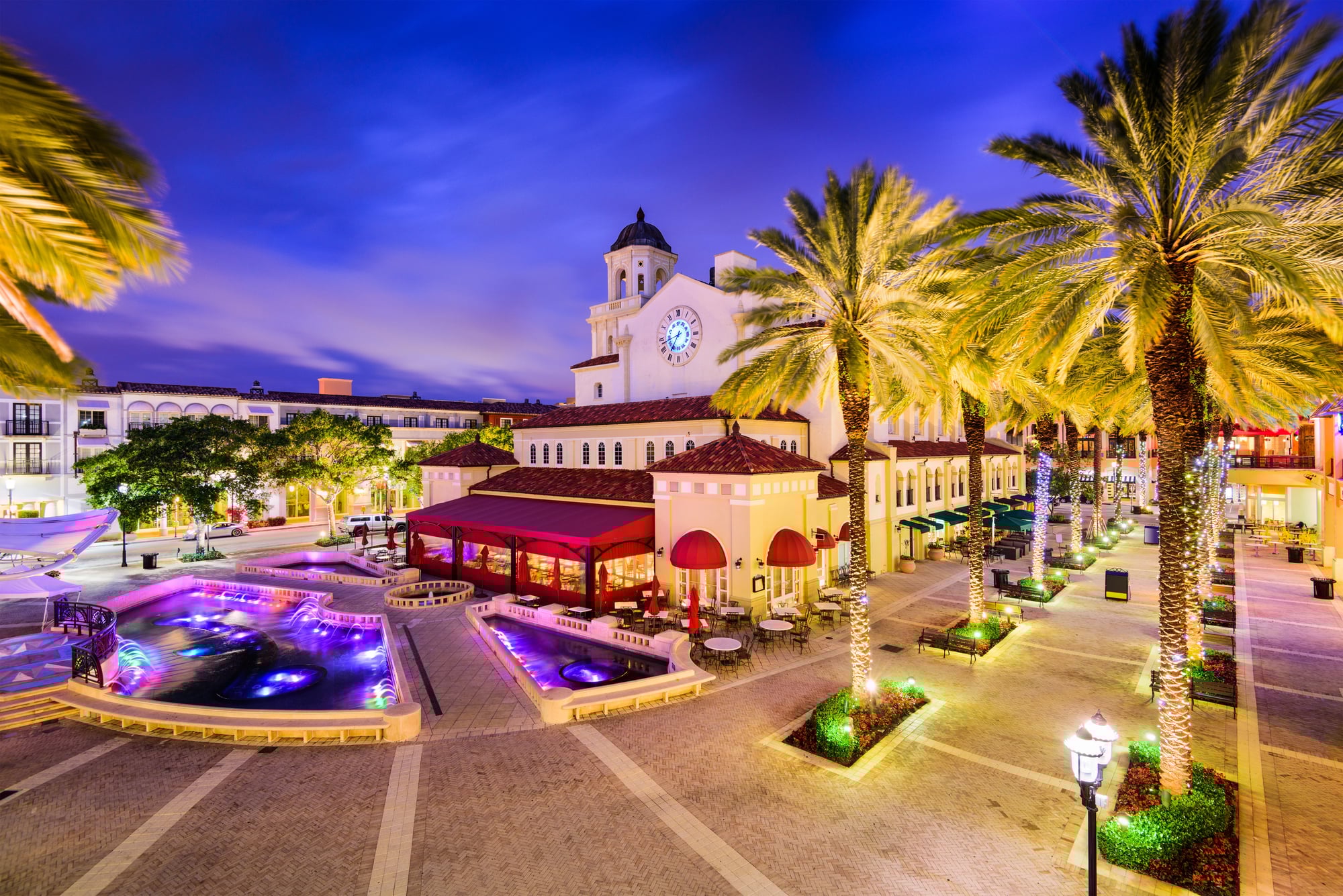
Palm Beach, Florida, has attracted presidents for decades, offering warm weather and a more traditional sense of luxury. John F. Kennedy, in particular, spent time there, using it as both a retreat and a social hub.
The setting combines relaxation with visibility, allowing for both private moments and public appearances. That dual nature makes it unique among presidential destinations.
Even so, it highlights how some retreats lean more toward lifestyle than isolation.
Jackson
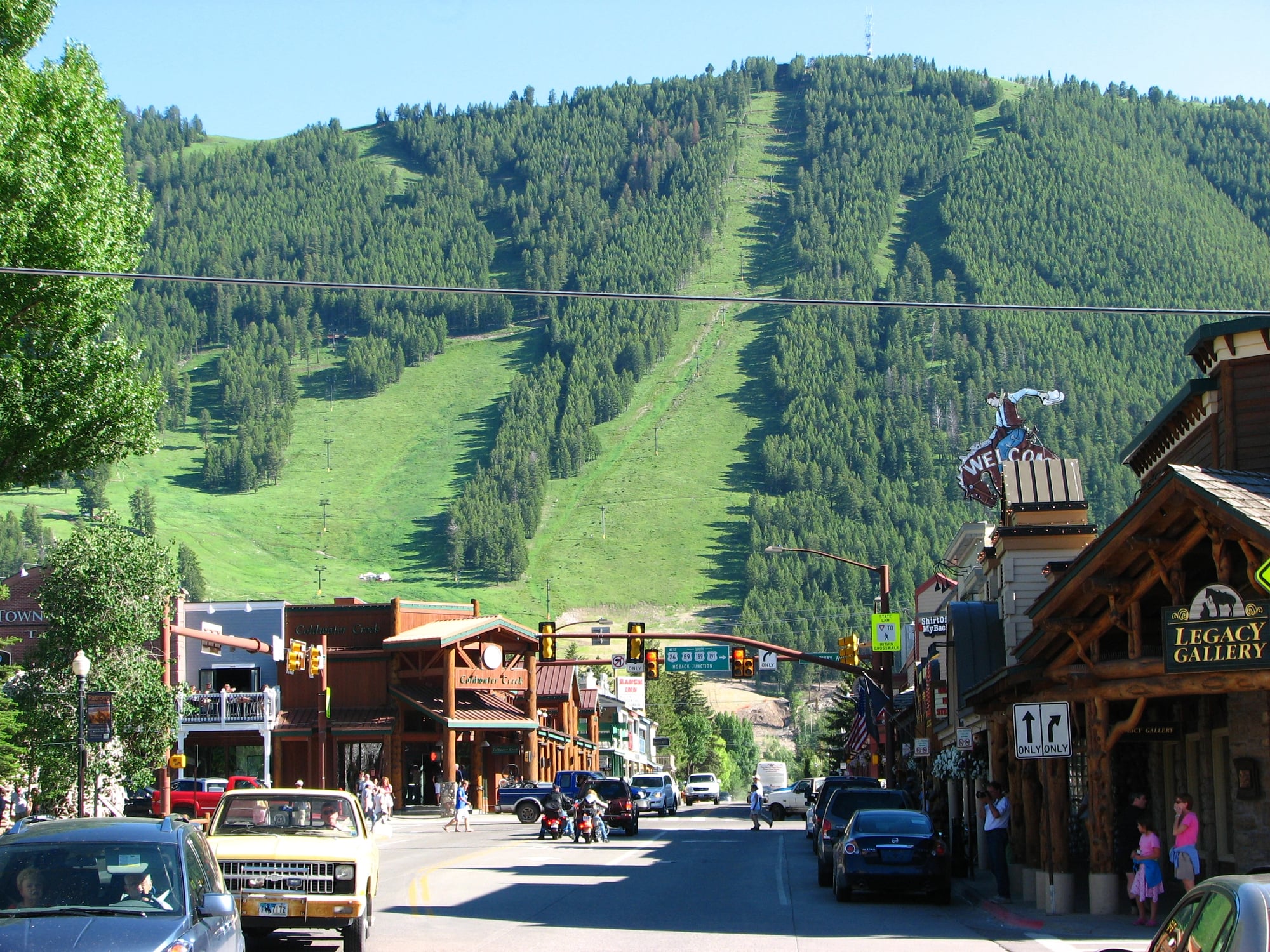
Jackson, Wyoming, offers a very different kind of presidential escape. Surrounded by mountains and vast open land, it provides a level of quiet that’s difficult to find elsewhere.
Gerald Ford spent time there, drawn to its natural beauty and sense of space. The environment encourages reflection, with fewer distractions and a slower rhythm.
Still, its rugged simplicity is part of its appeal, offering a reset that feels more substantial than a typical getaway.
Santa Barbara
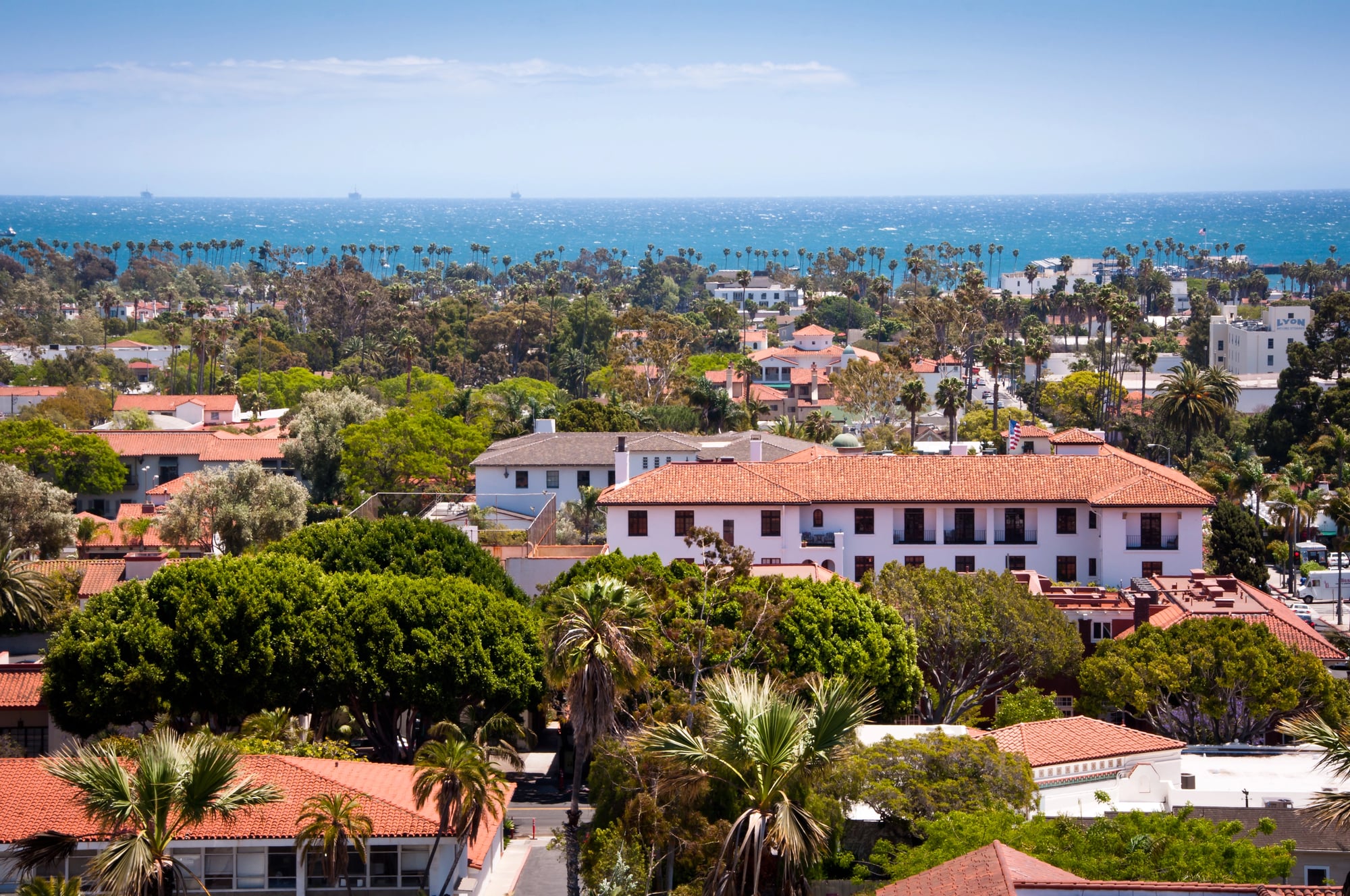
Santa Barbara, particularly Rancho del Cielo, served as a retreat for Ronald Reagan. The ranch reflected his preference for simplicity, with wide landscapes and outdoor routines replacing formal settings.
Reagan often used the space to reset, stepping into a more grounded version of daily life. Even so, elements of his presidency followed him, with advisors and discussions occasionally taking place there.
The location became closely tied to his identity as a leader.
Aspen
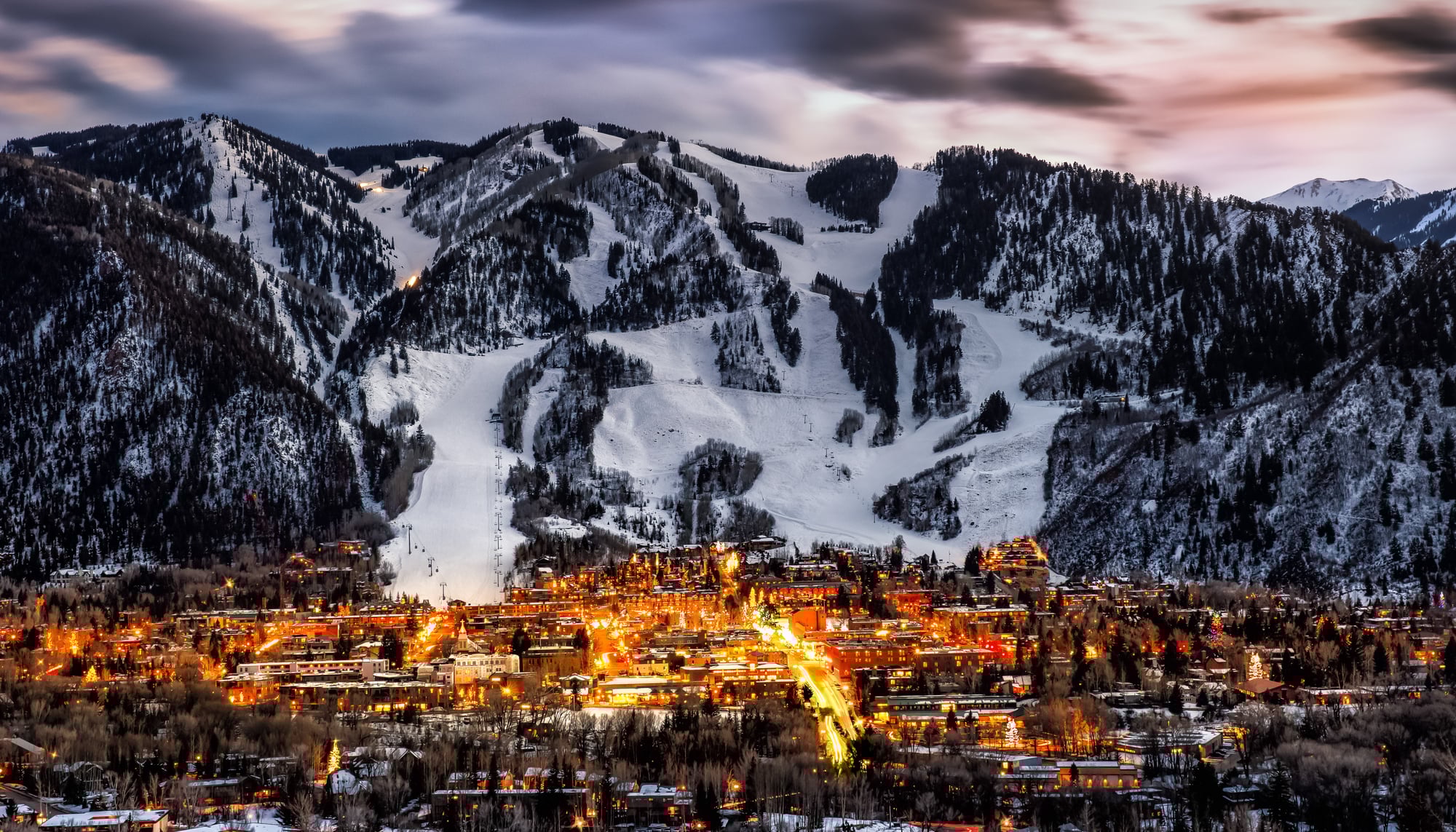
Aspen, Colorado, has long been associated with both leisure and influence. Presidents and political figures have visited the area for its skiing, scenic views, and quieter atmosphere.
The mountain setting offers both recreation and reflection, creating a balance that appeals to high-pressure roles. Still, Aspen also carries a social element, making it a place where connections are formed as much as rest is found.
That combination gives it a distinct place among presidential retreats.
The Hamptons
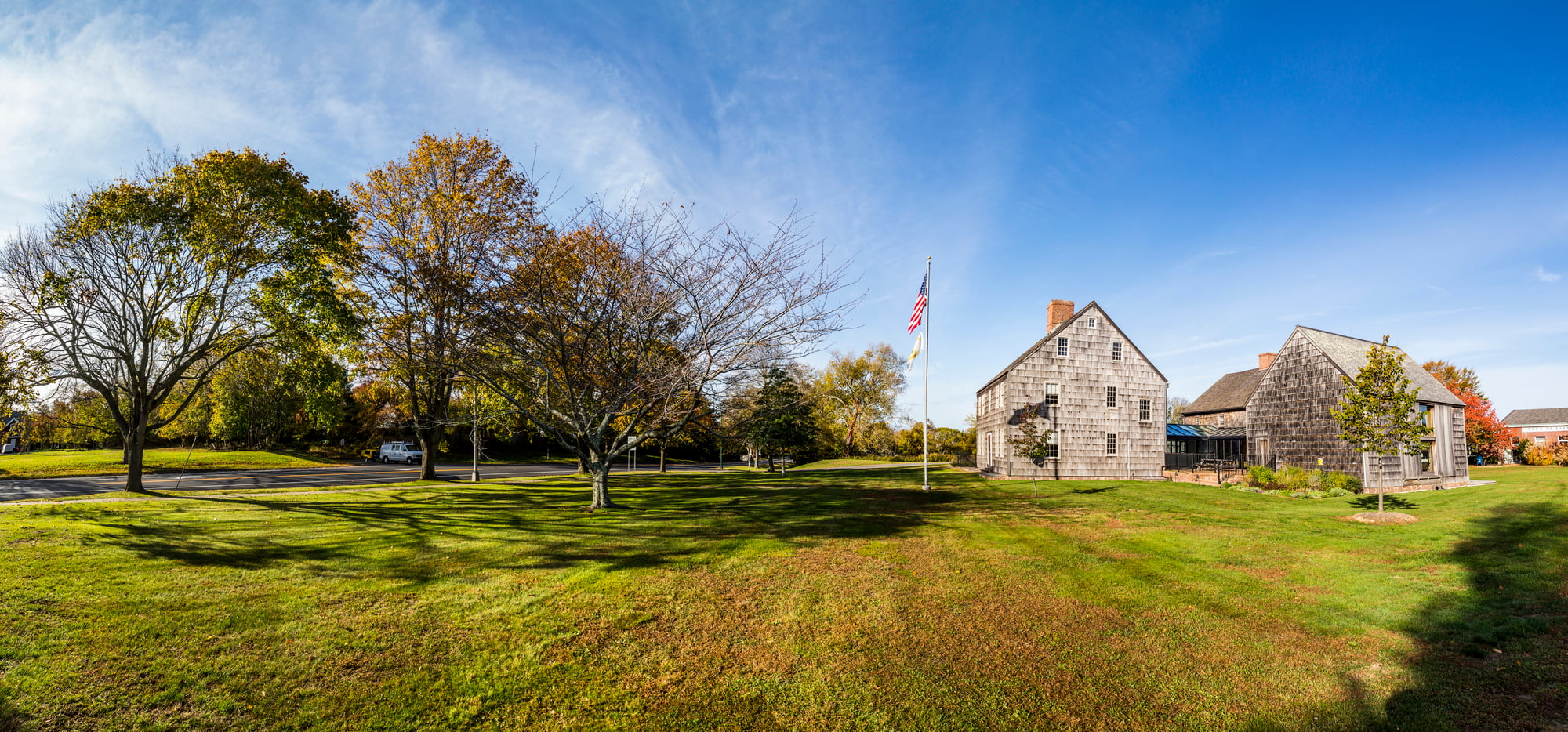
The Hamptons in New York represent a more modern and social version of presidential downtime. Known for their upscale environment and coastal beauty, they have hosted visits from various political figures over time.
The setting allows for a mix of private relaxation and public engagement, often blending seamlessly. Even so, the visibility of the area reflects how leadership today is rarely fully removed from public view.
It’s less about escape and more about controlled exposure.
Nantucket
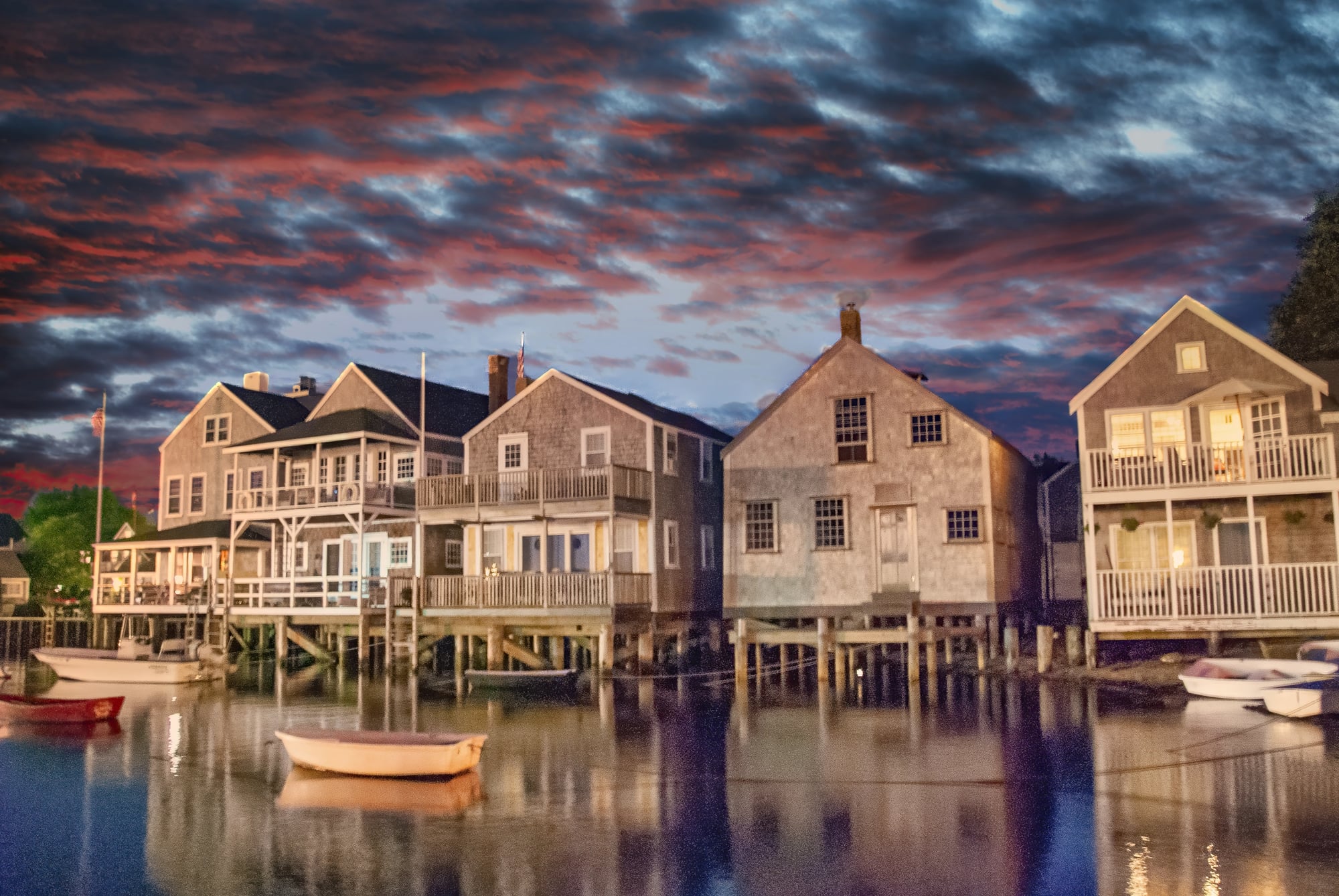
Nantucket offers a quieter alternative to more prominent coastal destinations. Its slower pace and historic charm create an atmosphere that feels removed from the urgency of political life.
Presidents and their families have visited the island for its sense of calm and tradition. The environment encourages simplicity, where routines become more grounded and predictable.
Still, its understated nature is what makes it particularly appealing.
Vail
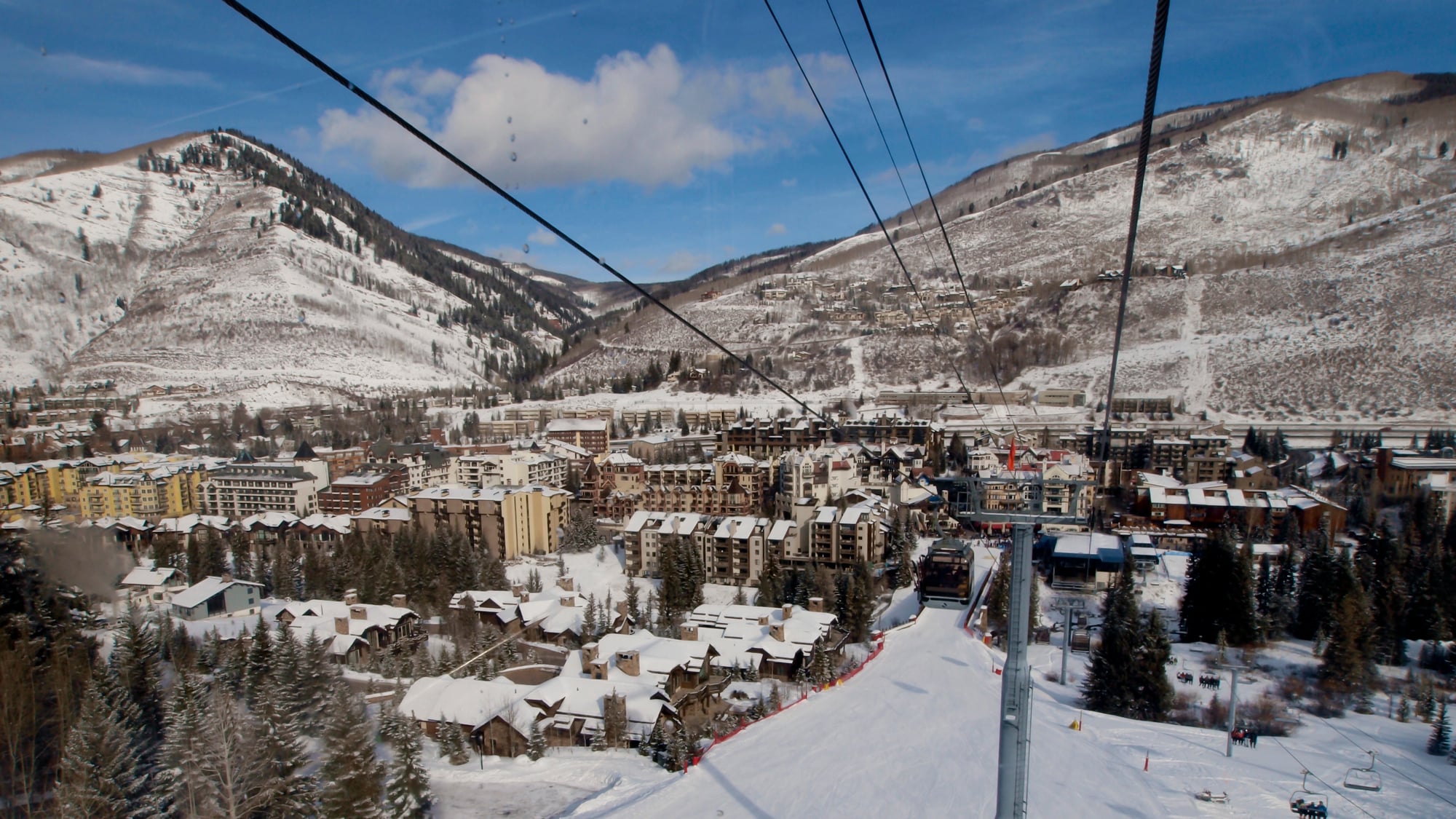
Vail, Colorado, has attracted presidents seeking both activity and relaxation. Known for its skiing and mountain views, it offers a dynamic setting that contrasts with more static retreats.
The location encourages movement and engagement with the environment, which can be refreshing after long periods of structured schedules. Even so, it still provides moments of quiet, balancing energy with reflection.
That versatility adds to its appeal.
Lake Tahoe
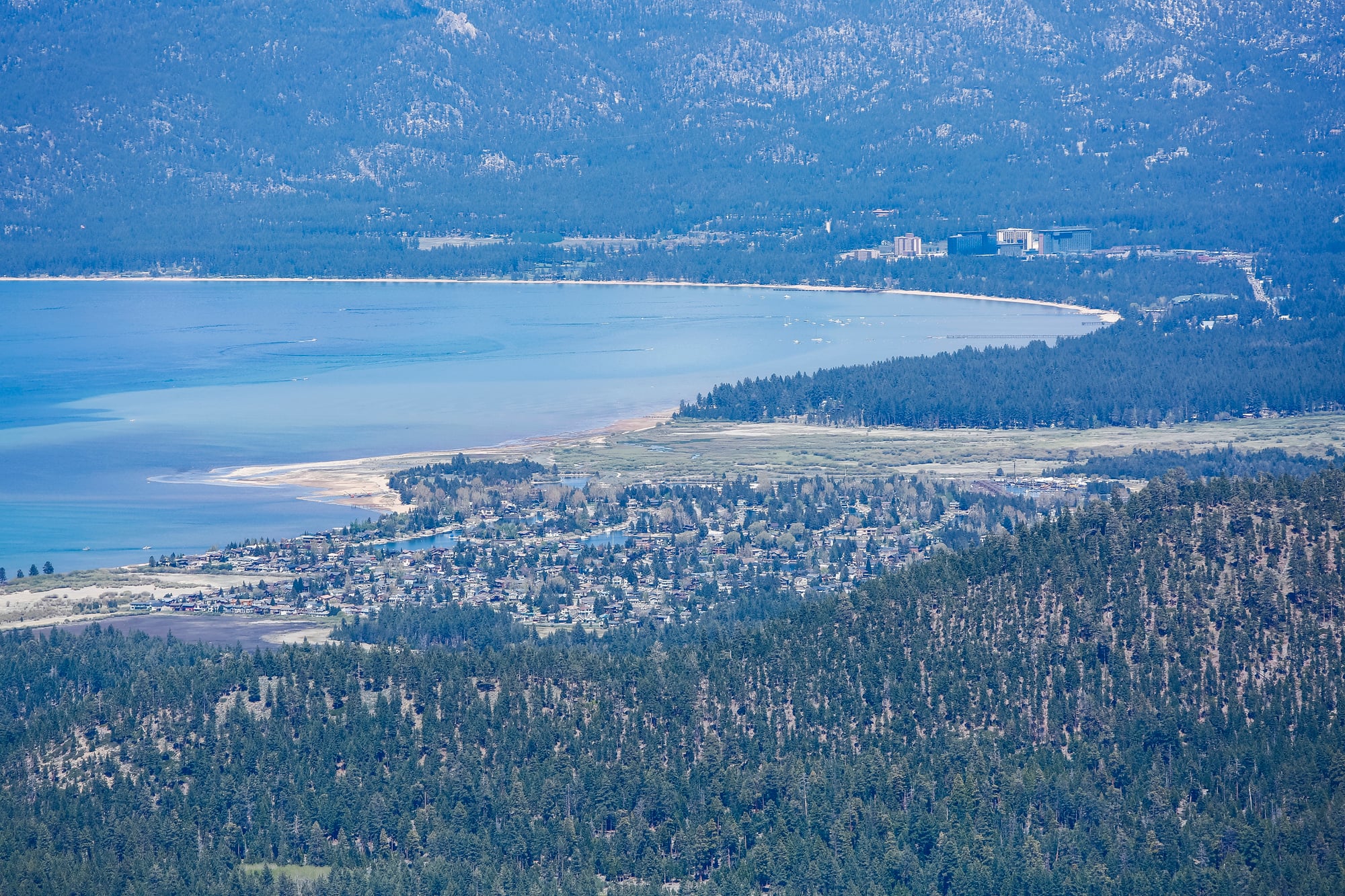
Lake Tahoe, straddling California and Nevada, has drawn attention for its striking natural beauty. Presidents and political figures have visited the area to step away from routine and reconnect with a different pace of life.
The lake itself becomes a focal point, offering both calm and scale. Still, its setting allows for both solitude and social interaction, depending on the moment.
It represents a blend of retreat and recreation.
The Everglades
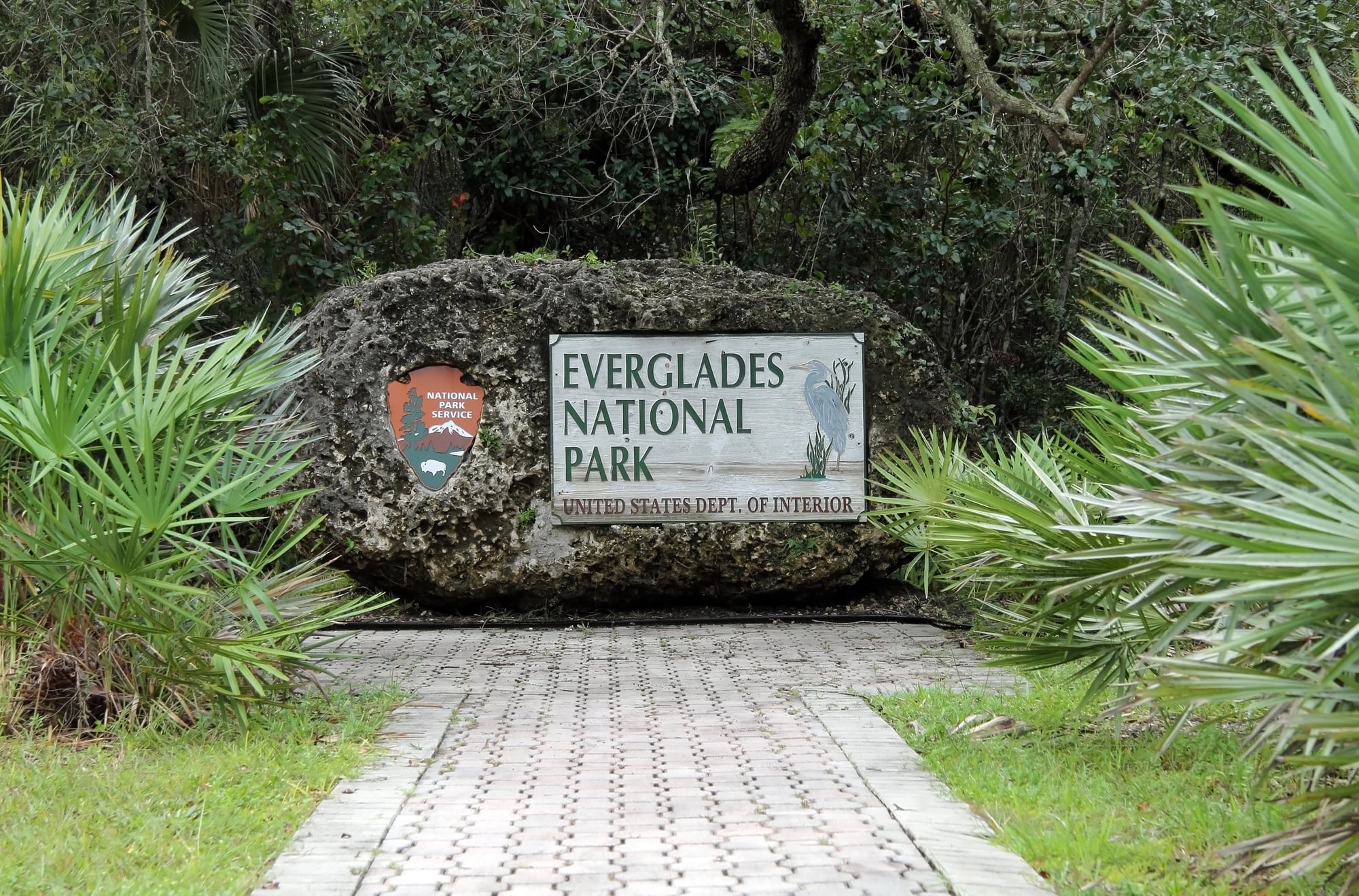
The Everglades offer a less conventional presidential escape. With their vast wetlands and unique ecosystem, they provide a setting that feels entirely different from typical destinations.
Presidents have visited the area for both leisure and environmental interest, highlighting its significance beyond recreation. The landscape encourages a different kind of awareness, one that feels more connected to nature.
Even so, its unpredictability adds a layer of intrigue.
How These Places Shape Leadership
Vacation choices of presidents tell stories beyond liking quiet places. Distance matters when duty never really ends, so retreats become escapes that still watch the clock.
One spot might hide them away, another brings childhood comfort, while some step into light on their own terms. Rest fits differently depending on who holds power and what they fear losing.
Today, the rhythm stays much like before. Though leadership demands haven’t eased, the methods people use to pull back have shifted slowly over time.
Such places still play their role, shaping choices and moments of insight without drawing attention. Distance, it turns out, can sharpen vision – especially when you’re used to being in the middle of everything.
More from Go2Tutors!

- The Romanov Crown Jewels and Their Tragic Fate
- 13 Historical Mysteries That Science Still Can’t Solve
- Famous Hoaxes That Fooled the World for Years
- 15 Child Stars with Tragic Adult Lives
- 16 Famous Jewelry Pieces in History
Like Go2Tutors’s content? Follow us on MSN.



