17 Most Beloved Stuffed Animal Brands
Walk into any toy store and plush companions of every shape, size, and softness level surround visitors on all sides. Not all stuffed animals are created equal, though.
Some brands have earned their place in the hearts of kids and collectors through decades of quality craftsmanship, innovation, and that indefinable magic that makes them irresistible to squeeze. Heritage names have been around since great-grandparents were kids, while modern brands are taking social media by storm — the world of plush toys is more diverse and vibrant than ever.
Here’s a closer look at the brands that have mastered the art of creating cuddle-worthy companions.
Jellycat
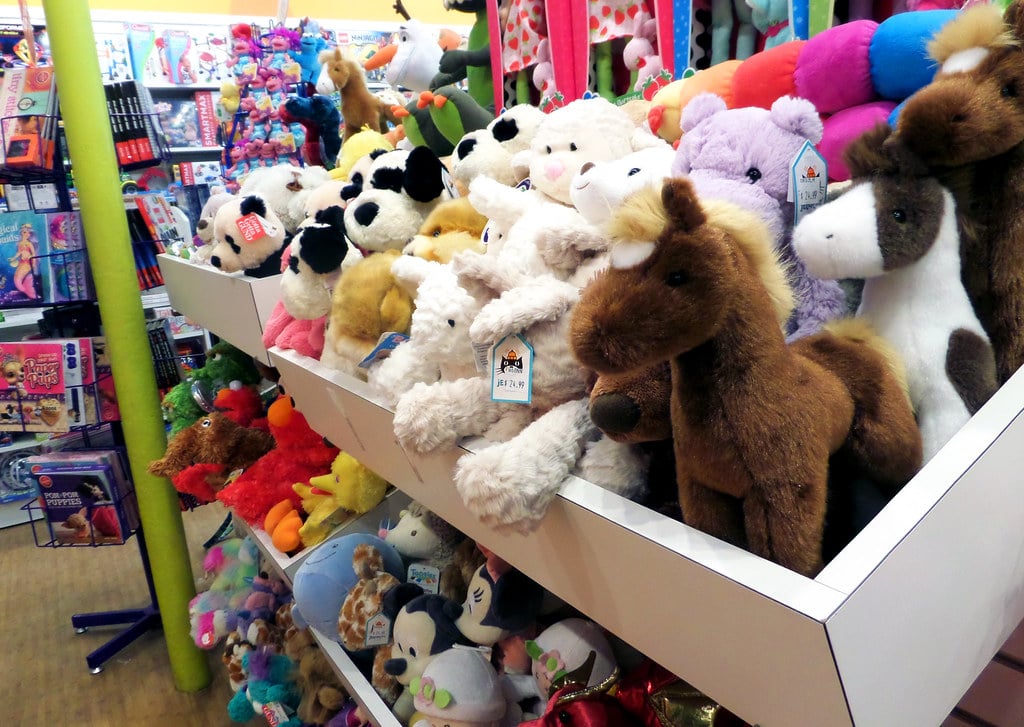
This British brand has become the darling of gift registries and Instagram feeds alike, and for good reason. Founded in 1999, Jellycat creates some of the softest, most irresistibly huggable plush toys on the market.
Their signature Bashful Bunny line comes in dozens of colors and sizes — though the brand’s creativity extends far beyond rabbits. Jellycat makes anthropomorphized fruits, vegetables, and even fungi characters that somehow manage to be both quirky and adorable.
Every item features luxurious fabrics and impeccable construction quality. Parents consistently report these toys holding up beautifully through years of love and countless cuddle sessions.
The brand’s contemporary aesthetic appeals to design-conscious adults as much as it delights children. They command premium prices, yet fans argue the quality and charm justify every dollar.
Squishmallows
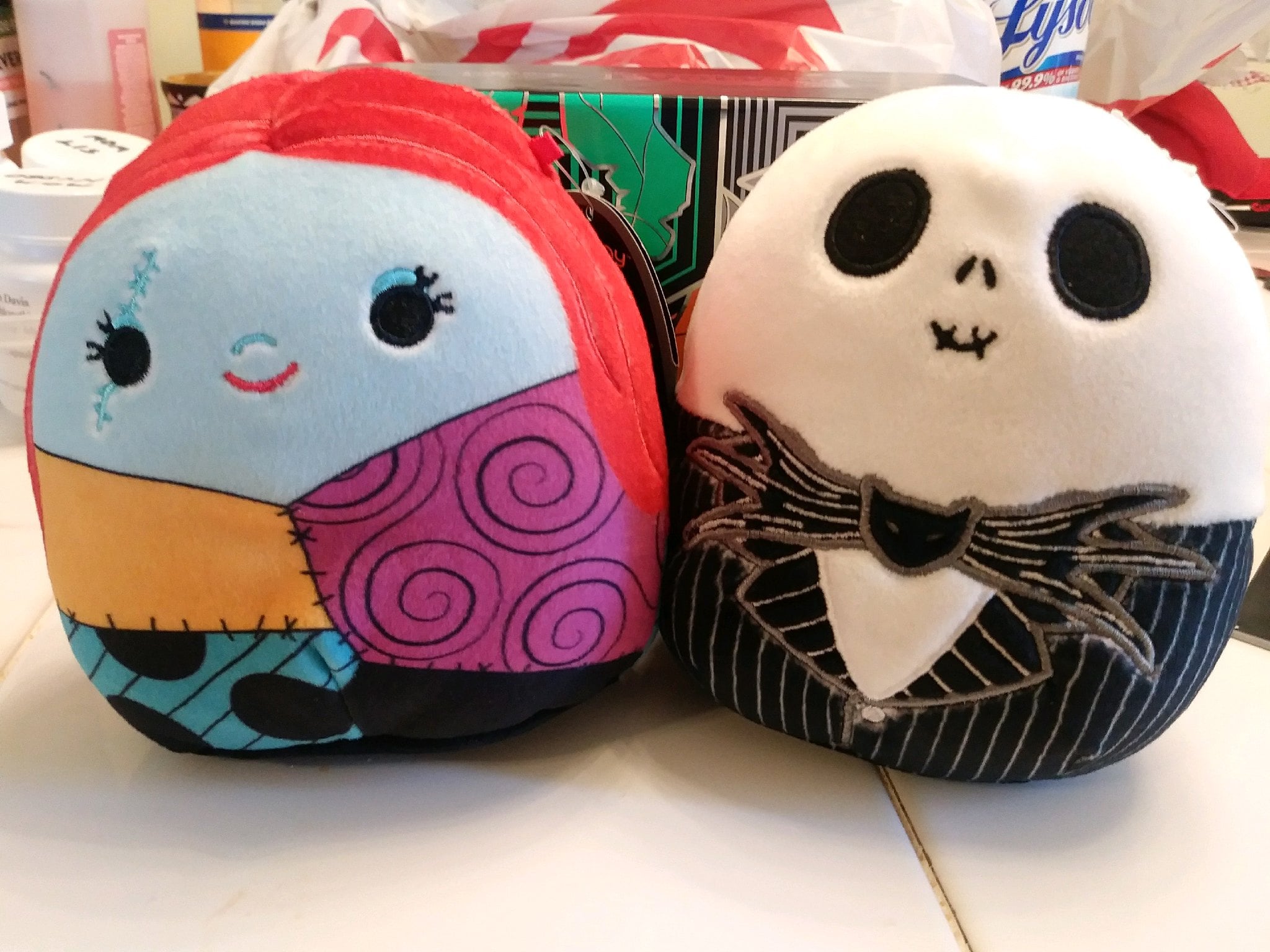
If Beanie Babies defined the 1990s, Squishmallows are having their moment right now. Created by Kellytoy in 2017 and now owned by Jazwares, these marshmallow-soft plushies have sparked a collecting frenzy that shows no signs of slowing.
What makes them special starts with that signature squishy texture and gumdrop shape. Each character has a name, a birthday (or “squishdate”), and a personality description on its tag.
The brand has created over 800 characters. They range from animals to food items to mythical creatures.Sizes vary from keychain-tiny at three and a half inches to pillow-sized at 24 inches.
The embroidered features mean no hard plastic parts, making them genuinely comfortable for sleeping.Certain rare designs have sold for hundreds of dollars on secondary markets.
The brand has earned particular praise for inclusive representation — some characters use they/them pronouns while others are described as having social anxiety. Prices typically stay under 15 dollars at retail, making them accessible despite their wild popularity.
GUND
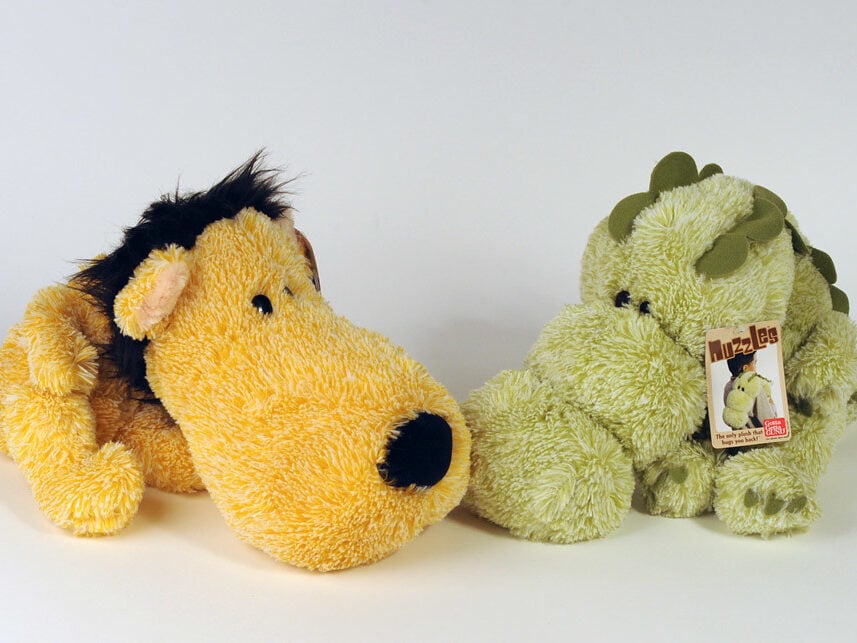
When people say a teddy bear is “soft as a cloud,” they’re probably thinking of GUND. This American company has been making plush toys since 1898. That makes it one of the oldest in the business.
They pioneered the teddy bear commercially and have spent over a century perfecting their craft. GUND’s signature under-stuffing technique creates an exceptionally soft, floppy feel that’s become their trademark.
Their most famous creation, Snuffles, has been a bestseller since 1980 with its distinctive crescent moon face. The brand also produces licensed characters from Pokemon to Sesame Street.
Parents trust GUND for their baby’s first stuffed animal because the quality is so consistently reliable. Though they’re pricier in retail stores, the plushies last long enough to become genuine heirlooms passed down through families.
Steiff
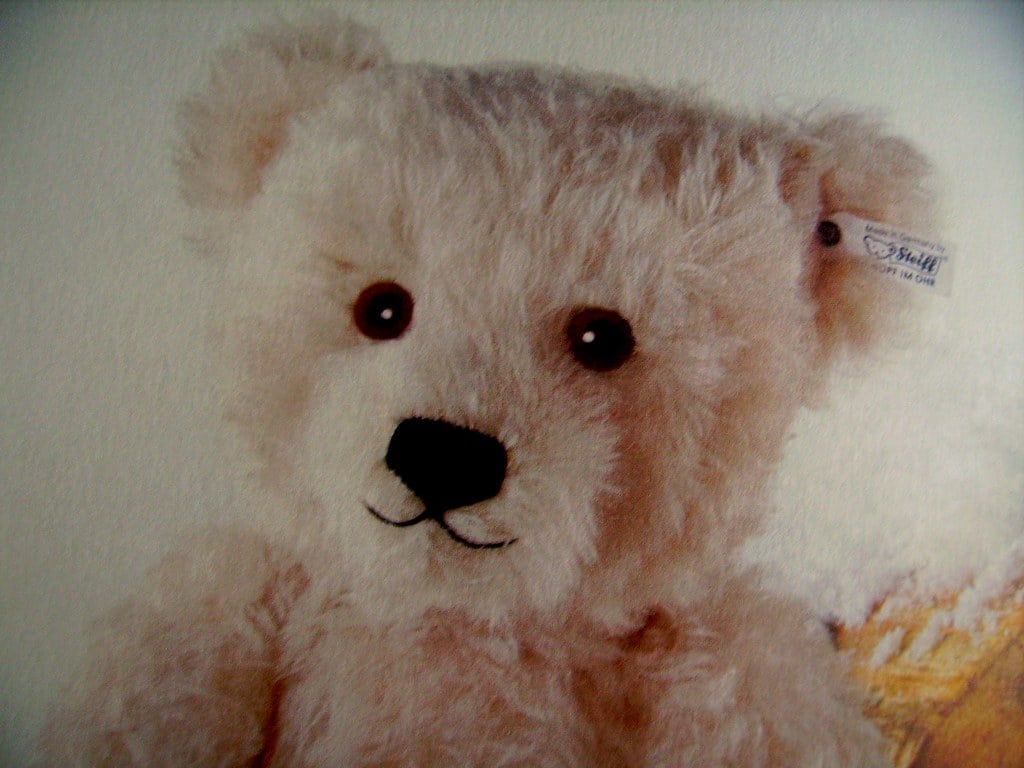
If stuffed animals had royalty, Steiff would wear the crown. This German company invented the teddy bear as it’s known today in 1902.
Margarete Steiff started the company in 1880, and her nephew Richard created the first jointed bear design that sparked a worldwide craze. Every Steiff animal comes with their famous “button in ear” trademark.
These aren’t toys for rough play. They’re heirloom pieces often made from mohair with meticulous hand-stitching and jointed limbs.
Rare vintage Steiff bears have sold at auction for over $100,000. New pieces remain expensive, yet collectors consider them investments. The craftsmanship and attention to historical detail set Steiff apart from every other plush brand.
They represent the pinnacle of traditional teddy bear making.
Ty
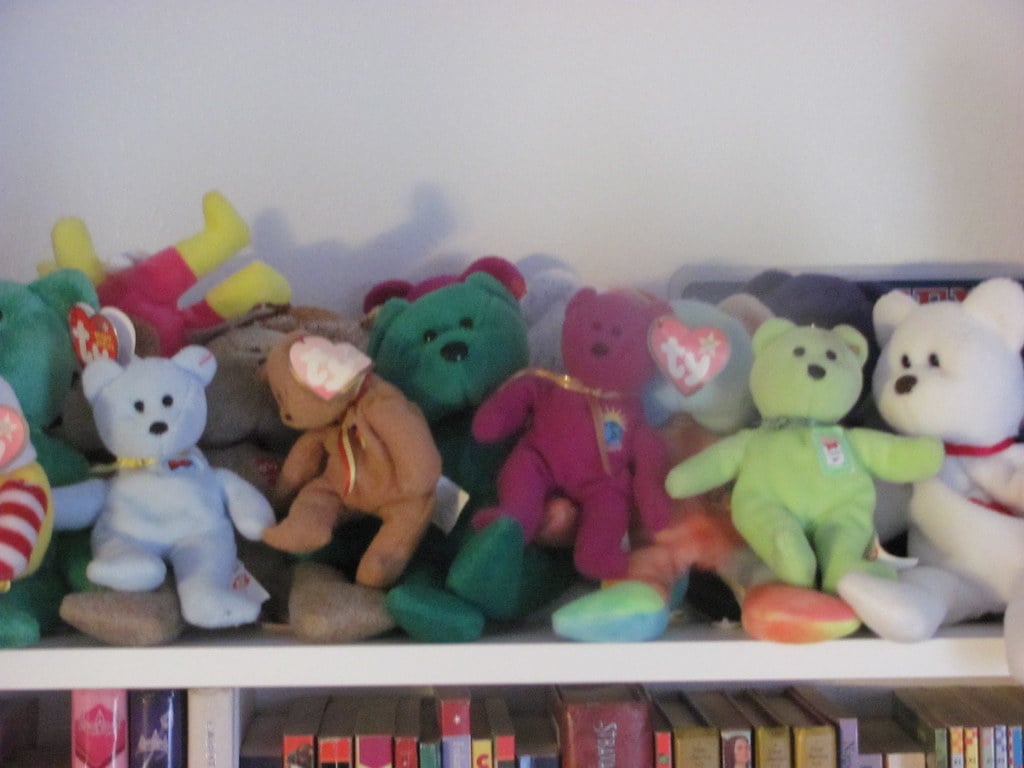
The name Ty is synonymous with one of the wildest collecting phenomena in toy history. Harold Ty Warner founded the company in 1986, though it was his 1993 introduction of Beanie Babies that changed everything.
These bean-filled, understuffed plush animals became so coveted that people invested retirement funds in them. The market eventually crashed.
Ty survived and adapted, even so.Today they produce several lines including Beanie Boos with oversized glittery eyes, and Squish-A-Boos that compete directly with Squishmallows.
Each toy comes with that iconic heart-shaped tag featuring the character’s name, birthday, and a short poem. The brand releases limited editions and retires designs strategically to maintain collector interest.
They’ll never quite recreate that 1990s mania, still Ty remains a major player beloved by new generations of kids.
Aurora World
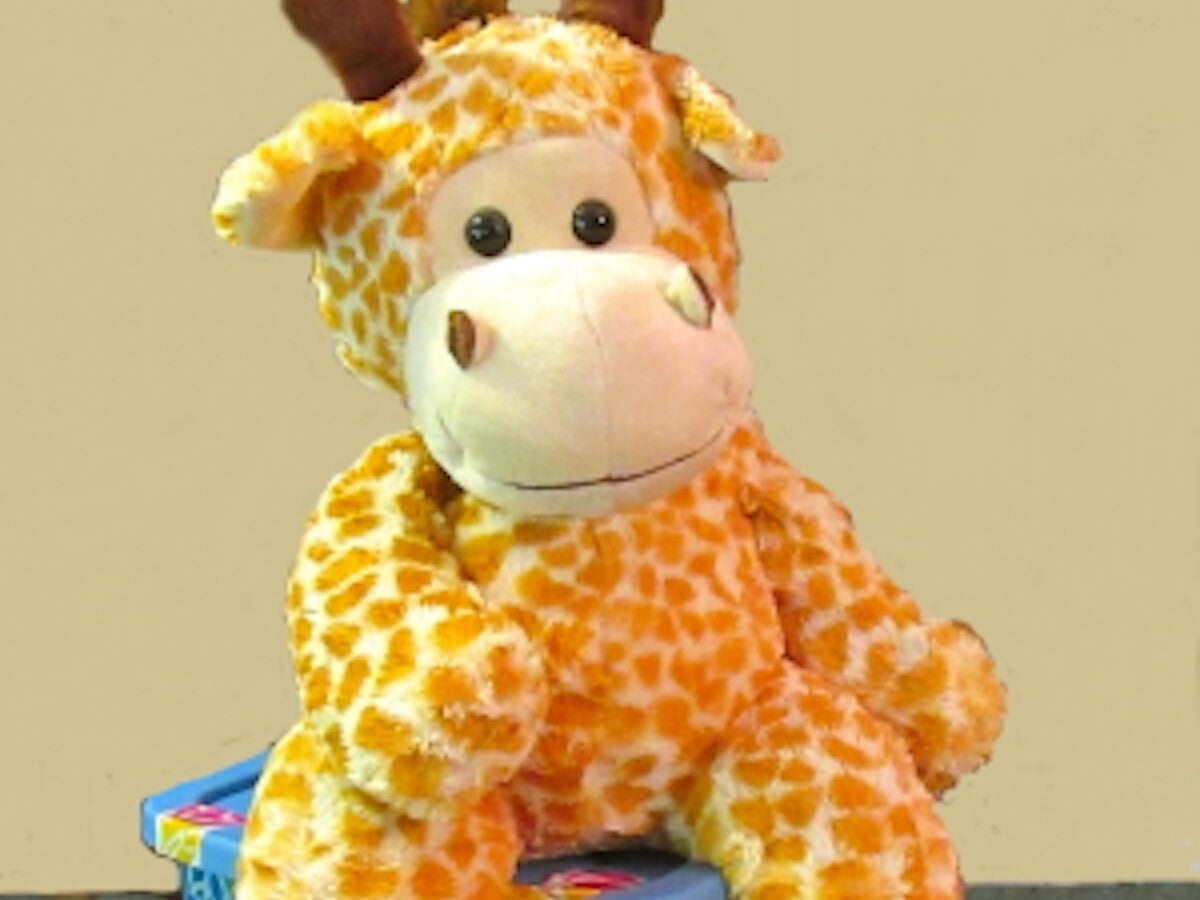
Aurora proves heritage or premium pricing aren’t necessary to win hearts. Founded in South Korea in 1981 before moving to the UK in 1996, this brand delivers impressive quality at competitive prices.
They’re particularly beloved for their squishy, non-jointed animals and machine-washable construction. Parents appreciate not having to hand-wash or spot-clean these toys.
Aurora produces both original designs and collaborates with other brands like TastyPeach. Their Mini Flopsie line offers adorable pocket-sized companions.
The company has grown into a global leader in plush toys while maintaining accessibility. In 2023, Aurora acquired Mary Meyer, expanding their reach into the baby plush market even further.
Douglas
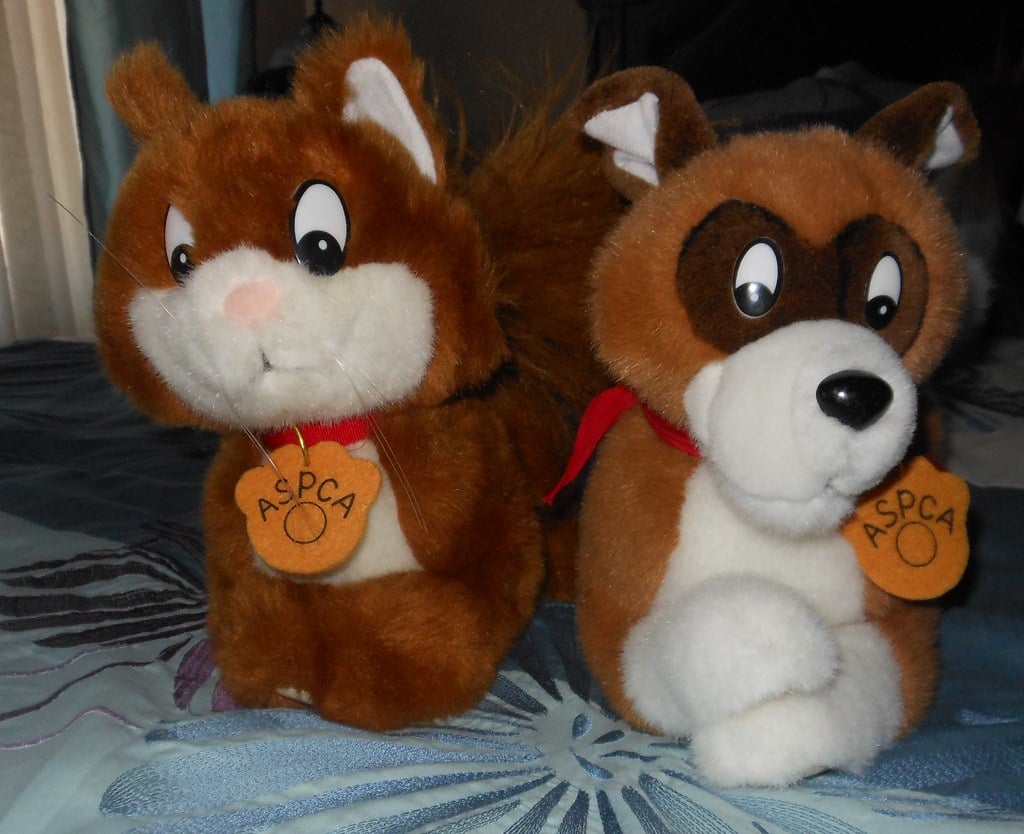
Since 1956, Douglas Cuddle Toys has built a reputation for realistic, lifelike animal plushies. Their craftsmanship shows in the details — from accurate coloring to distinctive poses.
Each toy undergoes strict quality control to ensure it meets their high standards. The company focuses on innovation and design, constantly introducing new styles.
Bright pink elephants aren’t really their thing. Douglas leans into natural beauty and authenticity instead.
Their plushies appeal to both children who want animal companions and adult collectors seeking display-worthy pieces. The brand has a particularly strong presence in North America.
Douglas excels at creating animals shoppers won’t easily find elsewhere, filling that niche for kids obsessed with less common creatures.
Melissa & Doug
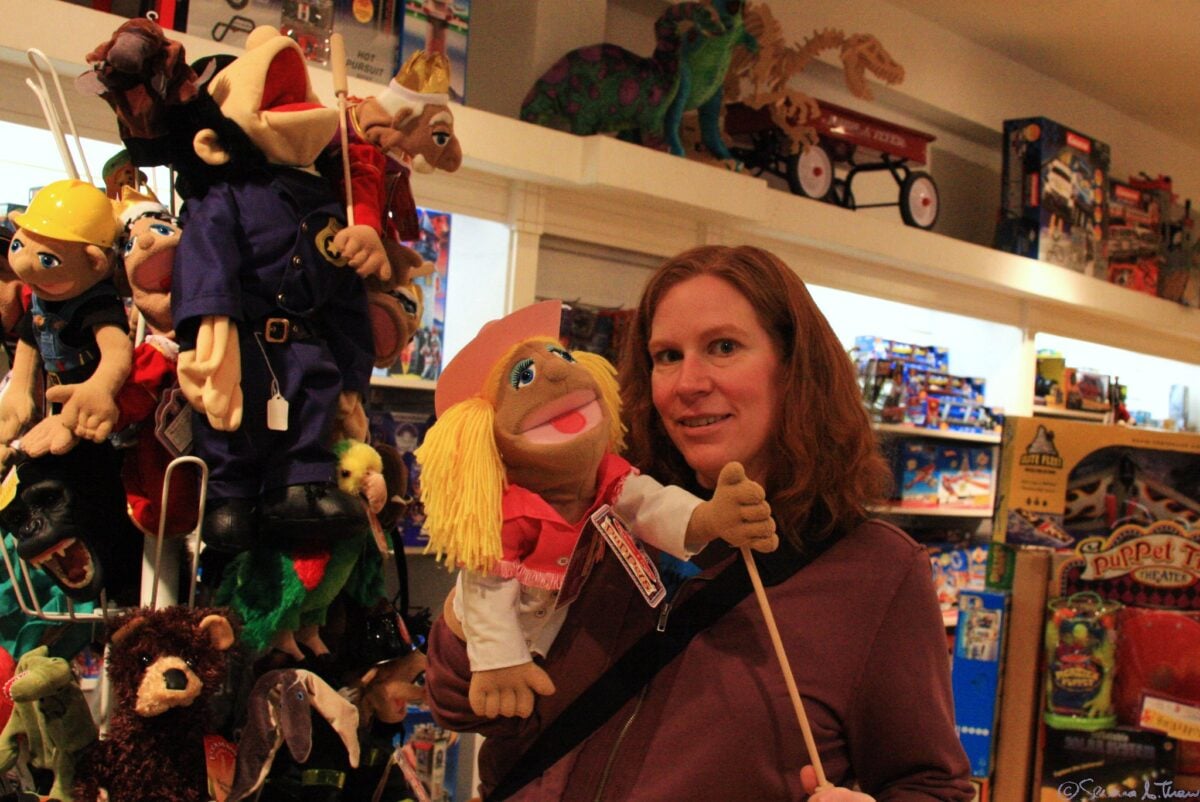
This husband-and-wife team started their company in 1988 with a focus on imaginative, creative play. While known for wooden toys and puzzles, their plush line deserves serious attention.
Melissa & Doug specializes in large-scale stuffed animals — the kind that become furniture pieces in kids’ rooms. Their giant unicorns, giraffes, and dragons feature sturdy construction and surface-washable fabrics that hold up to enthusiastic play.
The brand maintains an educational bent even with plush toys. They often create animals that spark curiosity about the natural world.
They’ve become one of the most successful toy companies globally while staying committed to their founding principles. Their oversized plushies make spectacular gifts that create genuine wow moments.
Build-A-Bear
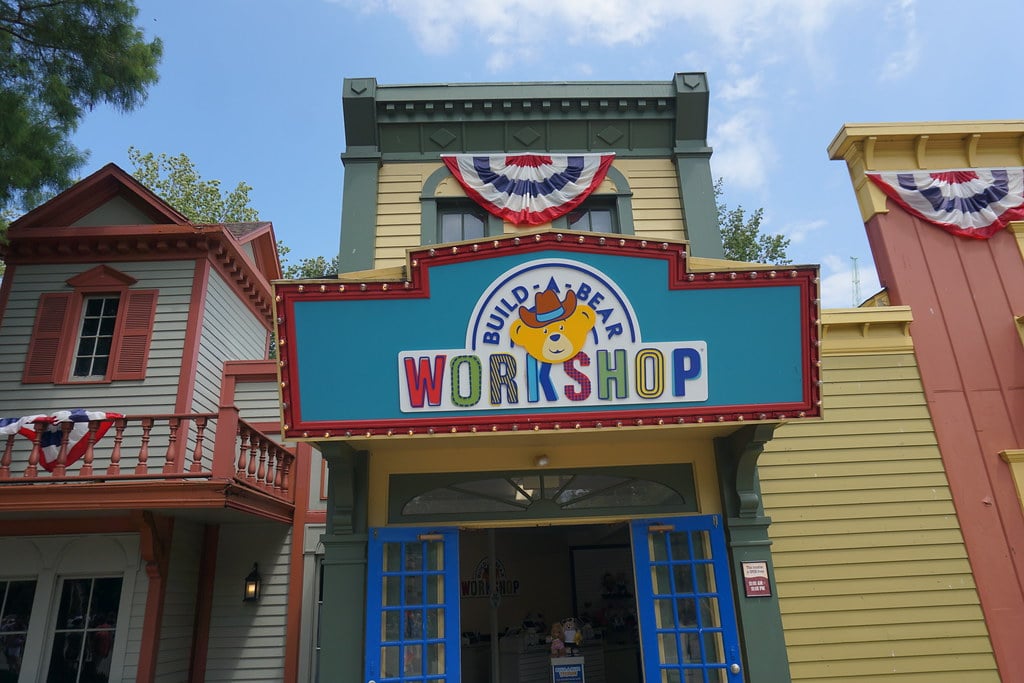
Build-A-Bear transformed stuffed animals from products into experiences.Founded in 1997, the brand created an entirely new retail concept. Customers don’t just buy a bear — they participate in creating it.
Shoppers choose their animal, stuff it, add a heart, pick clothes and accessories, and receive a birth certificate. The hands-on process makes the final product feel deeply personal.
The company offers both original characters and licensed ones from popular franchises. Though the experience comes at a premium price, it creates memories alongside the physical toy.
Build-A-Bear has expanded from mall stores to online customization. They’ve tapped into the desire for personalization in a way no other plush brand has matched.
The bears themselves are well-made, yet the real product is the emotional connection built during creation.
Warmies
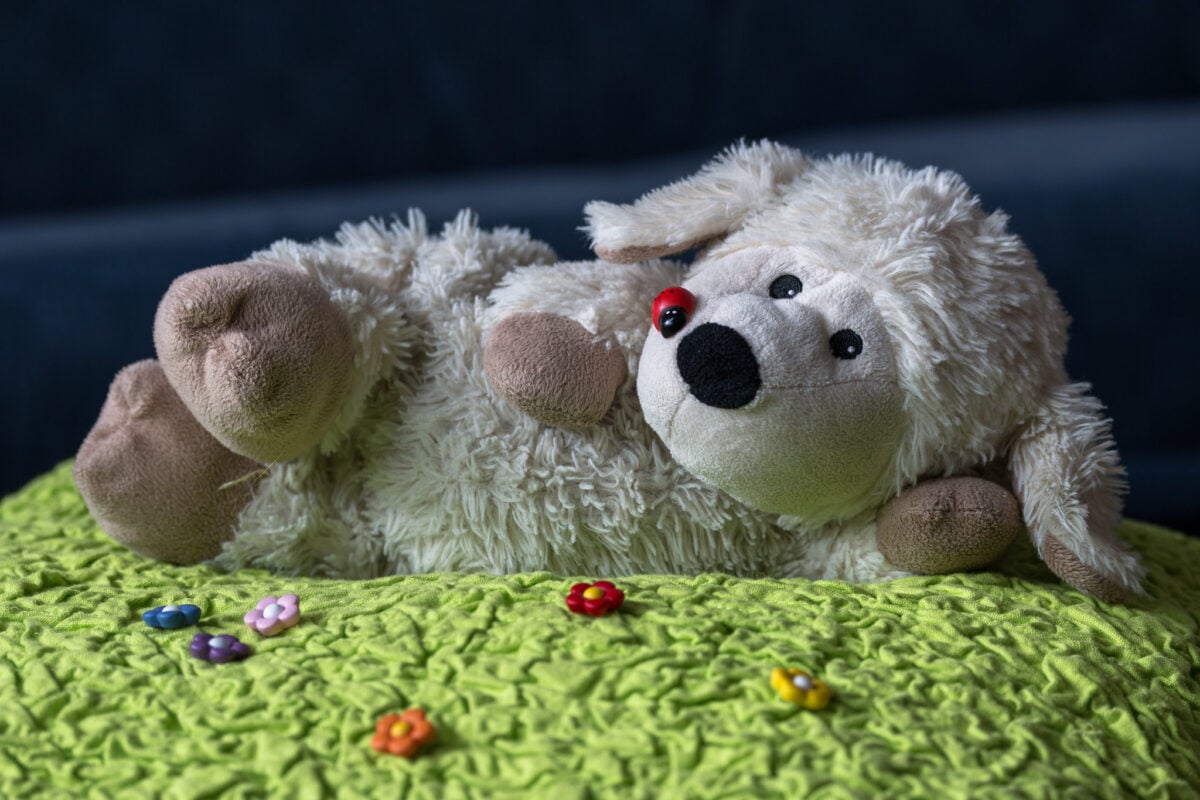
Warmies occupy a unique niche in the plush world. These aren’t just cuddle companions — they’re therapeutic tools.
Each Warmie can be microwaved to provide soothing warmth and contains dried French lavender for aromatherapy benefits. They’re particularly popular for bedtime routines, helping kids (and adults) wind down for sleep.
The gentle weight combined with warmth creates a comforting hug-like sensation. They’re excellent for managing anxiety, providing sensory comfort, or soothing minor aches.
The downside? They require special care and can’t be washed like regular stuffed animals.Even so, for those seeking emotional support plushies with added functionality, Warmies deliver something genuinely different from typical toys.
Slumberkins
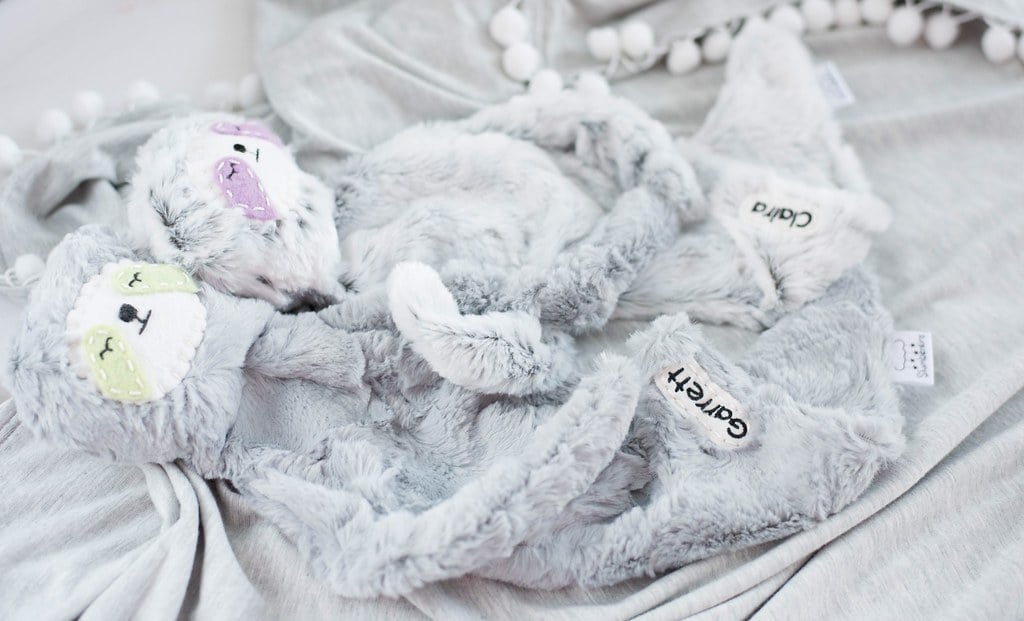
This brand takes stuffed animals into emotional education territory. Each Slumberkin plush represents a different social-emotional theme like gratitude, mindfulness, conflict resolution, or self-esteem.
They come with accompanying board books and affirmations designed to help children process feelings and develop emotional intelligence. The plushies themselves are beautifully made with soft, snuggly fabrics.
The real value lies in the thoughtful framework they provide for discussing big feelings with little kids. Parents and educators have embraced Slumberkins as tools for building emotional literacy.
The brand recognizes that stuffed animals often become confidants for children. They’ve intentionally created companions that support healthy emotional development.
This represents a new direction in purpose-driven toy design.
Mary Meyer
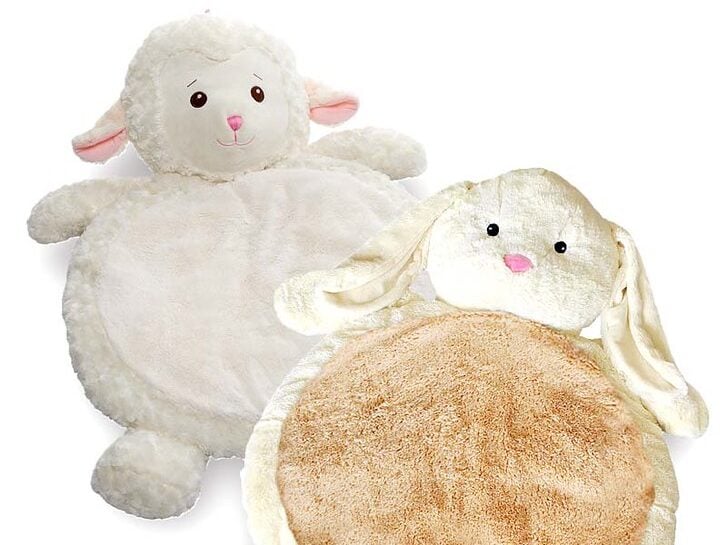
This Vermont company has been quietly creating childhood companions since 1933. Mary Meyer started during the Great Depression making toys from fabric scraps as gifts for her own children.
Nearly a century later, the family-run business produces over 400 products. Their Marshmallow Zoo, Putty Toys, and Taggies lines are particularly beloved.
Mary Meyer specializes in baby-safe plush with features like button-style eyes designed to meet safety standards for infants.The brand has won multiple Oppenheim Gold Seal awards for quality.
Their focus on baby and toddler products means extra attention to softness, durability, and safety. In 2023, Aurora World acquired the company, though the Mary Meyer design team continues creating their distinctive styles.
They represent that sweet spot of heritage craftsmanship meeting modern safety standards.
Hasbro
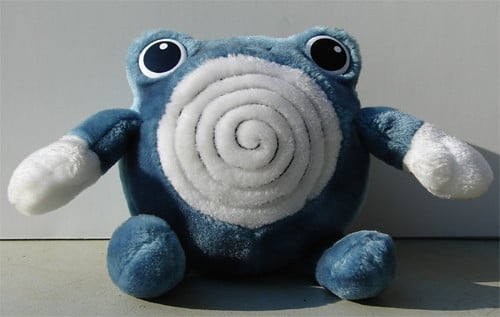
This toy giant is better known for board games and action figures, yet their plush line deserves recognition. Hasbro’s strength lies in licensed characters from massive franchises.
Want Paw Patrol, Star Wars, Disney, or Sesame Street plushies? Hasbro delivers official versions with attention to detail and quality materials.
They’ve been in the toy business since the 1940s when the three Hassenfeld brothers transformed their textile business into a toy empire. Their plush toys benefit from decades of manufacturing expertise.
While they’re not pushing boundaries in original plush design, Hasbro excels at bringing beloved characters from screens to stuffed form. For kids obsessed with specific shows or movies, official Hasbro plush toys hit differently than generic alternatives.
Cuddle + Kind
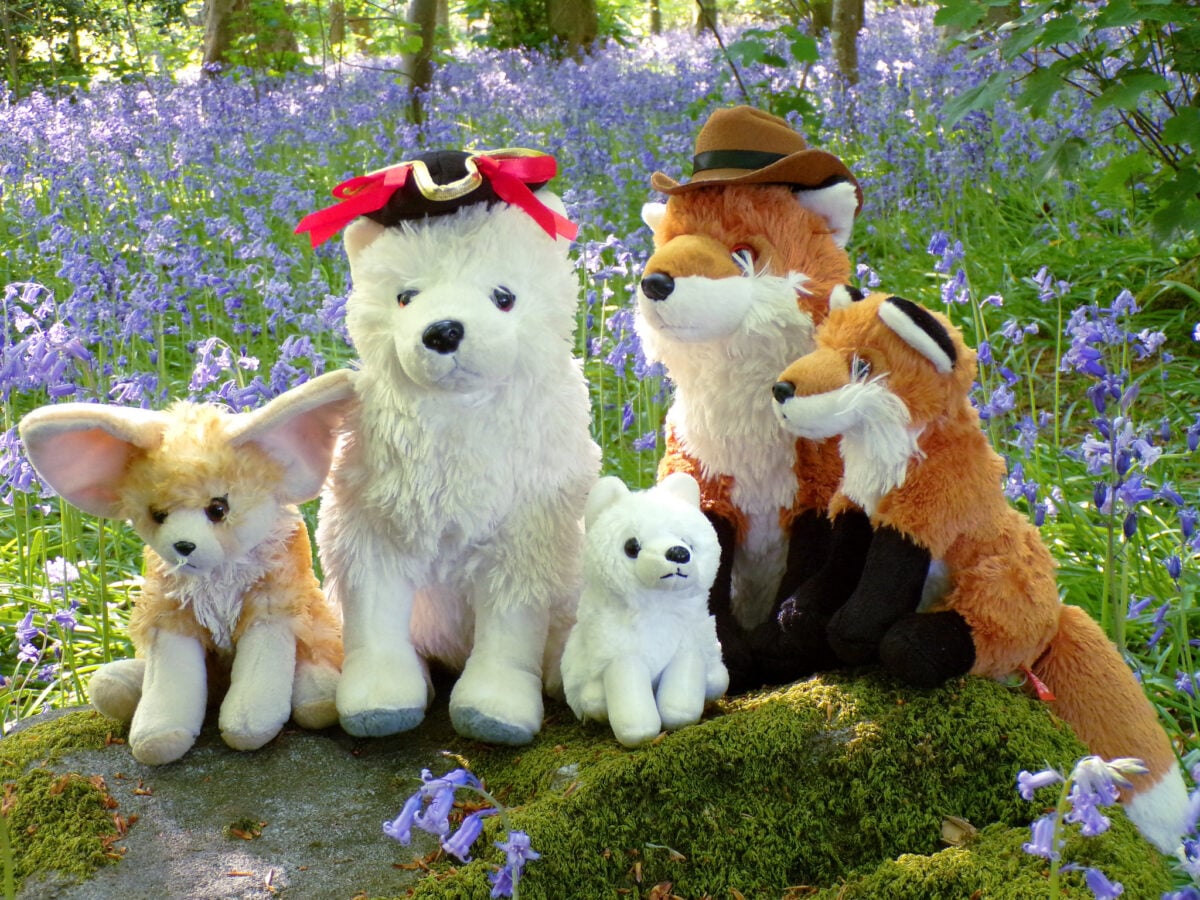
This brand proves business can be a force for good. Peruvian artisans handcraft each Cuddle + Kind doll from cotton yarn with hypoallergenic fill.
The dolls come in two sizes — 20 inches and 13 inches — with sweet details like striped overalls on characters like Avery the Lamb.Here’s what sets them apart: for every doll sold, Cuddle + Kind provides 10 meals to children in North America and around the world.
They’ve provided millions of meals since founding. The dolls themselves are beautiful, with care and craftsmanship evident in every stitch.
They feel special to give and receive, knowing each purchase contributes to fighting childhood hunger. It’s a premium product at a premium price, though one that delivers both quality and social impact.
FAO Schwarz

FAO Schwarz brings old-world sophistication to stuffed animals. Founded in 1862, it’s the oldest toy store in America.
Frederick August Otto Schwarz declared it the “Original Santa Claus Headquarters,” and that prestige continues today. Their plush toys lean toward the elegant end of the spectrum — think teddy bears with bow ties and dainty accessories.
These are toys that look display-worthy even while providing comfort. The brand targets gift-givers seeking something extra special for milestone occasions.
FAO Schwarz plushies carry that legacy cachet. They’re not just toys but pieces of American toy history.
Other brands have surpassed them in volume and innovation, yet FAO Schwarz maintains its position through heritage and premium positioning.
Hansa
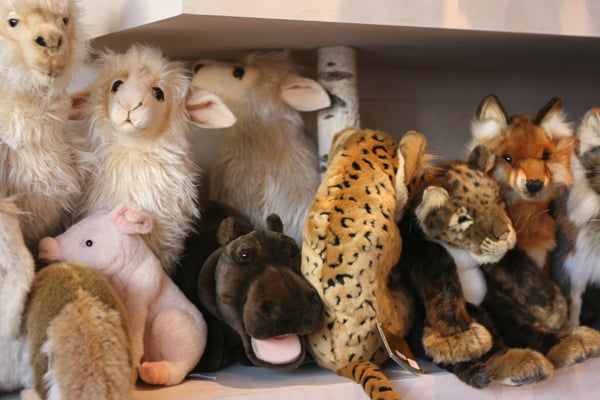
For those seeking museum-quality realism, Hansa delivers. This German company creates incredibly lifelike plush animals ranging from tiny tarsiers to woolly mammoths.
Each piece is handmade using luxurious materials and manufactured to the highest safety standards. The level of detail is remarkable — accurate proportions, realistic coloring, and distinctive poses all contribute to their authenticity.
Hansa plushies are extensively used as props in theatrical productions, television programs, movies, and corporate events because they photograph and film so convincingly. They’re popular with educators and nature lovers who want plush that reflects actual animal characteristics.
Collectors prize Hansa for their commitment to realism over cuteness. These aren’t meant for rough toddler play but rather for those who appreciate plush as an art form.
Chicco

This Italian brand has built a reputation as a go-to source for baby essentials, and their plush toys maintain that standard. Chicco creates soft toys from 100 percent baby-safe materials, often bundled cleverly with pacifiers or as part of sensory development sets.
The brand demonstrates serious commitment to sustainability with their Social Commitment to Sustainable Products and Responsible Value Chain initiatives. They’re thinking about the world these babies will inherit.
Chicco plushies feature gentle colors and simple designs appropriate for developing vision and touch. Parents trust the brand’s safety standards and appreciate their environmental consciousness.
Though they don’t have the collector appeal of some brands, Chicco excels at creating safe, sustainable first friends for the youngest humans.
Still Hugging After All These Years
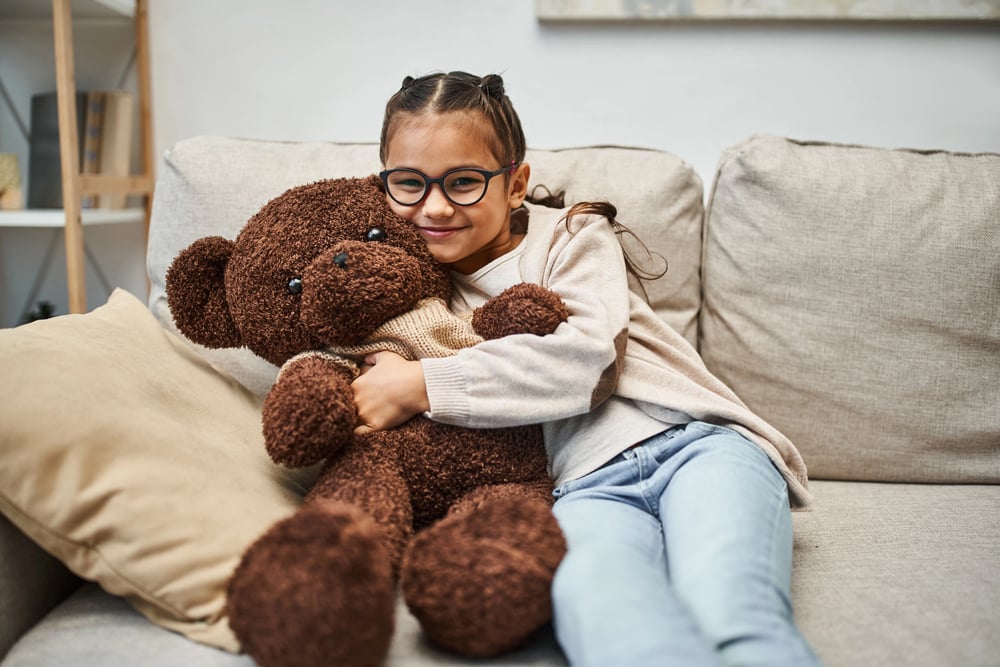
The stuffed animal industry has evolved remarkably from those first teddy bears over a century ago. Today’s brands range from heritage names preserving traditional craftsmanship to innovative companies pushing boundaries with therapeutic features or social missions.
Some focus on premium collectibles. Others prioritize accessibility and washability for everyday play.
The common thread remains that universal need for comfort and companionship that transcends age. Whether drawn to Steiff’s heirloom quality, Squishmallows’ modern collecting culture, or Slumberkins’ emotional support framework, there’s a plush brand creating exactly what people need.
These companies understand they’re not just manufacturing toys but crafting childhood memories and adult comforts that last lifetimes.
More from Go2Tutors!

- The Romanov Crown Jewels and Their Tragic Fate
- 13 Historical Mysteries That Science Still Can’t Solve
- Famous Hoaxes That Fooled the World for Years
- 15 Child Stars with Tragic Adult Lives
- 16 Famous Jewelry Pieces in History
Like Go2Tutors’s content? Follow us on MSN.



