17 Most Guarded Vaults Located Within the US
Some places are built to keep people out. Not just with a lock and a key, but with layers of steel, armed guards, motion sensors, and protocols so strict that even the people running them can’t act alone.
These vaults aren’t just secure — they’re engineered to resist just about anything short of a full military assault.
Here’s a look at 17 of the most heavily protected vaults in the United States, and what makes each one so hard to get into.
1. Fort Knox — Kentucky

Fort Knox is the name people reach for whenever they want to describe something impossible to break into, and that reputation holds up. The United States Bullion Depository sits on a military base and stores a significant portion of the country’s gold reserves.
The vault door alone weighs over 20 tons, and no single person holds the full combination — it requires multiple staff members to open it. The surrounding base adds another layer: armed soldiers, Apache helicopters, and fencing that means business.
2. Federal Reserve Bank of New York — Manhattan
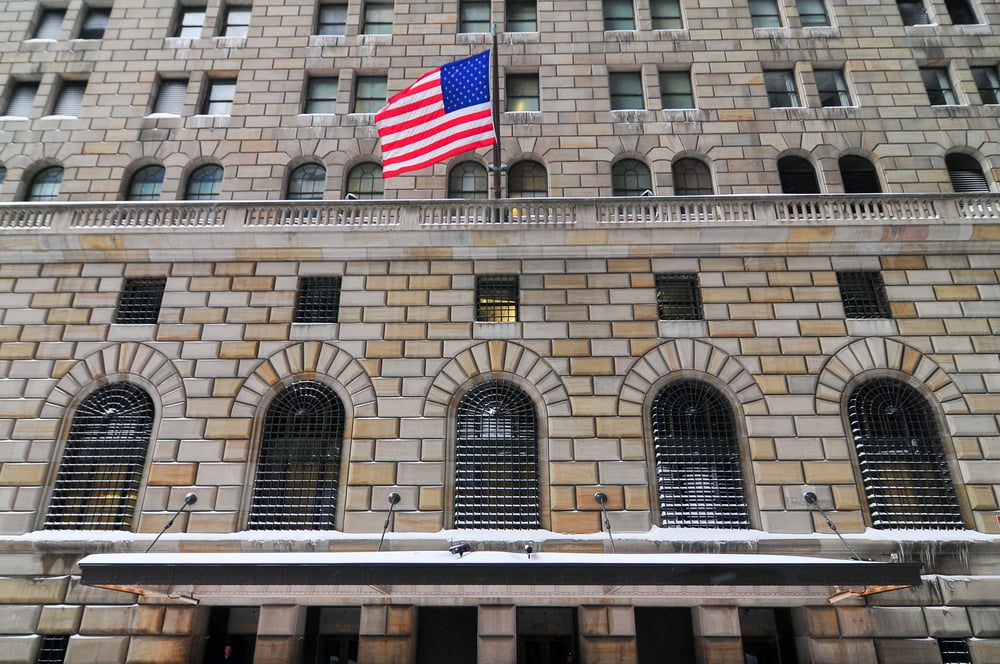
Five stories below street level, beneath one of the busiest cities in the world, sits a vault built directly into the bedrock of Manhattan. It holds more gold than Fort Knox — much of it belonging to foreign governments and international institutions.
To get in, you pass through a 90-ton steel cylinder that rotates into a frame and seals with a time lock. Staff use retinal scans, and armed guards handle everything from there.
Getting gold in or out requires teams of workers in special shoe covers, and every movement gets logged.
3. Cheyenne Mountain Complex — Colorado

Originally built as a command center to survive a nuclear strike, Cheyenne Mountain sits inside a granite mountain near Colorado Springs. The structure is mounted on massive springs to absorb shock from explosions.
Blast doors that weigh 25 tons seal the entrance. The complex has its own power supply, water supply, and air filtration system.
It’s not just a vault — it’s a self-contained city designed to keep functioning when everything outside stops.
4. Iron Mountain — Pennsylvania
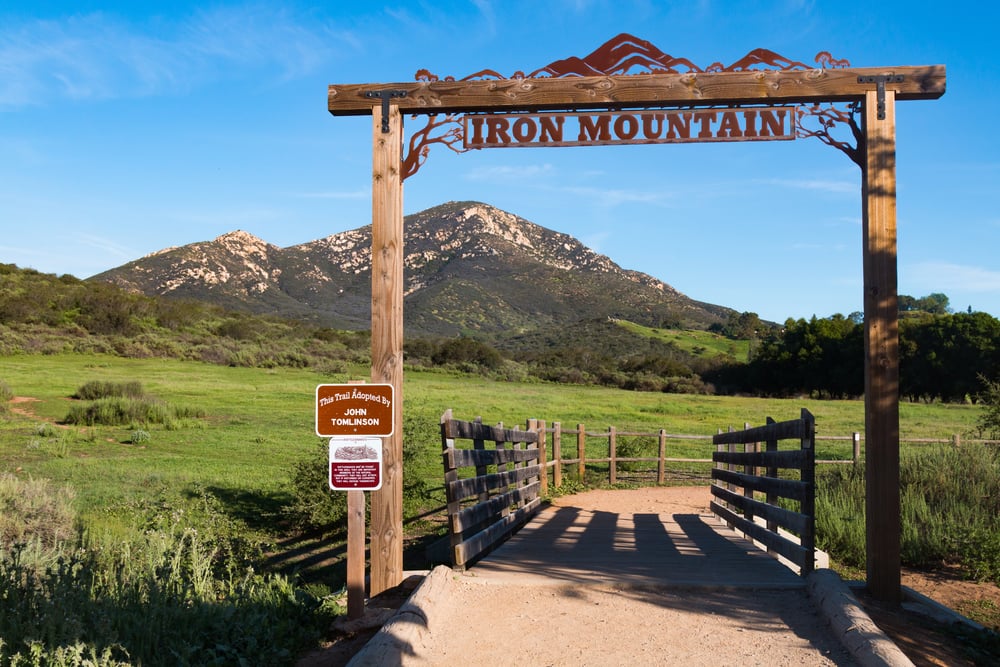
Iron Mountain started as an actual mine. The limestone caves were repurposed into one of the most secure data and physical storage facilities in the country.
Buried 220 feet underground, the facility stores original master recordings, film negatives, business records, and irreplaceable documents for thousands of companies. Security includes biometric checkpoints, armed patrols, and blast-proof vaults within the already fortified mine.
The temperature and humidity are carefully controlled, and the whole place is designed to outlast almost any surface-level disaster.
5. The Mormon Church’s Granite Mountain Records Vault — Utah
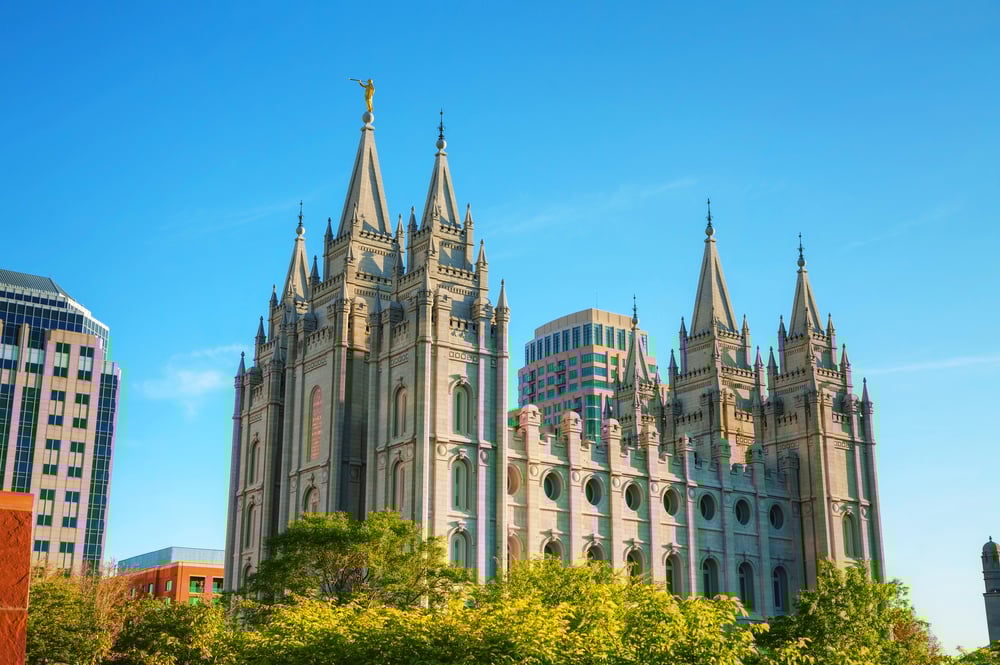
Built into the side of a granite mountain outside Salt Lake City, this vault belongs to The Church of Jesus Christ of Latter-day Saints. Inside are over 3.5 billion images of genealogical records — microfilm, digital files, and documents stretching back centuries.
The vault sits 700 feet inside the mountain, protected by massive steel doors and a climate-control system designed to preserve records for hundreds of years. It’s not just about security from intruders — the facility is built to survive almost any natural or man-made catastrophe.
6. The Svalbard Vault’s American Counterpart: USDA National Center for Genetic Resources Preservation — Colorado
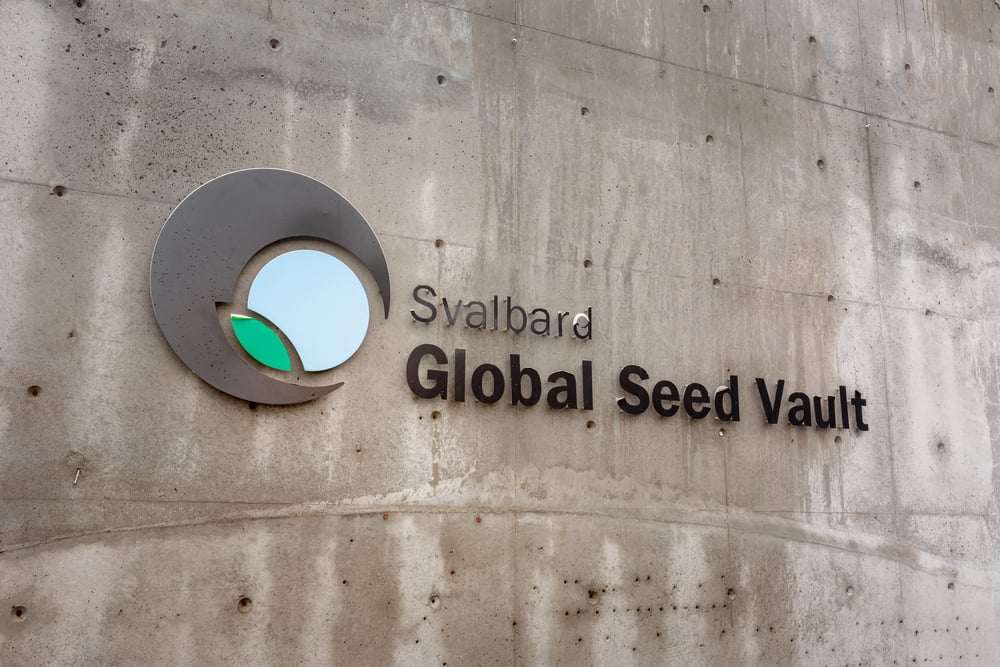
While the Svalbard Global Seed Vault gets most of the press, the USDA facility in Fort Collins, Colorado quietly does similar work on American soil. It stores seeds, plant DNA, and genetic material from thousands of crop species.
The building is fortified, climate-controlled, and operates with backup power systems. Access is restricted, and the materials inside are considered critical to national food security.
It doesn’t look dramatic from the outside, which is sort of the point.
7. The Greenbrier Resort Bunker — West Virginia

For decades, the bunker beneath the Greenbrier Resort in White Sulphur Springs was one of the best-kept secrets in the American government. Built in the 1950s, it was designed to house the entire US Congress in the event of a nuclear attack.
The entrance was hidden behind a facade of the hotel itself. Steel blast doors, decontamination rooms, a power plant, and enough supplies to sustain hundreds of people for months were all concealed there.
The secret was eventually exposed in 1992, and the bunker is now a museum — but it remains a striking example of how seriously continuity of government was taken during the Cold War.
8. NSA Data Center — Utah
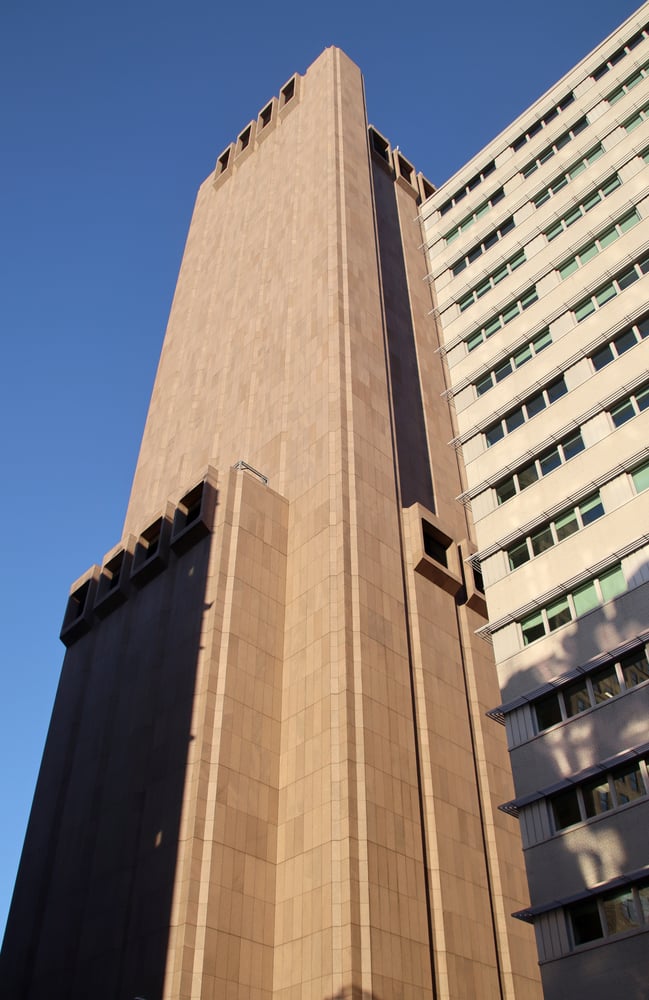
The National Security Agency’s data center in Bluffdale, Utah is one of the largest intelligence-gathering storage facilities ever built. Spanning over a million square feet, the complex stores intercepted communications and data gathered from around the world.
The perimeter is secured by armed guards, fencing with razor wire, and surveillance systems. The actual servers are housed deep within the facility, protected by electronic security measures, and the whole operation runs on its own power infrastructure.
What’s inside remains classified.
9. Deep Underground Command Center — Raven Rock Mountain Complex, Pennsylvania

Raven Rock sits inside a mountain near the Maryland-Pennsylvania border and functions as an alternate Pentagon. It’s where military leadership would relocate during a major national crisis.
The facility is carved into granite and contains offices, communication systems, and infrastructure needed to run military operations independently. Access is strictly controlled, the perimeter is heavily patrolled, and much of what goes on inside is classified.
It’s sometimes called “Site R” by those who work there.
10. The Mint — San Francisco and Philadelphia
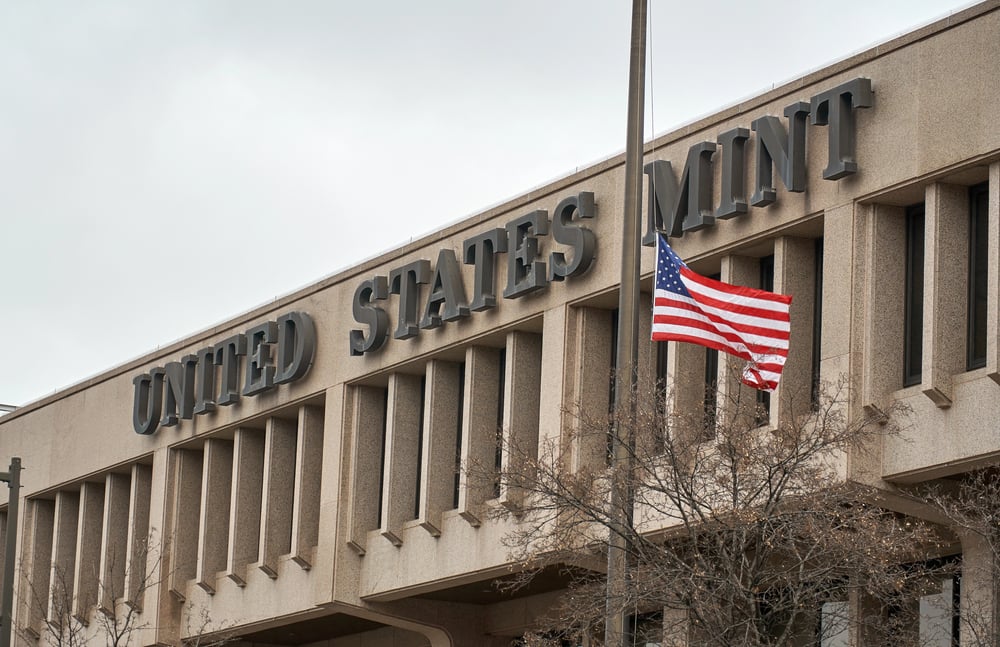
The US Mint facilities in San Francisco and Philadelphia produce billions of coins each year and store significant quantities of precious metals. Security at these facilities includes armed guards, electronic surveillance, motion detectors, and strict employee screening.
Workers go through metal detectors and bag checks daily. The vaults inside store gold and silver bullion along with the dies used to stamp coins — the kind of assets that require multi-layered authentication to access.
11. Pionen — The White Mountain (US Equivalent: Various FEMA Bunkers)
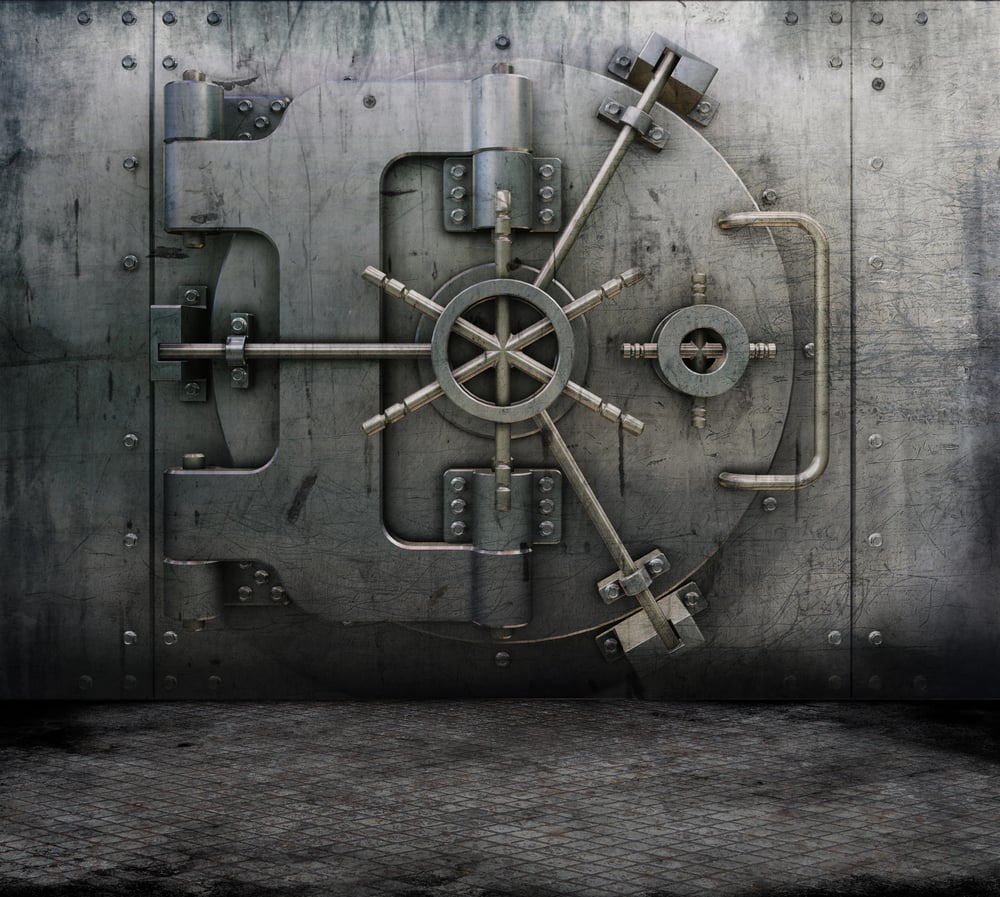
While Pionen is technically in Sweden, the US has its own network of hardened FEMA and continuity-of-government facilities, some of which are carved into mountains or buried underground. These facilities store critical government records, emergency supplies, and communication infrastructure.
Their exact locations and specifications aren’t publicly disclosed, which is itself a security measure. What’s known is that they’re built to remain operational when surface infrastructure fails.
12. The Library of Congress Vaults — Washington, D.C.
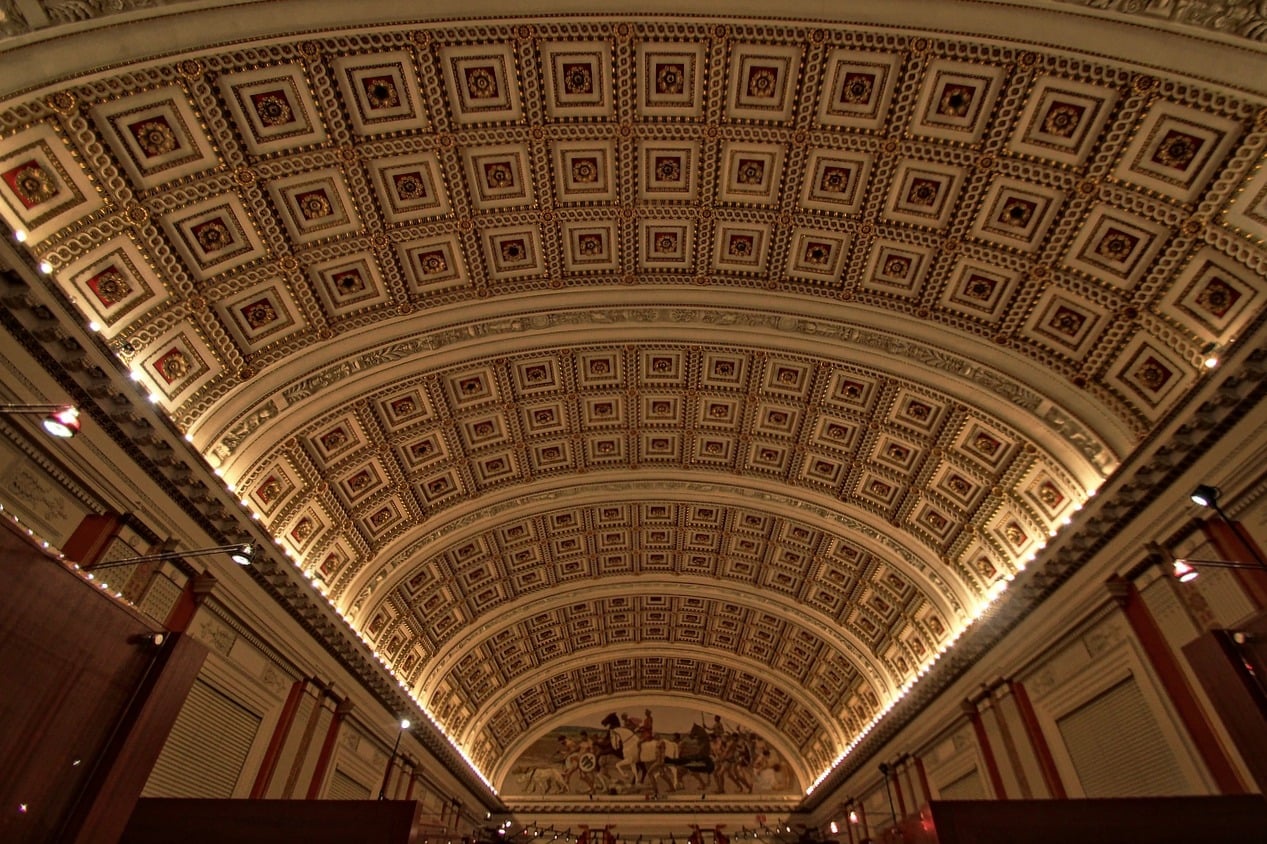
The Library of Congress holds over 170 million items — manuscripts, rare books, photographs, maps, recordings, and films. The most valuable pieces are held in climate-controlled, humidity-regulated vaults with access limited to authorized staff.
The building itself is protected by Capitol Police, and security has been significantly upgraded over the years. Getting access to the most restricted collections requires extensive credentialing and advance approval.
A copy of the Gutenberg Bible is in there, along with documents that simply cannot be replaced.
13. Offutt Air Force Base — Nebraska

Offutt is home to US Strategic Command, which oversees the country’s nuclear forces. The command center beneath the base is designed to survive attacks and maintain communication with nuclear assets even in the worst-case scenarios.
The base itself is heavily fortified, and the underground facilities add another layer of protection entirely. Security clearances required to access the most sensitive areas of this base are among the highest in the country.
14. The Federal Emergency Management Agency’s Mount Weather — Virginia

Mount Weather in Bluemont, Virginia serves as one of the primary continuity-of-government facilities for civilian leadership. The underground complex includes living quarters, a hospital, a cafeteria, and full communication systems.
It’s designed to house senior government officials during national emergencies. The surface facility is visible, but the underground portion — which is the real heart of the complex — is heavily secured and off-limits to the public.
It’s where the President and cabinet members would go if Washington, D.C. became untenable.
15. Google and Amazon Data Centers — Various Locations
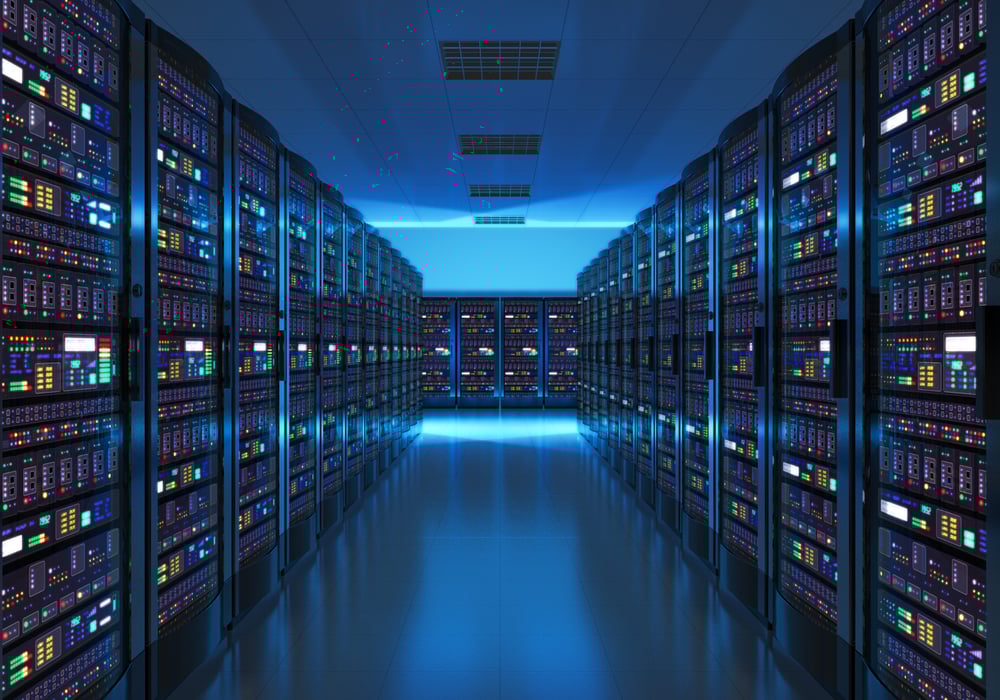
Some of the safest buildings in the nation exist behind quiet tech giant walls. Inside Google and Amazon’s massive computer hubs lives much of the planet’s digital life – bank details, medical files, messages, plus official state agreements.
Entry past outer fences demands more than just a badge; think armed patrols, fingerprint checks, airlock-style door pairs meant to catch trespassers. Hardened zones hide exact positions like secrets, never shared online.
Breaking into one? Not happening unless you belong there.
16. The Depository Trust Company New York

Trillions in securities move through the DTC, quietly handled behind thick walls. Inside that unassuming structure lies the core storage for nearly all U.S. financial assets – stocks, bonds, instruments held for brokers and banks alike.
Built like a fortress, it resists real-world dangers while answering to firm government rules. Entry? Only if approved, with defenses stacked one after another by plan.
Few recognize its name, yet each money shift across America brushes against its machinery somehow.
17. The Coca-Cola Recipe Vault — Atlanta, Georgia
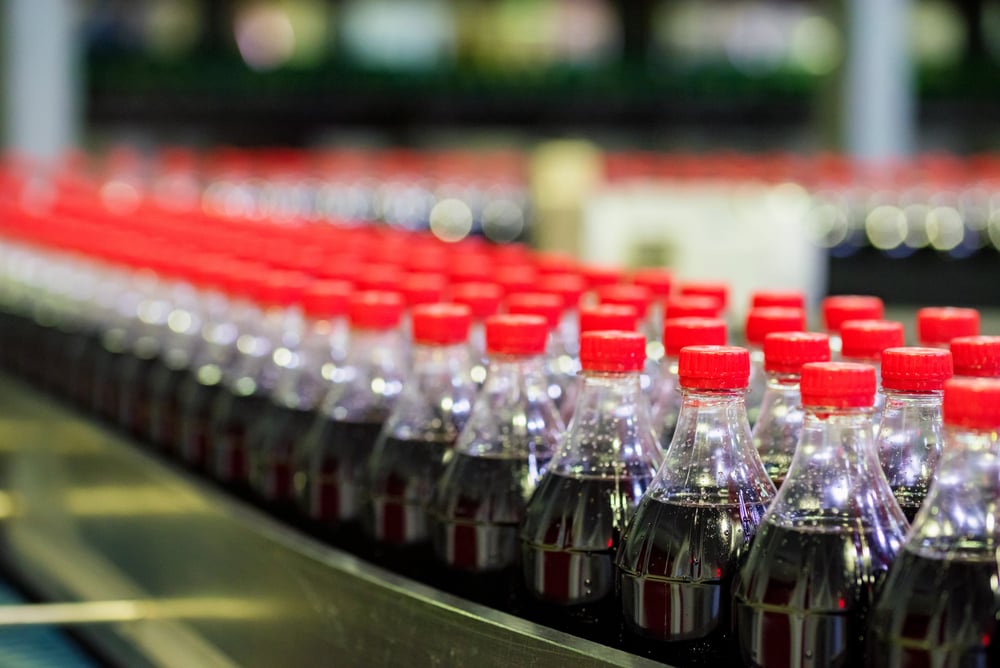
What sets this apart isn’t just secrecy – it’s presentation. Inside the World of Coca-Cola in Atlanta rests the original recipe, locked away in a custom vault built only for this purpose.
A fortress of thick steel stands within full view, meant to draw eyes without allowing access. Surveillance gear watches every move near it, active nonstop.
Hidden for more than 100 years, the mix remains unknown. Protection blends with image here – safety meets symbolism.
What These Places Reveal About Our Values
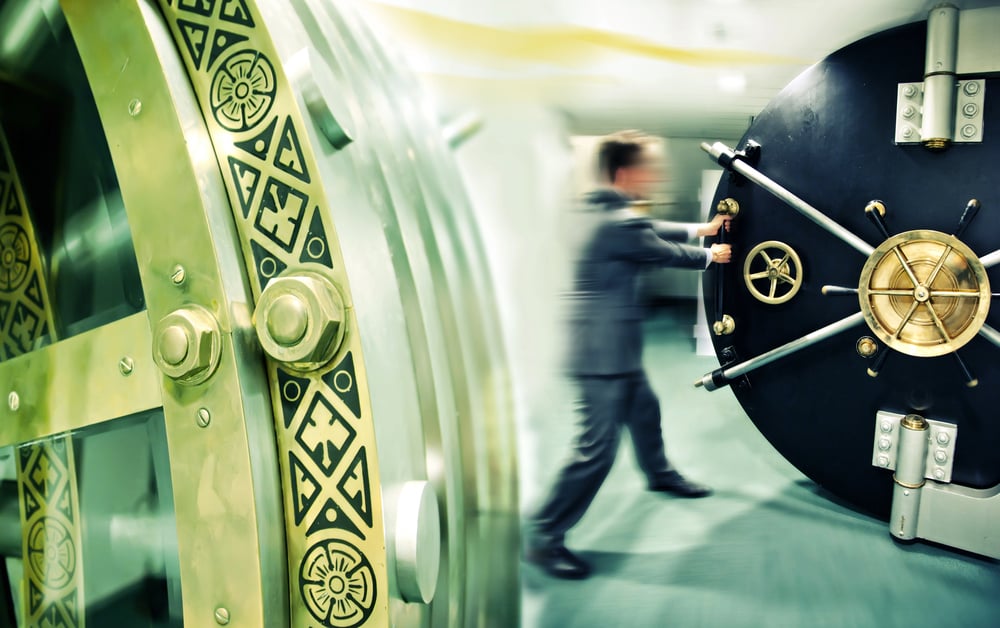
What sits behind the strongest doors says much about what people value. Not just gold, but old papers too.
Or tiny seeds saved like treasure. Hidden bits of life coded in DNA.
Numbers that decide who owns what. Recipes no one must see.
Machines tied to weapons that change everything. Every locked space shows a choice made long ago – money first, or power, maybe survival, sometimes memory.
Strange how many of these spots are built to vanish from memory. Top-tier safety never shouts.
Instead, it runs without notice, doing its job out of sight, holding what counts firmly in place.
More from Go2Tutors!

- The Romanov Crown Jewels and Their Tragic Fate
- 13 Historical Mysteries That Science Still Can’t Solve
- Famous Hoaxes That Fooled the World for Years
- 15 Child Stars with Tragic Adult Lives
- 16 Famous Jewelry Pieces in History
Like Go2Tutors’s content? Follow us on MSN.