15 Forgotten War-Time Technologies That Could Still Be Useful Today
War has forever been a crucible for innovation. Throughout our past, the desperate pressure of conflict sparked technological advances that transformed peacetime society.
Yet many brilliant wartime inventions have vanished from public memory, despite having remarkable applications for contemporary problems. Here’s a look at 15 forgotten wartime technologies whose potential remains largely untapped in today’s world.
Aerogel

Developed for WWII aircraft insulation, this extraordinary substance contains 99.8% air, yet provides phenomenal thermal protection. Modern construction could benefit enormously from aerogel insulation – it’s about 1/1000th as heavy as glass while delivering superior insulation properties.
Buildings utilizing this material might cut energy use by nearly a third compared to conventional insulation methods.
Dazzle Camouflage

Unlike traditional camouflage that tries to hide, dazzle patterns employ bold geometric shapes to confuse visual perception – making it harder to gauge speed and direction. Research shows these patterns can make judging an object’s movement 25% more difficult.
Today’s transportation systems could implement these designs to reduce accident risks in poor visibility conditions, especially for emergency vehicles.
PLUTO Pipelines
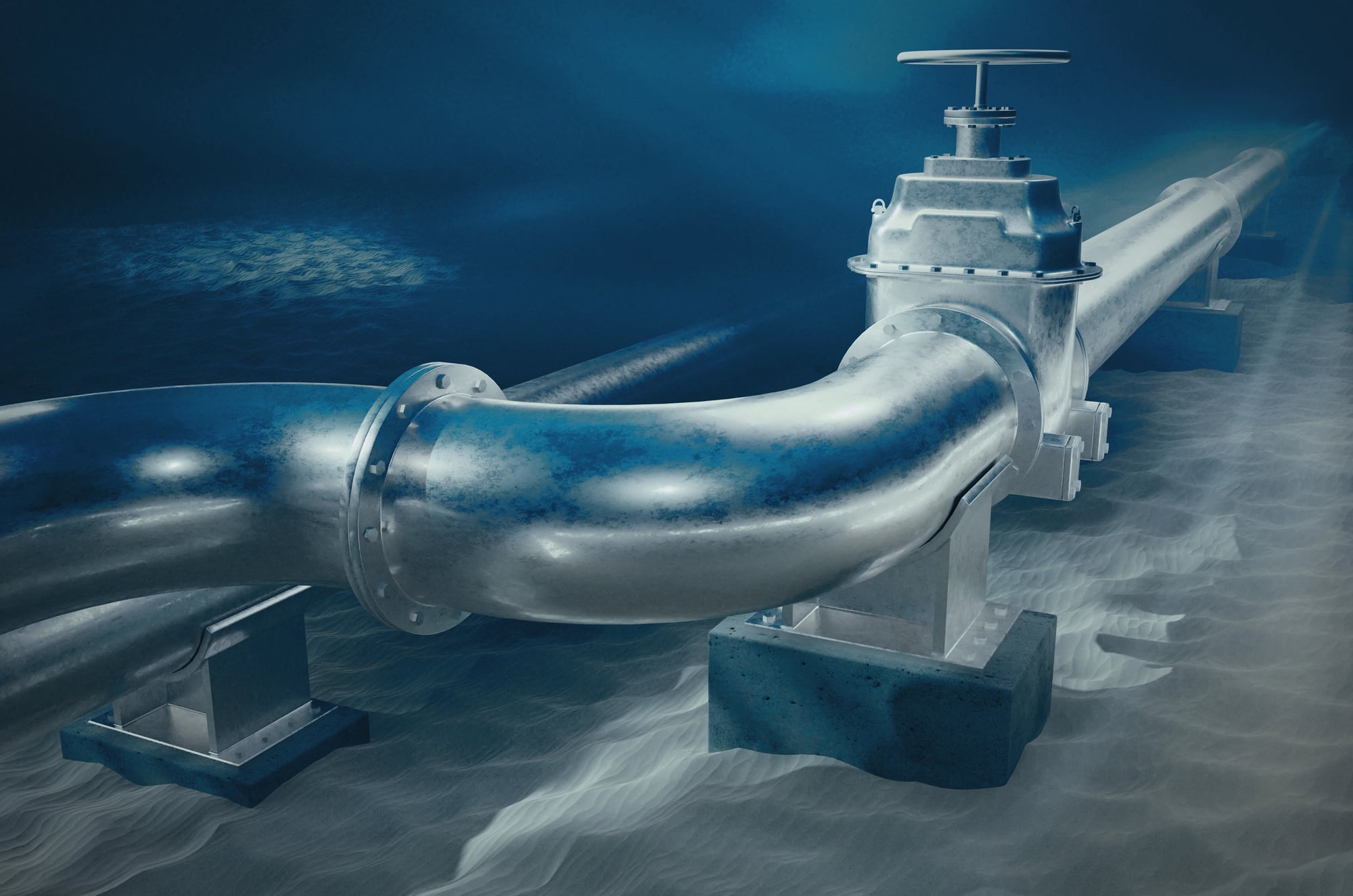
The Pipe-Lines Under The Ocean quietly supplied fuel for the Allied invasion of Normandy. These flexible underwater pipelines managed what would’ve required hundreds of vulnerable tanker ships.
A modern PLUTO-style system could deliver vital supplies – water, fuel, medicine – to disaster zones across terrain that would stop conventional vehicles. Just one pipeline might replace 100 tanker trucks daily without risking driver safety.
Foxhole Radios
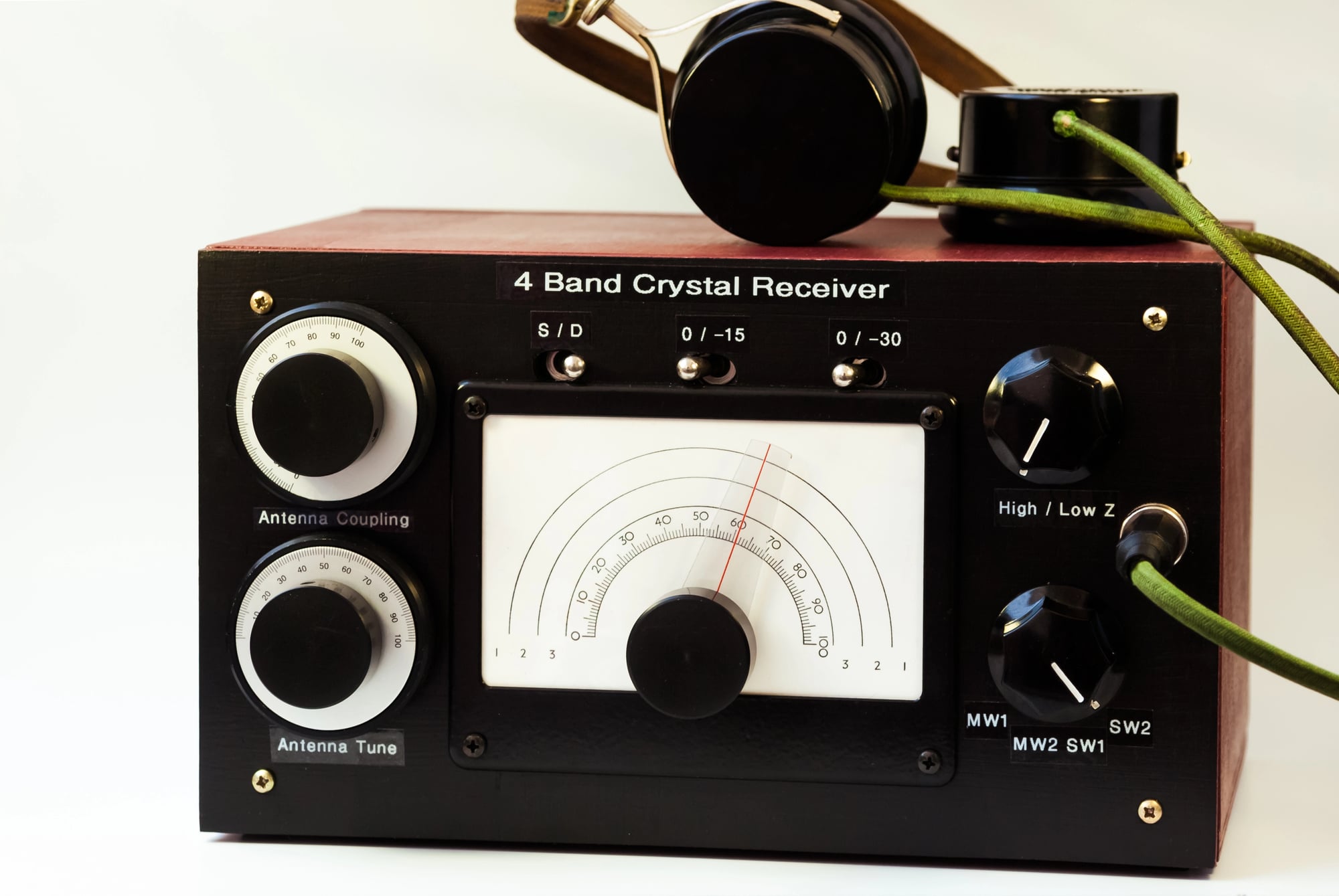
These cleverly basic crystal radios were made by soldiers using whatever materials they could find, such as safety pins, pencil lead, and razor blades. They are perfect for emergency communication in the event of an infrastructure failure because they don’t require batteries or external power.
A simple foxhole radio may be put together in 30 minutes using common home objects, resulting in a working receiver that doesn’t require electricity.
Aqueous Potassium Carbonate

In gas masks, this non-toxic substance efficiently absorbed carbon dioxide while permitting oxygen to pass through. Its filtering ability has the potential to transform contemporary breathing equipment for astronauts, miners, and firefighters.
For air purification systems, a solution with only 30% potassium carbonate is incredibly effective because it can absorb almost its own weight in carbon dioxide.
Bartlett Snow Tunneler

During winter campaigns, this specialized vehicle made significant speed cuts through packed snow. At speeds of up to five miles per hour, the original machine excavated passages with a diameter of seven feet.
When traditional highways become unusable, updated versions could revolutionize disaster response in areas with snowfall by providing supply chains and medical personnel with instant access routes.
Pigeon-Guided Missiles

Before sophisticated electronics, researchers trained pigeons to guide missiles by pecking at target images. This biological approach achieved 80% target acquisition in controlled tests.
The principles behind this system might inspire new human-machine interfaces that leverage natural behaviors rather than requiring users to adapt to technology.
Cloud Seeding

Scientists attempting to clear fog from military airfields accidentally discovered methods to induce rainfall by introducing silver iodide into clouds. With growing water scarcity and climate change, this technology deserves renewed attention.
Under favorable conditions, a well-executed cloud-seeding operation can boost precipitation by 5-15%, potentially alleviating drought conditions in vulnerable regions.
Hydrophones
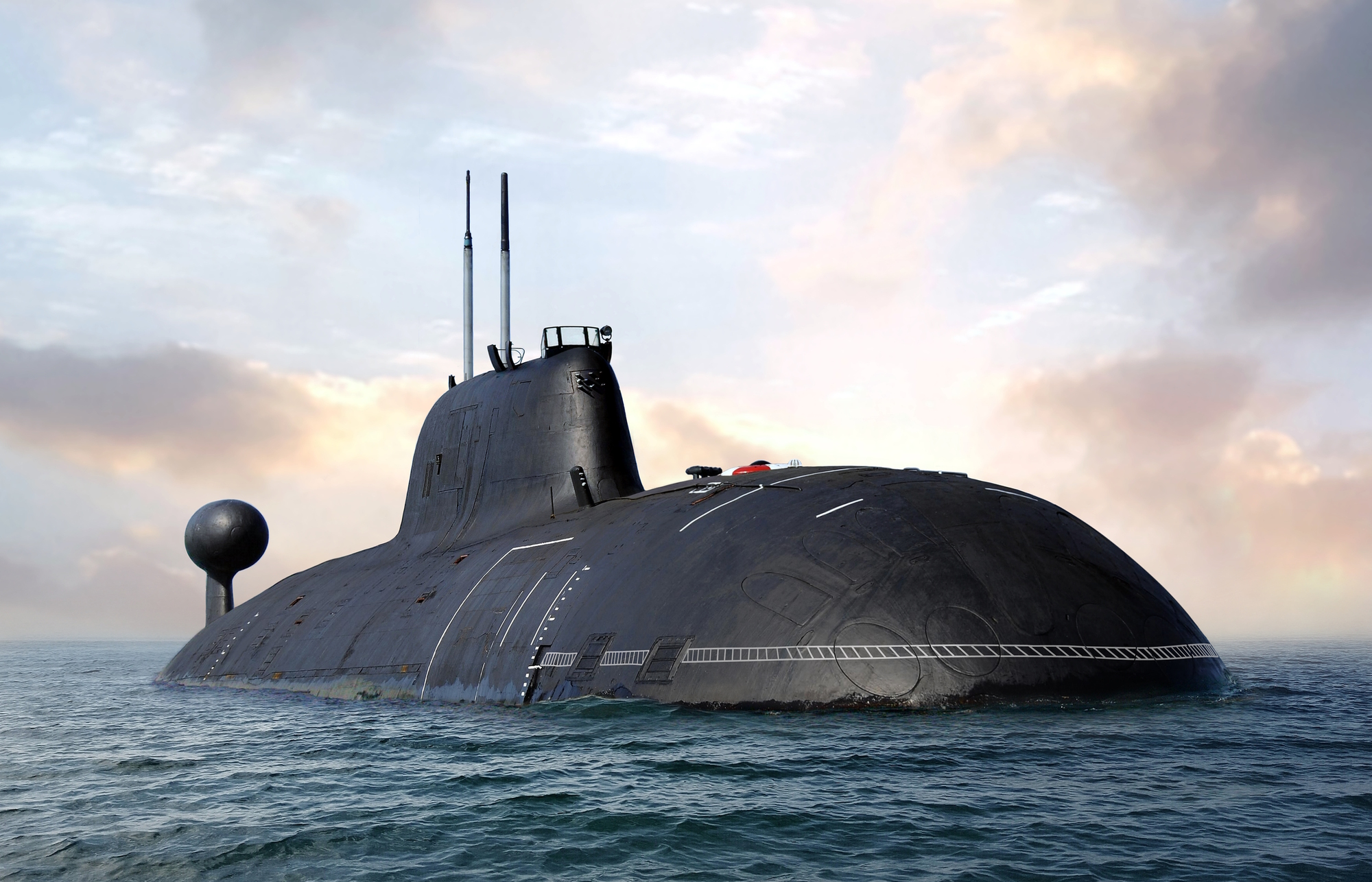
These underwater listening devices, refined for submarine detection, can monitor marine environments with remarkable sensitivity. Modern versions detect whale calls from distances exceeding 10 miles, enabling non-invasive ecosystem research.
Deploying networks of these sensors could track ocean health, migration patterns, and environmental changes with minimal disruption to marine life.
Duct Tape

Originally created as waterproof sealing tape for ammunition boxes, this versatile invention continues finding new applications. The military-spec tape withstood extreme temperatures from -65°F to 180°F while maintaining adhesion.
Its unique combination of strength, flexibility, and stickiness makes it invaluable for emergency repairs in almost any situation.
Quonset Huts

These prefabricated semicircular buildings revolutionized military construction – a small team could assemble a 20×48 foot structure in less than a day using only hand tools. No special skills or equipment are required.
Contemporary disaster relief operations could deploy updated versions to quickly establish field hospitals, temporary schools, or emergency housing after earthquakes, hurricanes, or floods.
Proximity Fuses

These sophisticated electronic devices detected nearby objects and triggered detonation without physical contact. They could identify targets within 70 feet while filtering out false readings.
The underlying technology could enhance safety systems for autonomous vehicles, industrial equipment, and smart infrastructure – preventing collisions before they occur.
P-51 Laminar Flow Wing

This aerodynamic breakthrough dramatically reduced drag by maintaining smooth airflow across the wing surface. These principles could improve energy efficiency in wind turbines, vehicles, and urban planning.
Buildings designed with laminar flow concepts might reduce heating and cooling demands by up to 15% through better management of air currents.
Penicillin Mass Production

WWII’s desperate need for antibiotics prompted revolutionary deep-tank fermentation techniques. Modern versions produce yields over 200 times greater than original methods.
These same approaches could transform production of biofuels, sustainable proteins, and other biological products at unprecedented scales and efficiencies.
Harvard Mark I Computer

This early electromechanical computer solved complex equations for artillery tables and the Manhattan Project. Though painfully slow by modern standards (three calculations per second), its distributed processing approach offered remarkable reliability.
These principles could inform development of fault-tolerant computing systems for critical infrastructure where failure isn’t an option.
Innovation Through Necessity

These lost technologies serve as a reminder that true innovation frequently results from limitations rather than opportunities. Human ingenuity produces unexpected solutions that could not otherwise be found when faced with high risks and limited resources.
Many of these inventions were shelved because peacetime objectives changed, not because they failed. We may be able to address today’s issues while respecting the ingenuity of our predecessors by unearthing and modifying this lost technology. Their guiding ideals—simplicity, flexibility, and inventiveness—remain effective means of addressing the most difficult issues of our day.
More from Go2Tutors!

- The Romanov Crown Jewels and Their Tragic Fate
- 13 Historical Mysteries That Science Still Can’t Solve
- Famous Hoaxes That Fooled the World for Years
- 15 Child Stars with Tragic Adult Lives
- 16 Famous Jewelry Pieces in History
Like Go2Tutors’s content? Follow us on MSN.



