Unusual Ways People Celebrated Victories in History
Victory bashes these days? Same old story. Bubbly gets sprayed.
Trophies get lifted. Sometimes there’s a street march.
Yet back then, winners went wild in weirder, nastier, inventive styles. Certain triumphs turned bloody.
Some felt like odd dreams. A handful got so crazy they drained royal coffers or wiped out the partygoers themselves.
Rome Built Mountains of Enemy Weapons
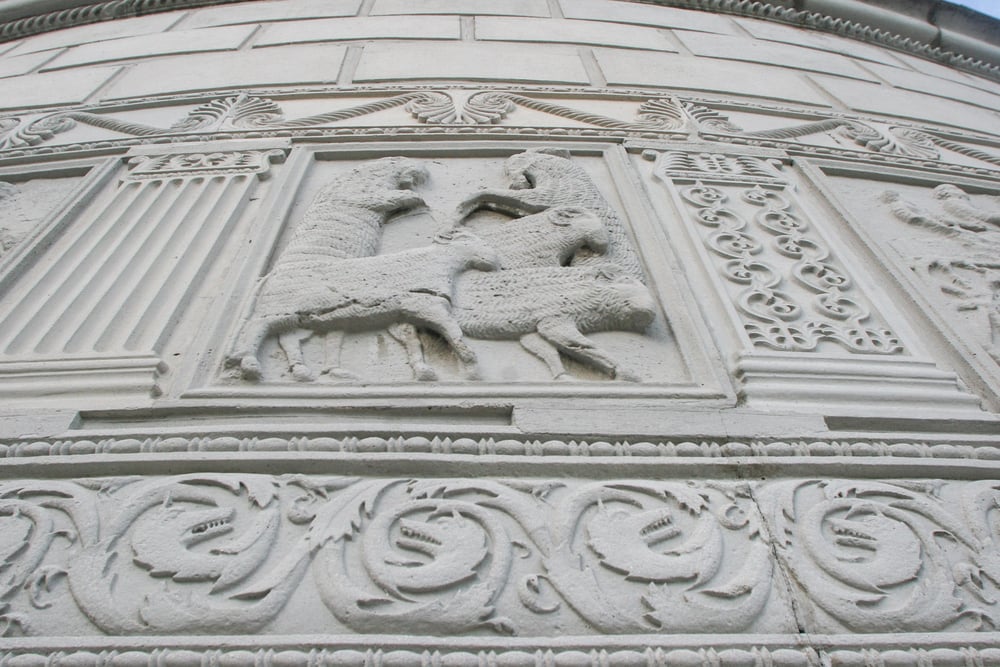
After defeating Carthage and other enemies, Romans collected weapons from battlefields and mounted them on wooden frames at the site of victory. These trophy displays, called tropaeum, came from the Greek word for “turning point.”
The captured armor, shields, and helmets were arranged to look like they were still being worn, ghostly soldiers frozen in defeat. Greeks had done this first, but Romans perfected the propaganda.
Some trophies stayed on the battlefield as warnings. Others were brought back to Rome and displayed in temples or public spaces.
The bigger the weapon collection, the more complete the victory. Eventually Romans built permanent stone monuments covered in relief sculptures of captured weapons, ensuring everyone remembered who had won.
Ancient Greeks Stripped Their Enemies and Posed Them
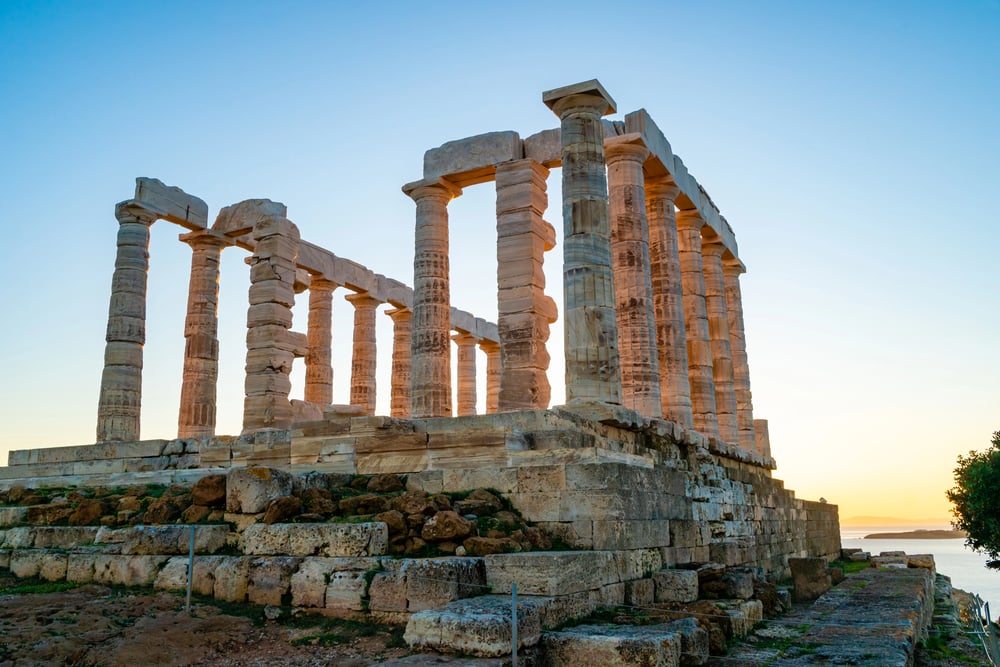
Greek city-states did not mess around with victory photos. They stripped the armor and weapons from dead enemies, mounted them on wooden frames, and displayed them on the battlefield.
These trophy displays stood for years, weathering in the elements, serving as warnings to anyone who walked past. The twisted part? They positioned the armor to look like it was still being worn.
Empty helmets, breastplates, and shields arranged to create ghostly soldiers. Some city-states brought these displays home and set them up in temples.
Nothing says “thank you” to the gods quite like a collection of your enemy’s stuff.
Genghis Khan’s Pyramid of Heads
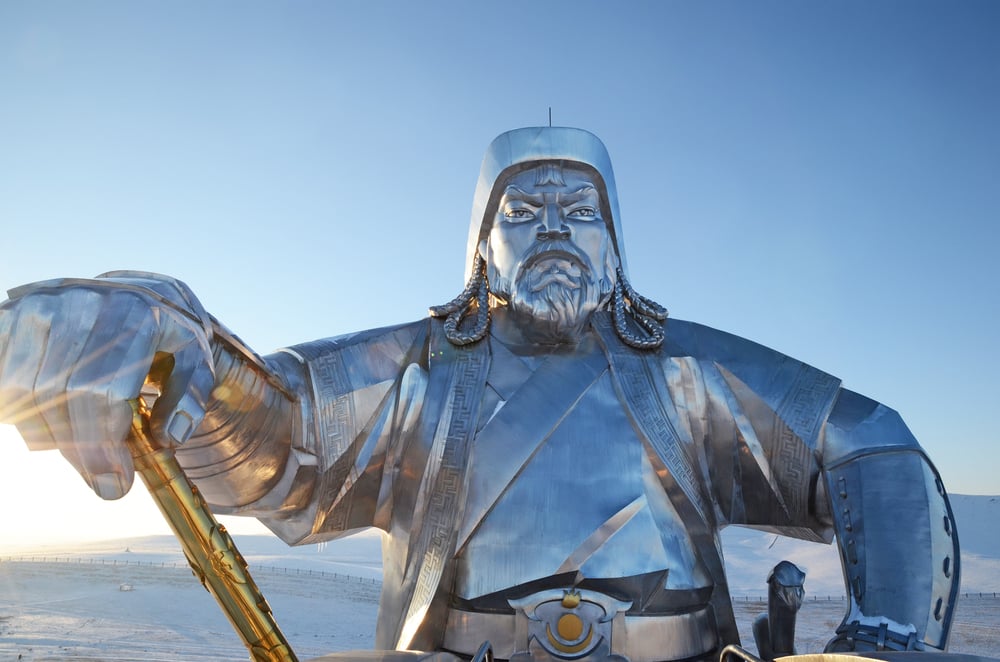
When Mongol armies conquered a city, they did not just take prisoners. They built pyramids from the severed heads of defeated soldiers.
These constructions served multiple purposes, terrified the next city into surrendering, provided a convenient body count, and reminded everyone of what resistance cost. The Mongols were not unique in this practice, but they perfected the scale.
Some pyramids contained thousands of remains. They left these monuments standing as they moved on to the next conquest.
The message traveled faster than their horses.
Medieval Kings Handed Out Entire Villages
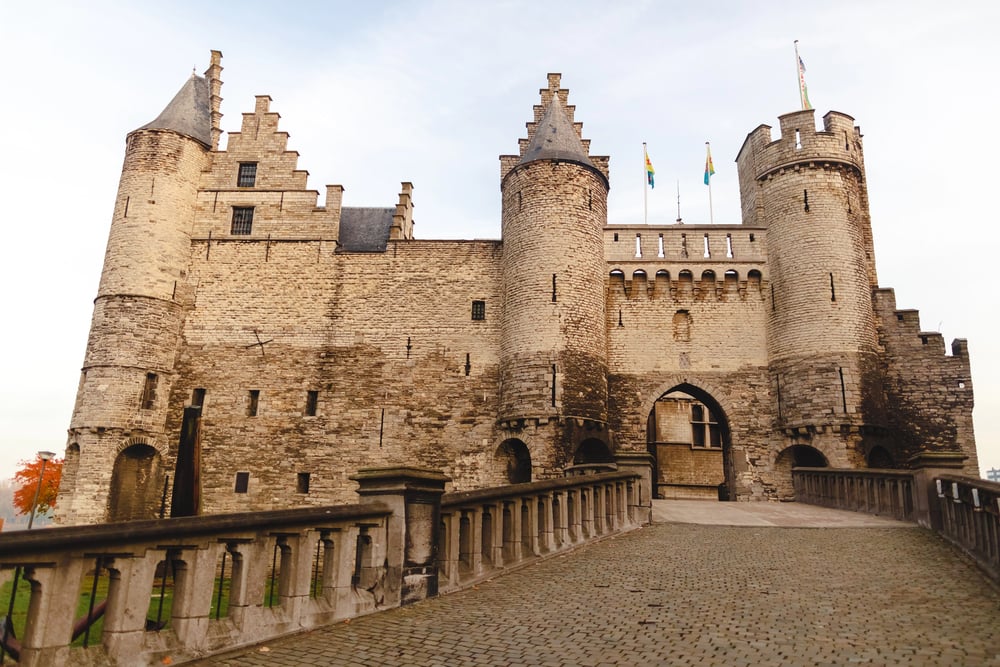
European monarchs after a major battle would literally give away towns and villages to their favorite knights. Not the tax revenue from those places, the actual places, including everyone who lived there.
You helped win a war, you got a few hundred families who now owed you everything. This created instant nobility.
A successful battle commander could go from landless knight to lord of multiple estates in a single afternoon. The people living in those villages had no say in the matter.
They went to bed under one lord and woke up under another.
Japanese Samurai Collected Noses
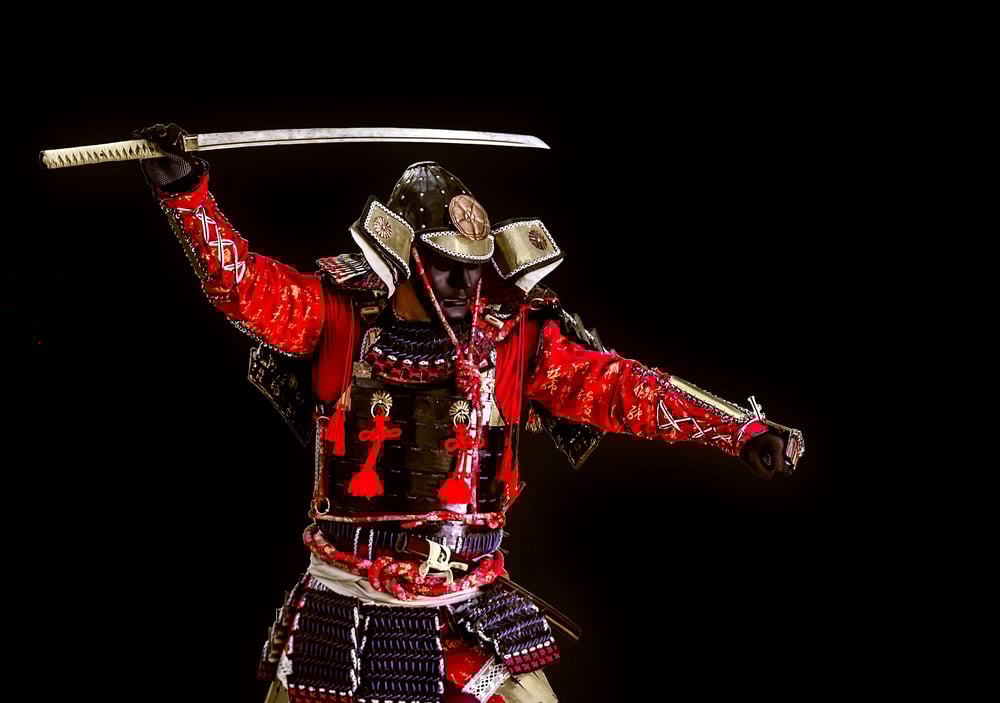
During invasions of Korea in the 1590s, Japanese commanders needed proof of enemy deaths to claim rewards. Taking entire heads back to Japan was impractical.
The solution? Cut off noses instead. Lighter to carry. Easier to preserve. Just as effective for body counts. They shipped these trophies back by the barrel.
At least 200,000 noses ended up in burial mounds in Kyoto. The Mimizuka, or Ear Mound, still exists today as a memorial.
Though the name says ears, it is mostly noses. Apparently even in documentation, the practice was too grim to describe accurately.
Vikings Turned Skulls Into Drinking Cups
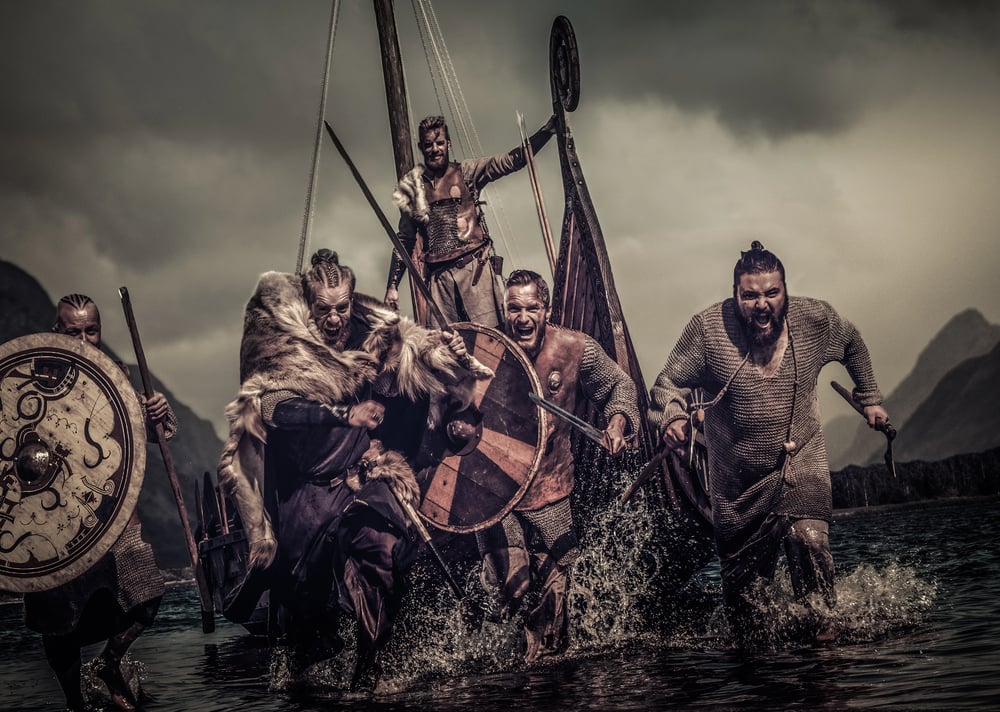
The skull cup story might be exaggerated, but historical evidence suggests some Viking warriors did drink from the craniums of particularly hated enemies. Archaeological finds show skulls modified to serve as vessels.
Whether this was common practice or reserved for special occasions remains debated. What is not debated is that Vikings displayed enemy remains as trophies.
Skulls on stakes. Bones incorporated into jewelry. One saga describes a warrior who kept his rival’s skull for years.
He occasionally poured mead into it during feasts while recounting the battle that produced it.
Ottoman Sultans Paraded Captive Royalty
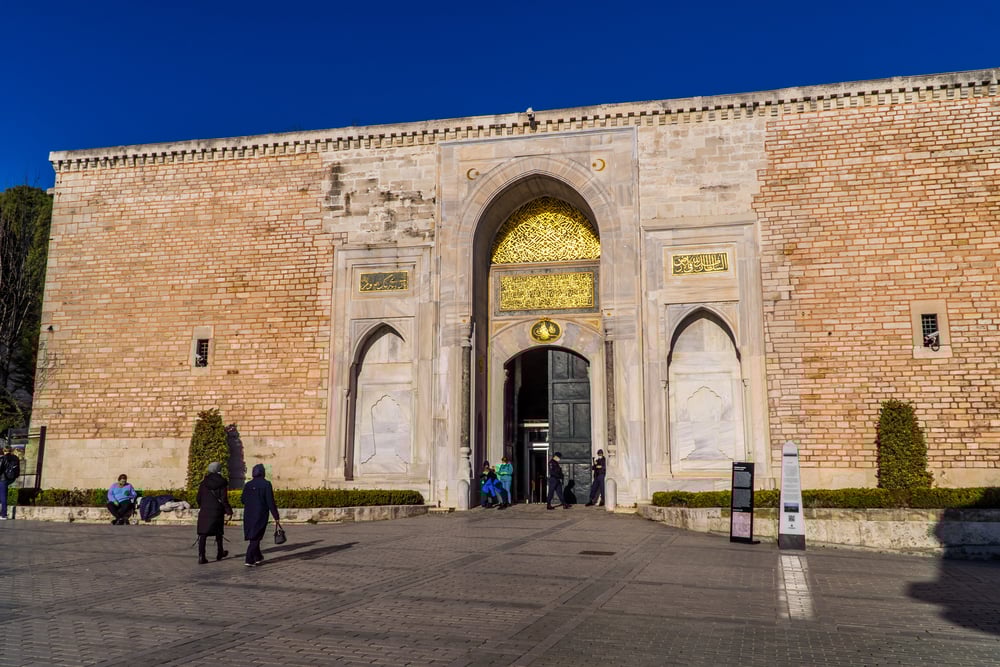
When the Ottoman Empire defeated another kingdom, they did not just imprison captured nobles. They brought them to Constantinople in chains and marched them through the streets.
Sometimes for days. The former rulers walked behind the sultan’s horse, dressed in rags, while crowds threw garbage and insults.
These parades ended at the palace, where captive kings might spend years as servants or hostages. Some were eventually ransomed.
Others never left. The humiliation was the point, proof that even crowned heads bowed to Ottoman power.
Aztec Victory Celebrations Required Prisoners to Fight
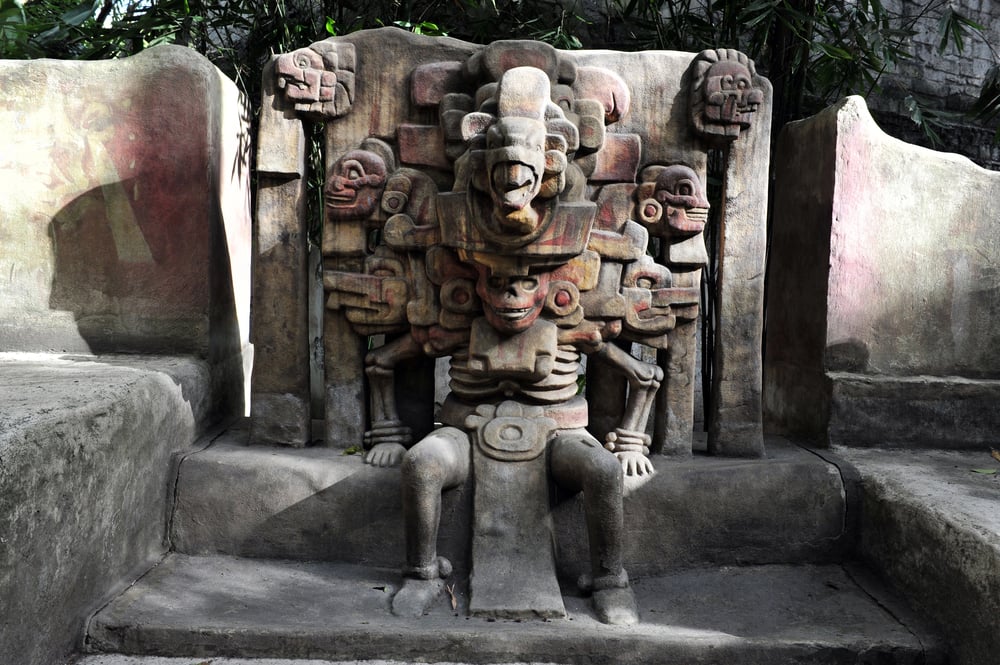
The Aztecs did not execute captives immediately after victory. They brought them home, fed them well, gave them weapons, then tied them to a stone and made them fight multiple Aztec warriors in succession.
The outcome was never in doubt, but the ritual satisfied their gods and entertained the crowd. These gladiator style combats happened during major festivals.
The captured warriors knew they would die, but dying well in combat meant something in both Aztec and enemy cultures. The ceremony could last for hours.
The crowd watched from purpose built platforms.
Alexander the Great Married Thousands of Soldiers to Local Women
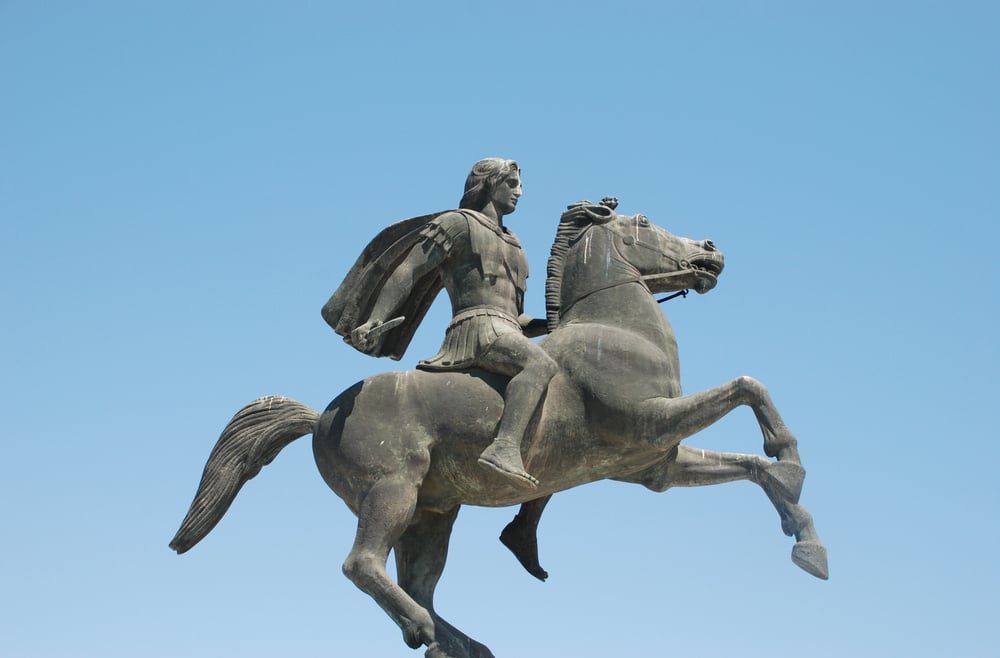
After conquering Persia, Alexander did not just celebrate. He orchestrated a mass wedding ceremony where 10,000 of his soldiers married Persian women on the same day.
This was not about love. This was about control. Married soldiers with local families were less likely to revolt or desert. Alexander himself married the daughter of the defeated Persian king.
His generals married into Persian nobility. The ceremony cost a fortune, Alexander paid for everything, including dowries.
Some soldiers were thrilled. Others resented being forced into arranged marriages as a victory prize.
British Navy Painted Ships With Blood

After particularly brutal naval battles, some British ship captains ordered the gun decks painted red with the blood of dead sailors. This practice supposedly boosted morale, the crew did not see the gore, so they fought harder.
In reality, it probably horrified everyone involved, but admirals insisted it worked. The red paint disguised blood during battle.
Between battles, crews scrubbed everything clean. But after a major victory, some captains left the red as decoration.
A ship returning to port still wearing battle blood announced its success before anyone asked.
Napoleon Gave His Soldiers Commemorative Coins Made from Enemy Artillery
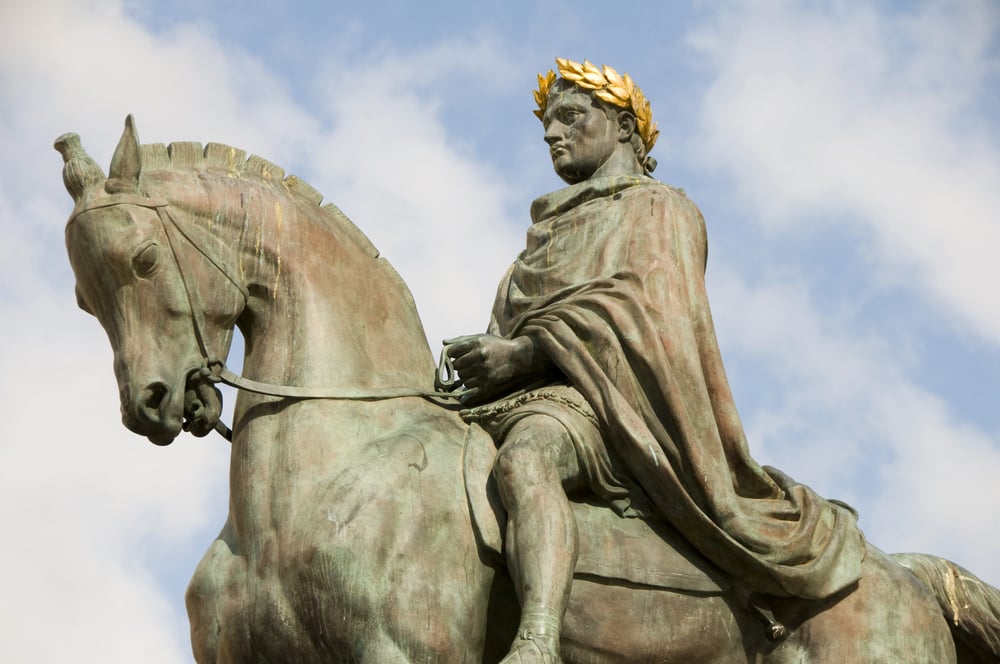
Napoleon melted down captured cannons and minted coins from the bronze. These were not currency, they were medals.
Each coin commemorated a specific battle and went to soldiers who fought there. The value came from knowing it was made from the weapon that had fired at you yesterday.
Soldiers wore these coins or kept them as proof of service. Some battles produced thousands of medals.
Others, just a handful. The scarcity made certain campaigns more prestigious. You could literally measure your military career in captured cannon bronze.
Polynesian Warriors Kept Enemy Bones as Fishing Equipment
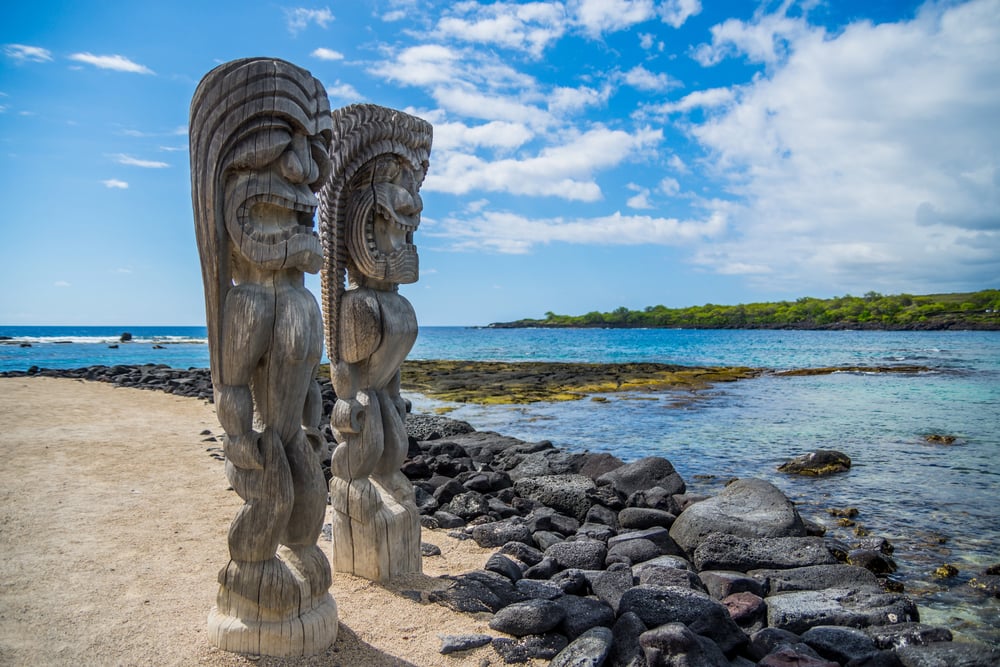
Certain Pacific Island cultures turned enemy remains into tools. Fish hooks made from human bone. Needles. Small implements.
This was not cruelty for its own sake. It was about absorbing the strength of defeated warriors. Every time you used the tool, you demonstrated continued dominance over that enemy.
These bone tools were sometimes passed down through generations. A grandfather’s fish hook made from his greatest rival became a family treasure.
The practice ensured that even in death, defeated warriors continued to serve their conquerors.
Chinese Emperors Forced Defeated Kings to Pull Their Chariots
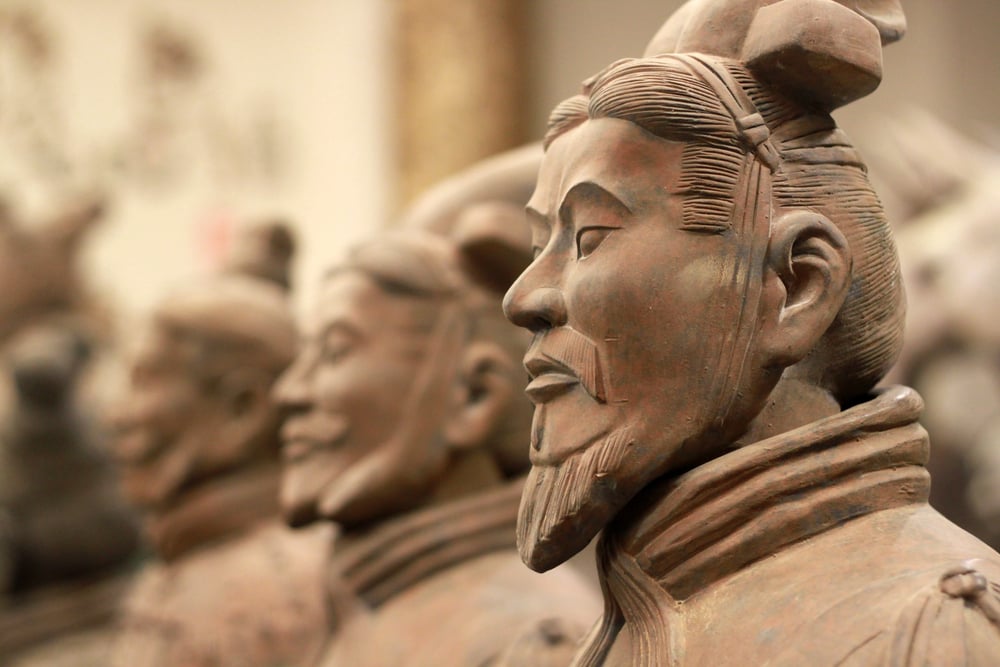
Several Chinese dynasties celebrated military victories by turning captured enemy rulers into beasts of burden. Literally. The defeated king would be harnessed to the emperor’s chariot and forced to pull it through the capital city.
Crowds watched. Officials took notes. The humiliation was documented for posterity. This practice served as performance art propaganda.
Every citizen who witnessed it understood the power dynamic. The king who had ruled millions now sweated and strained to move a cart.
Some did not survive the experience. Those who did lived the rest of their lives knowing they had been reduced to an animal in front of thousands.
When Winning Meant Something Different
These win parties had one thing in common, they turned distant battles into real moments people could feel. Not just by force or shame, but through drama, making sure no one missed the message behind the outcome.
Today’s win parties feel kind of low key when you look back. Still, the drive has not changed one bit. Score a big deal, so you shout it out loud.
You need that moment to stick around. You wish your foes would recall the pain they faced. Past times prove folks once came up with wilder ways to make that stick.
You might see your team’s title party in a new light these days. The bubbly blast and paper burst? Actually kind of tame when you think about it.
More from Go2Tutors!

- The Romanov Crown Jewels and Their Tragic Fate
- 13 Historical Mysteries That Science Still Can’t Solve
- Famous Hoaxes That Fooled the World for Years
- 15 Child Stars with Tragic Adult Lives
- 16 Famous Jewelry Pieces in History
Like Go2Tutors’s content? Follow us on MSN