17 Most Polarizing Boxing Decisions in History
Boxing is a sport where millimeters can determine victories and where three judges hold the power to crown champions or break hearts. Over the decades, the sweet science has produced some truly jaw-dropping decisions that left fans, fighters, and even officials shaking their heads in disbelief. These controversial verdicts have sparked debates that continue to this day, with some becoming so notorious they’ve influenced rule changes and reformed how boxing is scored.
When judges get it wrong, the consequences ripple through the sport for years, sometimes decades. Here is a list of 17 of the most polarizing boxing decisions that have left an indelible mark on the sport’s history.
Roy Jones Jr. vs. Park Si-hun (1988)
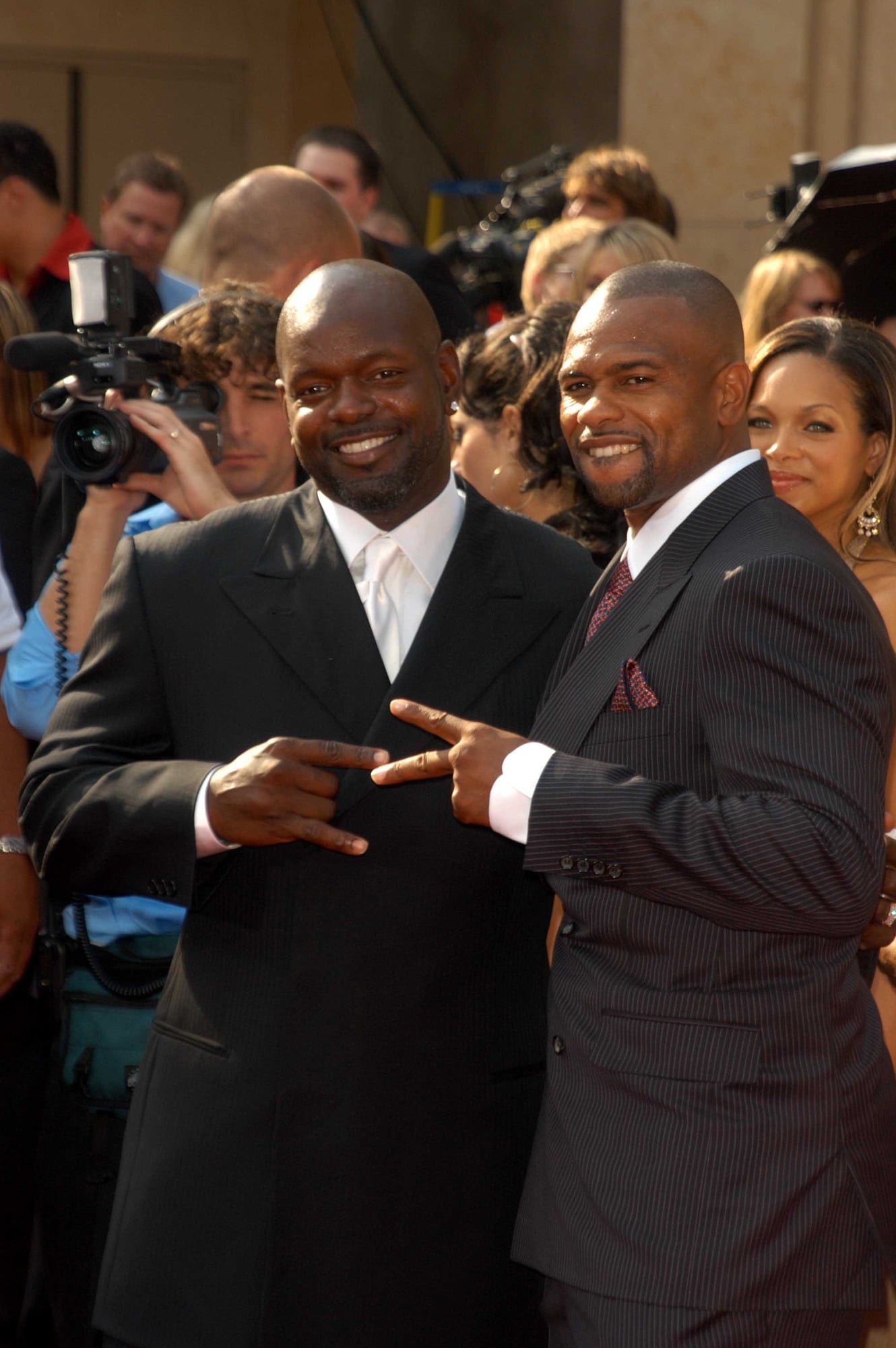
This Olympic light middleweight final remains boxing’s most infamous robbery, where Roy Jones Jr. clearly dominated Park Si-hun only to lose by a 3-2 decision in Seoul. Jones punished the Korean fighter throughout the bout, winning every round convincingly, yet the referee raised Park’s hand at the end.
Park even apologized afterward, saying ‘I am sorry. I lost the fight. I feel very bad’, while Jones received the Val Barker Award as the most technically proficient boxer as a consolation prize.
Evander Holyfield vs. Lennox Lewis I (1999)
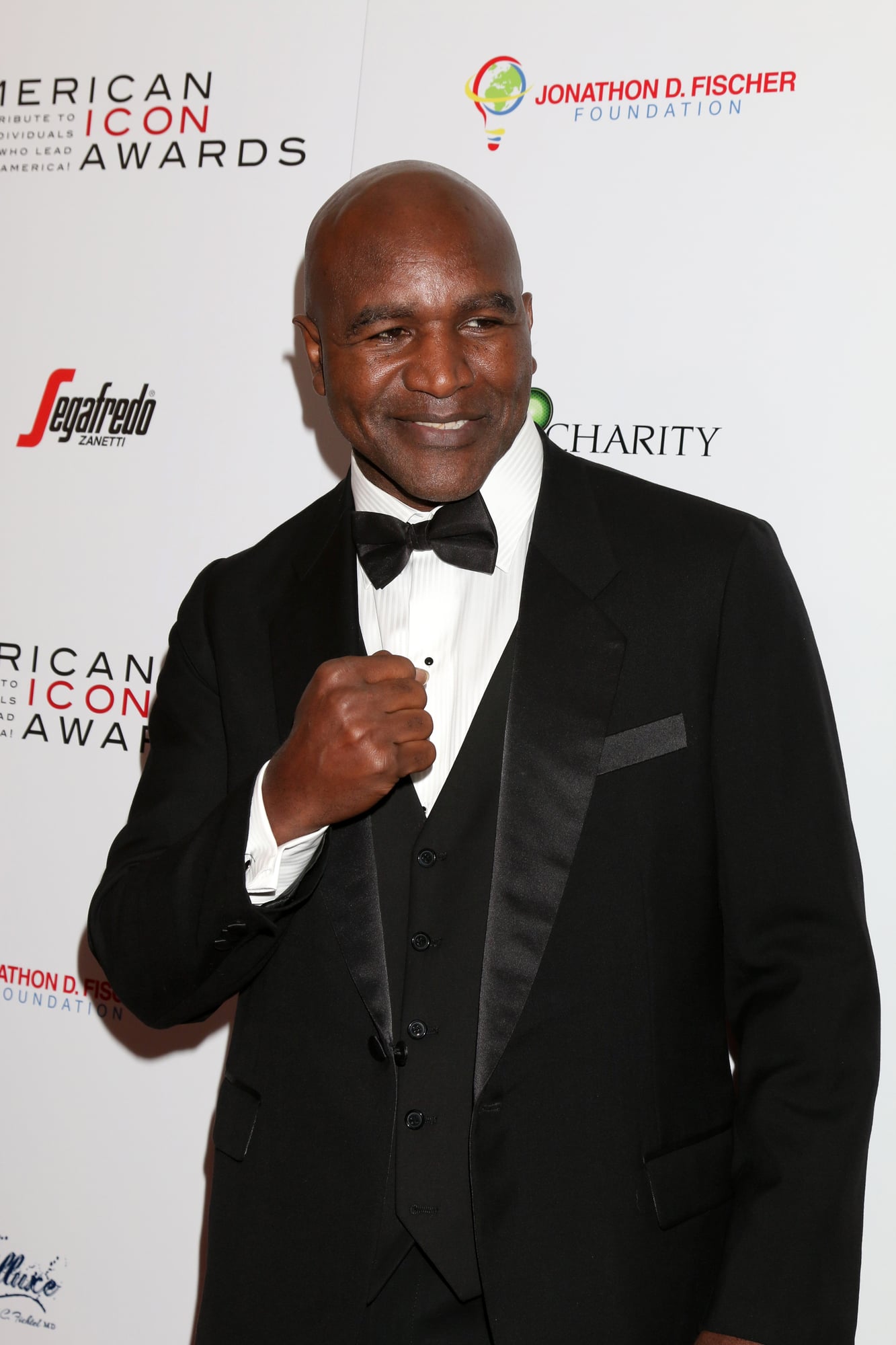
The first meeting between Lennox Lewis and Evander Holyfield is one of the most infamous decisions in boxing history, with Lewis dominating the former cruiserweight champion for 12 rounds before being awarded a split-draw. Most observers believed Lewis had clearly won the fight, making this one of the most controversial heavyweight title bouts ever.
The decision forced an immediate rematch, which Lewis won convincingly.
Canelo Alvarez vs. Gennady Golovkin I (2017)
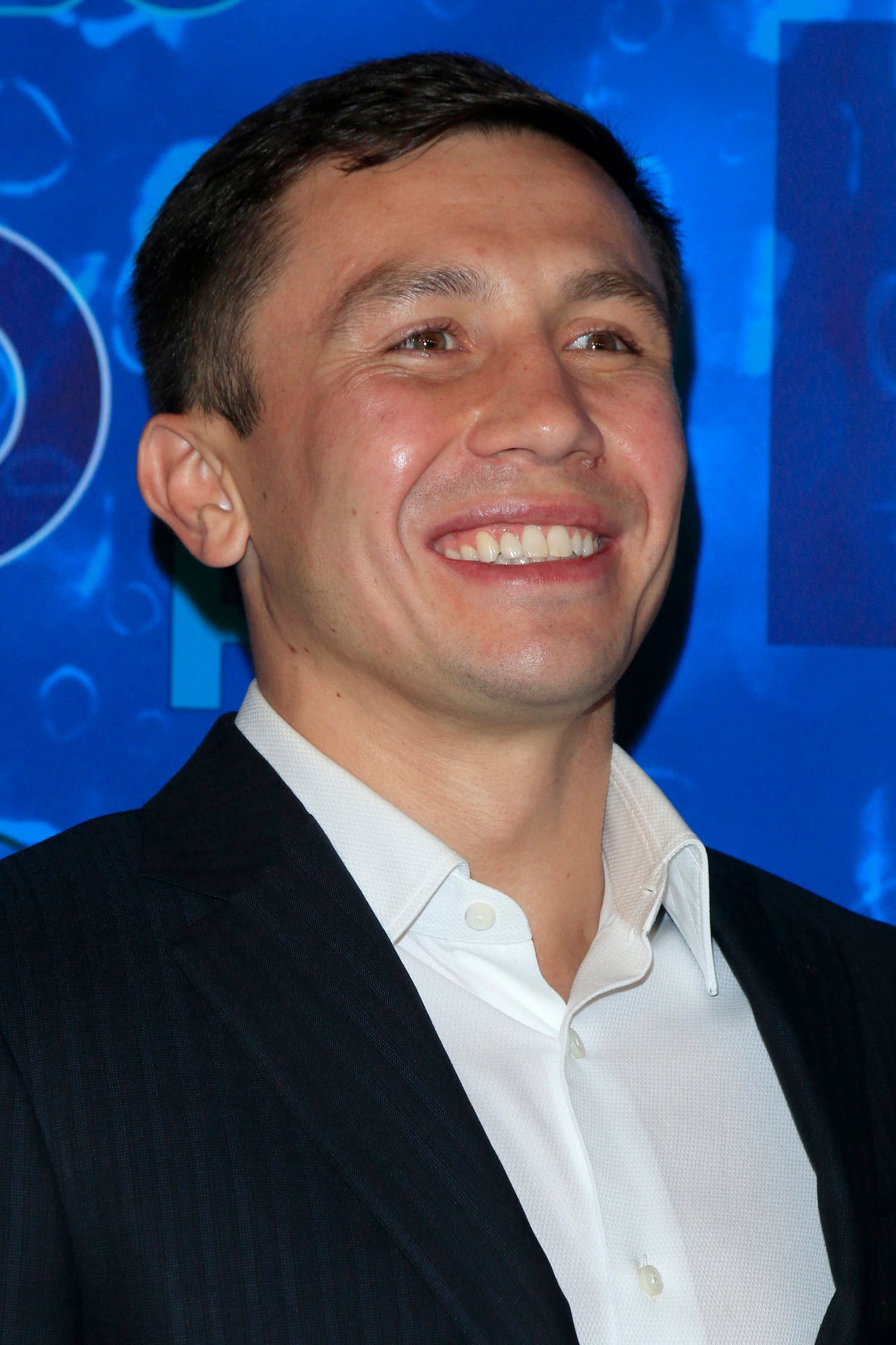
Adelaide Byrd’s scorecard of 118-110 for Canelo turned what should have been a Golovkin victory into a controversial draw. Most ringside observers and fans felt GGG had done enough to win, landing the cleaner, harder shots throughout the fight.
Byrd’s wide margin for Canelo seemed to ignore the middle rounds where Golovkin was clearly outboxing the Mexican star.
Manny Pacquiao vs. Timothy Bradley (2012)
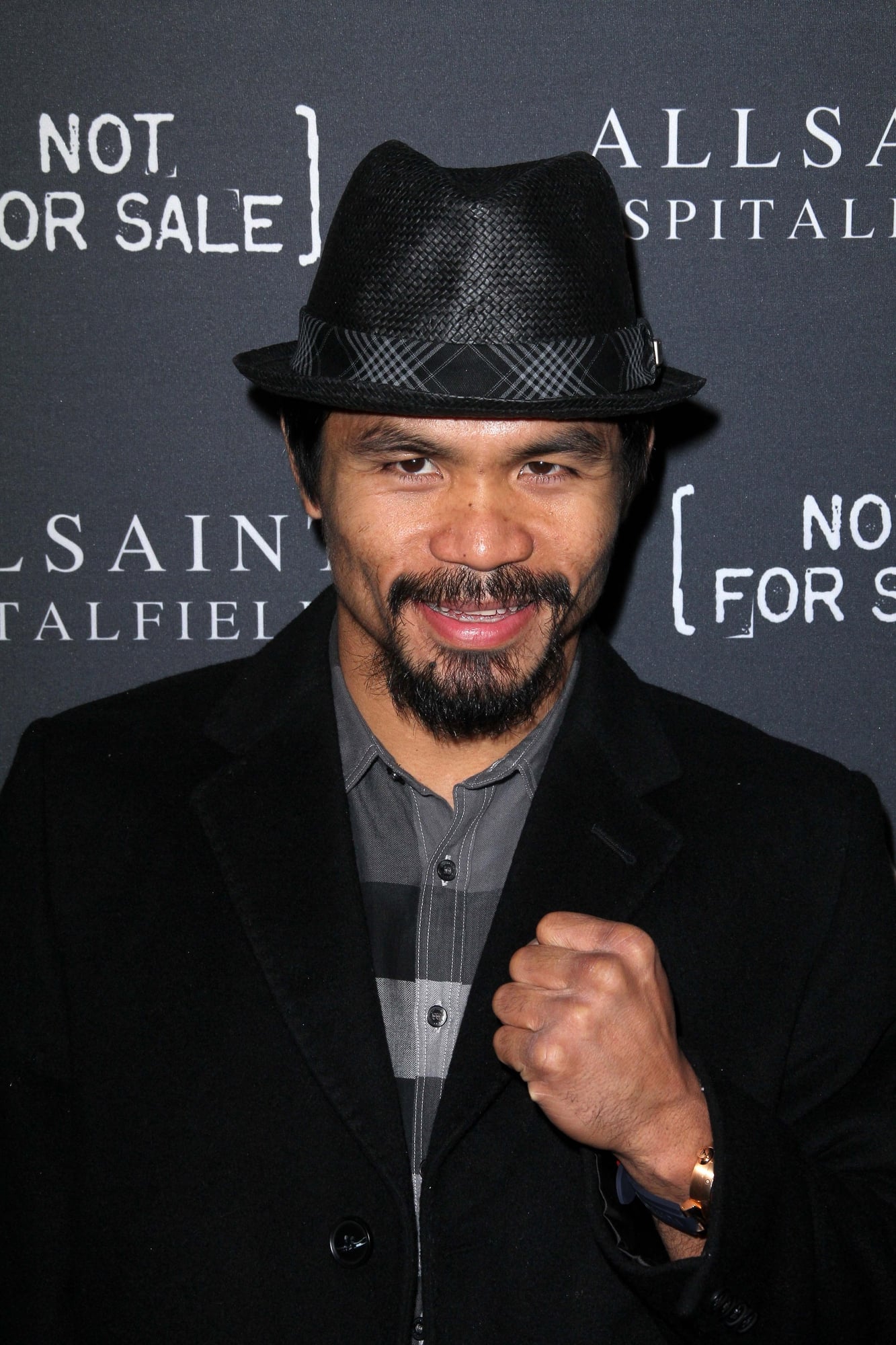
Tim Bradley’s split decision victory over Manny Pacquiao shocked the boxing world, with two judges scoring it 115-113 for Bradley while the third had it 115-113 for Pacquiao. CompuBox statistics showed Pacquiao outlanding Bradley significantly, and slow-motion replays seemed to confirm the Filipino’s dominance.
The decision was so controversial that it prompted an investigation by the Nevada State Athletic Commission.
Pernell Whitaker vs. Julio Cesar Chavez (1993)
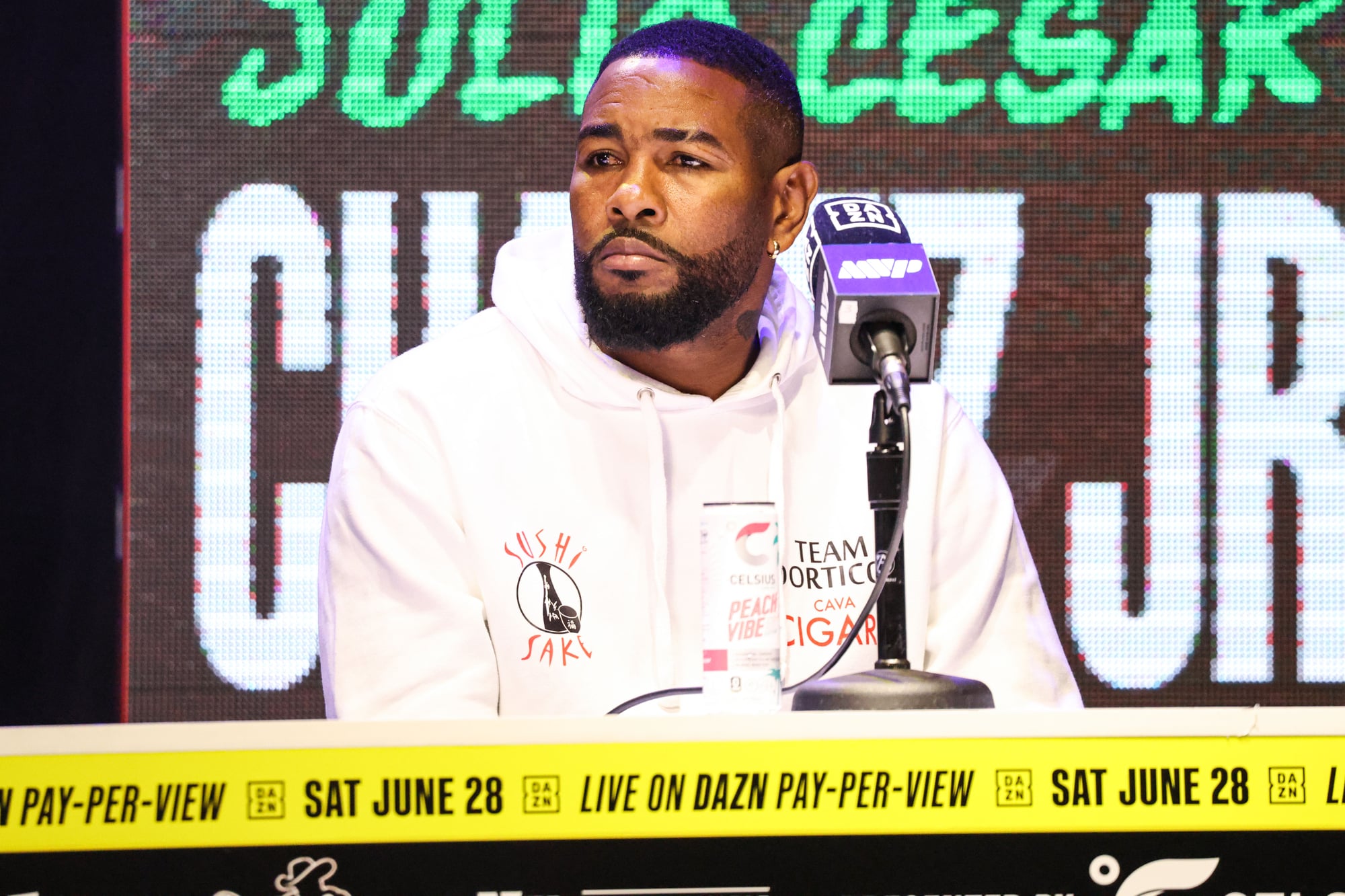
This welterweight unification bout ended in a majority draw that many felt was a clear victory for Pernell Whitaker. The defensive wizard from Virginia appeared to outbox Chavez throughout most of the fight, landing clean shots while making the Mexican legend miss repeatedly.
The draw allowed Chavez to keep his undefeated record intact, though most observers felt Whitaker deserved the victory.
Oscar De La Hoya vs. Felix Sturm (2004)
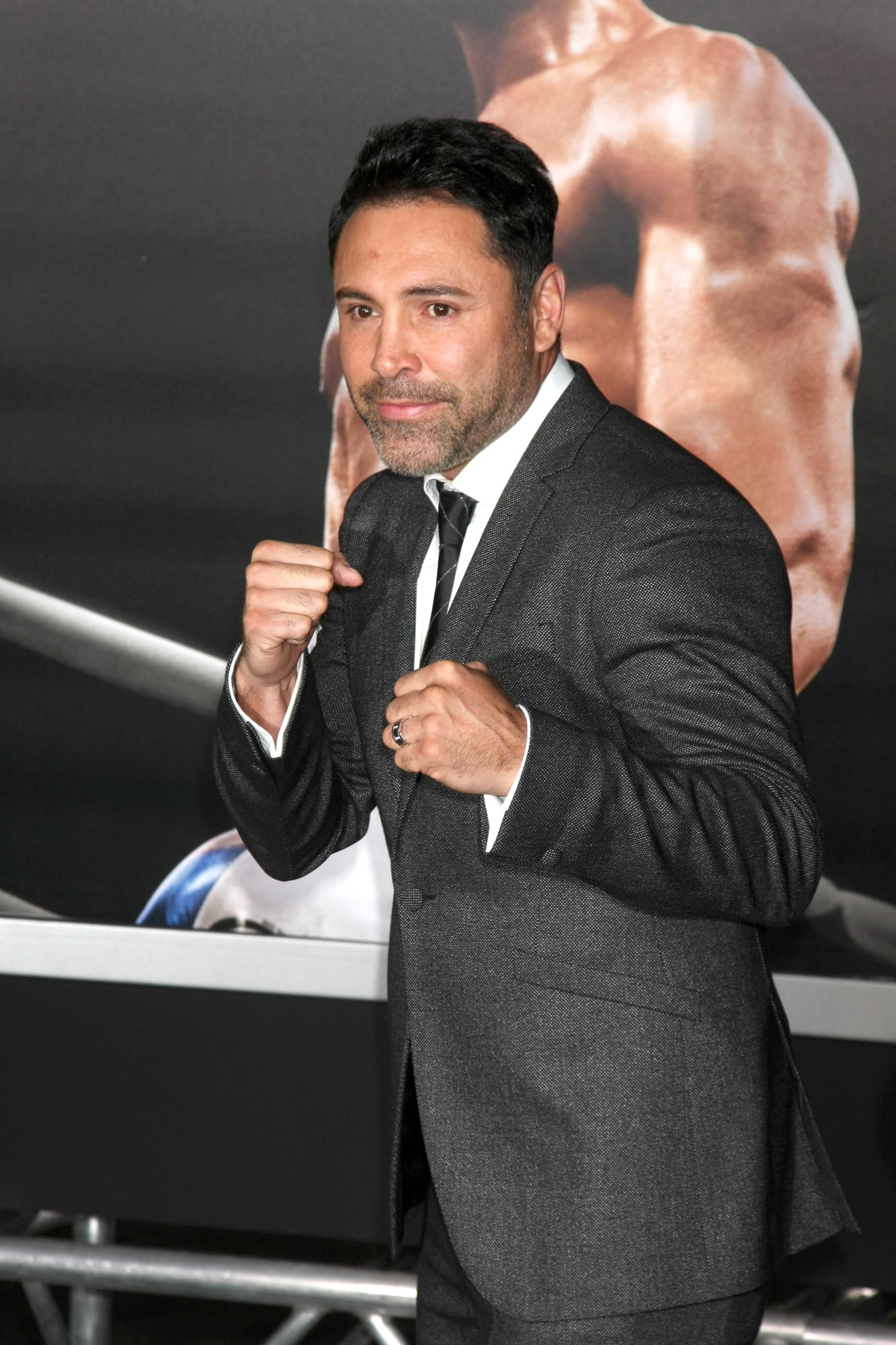
De La Hoya became the first boxer in history to win titles in six different divisions when he outpointed Sturm, who held the WBO middleweight title, with all three judges scoring it 115-113 despite connecting on just 188 of 792 punches. Sturm appeared to control much of the fight with his jab and movement, but the judges saw it differently.
The German fighter’s clean boxing seemed to go unnoticed by the officials in what many considered a hometown decision.
Floyd Mayweather vs. Jose Luis Castillo I (2002)
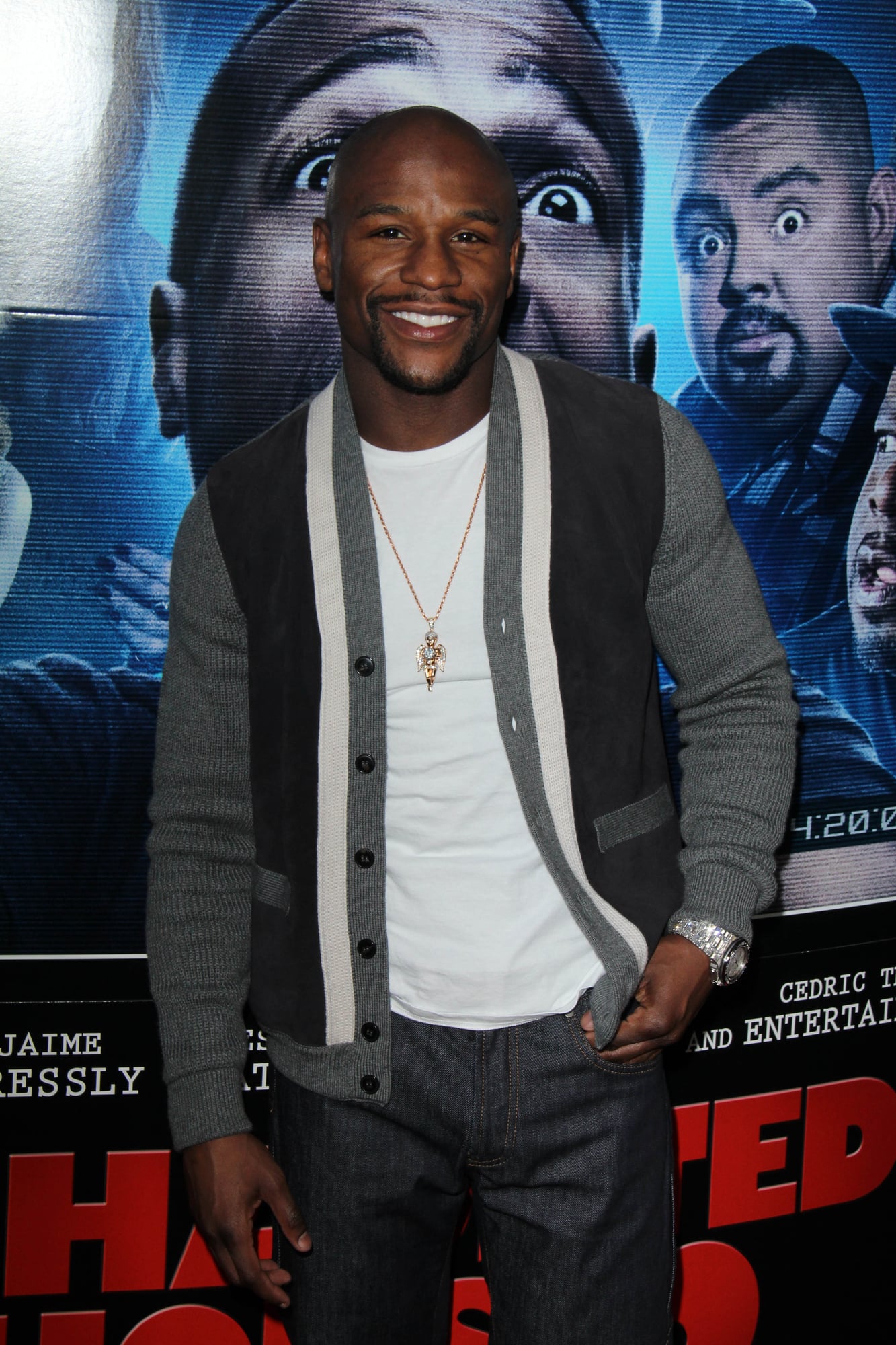
Floyd Mayweather’s narrow victory over Jose Luis Castillo sparked controversy, with many believing the Mexican fighter had done enough to win. Castillo applied constant pressure, landed the harder shots, and seemed to have Mayweather in trouble at various points.
The decision was so close that it immediately set up a rematch, though Mayweather won the second fight more convincingly.
Marvin Hagler vs. Sugar Ray Leonard (1987)
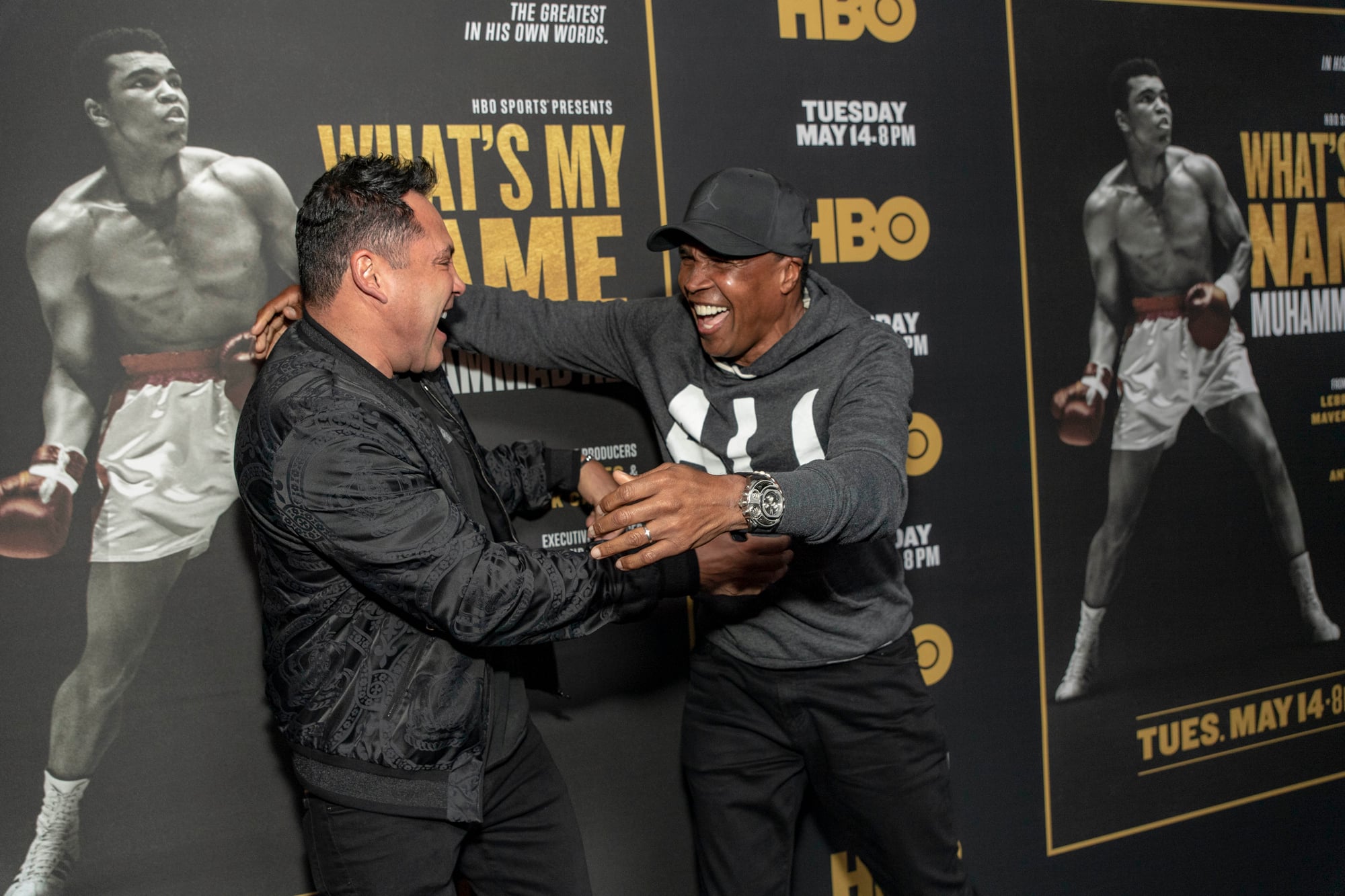
The decision ended in a controversial draw, with what makes this fight controversial being one judge’s decision to score the last round 10-8 in favor of Sugar Ray Leonard despite the absence of a knockdown. Leonard’s performance in the final round was impressive, but not enough to warrant a 10-8 score according to most observers.
The fight’s outcome allowed Leonard to retain his title in what many felt was Hagler’s victory.
Muhammad Ali vs. Ken Norton III (1976)
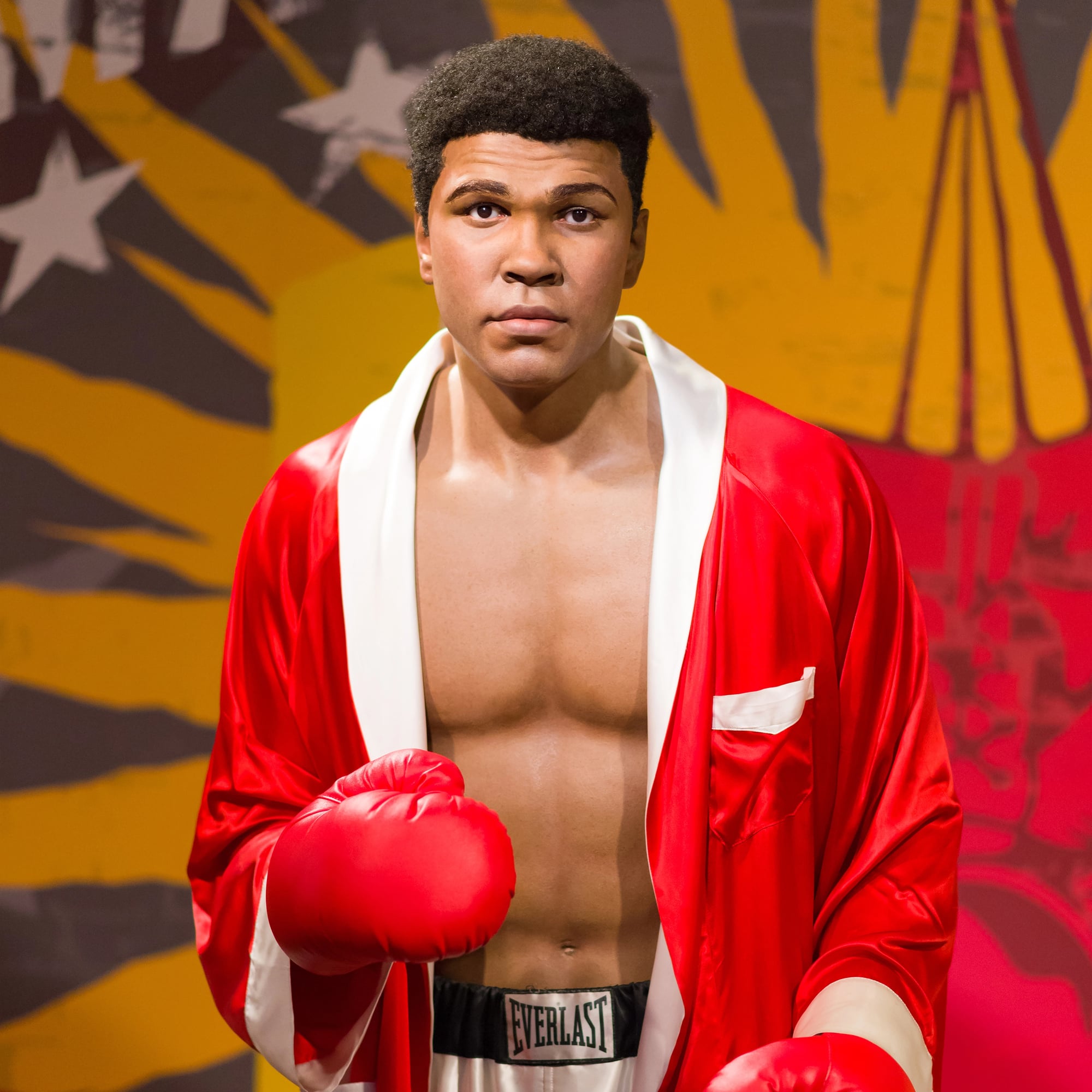
The third fight between Muhammad Ali and Ken Norton was razor-close, but many felt Norton had done enough to win the heavyweight title. Ali got the unanimous decision, though the scorecards were tight, and Norton’s consistent body work and aggression seemed to give him the edge.
The decision kept Ali’s championship reign alive, but questions lingered about whether the judges got it right.
Sergio Martinez vs. Paul Williams I (2009)
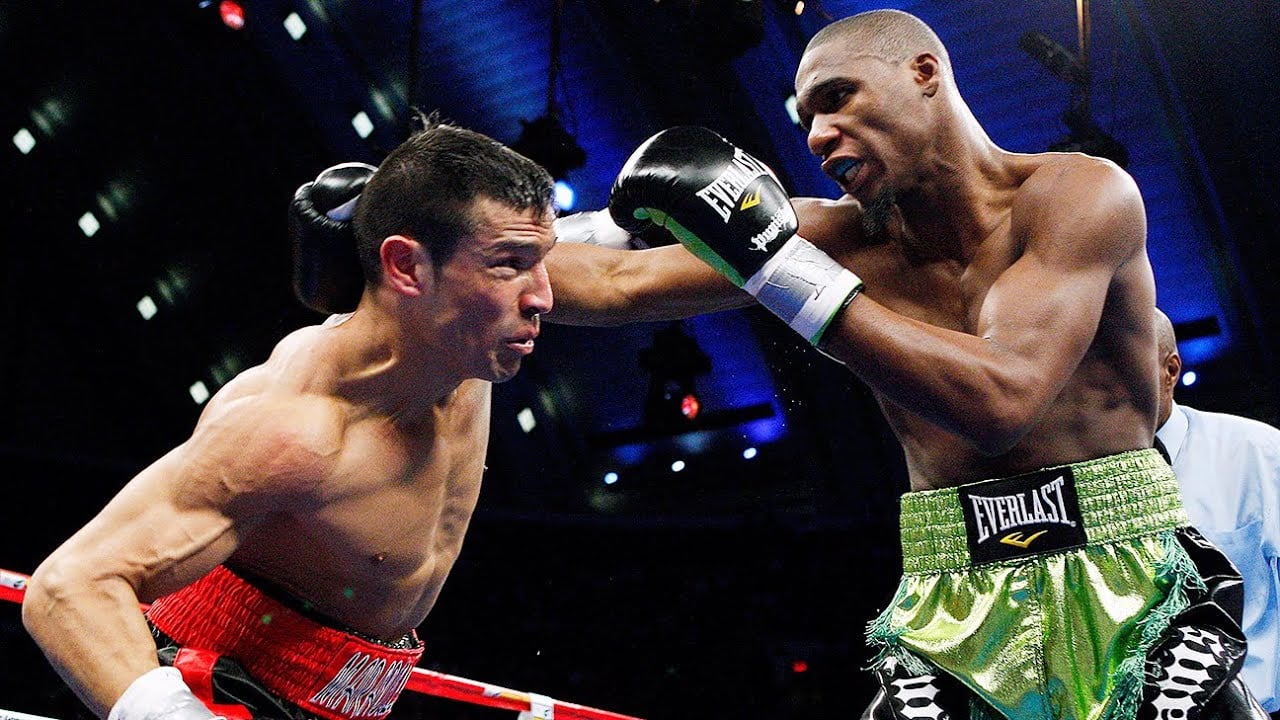
This middleweight bout was filled with drama, including a knockdown of Martinez in the first round and a spectacular knockdown of Williams in the final round. The majority draw seemed to favor Williams, who appeared to control more of the fight despite being dropped late.
Many observers felt Williams had done enough to win, making the draw controversial and setting up an inevitable rematch.
Whitaker vs. De La Hoya (1997)
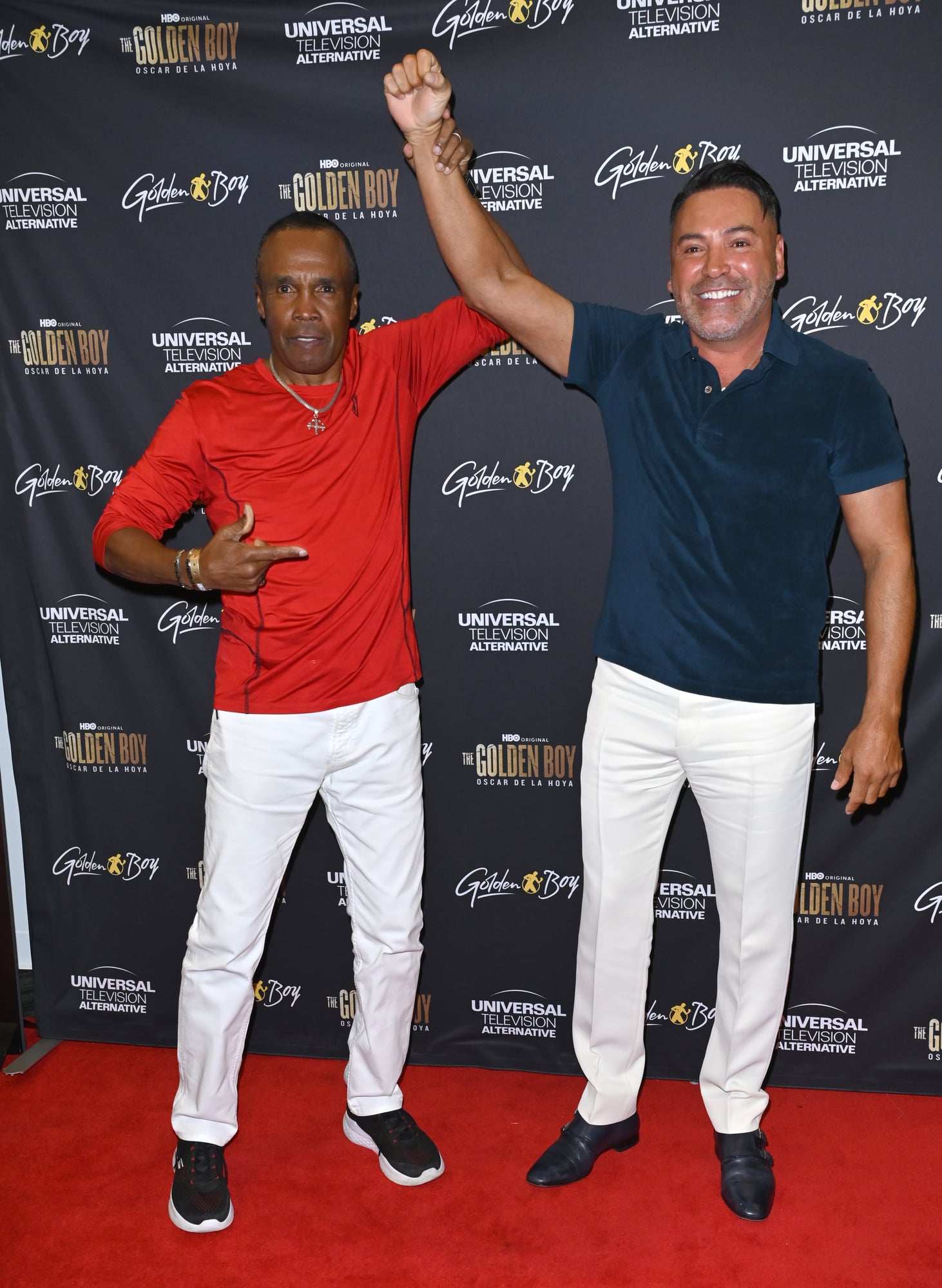
Oscar De La Hoya’s unanimous decision victory over Pernell Whitaker was heavily disputed, with many believing the defensive master had outboxed the Golden Boy. Whitaker’s slick style and counter-punching seemed to frustrate De La Hoya throughout the fight, but the judges saw it differently.
The decision was particularly controversial because it came at a time when De La Hoya was boxing’s biggest draw.
Lennox Lewis vs. Hasim Rahman II (2001)
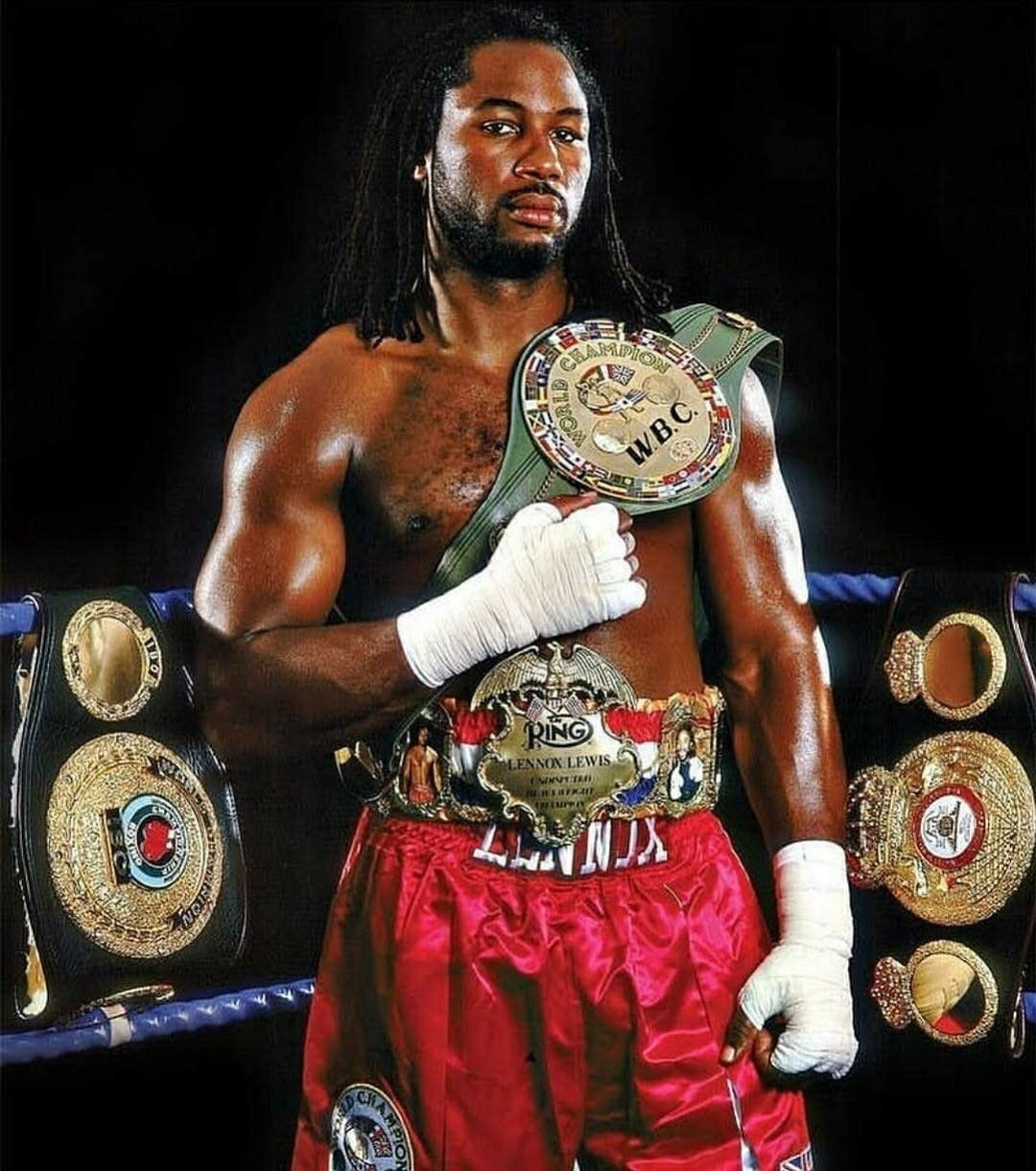
While Lewis won the rematch convincingly on the scorecards, many felt the fight was closer than the wide unanimous decision suggested. Rahman had his moments and seemed to outwork Lewis in several rounds, but the judges gave Lewis nearly every close round.
The decision was controversial mainly because of how wide the margins were rather than the winner itself.
Felix Trinidad vs. Oscar De La Hoya (1999)
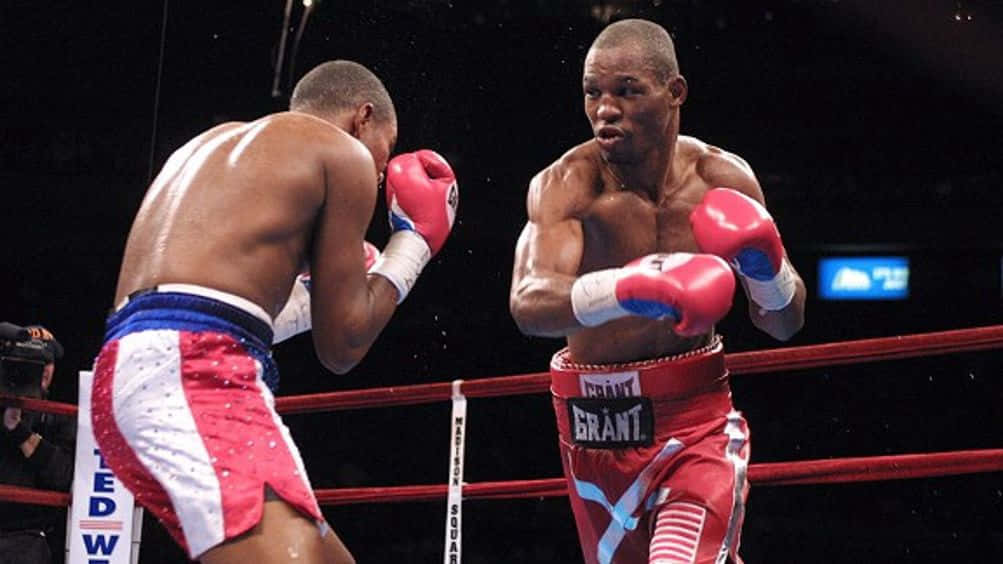
This welterweight unification bout saw Trinidad win a majority decision that many felt should have gone to De La Hoya. The Golden Boy seemed to control the early and middle rounds with his boxing skills, while Trinidad came on strong in the final rounds.
The controversy centered on whether Trinidad’s late surge was enough to overcome De La Hoya’s earlier dominance.
Joel Casamayor vs. Jose Armando Santa Cruz (2005)
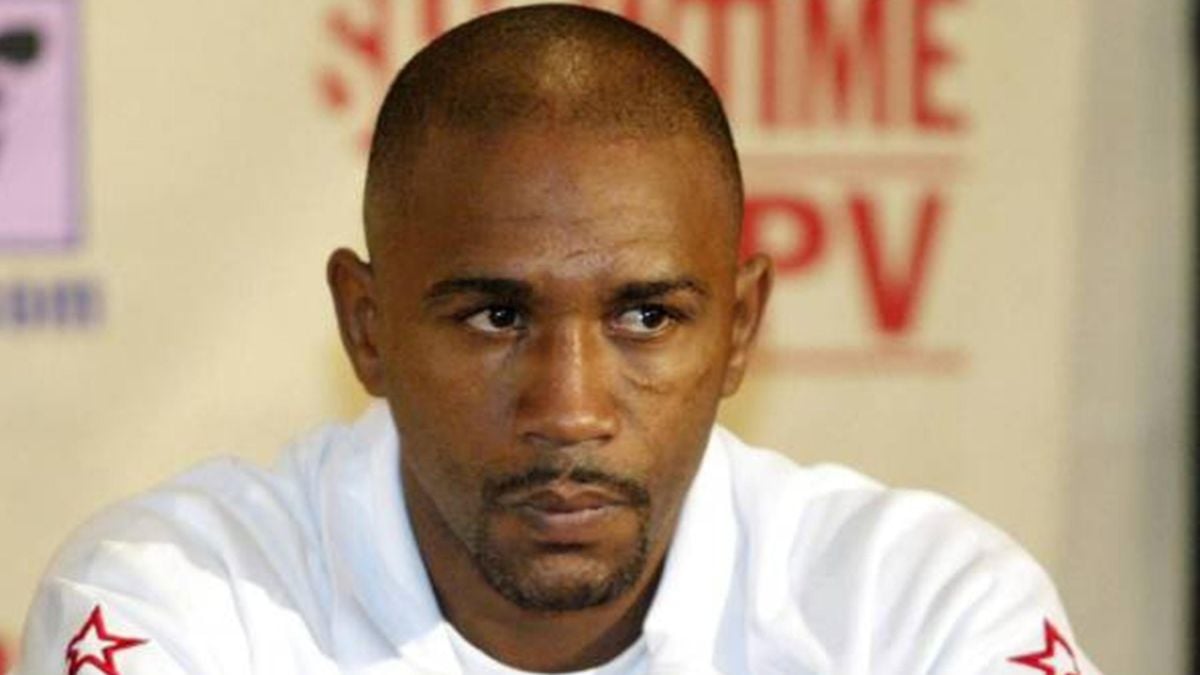
Recognized lightweight champion Joel Casamayor, who entered the fight off a long layoff, was awarded a ludicrous split-decision win over hard-charging challenger Jose Armando Santa Cruz. Santa Cruz appeared to outwork the champion throughout the fight, landing the cleaner shots and applying constant pressure.
The decision was so controversial that it highlighted the ongoing issues with judging in boxing.
Shane Mosley vs. Winky Wright (2004)
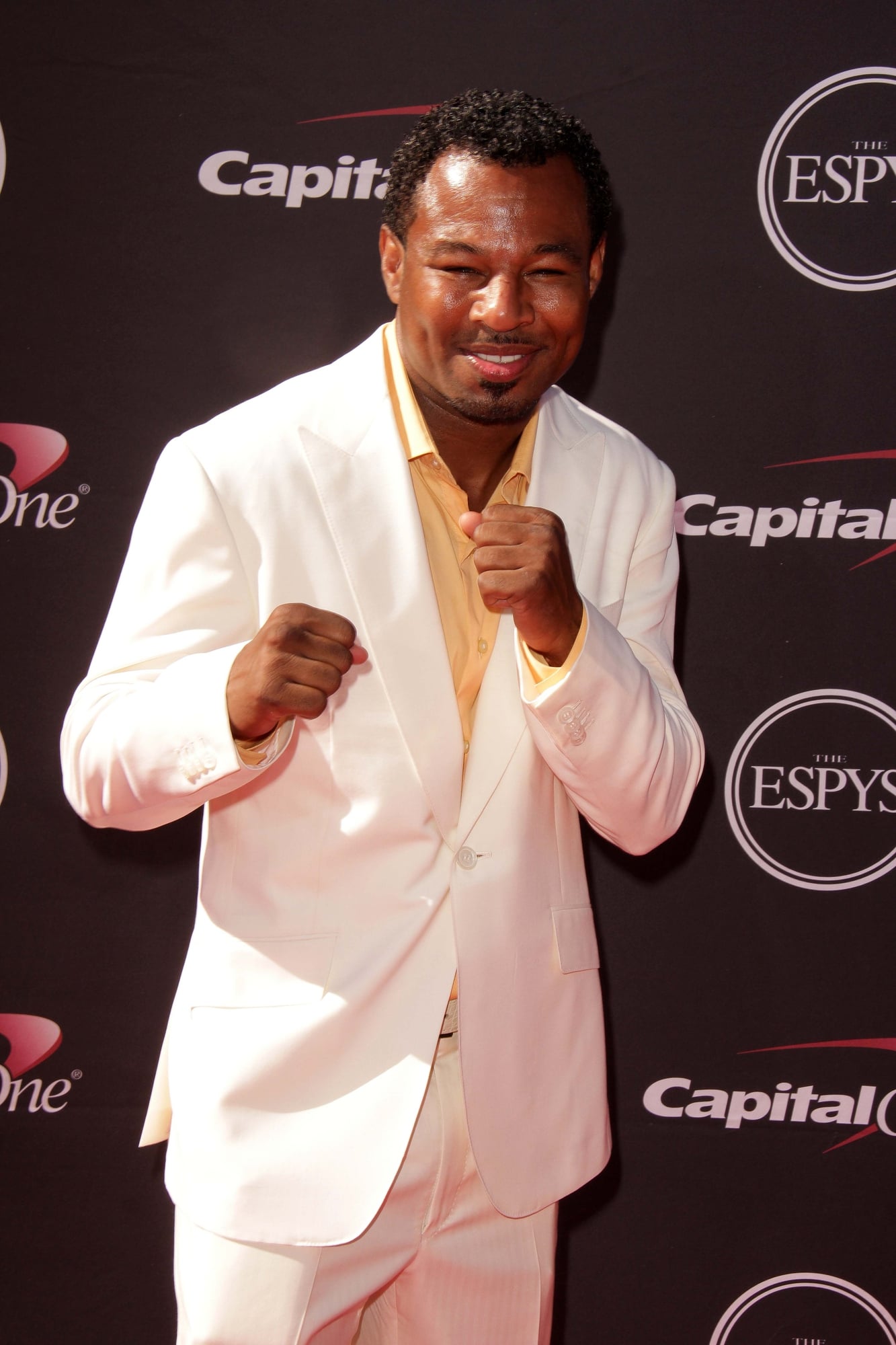
This middleweight bout ended in a majority draw that many felt was a clear victory for Winky Wright. The southpaw from St. Petersburg seemed to outbox Mosley throughout most of the fight, using his jab and movement to control the distance.
Wright’s consistent work appeared to earn him the victory, but the judges saw it as a draw.
Bernard Hopkins vs. Jermain Taylor II (2005)

Taylor’s split decision victory in their rematch was controversial, with many believing Hopkins had done enough to regain his middleweight titles. The veteran showed his ring IQ and seemed to outbox the younger Taylor in the crucial rounds.
The decision was particularly controversial because it came just months after their first controversial encounter.
Saul Alvarez vs. Erislandy Lara (2014)
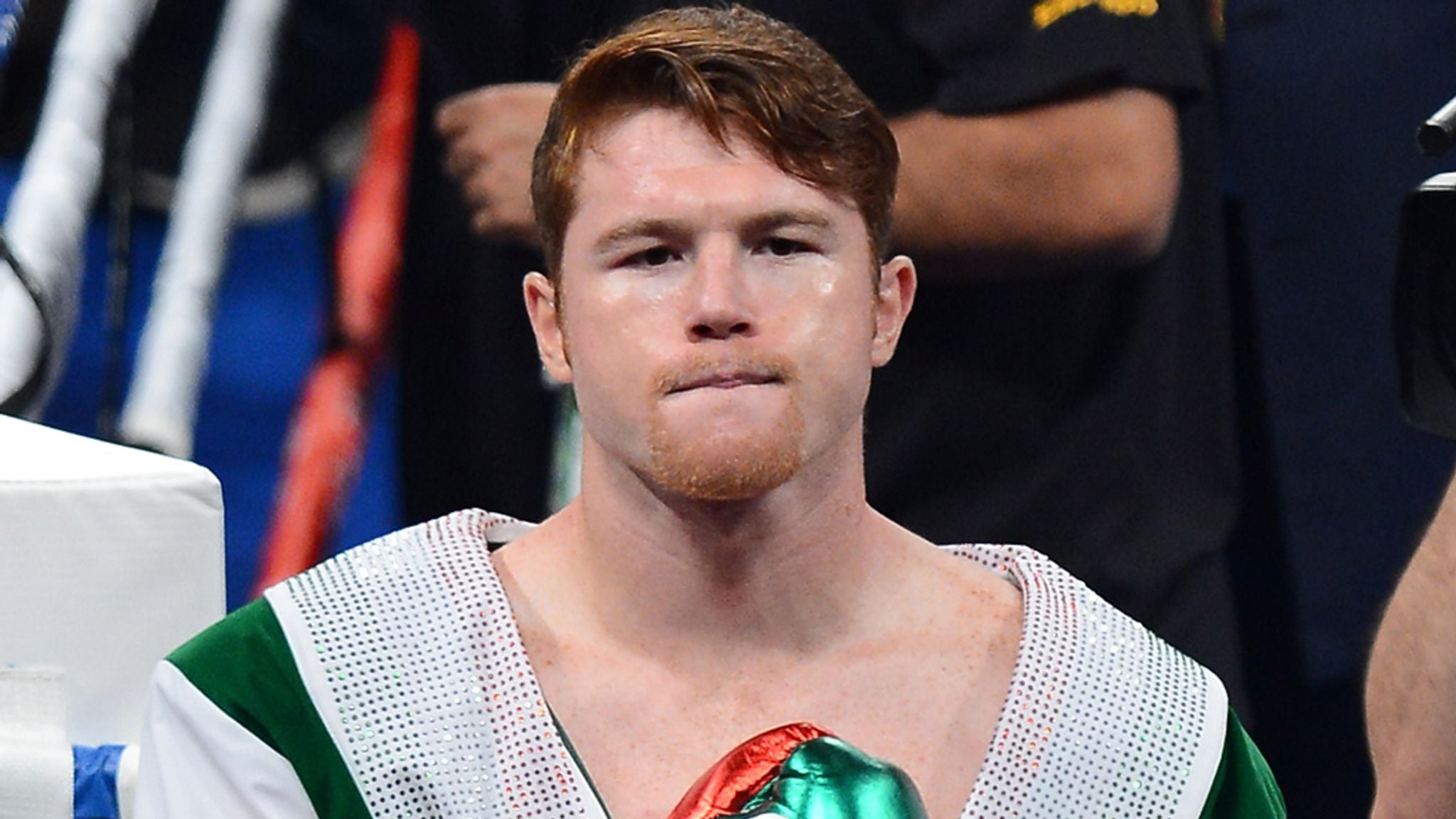
Canelo’s split decision victory over the slick Cuban southpaw was heavily disputed, with many believing Lara had outboxed the Mexican star. Lara’s movement and counter-punching seemed to frustrate Canelo throughout the fight, but the judges favored the aggressor.
The decision highlighted the ongoing debate about whether clean boxing or aggression should be valued more highly.
When Controversy Shapes the Sport
These controversial decisions have done more than just upset fans and fighters—they’ve fundamentally changed how boxing operates. The Roy Jones Jr. robbery led to scoring reforms in Olympic boxing, while other disputed verdicts have prompted discussions about open scoring and judge accountability.
Each controversial decision serves as a reminder that in boxing, human judgment can be as fallible as it is powerful. The sport continues to evolve, but these moments remain frozen in time as examples of when the wrong hand was raised, leaving us to wonder what might have been.
More from Go2Tutors!

- The Romanov Crown Jewels and Their Tragic Fate
- 13 Historical Mysteries That Science Still Can’t Solve
- Famous Hoaxes That Fooled the World for Years
- 15 Child Stars with Tragic Adult Lives
- 16 Famous Jewelry Pieces in History
Like Go2Tutors’s content? Follow us on MSN.