Unusual Funeral Traditions Across Cultures
Death is one of the few experiences that connects every human being on the planet, but the way different cultures say goodbye to their loved ones couldn’t be more different. From turning the deceased into fireworks to dancing with the dead, people around the world have developed fascinating ways to honor those who have passed on.
Some traditions might seem strange at first glance, but each one carries deep meaning and reflects the values of the community that practices it. Let’s explore some of the most interesting ways people around the world celebrate, mourn, and remember the dead.
Jazz funerals in New Orleans
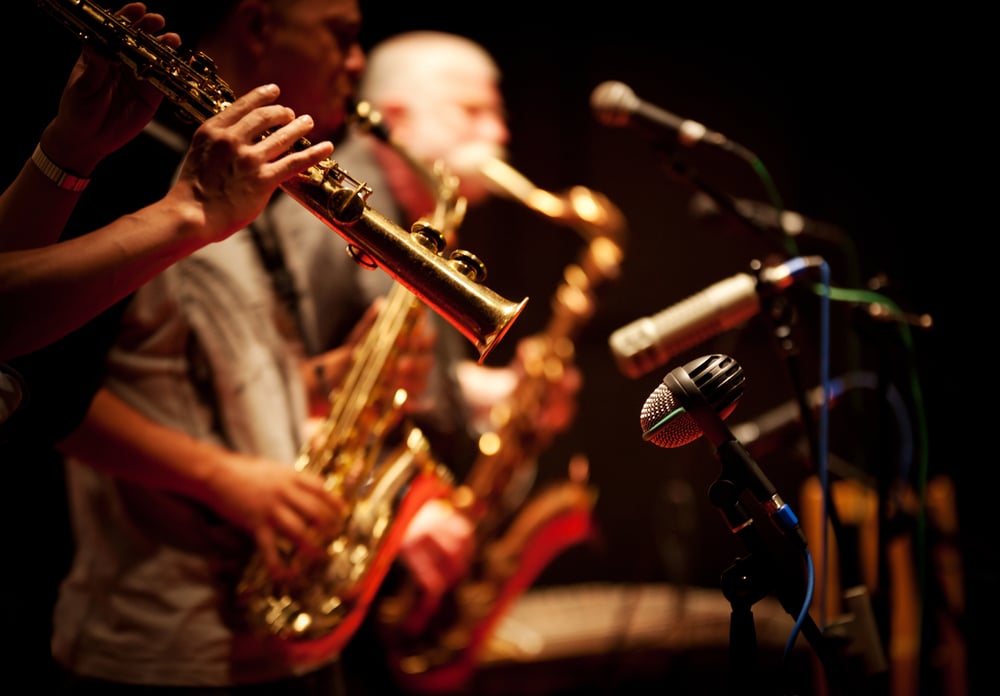
New Orleans has turned saying goodbye into an art form with its famous jazz funerals. A brass band leads mourners through the streets, playing somber hymns on the way to the cemetery and upbeat jazz on the way back.
This tradition started in the African American community and reflects the belief that death is not just an ending but a return home. The shift from sadness to celebration happens right after the burial, and people often dance in the streets.
It’s become such a part of the city’s identity that even people who aren’t from New Orleans sometimes request this kind of send-off.
Sky burials in Tibet

High in the Tibetan mountains, some communities practice what’s called a sky burial. The body is taken to a mountaintop and left for vultures to consume.
This might sound shocking, but it makes perfect sense in a place where the ground is often too frozen to dig and wood for cremation is scarce. Buddhists in the region also see it as a final act of generosity, offering the body to feed other living creatures.
The practice is considered sacred, and only special people called rogyapas are trained to prepare the body. Most importantly, it reflects the Buddhist belief that the body is just an empty vessel once the spirit has moved on.
Turning ashes into fireworks

Some people in the United States and United Kingdom are choosing to go out with a literal bang by having their ashes packed into fireworks. Companies now specialize in loading cremated remains into firework shells that get launched during a memorial celebration.
Family members gather to watch the sky light up in honor of their loved one, often with colors the deceased loved or patterns they would have enjoyed. It’s become particularly popular for people who lived big, colorful lives and wanted their final goodbye to match their personality.
The idea combines mourning with celebration in a way that feels both modern and deeply personal.
Dancing with the dead in Madagascar

Every five to seven years, the Malagasy people of Madagascar dig up their ancestors’ bodies and dance with them. This tradition, called Famadihana or the turning of the bones, involves rewrapping the bodies in fresh silk shrouds and parading them around the tomb while live music plays.
Families use this time to ask their ancestors for blessings and to introduce them to new family members who have been born since the last ceremony. The celebration includes food, drink, and storytelling about the deceased.
It’s based on the belief that the dead don’t fully enter the afterlife until their bodies have completely decomposed, which can take several years.
Hanging coffins in the Philippines

In Sagada, Philippines, some communities place their dead in coffins that hang from cliffs or are tucked into caves high above the ground. The tradition is thousands of years old and is practiced by the Igorot people.
They believe that placing the body higher up brings the deceased closer to their ancestral spirits. The coffins are often hand-carved by the person before they die, and they’re deliberately made small so the body must be placed in a fetal position.
This position represents coming into the world and leaving it in the same way.
Sending the dead down the Ganges

In India, particularly in the holy city of Varanasi, Hindu families cremate their loved ones on the banks of the Ganges River and release the ashes into the water. The Ganges is considered the most sacred river in Hinduism, and dying in Varanasi is believed to free a person from the cycle of rebirth.
Bodies are cremated on open-air pyres right next to the river, often in public view, and the entire process can take several hours. Some families also release flower petals, candles, and offerings into the water along with the ashes.
The belief is that the river purifies the soul and carries it to the next stage of existence.
Turning bodies into trees

A growing movement allows people to become trees after they die through something called human composting or green burial. Companies now offer biodegradable urns containing seeds that are planted with cremated remains, or even burial pods that let the body decompose naturally and feed a tree.
The idea appeals to environmentally conscious people who want their death to give back to the earth. In some cases, entire memorial forests are being created where families can visit the tree that grew from their loved one.
It takes ancient burial concepts and updates them for people worried about their environmental footprint.
Keeping mummies at home in Indonesia

The Toraja people of Indonesia sometimes keep their deceased relatives at home for months or even years before the funeral. During this time, the body is treated with formaldehyde and the family continues to care for it as if the person were just sick.
They might bring food to the room, talk to the deceased, and include them in family decisions. This happens partly because Toraja funerals are incredibly expensive, and families need time to save up for a proper ceremony.
When the funeral finally happens, it can last for days and involve the sacrifice of water buffalo, which are believed to help carry the soul to the afterlife.
Eating the dead

Some indigenous groups in Brazil and Papua New Guinea historically practiced what anthropologists call mortuary cannibalism. The Yanomami people of the Amazon, for example, would cremate their dead and mix the ashes into a plantain soup that the family would consume.
This wasn’t about hunger but about keeping the deceased within the community and ensuring their spirit stayed with the tribe. The practice has largely disappeared due to outside influence and government pressure.
It’s a reminder that what seems unthinkable in one culture can be the highest form of respect in another.
Leaving out food for spirits

In Mexico, Dia de los Muertos or Day of the Dead involves creating elaborate altars in homes and cemeteries with the deceased person’s favorite foods, drinks, and possessions. Families believe that on November 1st and 2nd each year, the spirits of the dead return to visit.
The altars include marigolds, candles, photos, and special bread called pan de muerto. People spend the night in cemeteries, telling stories, playing music, and sharing meals with both the living and the dead.
It’s become one of Mexico’s most important cultural traditions and has spread to Mexican communities around the world.
Professional mourners in the Middle East

In some Middle Eastern and Mediterranean cultures, families hire professional mourners to wail and cry at funerals. These mourners, usually women, are trained to express grief in dramatic ways that family members might feel but can’t fully show themselves.
They tear their clothes, cry loudly, and sometimes even throw themselves on the ground. The practice dates back thousands of years and is mentioned in ancient texts.
The idea is that grief needs to be fully expressed and witnessed, and professional mourners help create the emotional intensity that honors the importance of the person who died.
Holding funeral feasts in Ireland

Irish wakes turn mourning into a social gathering that can last for days. The body remains in the home, often in an open coffin, while family and friends gather to eat, drink, tell stories, and sometimes play games.
Whiskey flows freely, and people are encouraged to share funny memories of the deceased. The tradition reflects the Irish belief that death should be acknowledged but also that life should be celebrated.
Some wakes have been known to include everything from card games to music sessions. It’s about community support as much as it’s about honoring the dead.
Creating memorial diamonds

Modern technology now allows people to turn the carbon from cremated remains into actual diamonds. Companies extract the carbon, subject it to extreme heat and pressure, and create a gem that family members can wear.
The process takes several months and results in a diamond that’s chemically identical to natural ones. Some people find comfort in having a physical piece of their loved one they can keep close.
The diamonds can be made in different colors depending on the elements present in the remains, giving each one a unique appearance.
Painting the bones in Ghana

The Ga people of Ghana celebrate their dead with elaborate fantasy coffins shaped like objects that represented the person’s life or profession. A fisherman might be buried in a coffin shaped like a fish, while a pilot could go into one shaped like an airplane.
These coffins are brightly painted and incredibly detailed, often taking months to build. The tradition started in the 1950s and has become an art form that’s now displayed in museums around the world.
It reflects the belief that death is a transition to another life, and the journey should be made in style.
Preserving bodies in honey

Back then, in places like old Egypt and Mesopotamia, folks used honey to hold onto bodies long after dying – this was known as mellification. Because honey fights bacteria, it stopped rotting and held forms together across many years.
Some communities, especially in early Arabian regions, had people drink nothing but honey during their final weeks on earth. Once they passed, the corpse went into a bath of honey, then locked away tight.
That habit faded over time, though it reveals how far humans once reached just to keep flesh lasting past death.
Sending cremated remains to space

A different kind of farewell has emerged – tiny amounts of human ash riding rockets beyond our atmosphere. These specks go up inside mini containers tucked beside tech gear on launch day.
Once aloft, some circle the planet slowly, lasting years until air friction pulls them down in fire. Others keep going, vanishing into vast stretches between planets.
For those drawn to the night sky during life, it feels like a quiet return. Names you might recognize made the choice too – not many, but enough to show it’s real.
Serving food at Mongolian funerals

Food appears at Mongolian funeral rites shaped by old Buddhist ways. Bodies rest outdoors, returned to earth through wind, rain, weather, scavengers.
Known as sky burial, it echoes Tibet yet carries local marks. Monks chant rituals ahead of the laying out.
Relatives gather what was loved on plates – meat, bread, tea. Spirits get first taste, unseen guests invited silently.
Then people eat, passing bowls hand to hand. Born into endless plains, Mongolians view life as a loop where passing means going back to earth.
Since people move often, digging lasting tombs never made sense – so bodies are not placed under soil. Instead, they follow ways shaped by movement across wide open lands.
Farewell turning into a fresh greeting once more

Even when someone dies, staying close can still matter a lot. Dancing through New Orleans sidewalks or shaping cremated remains into gemstones – each act carries meaning shaped by personal faith and identity.
To those unfamiliar, certain rituals might seem odd; yet inside the community, they fit just right. With global ties growing stronger, customs travel shifts, sometimes blend with today’s pace.
Different ways to partake in farewells prove one truth: closure isn’t one-size-fits-all.
More from Go2Tutors!

- The Romanov Crown Jewels and Their Tragic Fate
- 13 Historical Mysteries That Science Still Can’t Solve
- Famous Hoaxes That Fooled the World for Years
- 15 Child Stars with Tragic Adult Lives
- 16 Famous Jewelry Pieces in History
Like Go2Tutors’s content? Follow us on MSN.



