17 Musical Albums Recorded in Unusual Locations
The history of music recording is filled with artists seeking the perfect acoustic environment or creative inspiration. While professional studios offer controlled settings, some musicians have ventured far beyond conventional spaces to capture unique sounds and atmospheres.
Here is a list of 17 albums created in extraordinary recording locations, showcasing how the environment can shape the creative process and final product.
Abbey Road Studios’ Mirror Room
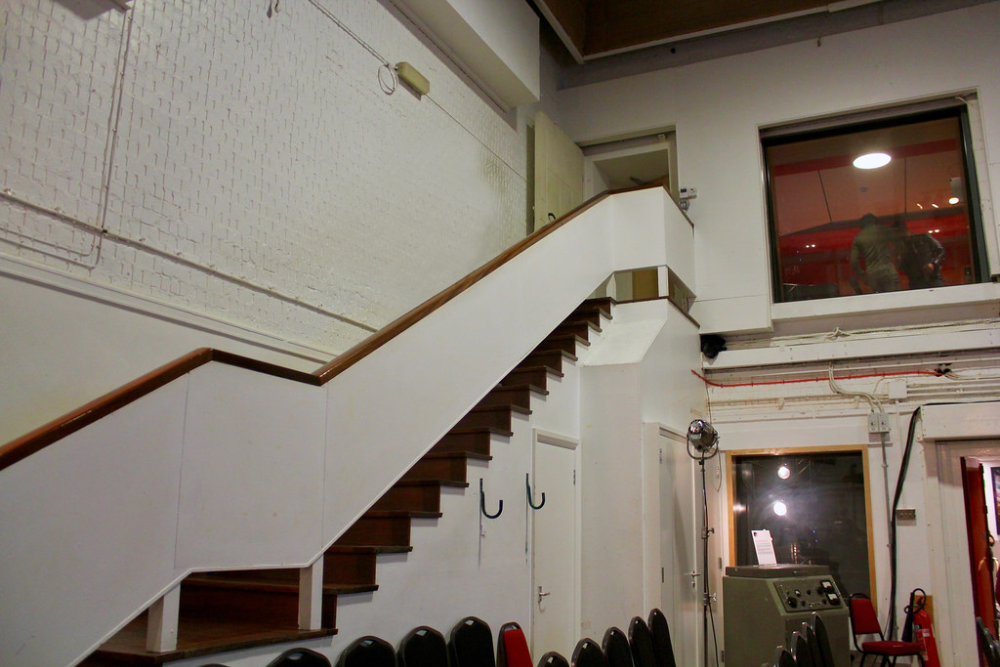
Pink Floyd recorded parts of “The Dark Side of the Moon” in Abbey Road’s unusual Mirror Room, a space designed with completely non-parallel surfaces to create a distinctive echo-free environment. The room’s acoustic properties contributed to the album’s pristine sound quality and helped create those iconic, spacious moments that feel like they’re expanding inside your head.
This specialized chamber became an instrument itself in crafting the album’s revolutionary sonic landscape.
Icelandic Swimming Pool

Sigur Rós transformed an abandoned swimming pool in their native Iceland into a makeshift studio for their breakthrough album “Ágætis byrjun.” The massive concrete space provided natural reverb that couldn’t be replicated artificially, giving the music its characteristic ethereal quality.
You can almost feel the cold Icelandic air in the expansive sounds that defined their atmospheric post-rock style.
Headley Grange

Led Zeppelin recorded much of their untitled fourth album (commonly known as “Led Zeppelin IV”) at Headley Grange, a decrepit 18th-century poorhouse in rural Hampshire, England. The cavernous stairwell where John Bonham set up his drum kit produced the massive, natural reverb heard on “When the Levee Breaks,” one of rock’s most sampled drum tracks.
The band lived and created in this remote, reportedly haunted building, allowing the atmosphere to seep into their music.
Berlin’s Hansa Studios

David Bowie’s “Heroes” was recorded at Hansa Studios, situated right beside the Berlin Wall during the Cold War. The control room overlooked the armed guards patrolling the death strip, with Bowie even spotting a couple embracing near the wall, inspiring the album’s title track.
The political tension and divided city became embedded in the album’s stark, experimental sound.
The Big Pink
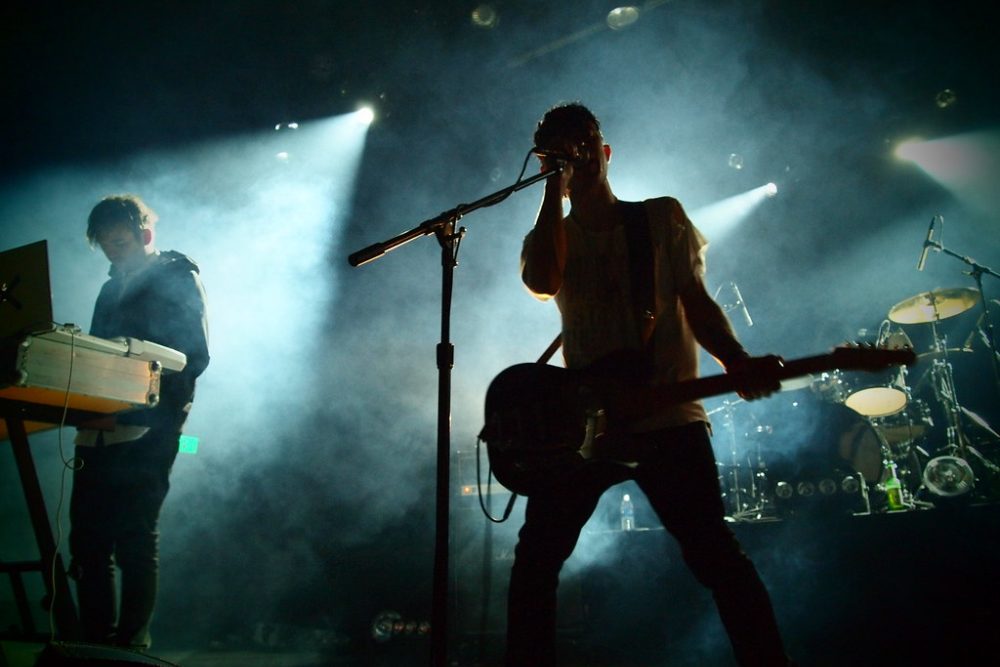
Bob Dylan and The Band retreated to a large pink house in Woodstock, NY (nicknamed “The Big Pink”) to record what would become “The Basement Tapes.” The informal basement sessions captured raw performances in a relaxed environment, far from record label pressures or professional studio constraints.
The homey, casual setting fostered a creative freedom that resulted in some of Dylan’s most authentic and influential work.
Cowshed Conversion

Radiohead avoided traditional studios for “OK Computer,” instead setting up in an empty manor house called St. Catherine’s Court in Bath, England. They recorded in various rooms throughout the house, including a converted cowshed that contributed to the album’s spacious, sometimes unsettling atmosphere.
The band members lived together during this period, with the isolation and unusual setting feeding into the album’s themes of alienation and technological unease.
The Joshua Tree Desert
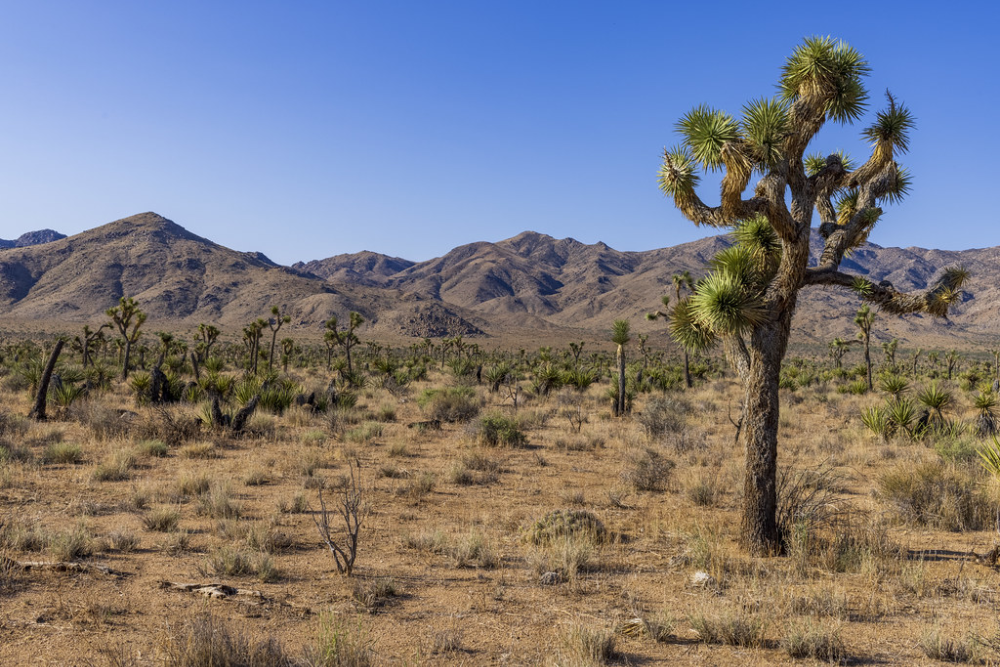
U2 didn’t just name their album after the Joshua Tree National Park—they actually recorded parts of it in the Mojave Desert. The vast, spiritual landscape influenced both the music and iconic album photography.
The band would sometimes play outdoors, allowing the expansive desert environment to inspire the album’s grand, wide-open sound that feels as boundless as the American frontier.
An Italian Castle

Coldplay recorded much of “Viva la Vida or Death and All His Friends” in a converted 17th-century church and historic buildings in Barcelona, as well as in an Italian castle. Producer Brian Eno encouraged the band to embrace the unique acoustics of these historic spaces, moving equipment between rooms to capture different sounds.
The religious and historical surroundings contributed to the album’s more experimental and spiritually reflective tone.
New Orleans Mansion

Nine Inch Nails recorded “The Downward Spiral” in the Benedict Canyon home where the Manson Family committed the Tate murders in 1969. Trent Reznor built a studio called “Le Pig” in the house, with the location’s dark history intentionally informing the album’s disturbing themes.
The psychological weight of the environment couldn’t help but influence the intense, often harrowing emotional landscape of the record.
A Remote Lighthouse

British electronic duo Boards of Canada reportedly recorded parts of “Geogaddi” in a remote Scottish lighthouse, isolated from outside influences. The seclusion and constant sound of waves contributed to the album’s otherworldly, hypnotic qualities.
Like their namesake nature documentaries, the environmental sounds became subtle textures woven into their nostalgic electronic soundscapes.
Underwater Studios
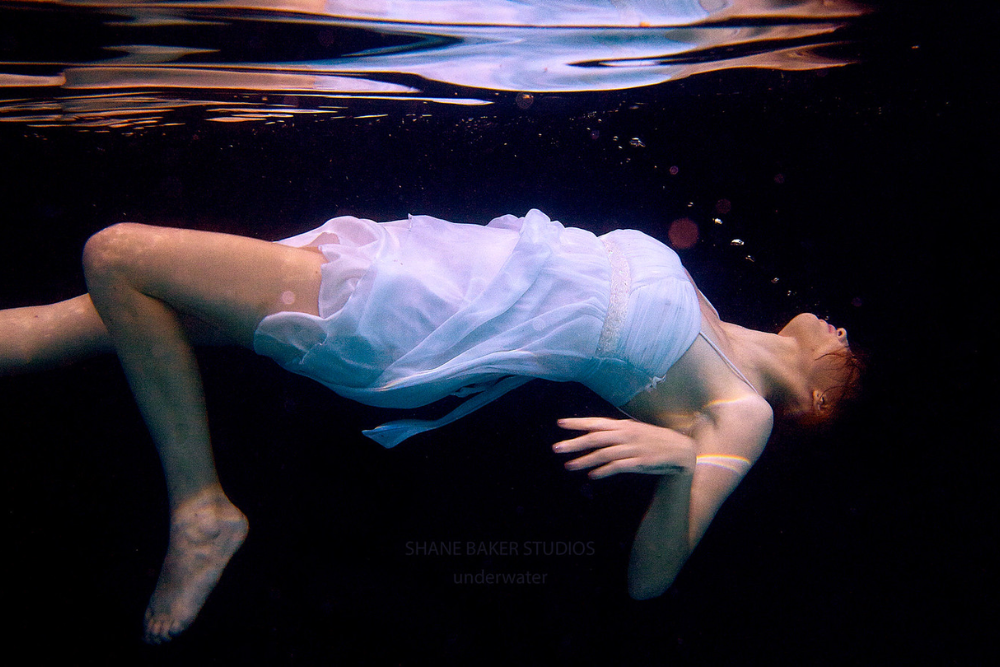
Jars of Clay recorded portions of their album “The Long Fall Back to Earth” in unique underwater studios to achieve specific acoustic effects. The unusual recording environment created distinctive reverberations that couldn’t be replicated with standard production techniques.
This aquatic recording approach added depth and resonance to their already atmospheric alternative rock sound.
A Disused Grain Silo

Bon Iver’s Justin Vernon recorded “For Emma, Forever Ago” in his father’s hunting cabin in the Wisconsin woods during winter, but even more unusual was Volcano Choir (his side project with Collections of Colonies of Bees) recording in a disused grain silo. The cylindrical structure created natural reverb and tonal qualities that gave their experimental folk music an almost cathedral-like acoustic signature.
Forest Clearing

Fleet Foxes recorded parts of “Helplessness Blues” outdoors in a forest clearing, capturing the natural ambience of the woodland setting. Bird calls and rustling leaves became subtle background elements in their harmony-rich folk songs.
The organic environment matched perfectly with their nature-inspired lyrics and acoustic instrumentation.
An Abandoned Train Station

Tom Waits recorded portions of “Rain Dogs” in an abandoned train station, using the cavernous space to capture his distinctive, clanking percussion and gravelly vocals. The urban decay and echoing platforms contributed to the album’s portrait of New York’s underbelly.
You can almost smell the grit and feel the cold concrete when listening to the album’s industrial-tinged arrangements.
A Former Dairy Farm

Arcade Fire converted an old dairy farm outside Montreal into a recording studio for their album “The Suburbs.” The band lived and recorded in this rural setting while creating an album about the sprawling developments that were rapidly replacing such farmland.
The irony of making music about suburban expansion while recording in an agricultural setting added conceptual depth to their creative process.
A Remote Church
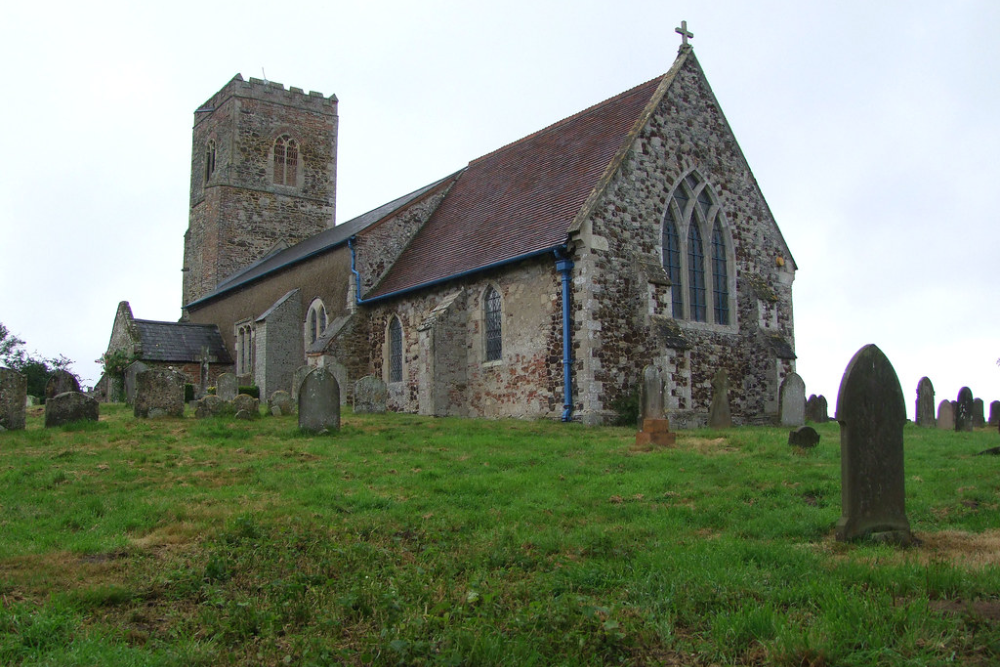
Pianist Keith Jarrett recorded his best-selling jazz album “The Köln Concert” in an opera house using a substandard piano that almost caused him to cancel the performance. Similarly unconventional, Ólafur Arnalds recorded “Living Room Songs” in his Reykjavík apartment, and Nils Frahm’s “Spaces” captured performances in various unusual venues including remote churches with distinct acoustic properties.
The imperfections of these locations often contributed magical qualities that no studio could replicate.
A Yorkshire Cave System

British electronic musician Burial supposedly recorded elements of “Untrue” in the Yorkshire cave system, capturing the dripping water and natural subterranean acoustics. While this might be more legend than fact, the album’s atmospheric, echoing qualities certainly evoke the sensation of being deep underground.
The damp, isolated environment would perfectly match the record’s late-night urban soundscapes.
Sonic Innovation Continues

The tradition of recording in unusual locations continues today, with artists constantly seeking new environments that might lend distinctive character to their music. From oceanside cliffs to abandoned subway tunnels, these creative decisions remind us that music isn’t just about notes and instruments—it’s about capturing a moment in time and space.
The physical environment where music is born often becomes as important as the instruments themselves, creating sonic fingerprints that could never exist in traditional studios.
More from Go2Tutors!

- The Romanov Crown Jewels and Their Tragic Fate
- 13 Historical Mysteries That Science Still Can’t Solve
- Famous Hoaxes That Fooled the World for Years
- 15 Child Stars with Tragic Adult Lives
- 16 Famous Jewelry Pieces in History
Like Go2Tutors’s content? Follow us on MSN.



