17 Naval Tech That Started As Experiments
Military innovation has always been driven by necessity, but naval warfare presents unique challenges that have sparked some of the most creative experimental solutions in history. From crude prototypes cobbled together in shipyards to top-secret laboratory projects, many of today’s standard naval technologies began as wild ideas that seemed impossible at the time. These experiments often faced skepticism, funding battles, and outright ridicule before proving their worth on the high seas.
The transition from experimental concept to essential naval equipment rarely happens overnight, and many promising ideas never make it past the testing phase. Here is a list of 17 naval technologies that started as experiments and eventually revolutionized maritime warfare.
Ironclad Warships

The USS Monitor represented a radical departure from traditional wooden warships when it launched in 1862. Naval architects had experimented with iron plating for years, but most considered it too heavy and impractical for combat vessels.
The Monitor’s rotating turret and low-profile design made it look more like a floating fortress than a traditional ship, earning it the nickname ‘cheesebox on a raft.’
Steam-Powered Propulsion

Robert Fulton’s early steam experiments faced massive resistance from naval traditionalists who believed sails were perfectly adequate for warfare. The first steam-powered warships were essentially floating laboratories, with engineers constantly tinkering with boiler pressure and paddle wheel designs.
Early steam engines were so unreliable that ships still carried full sail rigs as backup, making them look like mechanical monsters with fabric wings.
Sonar Detection Systems

The British dubbed their early research “supersonics,” but later changed the name to “ASDIC,” supposedly an acronym for Allied Submarine Detection Investigation Committee, though records show no such committee existed. Work rapidly began on the development of sonar at the onset of World War II due to the German U-boat threat, transforming what started as basic underwater sound experiments into sophisticated detection networks.
Early sonar operators had to learn entirely new skills, essentially becoming underwater radar technicians.
Like Go2Tutors’s content? Follow us on MSN.
Radar Technology

Radar began as experiments with radio wave reflection in the 1930s, with early systems requiring massive antenna arrays that made ships look like floating science projects. British scientists initially called their radar experiments ‘RDF’ (Radio Direction Finding) to hide the technology’s true capabilities from enemy intelligence.
The first naval radar installations were so experimental that operators often had to guess what the mysterious blips on their screens actually represented.
Self-Propelled Torpedoes
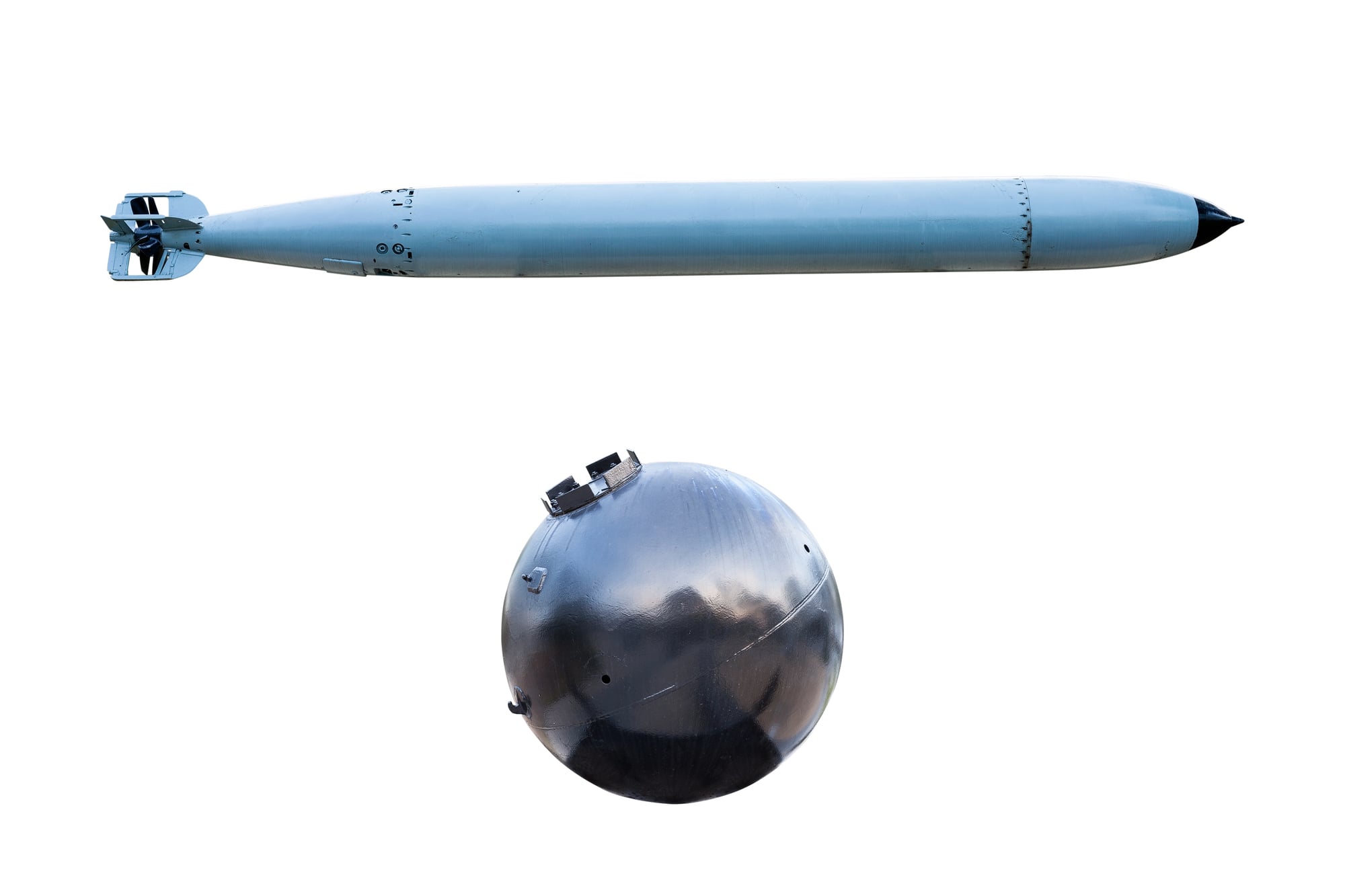
In 1866, British engineer Robert Whitehead invented the first effective self-propelled torpedo, the eponymous Whitehead torpedo, but early versions were notoriously unreliable and often circled back toward the launching ship. The Royal Navy had been experimenting with ways to further increase the range of torpedoes during World War 1 using pure oxygen instead of compressed air, leading to more powerful but also more dangerous weapons.
These early torpedo experiments resulted in numerous accidental explosions that killed more friendly sailors than enemy targets.
Nuclear-Powered Submarines
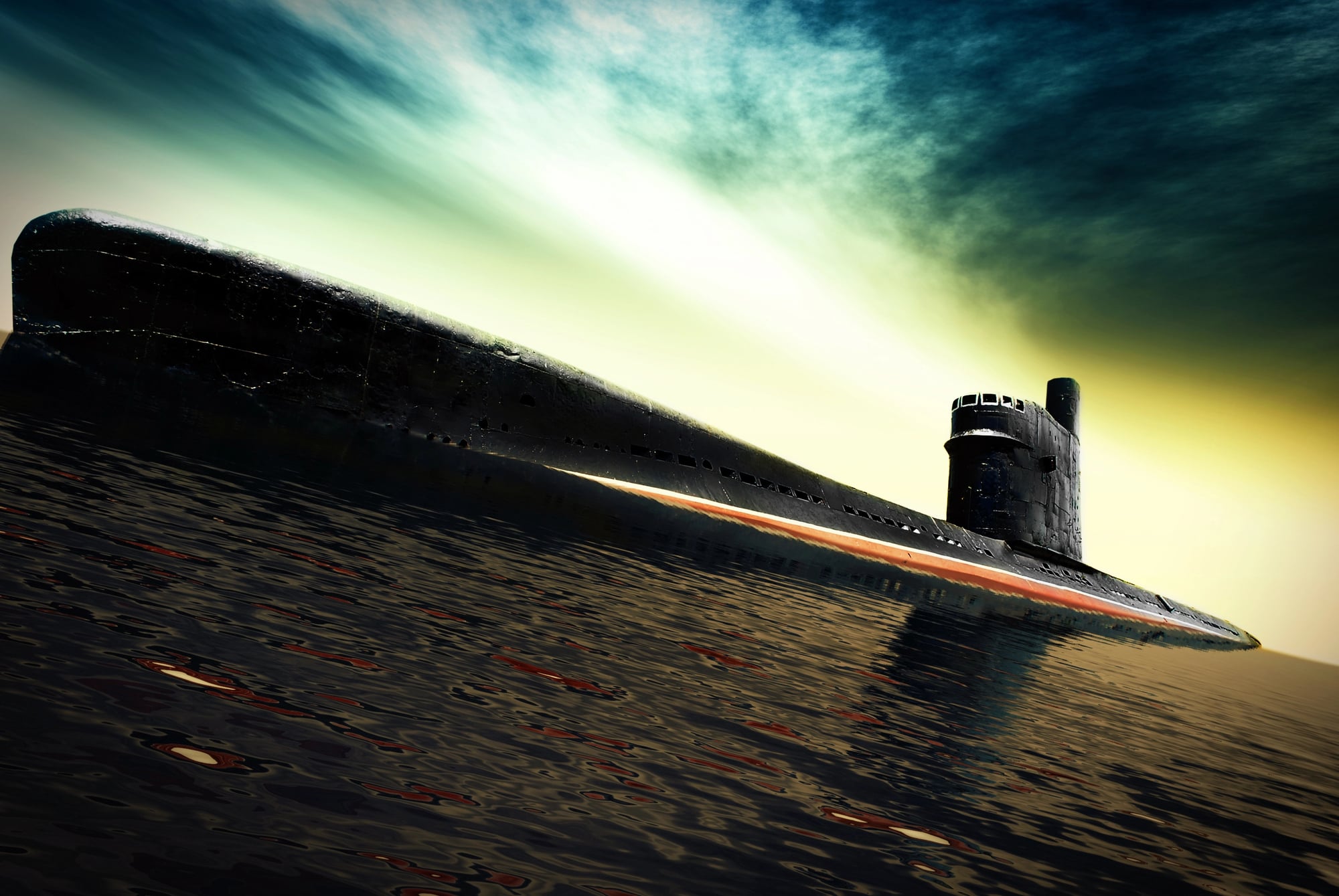
Admiral Hyman Rickover’s nuclear submarine program faced enormous skepticism from naval leaders who couldn’t imagine the benefits outweighing the risks of putting a reactor underwater. The USS Nautilus began as essentially a floating nuclear experiment, with radiation monitoring equipment taking up almost as much space as the crew quarters.
Early nuclear submarine crews were part sailor, part nuclear technician, and part guinea pig in one of the most ambitious naval experiments ever attempted.
Like Go2Tutors’s content? Follow us on MSN.
Aircraft Carriers

The first aircraft carrier experiments involved crude wooden platforms bolted onto existing ships, with pilots literally hoping for the best during landing attempts. Eugene Ely’s 1910 takeoff from the USS Birmingham was more stunt than military operation, but it proved that aircraft and ships could work together.
Early carrier operations were so experimental that pilots carried cork life jackets instead of parachutes, figuring water landing was more likely than air rescue.
Guided Missile Systems

Naval guided missile experiments began with radio-controlled aircraft turned into flying bombs, often with operators losing control and accidentally targeting friendly ships. The complexity of early guidance systems required specialized technician crews who spent more time maintaining electronics than traditional naval equipment.
These experimental weapons were so unreliable that many naval commanders preferred conventional guns until missile accuracy finally improved in the 1960s.
Submarine Periscopes

Early periscope experiments used crude mirror systems that provided such poor visibility that submarine commanders often surfaced to get a proper look at their targets. German U-boat periscopes during World War I were essentially telescoping tubes with hand-ground lenses, making them more like underwater spyglasses than precision instruments.
The challenge of creating watertight seals for rotating periscopes led to numerous flooding incidents during early testing phases.
Like Go2Tutors’s content? Follow us on MSN.
Naval Aviation Catapults
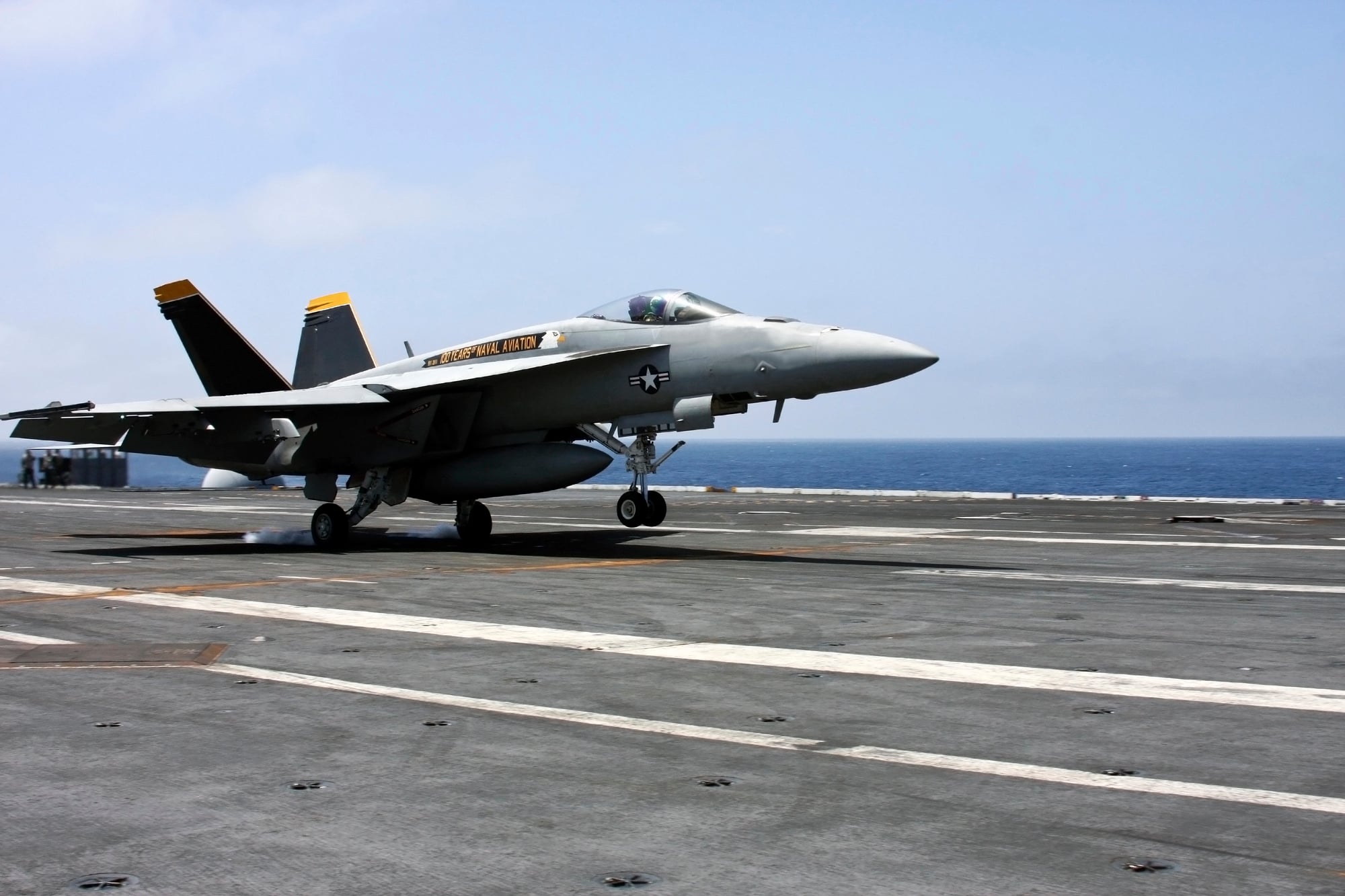
The first catapult experiments used compressed air systems that either launched aircraft too slowly to achieve flight or with such force that they broke apart in mid-air. Steam catapults represented a major breakthrough, but early versions were so inconsistent that pilots never knew if they’d be gently nudged or violently hurled off the deck.
These experimental launch systems required extensive modifications to aircraft landing gear, essentially creating an entirely new category of naval aircraft.
Electronic Warfare Systems

Early electronic warfare experiments involved crude radio jammers that often disrupted friendly communications more effectively than enemy systems. Naval electronic warfare began as radio operators trying to eavesdrop on enemy transmissions, gradually evolving into sophisticated systems that could intercept, decode, and jam multiple frequency bands simultaneously.
The experimental nature of these systems meant crews often had to build and modify equipment during combat operations.
Vertical Launch Systems

Vertical launch experiments began with modified missile silos installed on ships, creating vessels that looked more like floating missile bases than traditional warships. Early VLS systems were so complex that loading missiles required specially trained crews and often took hours to complete safely.
The experimental vertical launch concept revolutionized naval warfare by allowing ships to carry many more missiles in much smaller spaces.
Like Go2Tutors’s content? Follow us on MSN.
Naval Helicopter Operations
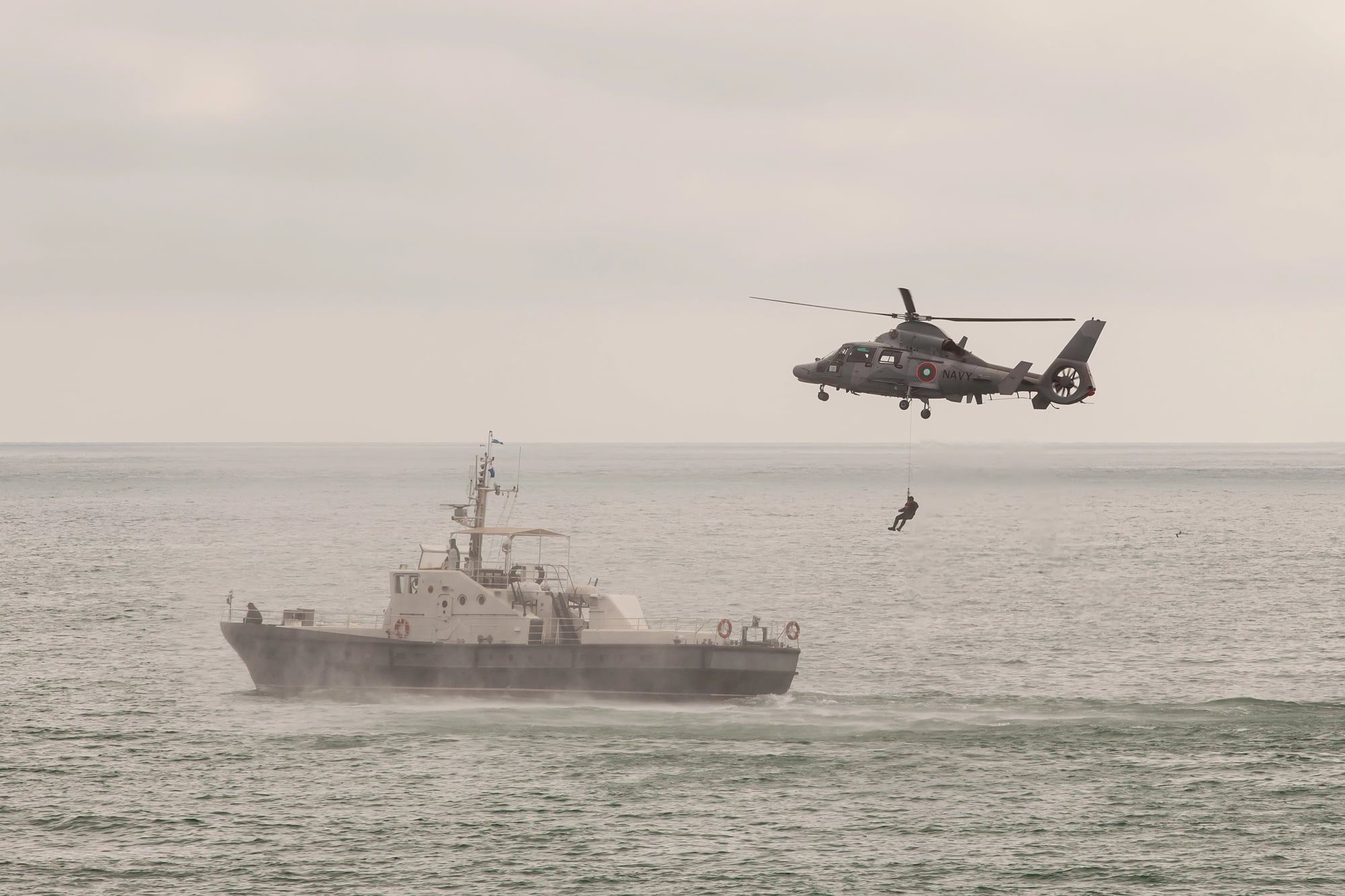
Helicopter experiments on ships began with crude landing platforms welded onto destroyer decks, often resulting in aircraft sliding overboard during rough weather. The challenge of operating rotorcraft in maritime environments required entirely new piloting techniques and ship-handling procedures.
Early naval helicopter operations were so experimental that crews had to develop their own maintenance procedures and safety protocols through trial and error.
Submarine Ballast Systems
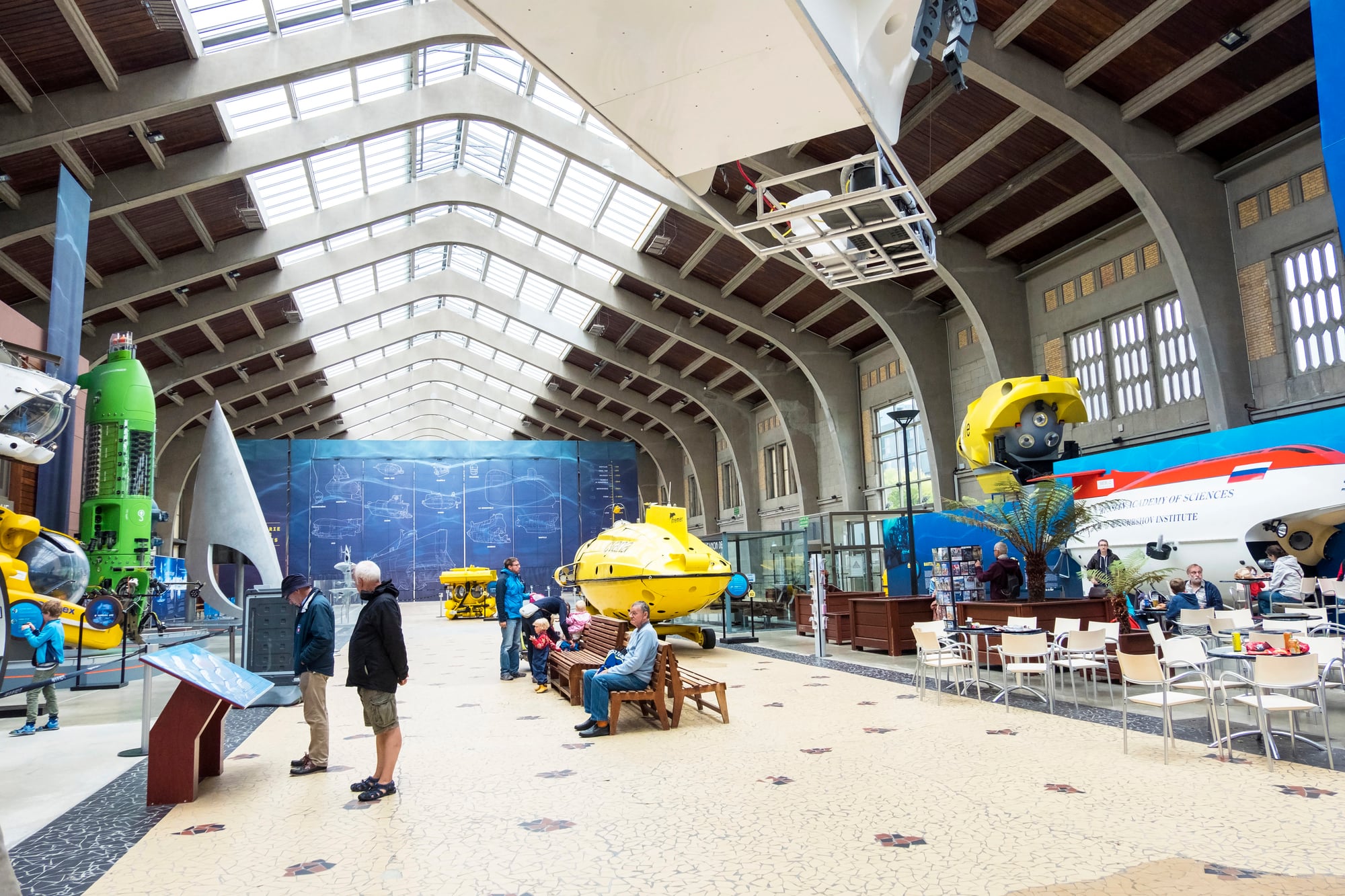
Early submarine ballast experiments were essentially controlled sinking exercises, with many early submarines failing to surface again after diving. The complex calculations required for proper ballast management meant early submarine crews needed extensive mathematical training alongside traditional seamanship skills.
These ballast experiments led to numerous submarine losses as engineers learned the hard way about underwater pressure dynamics and emergency surfacing procedures.
Naval Fire Control Computers

Mechanical fire control computers began as room-sized calculation machines that required dedicated operators who were part mathematician, part technician. These experimental systems could predict target movement and calculate firing solutions faster than human crews, but early versions were so delicate that rough seas could throw off their calculations entirely.
The complexity of these early computers meant that many naval gunners initially distrusted their mechanical predictions over human judgment.
Like Go2Tutors’s content? Follow us on MSN.
Anti-Ship Missile Defense

Early missile defense experiments involved modified anti-aircraft guns trying to shoot down supersonic targets, with success rates so low that many naval commanders considered them worthless. The Phalanx close-in weapons system began as an experimental last-resort defense, essentially a radar-controlled machine gun designed to fill the sky with bullets.
These defensive experiments required entirely new tactical doctrines as ships had to learn how to defend against threats moving faster than anything previous naval warfare had encountered.
Magnetic Mine Detection
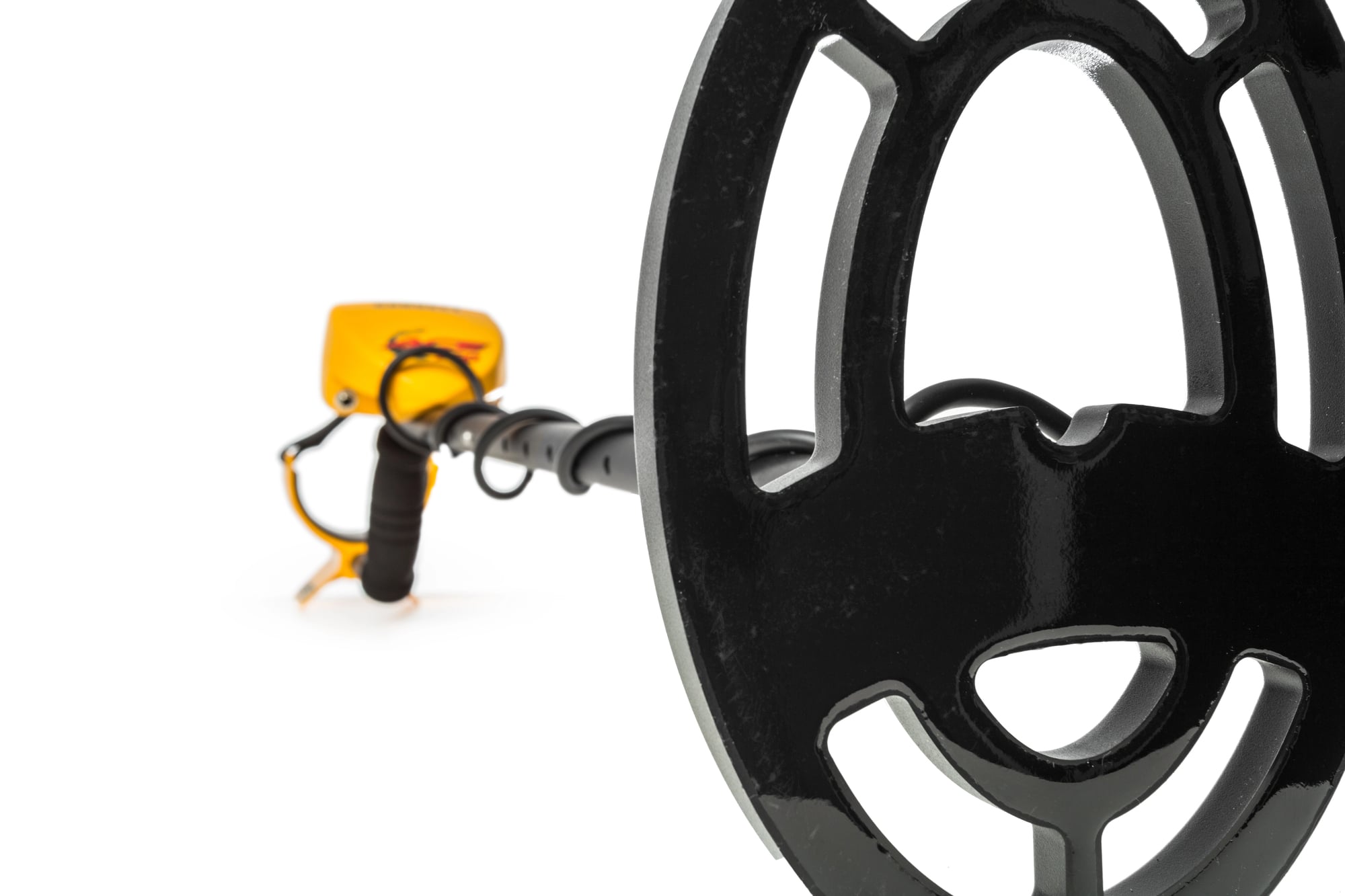
Magnetic mine detection experiments began with ships towing crude magnetometers through suspected minefields, often with explosive results when the detection equipment malfunctioned. Early degaussing experiments involved wrapping ships in electrical cables to neutralize their magnetic signatures, making vessels look like they were covered in giant coils.
The experimental nature of magnetic warfare meant that both offensive and defensive technologies evolved rapidly as each side tried to outsmart the other’s latest innovations.
From Laboratory to Lifeline

Today’s naval fleets depend entirely on technologies that once existed only in the imaginations of experimental engineers and visionary officers. The experimental phase of naval technology development often lasted decades, with many promising concepts abandoned after costly failures and others succeeding beyond their creators’ wildest expectations.
Modern naval warfare would be impossible without these experimental foundations, yet each breakthrough came at the cost of countless failed prototypes and the careers of officers who championed unpopular ideas. The lesson remains clear: today’s essential naval technology is tomorrow’s obsolete experiment, and somewhere in a laboratory right now, someone is testing the next revolutionary idea that will change naval warfare forever.
More from Go2Tutors!

- 18 Unexpectedly Valuable Collectibles You Might Have Lying Around
- 20 Little-Known Historical Battles That Had Huge Consequences
- 20 Historical Artifacts That Scientists Can’t Explain
- 15 Inventions That Were Immediately Banned After Being Created
- 20 Actors Who Were Almost Cast in Iconic Roles
Like Go2Tutors’s content? Follow us on MSN.



