Weird Facts About Modern Major League Baseball
Baseball feels like America’s most traditional sport, steeped in over a century of ritual and reverence for “the way things have always been done.” Yet scratch beneath the surface of today’s game and you’ll find a collection of oddities that would baffle fans from even a generation ago. The sport that once prided itself on constancy has quietly become one of the strangest spectacles in professional athletics.
The Intentional Walk Rule

You don’t even have to throw the pitches anymore. The manager just signals to the umpire, and the batter trots to first base.
Four imaginary tosses that never leave the pitcher’s hand.
Pace of Play Clocks
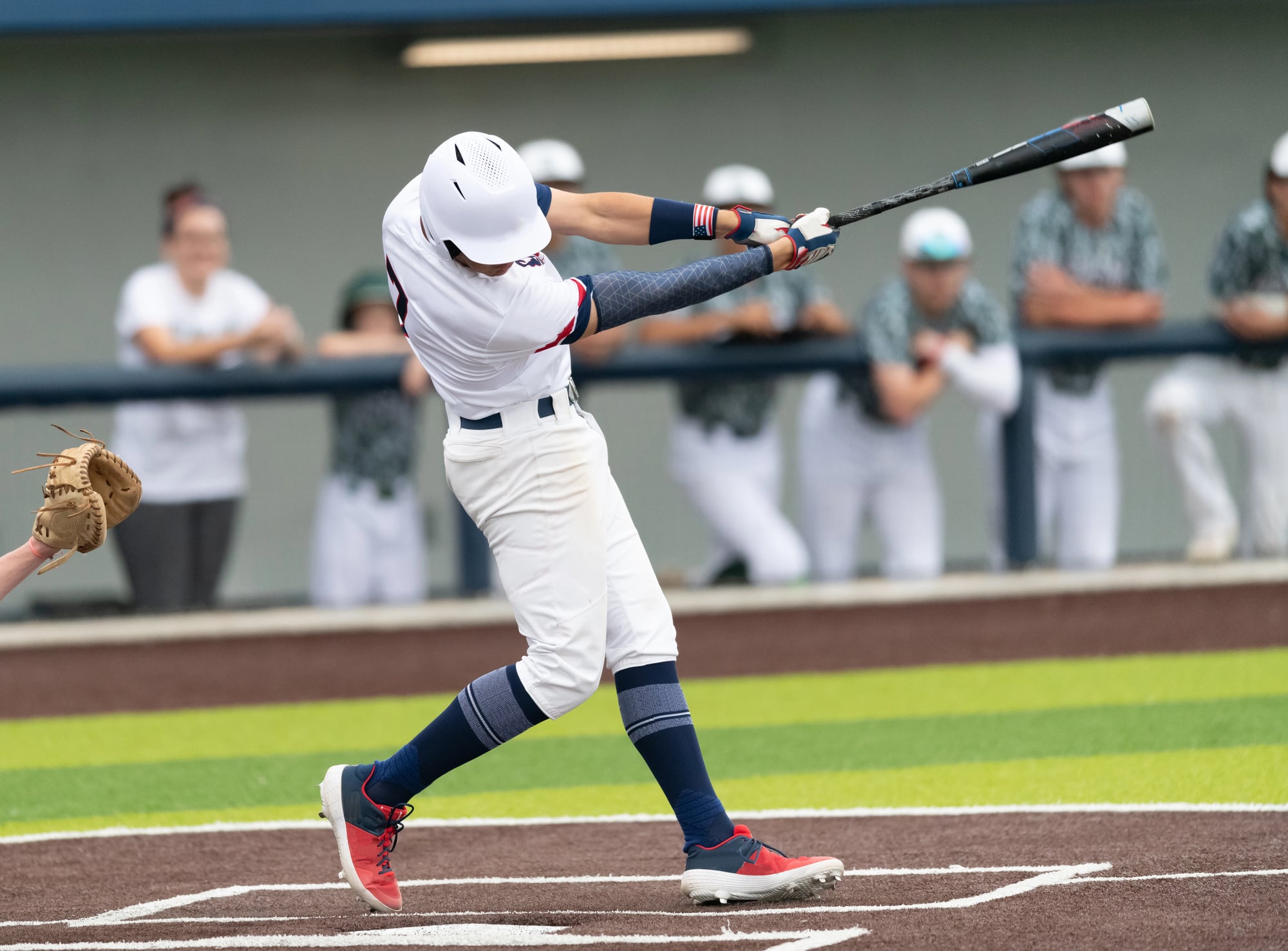
Baseball now runs on borrowed time from basketball. Pitchers get 15 seconds between throws with nobody on base, 20 seconds with runners.
Miss the deadline and it’s an automatic strike.
Sticky Substance Checks
Umpires inspect pitchers’ hands like airport security checking for contraband, and the whole charade unfolds with the solemnity of a medical examination. Players raise their arms, turn their gloves inside out, and submit to what amounts to a public pat-down while 40,000 people watch.
The ritual happens multiple times per game now — sometimes the umpire will march to the mound unprompted, sometimes opposing managers request the inspection (which feels like playground tattling elevated to professional sport), and occasionally pitchers will preemptively approach the umpire to prove their innocence.
But here’s the strangest part: everyone knows exactly what constitutes illegal grip enhancement, yet the whole process plays out with theatrical confusion, as if rosin bags and pine tar occupy some mysterious gray area that requires forensic analysis to navigate.
Universal Designated Hitter

The National League surrendered. After decades of purist resistance, they adopted the American League’s rule overnight.
Pitchers who couldn’t hit suddenly didn’t have to pretend anymore.
Automated Strike Zones in the Minors

Robots are calling strikes and lower-level umpires are becoming customer service representatives for computerized decisions. The human element that defined baseball for 150 years now gets outsourced to algorithms.
Triple-A games feature home plate umpires who receive strike zone calls through an earpiece, then relay the robot’s judgment to players and fans who often know the call was wrong before the umpire announces it.
Seven-Inning Doubleheaders

Doubleheaders got downsized without anyone asking. Two games used to mean 18 innings minimum.
Now it means 14 innings and everyone goes home early.
Playoff Expansion

October baseball now includes more teams via wild card expansion, but teams must still maintain a winning record to qualify. Wild card games have become wild card series, division winners can get eliminated before the actual Division Series begins.
The sport that once rewarded 162 games of excellence now operates like a March Madness bracket where anything can happen over a short sprint.
Runner on Second Base in Extra Innings

Like starting a race with someone already halfway around the track. Extra innings begin with artificial urgency. The 10th inning opens with a ghost runner at second base who never earned his way there — usually the player who made the final out in the previous inning, which creates the peculiar situation where failing at the plate gets rewarded with a scoring position.
And yet this manufactured drama somehow works: games end faster, which was the entire point, but they also end with the hollow feeling that something essential got lost in translation.
Shift Restrictions
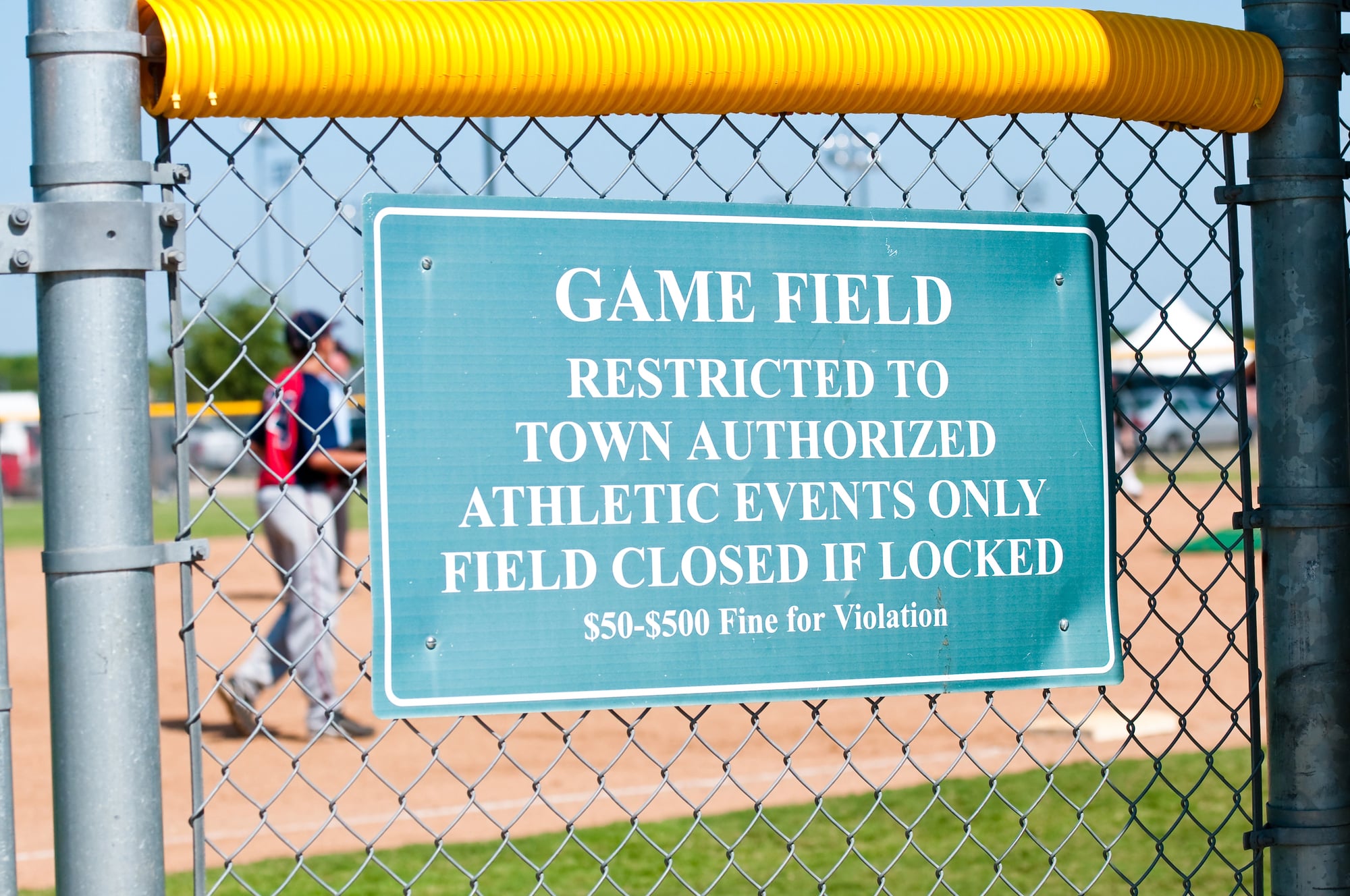
Infielders must now stand where tradition says they belong, not where analytics suggest the batter will hit. Two players on each side of second base, both feet in fair territory before the pitch.
Baseball legislated geometry.
The sport that spent a decade celebrating strategic innovation suddenly decided that strategic innovation had gone too far.
Larger Base Sizes
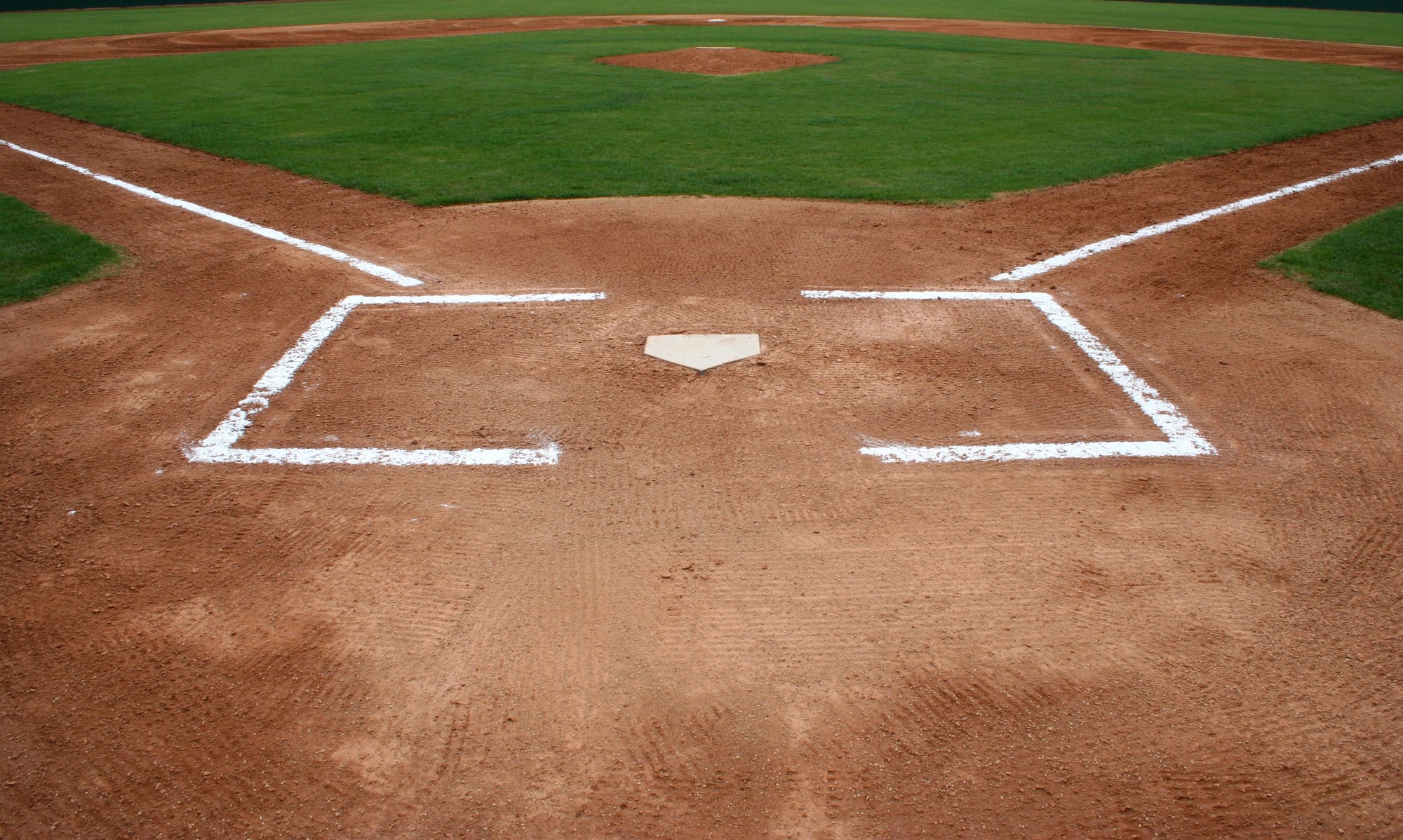
First base, second base, and third base all grew three inches. Home plate stayed the same size, which creates a weird inconsistency where the journey around the diamond features different-sized destinations.
The change reduces the distance between bases by 4.5 inches total. Over the course of a season, this microscopic adjustment allegedly increases stolen base success rates and reduces collision injuries, though it’s hard to imagine how anyone measures something so precise across thousands of games.
Pitch Timer Violations in Crucial Situations

Automatic strikes get called on 3-2 counts in the World Series. The biggest moments in baseball can now end not because a batter failed to make contact or a pitcher threw a perfect strike, but because someone took too long to throw.
Relief Pitchers Warming Up on the Field

Relievers can’t take unlimited warm-up throws anymore. Eight pitches maximum, unless they’re replacing an injured pitcher.
The mound visits that used to stretch indefinitely while fans waited and complained now operate under strict time limits that make baseball feel more like a factory assembly line than America’s pastime.
Designated Hitter Flexibility

The DH can now move to a fielding position without losing the designated hitter for the entire team. Previously, any defensive substitution for the DH meant the pitcher had to hit for the rest of the game.
Now managers can shuffle players around like chess pieces without penalty, which sounds simple but creates strategic complexity that didn’t exist before 2022.
More Than Just a Game

These rule changes happened gradually, then suddenly, the way most transformations do. Each individual adjustment made sense when viewed in isolation — pace of play needed addressing, safety concerns were legitimate, competitive balance required correction.
But taken together, they represent something larger: a sport willing to abandon its own mythology in exchange for relevance.
Baseball always claimed to be timeless, immune to the pressures that forced other sports to evolve. Turns out that was never true. The game just took longer to admit it needed to change, and then changed everything at once.
More from Go2Tutors!

- The Romanov Crown Jewels and Their Tragic Fate
- 13 Historical Mysteries That Science Still Can’t Solve
- Famous Hoaxes That Fooled the World for Years
- 15 Child Stars with Tragic Adult Lives
- 16 Famous Jewelry Pieces in History
Like Go2Tutors’s content? Follow us on MSN.