Top Hottest Peppers Of The World
Walking through a grocery store, you might grab a jalapeño and think you’re handling something spicy. Then you hear about peppers that measure in the millions on the Scoville scale, and suddenly that jalapeño seems about as intimidating as a bell pepper.
The world of super-hot peppers is a wild place where growers compete to create the most face-melting varieties imaginable, and people actually volunteer to eat them. The Scoville scale measures how much capsaicin a pepper contains, which is the compound that makes your mouth feel like it’s on fire.
Pharmacist Wilbur Scoville invented this measurement system back in 1912, originally using taste testers who would sample diluted pepper solutions until they couldn’t detect any heat. Modern labs now use high-performance liquid chromatography for more accurate readings, but the scale still bears Scoville’s name.
Here’s a list of 13 of the hottest peppers on the planet, ranked by their Scoville Heat Units.
Pepper X

Ed Currie from the Puckerbutt Pepper Company in South Carolina spent over a decade breeding this monster, and in October 2023 it officially became the hottest pepper in the world according to Guinness World Records. Pepper X averages 2,693,000 Scoville Heat Units, with individual peppers measuring over 3 million SHU.
The creator hasn’t released seeds to the public yet, so you can’t grow or taste this one yourself—which might be a blessing considering it measures nearly twice as hot as its predecessor, the Carolina Reaper.
Carolina Reaper

This gnarly-looking pepper with its signature scorpion tail held the world record from 2013 until 2023, and it’s still the hottest pepper you can actually buy and grow. The Carolina Reaper officially averages 1,641,183 SHU and peaks around 2.2 million.
Ed Currie created it by crossing a ghost pepper with a red habanero, and despite the overwhelming heat, it actually has a fruity flavor—right before it melts your face off, as one tester memorably described it.
Like Go2Tutors’s content? Follow us on MSN.
Trinidad Moruga Scorpion

This pepper from the village of Moruga in Trinidad became famous in 2012 as the first pepper to break the 2 million SHU mark in testing. It averages around 1.2 million SHU, though individual specimens have tested slightly above 2 million.
Paul Bosland from the Chile Pepper Institute described the experience perfectly: you take a bite, it doesn’t seem so bad at first, and then it builds and builds and builds. The pepper also has a surprisingly sweet, fruity flavor underneath all that fire.
Trinidad Scorpion Butch T

Butch Taylor from Mississippi propagated this variety, which held the Guinness World Record in 2011 at 1,463,700 SHU. The pepper got its commercial name when Neil Smith from Australia’s Hippy Seed Company tested it and labeled it with Butch’s first name and last initial, as is customary with pepper seeds.
According to growers, one possible secret to the extreme heat might be fertilizing with liquid runoff from a worm farm, though this remains unverified.
7 Pot Douglah
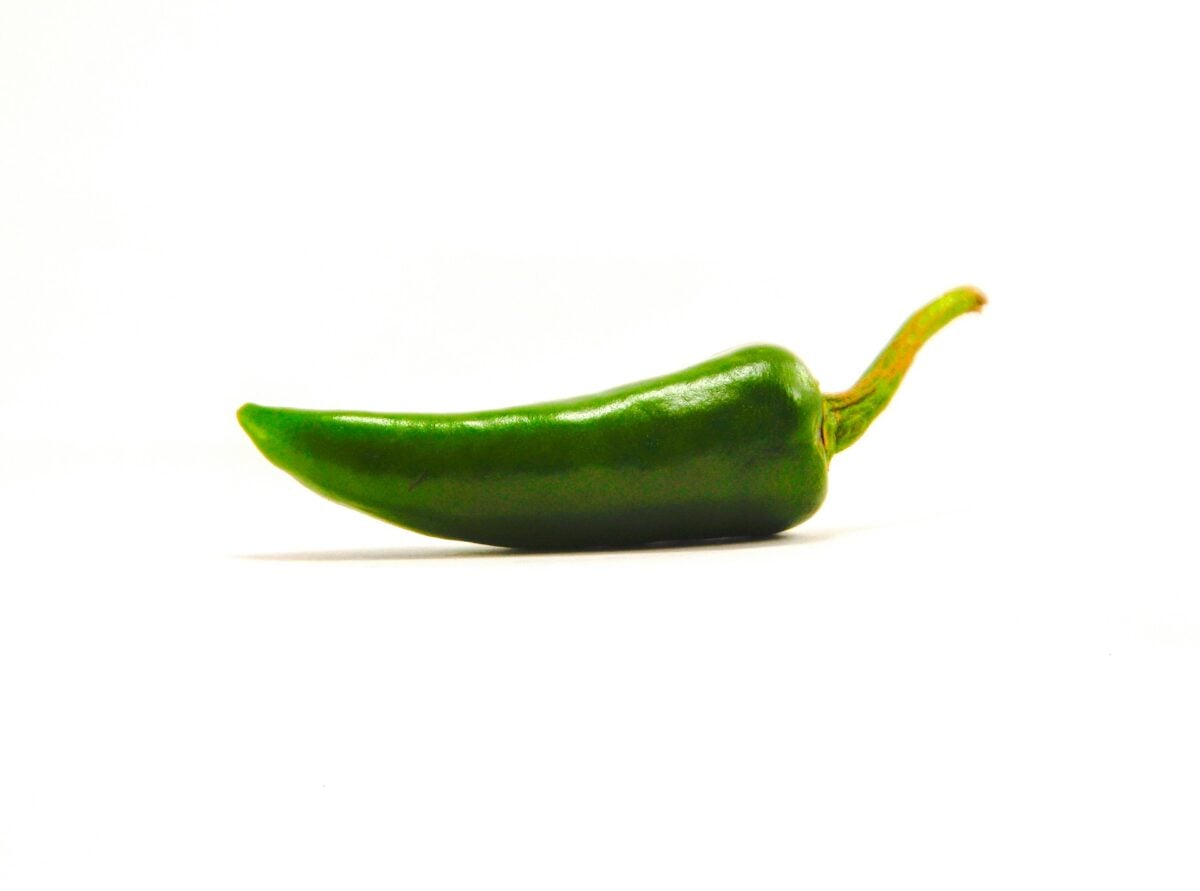
This extremely rare pepper from Trinidad is sometimes called the Chocolate 7 Pot because of its deep brown, almost purple color. Verified tests have shown individual specimens reaching up to 1.85 million SHU, though it has never been officially certified by Guinness.
The name ‘7 Pot’ comes from the Trinidadian claim that one pepper has enough heat for seven pots of stew, and the Douglah variety lives up to that reputation with its intense, smoky heat.
Like Go2Tutors’s content? Follow us on MSN.
7 Pot Primo
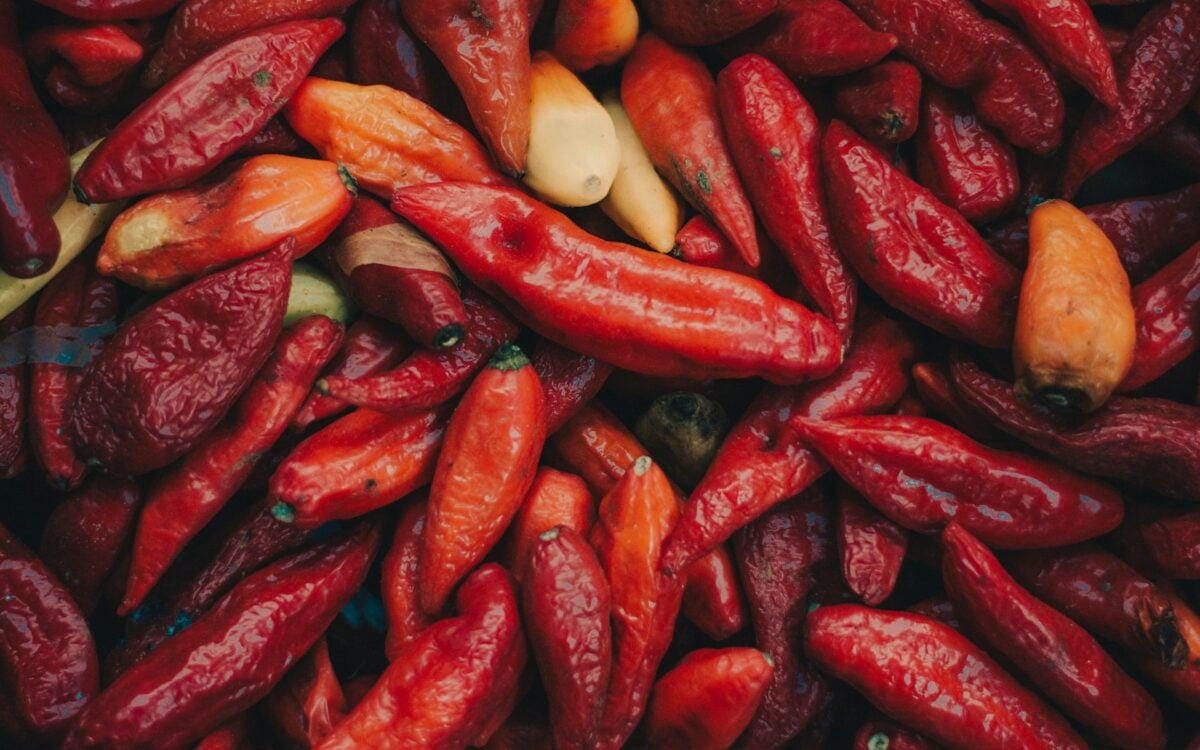
Troy Primeaux developed this pepper in Louisiana starting in 2005, stabilizing it by around 2012 through crosses of various super-hot varieties including the Naga Morich and the Trinidad 7 Pot. It consistently measures around 1.47 million SHU and features a distinctive long tail that gives it an even more menacing appearance than most super-hots.
The Primo also has bumpy, pockmarked skin that’s become characteristic of the hottest peppers in the world.
7 Pot Brain Strain

This variety gets its disturbing name from its wrinkled, brain-like appearance on the outside of the pepper. It measures approximately 1.35 million SHU and comes from the same family as other 7 Pot peppers from Trinidad, though it has never received official Guinness recognition.
The Brain Strain was developed through selective breeding to maximize both heat and the characteristic bumpy texture that signals a super-hot pepper.
Ghost Pepper

Also known as Bhut Jolokia, this pepper from Northeast India was the first to scientifically test over 1 million SHU, earning a Guinness World Record in 2007 at an average of 1,041,427 SHU. It held the record until 2011 and exploded in popularity through YouTube challenges where people filmed themselves eating whole ghost peppers.
The Indian military tested it for use in non-lethal weapons including tear gas grenades because of its intense heat.
Like Go2Tutors’s content? Follow us on MSN.
7 Pot Barrackpore
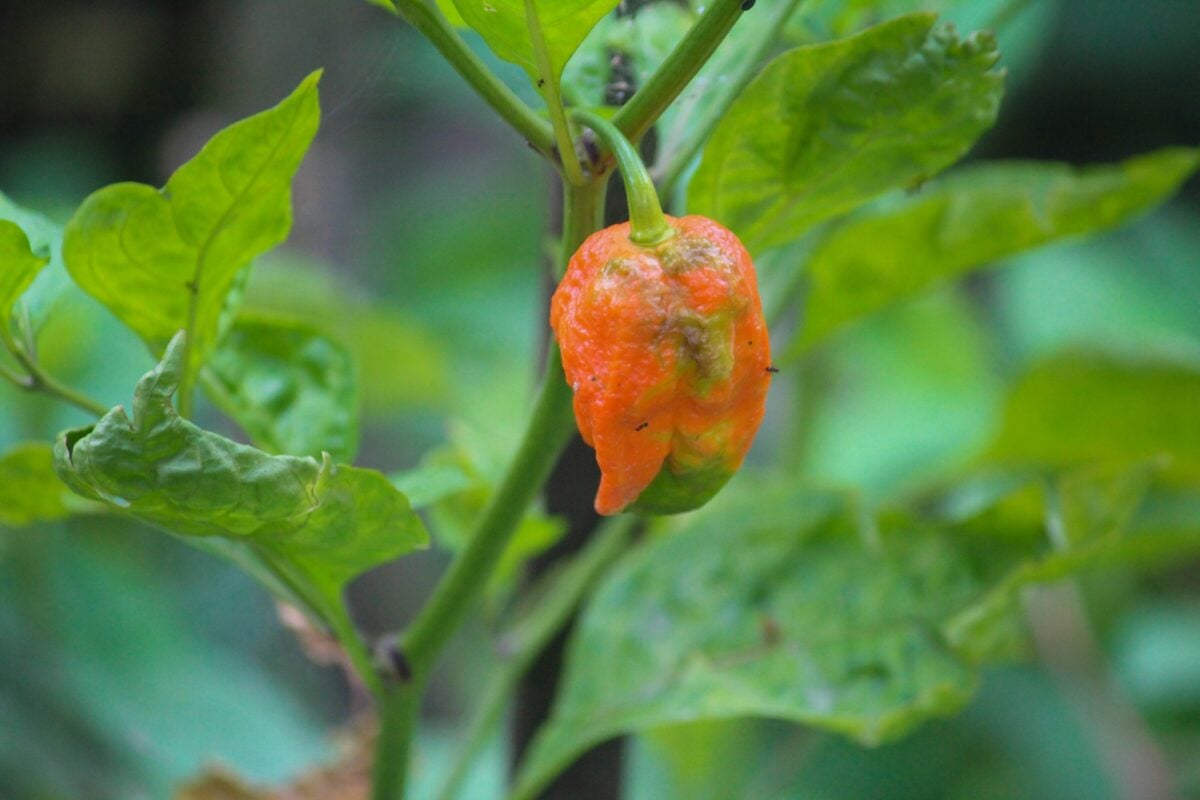
Hailing from the town of Chaguanas in Trinidad and Tobago, this is one of the hottest members of the 7 Pot family. It frequently measures between 1.0 and 1.3 million SHU, placing it firmly in super-hot territory.
Trinidad has become ground zero for super-hot pepper development, with the island’s climate and soil producing some of the most intense chilies ever grown.
Dorset Naga

British growers developed this pepper using the best specimens from their Naga Morich crops, earning Guinness recognition in 2006 at 1,041,427 SHU, the same measurement as the Bhut Jolokia. Lab tests consistently measure it over 1 million SHU, and despite its extreme heat, the Dorset Naga carries a sweet, fruity flavor that complements the intense spiciness—if you can get past the initial shock.
Naga Morich
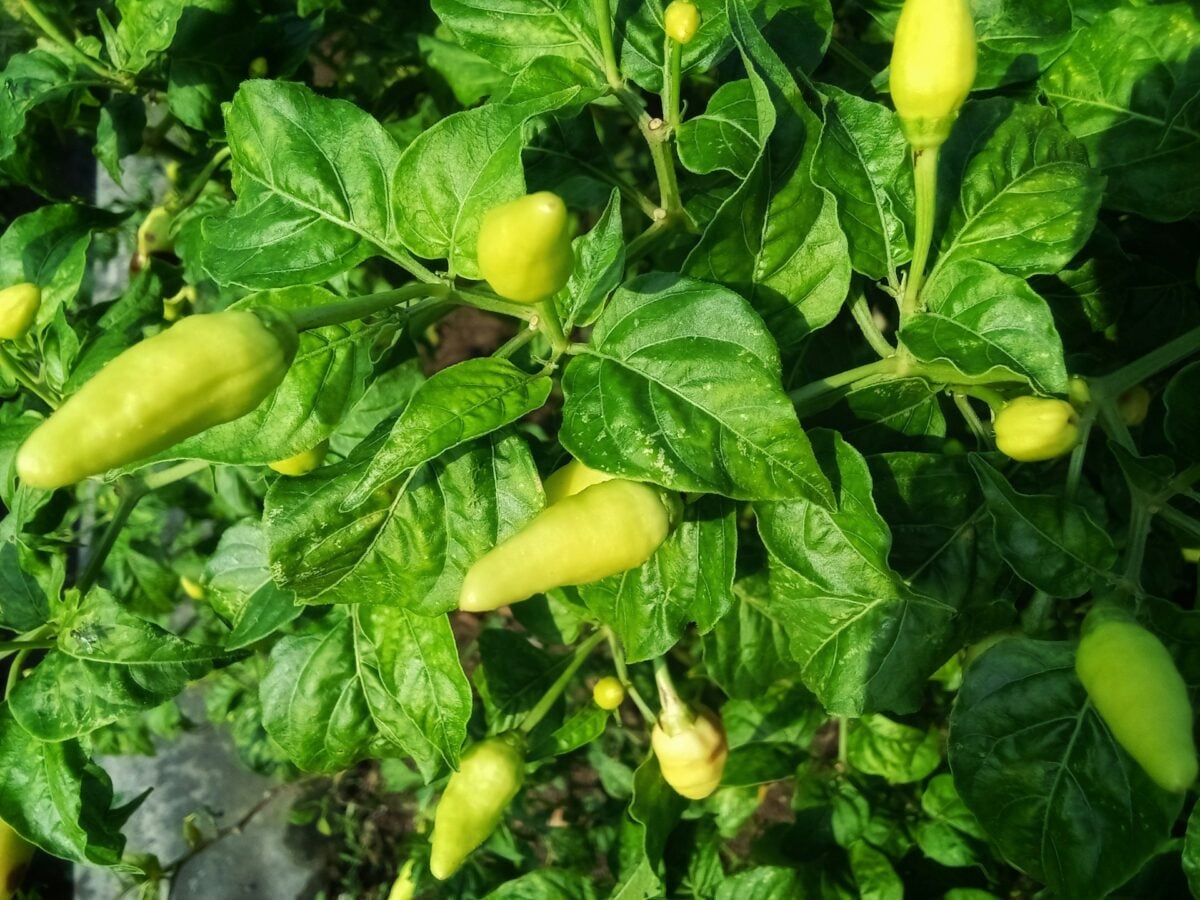
This pepper from Bangladesh translates to ‘serpent chili’ in Bengali, earning it the nickname ‘The Snake.’ It measures between 1.0 and 1.5 million SHU and has a distinctive teardrop shape that turns vibrant orange or red when ripe.
The heat takes up to 30 seconds to fully kick in, similar to the ghost pepper, and many experts consider the two very close relatives within the same pepper family.
Red Savina Habanero

Frank Garcia, a California farmer, developed this pepper in the 1980s and it ruled as the world’s hottest from 1994 to 2006 with a Guinness World Record at an average of 577,000 SHU. This seems almost mild compared to modern super-hots but was considered representative of an upper limit for pepper heat at the time.
The Red Savina held its crown for 12 impressive years before the ghost pepper and other varieties blew past it.
Like Go2Tutors’s content? Follow us on MSN.
The Evolution of Fire
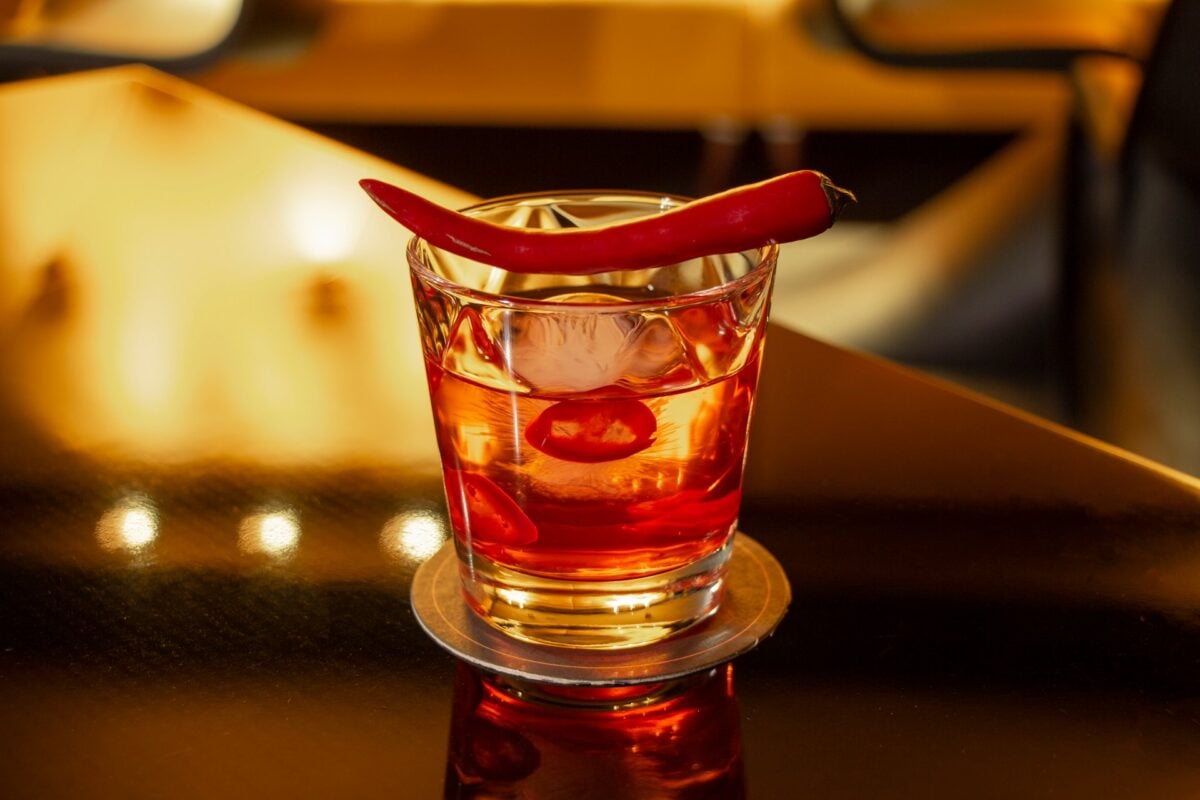
The race to create the hottest pepper shows no signs of slowing down, with new contenders appearing every year pushing the boundaries of what plants can produce. What started with habaneros measuring in the hundreds of thousands has exploded into a competition where peppers routinely break 2 million SHU and keep climbing.
These aren’t just novelty items—they’ve created entire industries around hot sauces, challenges, and specialty foods. The next time you think a jalapeño is spicy, remember it measures around 5,000 SHU, making the Carolina Reaper roughly 300 times hotter.
That’s not just a difference in degree—it’s a completely different universe of heat.
More from Go2Tutors!

- 16 Historical Figures Who Were Nothing Like You Think
- 12 Things Sold in the 80s That Are Now Illegal
- 15 VHS Tapes That Could Be Worth Thousands
- 17 Historical “What Ifs” That Would Have Changed Everything
- 18 TV Shows That Vanished Without a Finale
Like Go2Tutors’s content? Follow us on MSN.