17 North Pole Photos Revealing What It’s Really Like
The North Pole exists mostly in imagination until you see it through a camera lens. Then the fantasy of red-and-white striped poles and workshop chimneys gives way to something more startling: a world that looks like the edge of everything, where ice meets sky in arrangements so stark they seem accidental.
These photographs capture what explorers, scientists, and the occasional adventurous photographer have witnessed at the top of the world—a place that turns out to be nothing like the postcards suggested.
Endless Ice Desert
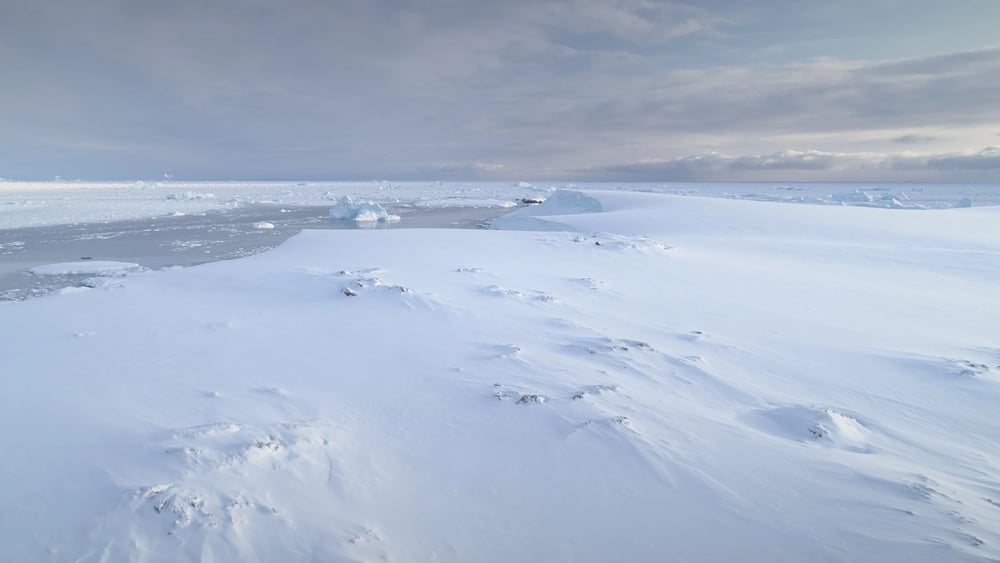
The first thing that hits you is the emptiness. Imagine every desert photograph that ever made you feel small, then replace the sand with ice that stretches beyond the horizon in every direction.
The North Pole isn’t a solid landmass like Antarctica—it’s frozen ocean, constantly shifting and cracking. Miles of white broken only by the occasional ridge where ice sheets collided and buckled upward like frozen waves.
Pressure Ridges Creating Ice Mountains
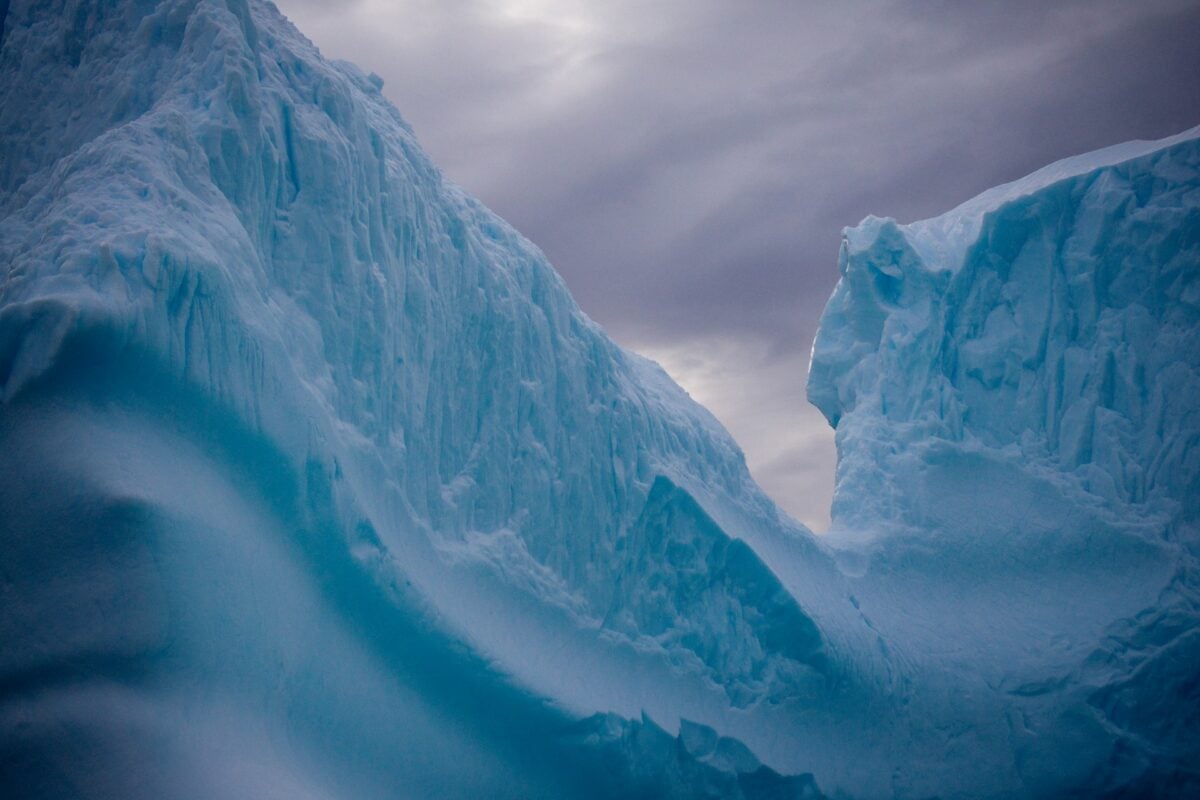
(The ice doesn’t just sit there quietly, as it turns out.) When massive ice floes crash into each other—which happens constantly because the Arctic Ocean never stops moving underneath—they create these jagged walls of ice that can tower 30 feet high, sometimes more.
And the formations look exactly like what happens when you push two pieces of paper together from opposite ends: they buckle up in the middle, except these are chunks of ice the size of cars, frozen in mid-collision. So what looks like solid, peaceful terrain from a distance reveals itself to be a landscape in constant, violent slow motion.
The Color Blue Hidden in White
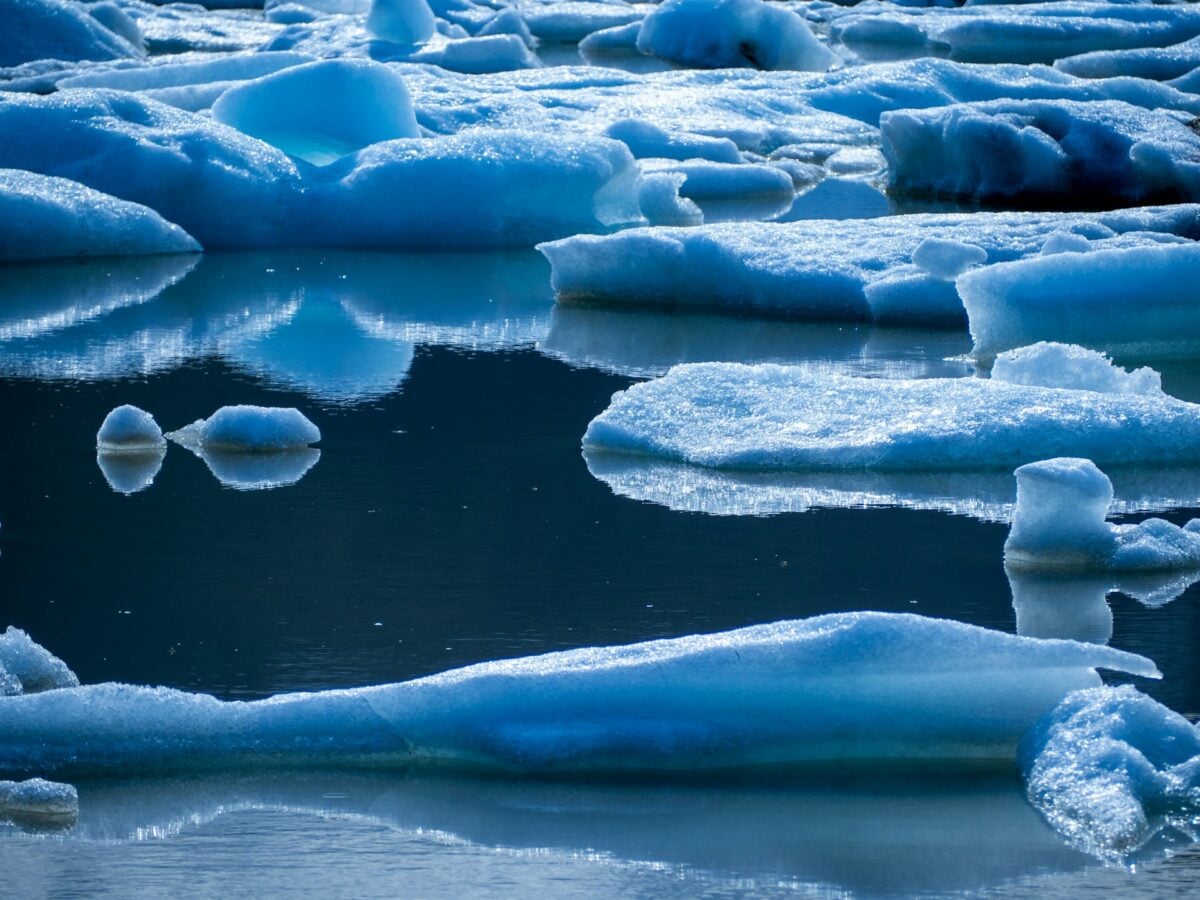
There’s a moment in certain North Pole photographs where the ice splits just enough to reveal the water underneath, and it’s not the blue anyone expects. It’s darker, deeper—the color of something that has never seen sunlight directly.
Like looking into a well that goes down farther than you want to think about. The contrast against the white ice creates this optical illusion where the crack seems to glow from within, as if the cold itself had become visible.
Weather That Rewrites the Rules
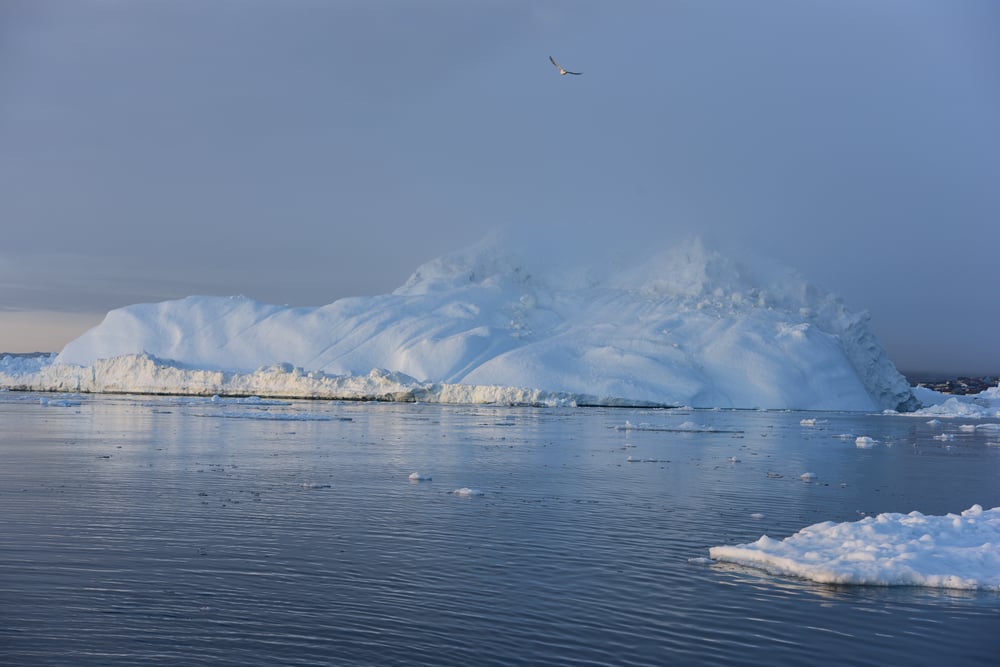
Weather at the North Pole doesn’t follow the patterns most people understand. Temperatures can swing 40 degrees in a matter of hours.
Fog rolls in so thick it erases the horizon, making sky and ice indistinguishable. Then it clears instantly, leaving air so transparent that distant ice formations look close enough to touch but are actually miles away.
The weather here doesn’t transition—it simply changes its mind.
Polar Bears as Tiny Dots
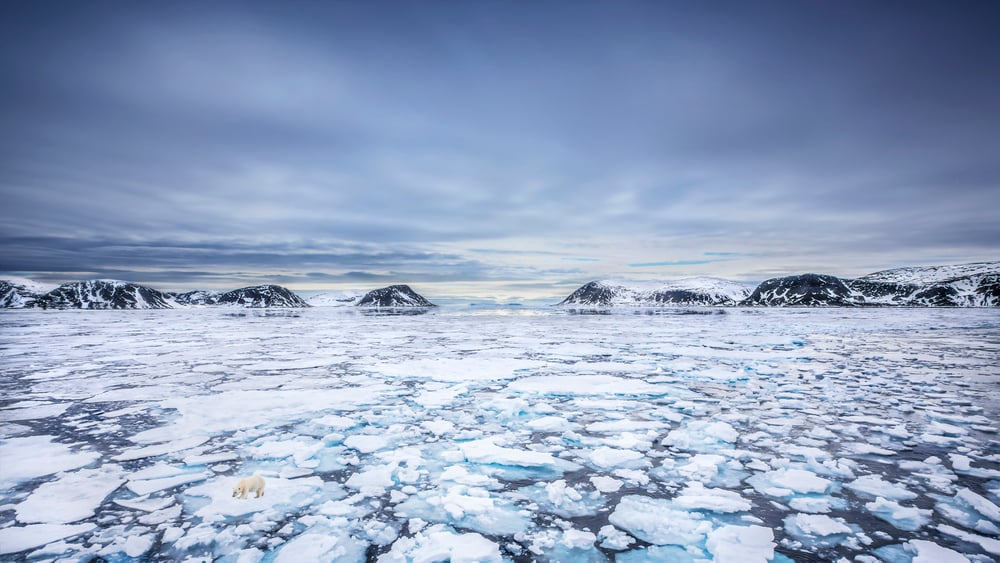
So here’s something the photographs make clear that no documentary ever quite captures: polar bears at the North Pole look absurdly small against the landscape, which makes no sense until you realize how enormous everything else is. (These are thousand-pound predators that can stand 11 feet tall, and they appear in photos like white commas against an endless page of ice.)
And yet seeing them this way—as tiny figures navigating an impossibly vast world—makes their survival seem even more remarkable than their size ever did. But the real surprise is how the smallness makes them more impressive, not less.
The Midnight Sun Effect
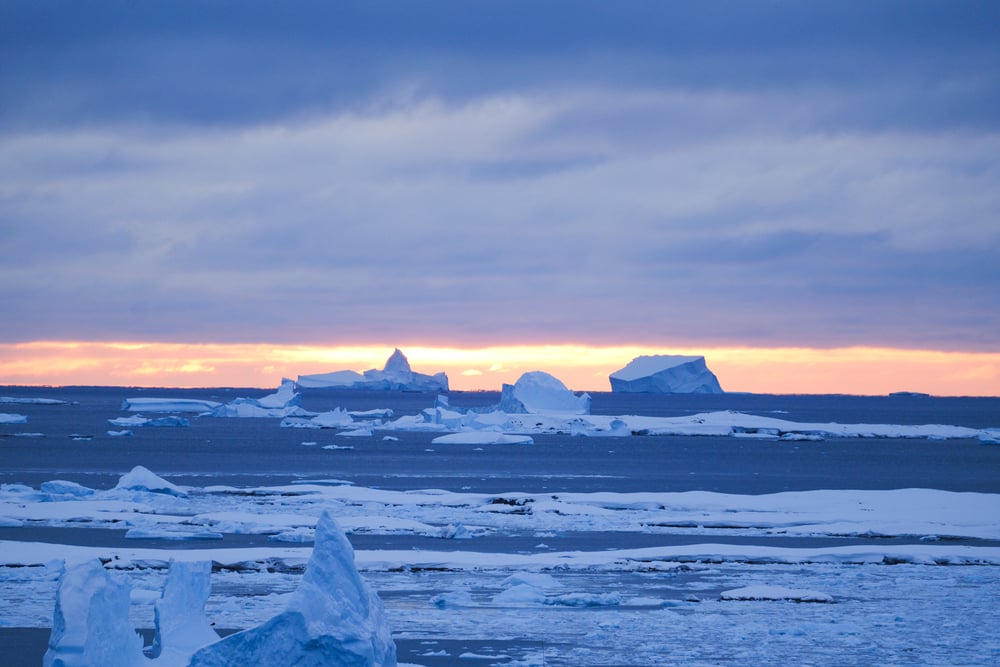
Summer at the North Pole means the sun never sets, just traces a circle around the sky like a broken record. Photographs capture this strange, flat light that doesn’t follow the rules of shadows and depth that eyes expect.
Everything illuminated evenly, no drama of sunrise or sunset. Just constant, even brightness that makes time feel negotiable, as if the clock forgot what it was supposed to be doing.
Expedition Equipment Against the Void
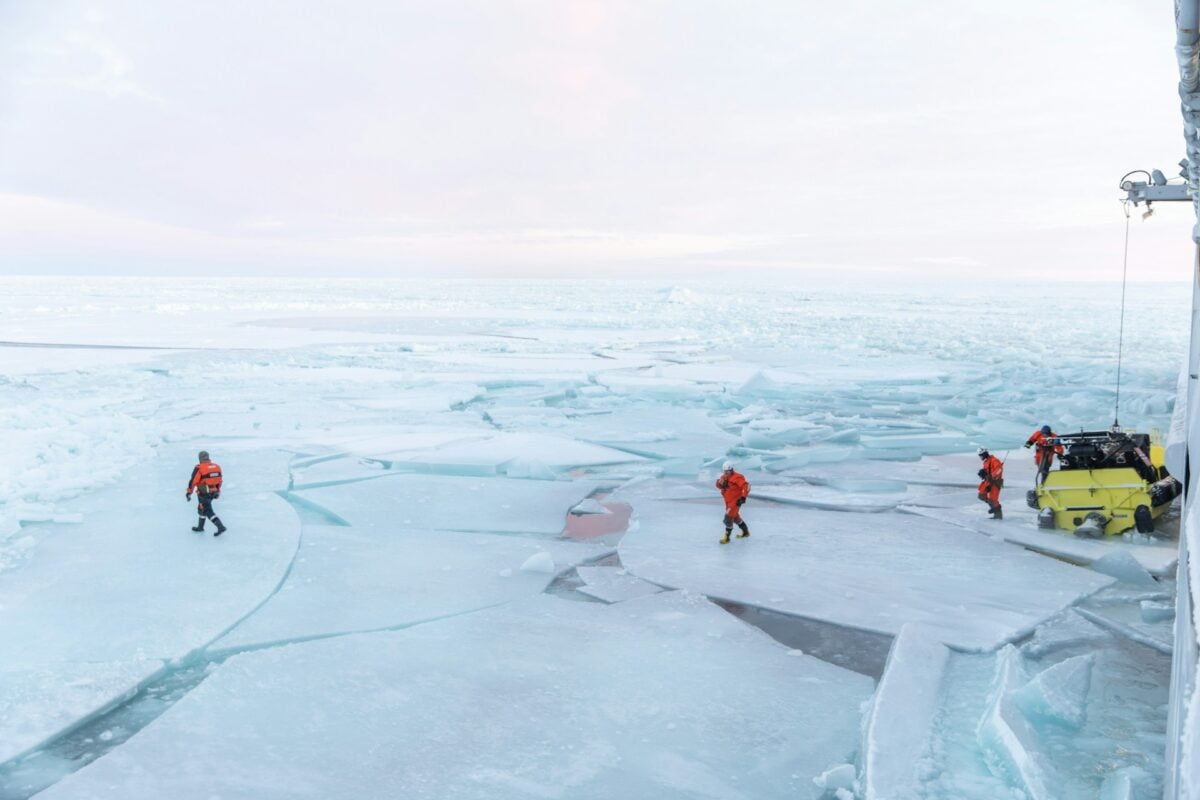
The tents, snowmobiles, and supply drops scattered across North Pole expedition photos tell the real story. Bright orange and red dots against white infinity, looking like toys someone forgot on the world’s largest table.
This equipment represents millions of dollars and years of planning, yet appears fragile and temporary. The ice doesn’t care about human engineering.
Leads of Open Water Appearing Suddenly
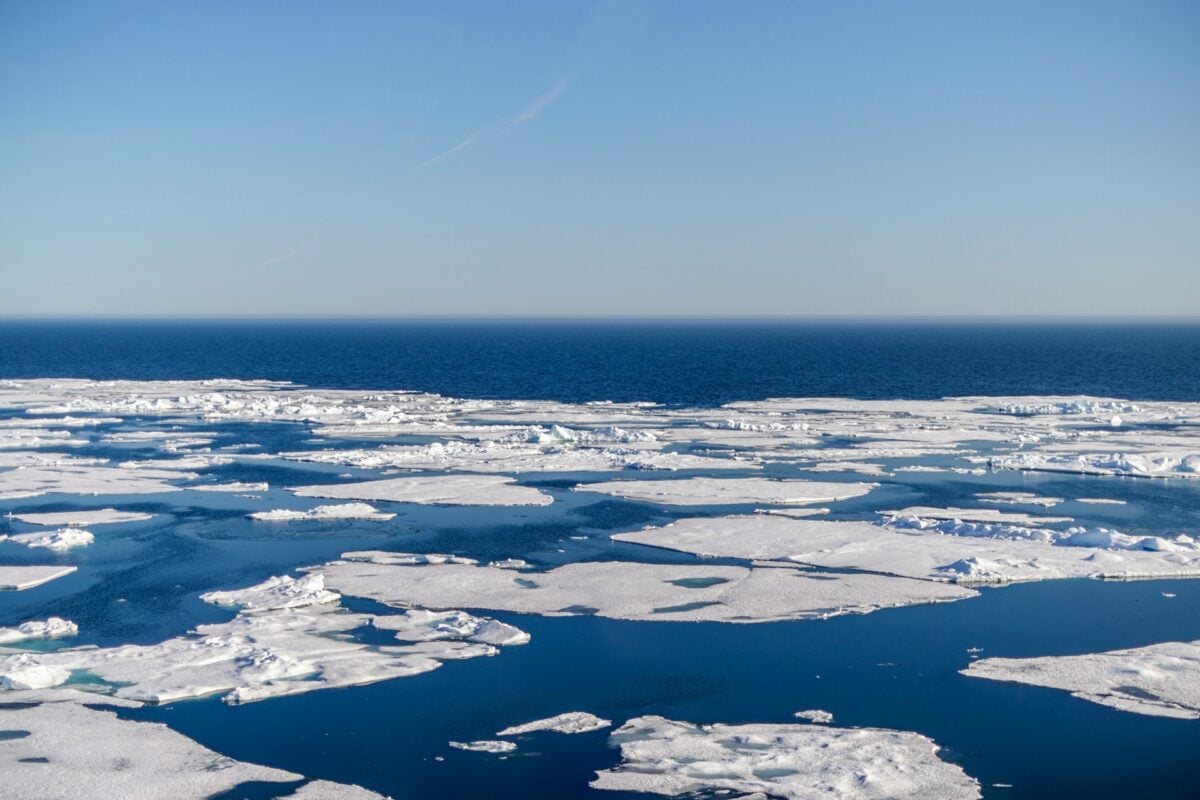
The ice splits without warning, creating these channels of dark water called leads (which is the technical term, though “surprise water traps” might be more accurate). And photographs show them appearing in patterns that make no sense from above—zigzagging across what looked like solid ground just hours before, some narrow enough to step across, others wide enough to require a detour of miles.
But here’s the thing that gets lost in most explanations: these leads can freeze over again just as quickly as they opened, which means the North Pole is essentially a landscape that redraws its own map every few hours. So navigation becomes less about knowing where things are and more about knowing where things were, which is saying something for a place where GPS coordinates supposedly provide certainty.
Arctic Fox Tracks in Pristine Snow
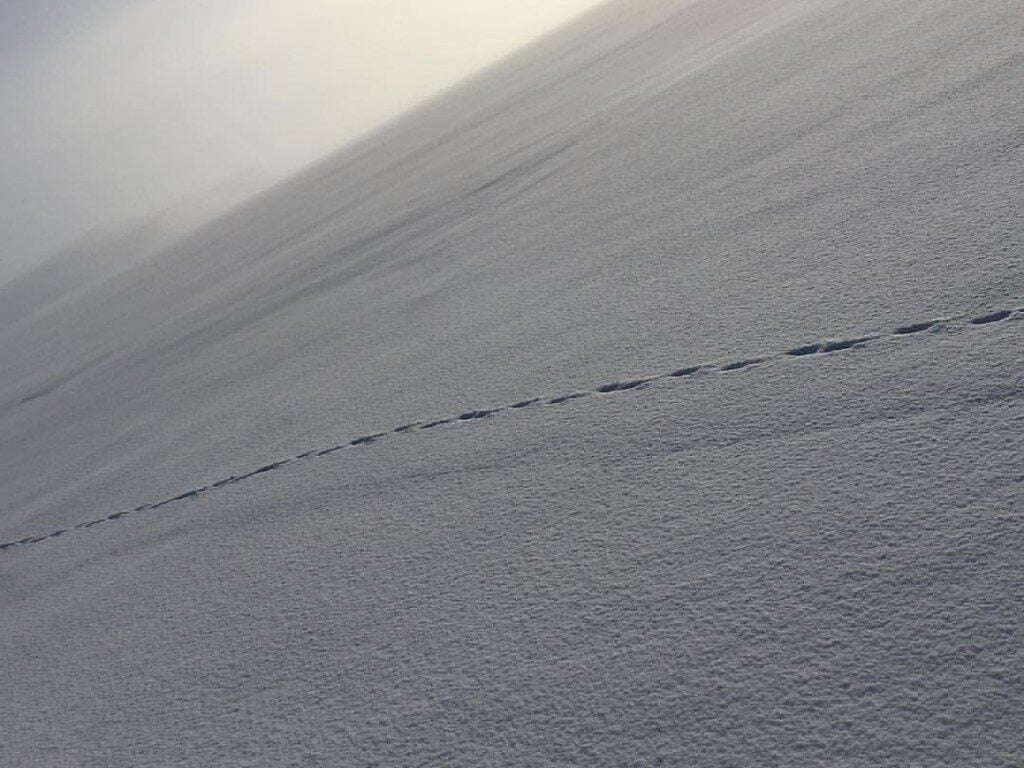
Seeing fox tracks at the North Pole is like finding a signature in an empty guest book. The tracks appear as delicate stitching across snow that looks untouched by anything larger than wind.
Each pawprint perfectly preserved in conditions that should be too harsh for such small feet, yet there they are—evidence that life finds ways to exist in places that seem designed to prevent it entirely.
The Geographic North Pole Marker
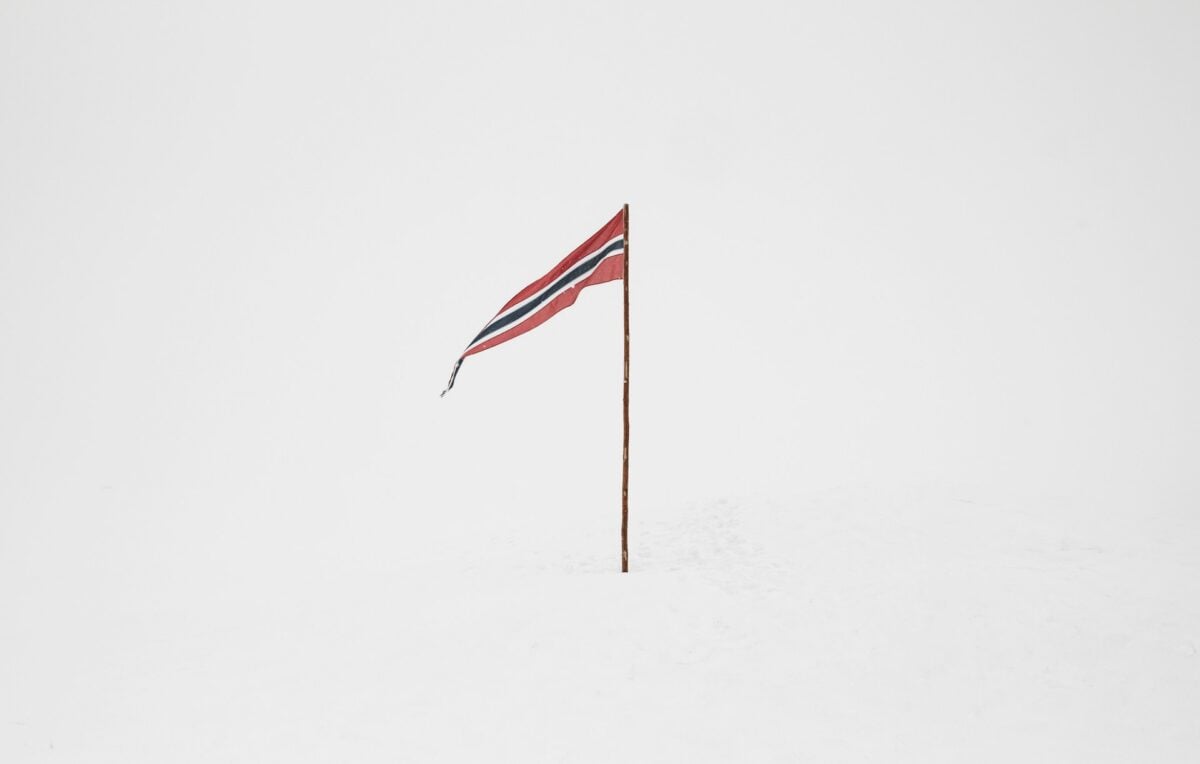
Every expedition to the true North Pole plants a flag or marker, and photographs reveal the absurd accumulation of human ego scattered across this remote coordinate. Flags from different nations, years, and expeditions, all claiming the same arbitrary point.
The markers look like a very small, very cold garage sale that no one bothers to clean up.
Ice Formations That Look Like Sculptures
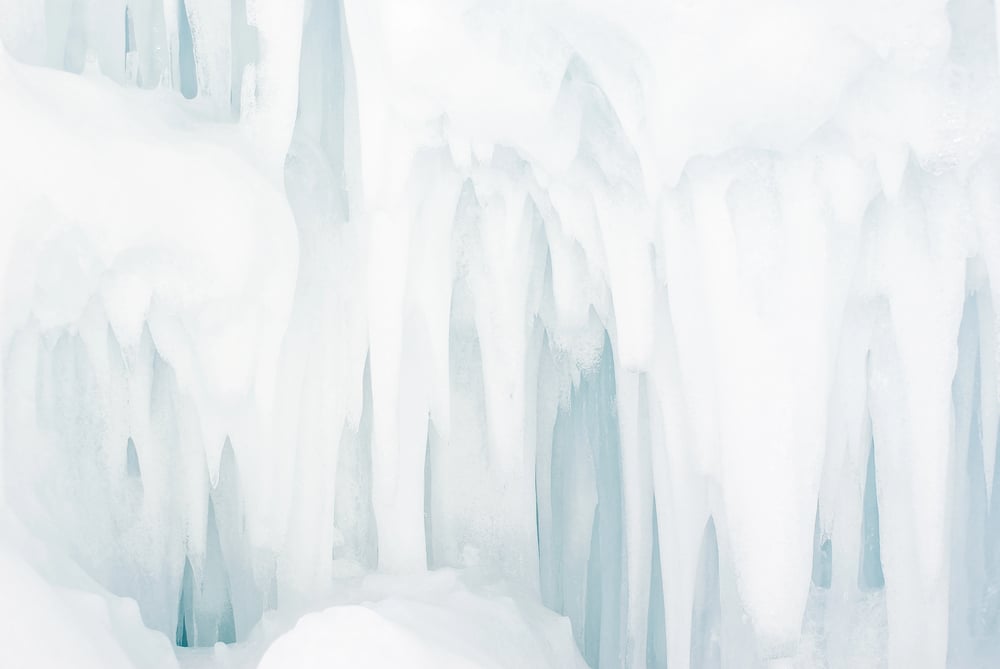
The wind carves ice into shapes that would make sculptors jealous—smooth curves and sharp angles that seem too deliberate to be accidental. Photographs capture formations that look like modern art installations: twisted spires, perfect arches, abstract curves that catch light in ways that seem designed for galleries rather than the middle of nowhere.
Nature showing off without an audience.
Research Stations Clinging to the Ice
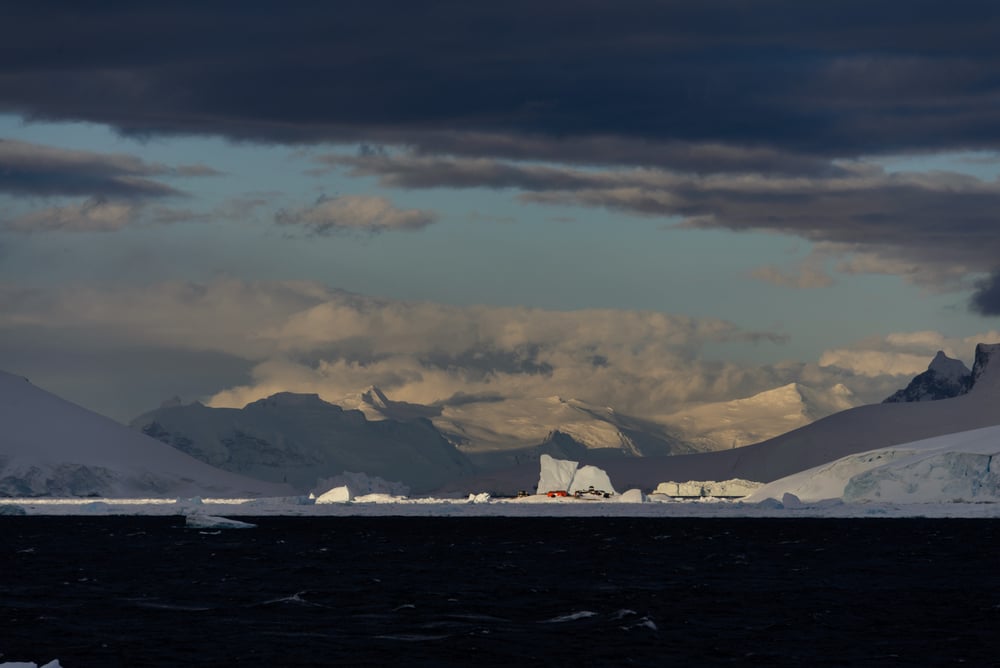
(The temporary research stations that scientists drag onto the ice look exactly like what happens when someone tries to build a laboratory inside a snow globe that’s being constantly shaken.) These structures—which cost enormous amounts of money and effort to establish—appear in photographs as clusters of prefabricated buildings connected by ropes and cables, surrounded by equipment that’s constantly being buried or uncovered by shifting snow.
And the most striking thing isn’t how advanced the technology is, but how utterly temporary everything looks, as if the researchers are camping rather than conducting serious scientific work, even though they’re gathering data that helps explain climate patterns for the entire planet. But the Arctic doesn’t distinguish between a weekend camping trip and a million-dollar research expedition: both get the same treatment from the ice.
Northern Lights at the Top of the World
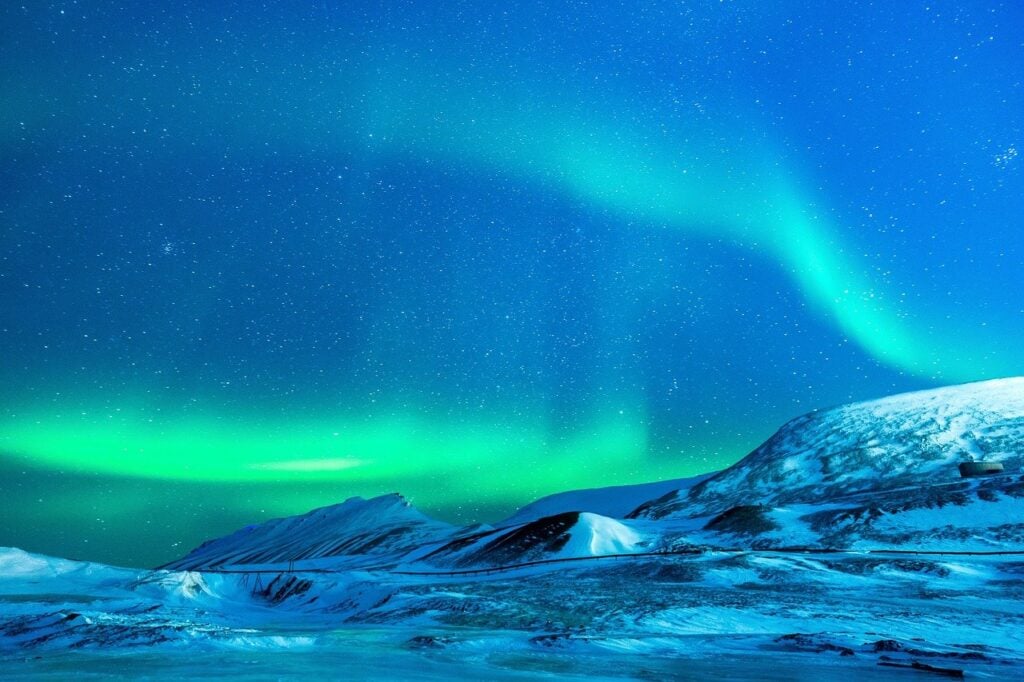
The aurora borealis at the North Pole doesn’t dance across the sky like the tourist photographs suggest. It hangs there like fabric someone shook out once and let settle, green and sometimes purple curtains that seem close enough to touch.
The phenomenon appears more subdued here, more constant than spectacular, as if this is where the northern lights go to rest between performances.
Helicopter Landings on Shifting Ice
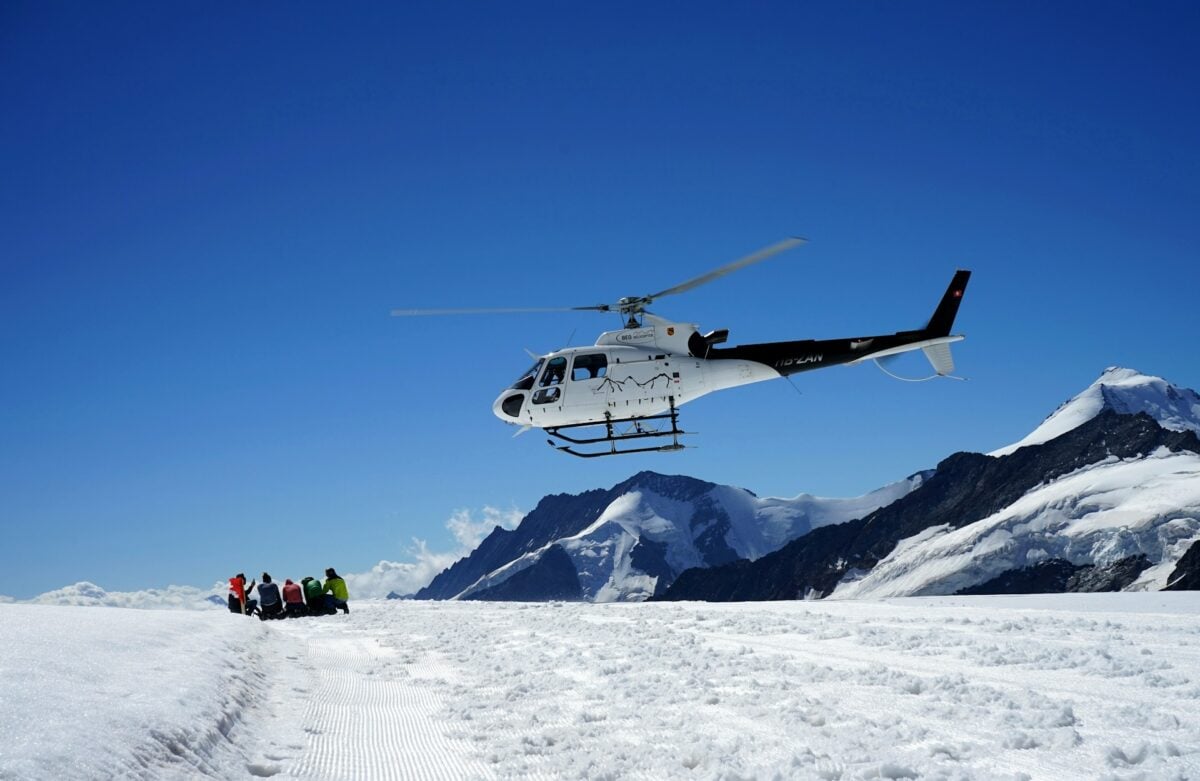
Helicopters landing at the North Pole must find ice thick enough to support several tons of aircraft, but thick ice and flat ice don’t always coincide. Photos show helicopters perched at odd angles on ice formations that look like parking on a frozen wave.
The pilots treat these landings like routine airport arrivals, even though they’re setting down on a surface that’s moving beneath them.
Whiteout Conditions That Erase Everything
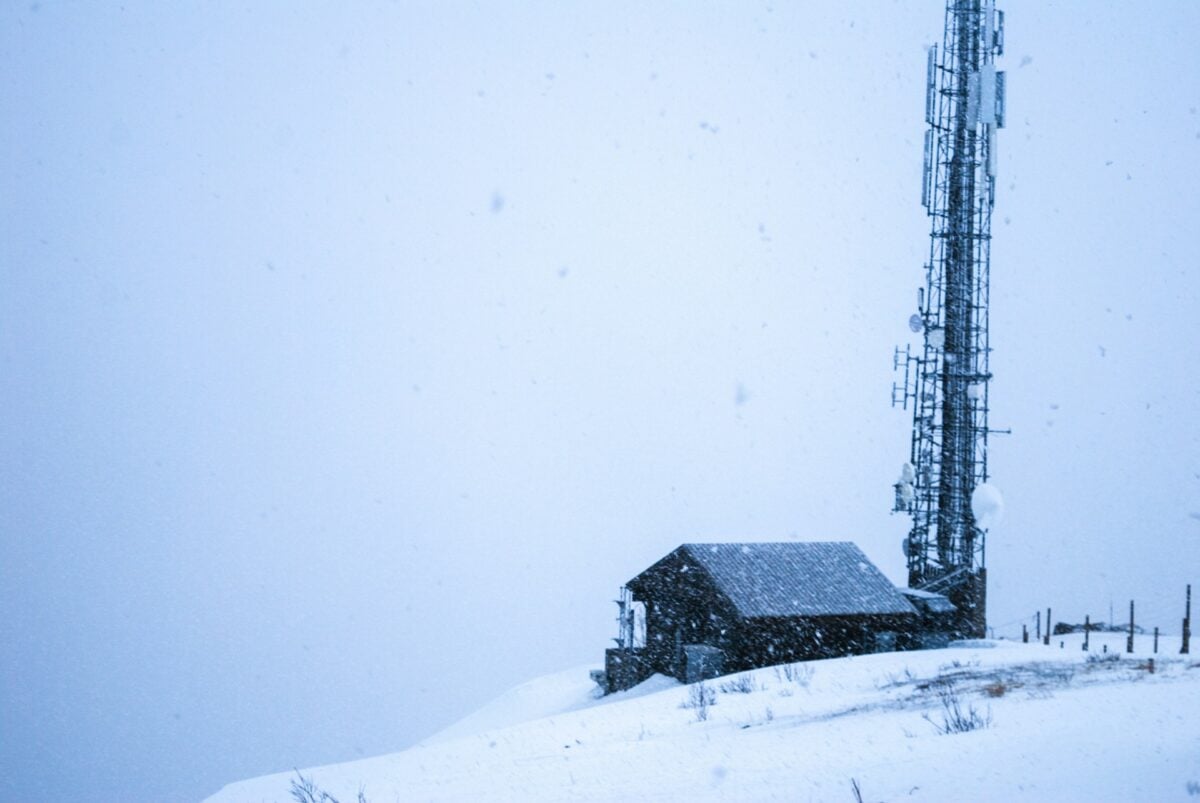
Some North Pole photographs show what happens when weather conditions create total whiteout—images where snow, ice, fog, and sky blend into a single uniform gray-white that eliminates depth perception entirely. These photos look like mistakes until the realization hits that this is what complete sensory deprivation looks like through a camera lens.
No horizon, no reference points, no way to distinguish up from down.
Seal Breathing Rings in the Ice
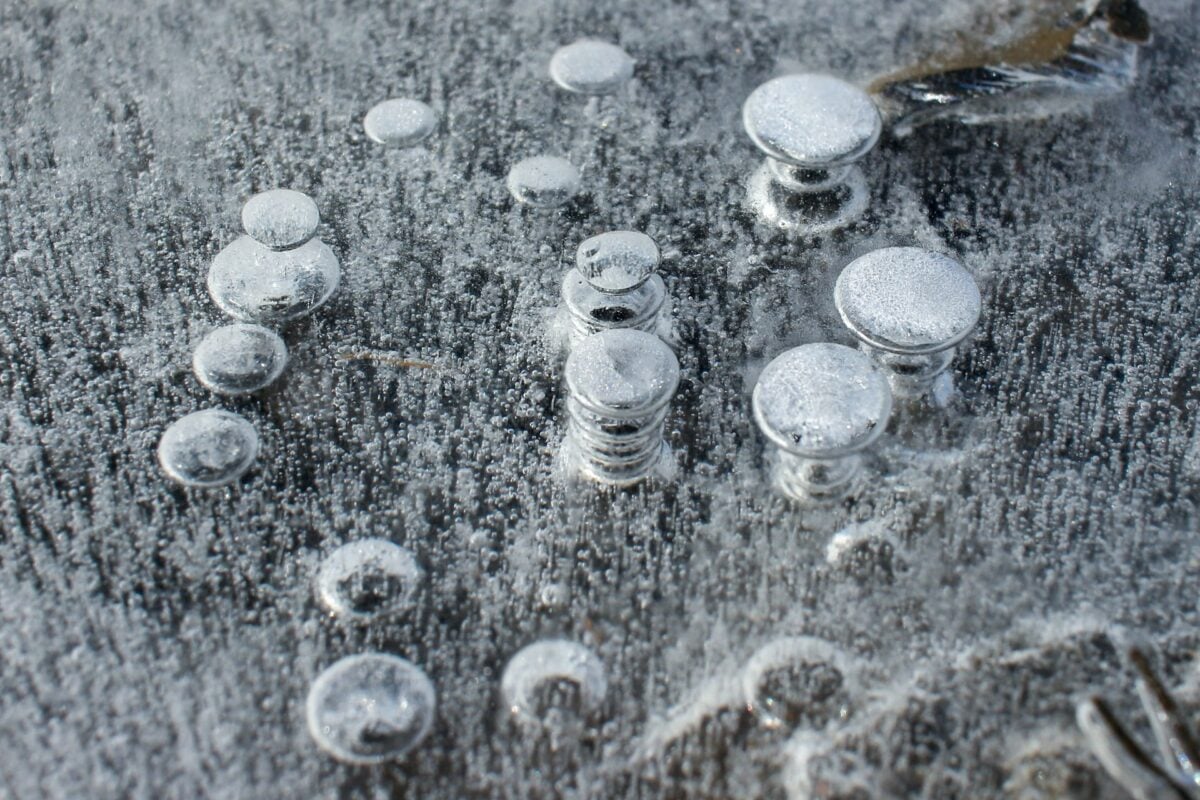
Seals maintain breathing rings through ice that can be several feet thick, creating these perfect circles of dark water scattered across the white landscape. The rings appear in photographs like punctuation marks in a long white sentence, each one representing a small victory of mammalian persistence over Arctic conditions.
The seals keep these rings open through constant use, surfacing just long enough to breathe before disappearing again.
Camping at the End of the Earth
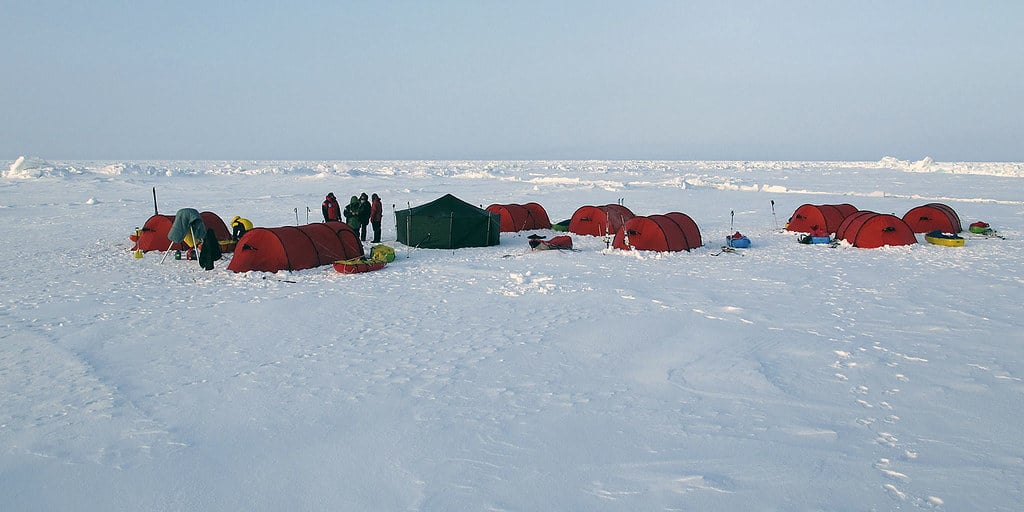
The final photographs—the ones showing tiny camps established at the North Pole itself—reveal something that maps and coordinates can’t capture. These expeditions represent years of planning, enormous expense, and considerable risk, all to spend a few days at a point that exists only in theory, marked by nothing permanent, distinguished only by its location on a grid.
And yet the photographs of these camps, small and temporary against the endless ice, suggest that reaching the North Pole isn’t really about arriving somewhere. It’s about discovering how far human curiosity will travel just to satisfy itself that it can.
More from Go2Tutors!

- The Romanov Crown Jewels and Their Tragic Fate
- 13 Historical Mysteries That Science Still Can’t Solve
- Famous Hoaxes That Fooled the World for Years
- 15 Child Stars with Tragic Adult Lives
- 16 Famous Jewelry Pieces in History
Like Go2Tutors’s content? Follow us on MSN.



