17 Places Built Underground For Protection
Throughout history, people have turned to the earth itself for safety when threats loomed above. From ancient civilizations fleeing invaders to modern governments preparing for nuclear war, going underground has always been humanity’s go-to survival strategy. These subterranean sanctuaries tell fascinating stories of ingenuity, fear, and the lengths people will go to protect themselves and their way of life.
Here is a list of 17 remarkable places that were built underground specifically for protection, each offering its own unique glimpse into how different cultures and eras approached the challenge of staying safe.
Derinkuyu Underground City
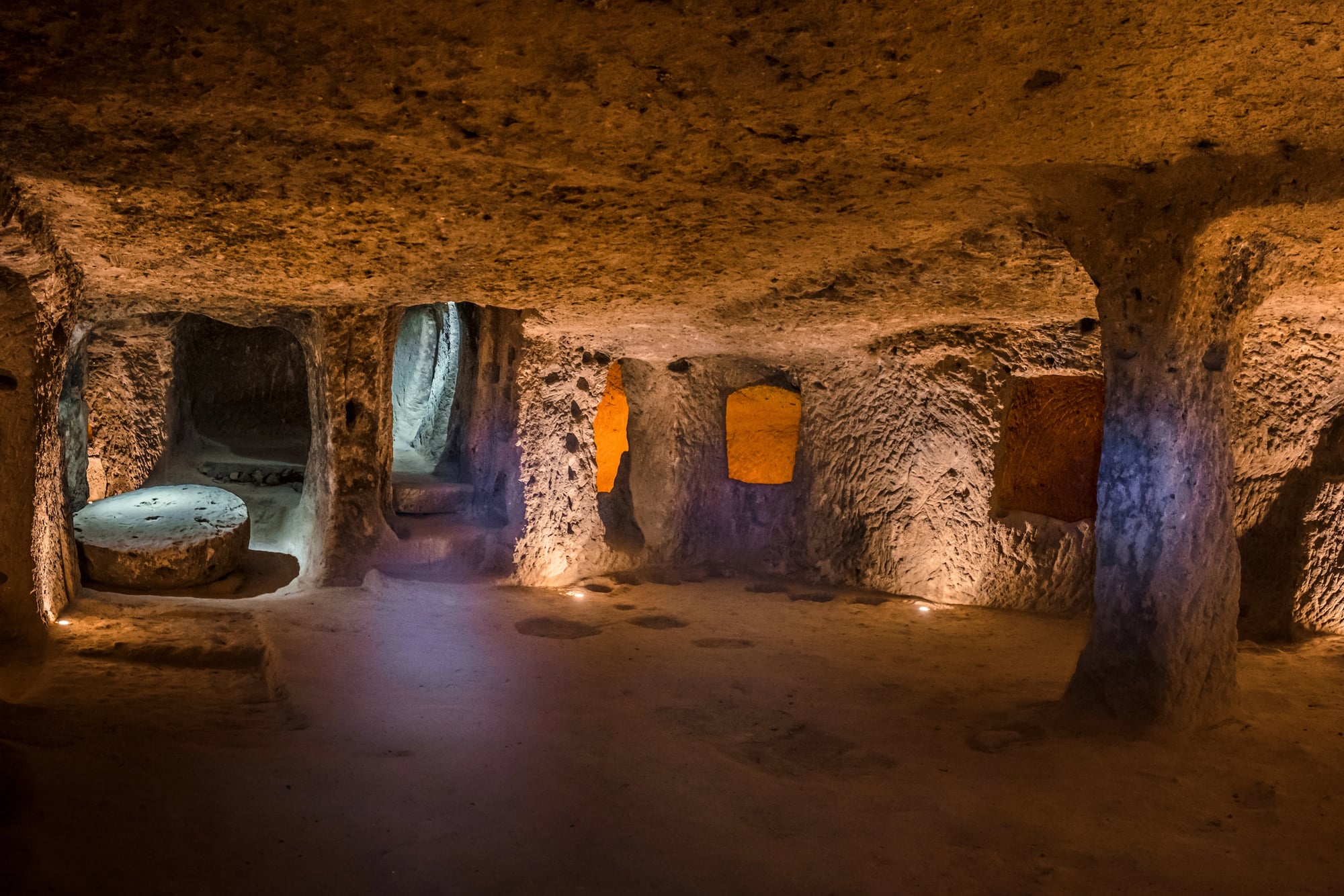
Turkey’s Cappadocia region hides one of the world’s most impressive underground cities, stretching 18 stories deep into volcanic rock. This ancient refuge could shelter up to 20,000 people and included everything from ventilation shafts and wells to kitchens, schoolrooms, and even a winery.
The city’s clever design allowed each level to be sealed off with massive stone doors, making it nearly impossible for enemies to penetrate deeper if they breached the upper levels.
Churchill War Rooms
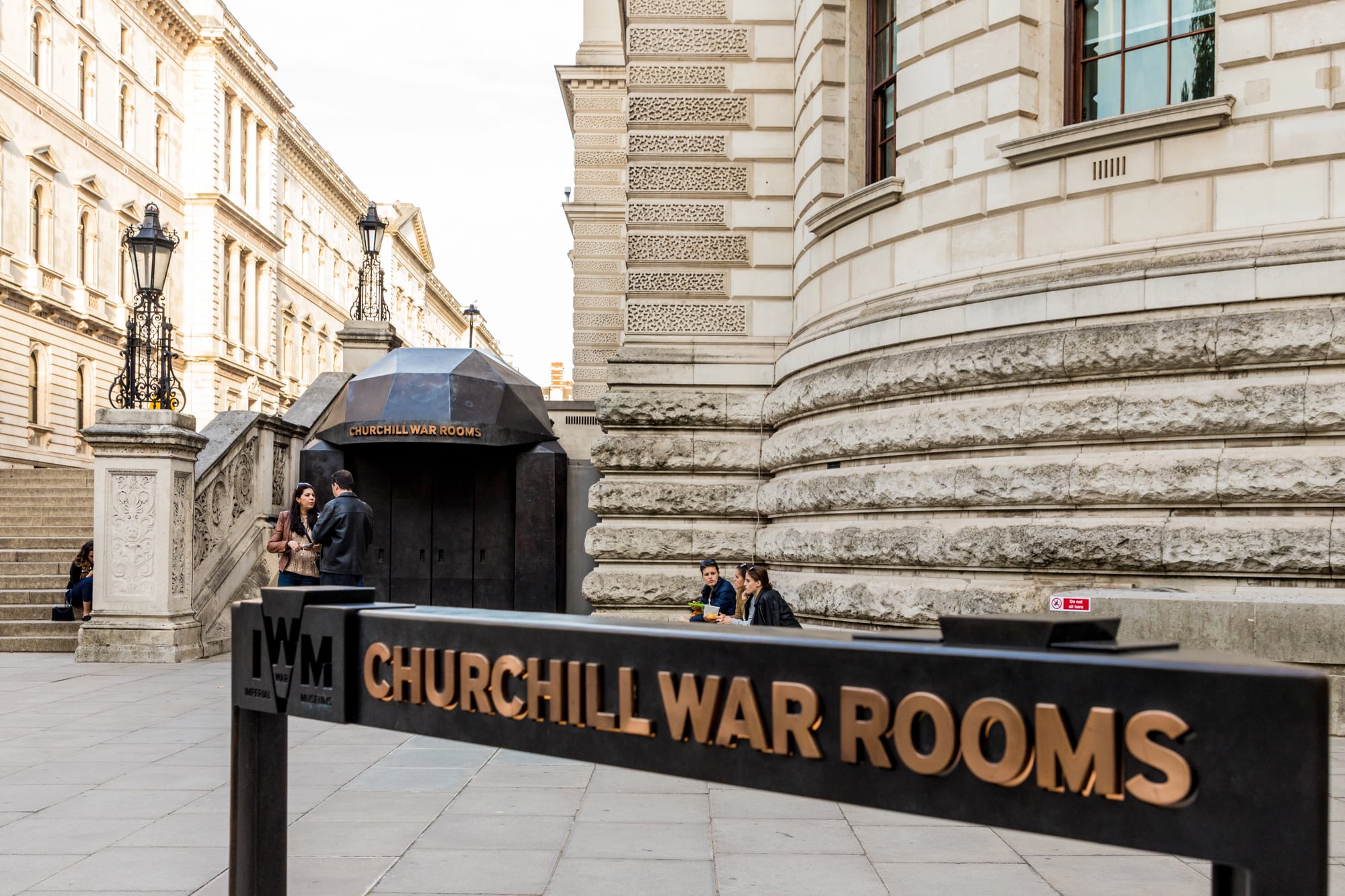
Hidden beneath Westminster in London, the Cabinet War Rooms became fully operational on 27 August 1939, one week before Britain declared war on Germany. Winston Churchill famously declared ‘This is the room from which I will direct the war’ when he first visited the Cabinet Room in May 1940.
The complex housed everything from map rooms to bedrooms, with a massive concrete slab up to 5 feet thick installed during the Blitz to provide additional protection.
Cheyenne Mountain Complex
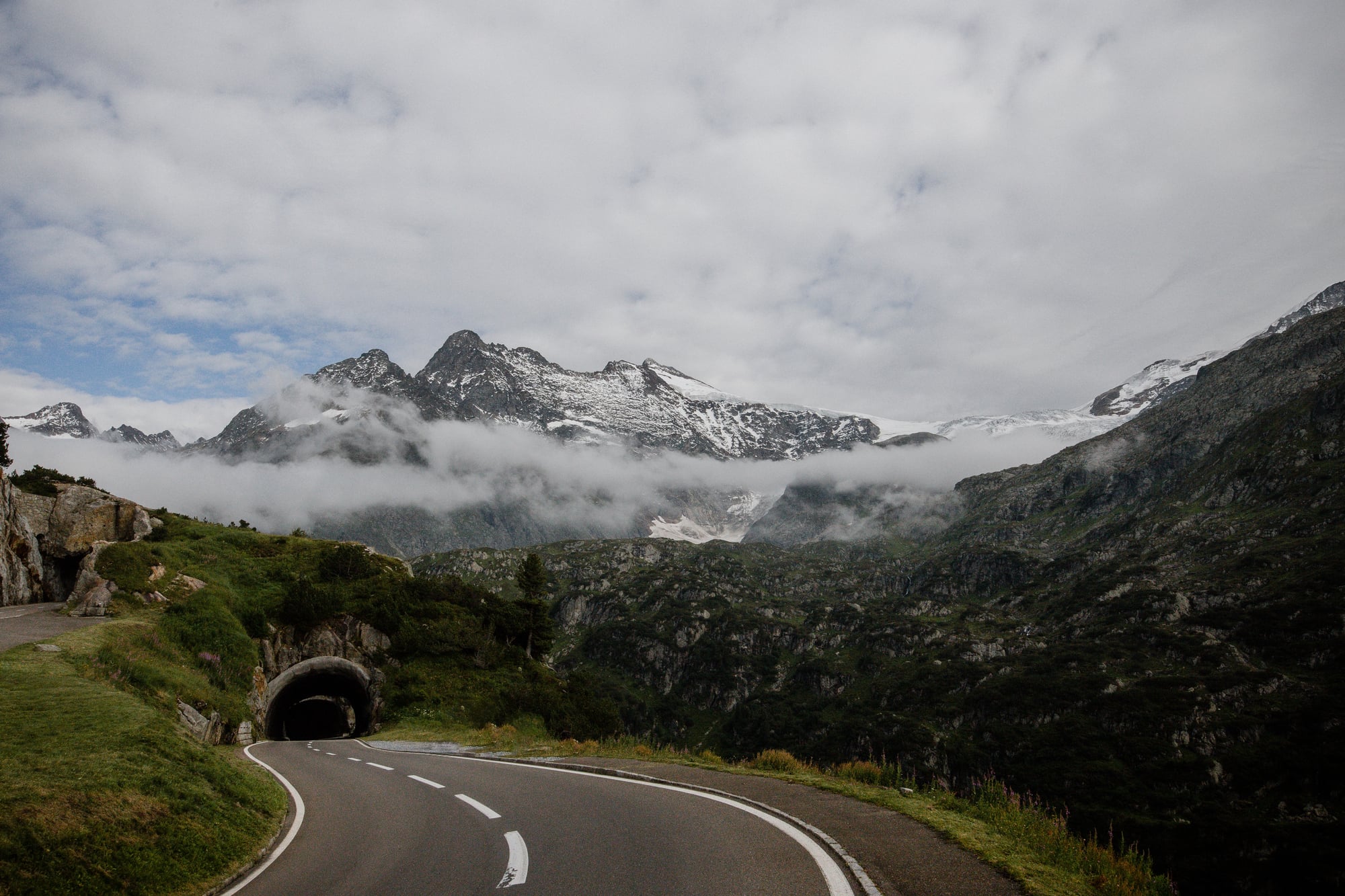
Built during the Cold War as a hardened command and control center, this facility became fully operational on April 20, 1966. Located 2,000 feet beneath granite, the complex spans 4.5 acres and can withstand a 30-megaton nuclear explosion from just 1.24 miles away.
The facility’s massive blast doors weigh 25 tons each and the entire structure sits on over 1,000 springs to absorb shock waves.
Wieliczka Salt Mine
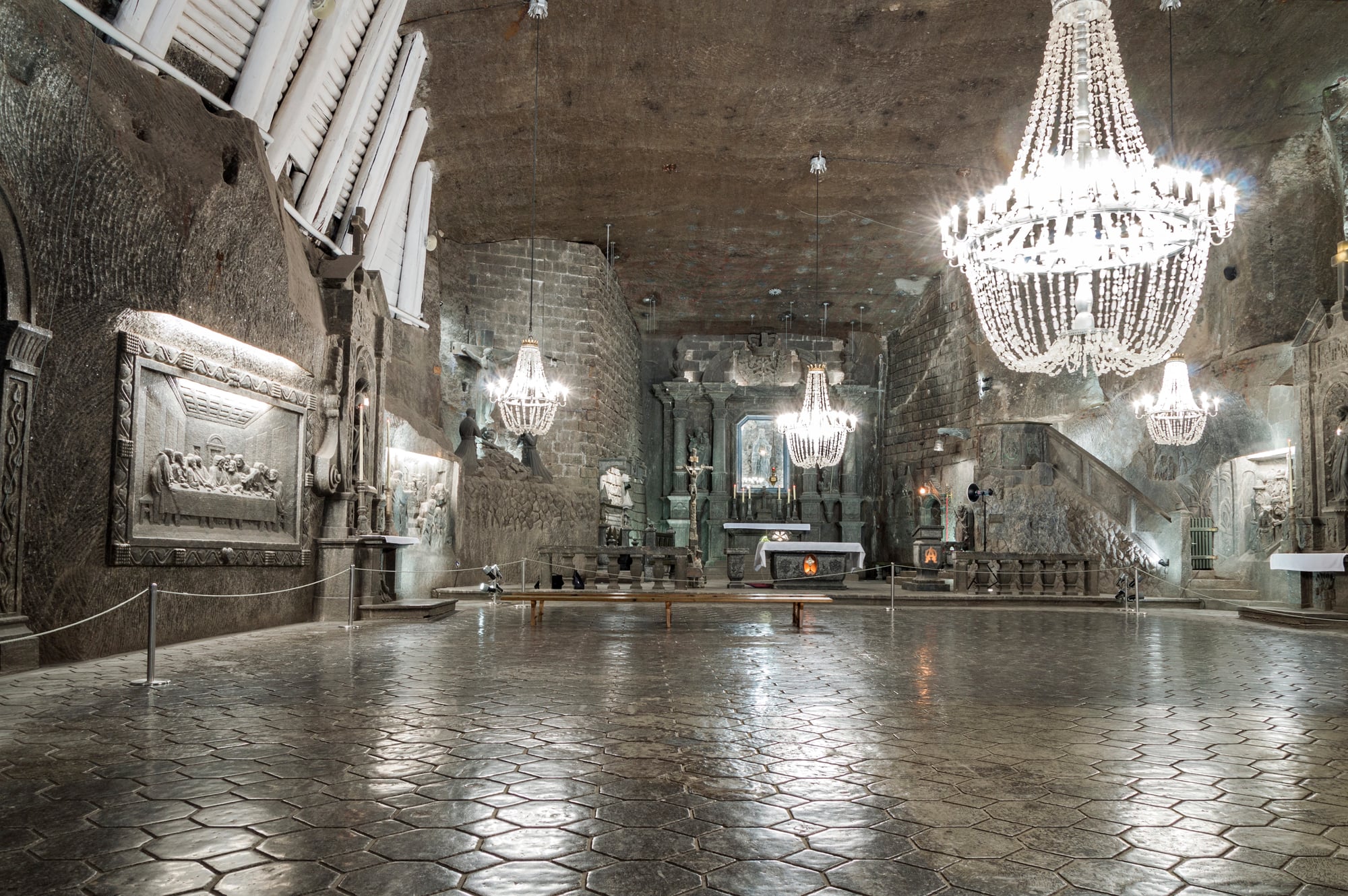
While primarily a commercial enterprise, during World War II, the mine was used by the occupying Germans as an underground facility for war-related manufacturing, with Jewish concentration camp prisoners forced into hard labor there. The mine’s natural protection comes from being carved deep into salt deposits, creating chambers that have survived for centuries.
Its underground chapels and carved salt sculptures show how miners transformed a working site into a place of spiritual refuge.
Burlington Bunker
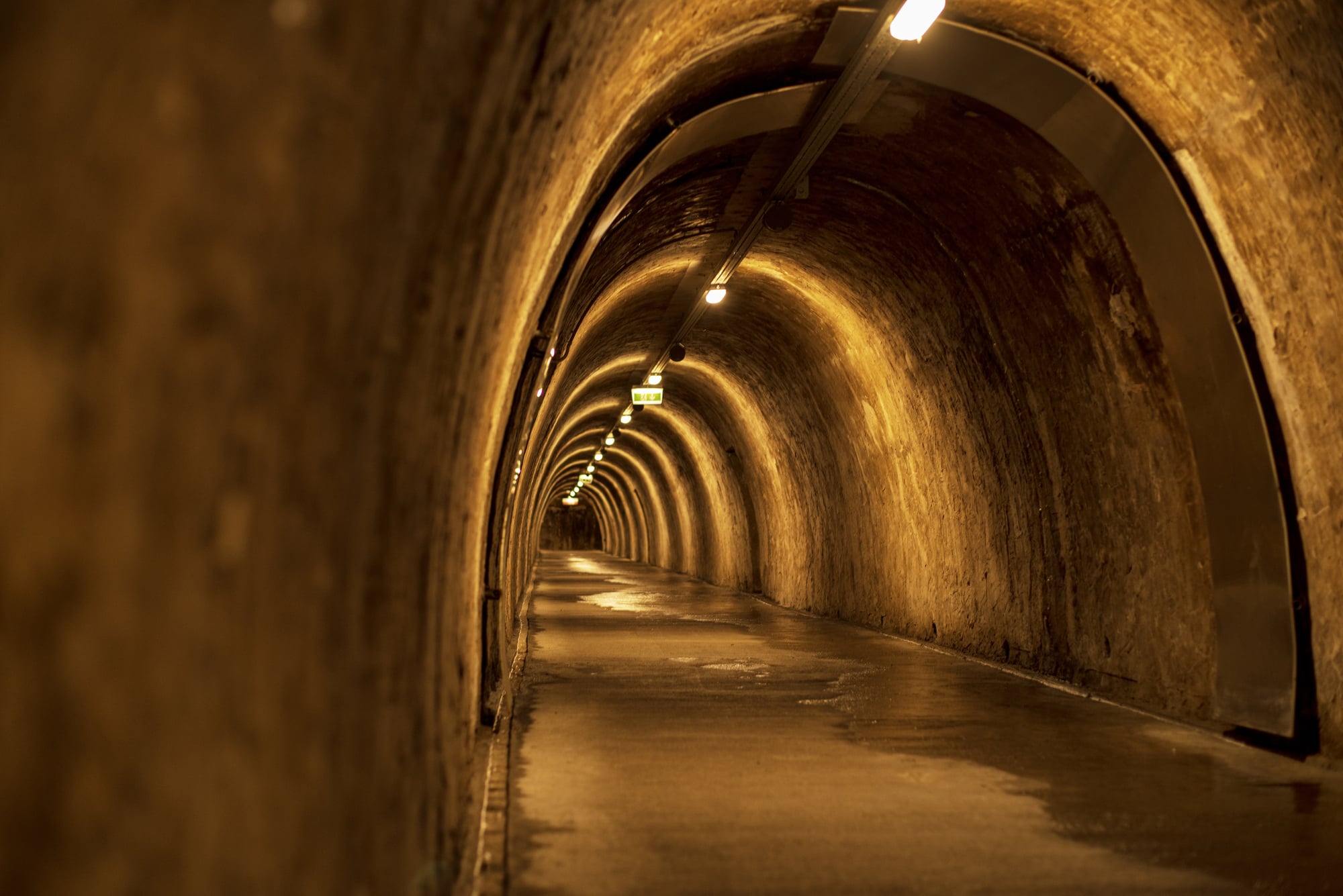
This 35-acre complex built 120 feet underground served as the United Kingdom’s emergency government war headquarters during the Cold War. Over 1 kilometer in length with over 60 miles of roads, the site could accommodate up to 4,000 people in complete isolation for up to three months.
The facility included everything from hospitals and kitchens to a BBC broadcasting studio where surviving government officials could address the nation.
Kaymakli Underground City
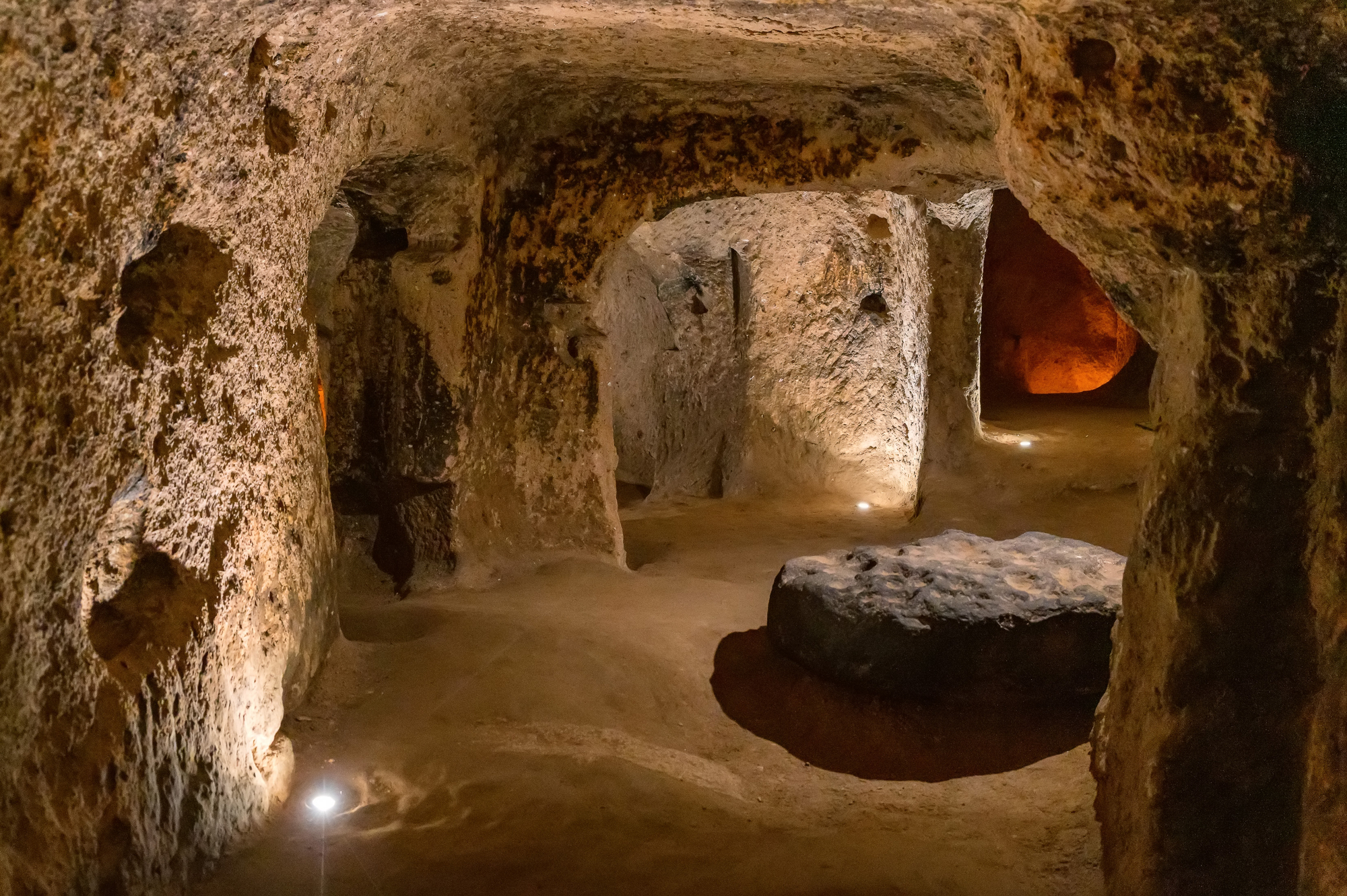
Another marvel of Cappadocia’s underground network, Kaymakli has eight levels with stables, kitchens, and wineries, and could house up to 5,000 people during times of conflict. The tunnels connect with other underground cities in the region, creating a vast defensive network beneath the Turkish landscape.
Like its neighbor Derinkuyu, it features ingenious ventilation systems that kept fresh air flowing even in the deepest chambers.
Naours Underground City
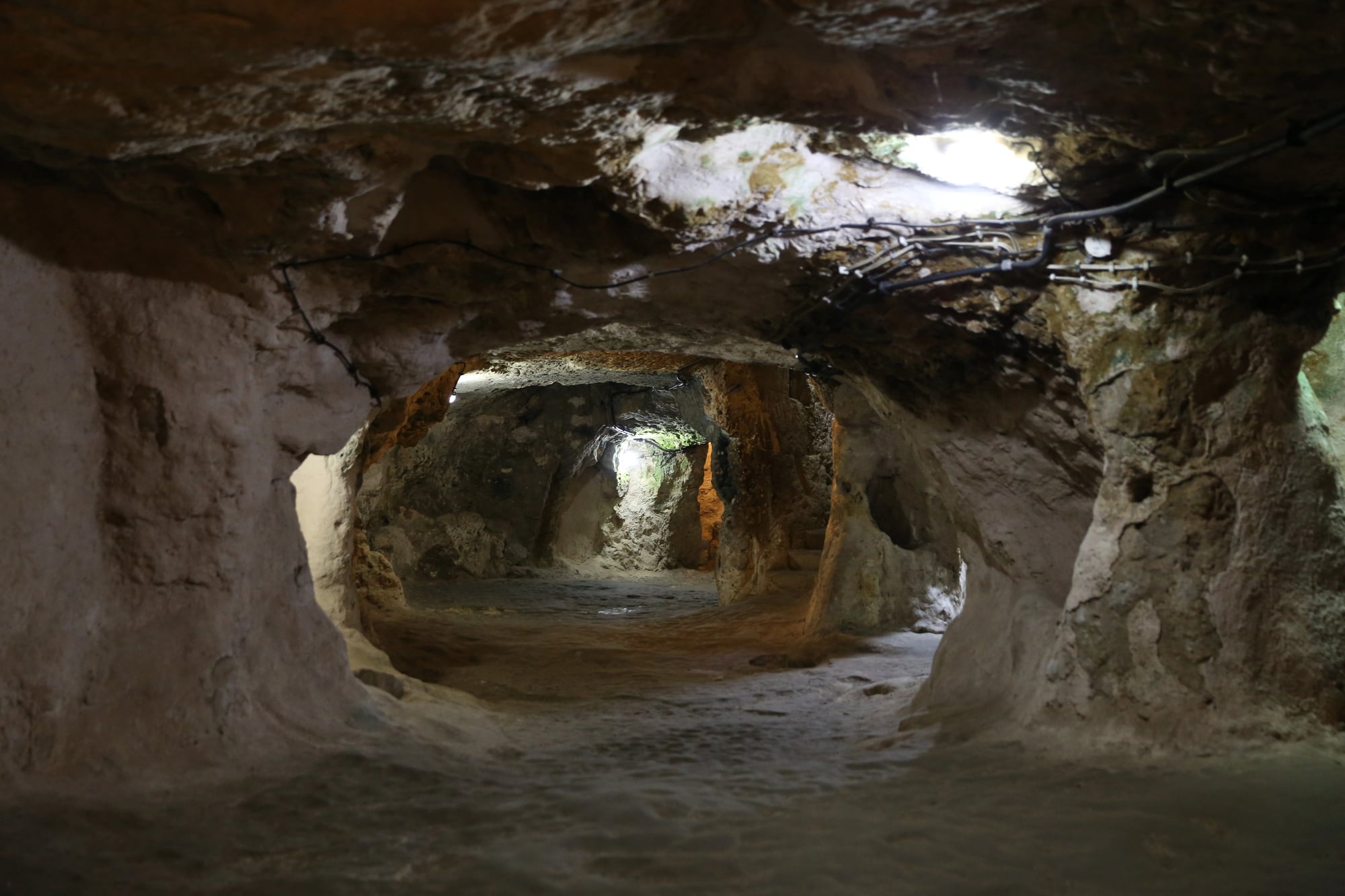
Hidden in France’s Picardy region, Naours is a maze of over 300 subterranean rooms dating back to medieval times that began as a limestone quarry and later became a shelter for local villagers fleeing war and religious persecution. The complex could reportedly house up to 3,000 people in times of conflict and even housed French civilians during World War I, with soldiers leaving graffiti on the walls.
The extensive tunnels connect chapels, homes, and meeting rooms, creating a completely self-contained underground community.
Nushabad Underground City
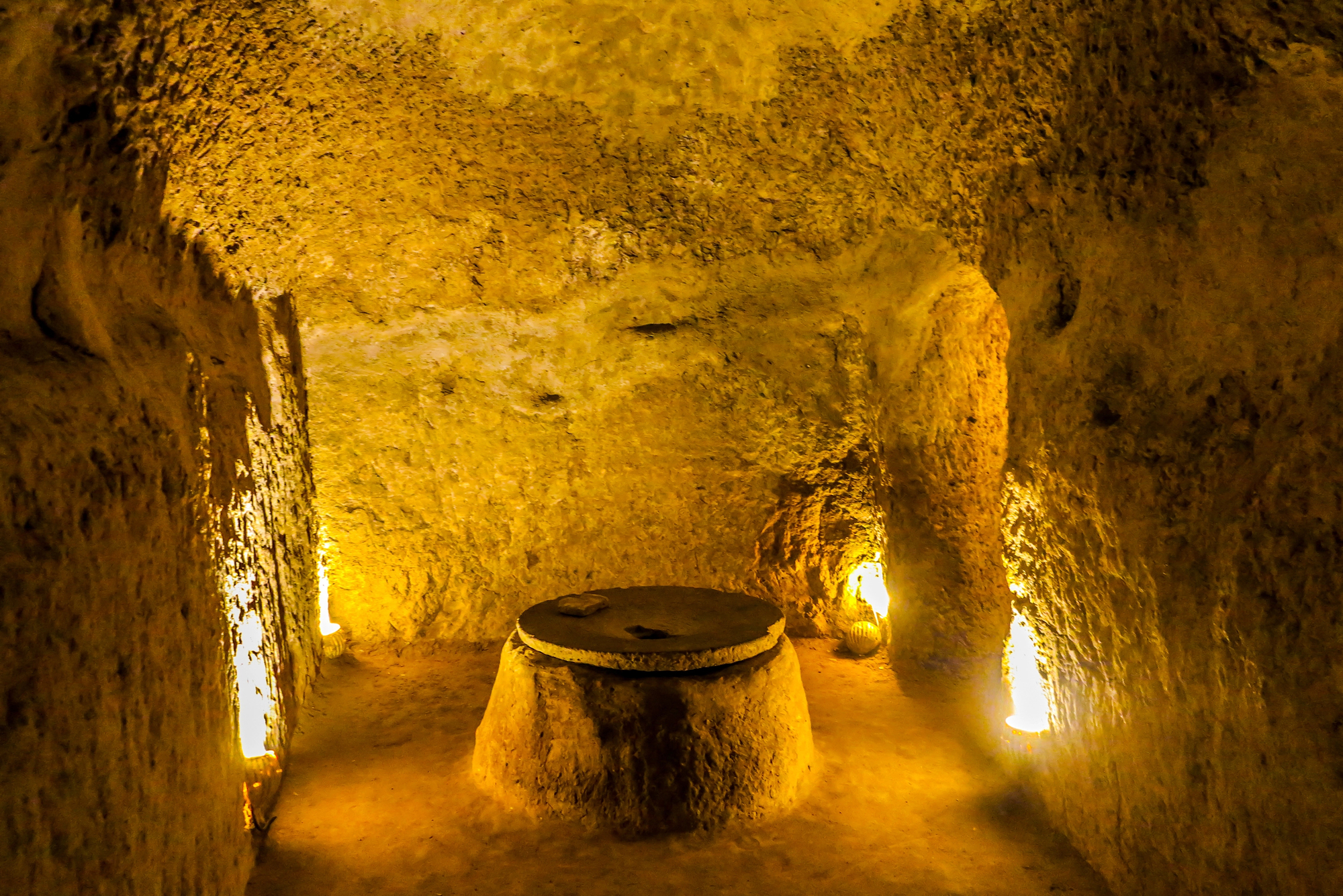
Located in Iran, this impressive three-story subterranean complex dates back to the Sasanian Empire (224–651 AD) and was carved out of the ground to provide protection from invasions and harsh weather conditions. The city features a sophisticated ventilation system, water wells, and a labyrinth of interconnected tunnels designed to confuse potential intruders.
Even today, local inhabitants use parts of the ancient city for storage and shelter during sweltering summer months.
Beijing Underground City
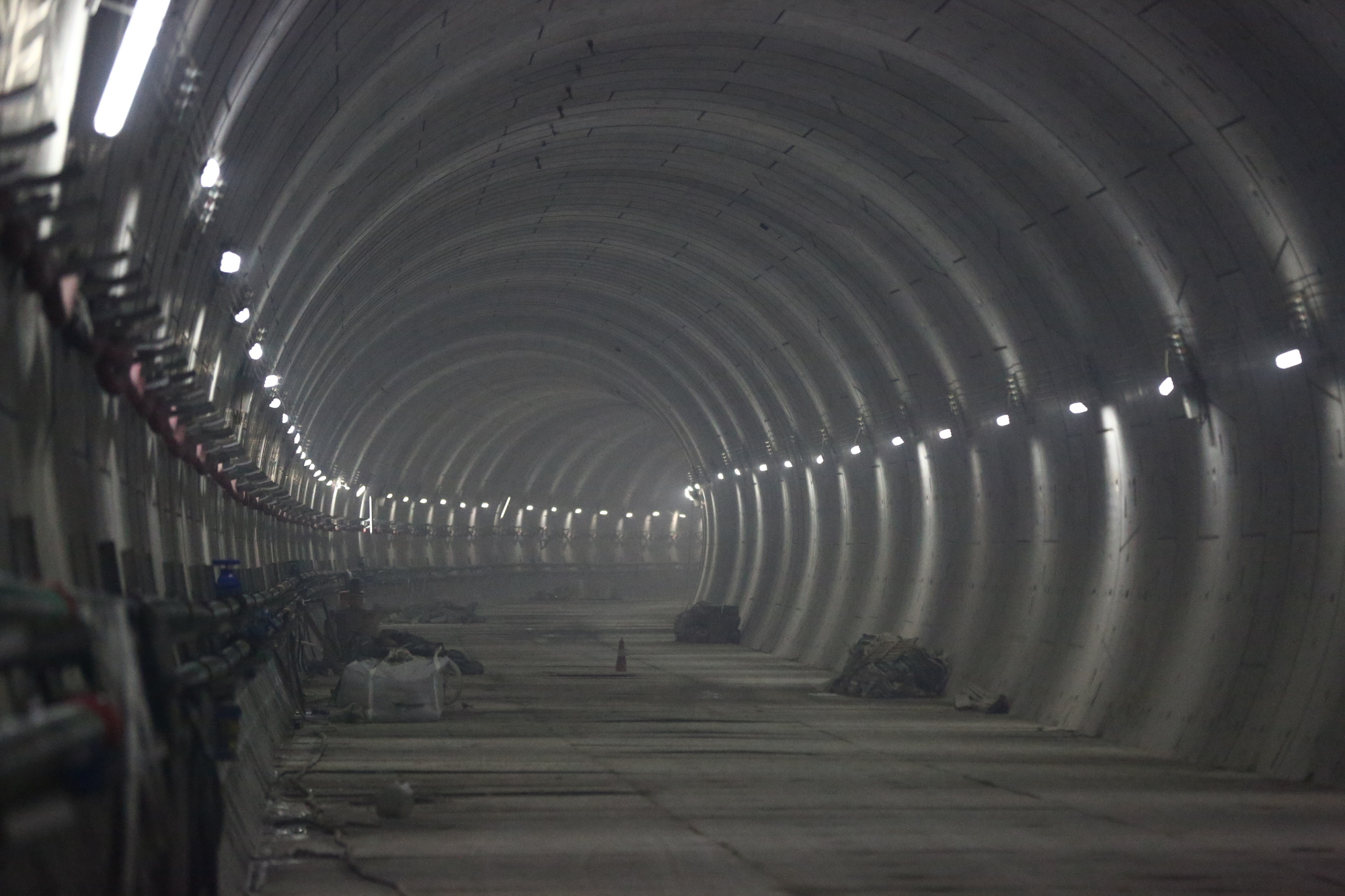
Dixia Cheng sprawls for 85 square kilometers beneath Beijing, with more than 90 currently known entrances. Built in the 1960s as protection against nuclear attack, certain passageways were reportedly large enough for tanks to pass through, while others housed purpose-built schools, hospitals, granaries and restaurants, and even a skating rink and a 1,000-seat movie theater.
Though never used for its intended purpose, this massive network shows the scale of Cold War paranoia.
Fort Canning Bunker
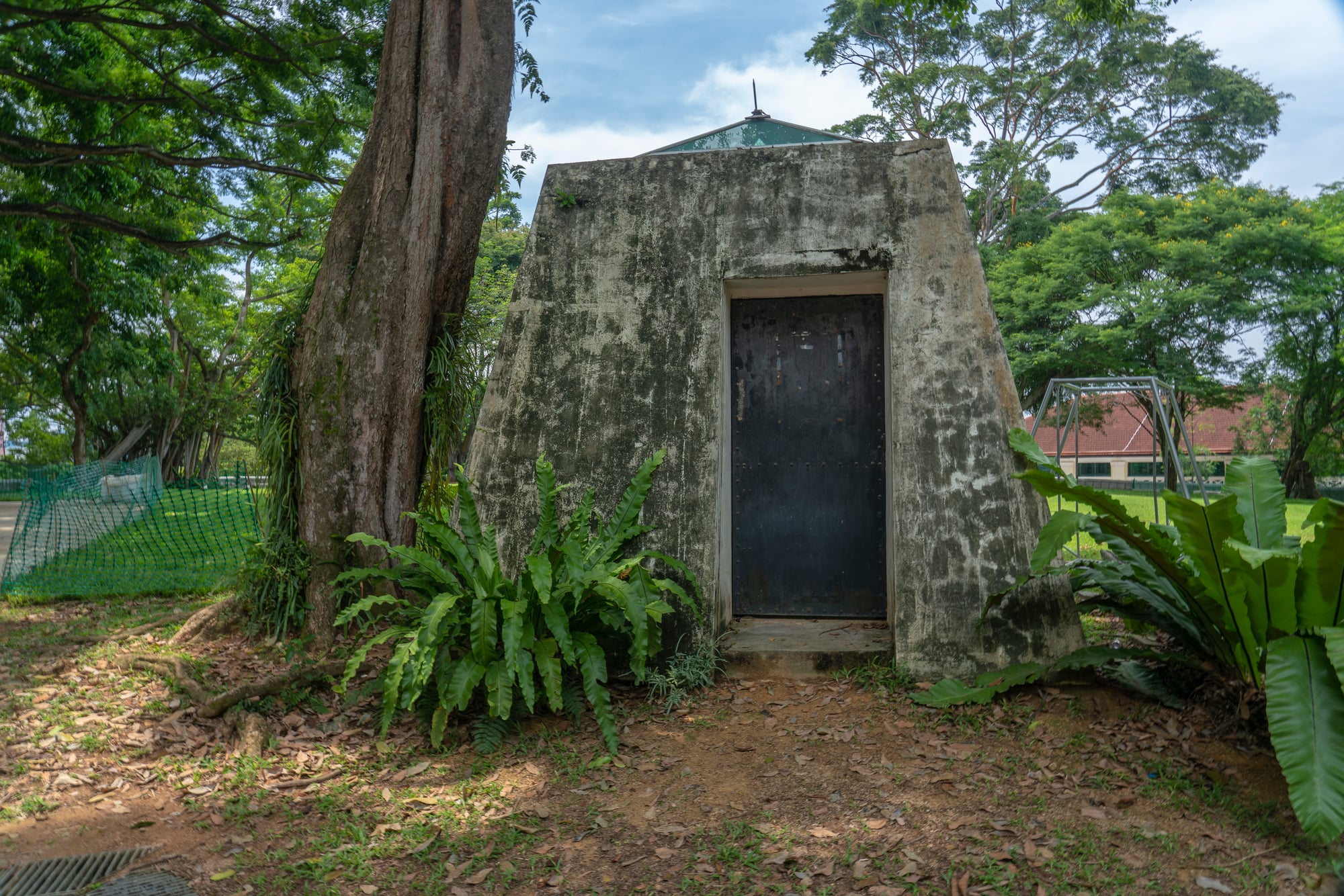
Located in Singapore, this subterranean structure once served as the headquarters for British General Percival during the Battle of Singapore, comprising 26 rooms and two stories. The bunker’s preserved rooms include a cipher room, telephone exchange, and air filtration system.
Today it stands as a monument to Singapore’s wartime experience and the strategic importance of underground command centers during World War II.
Petra’s Underground Systems
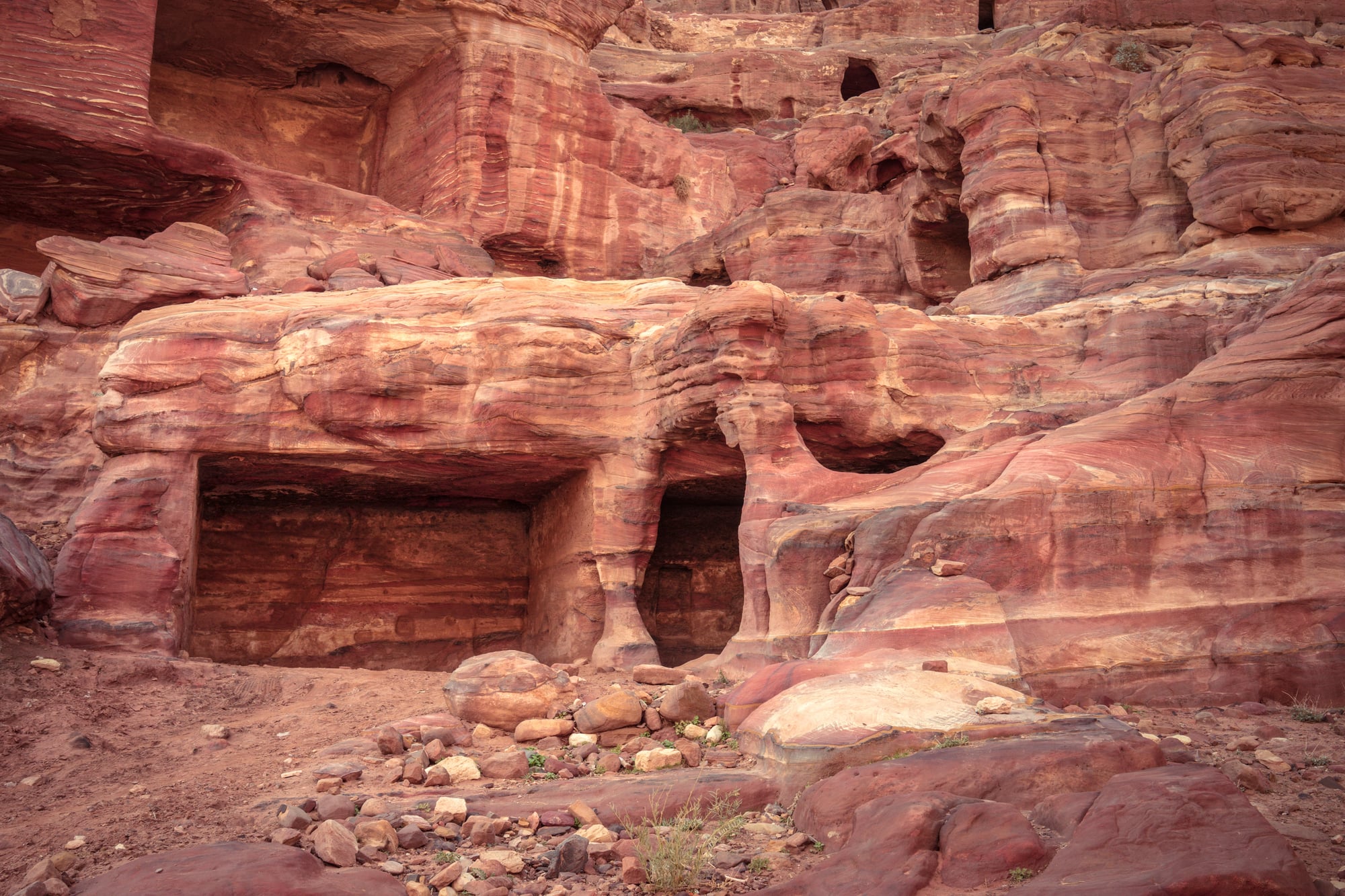
While famous for its stunning rock-cut architecture, Petra in Jordan was settled as early as 312 BCE and includes extensive underground systems. The Nabataeans who built this ancient city created underground chambers and tunnels that provided both storage and protection from the harsh desert environment.
These hidden spaces complemented the visible city above, creating a complete defensive and survival system.
Setenil de las Bodegas
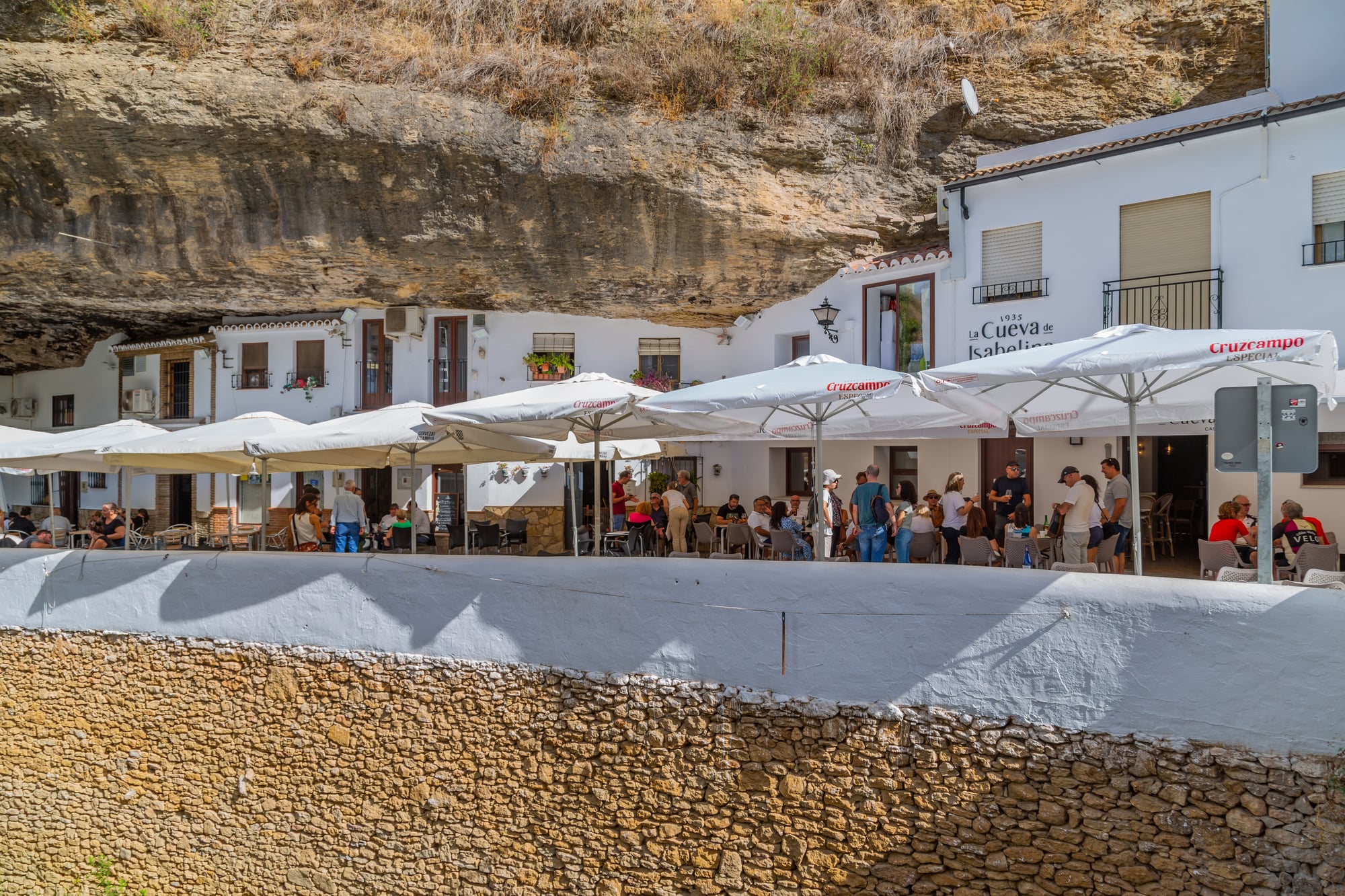
This Spanish town takes underground living to a unique level by building homes directly into cliff faces and cave systems. The natural rock formations provide insulation, keeping homes cool in summer and warm in winter.
While not entirely underground, the town’s cave dwellings represent centuries of people using natural rock formations for protection from both weather and potential threats.
Matmata Underground Homes
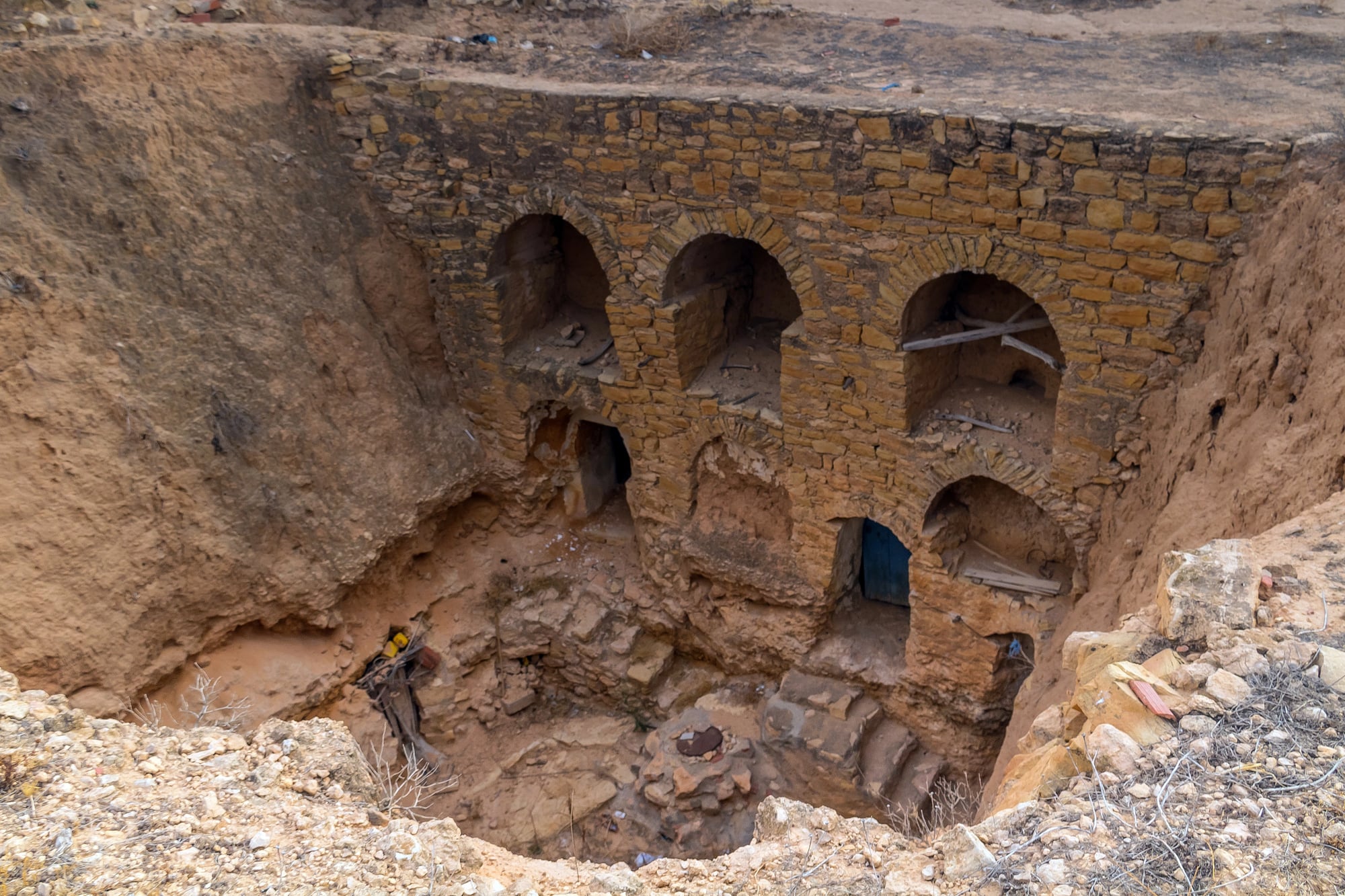
This Berber village in Tunisia is renowned for its underground troglodyte homes, carved into the earth and built around open courtyards with rooms extending off them like spokes on a wheel. Originally built to provide protection from the intense desert heat, these homes remain comfortably cool year-round.
The underground design also offered protection from sandstorms and historically provided security from raiders crossing the desert.
Pilsen Historical Underground
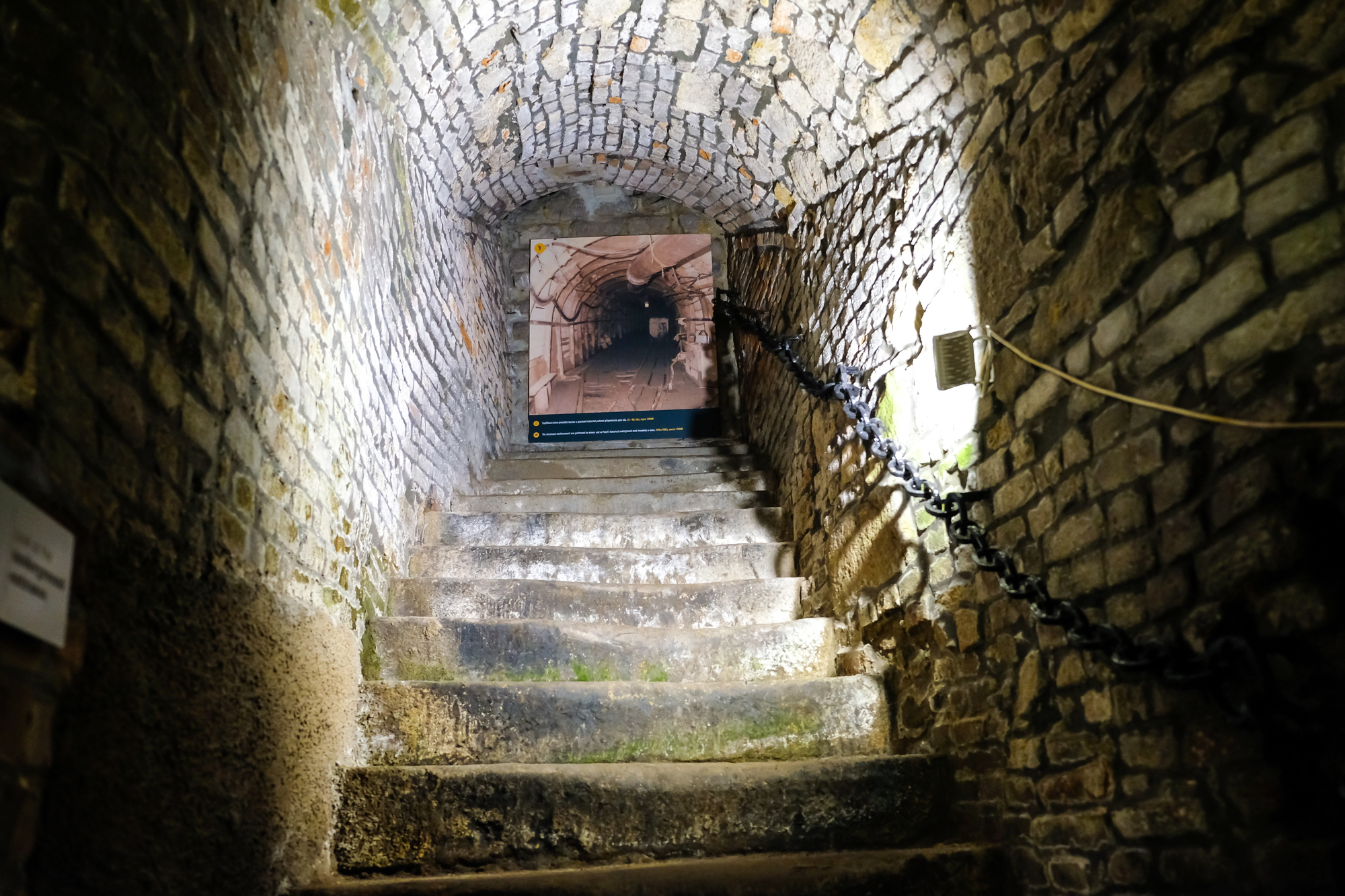
The city of Pilsen in the Czech Republic has a 12.5-mile web of passageways, cellars, and wells built in the 14th century. These tunnels served multiple purposes including storage, protection during sieges, and as escape routes during times of danger.
The underground network connected important buildings throughout the medieval city, allowing people to move safely even when the streets above were unsafe.
Kish Underground City
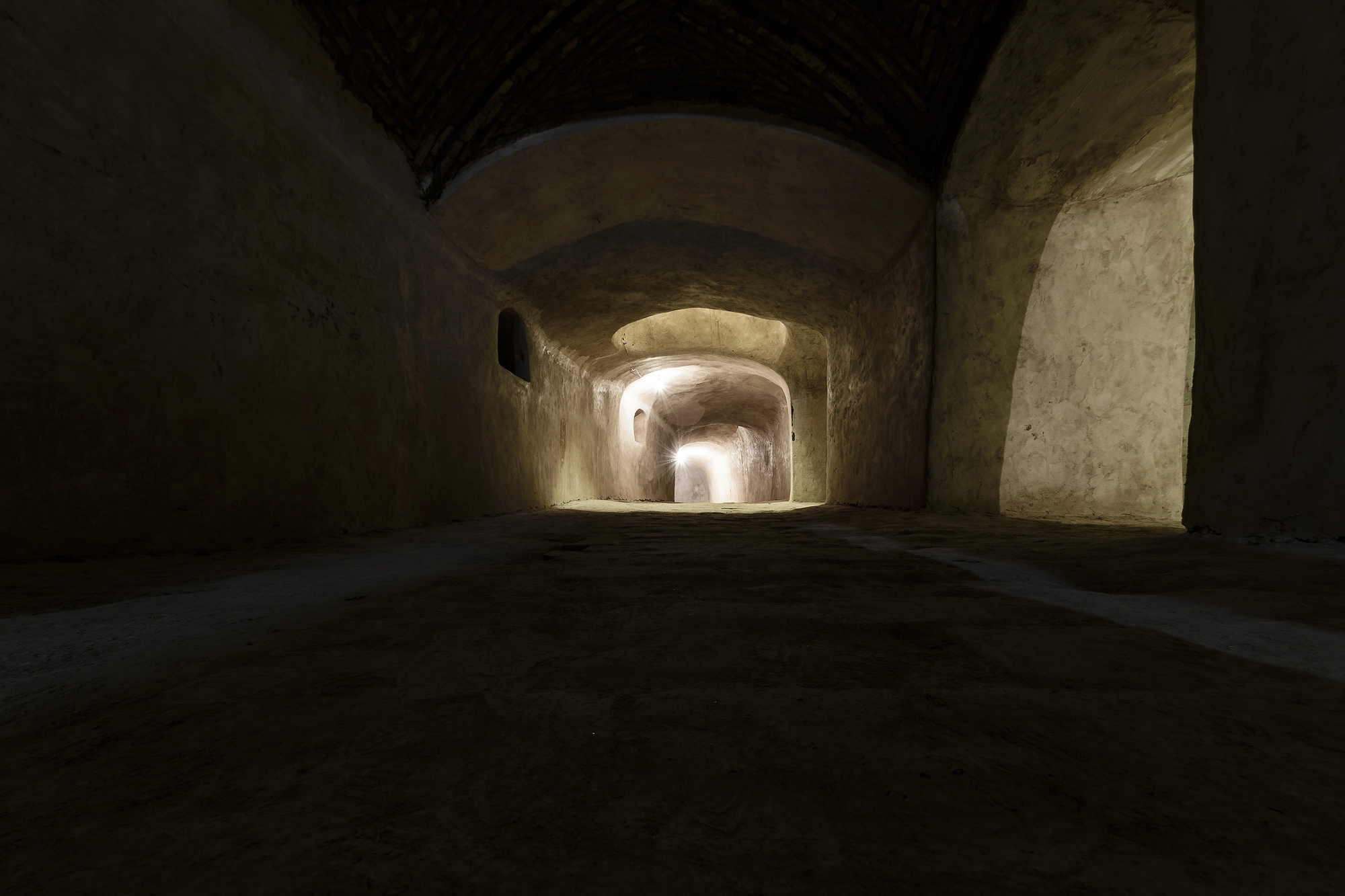
On the coral island of Kish in Iran lies a sprawling underground city with a rich history dating back approximately 2,500 years, initially built as an aqueduct system to collect and store fresh water. The complex features impressive arches and vaulted ceilings that showcase ancient engineering prowess.
What began as a water management system evolved into a protective underground space that sheltered island dwellers from both natural disasters and human threats.
Tunnel Quarries of Corsham
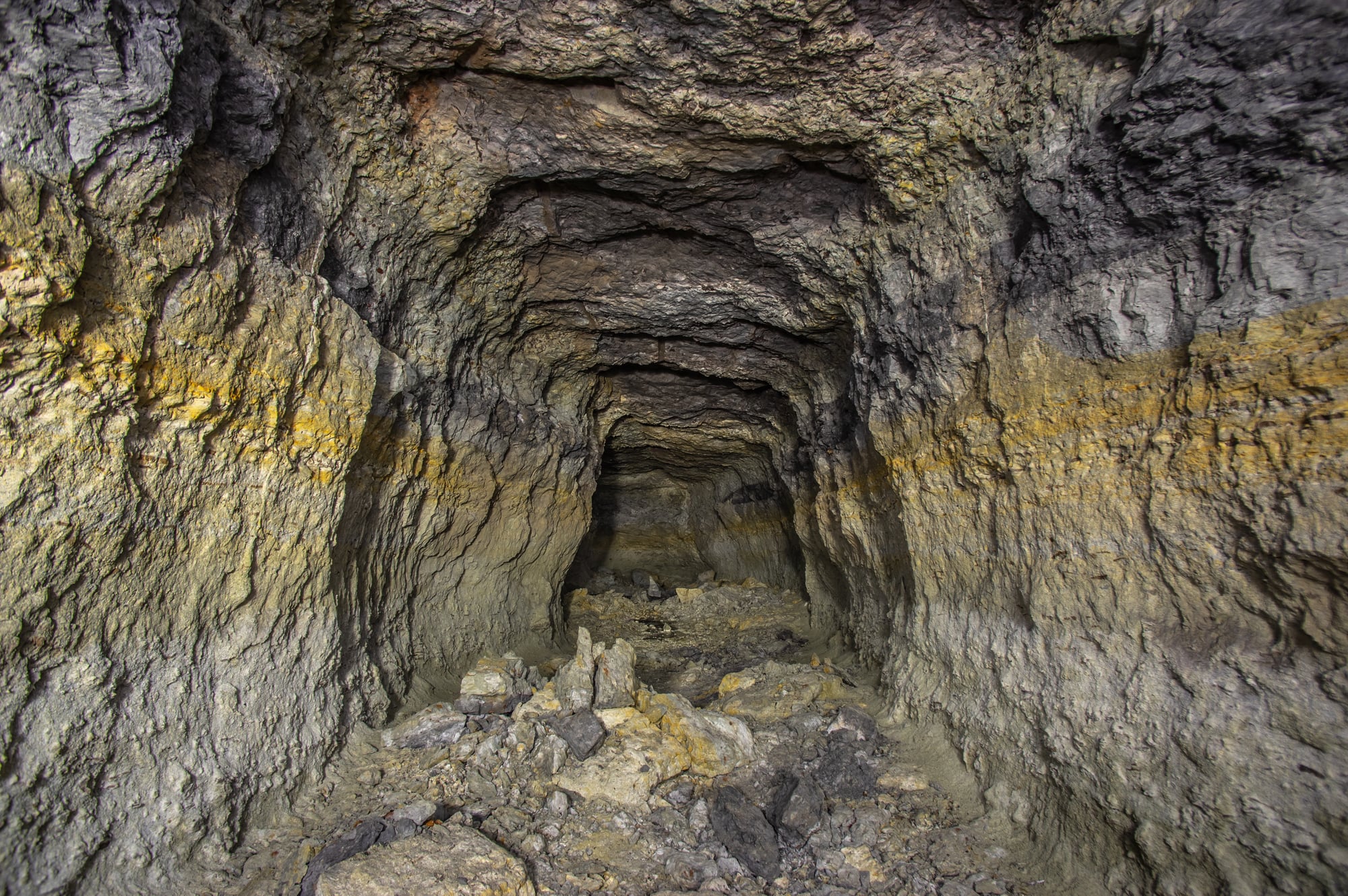
Beyond the famous Burlington Bunker, the broader Corsham area contains over 30 kilometers of tunnels and passageways from old stone quarries. During World War II, these spaces were converted into underground factories and storage facilities, protecting vital war production from German bombing.
The natural strength of the limestone quarries made them perfect for housing sensitive operations away from enemy eyes.
Guanajuato Underground Network
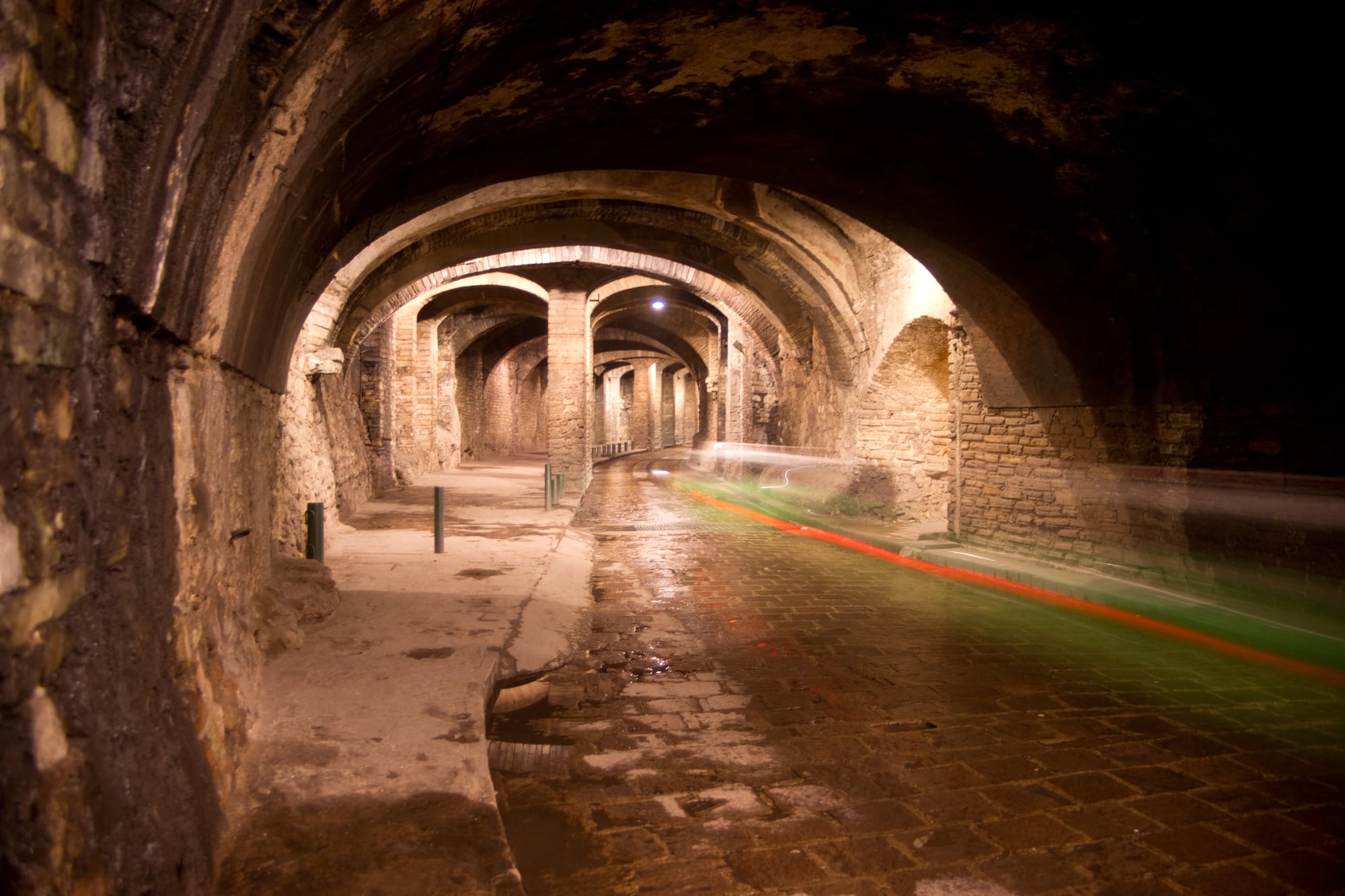
The historic city of Guanajuato in Mexico features unique underground passageways that visitors can experience while learning about the city’s vibrant history rich in mining, silver trade, and Spanish colonial influences. These tunnels were originally part of the mining operations but also served as protective spaces during times of civil unrest.
The network demonstrates how commercial mining infrastructure could double as defensive architecture when needed.
From Ancient Fears to Modern Threats
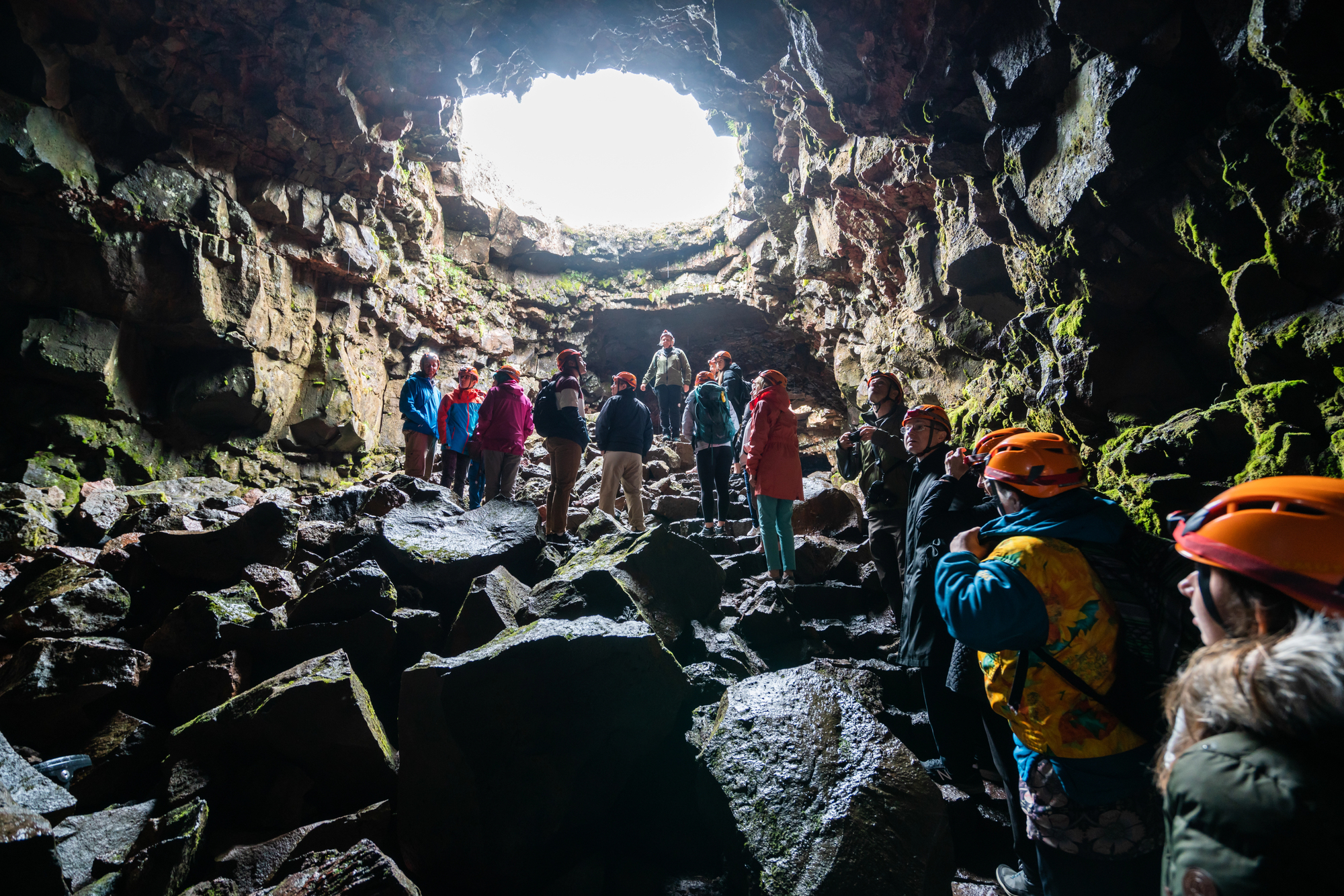
These underground refuges represent humanity’s constant need to prepare for the worst while hoping for the best. Whether carved by hand in ancient Turkey or built with modern engineering in Cold War America, each site tells the same basic story: when threats appear above ground, people look below for safety.
Today, many of these places have transformed from shelters into tourist attractions, but their original purpose remains a powerful reminder of the lengths people will go to protect what matters most.
More from Go2Tutors!

- The Romanov Crown Jewels and Their Tragic Fate
- 13 Historical Mysteries That Science Still Can’t Solve
- Famous Hoaxes That Fooled the World for Years
- 15 Child Stars with Tragic Adult Lives
- 16 Famous Jewelry Pieces in History
Like Go2Tutors’s content? Follow us on MSN.



