Most Expensive Vintage Disney Merchandise Today
Disney magic has always come with a price tag, but some pieces from the past now command amounts that would make Walt himself do a double-take. What started as toys, collectibles, and park souvenirs has transformed into a serious investment market where nostalgia meets serious money.
The most coveted items aren’t just expensive because they’re old—they represent moments in Disney history that can never be replicated, making them priceless to collectors willing to pay astronomical sums.
Original Snow White and the Seven Dwarfs Animation Cels
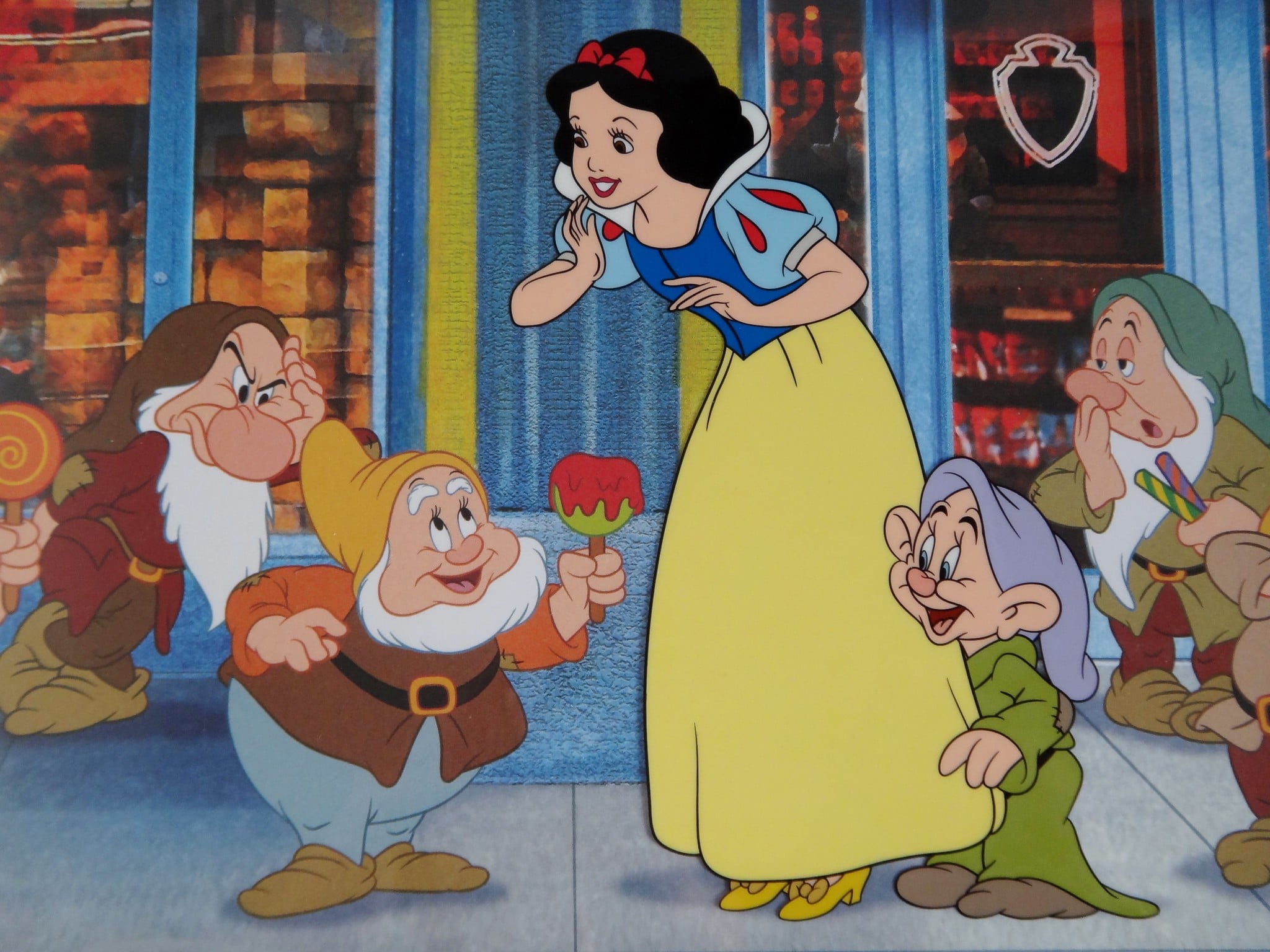
Animation cels from Disney’s first feature film sell for six figures without hesitation. These hand-painted pieces of celluloid aren’t just collectibles—they’re the actual building blocks of cinema history.
A single cel featuring Snow White can command $ to $, depending on the scene and condition. The film represented everything Disney was betting its future on, and that desperation shows in the meticulous craftsmanship of every frame.
Studios didn’t expect these production materials to survive, let alone become valuable, so most were discarded or destroyed.
Disneyland Opening Day Tickets and Programs
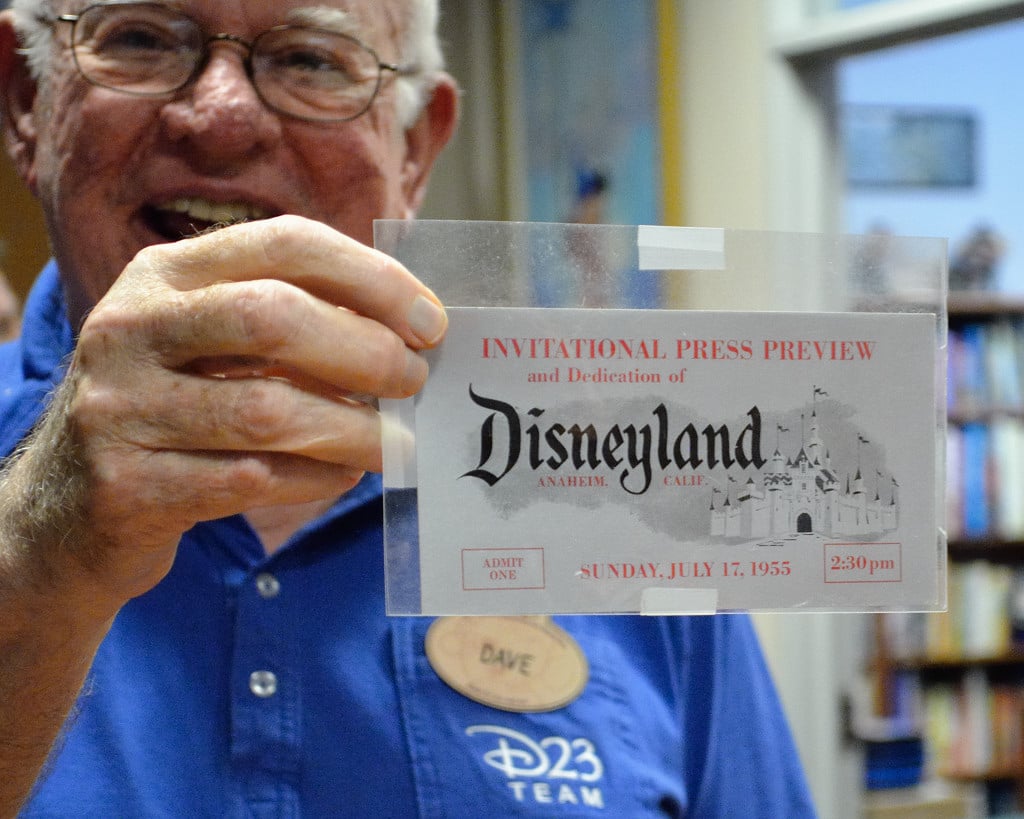
Opening day at Disneyland wasn’t just the birth of a theme park—it was the moment Disney’s vision became tangible reality (though the park was far from ready, with wet paint and unfinished attractions greeting the first guests). Original tickets from July , , now sell for $ to $, which seems almost reasonable until you consider these cost less than five dollars originally.
Programs from that chaotic first day command similar prices, assuming they survived the California heat and decades of storage. And yet the real value isn’t in the paper itself: it’s in holding proof that someone witnessed Disney’s most ambitious gamble pay off, even if various problems plagued that very first day—wet asphalt on Main Street, a gas leak in Fantasyland that caused partial closures, and the Mark Twain Riverboat nearly sinking from overcrowded passengers.
Vintage Mickey Mouse Toys from the 1930s
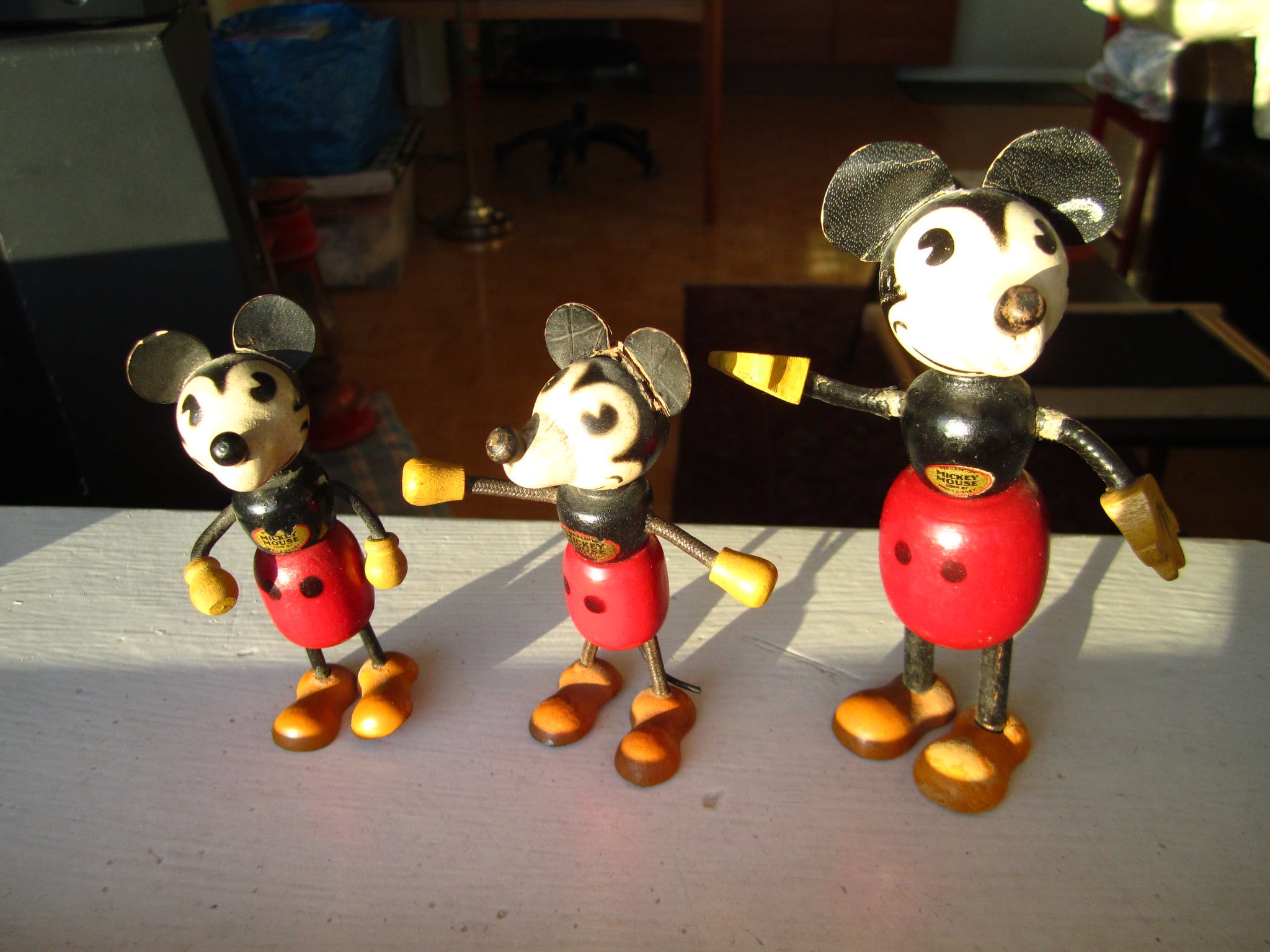
The earliest Mickey Mouse merchandise carries the weight of Disney’s entire empire on its shoulders. Like archaeological artifacts from a simpler time, these toys represent the moment when a cartoon mouse became a cultural phenomenon that would outlast most governments.
A s wind-up Mickey Mouse toy in mint condition can fetch $ to $ at auction. The craftsmanship feels different from modern toys—heavier, more deliberate, built by people who had no idea they were creating future heirlooms.
The paint has usually faded to soft pastels, and the mechanisms no longer work, but collectors aren’t buying functionality. They’re buying the childhood that their grandparents might have had.
Original Disney Movie Posters from the Golden Age

Movie posters from Disney’s earliest films command respect in the auction world. A one-sheet poster from Snow White or Pinocchio can sell for $ to $, assuming it hasn’t been folded, torn, or faded beyond recognition.
These weren’t created as collectibles—they were advertising materials meant to be plastered on theater walls and discarded after the film’s run. The studios printed them on cheap paper with no thought of preservation.
Most ended up in dumpsters behind movie theaters, making the survivors incredibly rare.
Disneyland Employee Costumes and Props
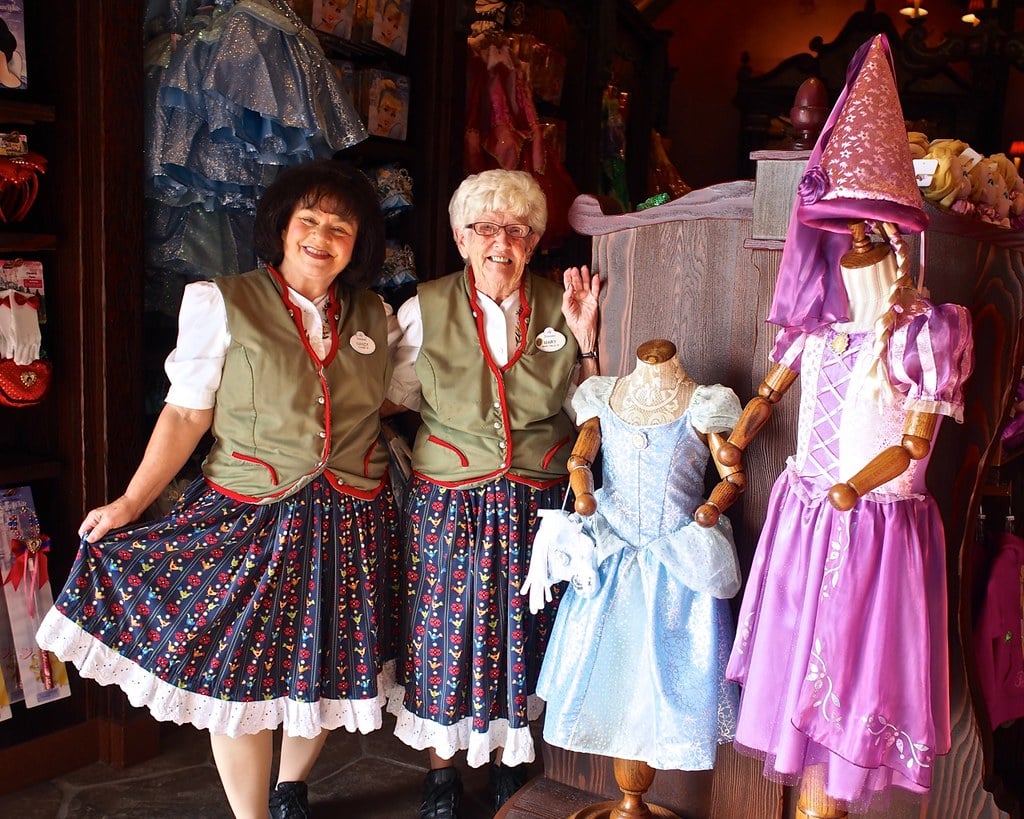
Behind every magical moment at early Disneyland stood an employee in a carefully crafted costume, and those original pieces now represent the park’s most authentic artifacts. Character costumes from the s and early s—particularly Mickey, Minnie, and the Seven Dwarfs—sell for $ to $ when they surface at auction (which happens maybe once every few years, if that).
The construction techniques were completely different back then, with more hand-sewn details and materials that were built to last through California summers and countless children’s hugs. But here’s what makes them valuable beyond the craftsmanship: these costumes were worn by the first generation of Disney employees who truly believed they were creating magic, not just working a job.
So when collectors pay these astronomical prices, they’re not just buying fabric and thread—they’re buying the physical embodiment of Disney’s original vision.
Hand-Drawn Concept Art by Disney Legends
Sketches and concept art by Disney’s legendary animators have become the holy grail for serious collectors. Marc Davis’s original character designs, Mary Blair’s color studies, and Eyvind Earle’s background paintings regularly sell for $ to $ per piece.
These aren’t finished animation cels or polished artwork. They’re working drawings—rough sketches where artists figured out how Cinderella should move or what Sleeping Beauty’s castle might look like.
The pencil marks are faint, the paper often yellowed, but they capture the exact moment when imagination became Disney magic.
The value lies in their intimacy. Each sketch represents an artist alone at a drawing board, solving problems that would shape childhoods for generations.
Original Disneyland Attraction Vehicles and Props
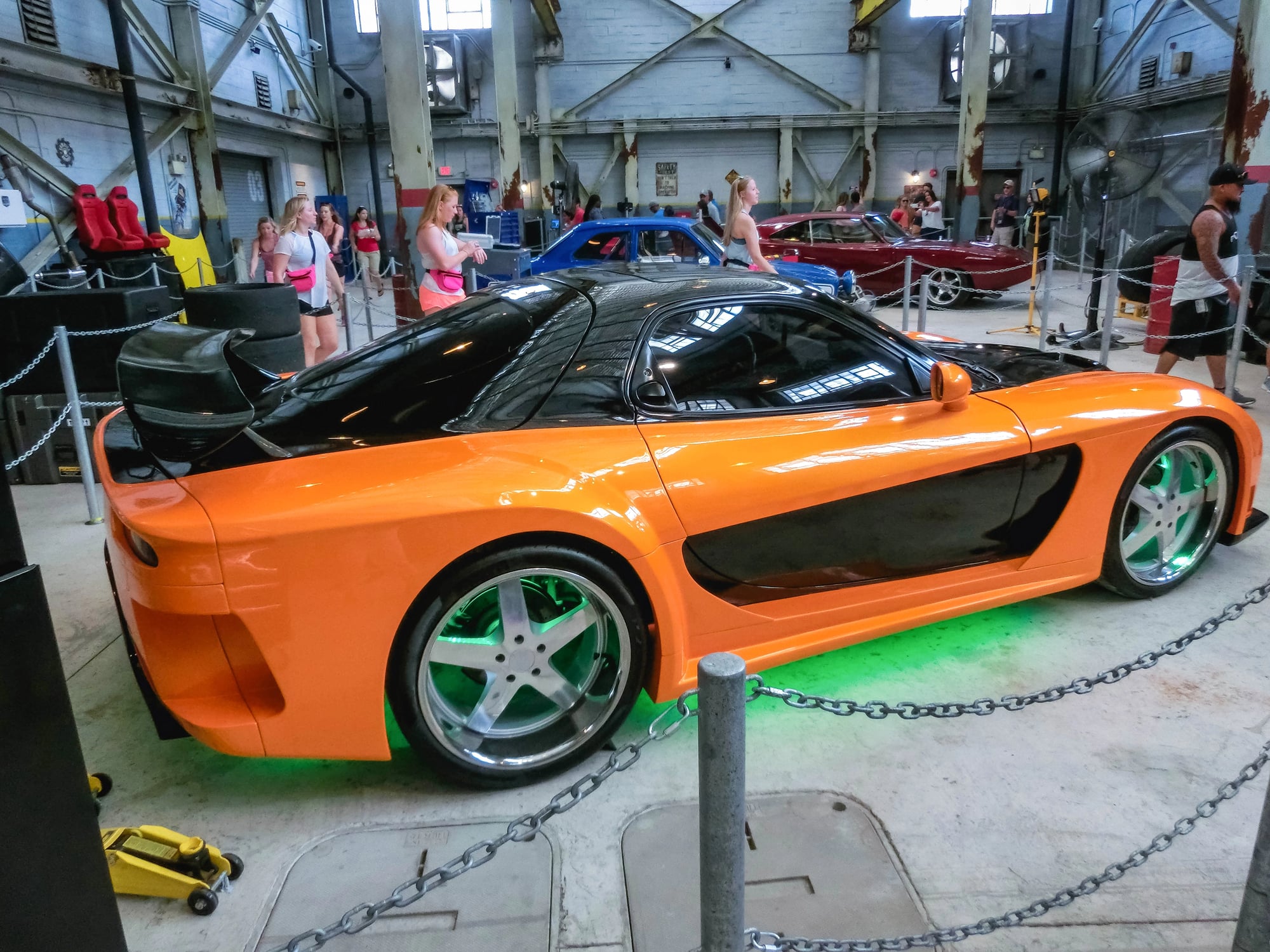
Pieces of classic Disneyland attractions command serious money from collectors who want to own a piece of Disney’s physical history. An original Dumbo vehicle from the version of the ride sold for $, while teacups from the Mad Tea Party have fetched similar amounts.
The appeal is obvious—these pieces didn’t just depict Disney magic, they delivered it to millions of visitors over decades of operation. The wear patterns tell stories of countless rides, and the craftsmanship reflects an era when theme park attractions were built like pieces of furniture meant to last forever.
Vintage Disney Comics and Publications
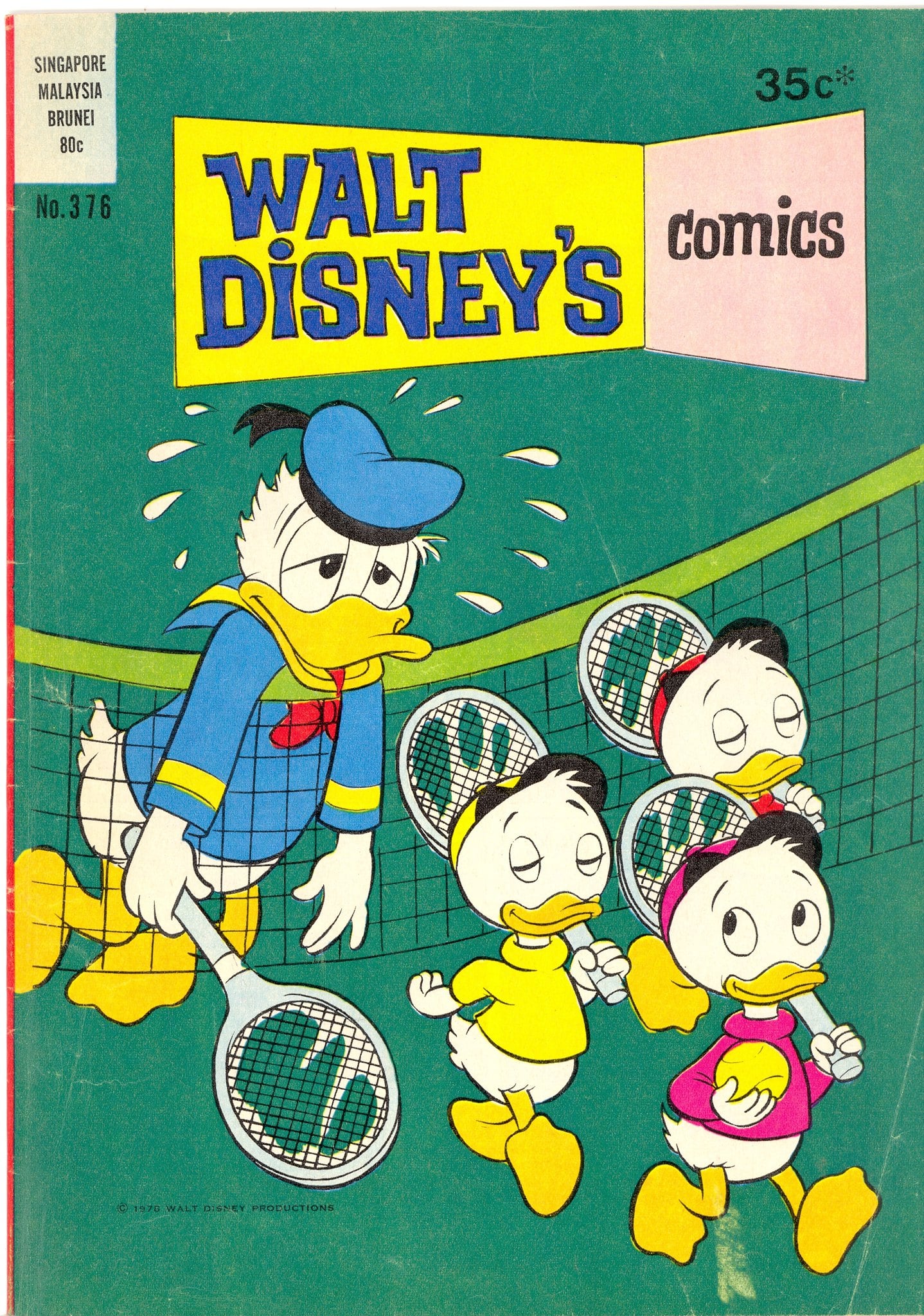
First edition Disney comics, particularly early Mickey Mouse and Donald Duck stories, represent a time when Disney’s characters were still finding their personalities on the page. A issue of Walt Disney’s Comics and Stories in mint condition can sell for $ to $, which seems excessive until you realize these comics were read to pieces by children who had no idea they were handling future treasures.
The golden age of Disney comics produced stories that were often more sophisticated than the films, with longer narratives and character development that couldn’t fit into short cartoons.
Disney Sheet Music
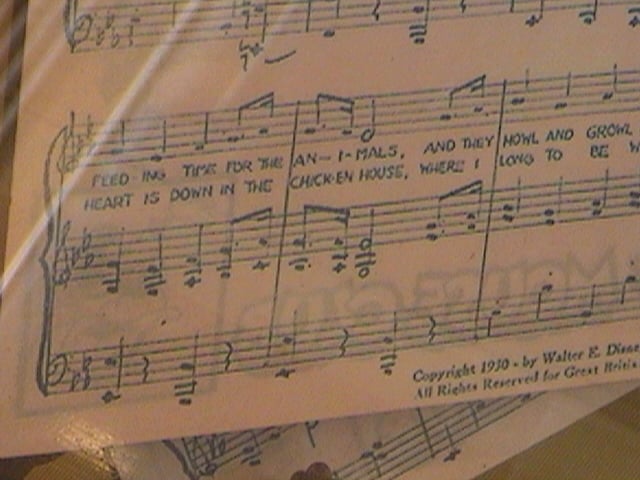
Original sheet music from early Disney films carries a charm that digital streaming can never replicate. Songs like “Who’s Afraid of the Big Bad Wolf” and “When You Wish Upon a Star” were sold as individual pieces of sheet music, beautifully illustrated with scenes from the films.
These pieces now sell for $ to $ each, depending on the song and condition. The artwork on the covers often features unique illustrations created specifically for the sheet music, making them distinct from any other Disney merchandise.
But the real appeal lies in imagining families gathered around pianos in the s, playing Disney songs at home when that was the only way to hear them again after leaving the theater.
Early Disney Character Watches
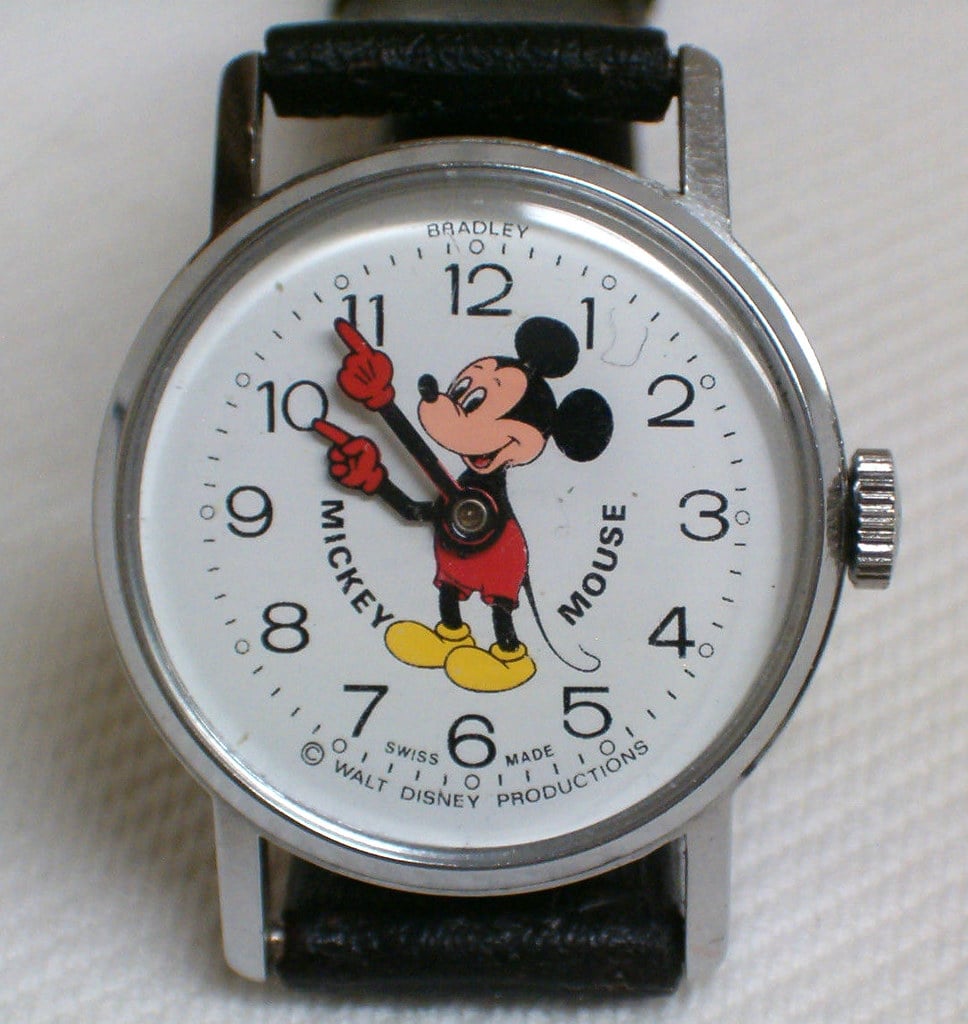
Disney character watches from the s and s represent the perfect marriage of function and fantasy. The original Mickey Mouse watch, introduced at the Chicago World’s Fair, literally saved the Ingersoll Watch Company from bankruptcy and now commands $ to $ at auction in pristine condition, with exceptional examples reaching higher prices.
These weren’t expensive luxury items when new—they were affordable timepieces meant for children and Disney fans. The craftsmanship was solid but not precious, with Mickey’s arms serving as the watch hands in a design that was revolutionary for its time.
Original Disney Park Signage and Artifacts
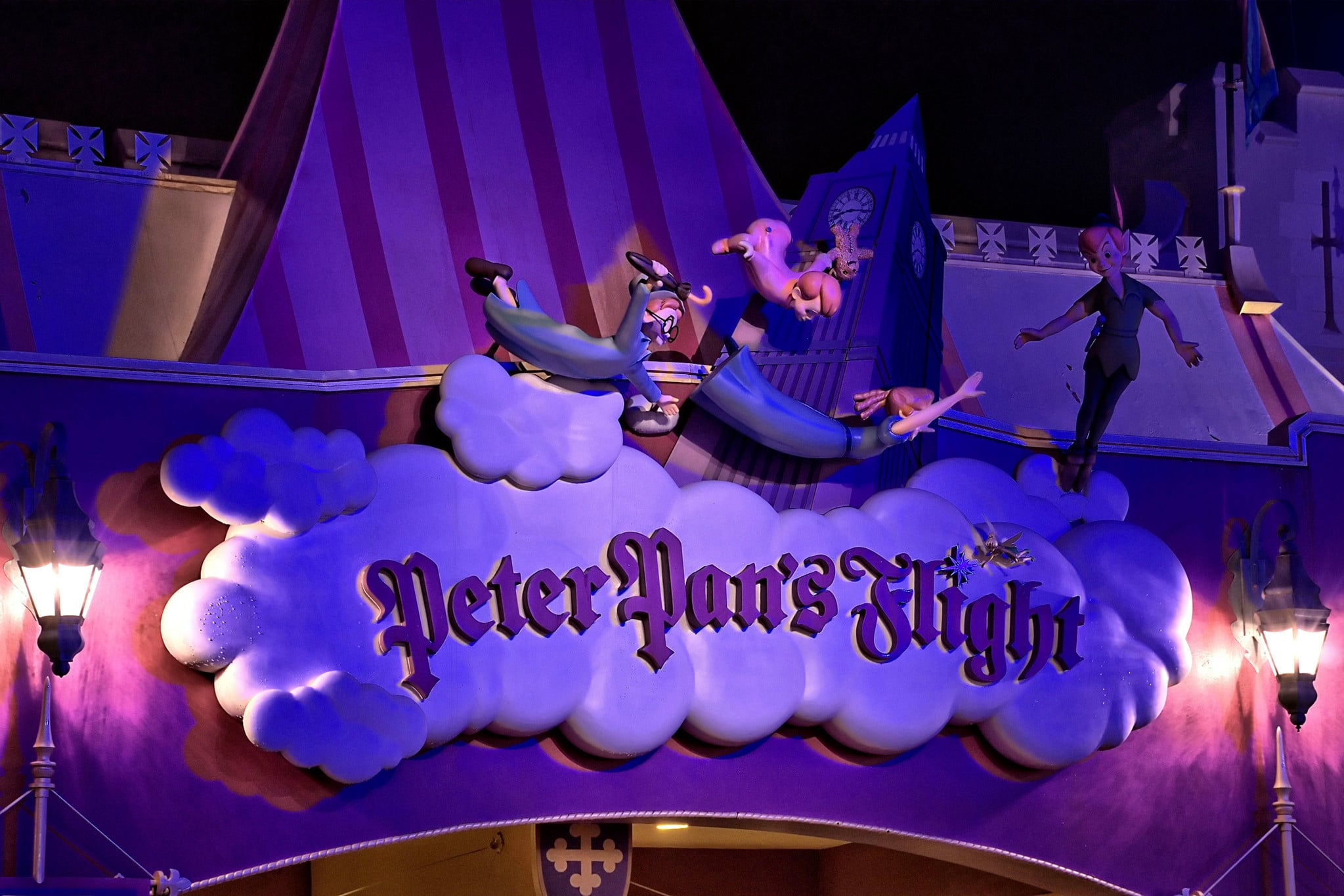
Authentic signage from early Disneyland represents the park’s evolution through different eras of design and typography. Original attraction signs, directional markers, and even restroom signs from the s and s sell for $ to $, depending on size and significance.
These pieces weren’t meant to be collectible—they were functional elements of the park experience that were replaced and updated as attractions changed. Most ended up in dumpsters during renovations, making the pieces that survived incredibly rare.
Vintage Disney Christmas Ornaments and Decorations
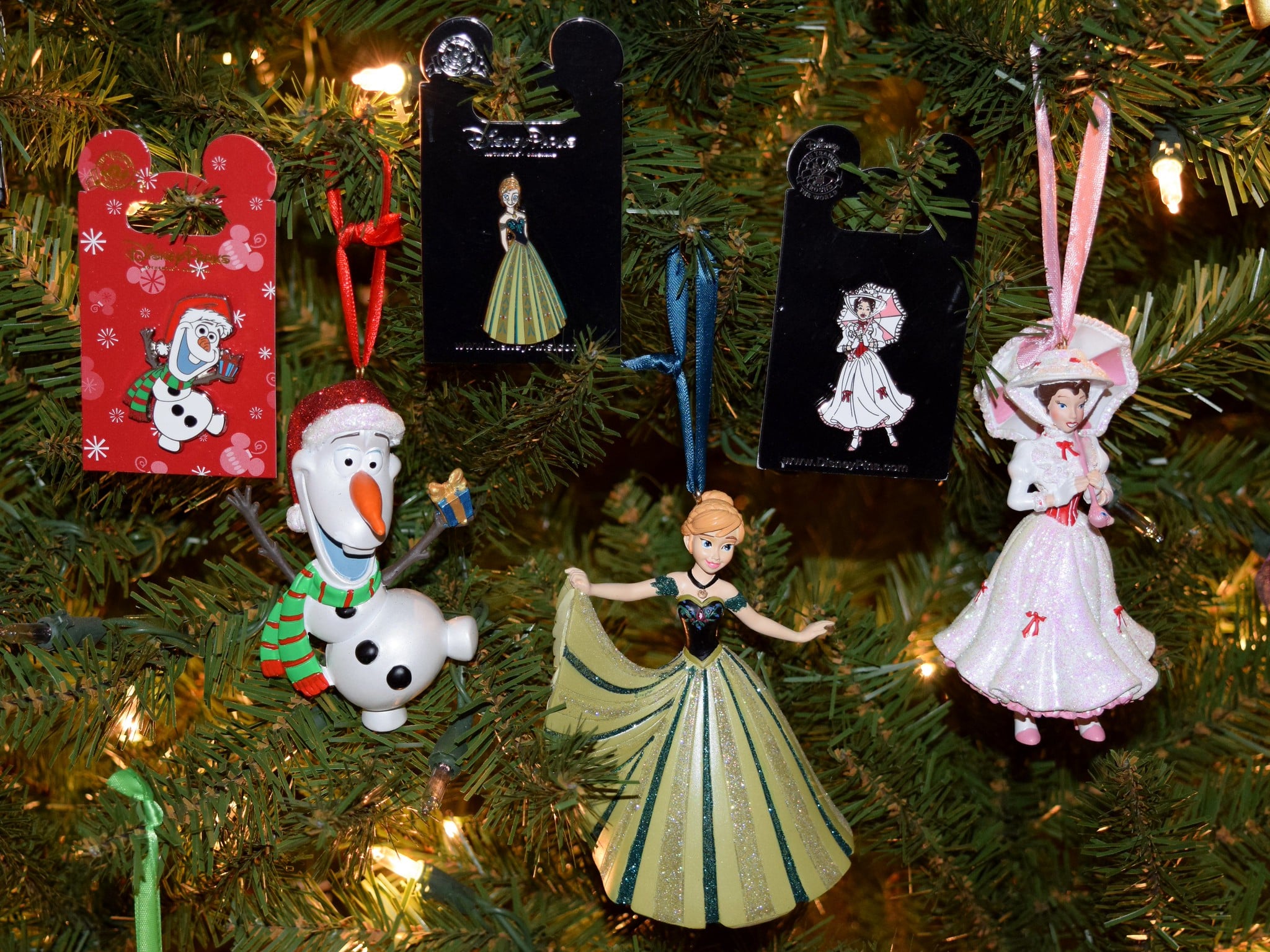
Disney Christmas merchandise from the s through s taps into a very specific kind of nostalgia—the intersection of Disney magic and holiday traditions (which, when you think about it, are both built on the same foundation of believing in things that make no logical sense but feel absolutely true). Early Disney Christmas ornaments, particularly those featuring Mickey, Minnie, and the gang in winter scenes, can sell for $ to $ per piece.
The materials were often fragile—thin glass, delicate paint, paper decorations that were never meant to survive decades in storage—so finding pieces in good condition becomes increasingly difficult each year. And the truth is, these decorations were used exactly as intended: they brought Disney magic into family Christmas celebrations, which means most of them broke, faded, or simply wore out from being loved.
Early Disney Book First Editions
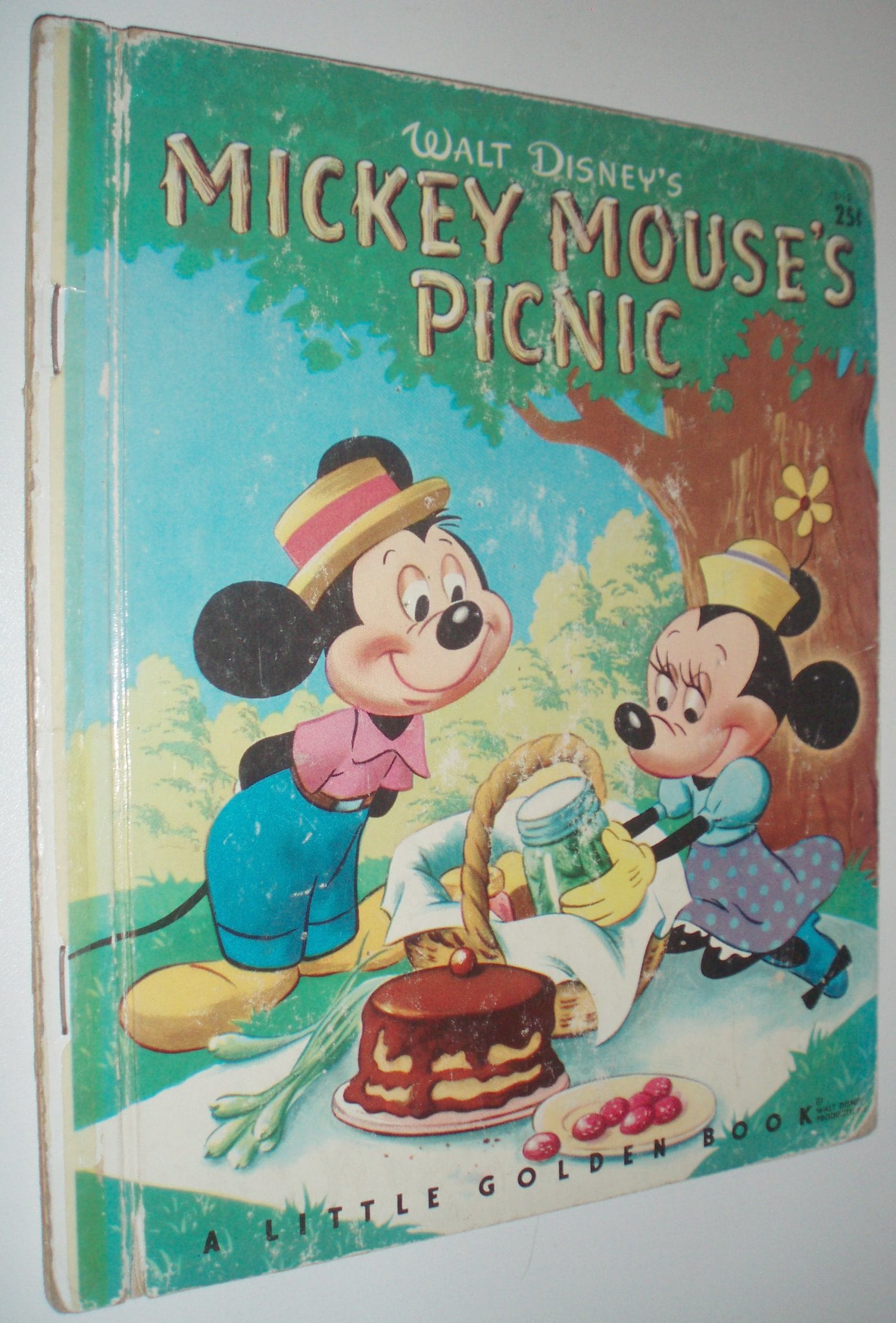
First edition Disney books, particularly those published in the s and s, command serious attention from collectors who understand that these represent Disney’s first attempts to extend stories beyond the screen. Books like the original “Three Little Pigs” or early Mickey Mouse adventures were often the only way to experience Disney stories at home.
These books were read, reread, and loved to death by children, making pristine copies incredibly rare. A first edition “Snow White and the Seven Dwarfs” storybook in mint condition can sell for $ to $.
Vintage Disney Records and Music
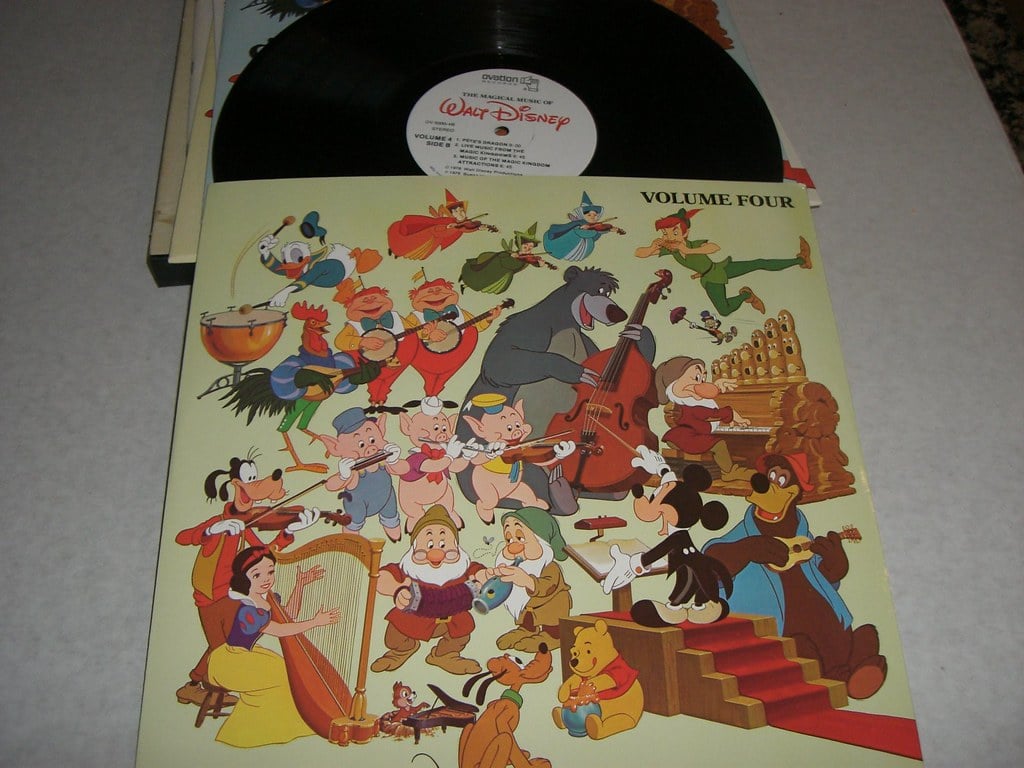
Original Disney records from the s and s represent a time when hearing your favorite Disney songs required owning the physical media. Early releases of “Snow White” or “Cinderella” soundtracks, particularly on the original RPM format, sell for $ to $.
The appeal goes beyond nostalgia—these recordings often feature different arrangements or versions of songs that were never reissued on later formats. Some contain narration or story elements that didn’t make it into modern releases.
The fragility of the format means most copies were scratched beyond repair by normal use, making clean copies valuable for both their rarity and their sound quality.
The True Value of Memory
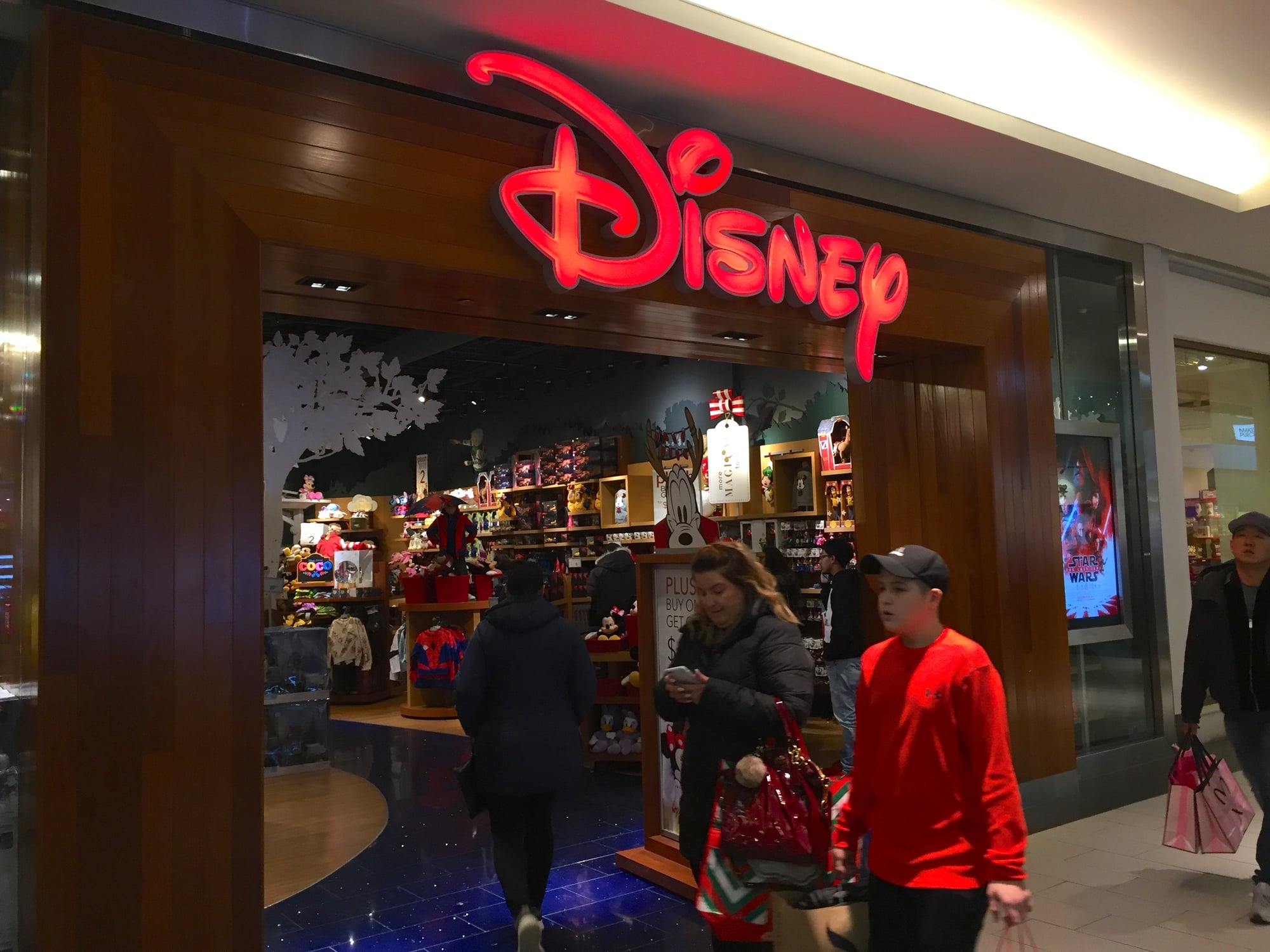
The staggering prices of vintage Disney merchandise reveal something that goes beyond simple supply and demand. These items serve as physical anchors to moments when magic felt more possible, when the boundary between fantasy and reality seemed thinner.
Collectors aren’t just buying objects—they’re purchasing proof that wonder once existed in a more tangible form, when Disney magic required physical artifacts rather than digital files. The irony is that the most expensive pieces were often the most loved when new, used exactly as intended until they became too precious to touch.
More from Go2Tutors!

- The Romanov Crown Jewels and Their Tragic Fate
- 13 Historical Mysteries That Science Still Can’t Solve
- Famous Hoaxes That Fooled the World for Years
- 15 Child Stars with Tragic Adult Lives
- 16 Famous Jewelry Pieces in History
Like Go2Tutors’s content? Follow us on MSN.