17 Plants That Behave Like Animals
Plants are supposed to stay put, photosynthesize quietly, and mind their own business. They’re the calm, predictable members of the natural world, while animals run around causing chaos.
But some plants didn’t get that memo. These rebellious species move, hunt, communicate, and even show what looks suspiciously like intelligence. From carnivorous plants that snap shut faster than you can blink to vines that seem to make calculated decisions about where to climb next, these botanical mavericks blur the line between plant and animal kingdoms.
Here’s a list of 17 plants that behave more like animals than anyone has a right to expect.
Venus Flytrap
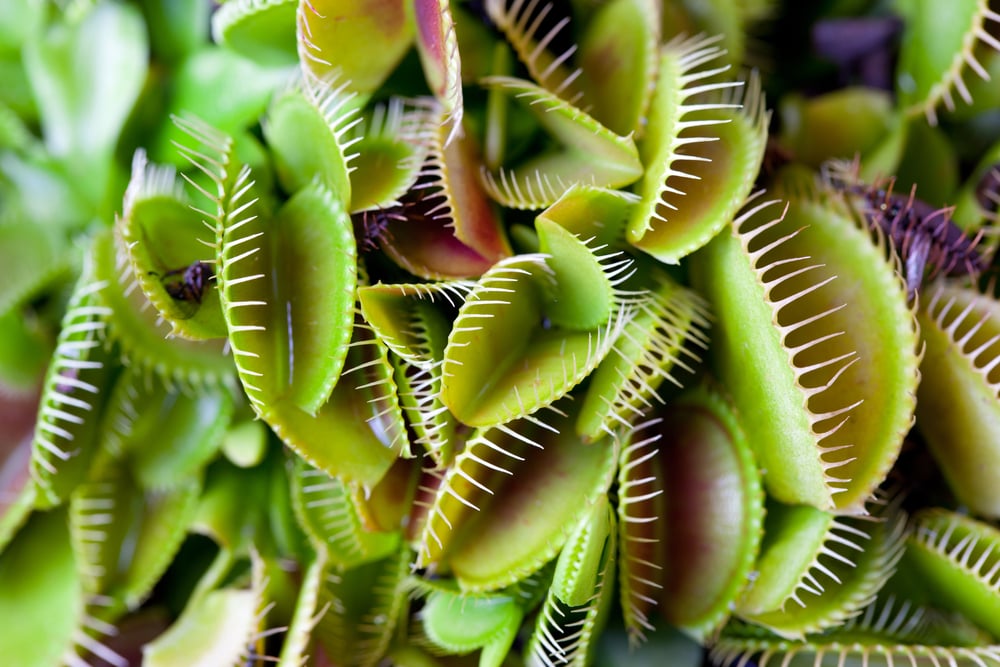
The Venus flytrap snaps shut in less than half a second when prey triggers its sensitive hairs, making it faster than most animals can react. This plant actually counts the number of times its trigger hairs are touched, waiting for at least two contacts within 20 seconds before closing its trap.
It can distinguish between a raindrop and a struggling insect, showing a level of sensory discrimination that would impress most predators.
Mimosa Pudica
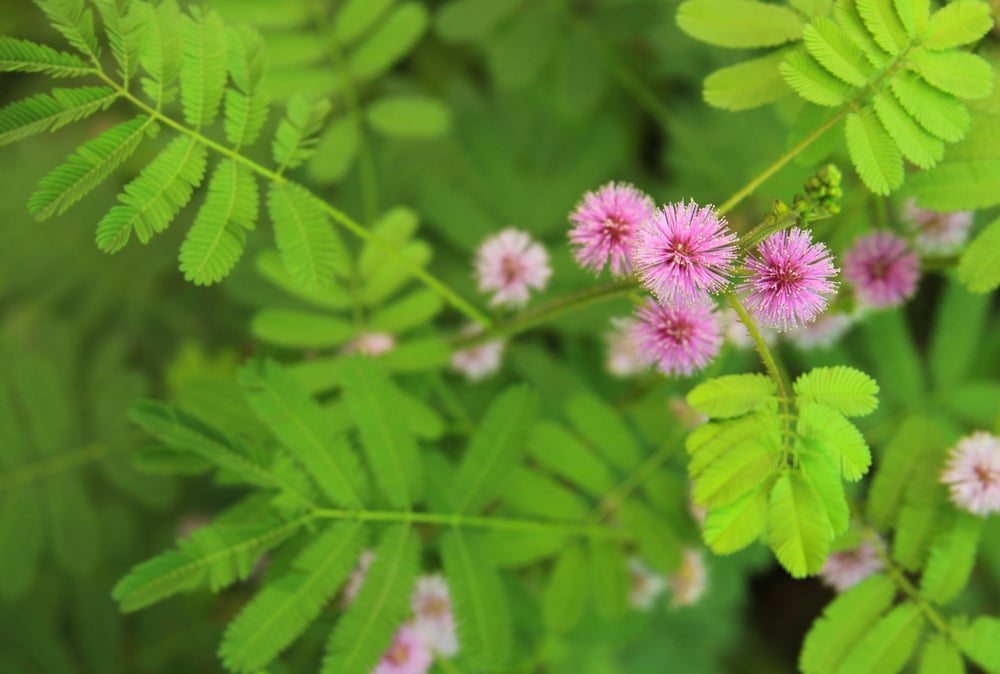
Touch a mimosa pudica leaf and watch it fold up instantly, as if the plant is recoiling in pain or fear. The entire plant can collapse its leaves and stems within seconds of being disturbed, a defense mechanism that makes it look wilted and unappetizing to herbivores.
This rapid movement rivals the reflexes of many animals and happens so fast it startles first-time observers.
Like Go2Tutors’s content? Follow us on MSN.
Sundew Plants
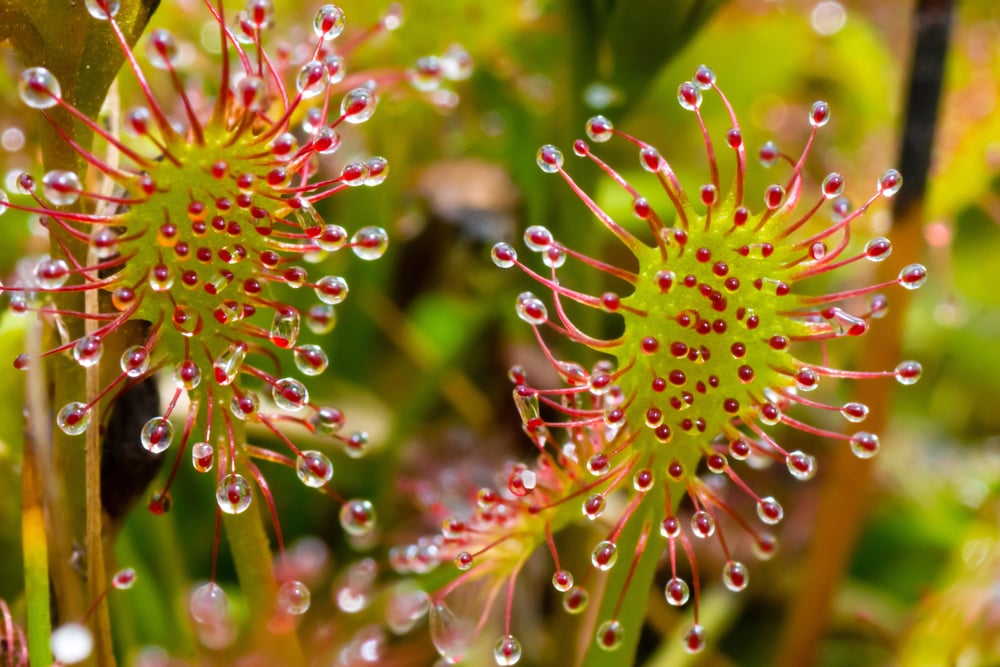
Sundews use sticky tentacles covered in sweet-smelling glue to trap insects, then slowly curl around their prey like tiny green octopi. The plant can detect when an insect is caught and gradually wraps its tentacles slowly and deliberately around the victim over several hours.
Some species can even bend their entire leaf to envelope prey, showing a hunting behavior that’s more sophisticated than many spiders.
Pitcher Plants
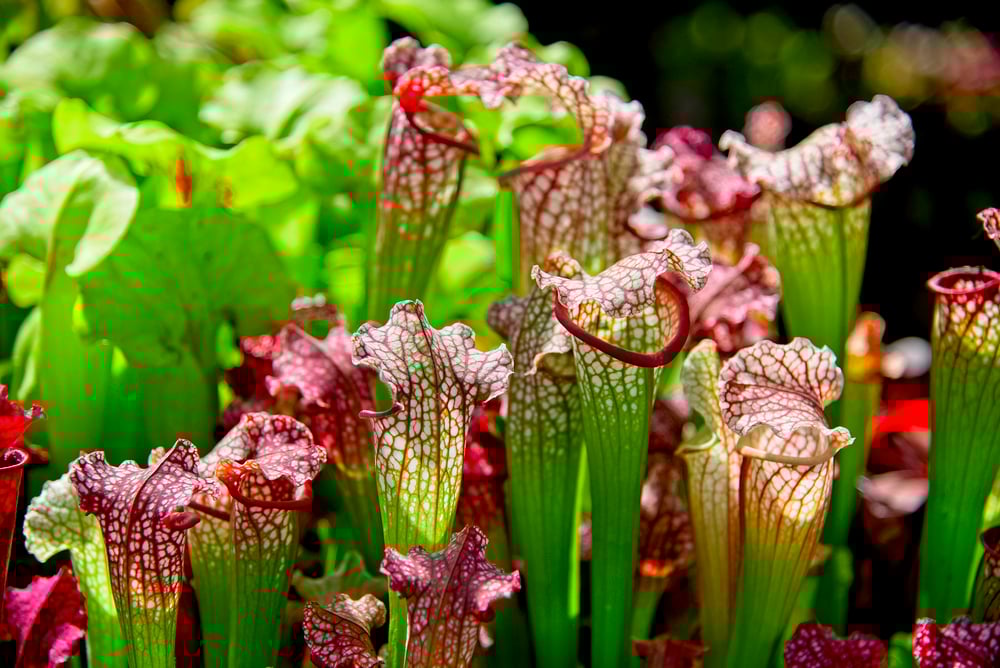
These plants create elaborate death traps that would make any predator proud, complete with slippery walls, digestive enzymes, and lid-like covers. Some species have evolved to attract specific types of prey, like the Malaysian pitcher plant that has a bowl-shaped opening perfectly sized for tree shrews.
The plants even adjust their trap designs based on the types of insects available in their environment, showing behavioral adaptation.
Cobra Plant
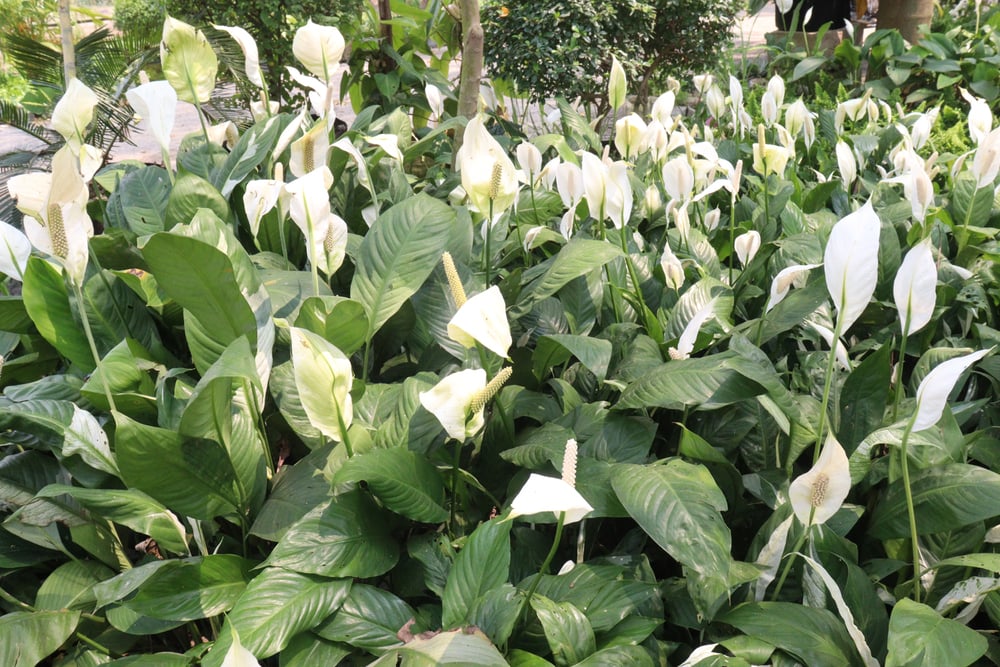
The cobra plant builds a twisted, hooded trap that looks like a striking snake and functions like a lobster pot. Insects enter through a small opening but can’t find their way out due to transparent windows that confuse them into flying toward false exits.
The plant’s hood blocks most escape routes while downward-pointing hairs guide victims deeper into the digestive chamber.
Like Go2Tutors’s content? Follow us on MSN.
Bladderwort
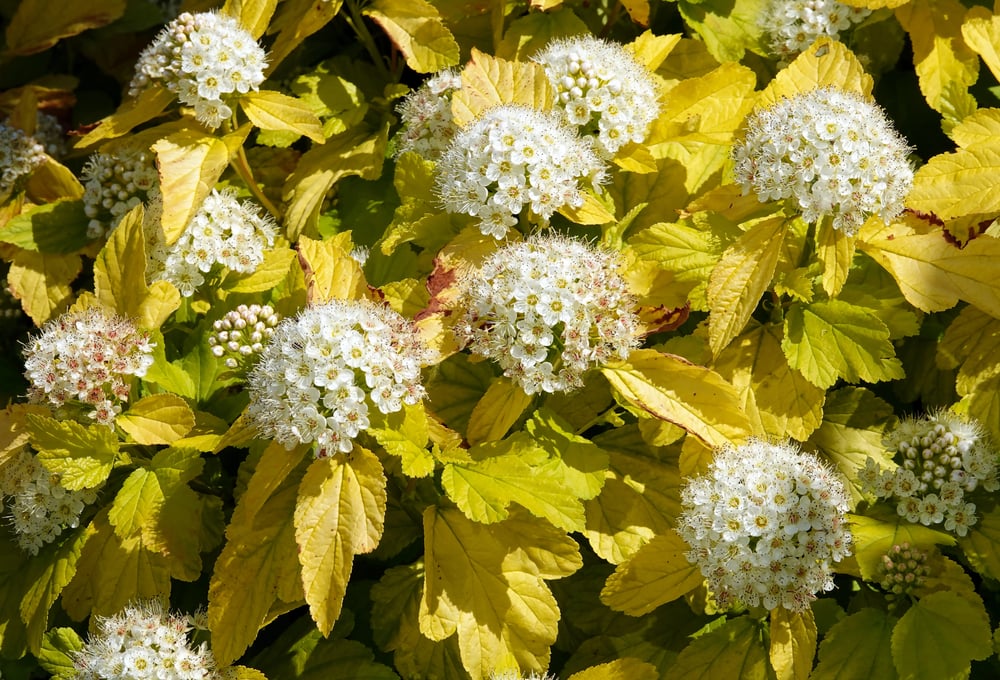
Living underwater, bladderworts create tiny suction traps that can capture prey in less than a millisecond, making them among the fastest predators on Earth. These plants actively hunt microscopic creatures by creating vacuum chambers that suck in anything small enough to trigger their trapdoors.
They can reset their traps and hunt again within hours, showing a predatory cycle similar to aquatic animals.
Dodder Vine
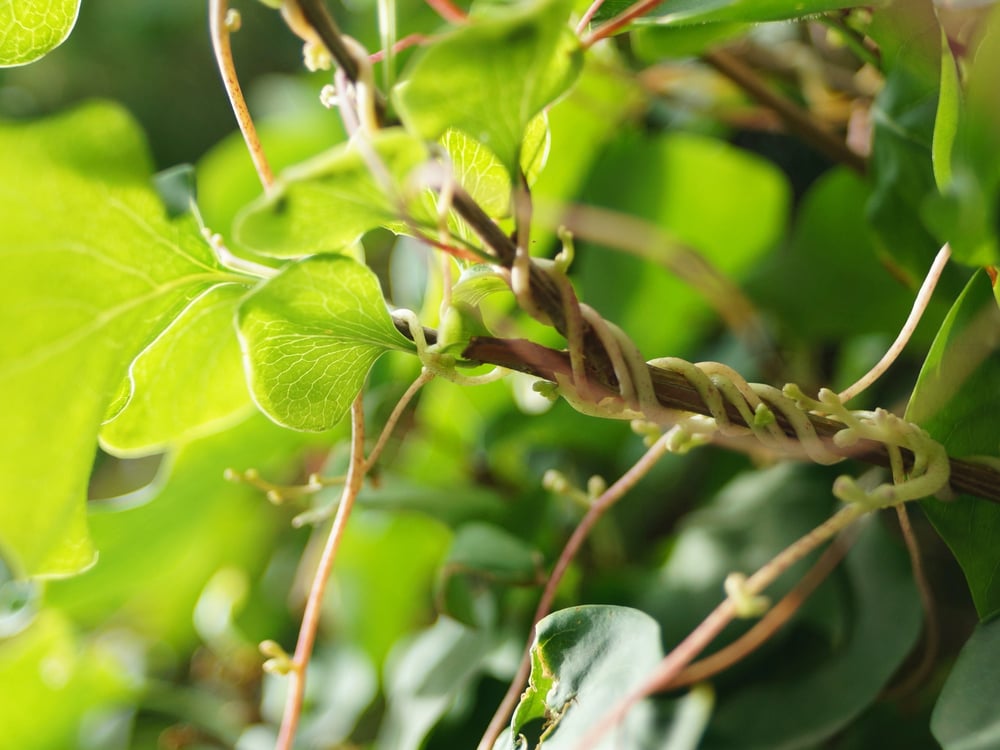
Dodder vines can smell their preferred host plants from a distance and grow directly toward them, abandoning less nutritious targets in favor of better options. This parasitic plant makes calculated decisions about which direction to grow based on chemical signals, essentially hunting for the best possible host.
Once it finds a suitable victim, the dodder wraps around it like a botanical python and begins draining its resources.
Telegraph Plant
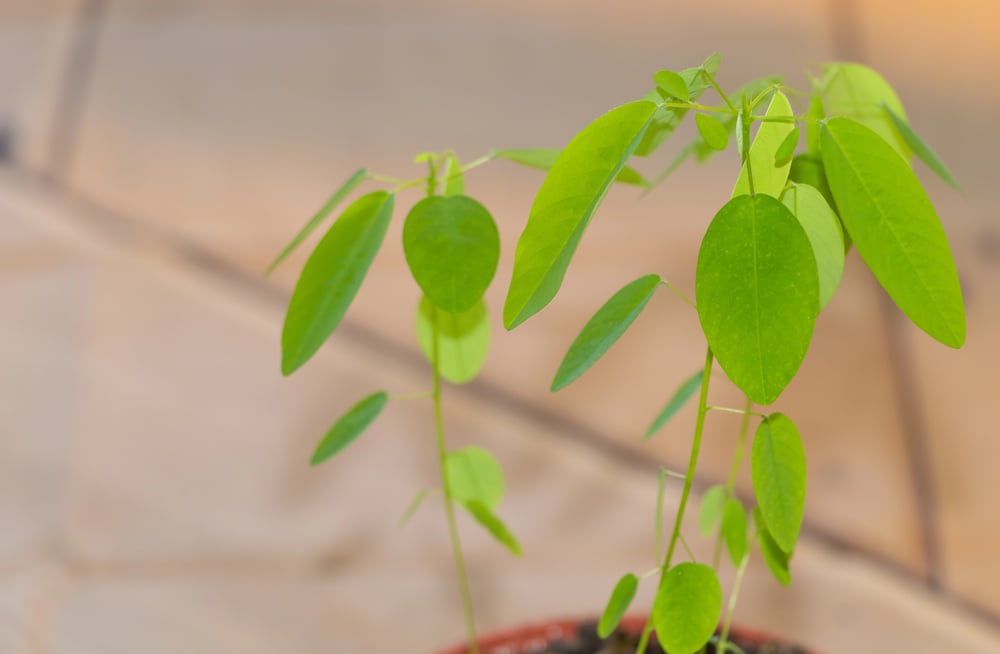
The telegraph plant moves its leaves in rhythm throughout the day, rotating them in small circles like a slow-motion dance. Scientists still don’t fully understand why it moves constantly, but the behavior resembles the restless movements of caged animals.
The plant can complete a full rotation of its side leaflets in just a few minutes, much faster than typical plant movements.
Like Go2Tutors’s content? Follow us on MSN.
Resurrection Plant
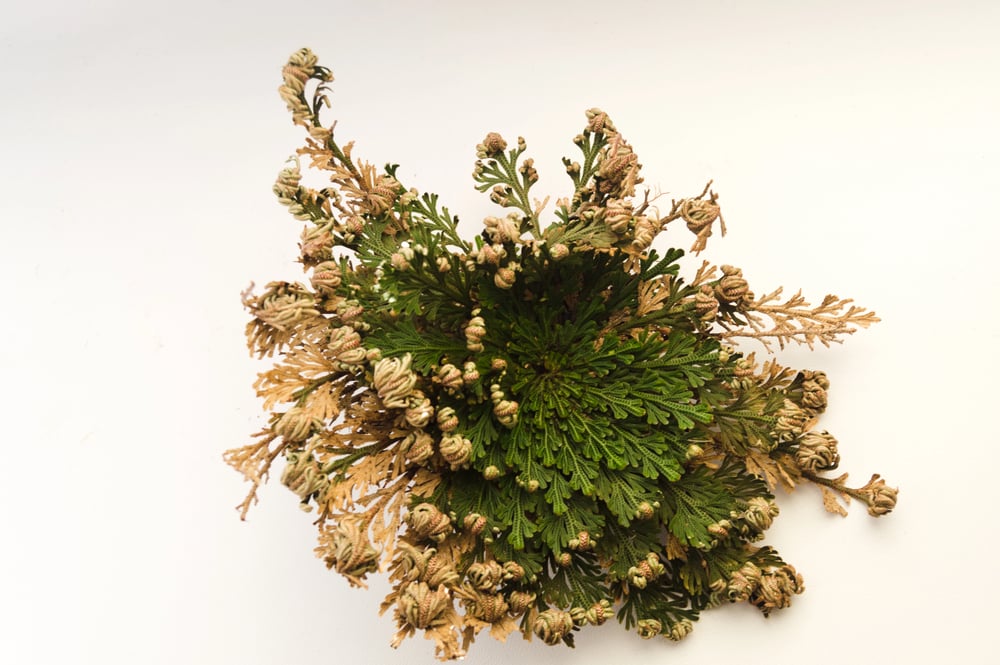
When drought hits, the resurrection plant completely shuts down and curls into a brown, seemingly dead mass that can blow around in the wind. This dormancy behavior mimics the hibernation strategies of desert animals, allowing the plant to survive months without water.
When rain returns, it uncurls and turns green again within hours, like a botanical bear emerging from winter sleep.
Sensitive Fern
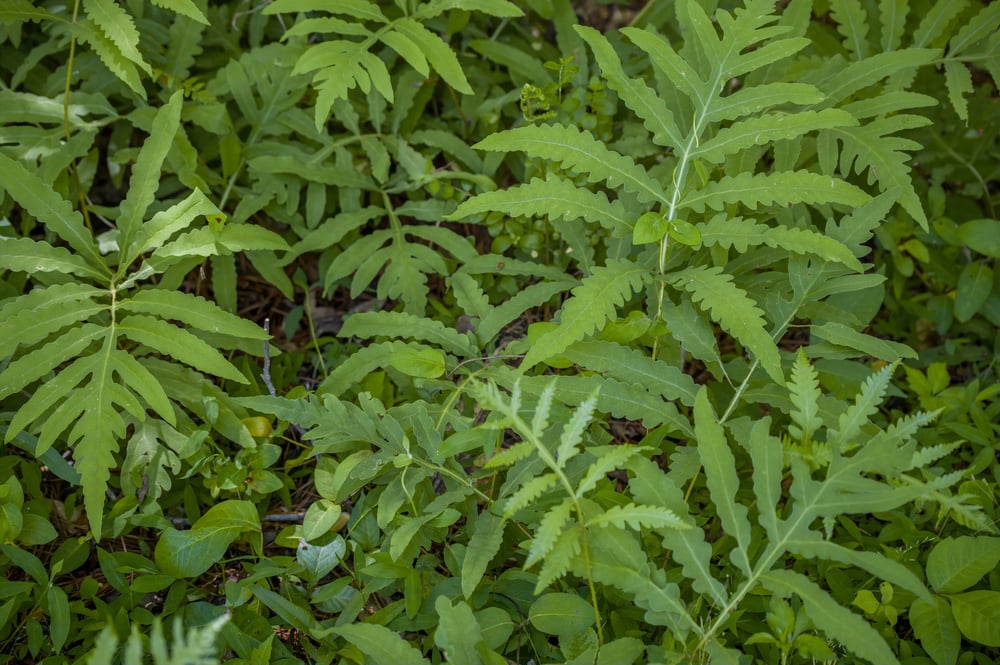
The sensitive fern got its name because it wilts dramatically at the first sign of frost, collapsing as if it’s been struck by lightning. This plant can sense temperature changes and responds faster than many cold-blooded animals, shutting down its systems before damage occurs.
Its dramatic death-and-resurrection cycle each year resembles the seasonal behavior patterns of migrating animals.
Wood Sorrel
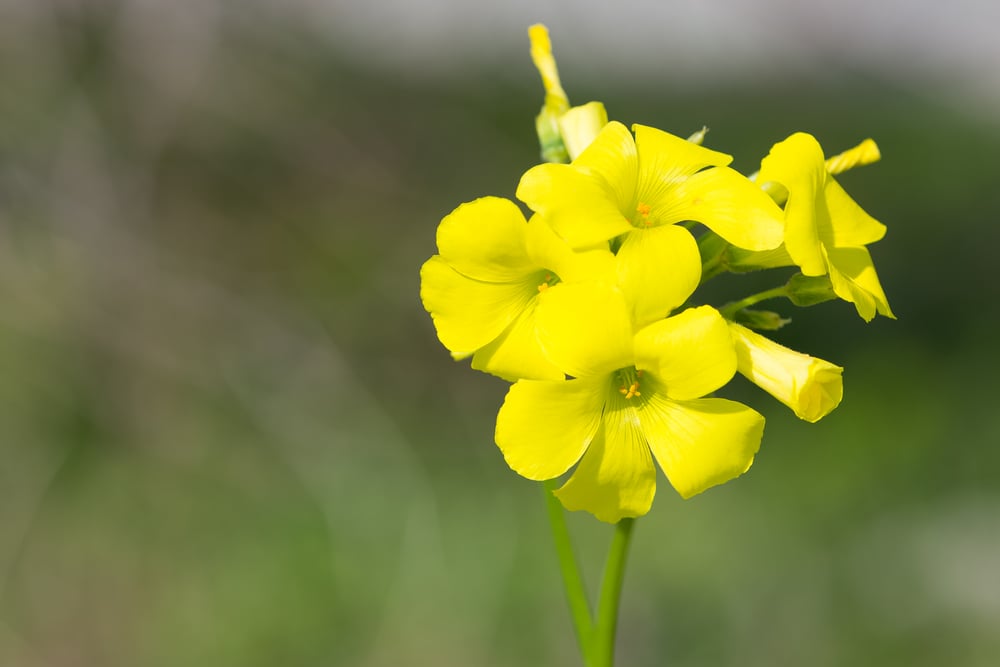
Wood sorrel folds its heart-shaped leaves every evening and reopens them each morning, following a sleep-wake cycle more precise than many animals maintain. The plant also closes its leaves during rainstorms and bright sunlight, showing behavioral responses to multiple environmental triggers.
This daily rhythm is so reliable that people once used wood sorrel as a natural clock.
Like Go2Tutors’s content? Follow us on MSN.
Prayer Plant
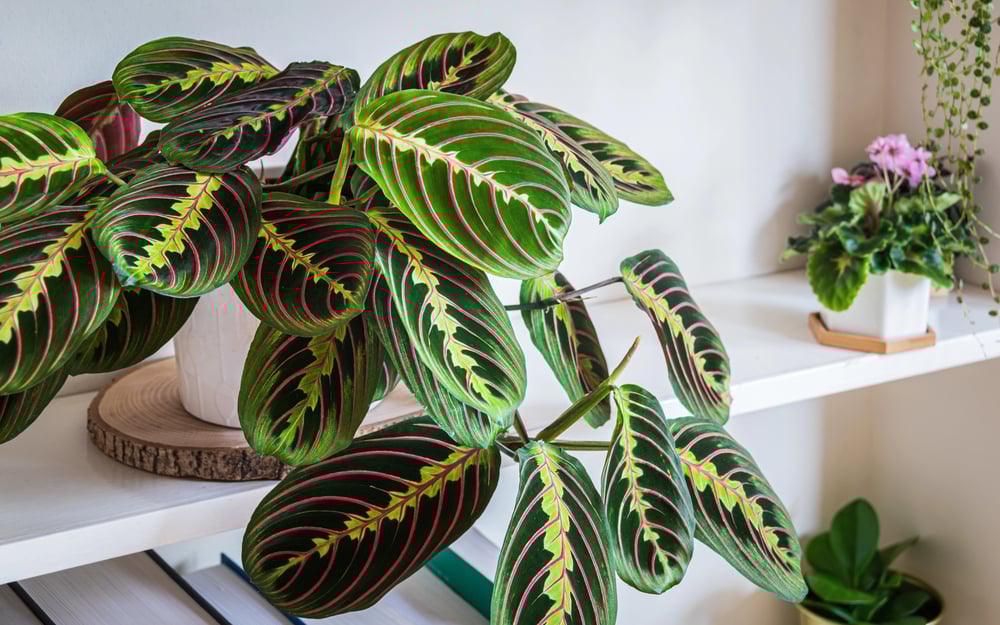
Prayer plants lift their leaves upward each night as if they’re praying, then lower them again at dawn in a daily ritual that’s become their trademark. This movement helps the plant conserve moisture and protect its leaves from cool nighttime temperatures.
The behavior is so animal-like that many people assume the plant is responding to their presence rather than following its internal clock.
Jewelweed
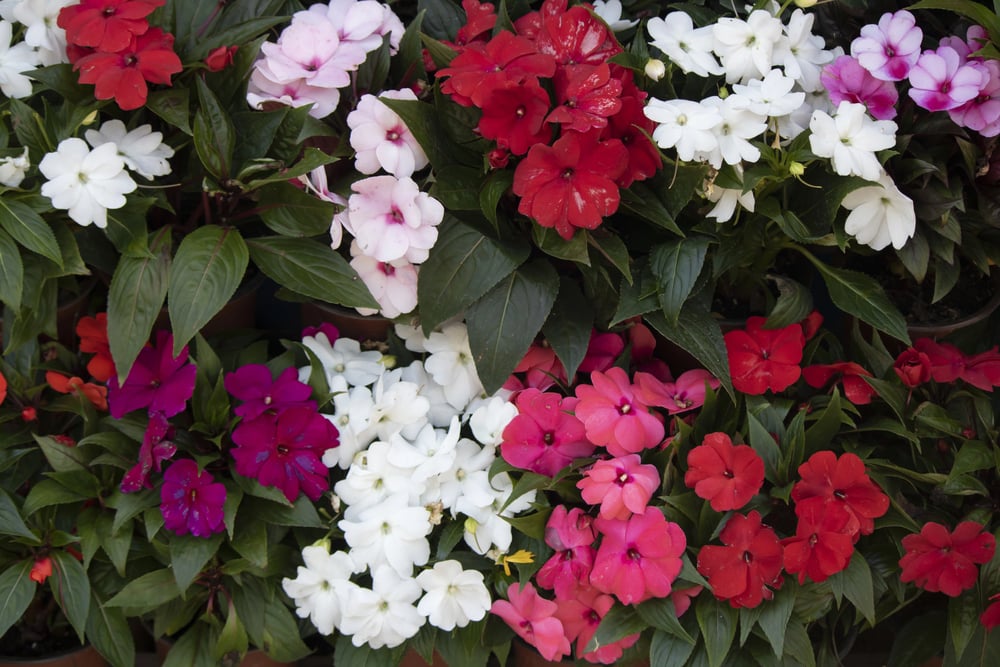
Jewelweed pods explode when touched, shooting seeds up to 4 feet away in a startling display that often surprises hikers. This ballistic seed dispersal happens so suddenly and forcefully that it resembles a defensive reaction more than typical plant reproduction.
The plant can detect the slightest touch and responds instantly, making it seem almost jumpy or nervous.
Sensitive Plant
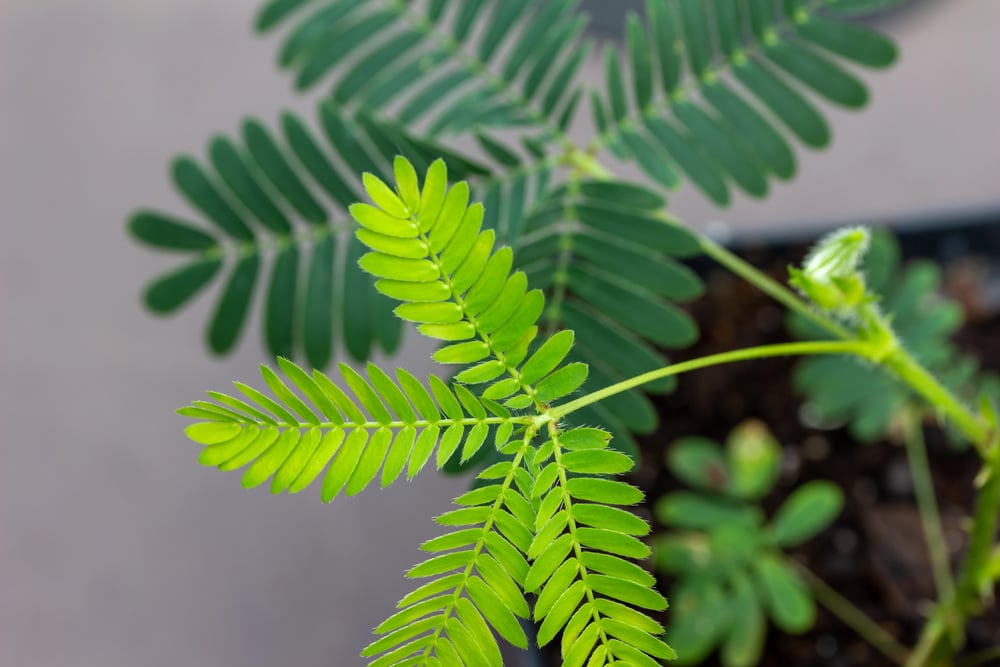
Beyond the famous mimosa pudica, many plants in the sensitive plant family collapse dramatically when disturbed, creating a wave of folding leaves that spreads throughout the plant. This behavior can cascade from one plant to neighboring plants, creating a communication network that warns of potential threats.
The speed and coordination of this response rivals the alarm calls of prairie dogs or meerkats.
Like Go2Tutors’s content? Follow us on MSN.
Stinging Nettle
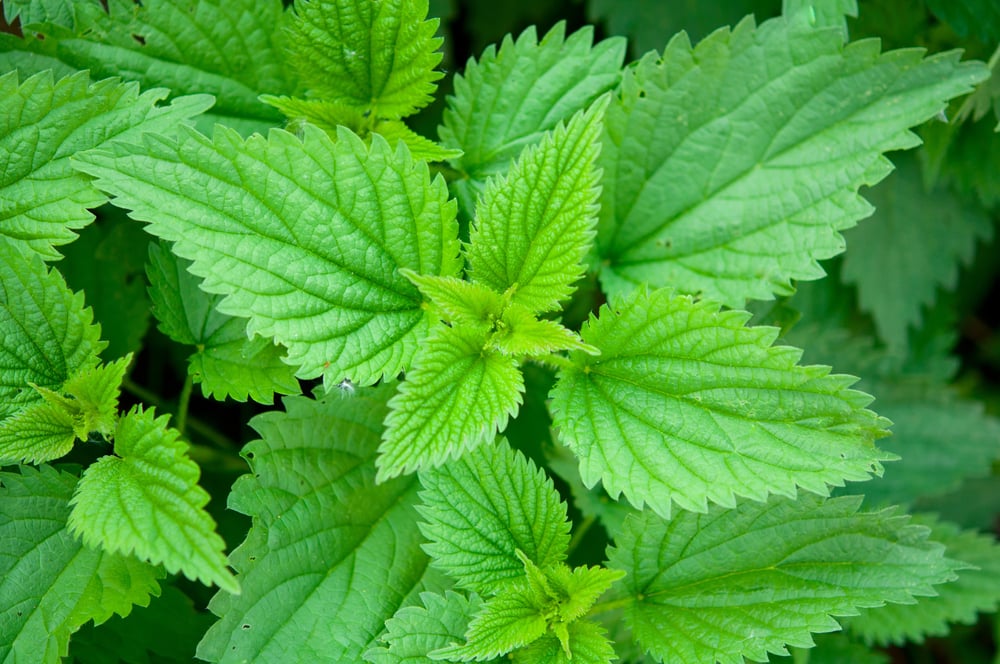
Stinging nettles actively defend themselves with hollow hairs that inject irritating chemicals into anything that touches them, like tiny botanical hypodermic needles. The plant can gauge the pressure of contact and releases different amounts of toxins based on the severity of the threat.
This sophisticated defense system allows nettles to respond proportionally to different types of attackers.
Compass Plant
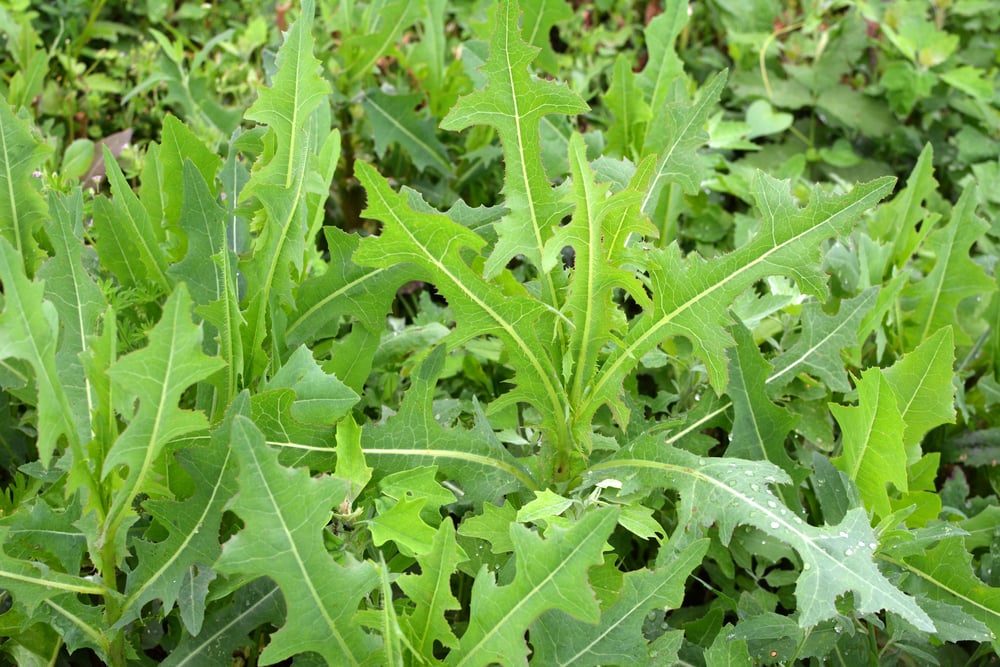
The compass plant rotates its leaves throughout the day to track the sun’s movement, always keeping its leaf edges pointed north and south to minimize water loss. This heliotropic behavior requires the plant to constantly monitor light conditions and adjust its position accordingly.
The tracking movement is so precise that early settlers used these plants as natural compasses when navigating the prairie.
Trigger Plant
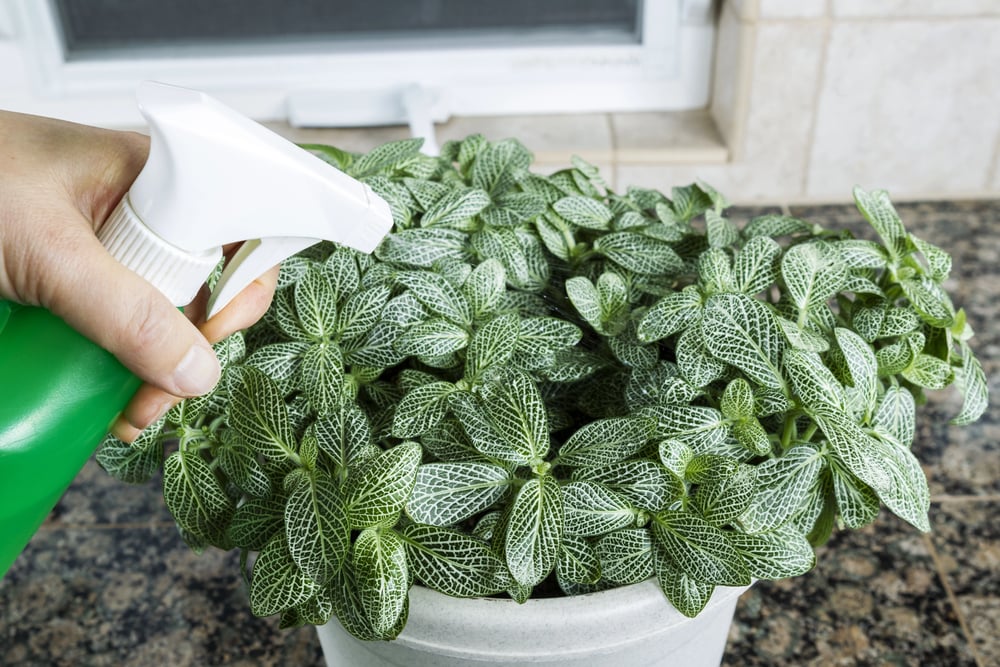
When an insect lands on a trigger plant’s flower, the plant literally smacks it with a specialized arm that swings upward in a fraction of a second. This movement is designed to cover the insect with pollen while simultaneously startling it, ensuring pollination while discouraging the bug from staying too long.
The plant can reset its trigger mechanism and fire again if another pollinator visits.
Like Go2Tutors’s content? Follow us on MSN.
Nature’s Rule Breakers
These plants challenge our basic assumptions about the differences between plant and animal behavior, proving that the natural world doesn’t always follow the rules we try to impose on it. From hunting strategies that rival those of predators to communication networks that span entire forests, these botanical rebels show that intelligence and awareness aren’t limited to creatures with brains and nervous systems.
They remind us that nature is far more creative and unpredictable than any textbook can capture, and that sometimes the most fascinating discoveries come from paying attention to the organisms we thought we already understood.
More from Go2Tutors!

- 16 Restaurant Chains That Went Too Fast
- 12 Things Sold in the 80s That Are Now Illegal
- 15 VHS Tapes That Could Be Worth Thousands
- 17 Historical “What Ifs” That Would Have Changed Everything
- 18 TV Shows That Vanished Without a Finale
Like Go2Tutors’s content? Follow us on MSN.



