Most Important Military Leaders in US History
American military history spans nearly 250 years of conflicts, strategies, and personalities that shaped how wars are fought. Some leaders changed the course of battles.
Others reorganized entire military structures. A few defined what American power looks like on the world stage.
These commanders didn’t just win fights. They influenced politics, transformed military doctrine, and left legacies that still affect how the armed forces operate today.
George Washington
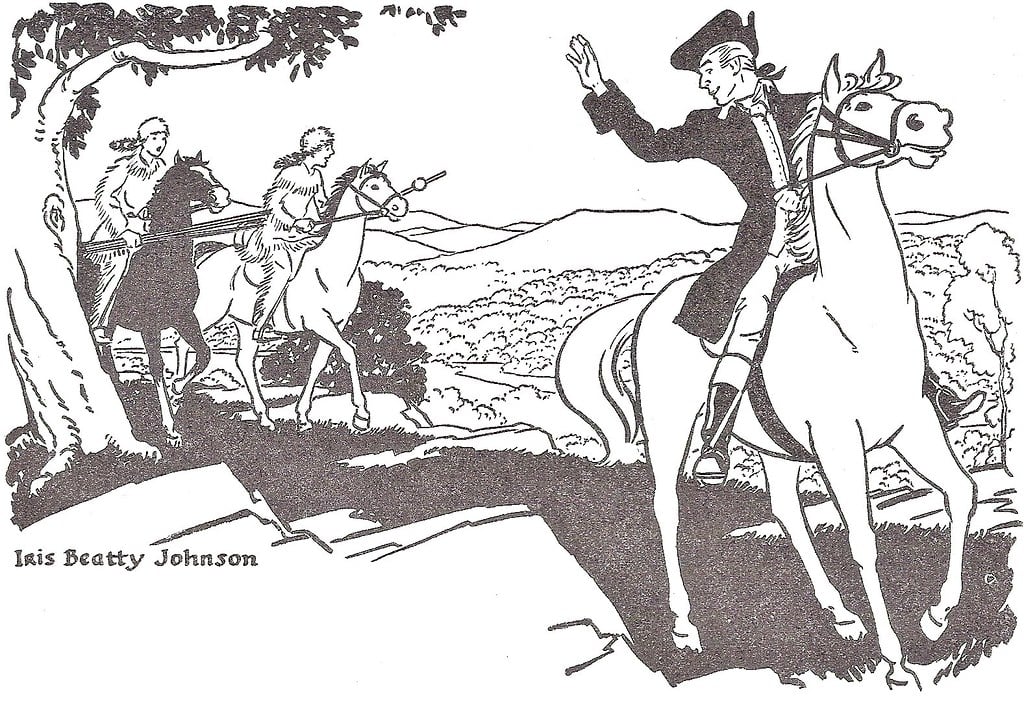
Washington lost more battles than he won during the Revolutionary War. But he kept the Continental Army together when it should have collapsed.
That mattered more than tactical victories. He understood that the Americans didn’t need to win decisively.
They just needed to avoid losing completely. The British had to crush the rebellion.
Washington had to survive long enough for Britain to give up. He retreated, regrouped, and preserved his army through brutal winters and crushing defeats.
His crossing of the Delaware River on Christmas night 1776 changed the war’s momentum. The surprise attack on Trenton gave the Americans a victory when they desperately needed one.
More importantly, it showed that Washington could adapt his strategy to circumstances rather than following European military conventions. After the war, he refused to become a military dictator despite having the army’s loyalty.
That choice established civilian control over the military, a principle that defines American government structure to this day.
Ulysses S. Grant
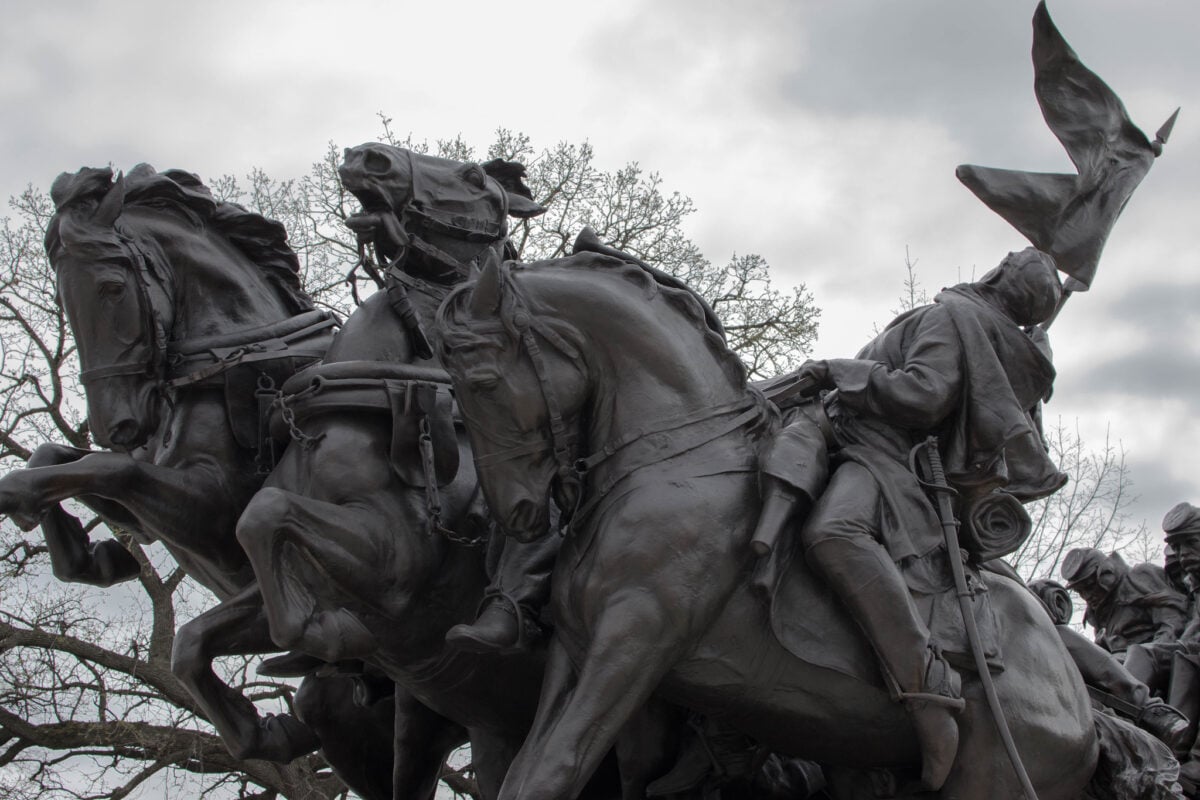
Grant understood modern warfare before most generals figured it out. The Civil War wasn’t going to be won through clever maneuvers.
It required grinding down the enemy’s ability to fight. His Vicksburg campaign showed tactical brilliance—cutting supply lines, isolating the Confederate stronghold, and forcing surrender through siege.
But his real innovation came later. As the overall Union commander, Grant coordinated multiple armies across different theaters, maintaining constant pressure on Confederate forces.
He accepted high casualty rates because he grasped the math. The Union had more men and resources.
Sustained fighting would eventually break the Confederacy. Critics called him a butcher. He called it winning the war.
Grant also treated defeated Confederate soldiers with respect. At Appomattox, he let them keep their horses for spring planting and sent them home with rations.
That generosity helped the country start healing after four years of brutal conflict.
Robert E. Lee
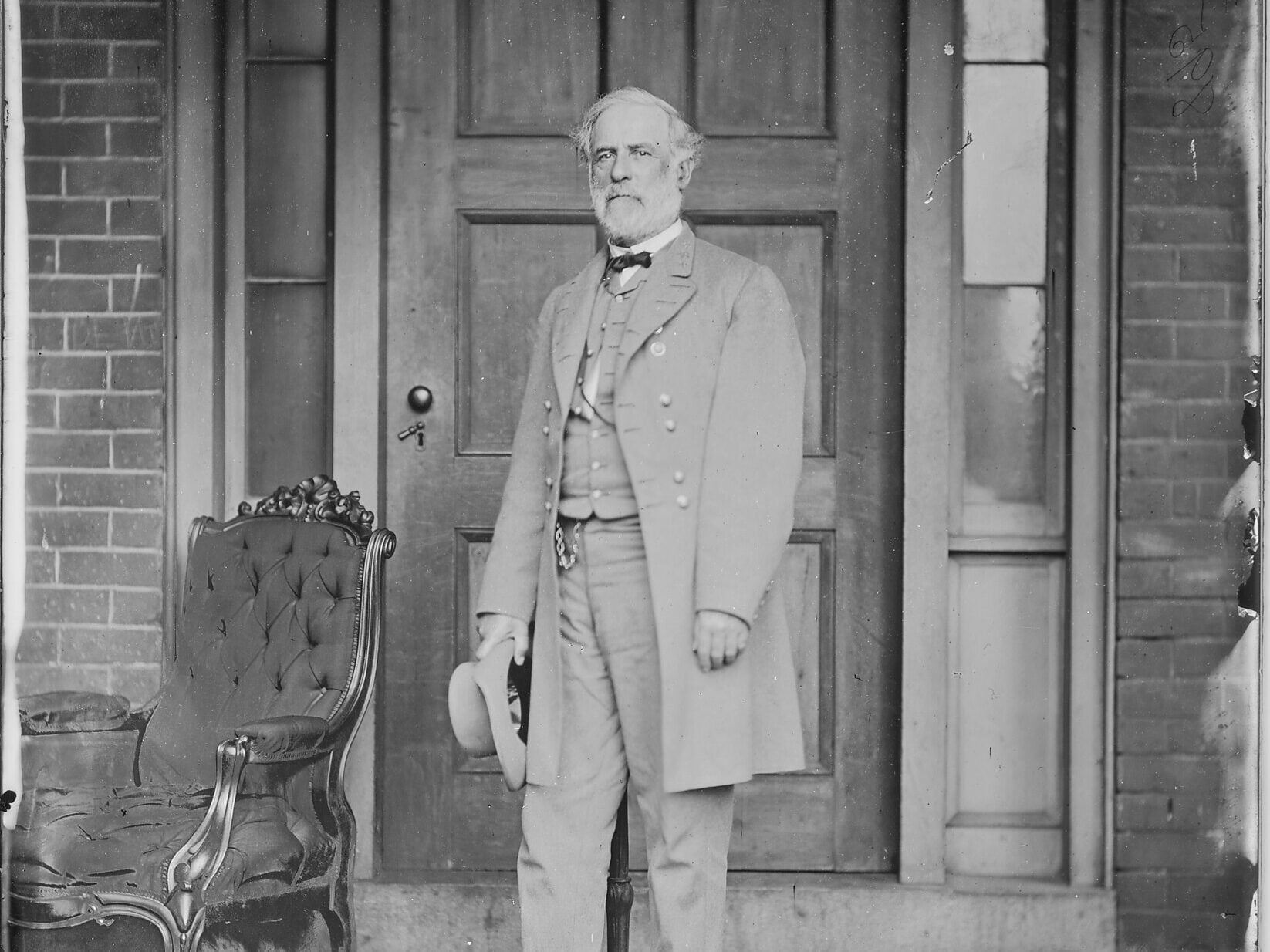
Lee’s inclusion on any list of important American military leaders remains controversial. He fought for the Confederacy, defending the institution of enslavement.
That stain never washes off. But his tactical abilities changed how military history gets taught.
His victories at Chancellorsville and Second Bull Run demonstrated aggressive maneuvering against larger forces. He understood terrain, logistics, and how to exploit enemy weaknesses.
His decision to invade the North twice showed strategic ambition. If he’d won at Gettysburg, European powers might have recognized the Confederacy.
The war could have ended differently. He lost, and the South’s chances died on those Pennsylvania fields.
Lee’s surrender ended the war. His choice not to continue guerrilla resistance probably saved thousands of lives.
After the war, he advocated for reconciliation, though his views on race remained deeply problematic. His military legacy exists separate from his moral failures, and both deserve recognition.
Dwight D. Eisenhower

Eisenhower commanded the largest amphibious invasion in history. D-Day required coordinating armies from multiple countries, managing massive logistics, and making decisions that affected millions of lives.
He wasn’t the most innovative tactical commander. His strength came from managing coalitions.
Keeping British, American, Canadian, and French forces working together required diplomatic skills as much as military ones. Personalities like Patton and Montgomery needed constant handling.
Eisenhower kept them focused on defeating Germany rather than competing with each other. His broad front strategy prioritized steady pressure over bold strokes.
It worked. Germany couldn’t defend everywhere at once.
The systematic advance across France and into Germany ground down Nazi defenses until they collapsed. After the war, Eisenhower became Army Chief of Staff and later President.
His military experience shaped Cold War strategy and his warnings about the military-industrial complex still resonate today.
George S. Patton

Patton believed in aggressive, mobile warfare. His Third Army raced across France faster than anyone thought possible.
He didn’t just defeat German forces—he destroyed them through speed and violence. His relief of Bastogne during the Battle of the Bulge showed tactical flexibility.
He turned his entire army north in brutal winter conditions and broke through German lines in days. The maneuver saved the encircled 101st Airborne and helped turn the battle.
Patton’s personality created constant problems. He slapped shell-shocked soldiers, made inflammatory statements, and alienated allies.
Eisenhower kept him in command because his battlefield results were too valuable to lose. But his behavior limited how high he could rise.
He died in a car accident shortly after the war ended. His aggressive style influenced armored warfare doctrine for decades after his death.
Douglas MacArthur

MacArthur commanded in the Pacific during World War II, then in Korea. His island-hopping strategy bypassed heavily defended Japanese positions, cutting their supply lines and isolating their garrisons.
His return to the Philippines fulfilled his famous promise. The liberation campaign showed how far American military power had grown since the humiliating defeat in 1942.
MacArthur understood symbolism as well as strategy. The photos of him wading ashore became iconic.
His administration of postwar Japan transformed the country. MacArthur oversaw democratic reforms, land redistribution, and the creation of a new constitution.
Japan became a stable ally instead of a defeated enemy, which changed the entire Pacific power structure. Korea ended his career. He wanted to expand the war into China.
President Truman refused. MacArthur publicly disagreed with civilian leadership.
Truman fired him for insubordination, reinforcing civilian control over military decisions even when the general was a national hero.
William Tecumseh Sherman
Sherman grasped total war before it had a name. His March to the Sea destroyed the South’s ability to support its armies.
He targeted infrastructure, supplies, and civilian morale as legitimate military objectives. Critics called it barbaric.
Sherman called it effective. By the time his army reached Savannah, they’d cut a path of destruction through Georgia that the Confederacy couldn’t repair.
The psychological impact matched the physical damage. Southerners realized they couldn’t protect their homes, which eroded support for continuing the war.
His later campaigns against Native Americans used similar tactics. That history is deeply troubling.
Sherman pursued destruction of Native ways of life as military policy. His legacy includes both military innovation and participation in cultural genocide.
After Grant became president, Sherman served as Commanding General of the Army. He modernized military organization and training, preparing the army for industrial-age warfare.
George C. Marshall

Marshall never commanded troops in combat. His importance came from organization and vision. As Army Chief of Staff during World War II, he built the military that won the war.
The army had 174,000 soldiers when Marshall took over in 1939. By 1945, it had over 8 million.
Marshall organized that massive expansion, ensuring troops got proper training, equipment, and leadership. He promoted officers based on ability rather than seniority, which put commanders like Eisenhower in position to succeed.
After the war, the Marshall Plan rebuilt Europe. The program provided billions in economic aid, preventing the chaos that followed World War I.
It created stable democracies instead of breeding grounds for extremism. Marshall received the Nobel Peace Prize for this work.
His influence extended beyond military matters. He understood that national security required economic stability and international cooperation.
That broader vision shaped American foreign policy for generations.
Chester Nimitz

Nimitz commanded the Pacific Fleet after Pearl Harbor. The job required rebuilding morale, reorganizing shattered forces, and planning offensive operations against a powerful enemy.
His victory at Midway six months after Pearl Harbor changed the Pacific War’s trajectory. The Japanese lost four carriers that they couldn’t replace.
American forces seized the initiative and never gave it back. Nimitz balanced competing demands from MacArthur’s Southwest Pacific command with his own Central Pacific operations.
The two-pronged advance kept Japanese forces divided. They couldn’t muster their strength against either thrust.
His emphasis on submarine warfare strangled Japan’s economy. American submarines sank the merchant ships that kept Japanese industry running.
By war’s end, Japan couldn’t feed its population or fuel its military. Nimitz’s blockade strategy made invasion potentially unnecessary, though the atomic bombs ended the war first.
John J. Pershing

Pershing commanded American forces in World War I. He insisted that American troops fight as an independent army under American command.
Allied leaders wanted to use American soldiers as replacements in British and French units. Pershing refused. That decision preserved American autonomy and prevented American casualties from being absorbed into Allied operations with little strategic value.
When American forces finally engaged in major battles, they fought as a unified army pursuing American objectives. His insistence on rifle training and marksmanship went against trench warfare doctrine but proved valuable in the war’s final mobile phases.
American forces helped break the stalemate and force German surrender. After the war, Pershing became Army Chief of Staff.
He mentored the next generation of commanders, including Marshall and MacArthur. His influence shaped how those leaders approached World War II.
Winfield Scott

Scott commanded during the Mexican-American War. His campaign from Veracruz to Mexico City showed how amphibious operations and overland advances could work together. The operation influenced American military thinking for decades.
He developed the Anaconda Plan at the start of the Civil War—blockade Southern ports, control the Mississippi River, and squeeze the Confederacy until it collapsed. Union leaders initially mocked the strategy as too slow.
They eventually adopted it and won the war. Scott was too old to command in the field during the Civil War.
But his strategic vision shaped Union policy. The blockade and river control he advocated became core elements of Grant’s final strategy.
His career spanned nearly 50 years. He fought in the War of 1812, various Indian wars, the Mexican-American War, and saw the Civil War begin.
Few military leaders influenced American strategy across such a long period.
Matthew Ridgway

Ridgway took command of Eighth Army in Korea after Chinese forces drove American troops south. Morale had collapsed.
Retreat seemed inevitable. Ridgway reversed both.
He restored an aggressive spirit through personal leadership. He visited front-line units constantly, fired ineffective commanders, and emphasized taking the fight to the enemy.
Within weeks, the army stopped retreating and started pushing north. His tactics emphasized limited advances with heavy firepower support.
Rather than trying to hold territory at any cost, he focused on inflicting casualties while minimizing American losses. The approach stabilized the front and set conditions for eventual armistice negotiations.
Later, as Army Chief of Staff and Supreme Allied Commander in Europe, Ridgway influenced Cold War military strategy.
He argued against excessive reliance on nuclear weapons and advocated for maintaining strong conventional forces.
Norman Schwarzkopf

Schwarzkopf commanded coalition forces during the Gulf War. The campaign showed how technology had transformed warfare.
Precision weapons, air superiority, and information dominance allowed coalition forces to defeat a large, well-equipped Iraqi army in 100 hours of ground combat. The “left hook” maneuver sent armored divisions around Iraqi defenses while other forces attacked directly.
The Iraqis expected a straightforward assault. Instead, they got encircled and destroyed.
The operation demonstrated that American military power had reached a level where conventional armies couldn’t compete. Schwarzkopf managed a coalition including Arab nations, European allies, and other partners.
Keeping that diverse group working together required diplomatic skills as much as military ones. The successful coalition influenced how later operations got organized. His televised briefings during the war made him a public figure.
He explained military operations clearly to civilian audiences, which helped maintain public support for the war effort.
The Weight of Command
Some bosses chose paths leading many straight into death. Their choices changed how the U.S. handles battles abroad.
A few believed things about race that shock people today. Different ones made up moves that ended in loss.
Not a single one got it right all the time. Yet things shifted in the nation.
Washington set up clear rules so civilians stayed in charge. Grant along with Sherman revealed new ways modern states wage war.
Eisenhower made it clear that U.S. folks can guide worldwide alliances. Marshall got that strong armies depend on healthy economies plus teamwork across borders.
Their influence shows up in today’s battle plans, command setups, yet long-term planning. A volunteer army, combined missions, smart-guided arms, along with worldwide partnerships stem from choices those leaders once made.
People rate them based on victories or defeats. Still, their deeper mark lies in reshaping how U.S. strength is used abroad.
More from Go2Tutors!

- The Romanov Crown Jewels and Their Tragic Fate
- 13 Historical Mysteries That Science Still Can’t Solve
- Famous Hoaxes That Fooled the World for Years
- 15 Child Stars with Tragic Adult Lives
- 16 Famous Jewelry Pieces in History
Like Go2Tutors’s content? Follow us on MSN.