Bizarre Animal Facts That Sound Completely Fake
Sometimes nature feels like it’s showing off. The animal kingdom is packed with creatures that seem designed by someone with an overactive imagination and a questionable sense of humor.
These aren’t your typical “dolphins are smart” or “cheetahs are fast” facts. These are the head-scratchers that make you wonder if evolution was just having a really weird day.
Sea cucumber
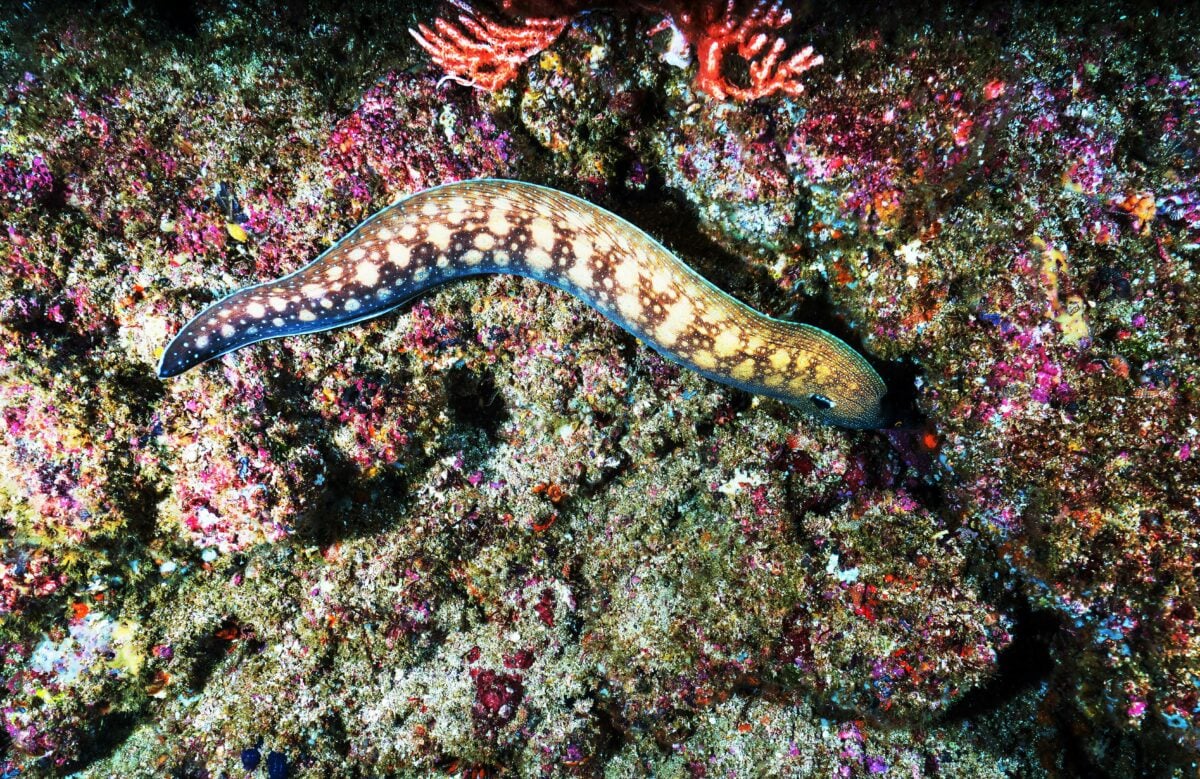
Sea cucumbers can literally eject their internal organs when threatened and grow them back later. Their entire digestive system, respiratory system, and reproductive organs can be expelled through their rear end as a defense mechanism.
Most predators get confused by the sudden appearance of slimy organs and give up the chase. The sea cucumber then spends the next few weeks regenerating everything it just threw away, apparently unbothered by the whole ordeal.
Mantis shrimp
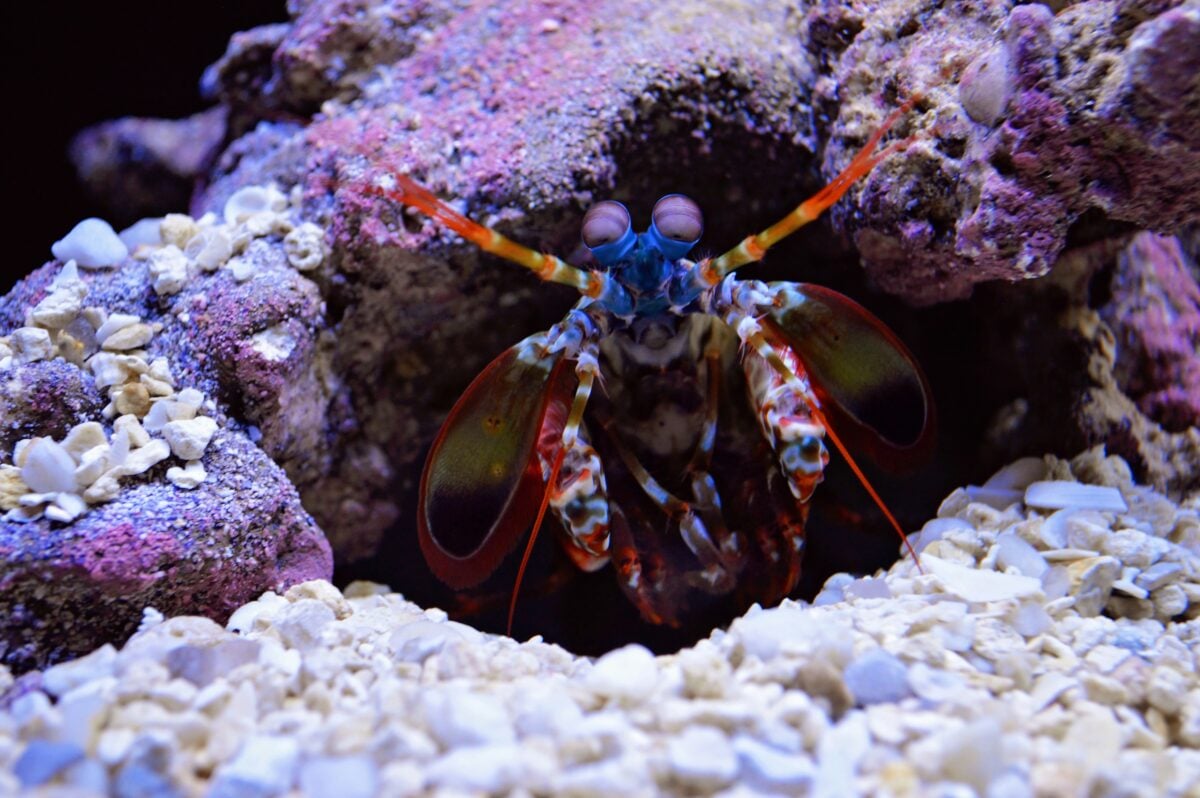
The mantis shrimp (which isn’t actually a shrimp, but that’s another story entirely) can see colors that don’t exist in human perception, and when it punches something, the water around its fist briefly reaches the temperature of the sun. So here’s what happens: this rainbow-colored crustacean — which looks like someone crossed a lobster with a stained glass window and gave it the personality of a professional boxer — can accelerate its club-like appendages at 23 meters per second.
The impact creates cavitation bubbles that collapse with such force they produce light and heat reaching 8,500 degrees Fahrenheit (and this is happening underwater, mind you, which makes the physics even more ridiculous). But the truly absurd part is that while this miniature explosion is occurring, the mantis shrimp is seeing the whole thing through 16 different types of color receptors. Humans have three.
Vampire bat
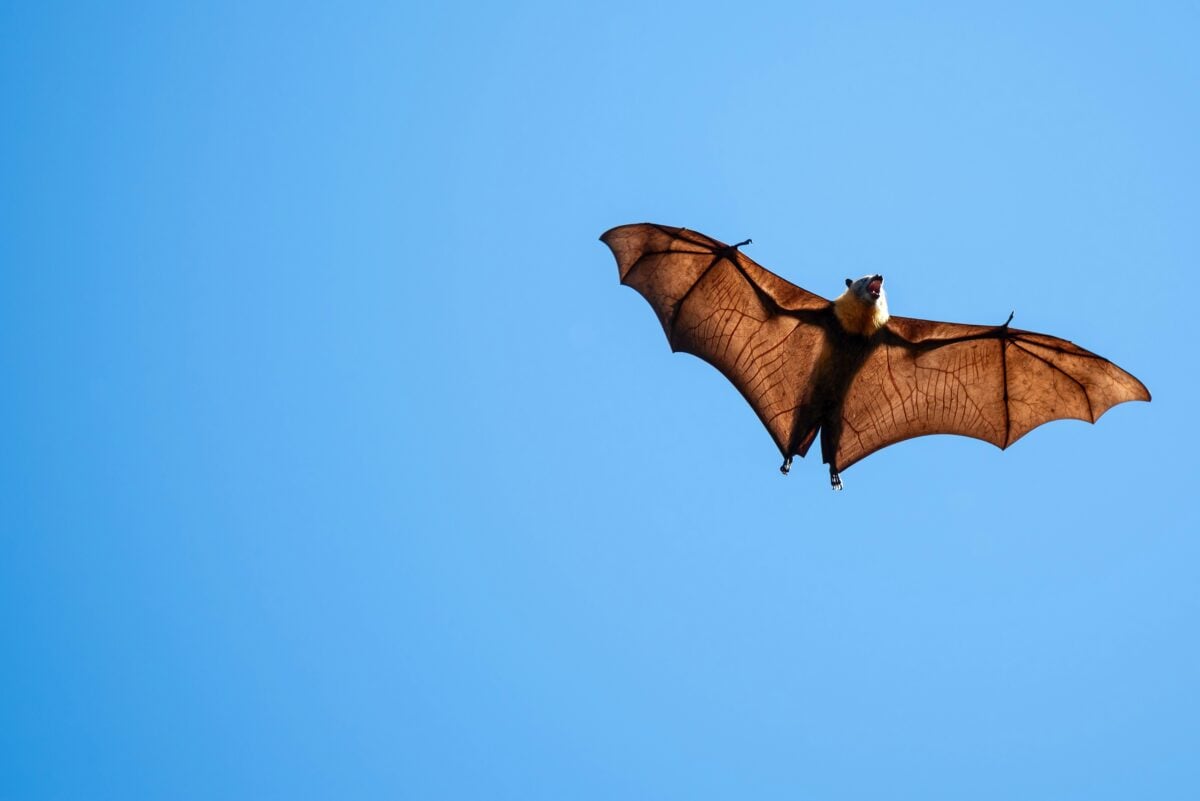
There’s something almost tender about how vampire bats take care of each other, which makes their dietary preferences feel even more surreal. These creatures survive entirely on the warmth flowing through other animals, yet they’ve developed one of the most sophisticated social safety nets in the mammal world.
A bat that returns to the roost hungry will be fed by a roost-mate who had a successful night — not through instinct, but through what can only be called friendship. They remember who helped them before.
They remember who didn’t. Trust builds over time through small acts of sharing, the same way it does between humans, except the currency here happens to be regurgitated sustenance.
This tiny flying creature, no bigger than a thumb, has figured out something that entire human civilizations have struggled with: how to ensure no one goes without.
Octopus
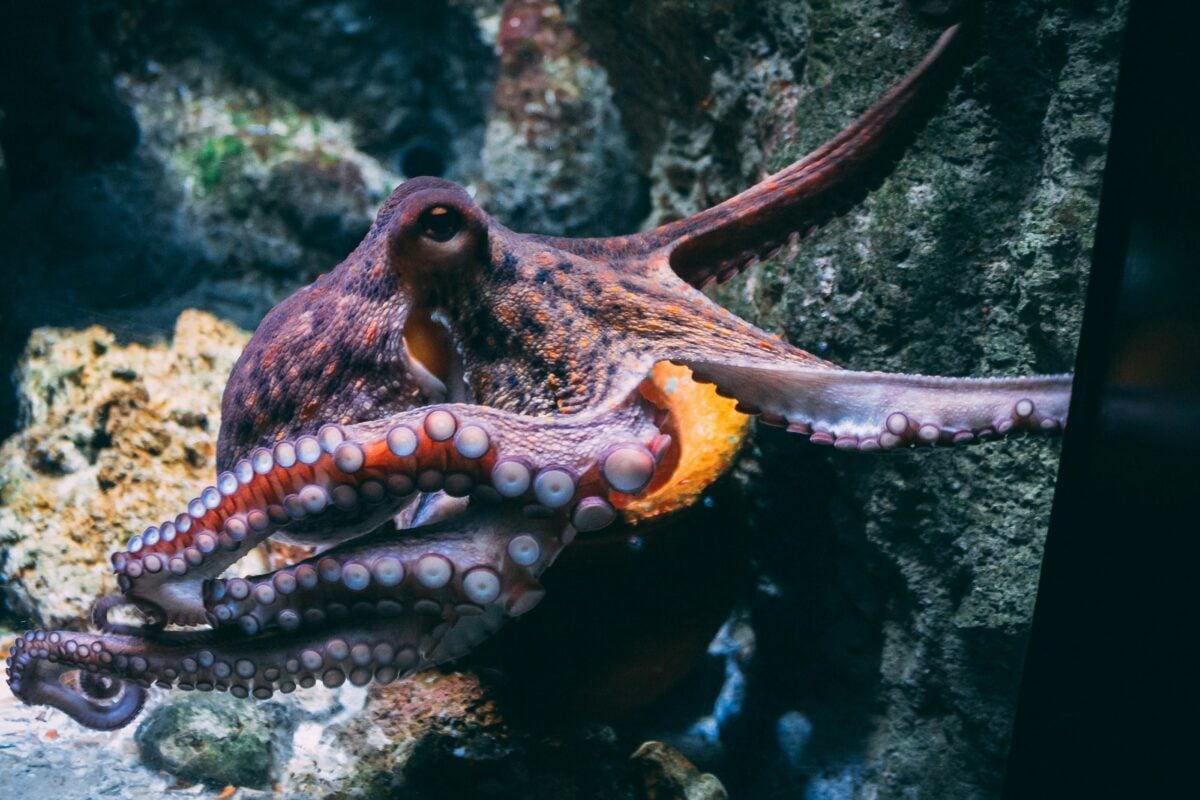
Octopuses have three hearts and blue liquid instead of red coursing through their veins. Two hearts pump the blue stuff to their gills while the third sends it to the rest of their body.
The main heart stops beating when they swim, which is why they prefer crawling along the ocean floor — swimming exhausts them quickly. They’re also colorblind despite being master camouflage artists, which means they’re creating those perfect disguises without actually seeing the colors they’re mimicking.
Echidna
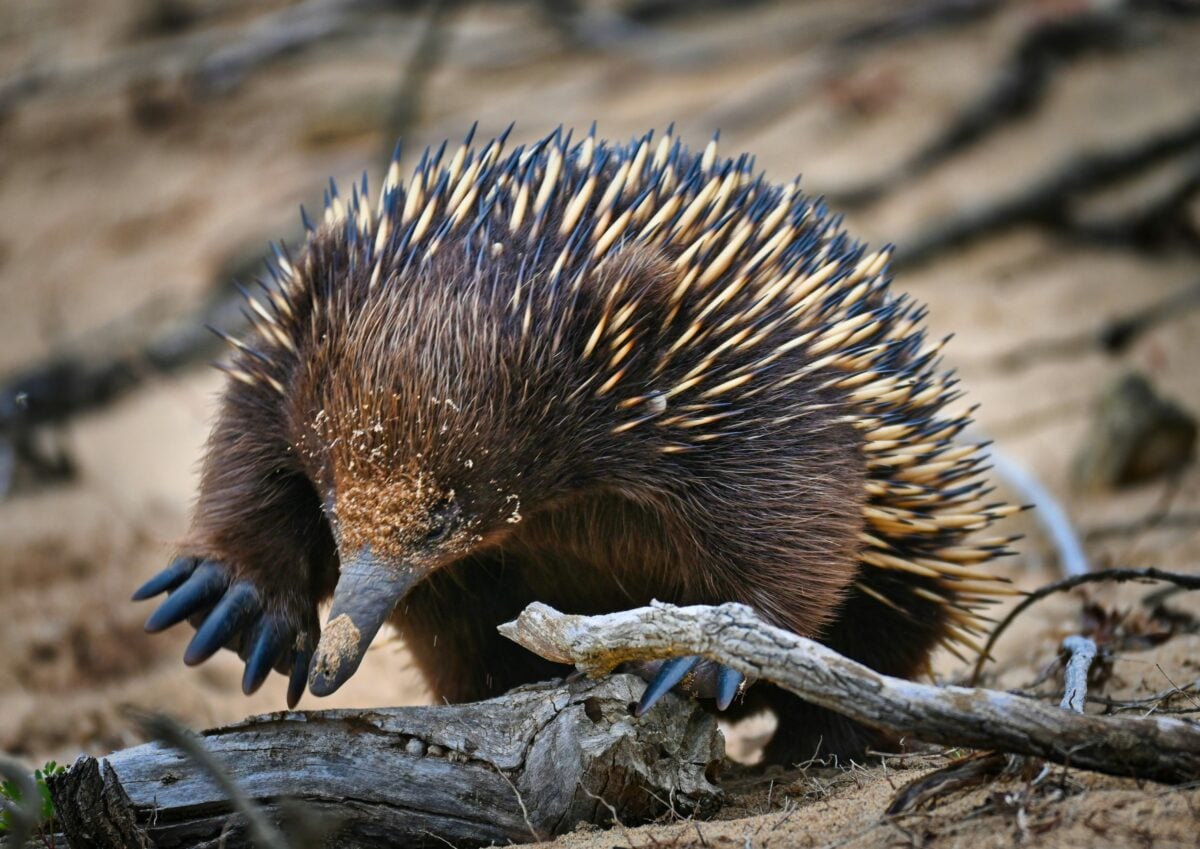
The echidna has a four-headed reproductive organ that looks exactly as bizarre as it sounds. During mating season, male echidnas form what researchers politely call “mating trains” where up to ten males will follow a single female in a slow-motion conga line that can last for weeks.
The female eventually chooses her partner not through combat or display, but apparently through sheer persistence and patience. Once selected, the male uses only one of his four heads at a time, which seems like poor efficiency but somehow works for a species that’s survived since the age of dinosaurs.
Anglerfish
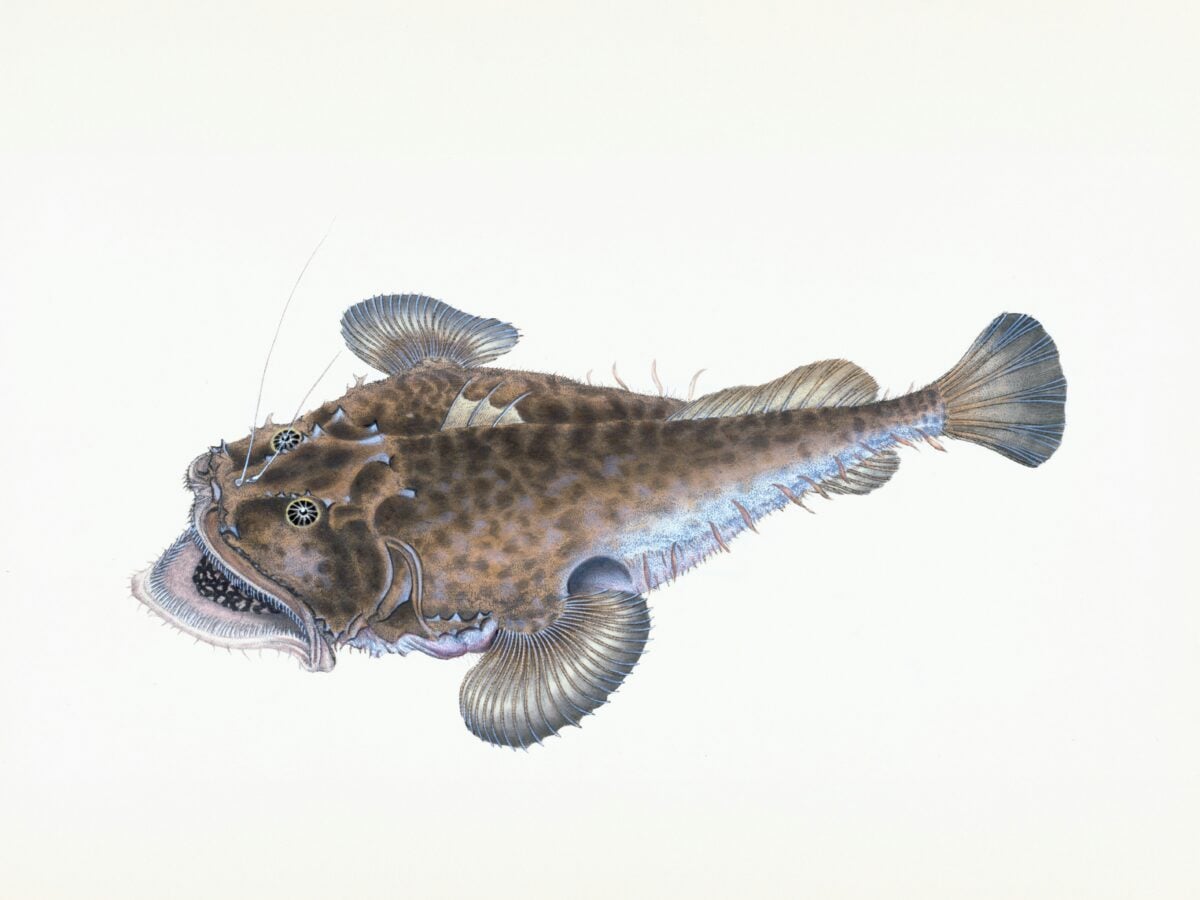
Deep in the ocean where sunlight has never reached, the anglerfish has solved the dating problem in the most disturbing way imaginable. The male, which is significantly smaller than the female, spends his entire adult life searching for a mate in complete darkness.
When he finally finds one, he bites onto her body and never lets go. His tissues gradually fuse with hers until he becomes nothing more than a permanent reproductive appendage.
His eyes disappear, his organs shut down, and he survives entirely off her bloodstream. She can collect multiple males this way, turning herself into a living dating app where the matches never leave.
Penguin
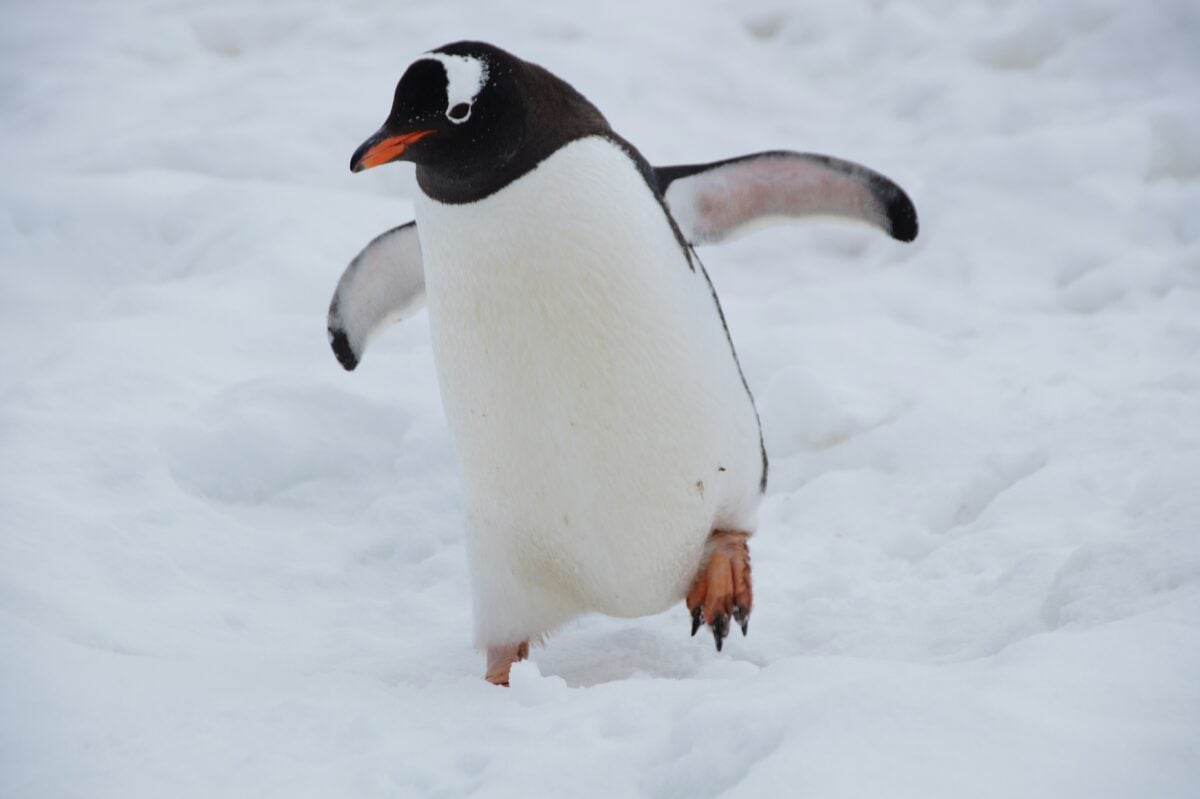
Emperor penguins can hold their breath for over 20 minutes while diving to depths that would crush human lungs. But the strangest part happens on land during their brutal Antarctic breeding season.
The male penguins fast for four months straight while incubating a single precious egg on their feet, covered by a flap of warm skin. They huddle together in groups of thousands, rotating from the outside of the group to the warm center in a slow, constant shuffle that continues day and night.
No one leads this rotation — it just happens, like a massive, choreographed dance performed by birds wearing tiny tuxedos.
Axolotl
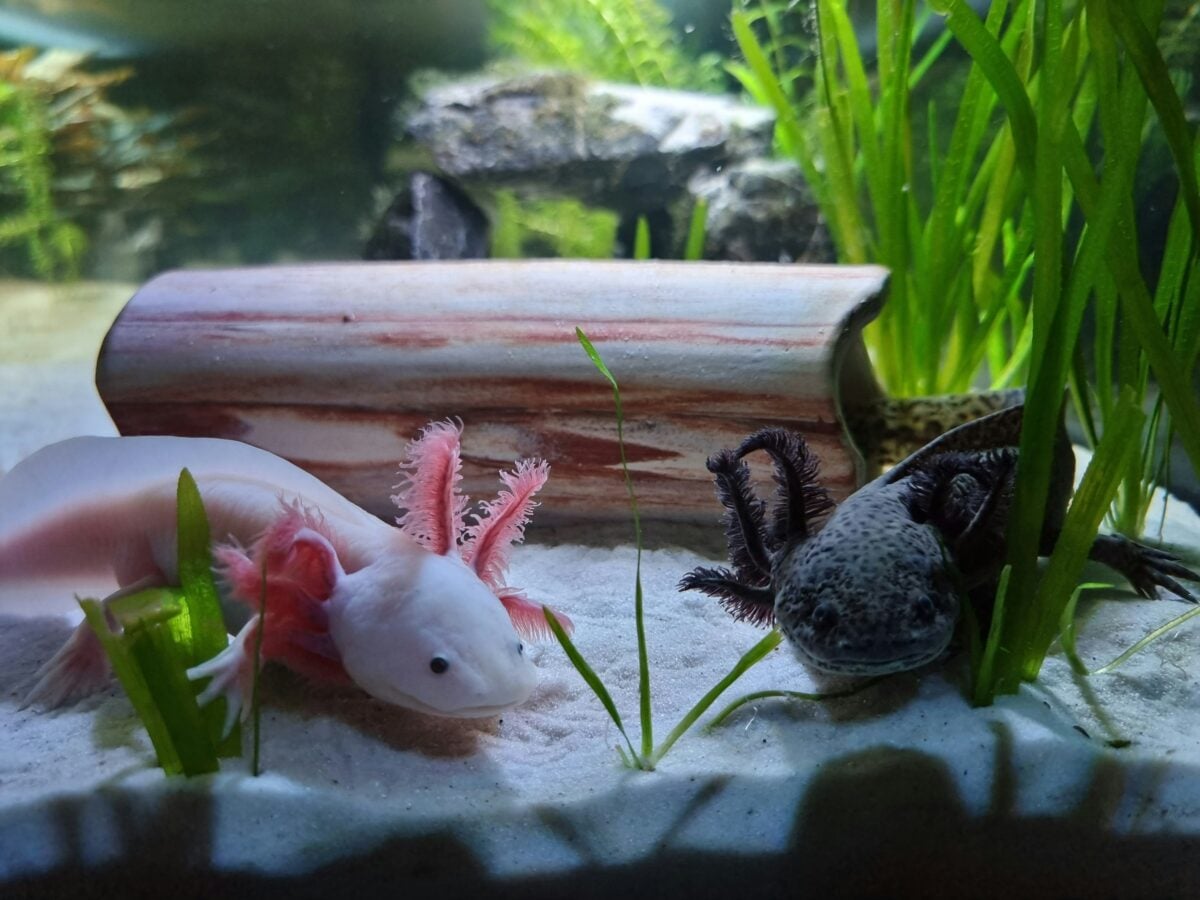
Axolotls remain aquatic teenagers their entire lives, never bothering with the whole “growing up and leaving the water” phase that other amphibians go through. This permanent adolescence comes with an absurd superpower: they can regrow entire limbs, organs, and even portions of their brain without forming scar tissue.
Cut off a leg, and they’ll grow back not just the leg, but every bone, muscle, nerve, and piece of skin in perfect working order. Scientists have been studying them for decades trying to figure out how they do this, while the axolotls just keep swimming around in their tanks, perpetually grinning (because their mouth structure makes them look like they’re always smiling), apparently unaware they’re performing medical miracles.
Tardigrade
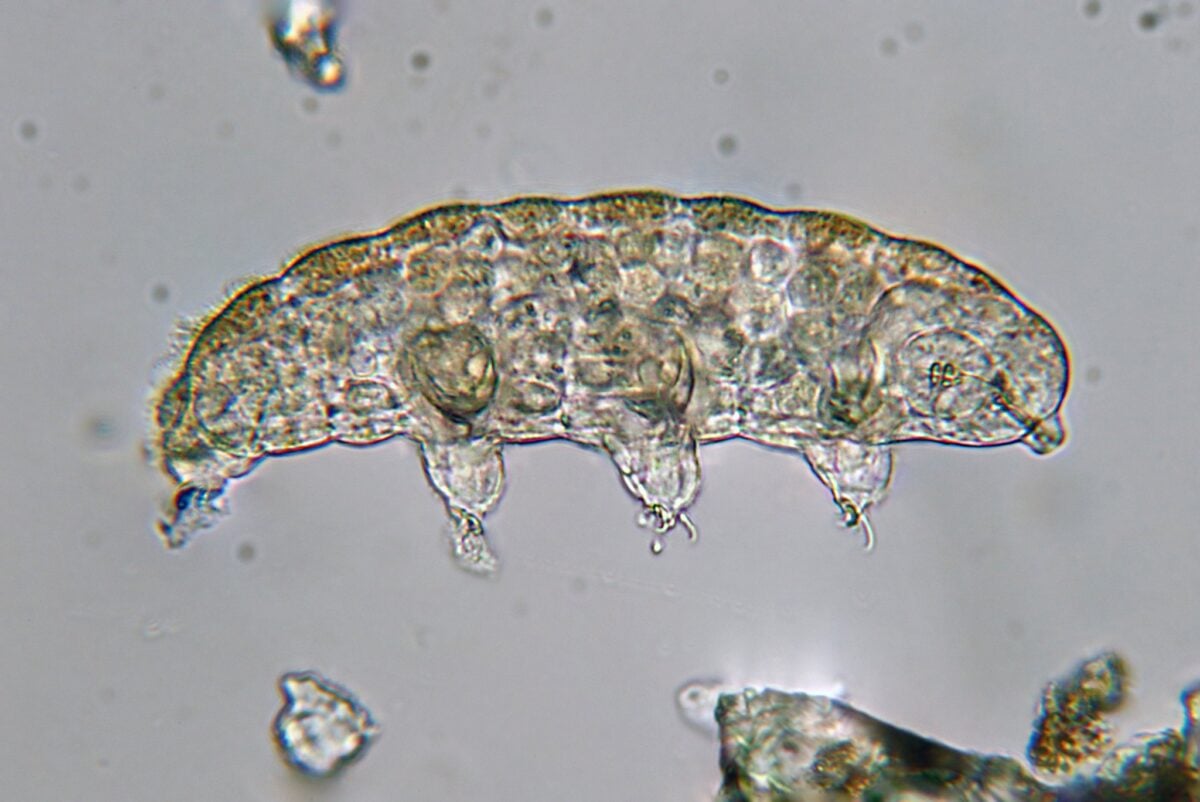
Tardigrades look like microscopic gummy bears with eight legs, and they’re virtually indestructible. These tiny creatures, also called water bears, can survive in the vacuum of space, withstand radiation levels that would kill most other life forms, and enter a state called cryptobiosis where they essentially pause their entire existence.
They can stay in this suspended animation for decades, then return to normal life when conditions improve. They’ve survived all five major extinction events on Earth and will probably outlive humans by several billion years.
Archerfish
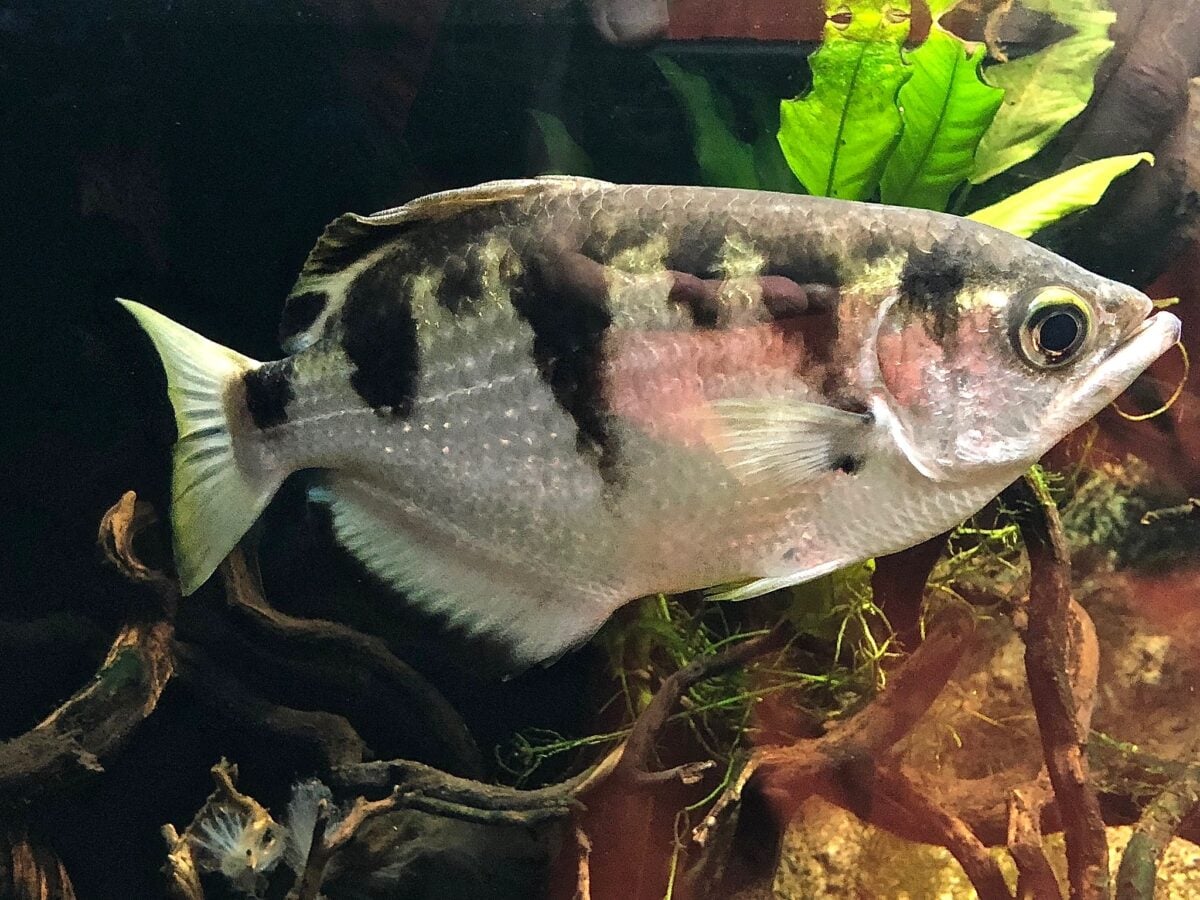
The archerfish shoots water bullets with the precision of a trained sniper to knock insects off branches above the water’s surface. They calculate for light refraction, wind resistance, and the trajectory needed to hit a target they can only see from underwater.
The water jet can travel up to six feet with enough force to stun and subdue their typical prey of insects and small creatures. Young archerfish practice their aim for months, improving their accuracy through trial and error like tiny aquatic marksmen.
Leafy sea dragon
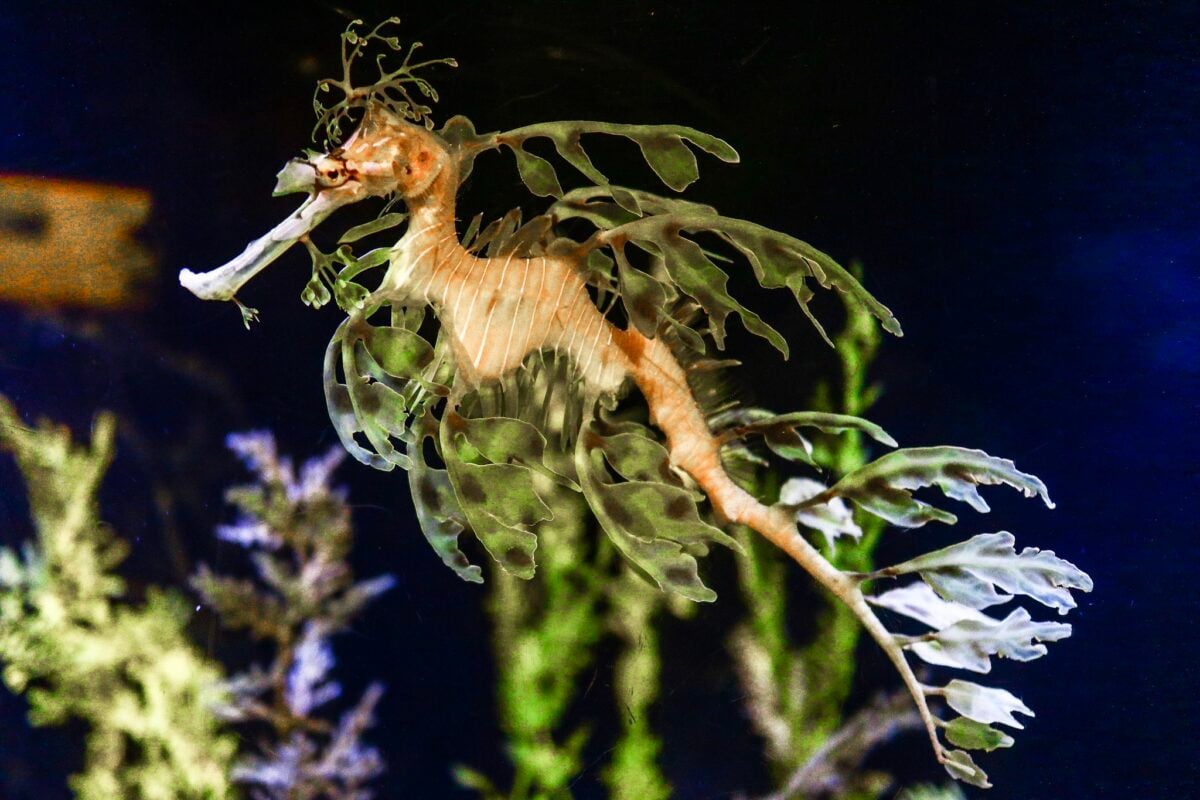
Leafy sea dragons are so committed to their disguise that they’ve given up the ability to grab things with their tails. Unlike other seahorses, they drift through the water looking exactly like floating seaweed, completely unable to hold onto anything for support.
They move so slowly and blend in so perfectly that marine biologists sometimes mistake them for actual plants during underwater surveys. The males carry the eggs like other seahorses, but they attach them to their tails in neat rows that look like decorative beading.
Pistol shrimp
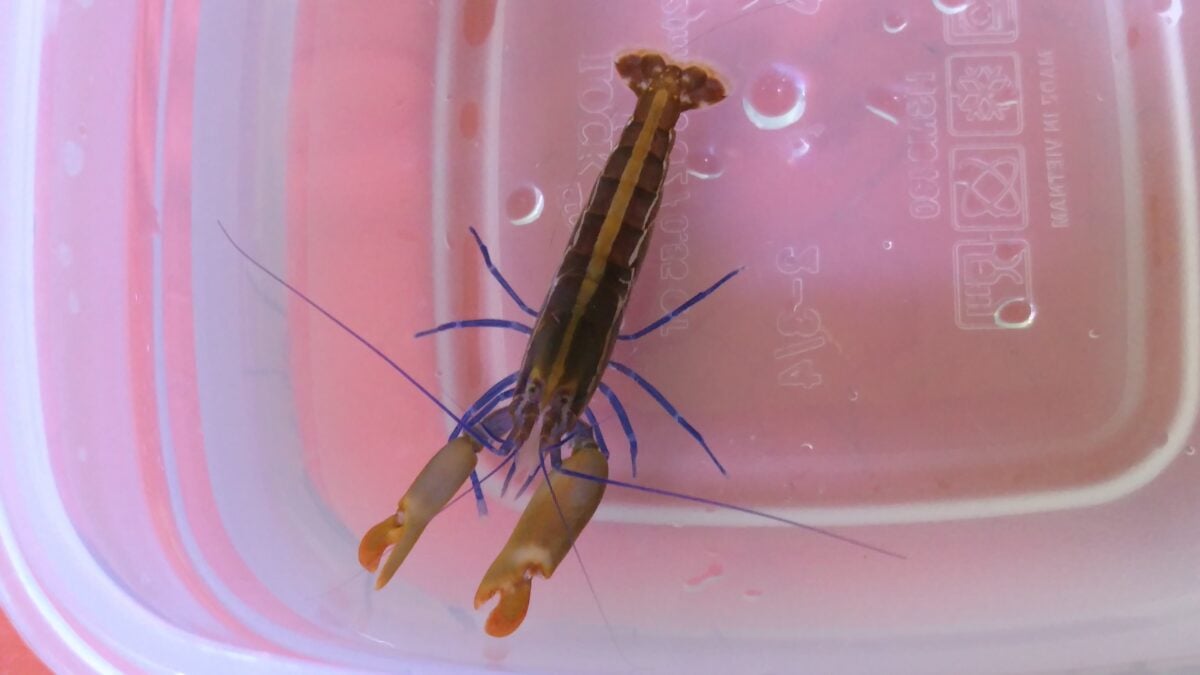
The pistol shrimp creates underwater sonic booms by snapping its oversized claw shut at incredible speed. The collapsing bubble created by this snap produces a sound loud enough to stun fish and break aquarium glass.
The temperature inside the bubble briefly exceeds that of the sun’s surface, creating a flash of light visible to the human eye. These tiny shrimp are so loud they interfere with submarine sonar systems, and their collective snapping can be heard from the surface of the ocean.
Glasswing butterfly
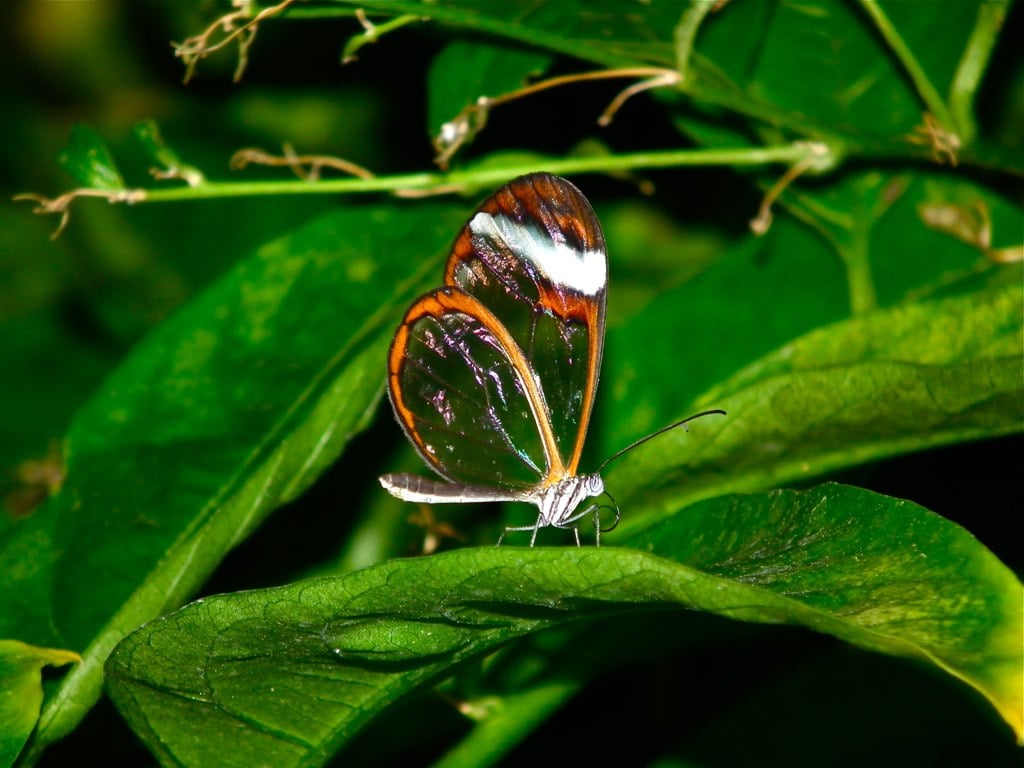
The glasswing butterfly’s wings are completely transparent, like flying pieces of clear plastic with delicate black borders. The transparency isn’t achieved through reflection or camouflage — their wing membranes actually lack the colored scales that make other butterflies visible.
They fly through Central American rainforests looking like tiny floating windows, nearly impossible to spot unless they land on something dark. The males release pheromones that smell like chocolate to attract mates, making them essentially invisible chocolate-scented flying creatures.
Pangolin
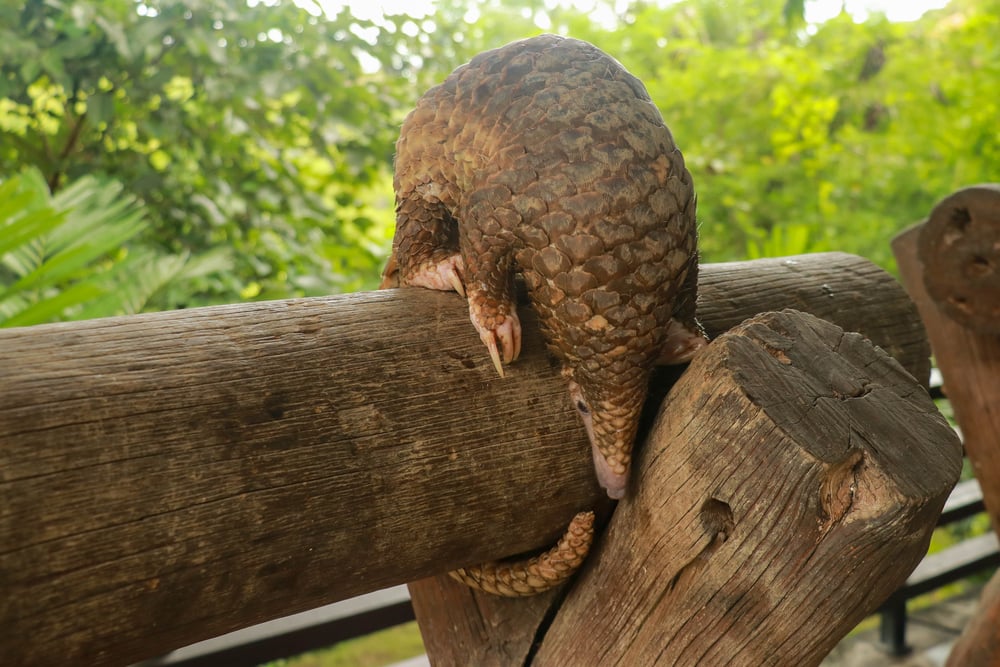
Pangolins are the only mammals covered in scales, and when threatened, they roll into a perfect orb that even lions can’t penetrate. Their scales are made of keratin — the same material as human fingernails — but arranged in overlapping layers that create flexible armor.
They have no teeth, so they use their incredibly long tongues (longer than their entire body) to eat ants and termites. Baby pangolins ride on their mother’s tail, and when she rolls into an orb for protection, the baby gets tucked safely inside.
Decorator crab
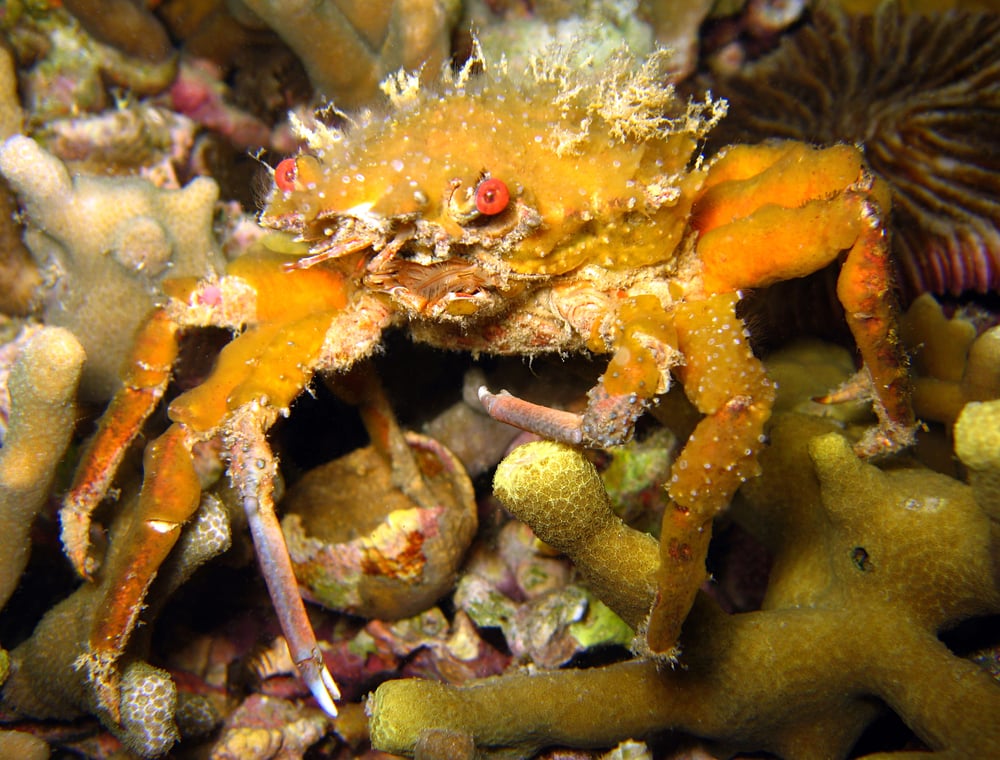
Decorator crabs are the underwater equivalent of someone who takes camouflage way too seriously. They collect pieces of sponge, algae, coral, and anything else they can find, then carefully attach these items to their shell using hooked hairs on their back and legs.
The result looks like a walking garden or a tiny mobile reef. Some species are so particular about their decorations that they’ll steal attractive pieces from other crabs’ collections. When they molt and get a new shell, they transfer their entire decoration collection to their new home like redecorating an apartment.
The beautiful strangeness of it all
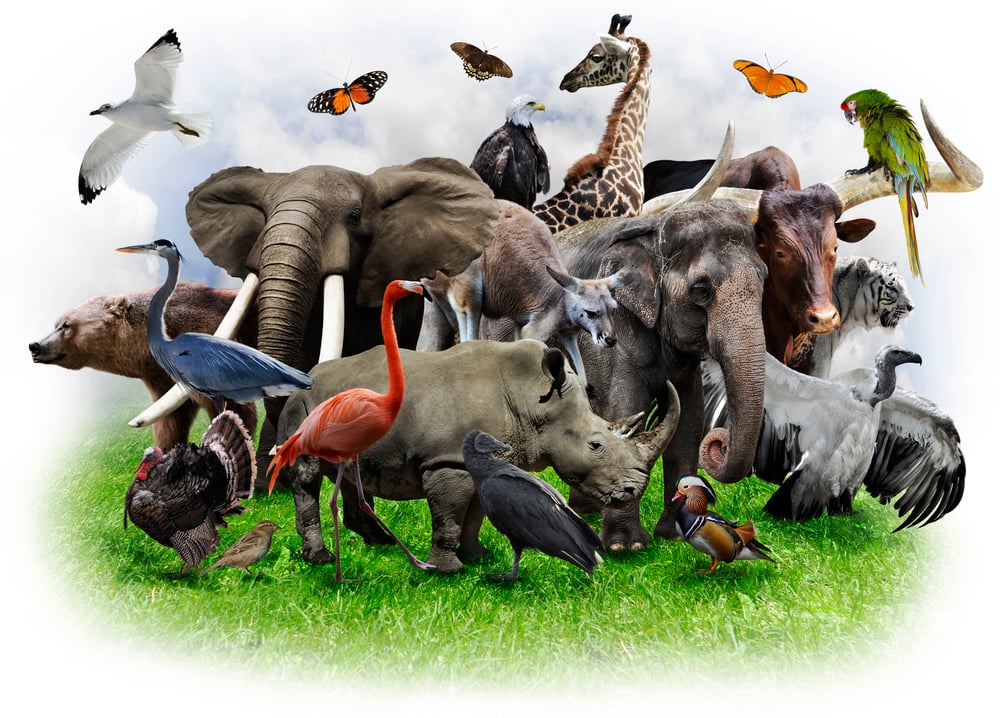
These creatures exist in the same world where humans worry about matching socks and parallel parking. While people debate the mysteries of existence, mantis shrimp are creating tiny supernovas with their fists, and sea cucumbers are casually ejecting their organs like it’s no big deal.
The natural world operates on a logic that makes perfect sense to itself and sounds like complete fiction to everyone else. Maybe that’s what makes these facts so fascinating — they remind us that reality is far stranger and more creative than anything humans could invent.
The universe apparently has a sense of humor, and it shows up most clearly in the creatures sharing this planet with us.
More from Go2Tutors!

- The Romanov Crown Jewels and Their Tragic Fate
- 13 Historical Mysteries That Science Still Can’t Solve
- Famous Hoaxes That Fooled the World for Years
- 15 Child Stars with Tragic Adult Lives
- 16 Famous Jewelry Pieces in History
Like Go2Tutors’s content? Follow us on MSN.



