15 Things You Didn’t Know About the Signing of the Declaration of Independence
The signing of the Declaration of Independence is one of the most iconic moments in American history, yet there are plenty of details that aren’t as well-known. We often picture the grand scene in our minds—John Hancock’s bold signature, the dramatic moment when the decision was made.
But the reality of how it all happened is more complex and filled with fascinating tidbits that paint a clearer picture of that time. Let’s take a deeper dive into some of the lesser-known facts about the signing of the Declaration, from the struggles of the Continental Congress to the personalities of the men involved.
This isn’t just about a piece of paper—it’s about the people and the drama that surrounded this pivotal event.
The Declaration Wasn’t Signed All at Once
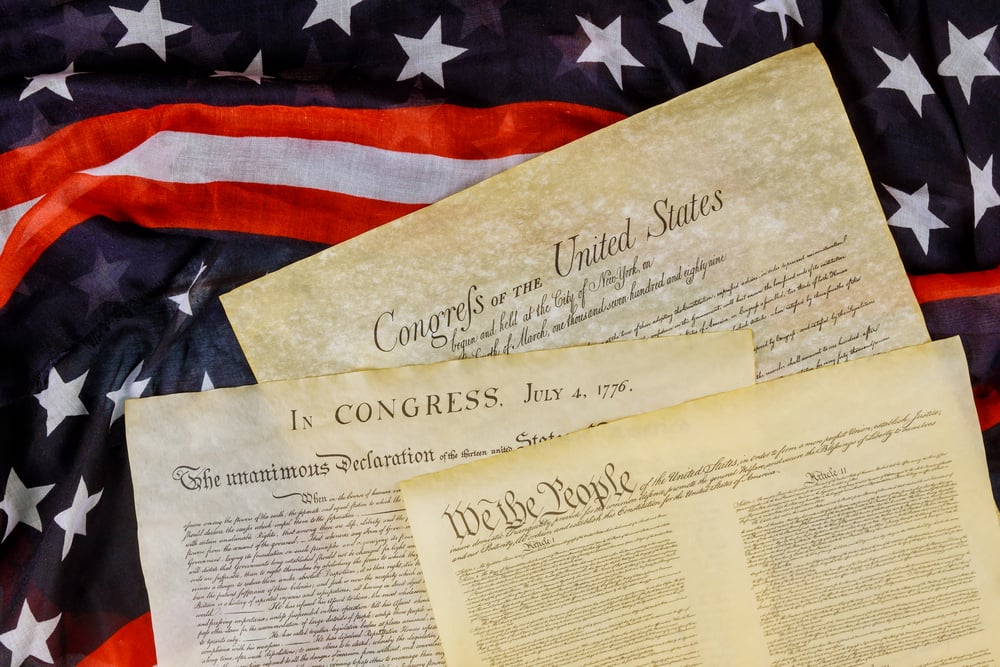
When most people think of the signing, they imagine all 56 signers gathered in one room, signing at the same time. In reality, the signing took place over a span of several weeks.
Most delegates didn’t sign on July 4, 1776; many added their names later, with the last signature being placed as late as November 1776.
Not Everyone Was in Philadelphia
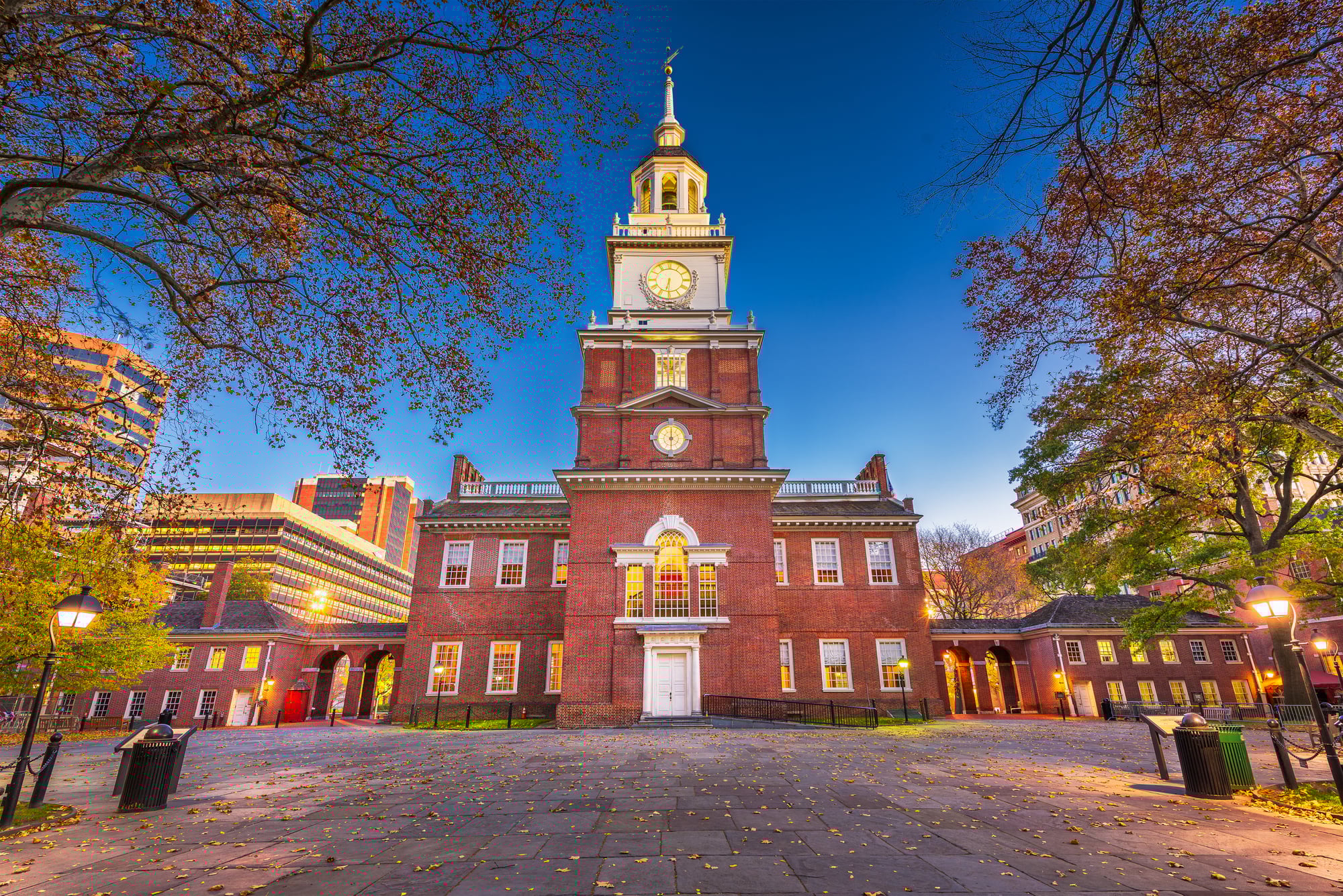
Many of the delegates were not physically present at the signing of the Declaration of Independence. Some were still in their home colonies, while others had returned to their military duties.
It wasn’t until later that all the signers were able to add their names to the document.
John Hancock Signed First—and Big
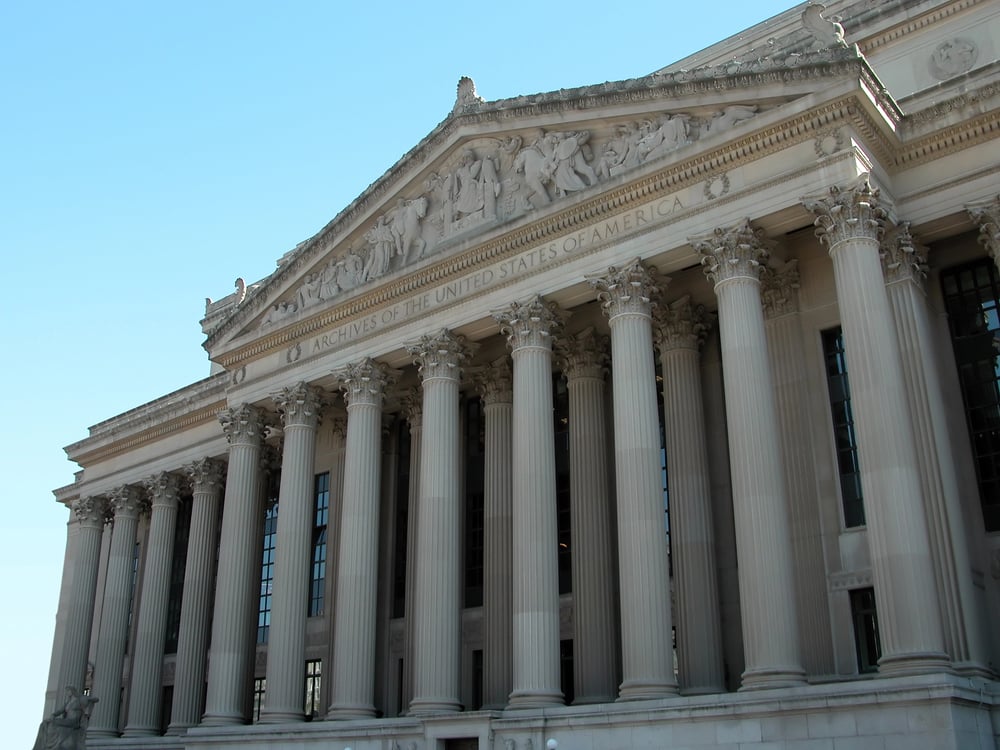
The Declaration was first signed by John Hancock, president of the Continental Congress. He had notably signed his name in big, strong letters.
His signature became so famous that even now “John Hancock” is frequently used in place of “signature”.
The Declaration Wasn’t Written by One Person

Although he is the name most frequently linked to the drafting of the Declaration, Thomas Jefferson was not the sole contributor. Before the document was handed to Congress, it was drafted by a five-member group that also comprised John Adams, Benjamin Franklin, Roger Sherman, and Robert R. Livingston.
The Signing Was a Risky Act

In addition to being a patriotic gesture, signing the Declaration of Independence was extremely risky. The delegates were formally committing treason against Great Britain by signing, which carries a death sentence.
Despite being aware of this risk, they decided to take action.
The Document Wasn’t Immediately Accepted by All

All Americans did not instantly embrace independence after the Declaration was signed. More time was required to persuade a few delegates who were still doubtful.
The declaration was a divisive statement at the time since many colonists were still unsure or loyal to Britain.
Only Two Signers of the Declaration Died on July 4th

It’s a common myth that all the signers of the Declaration of Independence died on July 4, 1826, the 50th anniversary of the document’s signing. While Thomas Jefferson and John Adams both passed away on July 4, 1826—the 50th anniversary of the signing—they were the only two signers to die on that day.
The Declaration Wasn’t Immediately a Law

The signing of the Declaration of Independence did not automatically make the colonies independent in the eyes of Britain. It was a declaration, not a law.
Independence came later, after years of fighting during the American Revolutionary War.
A Few Signers Changed Their Minds

After signing the Declaration, some of the signers experienced regret. For instance, some delegates, such as Edward Rutledge and Thomas Heyward Jr., had second thoughts about the Declaration after their homes were targeted by British troops.
The Signing Was Not a Public Spectacle

Despite its dramatic history, the signing was actually a private event. The delegates were not surrounded by a crowd.
In fact, many didn’t even know when everyone had officially signed the document, as it occurred in stages.
Benjamin Franklin’s Famous Quote
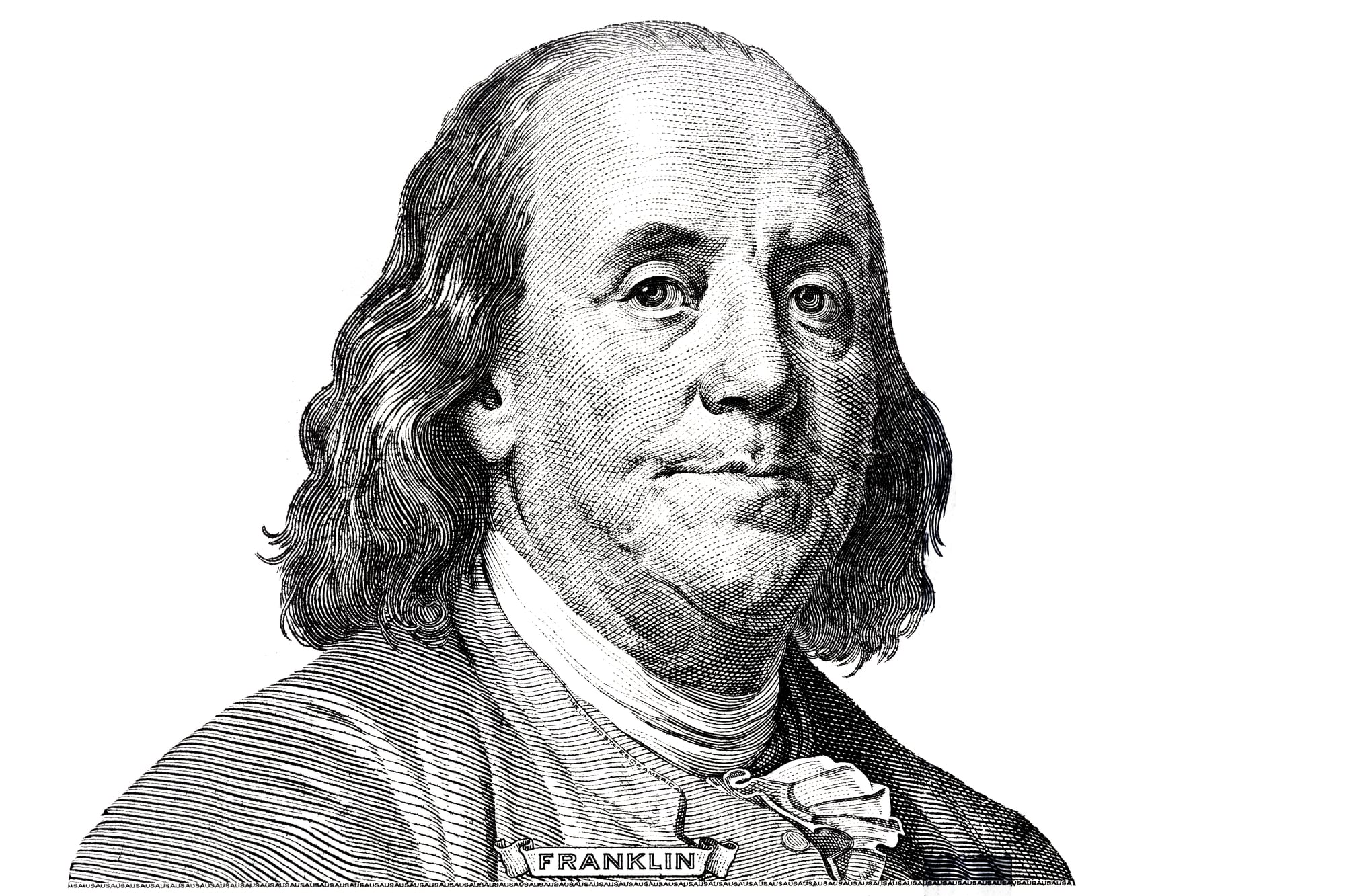
Benjamin Franklin, known for his wit and wisdom, left behind one of the most famous quotes associated with the Declaration of Independence: “We must all hang together, or most assuredly we shall all hang separately.”
This phrase was a reminder of the serious consequences of the signing.
The Age Range of the Signers Was Wide

The men who signed the Declaration spanned a wide range of ages. The youngest signer was Edward Rutledge, just 26 years old, while the oldest was Benjamin Franklin, at 70.
This diversity in age represented the wide scope of the colonial leadership.
The Document Wasn’t Signed by the Entire Continental Congress

Not every member of the Continental Congress was part of the signing process. Some delegates were absent or chose not to sign for personal or political reasons.
For example, John Dickinson, a prominent delegate from Pennsylvania, didn’t sign the document because he opposed immediate independence.
The Declaration Wasn’t Printed on July 4th
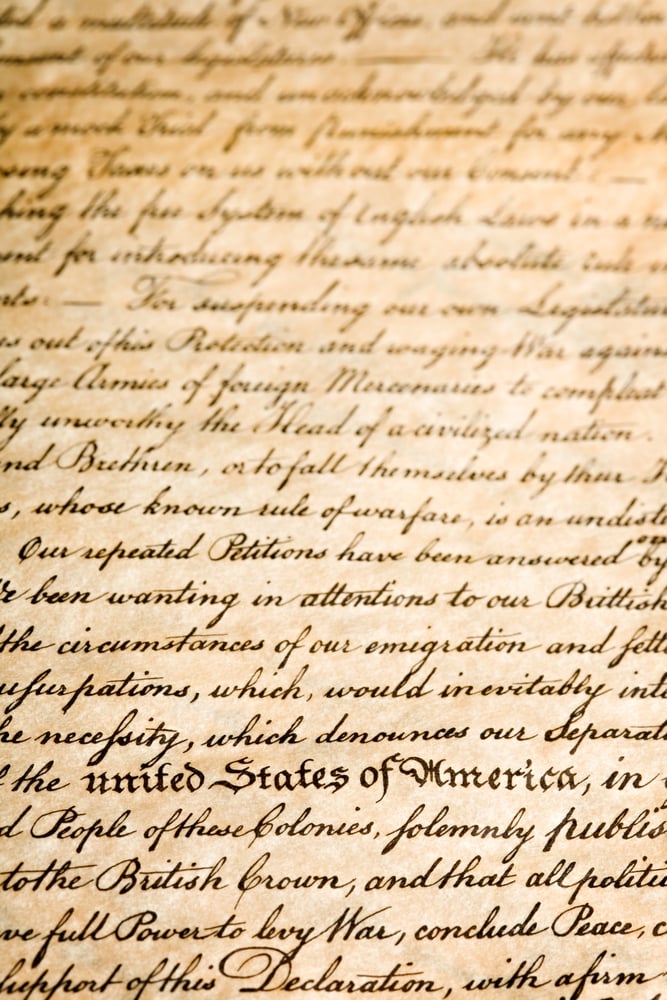
The Declaration of Independence wasn’t printed for public distribution until July 4th, 1776. Instead, it was approved by Congress on that day, and the first official printed version was released to the public on July 5th.
It wasn’t until after the signing that printed copies were made for distribution.
The Document Was Kept Safe in a Special Box
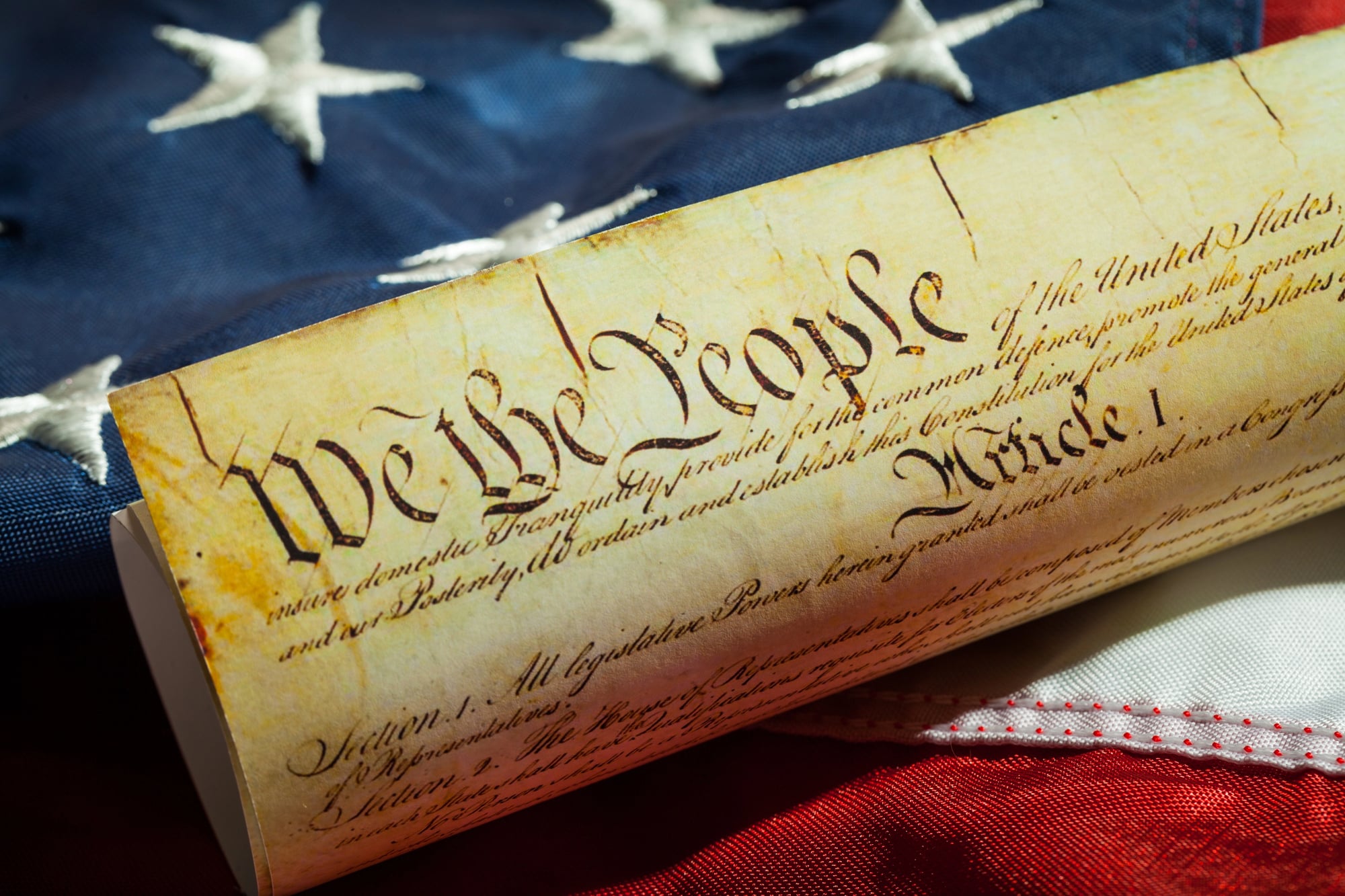
After the signing, the original Declaration of Independence was kept in a special box to protect it from the elements and potential damage.
The document wasn’t framed in glass or displayed openly; it was stored carefully to preserve its historical significance.
A Moment in History with Lasting Impact

Looking back, the signing of the Declaration of Independence wasn’t just about putting pen to paper—it was about a bold choice made by individuals who risked everything for the idea of freedom. These men were not only creating a new nation but also forging a new path forward in human history.
Over time, the impact of their actions only grew. The Declaration has become a symbol of liberty, equality, and democracy, cherished by generations. While the men who signed it are long gone, their legacy endures in every corner of the world, which holds freedom as a core value.
More from Go2Tutors!

- The Romanov Crown Jewels and Their Tragic Fate
- 13 Historical Mysteries That Science Still Can’t Solve
- Famous Hoaxes That Fooled the World for Years
- 15 Child Stars with Tragic Adult Lives
- 16 Famous Jewelry Pieces in History
Like Go2Tutors’s content? Follow us on MSN.