17 Prison Escapes That Rewrote Security Rules
Every major prison escape leaves behind a lesson, usually a painful and expensive one, about exactly where a facility’s security had a blind spot. Many of the escapes below directly changed how prisons operate, from cell inspection protocols to helicopter airspace restrictions.
The Alcatraz Escape of 1962
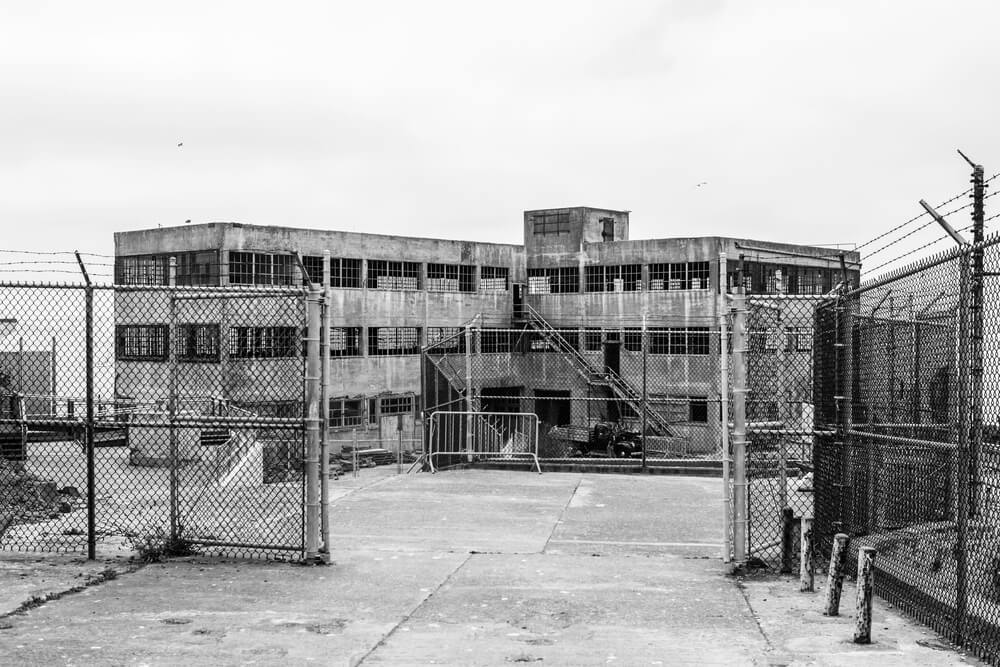
Frank Morris and brothers John and Clarence Anglin used spoons, a homemade drill, and papier-mâché dummy heads to escape their cells at Alcatraz federal penitentiary, disappearing into San Francisco Bay and never being definitively found, dead or alive. The escape exposed critical weaknesses in the prison’s ventilation shaft security and cell wall inspection routines.
It contributed directly to Alcatraz’s closure as a federal penitentiary the following year, and the FBI’s case technically remains open.
The Great Escape, Stalag Luft III

Allied prisoners of war at the German camp Stalag Luft III dug three separate tunnels in 1944 in an escape effort involving over 600 prisoners, with 76 ultimately escaping through the tunnel. Most were recaptured, and 50 were executed on Hitler’s orders, an atrocity that later became a war crime prosecuted at Nuremberg.
The scale of the tunneling operation, which included forged documents and civilian clothing manufactured inside the camp, prompted the Germans to overhaul search and inspection procedures at other POW camps.
The Maze Prison Escape, Northern Ireland
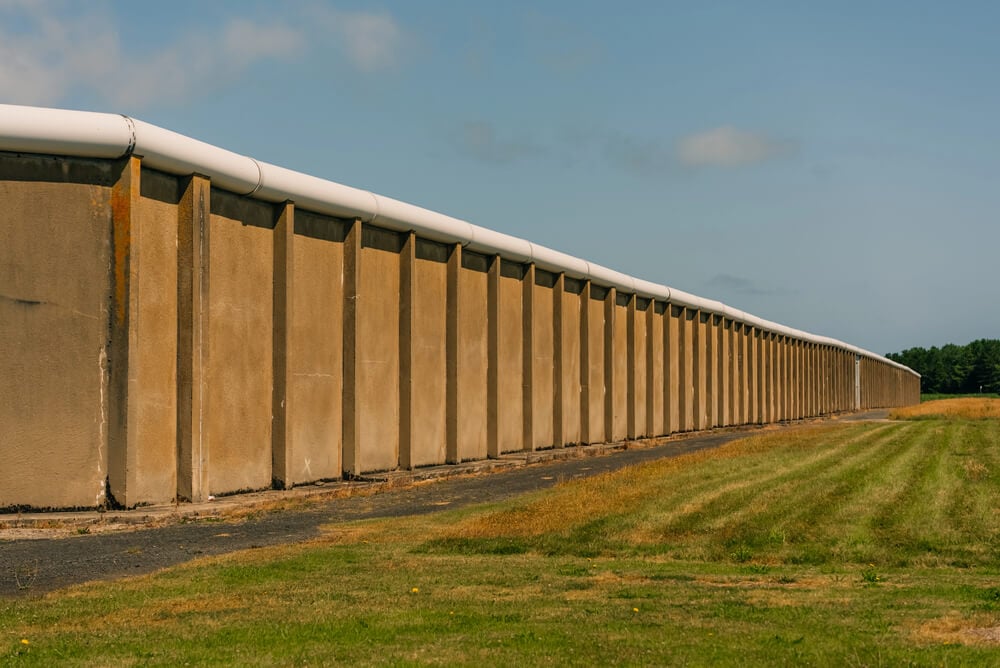
In 1983, 38 Provisional IRA prisoners escaped from the Maze Prison in Northern Ireland in what remains one of the largest prison breaks in UK history, using smuggled firearms to take control of a cell block before breaking out. The escape led to a major independent inquiry and a significant overhaul of security procedures across the UK prison system, particularly around the handling of high-risk categorized prisoners.
Several escapees were later recaptured, while others remained at large for years.
The Texas Seven
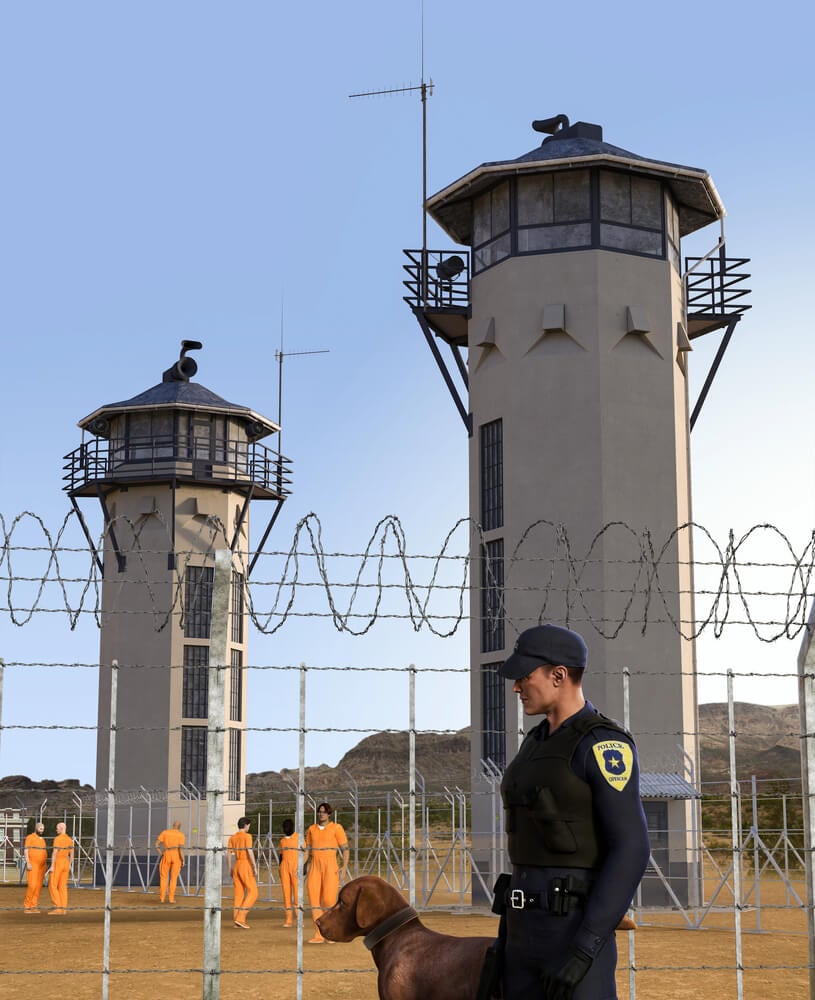
Seven inmates escaped from the John B. Connally Unit in Texas in December 2000 by overpowering staff and stealing weapons, uniforms, and a prison vehicle, later killing a police officer during a robbery before being apprehended. The case led directly to Texas prison system reforms in inmate monitoring and tool-control procedures.
Most of the escapees received death sentences or life imprisonment following their recapture.
The Clinton Correctional Facility Escape

In 2015, inmates Richard Matt and David Sweat escaped from Clinton Correctional Facility in upstate New York using power tools to cut through a cell wall and navigate a network of steam pipes, aided by a prison employee who provided tools. The escape triggered a massive three-week manhunt and led to significant reforms in New York’s prison staff conduct policies and physical security infrastructure.
Matt was killed during the manhunt, while Sweat was recaptured and returned to custody.
The El Chapo Tunnel Escape, Mexico

Drug cartel leader Joaquín “El Chapo” Guzmán escaped from Altiplano maximum security prison in Mexico in 2015 through a mile-long tunnel built directly beneath his cell’s shower area, equipped with lighting, ventilation, and a motorcycle on rails. The escape, his second from Mexican custody, embarrassed the Mexican government internationally and led to a significant overhaul of cell floor inspection protocols across the country’s maximum security facilities.
He was recaptured in 2016 and eventually extradited to the United States.
Pascal Payet’s Helicopter Escapes, France

French criminal Pascal Payet escaped from prison by helicopter on two separate occasions, first in 2001 and again in 2007, with accomplices hijacking helicopters to land directly in prison courtyards. The repeated method forced French authorities to install netting and other anti-helicopter countermeasures over prison exercise yards nationwide.
Payet was recaptured after both escapes and remains in custody under heightened security.
The Libby Prison Tunnel Escape

During the American Civil War, over 100 Union officers held at the Confederate-run Libby Prison in Richmond escaped through a hand-dug tunnel in 1864, the largest prison escape of the war. Roughly half made it to Union lines successfully.
The escape prompted Confederate authorities to increase guard rotations and begin regular floor and wall inspections at other prison facilities.
John Dillinger’s Wooden Gun Escape

Depression-era outlaw John Dillinger escaped from the Crown Point, Indiana jail in 1934 using a gun carved from wood and darkened with shoe polish to bluff his way past guards. The embarrassingly simple method led to nationwide scrutiny of jail security procedures and searches for contraband materials among inmates.
Dillinger was killed by federal agents later that same year.
The Attica Prison Uprising Aftermath Reforms
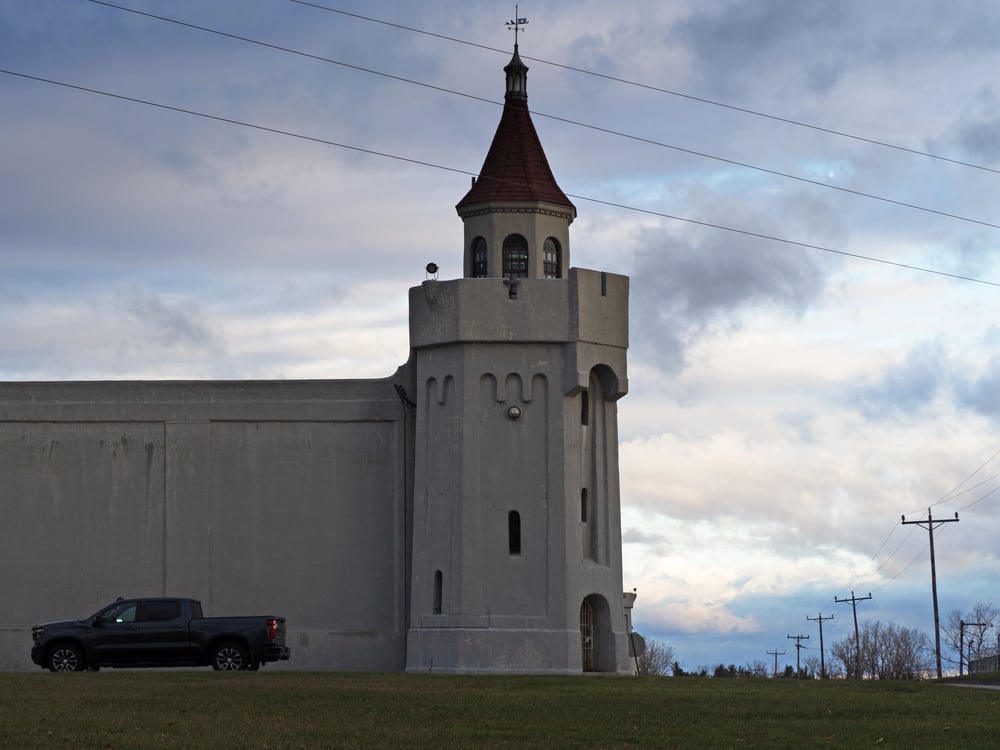
While the 1971 Attica uprising in New York was not itself a successful escape, the standoff exposed severe security and oversight failures that led to sweeping reforms in inmate grievance procedures and use-of-force policy across American prisons. The event, which ended with a state assault that killed both hostages and inmates, remains one of the most consequential prison incidents in American history for policy reform, even without a completed escape.
Curtis Dewayne Watson’s Escape, Tennessee

Convicted murderer Curtis Dewayne Watson escaped a minimum-security work farm in Tennessee in 2019 while assigned to unsupervised outdoor labor, later killing a correctional officer during the escape. The case triggered statewide review of unsupervised inmate work assignment policies in Tennessee’s prison system.
He was recaptured after a multi-day search.
The Wormwood Scrubs Escape, United Kingdom
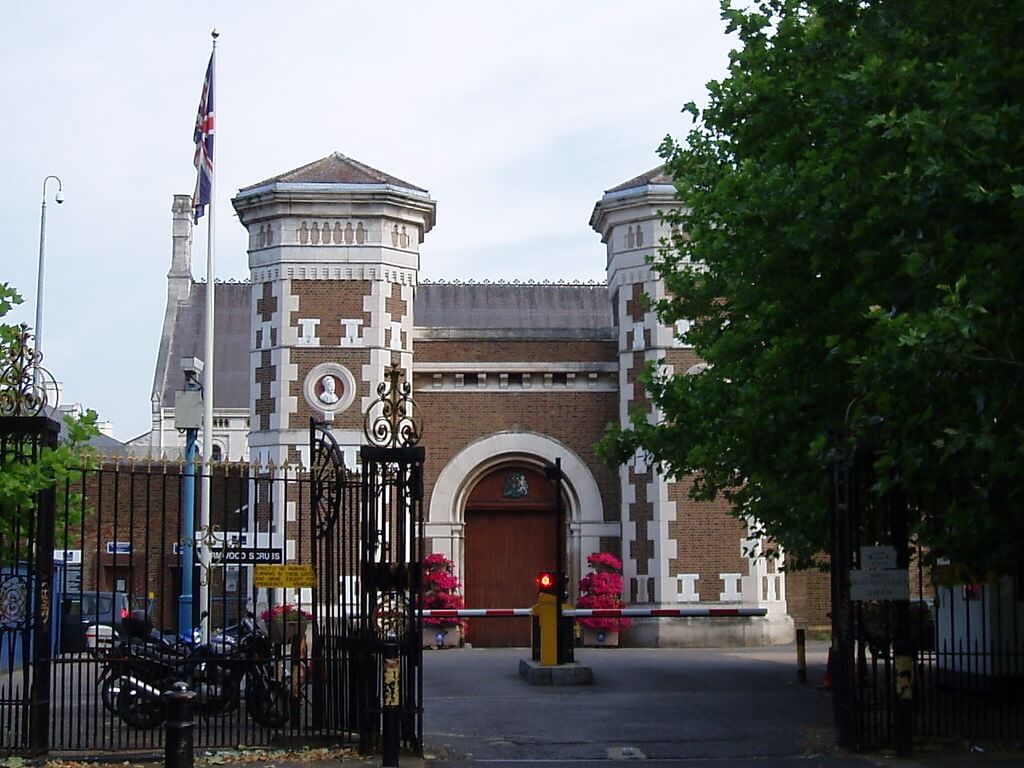
In 1965, spy George Blake escaped from Wormwood Scrubs prison in London using a rope ladder smuggled in by outside accomplices, later resurfacing in the Soviet Union. The escape, given Blake’s status as a convicted double agent, triggered a significant review of security protocols for prisoners convicted of espionage-related offenses in the UK.
He lived the remainder of his life in Moscow, beyond the reach of British authorities.
The Fox River Escape Precedent, Wisconsin
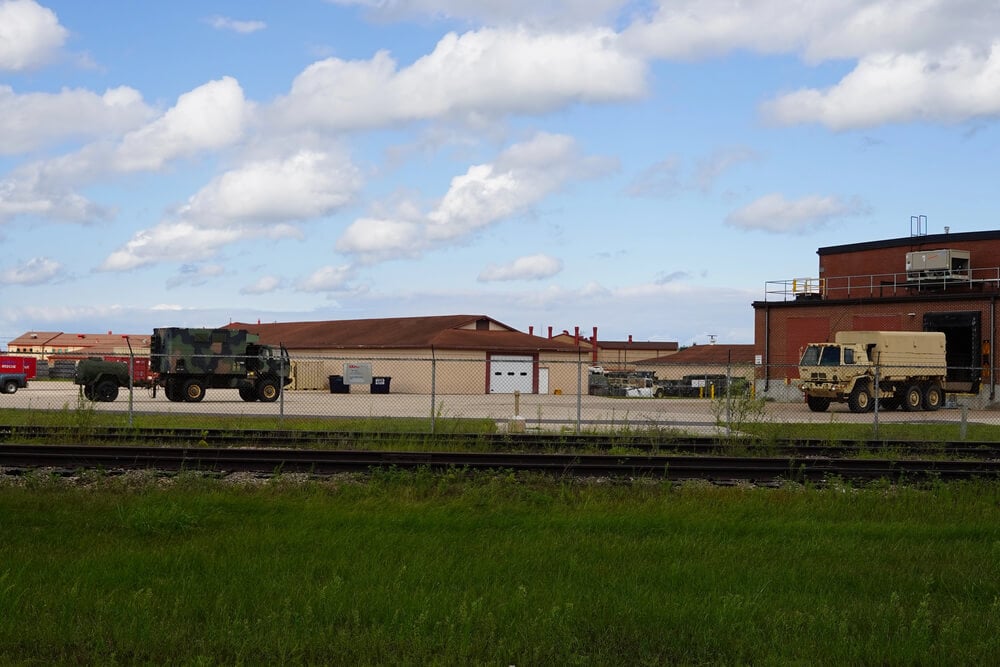
A 2006 escape from the Waupun Correctional Institution in Wisconsin involving forged documents and impersonation led to significant tightening of prisoner release-verification procedures in the state’s Department of Corrections. The case highlighted vulnerabilities in administrative paperwork processes rather than physical security infrastructure.
Reforms focused specifically on identity verification protocols during release processing.
The Menard Correctional Center Escape

Inmates escaped from Illinois’s Menard Correctional Center in 2006 by exploiting weaknesses in a housing unit renovation project, prompting statewide review of security protocols during facility construction and maintenance work. The case underscored how temporary security gaps created by ongoing physical renovations could be exploited.
Illinois subsequently mandated additional security personnel during any future construction at active facilities.
The Dannemora Escape History, New York

Clinton Correctional Facility at Dannemora, New York, the same prison later associated with the 2015 Matt and Sweat escape, had a documented history of earlier escape attempts dating back to the 19th century that prompted successive rounds of wall reinforcement and guard tower additions. The facility’s repeated targeting by escape attempts across more than a century illustrates how security reforms at a single institution can remain an ongoing, unfinished project.
Its layered history of escapes makes it one of the most frequently reinforced prisons in the American Northeast.
The Folsom Prison Escape of 1927

Convict Charlie Howard and several accomplices attempted a violent escape from Folsom State Prison in California in 1927 involving hostage-taking, an event that led directly to changes in how California managed inmate movement between prison work areas. The episode is cited in California correctional history as an early catalyst for formalized inmate classification systems separating high-risk prisoners from general population work assignments.
Reforms following the incident influenced prison design practices statewide for decades.
The Ohio State Penitentiary Fire and Security Overhaul
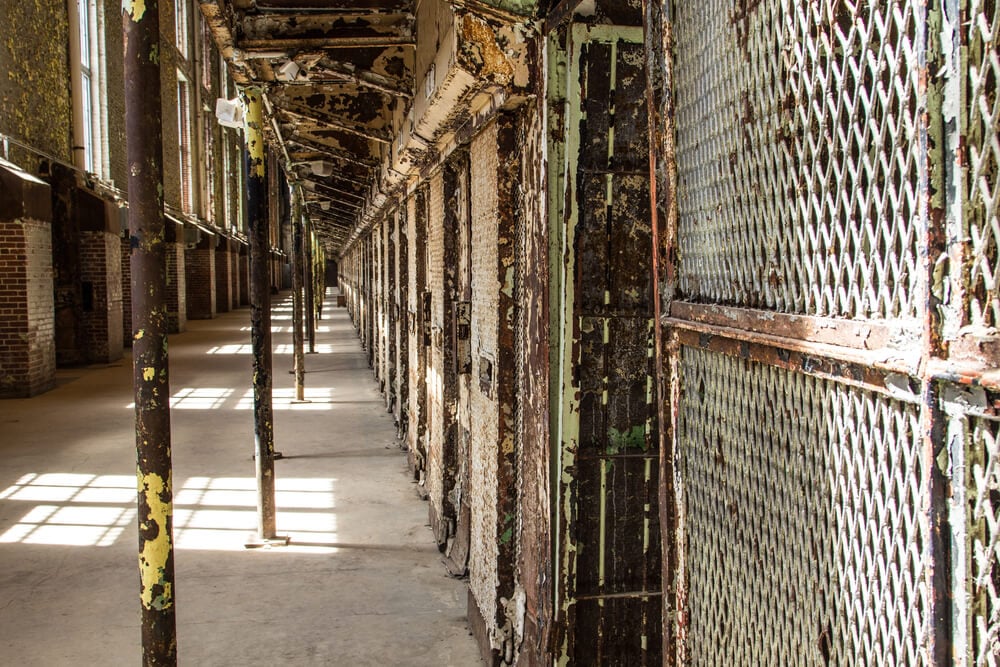
While primarily remembered as a fire disaster rather than an escape, chaotic conditions during the 1930 Ohio State Penitentiary fire led to a documented escape attempt amid the confusion, exposing severe deficiencies in emergency evacuation and headcount procedures. The disaster, one of the deadliest prison fires in American history, prompted sweeping national reforms in prison fire safety and emergency accountability protocols.
Its influence on prison design extended well beyond Ohio in the years that followed.
Rules Written in Hindsight

Prison security rarely improves proactively. Almost every meaningful reform on this list exists because someone found the gap first, and the institution had to catch up after the fact rather than anticipate it.
That pattern says something uncomfortable about how security systems generally work: they’re built to prevent the last escape, not the next one, which is exactly why this list keeps growing instead of closing.
More from Go2Tutors!

- The Romanov Crown Jewels and Their Tragic Fate
- 13 Historical Mysteries That Science Still Can’t Solve
- Famous Hoaxes That Fooled the World for Years
- 15 Child Stars with Tragic Adult Lives
- 16 Famous Jewelry Pieces in History
Like Go2Tutors’s content? Follow us on MSN.