17 Psychological Effects of Living in Space
Humans evolved under Earth’s gravity, surrounded by blue skies and green landscapes. When you remove those constants and place someone in a metal tube orbiting 250 miles above the planet, the mind responds in ways both predictable and strange.
Astronauts describe experiences that sound impossible until you remember they’re floating in a void where sunrise happens 16 times a day. The psychological changes that happen in space reveal something fundamental about how your brain constructs reality.
These effects range from the sublime to the challenging, and understanding them matters as we plan longer missions to the Moon and Mars.
The Overview Effect Reshapes How You See Earth
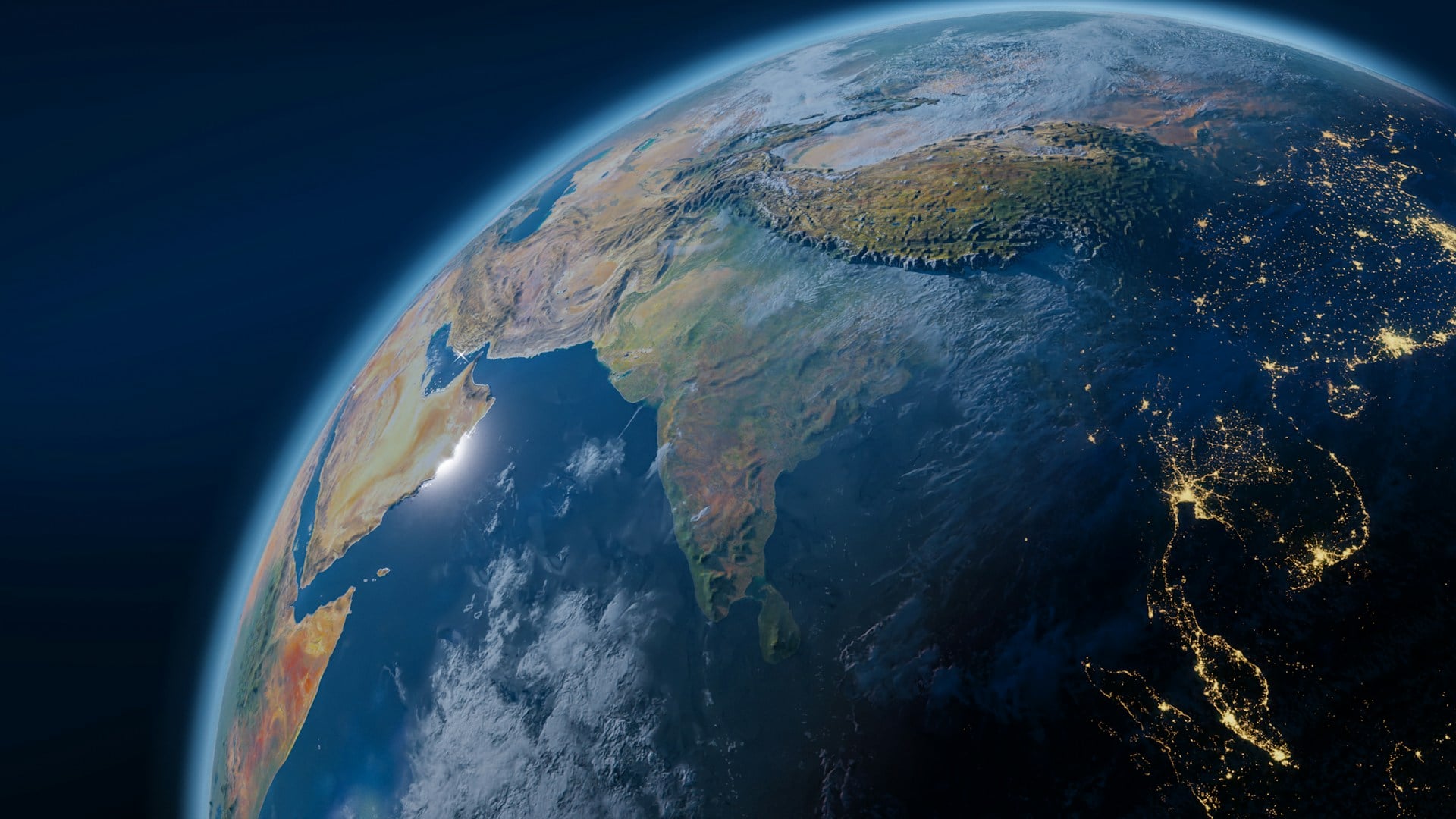
Looking back at Earth from space changes something permanent in the brain. Astronauts report a cognitive shift so profound it has its own name.
The borders that seem so important from ground level vanish. The atmosphere looks paper-thin and fragile.
Many describe feeling an overwhelming sense of connection to all life on the planet. This isn’t just poetry.
The experience alters how astronauts think about their place in the universe. Some become environmental advocates.
Others shift entire career paths after returning. The effect persists years later, suggesting it creates lasting changes in how the brain processes meaning and purpose.
Time Perception Gets Distorted

Your internal clock depends on regular day-night cycles. Remove that rhythm and strange things happen.
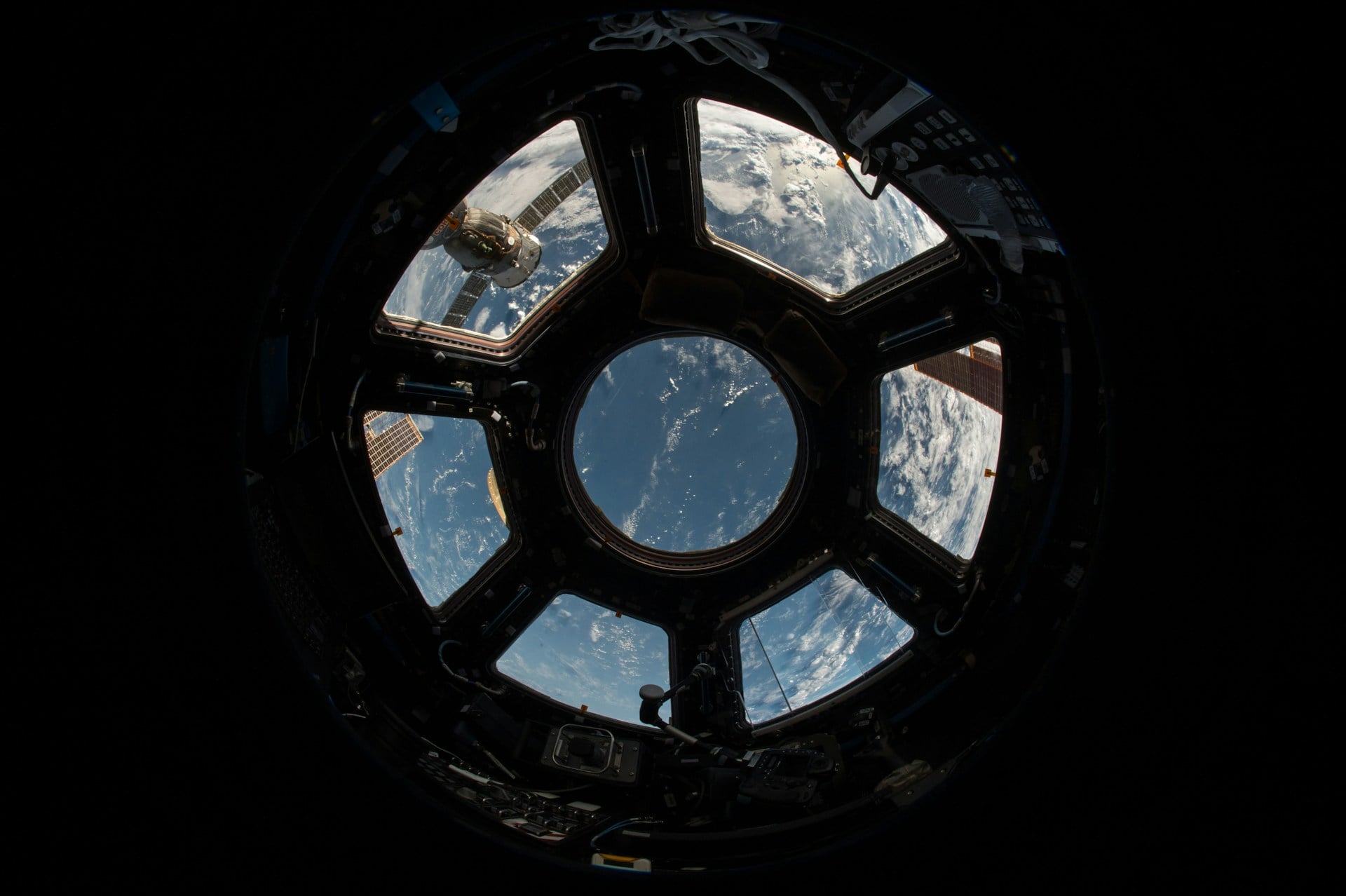
Space station crews experience 16 sunrises and sunsets every 24 hours as they orbit Earth. This confuses the circadian system that regulates sleep, mood, and cognitive function.
Astronauts report that time feels elastic. Some days drag on forever.
Others blur past. Without the usual environmental cues that help you track time, your brain struggles to maintain accurate temporal awareness.
This contributes to sleep problems that affect most people in orbit.
Isolation Amplifies Small Irritations
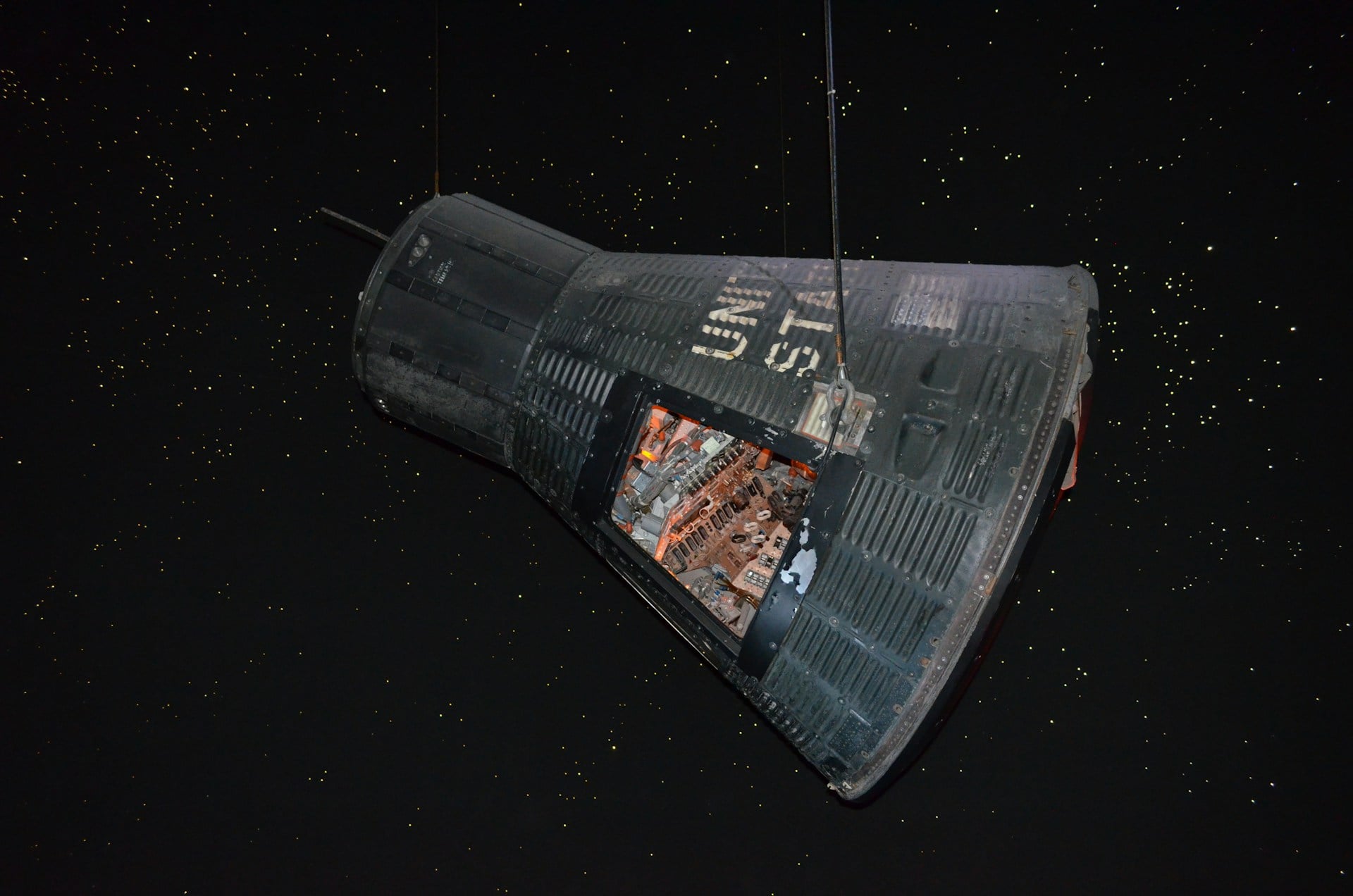
Being stuck with the same few people for months would challenge anyone. But in space, you can’t take a walk to cool off.
You can’t escape to another room. The confined environment means minor annoyances grow into major frustrations.
Studies of Antarctic researchers and submarine crews show similar patterns. That crewmate’s eating sounds become unbearable.
Someone’s work habits grate on your nerves. These feelings intensify over time, and managing them requires conscious effort and good communication protocols.
The Absence of Privacy Wears on You
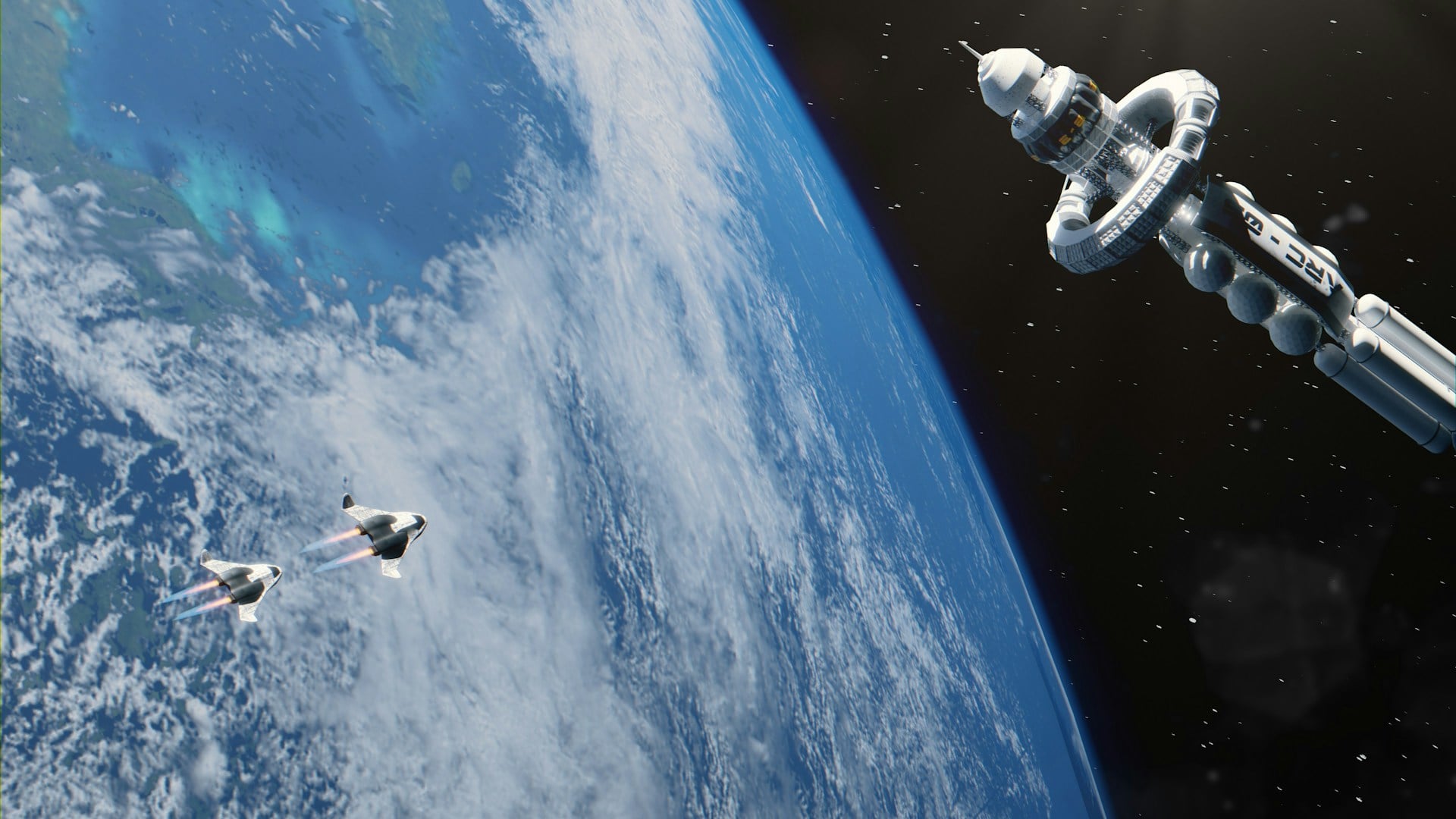
Space stations offer little opportunity for solitude. You sleep in a closet-sized compartment.
Someone always hears you. Cameras monitor most areas.
Phone calls home happen with mission control listening. Humans need privacy to process emotions and maintain psychological health.
Without it, stress accumulates. You can’t fully relax.
The lack of personal space contributes to the mental fatigue that builds during long missions.
Homesickness Hits Harder Than Expected

Even the most prepared astronauts experience intense longing for Earth. You miss weather.
You miss the feeling of wind. You miss being able to step outside.
Simple pleasures like feeling rain or smelling fresh air become objects of deep yearning. The distance creates a unique type of homesickness.
You can see your home planet through the window, but you can’t reach it. That proximity combined with complete inaccessibility creates psychological tension.
Video calls with family sometimes make it worse rather than better.
Your Sense of Direction Disappears

On Earth, your brain uses gravity to establish up and down. In microgravity, those concepts lose meaning.
You can work on the ceiling as easily as the floor. This freedom sounds exciting, but it confuses your spatial orientation systems.
New astronauts often feel disoriented for days or weeks. Your inner ear sends conflicting signals.
The visual information doesn’t match what your balance system expects. Some adapt quickly.
Others struggle with persistent confusion about their position in three-dimensional space.
The Need for Nature Becomes Overwhelming

Humans lived surrounded by plants, animals, and natural landscapes for millions of years. Space stations contain metal, plastic, and artificial lighting.
The complete absence of nature affects mental health in measurable ways. Astronauts treasure the few plants grown aboard the station.
Looking at Earth through the window provides some relief. But the lack of natural environments contributes to stress and cognitive fatigue.
Future missions plan to include more plants, partly for food but also for psychological benefits.
Perfectionism Turns Dangerous
Space missions demand attention to detail. Small mistakes can kill people.
This creates pressure to perform flawlessly all the time. That pressure becomes psychologically exhausting.
Some astronauts develop unhealthy perfectionism. They obsess over minor errors.
They work too many hours. The inability to accept normal human mistakes increases anxiety and reduces overall effectiveness.
Mission planners now watch for this pattern and intervene when they see it developing.
Sleep Deprivation Becomes Chronic
Most astronauts don’t sleep well in space. The factors combine and reinforce each other.
The disrupted light-dark cycles confuse your circadian rhythm. The sleeping bags feel strange.
Background noise from fans and equipment makes silence impossible. Anxiety about missing alarms keeps you half-awake.
Studies show astronauts average about six hours of sleep per night, well below the recommended amount. This chronic sleep loss impairs judgment, slows reaction times, and worsens mood.
It ranks among the most serious psychological challenges of spaceflight.
Your Emotional Responses Flatten

Extended time in space seems to dampen emotional reactivity. Astronauts report feeling less excited about things that would normally thrill them.
They also feel less upset about problems. Everything becomes more muted.
This emotional blunting might serve as a protective mechanism. The brain adapts to the constant low-level stress by reducing overall emotional intensity.
But it also makes experiences feel less meaningful. Some astronauts describe feeling emotionally numb until weeks after returning to Earth.
Cognitive Performance Declines

Research shows that certain mental abilities decrease during spaceflight. Processing speed slows down.
Working memory becomes less reliable. The ability to multitask suffers.
These changes appear temporary, but they matter when you’re trying to operate complex equipment or solve problems. The causes remain unclear.
Sleep deprivation plays a role. So does the stress of the environment.
Radiation exposure might contribute. Whatever the mechanism, the effect is real and measurable.
Mission planners schedule critical tasks for early in missions when cognitive function remains highest.
You Lose Your Sense of Accomplishment

The same tasks repeat endlessly. You fix the same systems.
You run the same experiments. The routine becomes numbing.
Without variety or clear milestones, your brain stops registering progress. This psychological rut affects motivation.
When everything feels like maintenance rather than achievement, it becomes harder to stay engaged. Crews report that special events, like spacewalks or visiting spacecraft arrivals, provide crucial psychological boosts by breaking the monotony.
Earth Looks Both Beautiful and Terrifying

Watching storms, wildfires, and pollution from orbit creates complex feelings. You see the planet’s beauty in stunning detail.
But you also see human damage with frightening clarity. Deforestation appears as spreading brown patches.
Cities glow with wasted light. The thinness of the atmosphere becomes obvious.
This dual perspective creates psychological tension. You feel awe at Earth’s beauty and despair at its fragility simultaneously.
Many astronauts struggle to reconcile these competing emotions. The experience often motivates them to speak out about environmental issues after returning.
Social Skills Atrophy

Living with the same few people reduces the need for social flexibility. You learn each other’s patterns.
Conversations become predictable. This narrow social environment allows social skills to rust from disuse.
Astronauts sometimes struggle when they return to Earth’s complex social landscape. Reading strangers’ emotions feels harder.
Small talk seems pointless. The skills that make casual human interaction smooth require practice, and space provides no opportunity for that practice.
Your Appetite for Risk Changes

Space normalizes danger. You float in a thin metal shell surrounded by a deadly vacuum.
Equipment failures could kill you. Radiation silently damages your cells.
Living with these threats every day recalibrates your perception of risk. Some astronauts become more cautious, hyperaware of every potential danger.
Others move in the opposite direction, developing a fatalistic attitude that makes normal Earth risks seem trivial. Either change can create problems with judgment both during and after missions.
The Lack of Sensory Input Creates Hunger for Stimulation

Space stations offer limited sensory variety. Everything looks industrial.
Sounds repeat on a loop. There’s no weather to experience.
Touch sensations become monotonous when you float rather than walk. Even food tastes bland because fluid shifts in your body dull taste buds.
This sensory deprivation creates a deep hunger for new experiences. Astronauts describe craving simple things like feeling grass under their feet or tasting fresh fruit.
The brain evolved expecting constant sensory novelty, and it suffers when deprived of that input for months.
Existential Questions Intensify
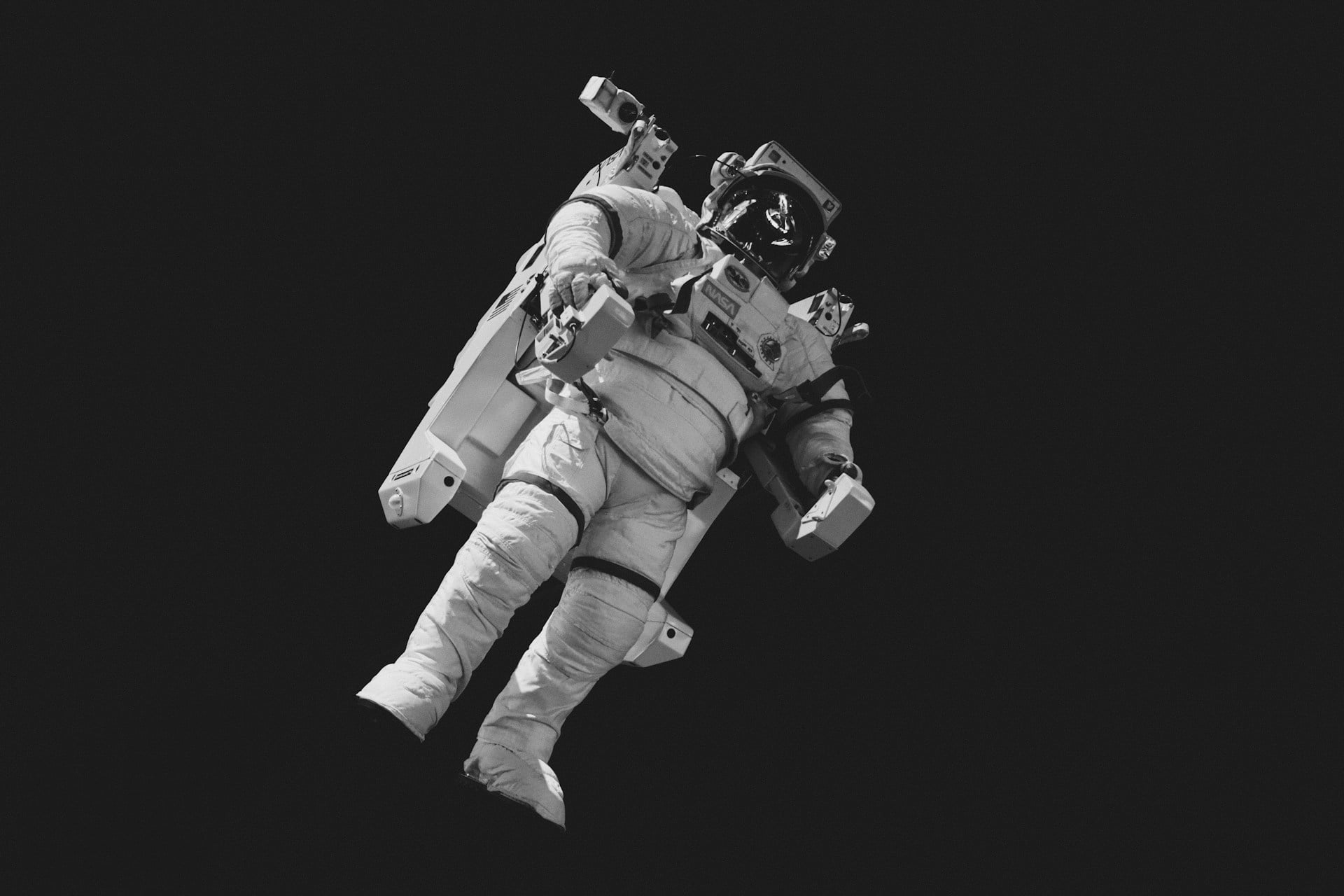
Floating in darkness above Earth raises questions that feel less urgent on the ground. What does your life mean?
Why does humanity exist? The vastness of space and the beauty of Earth combine to trigger profound philosophical contemplation.
These questions can provide meaning or cause distress. Some astronauts find the experience spiritually enriching.
Others struggle with feelings of insignificance. The confrontation with cosmic scale and human mortality becomes unavoidable when you watch the planet turn beneath you.
When Earth Calls You Back

The mental impact of being in space sticks around even after you’re back on solid ground. Because your mind was busy getting used to floating and being alone for months at a time.
So now, dealing with regular gravity feels strange again – on top of reconnecting with people and noise. Shifting from that quiet routine into daily life throws up new hurdles.
Some astronauts say they feel out of sync when back home. Since their journey was unlike anything most folks go through.
The planet feels noisy, packed, maybe even chaotic. Things weigh more than expected.
Moving around takes focus, like relearning a skill. Getting used to life again might take weeks or longer.
While certain changes stick around for good. Grasping these mental effects gets astronauts ready for what’s ahead while helping those who come back home.
With trips stretching further and lasting longer, handling emotions matters just as much as fixing oxygen gear. Space reshapes you – sometimes beautifully, sometimes hard – and anyone dreaming of launch should know this upfront.
More from Go2Tutors!

- The Romanov Crown Jewels and Their Tragic Fate
- 13 Historical Mysteries That Science Still Can’t Solve
- Famous Hoaxes That Fooled the World for Years
- 15 Child Stars with Tragic Adult Lives
- 16 Famous Jewelry Pieces in History
Like Go2Tutors’s content? Follow us on MSN.



