Menu Flops That Sparked Outrage
Fast food chains live and die by their menus. One wrong move and customers revolt faster than you can say “limited time offer.” Sometimes a beloved item disappears without warning. Other times, a replacement arrives that nobody asked for. The internet remembers everything, and when it comes to menu disasters, the collective memory runs deep with very specific grudges.
New Coke
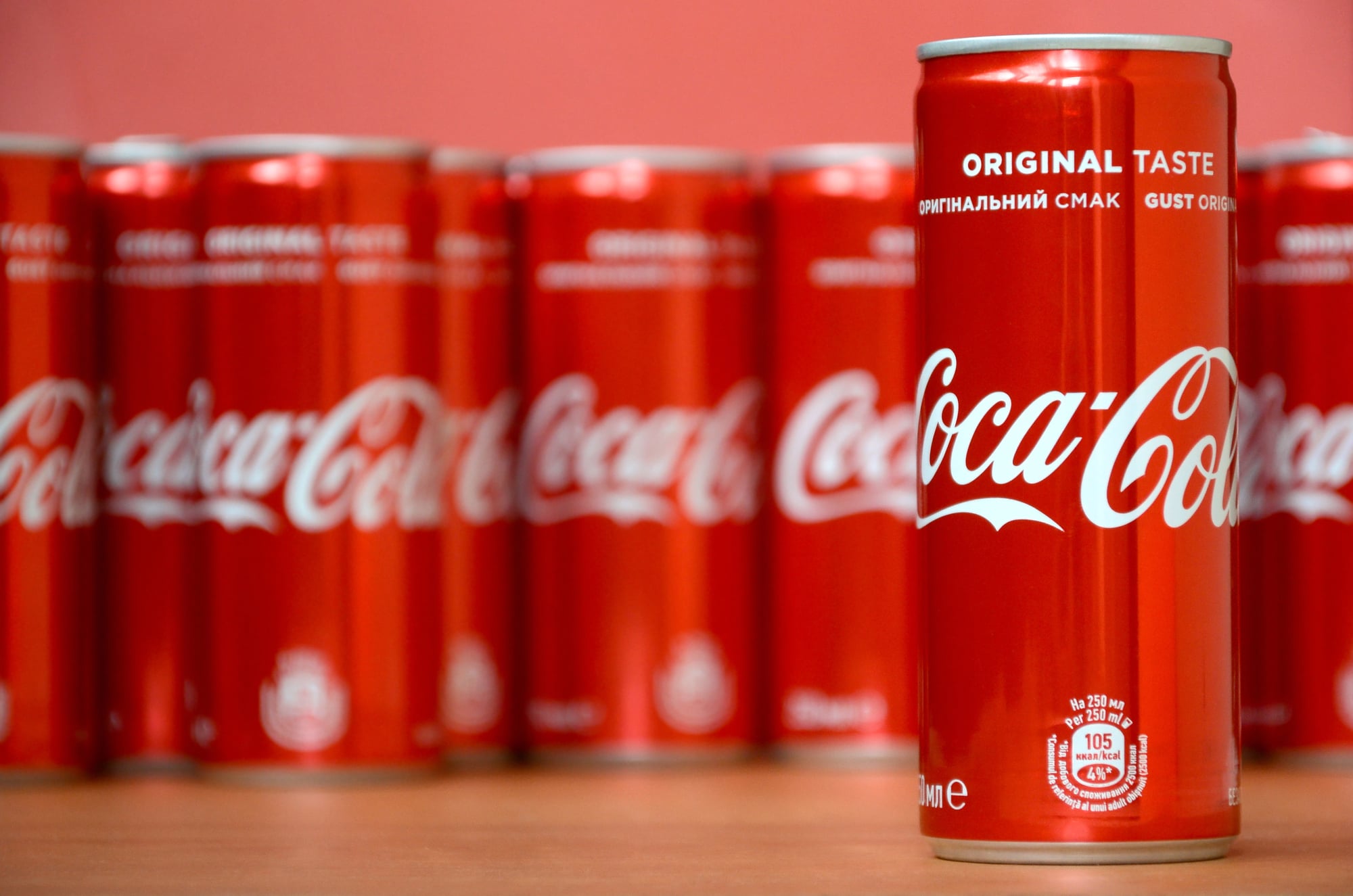
Coca-Cola decided to fix something that wasn’t broken in 1985. They reformulated their classic recipe and launched New Coke with fanfare that quickly turned into funeral bells.
The sweeter formula tested well in focus groups, but real-world customers felt betrayed on a personal level. The backlash was immediate and merciless.
People hoarded old Coke bottles like they were preparing for the apocalypse. Protest hotlines crashed from angry calls. Within 79 days, Coca-Cola brought back the original formula as “Coca-Cola Classic” — essentially admitting their mistake in the most expensive way possible.
McDonald’s Arch Deluxe
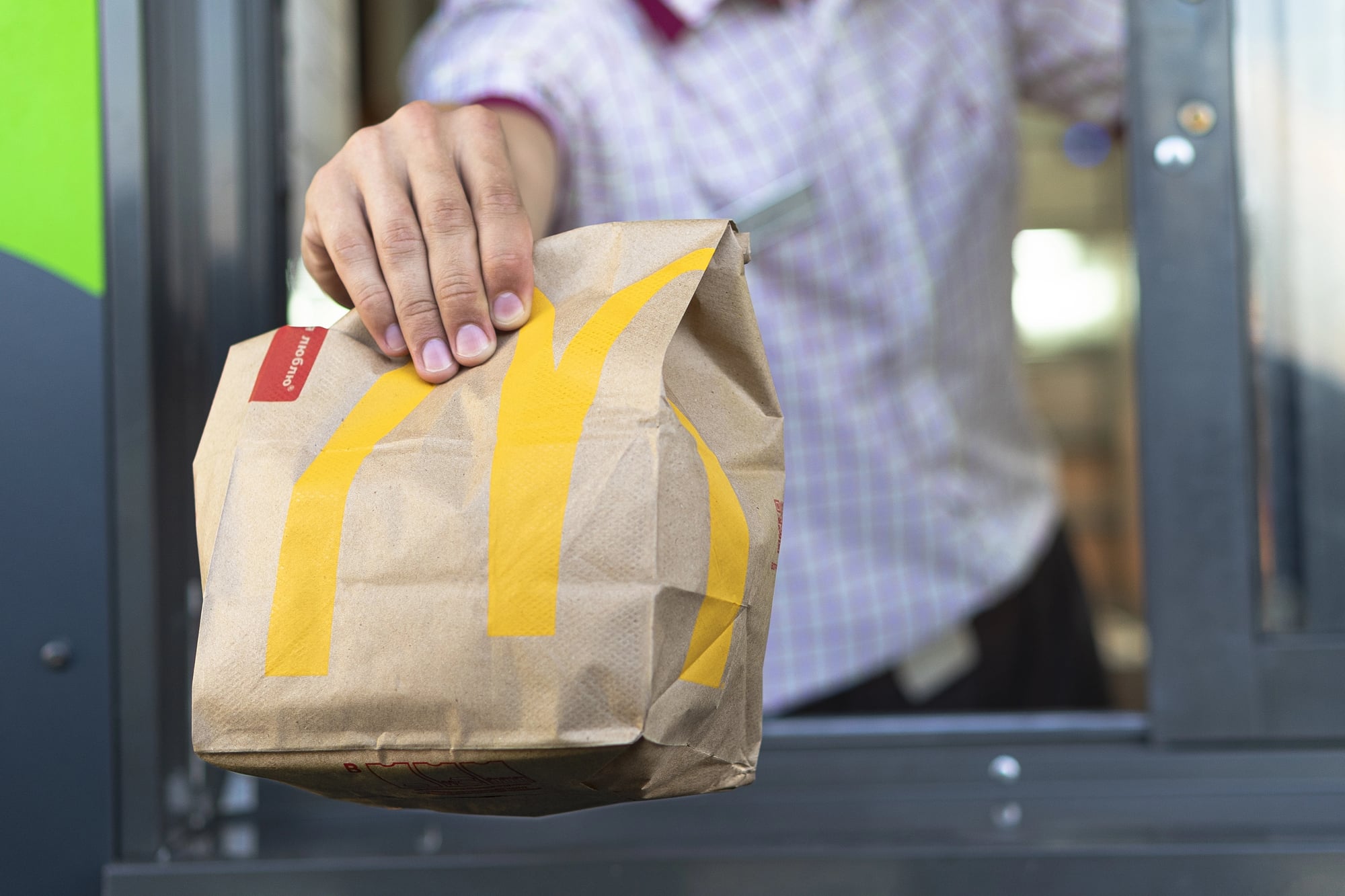
McDonald’s wanted to attract adults in 1996 with a “grown-up” burger. The Arch Deluxe featured a quarter-pound patty, lettuce, tomato, cheese, onions, ketchup, and a special mustard-mayo sauce on a potato flour sesame seed bun.
The marketing campaign cost $150 million and positioned it as the burger “with the grown-up taste.” Adults weren’t interested, and kids actively avoided it because the commercials told them it wasn’t for them.
The burger lasted about five years but never gained traction. McDonald’s had misread their audience entirely — people didn’t go to McDonald’s for sophistication, they went for familiar comfort food at predictable prices.
Taco Bell’s Mexican Pizza discontinuation
When Taco Bell announced in 2020 that Mexican Pizza was getting axed, the internet lost its collective mind. This wasn’t just any menu item — it was a cult favorite that had survived decades while other items came and went.
The reasoning (environmental concerns about the packaging) felt insufficient to fans who had been ordering this thing since the 1980s. The outcry was so intense that Taco Bell brought it back permanently in 2022.
But the temporary disappearance had created a mythology around Mexican Pizza that elevated it from popular menu item to cultural touchstone. Sometimes removing something reveals its true value.
KFC recipe change rumors
KFC has faced recurring accusations about changing their Original Recipe, and each time the rumors surface, longtime customers react with the intensity of people whose childhood memories are being personally attacked. The company consistently denies making changes to the blend of 11 herbs and spices, but customers swear the chicken tastes different than it did decades ago (which probably has more to do with changes in chicken farming and preparation methods than the actual seasoning, but logic doesn’t calm nostalgic taste buds, and Colonel Sanders isn’t around to settle the debate — though his heirs have occasionally weighed in, which only adds more fuel to the conspiracy theories).
Subway’s $5 Footlong price increase
Subway built an empire on the $5 Footlong promotion, complete with a jingle that burrowed into America’s collective consciousness. When economic reality forced price increases, customers felt genuinely deceived.
The promotion had run so long that people considered $5 the fair price for a footlong sandwich. The anger wasn’t just about paying more money.
Subway had trained customers to expect a specific value proposition, and breaking that promise felt like false advertising. The company tried various workarounds and limited-time returns to the $5 price point, but the magic was broken.
Pizza Hut’s recipe overhaul
Pizza Hut announced in 2014 that they were changing their pizza recipe for the first time in decades. New sauce, new cheese blend, new crust — essentially a completely different product wearing the same brand name.
They called it their “bold new recipe” and marketed it as an improvement. Customers who had grown up with the old Pizza Hut recipe felt like their favorite restaurant had been replaced by an imposter.
The chain was struggling against newer competitors, but alienating existing customers while trying to win new ones proved risky. Many longtime fans never came back, preferring to remember Pizza Hut the way it used to be rather than accept the new version.
Chipotle’s queso launch
Chipotle resisted adding queso for years, insisting their menu was perfect as designed. When they finally caved to customer demand in 2017, the result was a disaster.
The queso was grainy, separated easily, and tasted like processed cheese sauce trying to pass for artisanal. The irony stung particularly hard. Customers had begged for queso, assuming Chipotle would nail it the same way they had perfected their other ingredients.
Instead, the company that prided itself on food quality delivered something that belonged in a gas station nacho dispenser. They eventually reformulated it, but the initial launch remains a textbook example of how anticipation can make failure more painful.
McDonald’s discontinuation of pink slime
McDonald’s announced in 2012 that they would stop using “lean finely textured beef” (nicknamed “pink slime” by critics) in their burgers. This should have been good news for customers concerned about food quality, but the announcement backfired by confirming that pink slime had been in the burgers all along.
Many customers had assumed McDonald’s beef was just ground beef, nothing more. Learning about the industrial processing techniques and ammonia treatments that went into their food made them question what else they didn’t know about their meals.
The transparency was appreciated, but it came too late to prevent a trust problem.
Starbucks’ holiday cup controversies
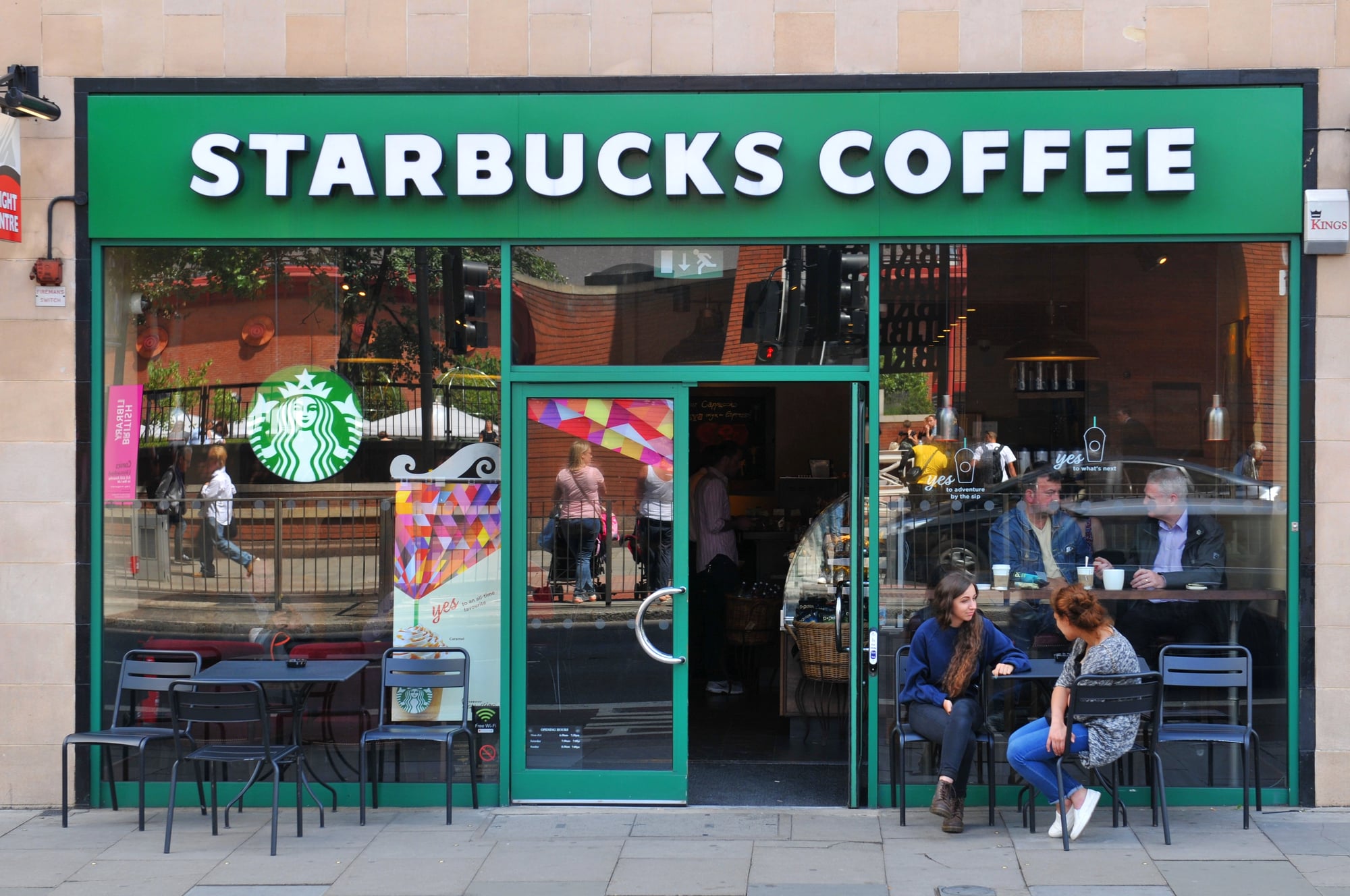
Starbucks’ annual holiday cup designs have sparked multiple controversies, with customers dissecting color choices and imagery for deeper meaning. The 2015 plain red cups triggered accusations that Starbucks was waging a “war on Christmas” by removing holiday symbols.
The reactions revealed how much emotional weight customers place on seasonal traditions, even corporate ones. A coffee cup had become a symbol of cultural identity, and any deviation from expectation felt like a personal slight. Starbucks learned that even small design choices carry political implications when your brand is ubiquitous.
Wendy’s spicy nugget availability
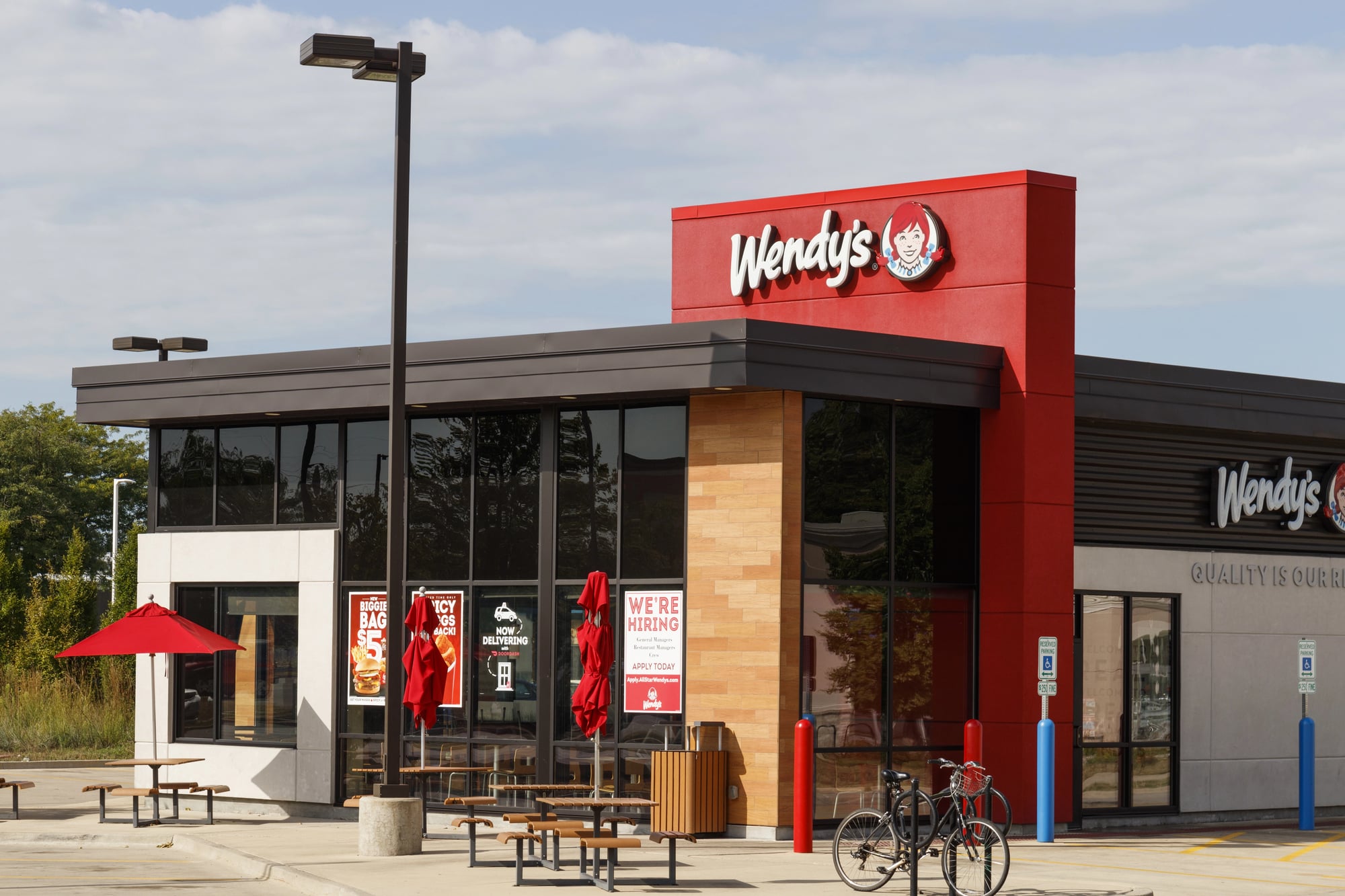
Wendy’s spicy chicken nuggets have been discontinued and brought back multiple times, creating a cycle of customer outrage and celebration. Each disappearance triggers social media campaigns demanding their return, complete with petitions and celebrity endorsements.
The intermittent availability has actually increased demand beyond what constant availability might have achieved. Scarcity creates urgency, and customers who might have taken spicy nuggets for granted suddenly become passionate advocates when faced with their potential loss.
Dunkin’ Donuts’ actual donut reduction
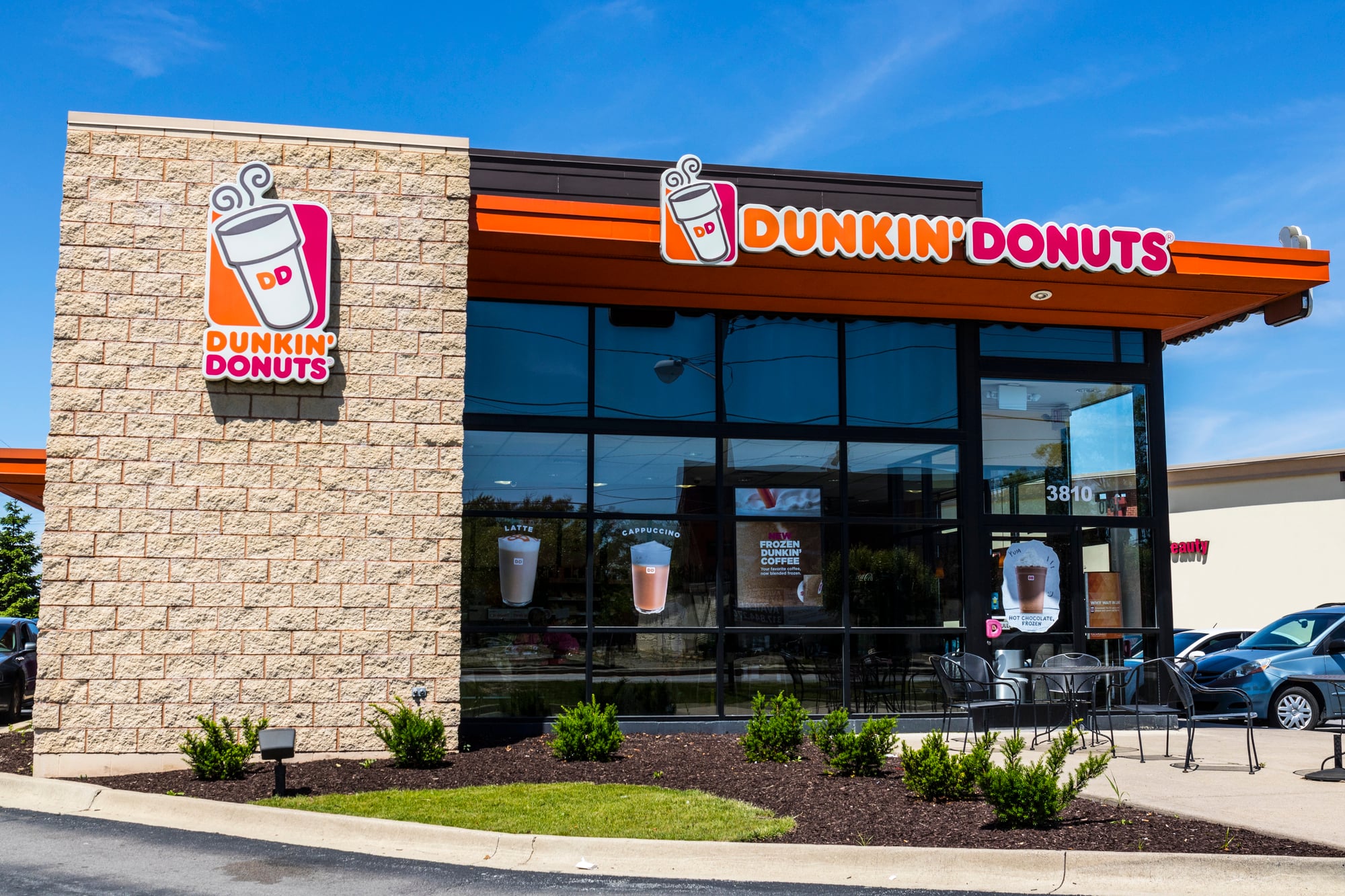
Dunkin’ Donuts gradually reduced the number of donut varieties available at most locations, focusing instead on coffee and breakfast sandwiches. This made business sense — donuts are labor-intensive and coffee has higher margins — but customers felt betrayed by the bait-and-switch.
The company name promised donuts, but many locations barely carried a dozen varieties compared to the 50+ options of previous decades. Longtime customers mourned not just specific donut types, but the loss of Dunkin’ as a legitimate bakery rather than just another coffee chain with a few pastries.
Burger King’s french fry formula changes
Burger King has changed their french fry recipe multiple times over the years, and each iteration has disappointed customers who preferred the previous version. The most recent change promised crispier fries with better flavor, but many customers felt the new fries were oversalted and had an artificial taste.
French fries are surprisingly personal. People develop preferences early and expect consistency. When Burger King kept tweaking the formula, they signaled that they hadn’t gotten it right yet — which made customers wonder why they should settle for ongoing experimentation when McDonald’s fries had remained reliably good for decades.
Arby’s market fresh sandwich removal
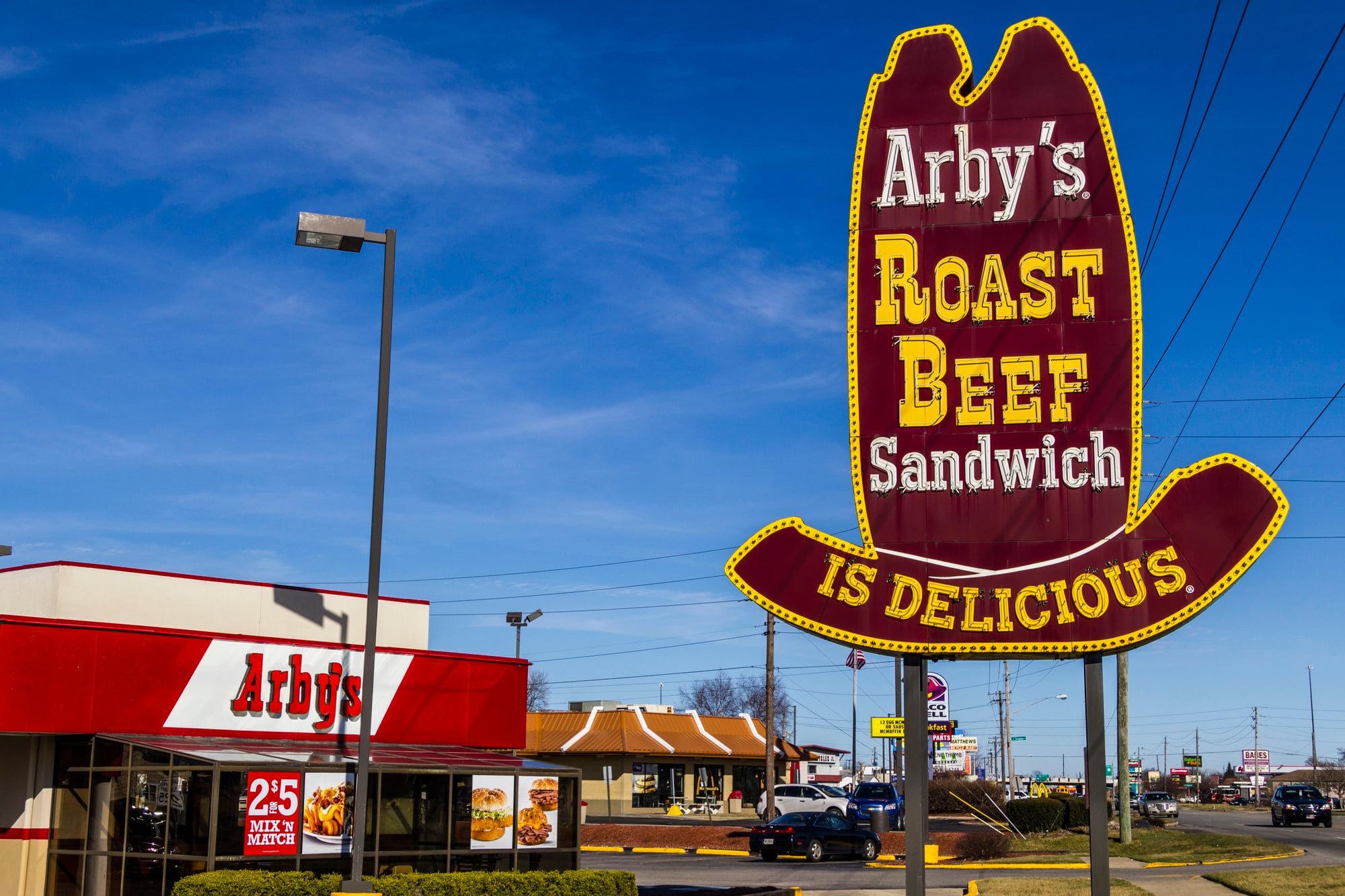
Arby’s quietly removed many of their Market Fresh sandwiches from the menu, eliminating options like the Martha’s Vineyard salad sandwich and various turkey clubs that had attracted customers seeking lighter alternatives to roast beef.
The removal felt particularly cruel because these sandwiches had drawn in customers who might not otherwise eat at Arby’s. People who had found their one favorite item at a restaurant they rarely visited suddenly had no reason to return. It’s one thing to lose customers who eat everywhere — it’s another to lose customers you specifically converted.
The persistence of menu heartbreak
Menu changes reveal the emotional relationships people develop with food brands. A discontinued item isn’t just lost revenue — it’s a broken promise to customers who planned their meals around specific options.
The most successful chains understand that consistency builds loyalty, while constant changes signal instability. Sometimes the best menu decision is simply leaving things alone.
More from Go2Tutors!

- The Romanov Crown Jewels and Their Tragic Fate
- 13 Historical Mysteries That Science Still Can’t Solve
- Famous Hoaxes That Fooled the World for Years
- 15 Child Stars with Tragic Adult Lives
- 16 Famous Jewelry Pieces in History
Like Go2Tutors’s content? Follow us on MSN.



