Jets That Changed The Rules Of Dogfights
Air combat was never supposed to evolve this fast. For decades, fighter pilots relied on predictable patterns—get close, maneuver for position, fire when you had a clear shot.
Then came jets that refused to follow the old playbook. These aircraft didn’t just push boundaries; they rewrote the fundamental assumptions about what aerial warfare could be.
The machines on this list didn’t just win battles. They forced every other air force to reconsider their entire approach to fighter design, pilot training, and combat tactics.
Some dominated through raw speed, others through technology so advanced it seemed like science fiction. A few changed everything by proving that the conventional wisdom about dogfighting was completely wrong.
Messerschmitt Me 262
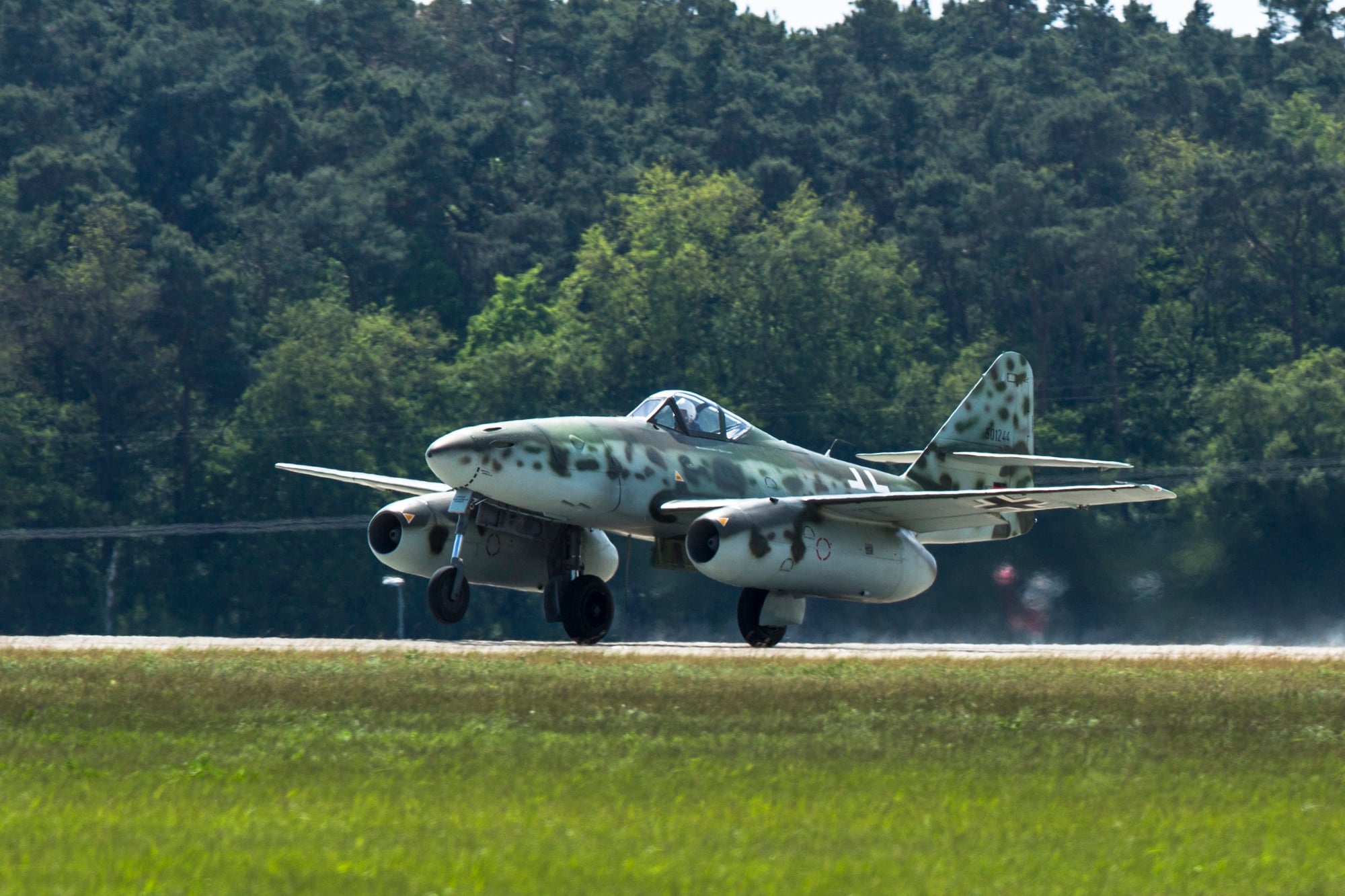
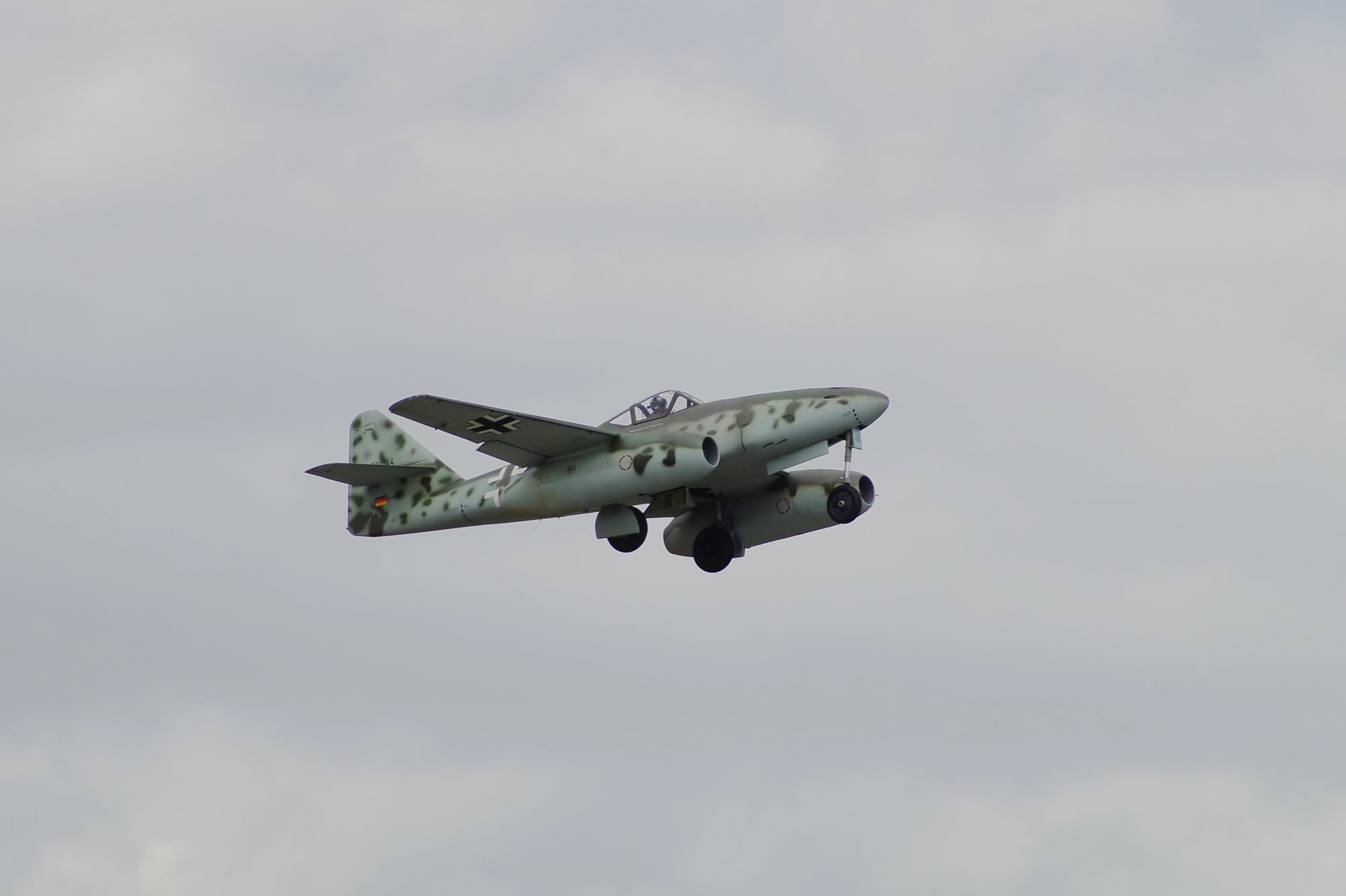
The Me 262 appeared over European skies like a visitor from the future. No propeller.
No familiar engine sound. Just a sleek, shark-like silhouette moving faster than anything Allied pilots had ever encountered.
This was the world’s first operational jet fighter, and it made every piston-engine aircraft instantly obsolete. The speed advantage was so dramatic that traditional dogfighting tactics became useless—you couldn’t turn-fight something that could accelerate away from trouble at will.
F-86 Sabre
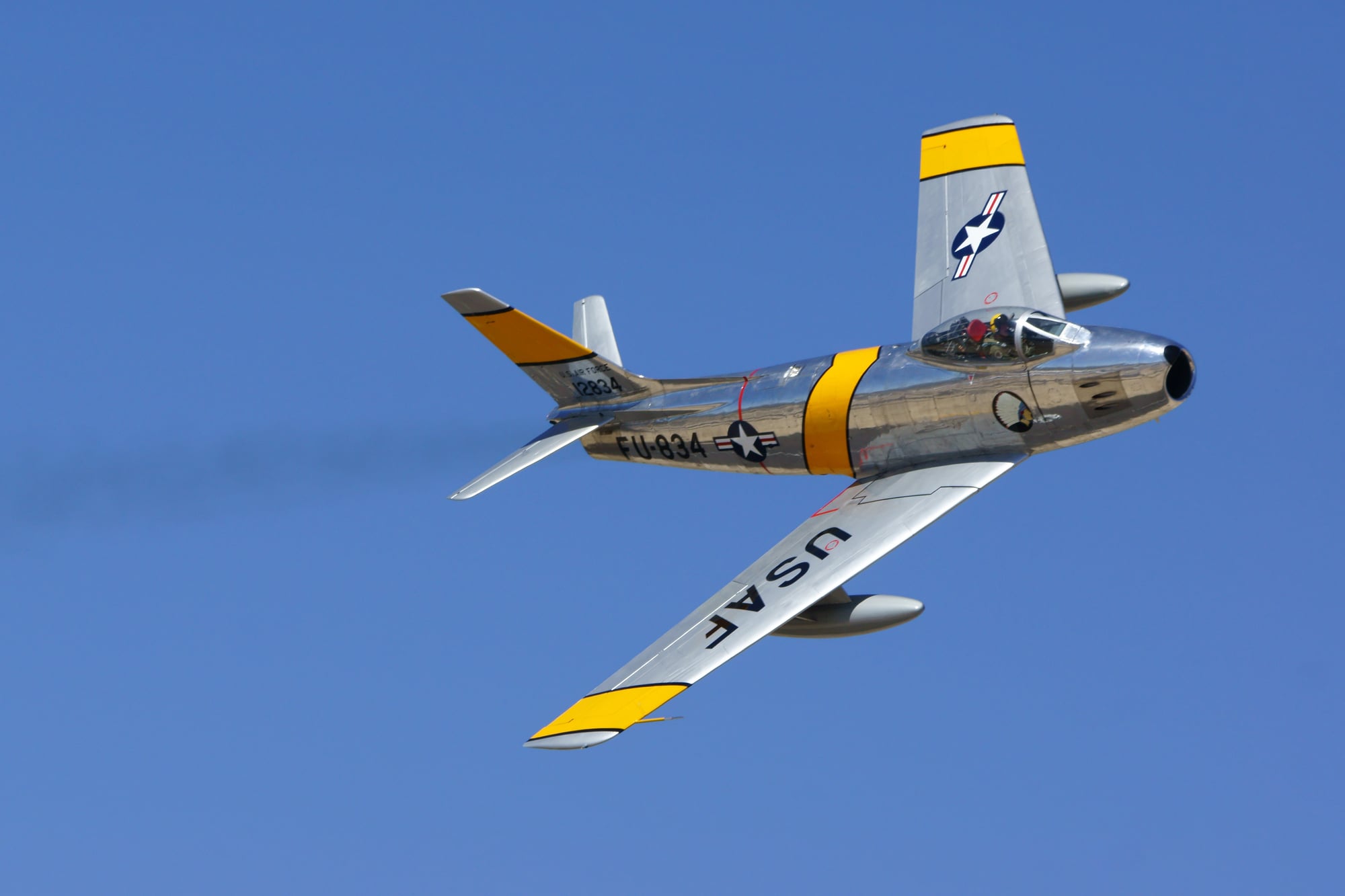
Korea taught American pilots that jet combat was an entirely different game, and the F-86 was their education (though education might be too gentle a word for what happened when inexperienced pilots met experienced MiG drivers in the thin air above the Yalu River). The Sabre’s swept wings and hydraulic controls gave pilots the precision they needed to survive in an environment where split-second reactions meant the difference between going home and becoming another casualty statistic.
And yet—this was the crucial part—the F-86 proved that American pilots could adapt to jet warfare faster than anyone expected, turning what looked like a technological disadvantage into air superiority through better training and, frankly, better tactics.
The all-flying tail was the detail that mattered most, though few people outside of test pilot circles understood why at the time. So much of early jet design was guesswork.
Engineers were working with aerodynamics they didn’t fully understand yet.
MiG-15
Speed alone wasn’t enough to dominate jet combat. The MiG-15 proved that climbing fast and hitting hard could be just as effective as pure velocity.
Soviet designers built this fighter around a simple concept: get above American bombers quickly and destroy them with heavy cannon fire.
The strategy worked better than anyone expected. B-29s that had operated with relative impunity during World War II suddenly found themselves vulnerable to an aircraft that could climb to their altitude in minutes and attack with devastating firepower.
F-104 Starfighter
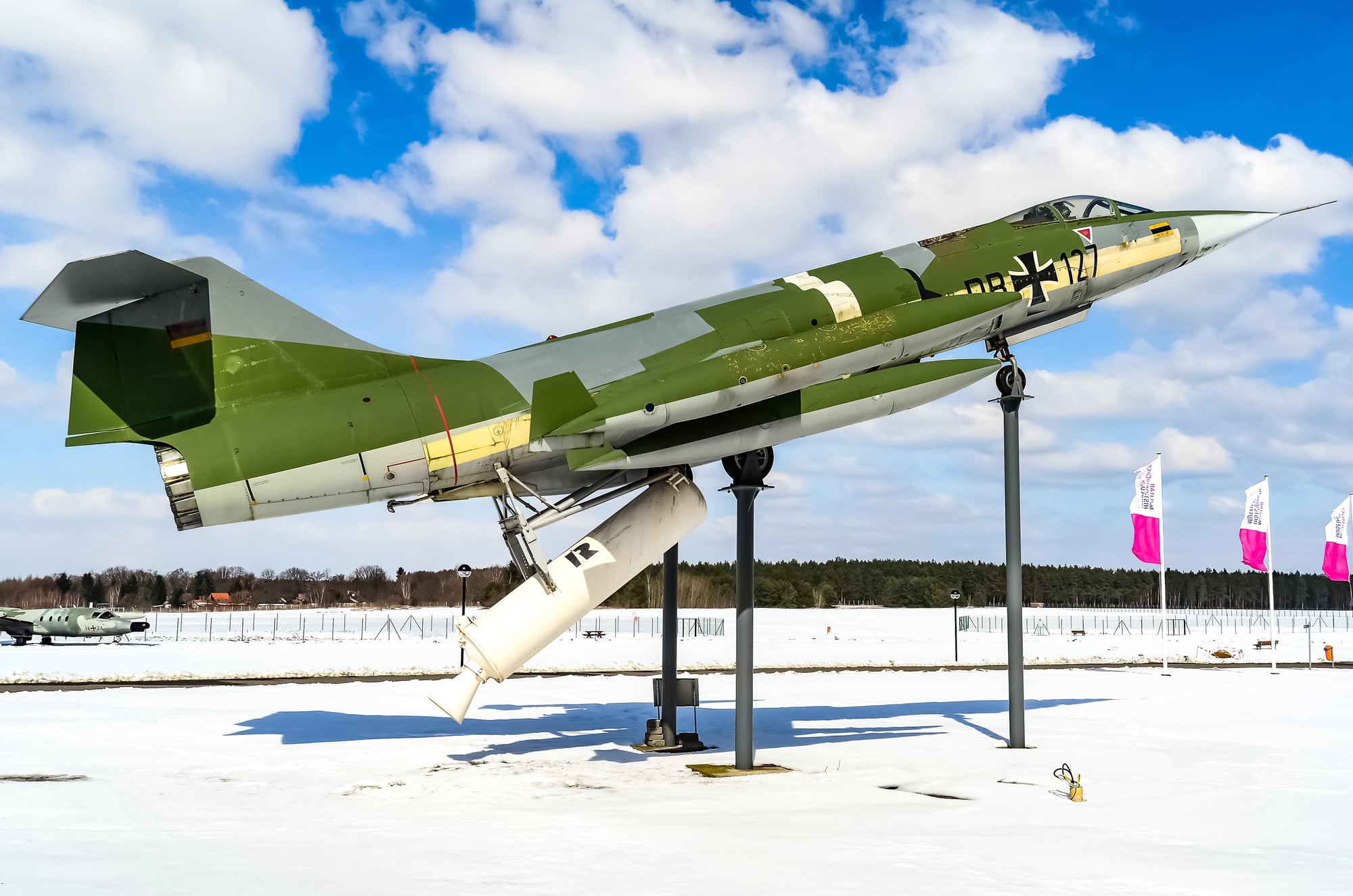
Think of a missile that someone decided to put a cockpit on, and you’re close to understanding what Lockheed created with the F-104. The Starfighter was less an airplane than a pointed argument about the future of air combat: speed would matter more than maneuverability, altitude would matter more than agility, and pilots would need to think like rocket scientists rather than traditional fighter jockeys (because, in many ways, that’s exactly what they were becoming).
The wing loading was so high that conventional takeoffs and landings became engineering challenges rather than routine procedures, but that same design choice gave the F-104 performance that left other fighters struggling to keep up in a straight line.
But the real revolution was conceptual—this was the first fighter designed around the assumption that future air combat would happen at supersonic speeds, where traditional dogfighting skills would be not just useless but actively dangerous.
The aircraft earned its reputation through incidents rather than victories. Pilots called it the “missile with a man in it,” and they weren’t entirely joking.
F-4 Phantom II
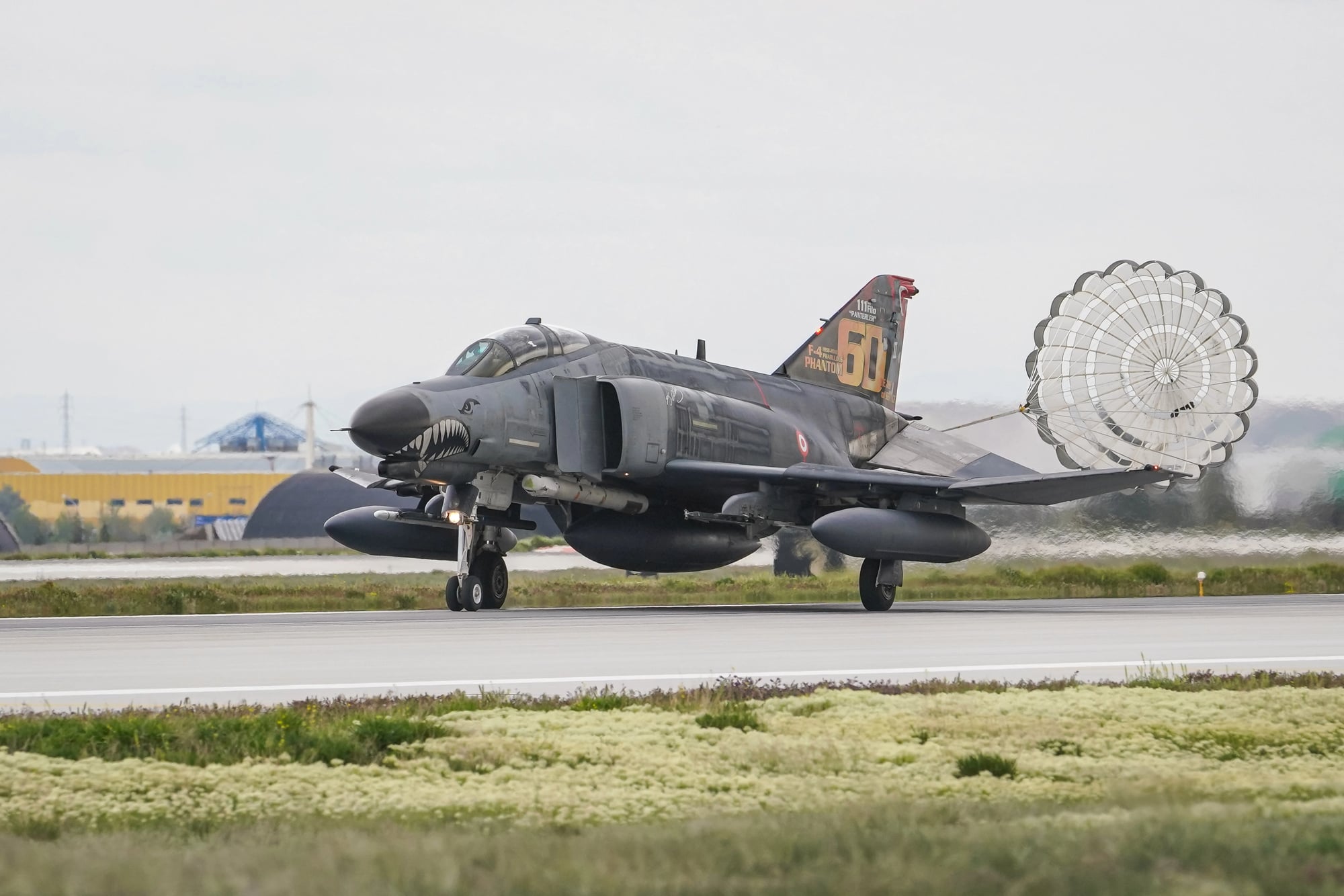
No gun. That decision defined everything else about the F-4, and it revealed how dramatically air combat theory had shifted by the 1960s.
Defense contractors and Pentagon planners had convinced themselves that future battles would be fought entirely with missiles at long range, making close-in dogfighting obsolete.
Vietnam corrected that assumption in the most expensive way possible. Phantom crews found themselves in turning fights with MiG-17s and MiG-21s, trying to win battles with weapons designed for entirely different scenarios.
The experience was educational, though education is probably too polite a word for what those aircrews went through.
MiG-21
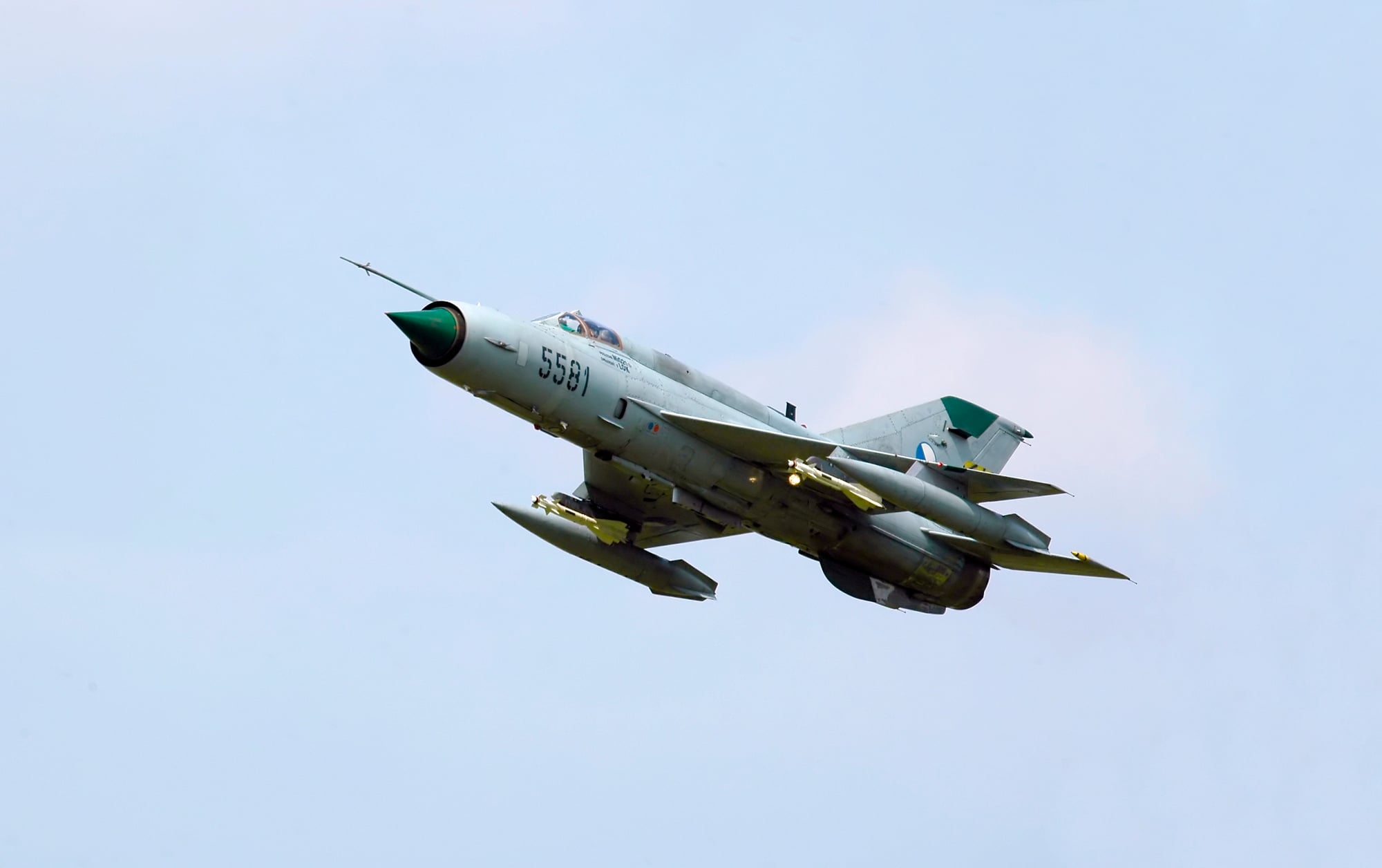
The MiG-21 was a pencil with wings, and that turned out to be exactly what Soviet pilots needed (though calling it a pencil undersells both its lethality and the elegance of its design—this was more like a dart thrown by someone who understood exactly where it needed to go). Small, fast, and cheap to produce, the MiG-21 could be manufactured in quantities that overwhelmed Western air forces through sheer numbers, but the real genius was in the details: the delta wing gave it performance characteristics that American pilots consistently underestimated, and the weapons package, while limited, was optimized for the kind of quick, decisive engagements that the aircraft was built around.
And the maintenance requirements were so minimal that air forces operating from primitive airfields could keep them flying under conditions that would ground more sophisticated fighters.
The simplicity was the point. Soviet doctrine emphasized quantity and reliability over individual aircraft capability.
Everything about it was optimized for fast, simple engagements. Get in, take the shot, get out.
F-14 Tomcat
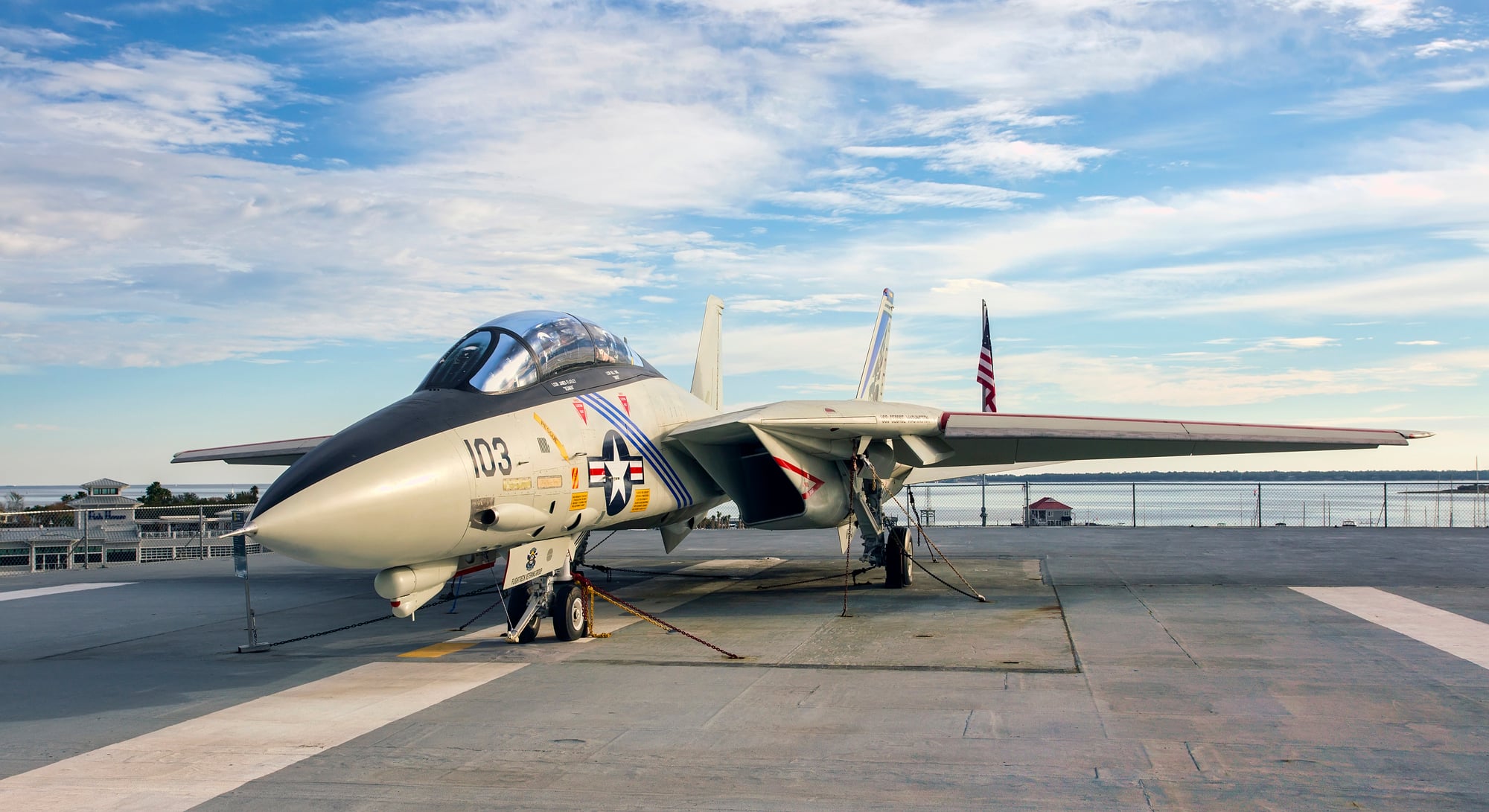
Aircraft carriers demanded a different kind of fighter, and the F-14 was designed around problems that land-based jets never had to solve. How do you defend a battle group against multiple incoming threats?
How do you engage targets at ranges that push the limits of radar technology? How do you do all of this while operating from a floating airfield that might be hundreds of miles from the nearest friendly territory?
The answer was variable-sweep wings, a radar system that could track dozens of targets simultaneously, and the Phoenix missile—a weapon so advanced it was essentially a small aircraft in its own right.
The combination gave Navy pilots capabilities that seemed almost supernatural to pilots flying conventional fighters.
F-15 Eagle
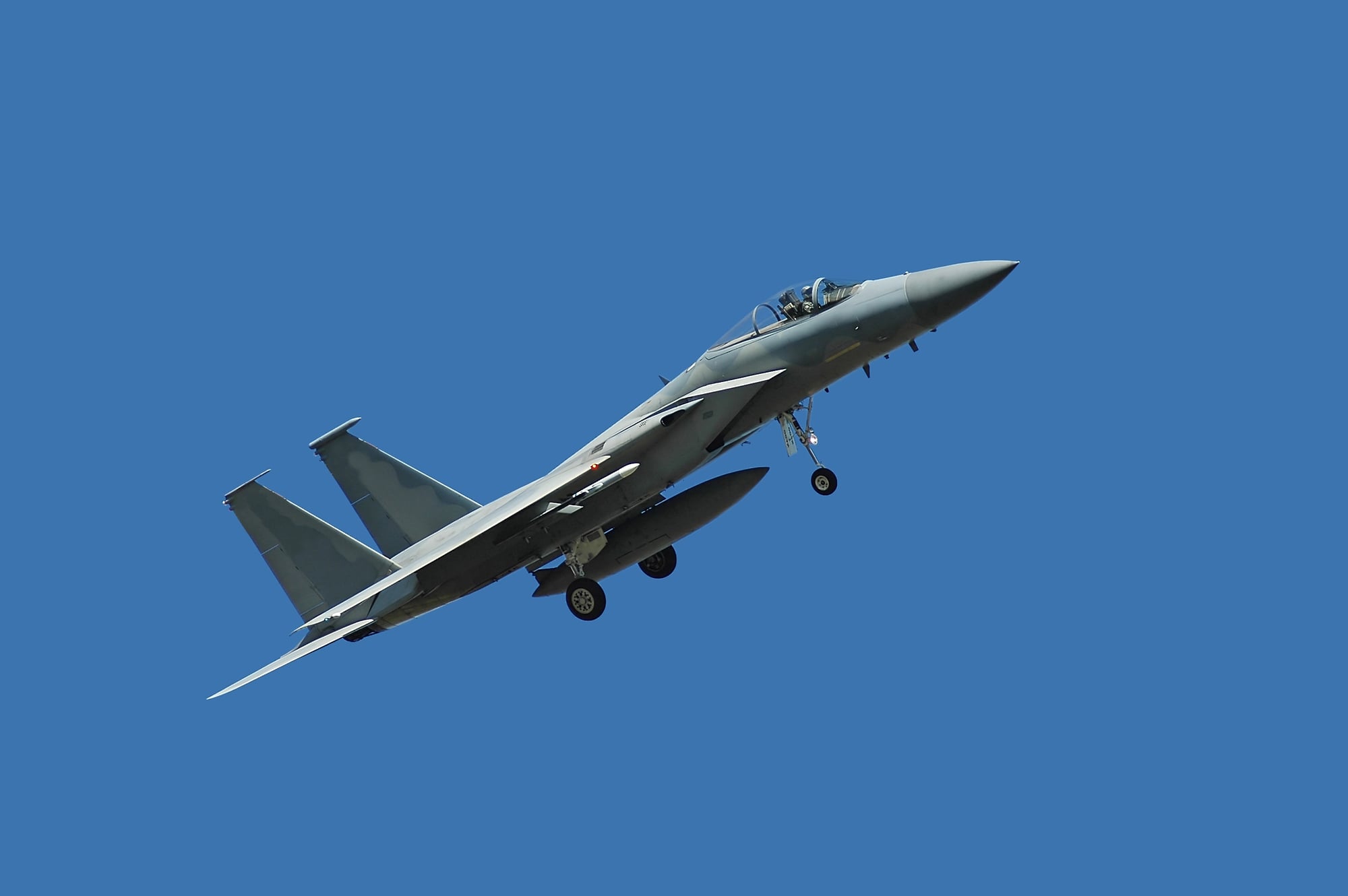
Air superiority isn’t about winning individual dogfights (though the F-15 proved exceptionally good at that, with a combat record that approaches the mathematically impossible)—it’s about creating conditions where enemy pilots know they’re outmatched before the engagement even begins, and the Eagle accomplished this through a combination of raw performance and psychological warfare that was probably more effective than anyone at McDonnell Douglas had planned. The thrust-to-weight ratio meant it could accelerate vertically, literally flying straight up like a rocket when the tactical situation required it, but the real advantage was the radar system that could detect and track targets at ranges that gave Eagle pilots time to plan their attacks rather than simply react to threats.
But perhaps the most important innovation was cultural rather than technical—the F-15 represented the first fighter designed entirely around the assumption that American pilots were going to be better trained than their opponents, and the aircraft should amplify that advantage rather than compensate for pilot limitations.
The “not a pound for air-to-ground” philosophy seems almost quaint now, given how the aircraft evolved.
Single-purpose fighters were already becoming obsolete by the time the first Eagles entered service.
F-16 Fighting Falcon
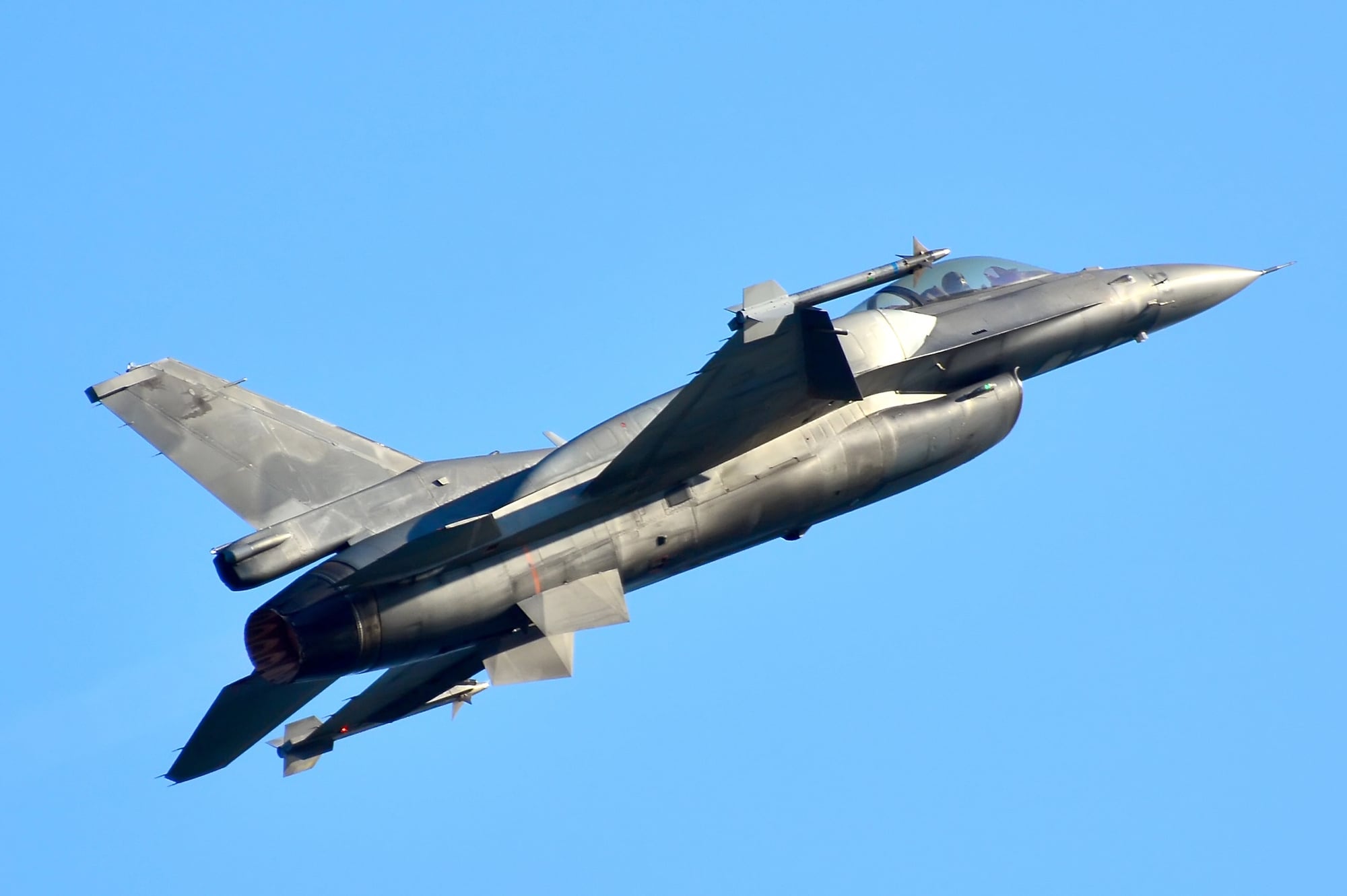
Fighter design had become obsessed with size, weight, and complexity. The F-16 was a deliberate rejection of that trend.
Small, light, and agile, it proved that dogfighting wasn’t dead—it had just been temporarily forgotten by defense contractors who were more interested in selling expensive systems than building effective fighters.
The fly-by-wire controls were revolutionary, but the real innovation was philosophical. This was a fighter built around the pilot rather than around the mission requirements of Pentagon planners.
F/A-18 Hornet
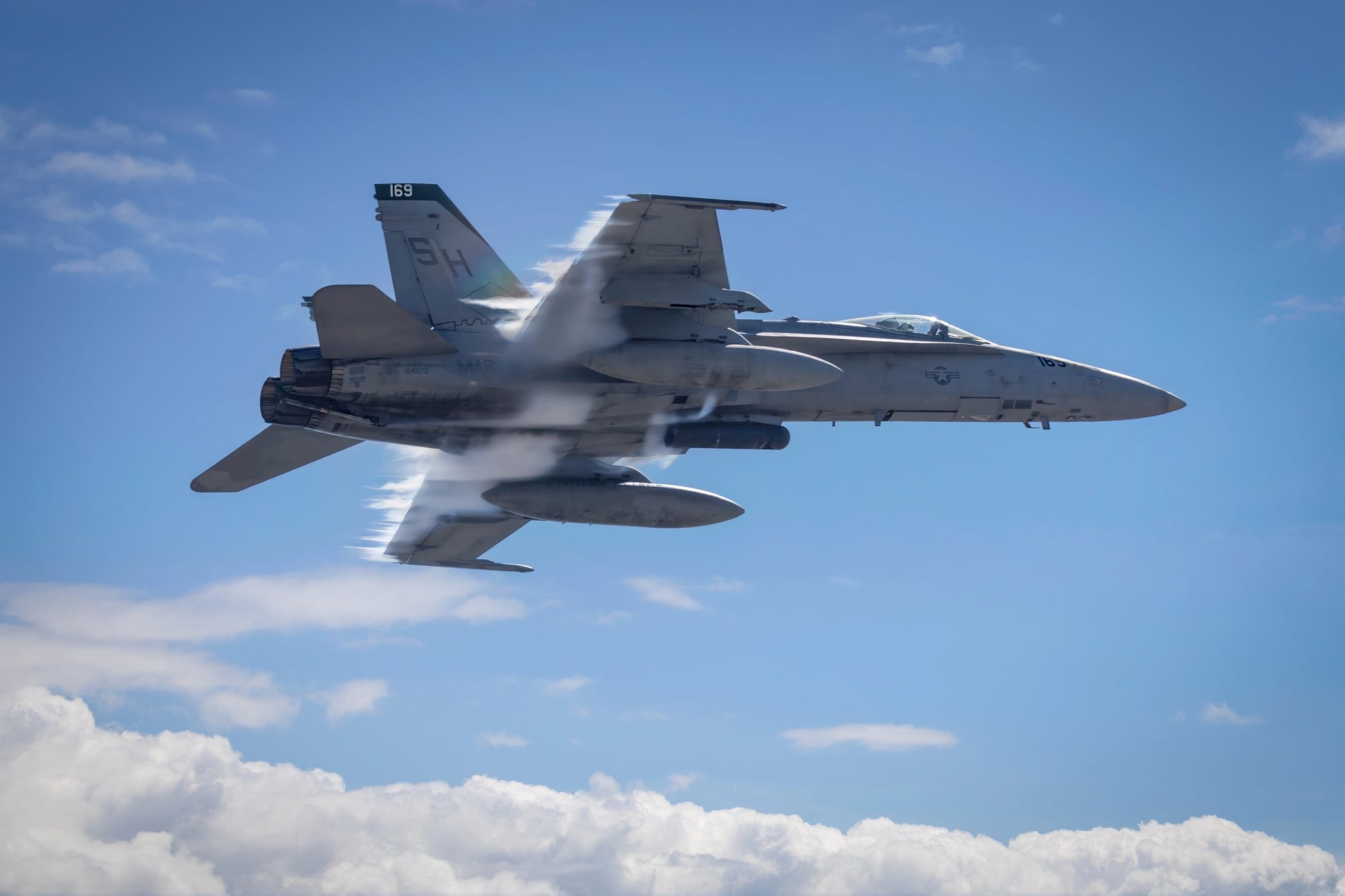
Multirole capability had always been a compromise—aircraft that could do everything but excelled at nothing. The F/A-18 changed that calculation by being genuinely competent in both air-to-air and air-to-ground roles without sacrificing effectiveness in either mission.
Navy pilots finally had an aircraft that could escort strike packages in the morning and fly close air support missions in the afternoon.
The operational flexibility transformed carrier aviation in ways that pure fighters never could have accomplished.
F-117 Nighthawk
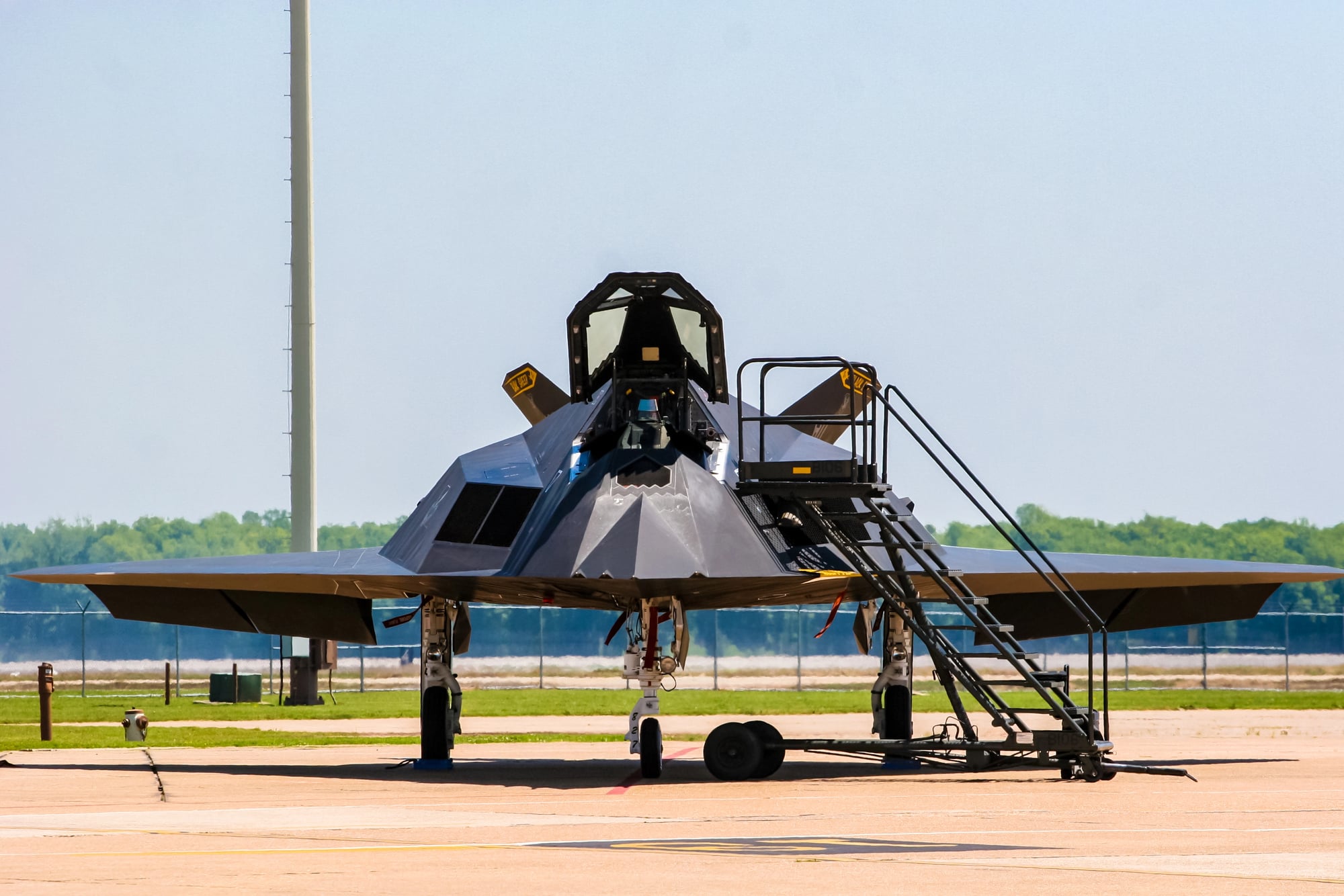
Stealth changed the fundamental assumptions about air combat detection and engagement. The F-117 proved that an aircraft could be effectively invisible to radar systems that had been designed to track conventional fighters.
The angular, faceted design looked more like abstract sculpture than airplane, but it worked.
Pilots could penetrate heavily defended airspace and attack targets that had previously been considered unreachable.
F-22 Raptor
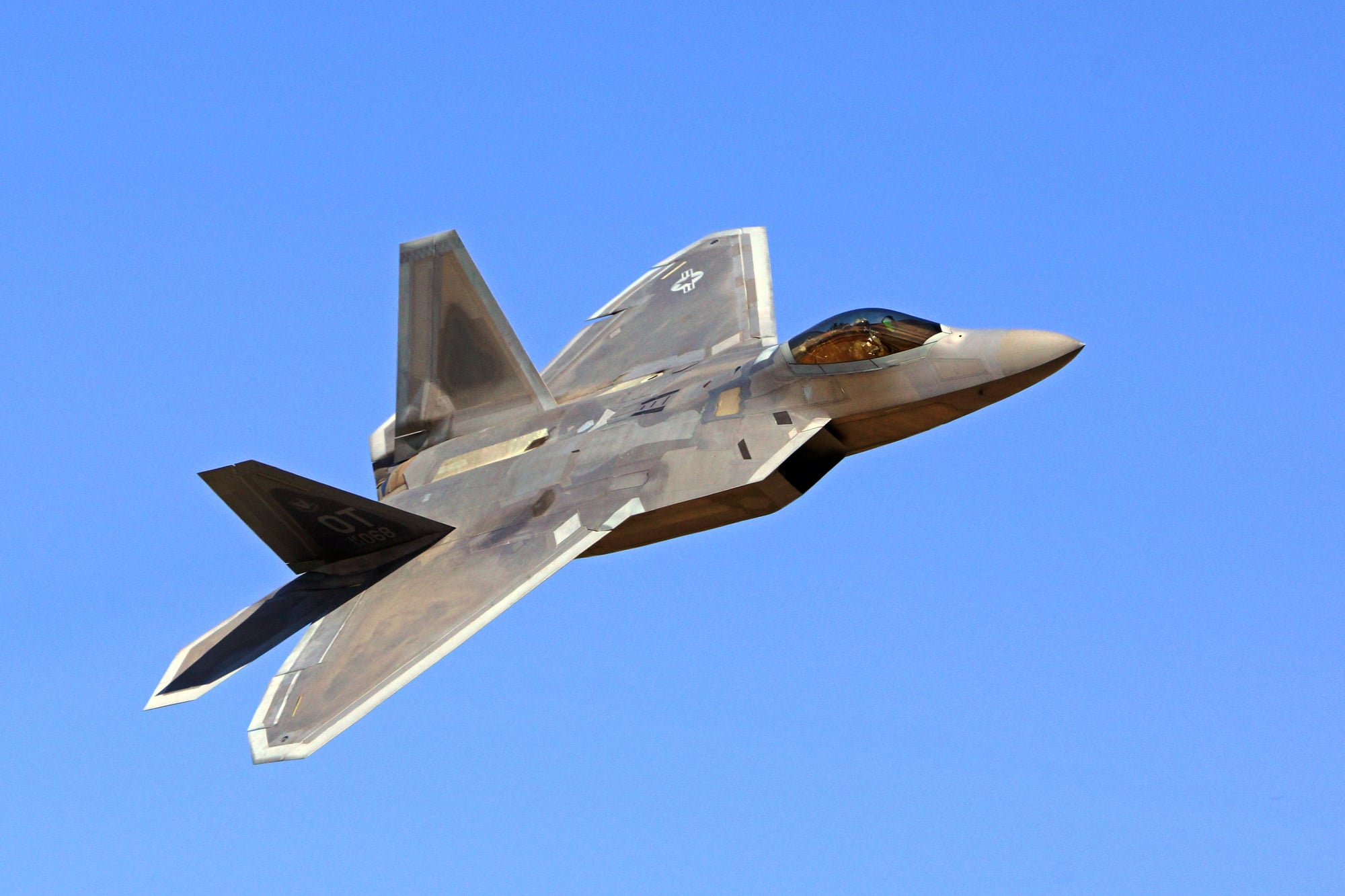
Supercruise, stealth, and supermaneuverability in one airframe. The F-22 represents everything that’s possible when engineering constraints are removed and designers are told to build the best fighter aircraft that physics allows.
The performance specifications read like science fiction, but the real revolution is tactical.
Raptor pilots can engage targets that can’t see them, maneuver in ways that defy conventional understanding of aerodynamics, and operate in contested airspace where other fighters would be ineffective.
Beyond The Horizon
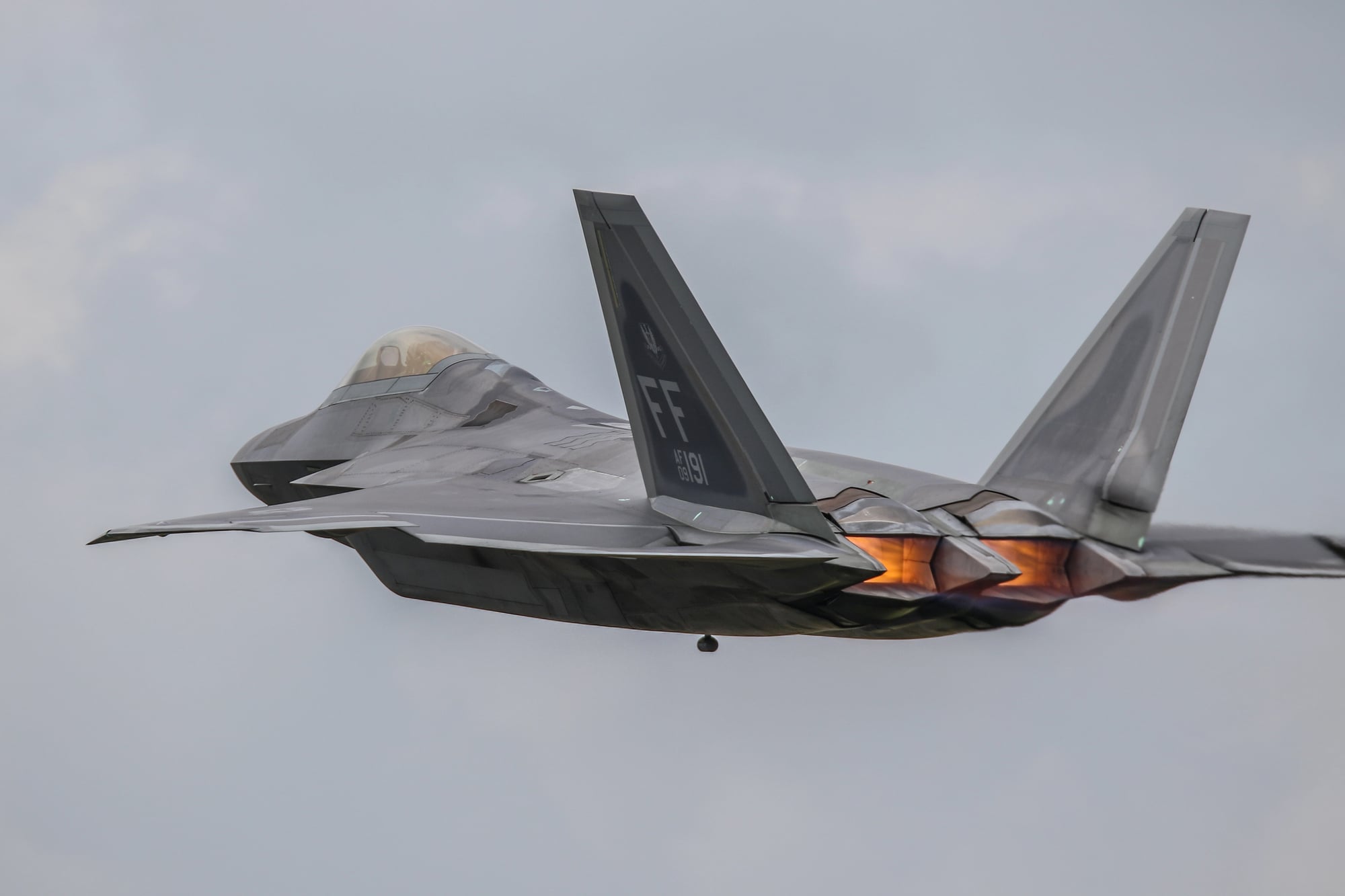
These aircraft didn’t just advance fighter design—they redefined what aerial combat could be. Each one forced pilots, tacticians, and engineers to reconsider fundamental assumptions about speed, stealth, weapons, and maneuverability.
The rules changed because the aircraft made the old rules irrelevant.
Future fighters will undoubtedly make today’s advanced jets seem as primitive as biplanes. But the pattern remains the same: revolutionary aircraft don’t just perform better than their predecessors, they change the entire framework for thinking about air combat.
More from Go2Tutors!

- The Romanov Crown Jewels and Their Tragic Fate
- 13 Historical Mysteries That Science Still Can’t Solve
- Famous Hoaxes That Fooled the World for Years
- 15 Child Stars with Tragic Adult Lives
- 16 Famous Jewelry Pieces in History
Like Go2Tutors’s content? Follow us on MSN.