17 Record Holders Who Wish They Hadn’t Won
The idea of a record is to celebrate success. It is to define the boundaries of what is possible and to make something ephemeral last forever.
Names are entered in the history books. Numbers are defined.
However, not all records have aged gracefully. Some have been tainted by scandal.
Others have come with scrutiny, pressure, or consequences that have eclipsed the achievement itself. In some instances, the price of winning the record was far greater than the accolades that came with it.
Let’s take a closer look at 17 record holders who won with consequences that nobody wants to endure.
Lance Armstrong
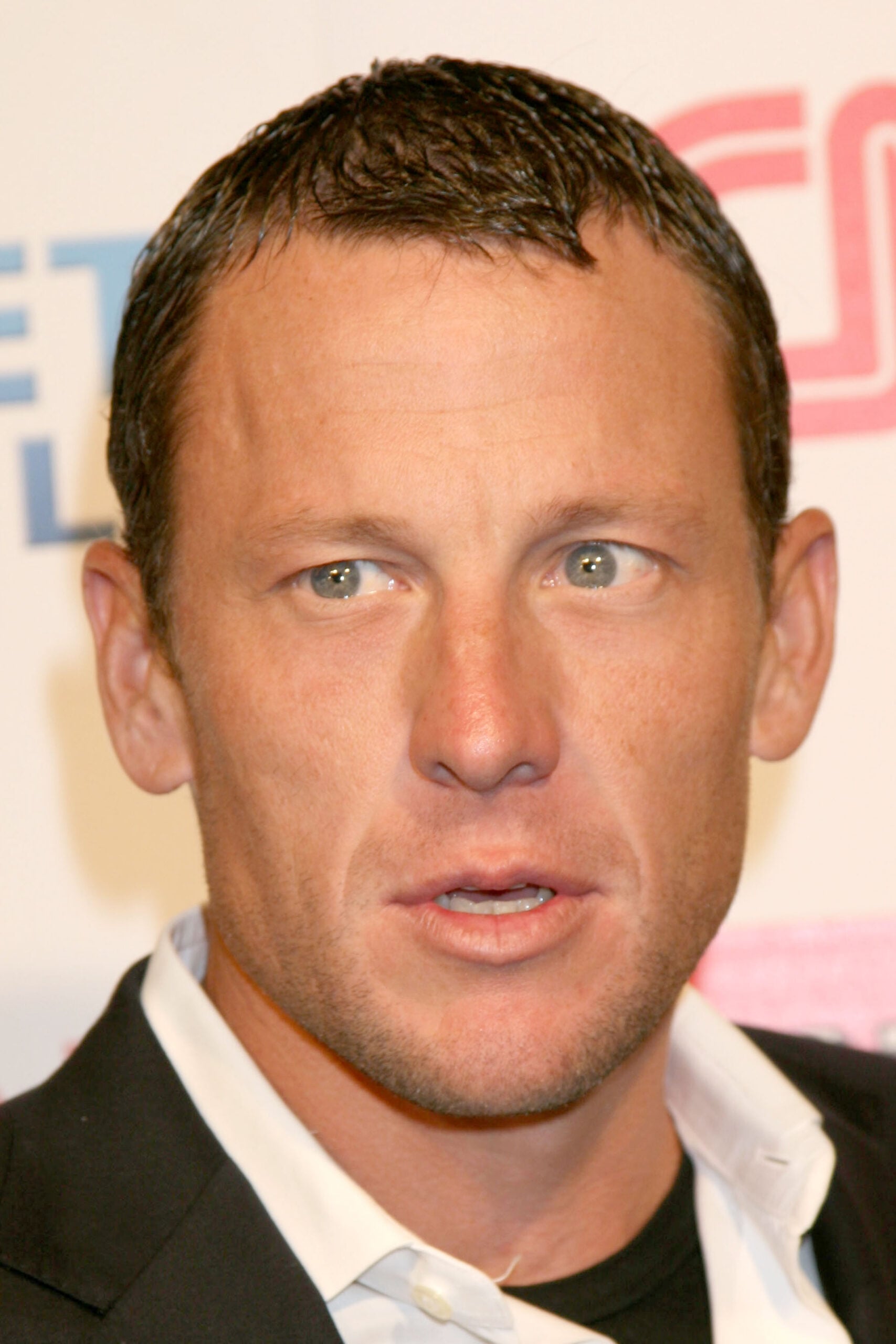
Lance Armstrong once held one of the most dominant records in sports: seven consecutive Tour de France victories. His comeback from cancer amplified the story into something almost mythic.
Sponsors lined up. Foundations flourished.
He became a symbol of resilience. The unraveling was just as dramatic.
Investigations by the U.S. Anti-Doping Agency concluded he had used performance-enhancing drugs, leading to stripped titles and a lifetime ban from professional cycling.
Armstrong later admitted to doping in a televised interview. The record that once defined endurance became shorthand for deception.
Ben Johnson

At the 1988 Seoul Olympics, Ben Johnson set a blistering 100-meter world record of 9.79 seconds. It was one of the most electrifying moments in Olympic history.
For 48 hours, he was the fastest man alive. Then the test results arrived.
Johnson tested positive for steroids, and the gold medal and record were revoked. The fall was immediate and global.
What looked like pure speed became one of the most infamous doping scandals in track and field history.
Barry Bonds
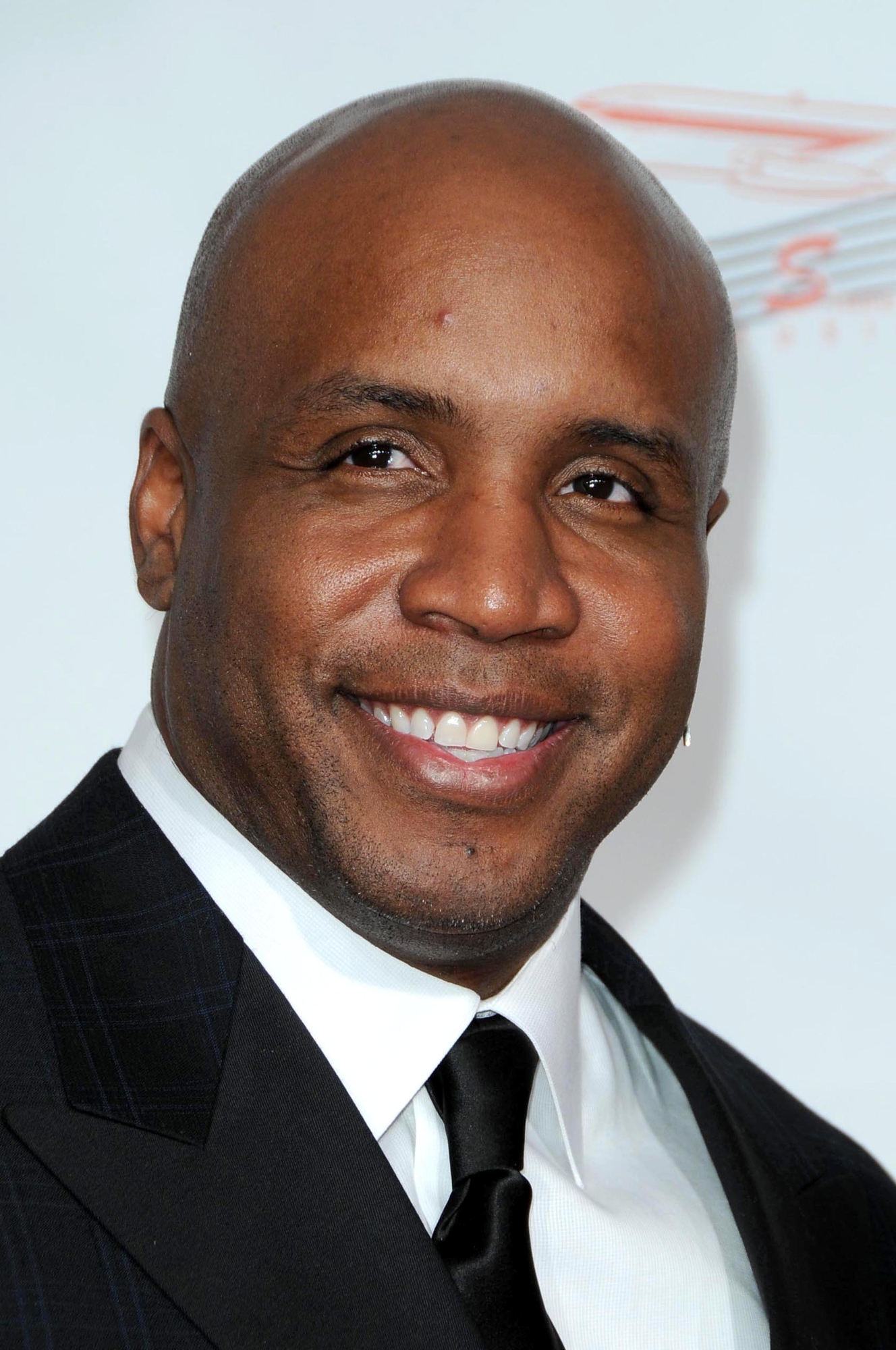
Barry Bonds holds Major League Baseball’s career home run record with 762. He also set the single-season record with 73 home runs in 2001.
Statistically, his dominance was historic. Still, allegations of steroid use during baseball’s steroid era clouded his legacy.
While never convicted of using banned substances in court, the controversy has shaped Hall of Fame voting and public perception. The numbers remain. The debates remain louder.
Ross Ulbricht
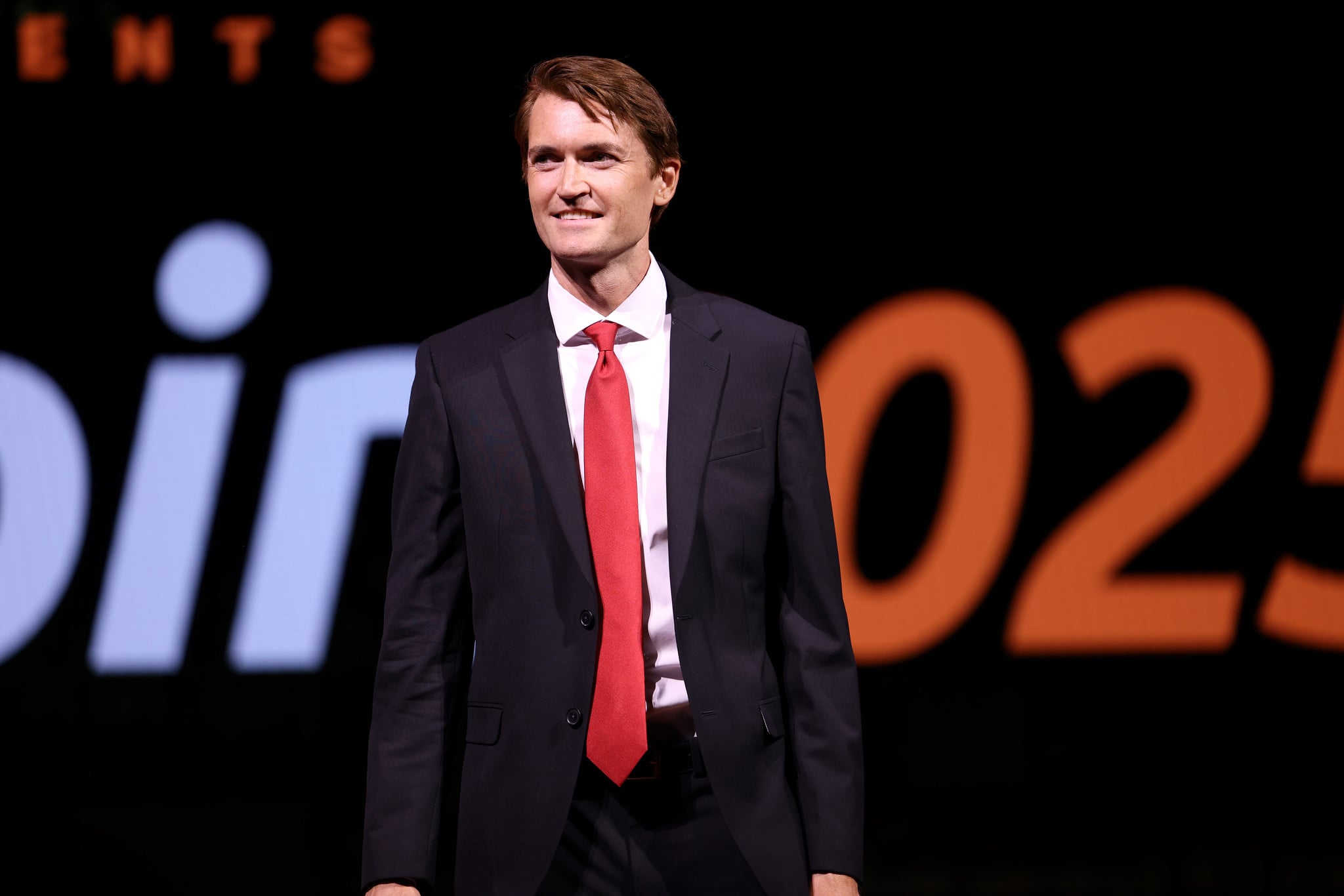
Ross Ulbricht built Silk Road into one of the largest online marketplaces operating on the dark web. At its peak, it processed hundreds of millions in transactions.
The scale made it historic. The consequences were severe.
Ulbricht was arrested in 2013 and sentenced to life in prison for conspiracy and related charges. The record-breaking operation became a landmark criminal case.
Michael Phelps

Michael Phelps holds 23 Olympic gold medals — more than any athlete in history. His dominance across four Olympic Games reshaped swimming.
After retirement, Phelps spoke openly about struggles with depression and the emotional crash that followed the intensity of Olympic competition. The record stood as a triumph.
The pressure that accompanied it was far less visible.
Joey Chestnut
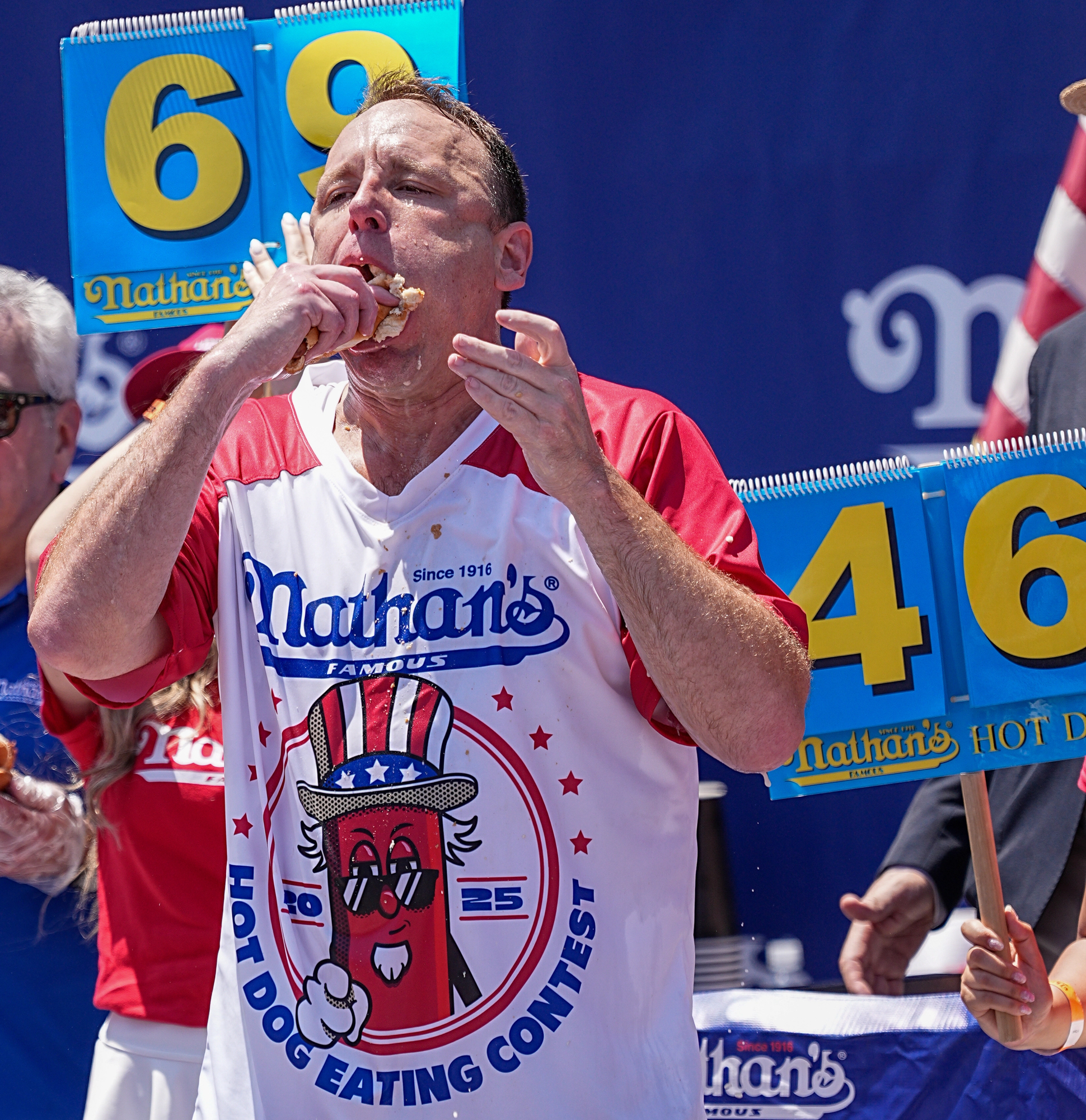
Joey Chestnut set a record by consuming 76 hot dogs in 10 minutes at Nathan’s Famous contest. Competitive eating turned him into a household name.
Medical professionals have long cautioned that extreme consumption can stress the digestive system and cardiovascular health. While the contests are regulated, the spectacle carries physiological risk that does not disappear when the trophy is handed over.
Takeru Kobayashi

Takeru Kobayashi revolutionized competitive eating with technique and speed, setting multiple world records. His performances helped globalize the sport.
He has acknowledged the toll that rapid, high-volume eating can take on the body. The records pushed boundaries.
The physical demands were not minor.
Evel Knievel
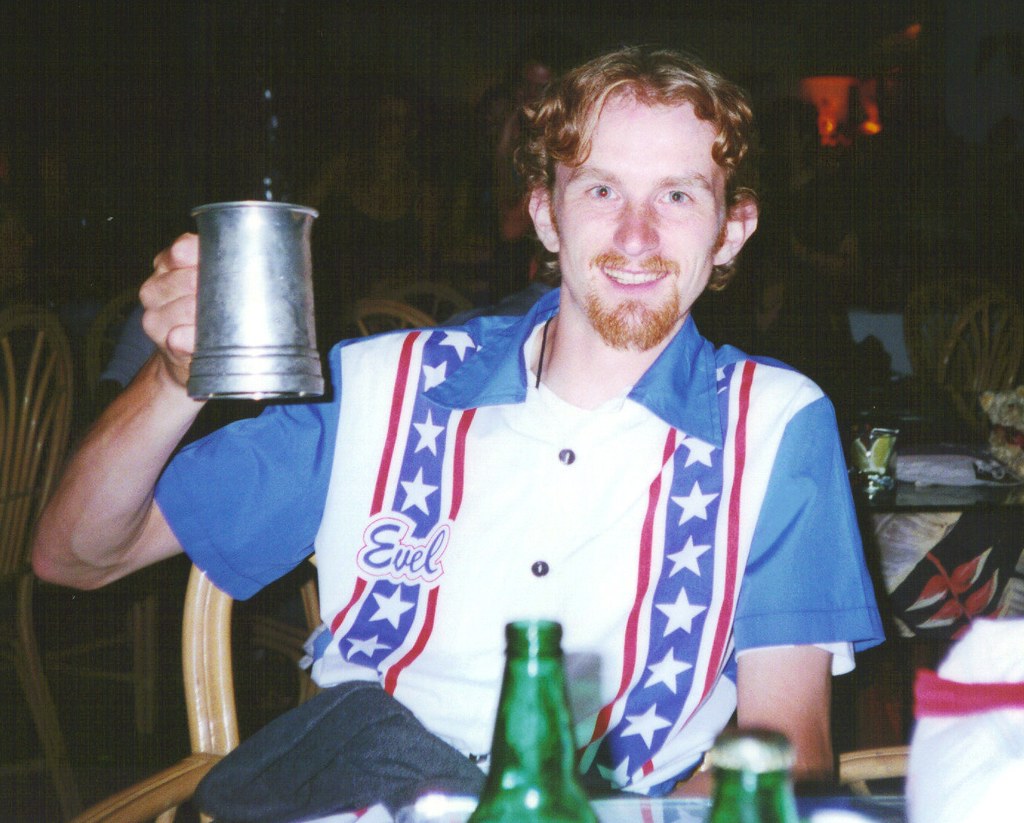
Evel Knievel set numerous motorcycle jump records during the 1960s and 1970s. His televised stunts made him a cultural icon.
The price was physical. Knievel reportedly broke dozens of bones over his career.
The applause was loud. The hospital stays were frequent.
Philippe Petit

Philippe Petit performed a high-wire walk between the Twin Towers in 1974, a feat that instantly became legendary.
The walk resulted in arrest and legal consequences. Though later celebrated artistically, the act carried immediate personal risk and legal fallout.
Charles Lindbergh
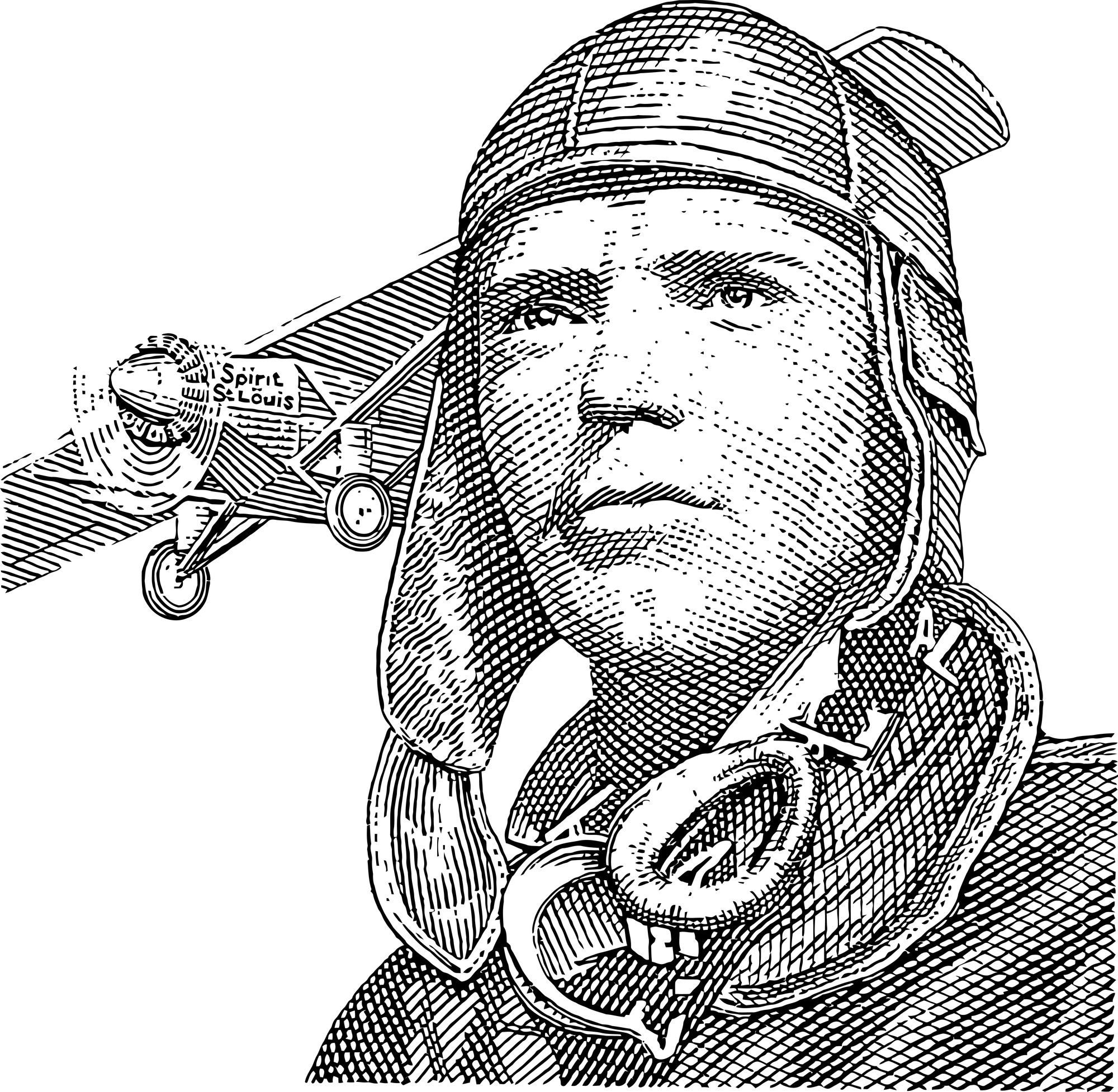
Charles Lindbergh completed the first solo nonstop transatlantic flight in 1927, covering roughly 3,600 miles. The feat made him an international hero overnight.
The fame that followed was relentless. Media attention invaded his private life, reshaping it permanently.
The achievement opened doors — and removed privacy.
Tonya Harding
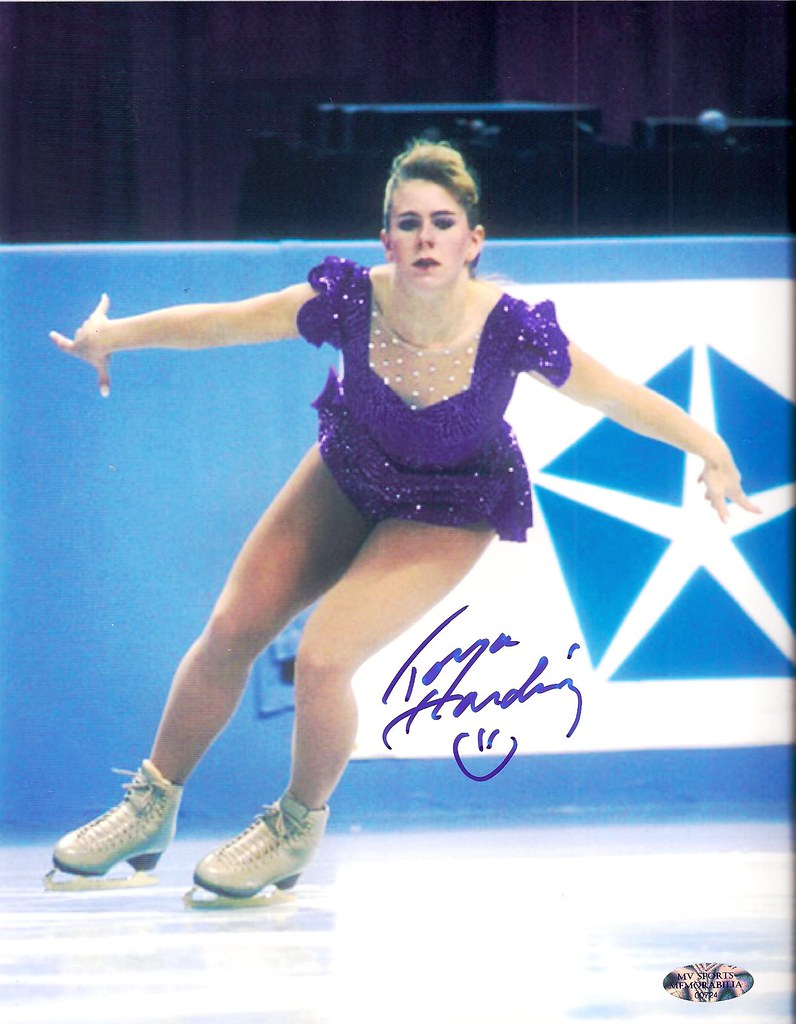
Tonya Harding became the first American woman to land a triple axel in international competition. It was a technical milestone in figure skating.
Later controversy surrounding the 1994 attack on Nancy Kerrigan overshadowed her athletic achievements. The record remains historic, yet rarely stands alone without context.
Felix Baumgartner

Felix Baumgartner set records in 2012 for the highest skydive, jumping from more than 24 miles above Earth.
The project required years of preparation and carried life-threatening risk. It expanded human limits, but the margin for error was almost nonexistent.
Bobby Leach
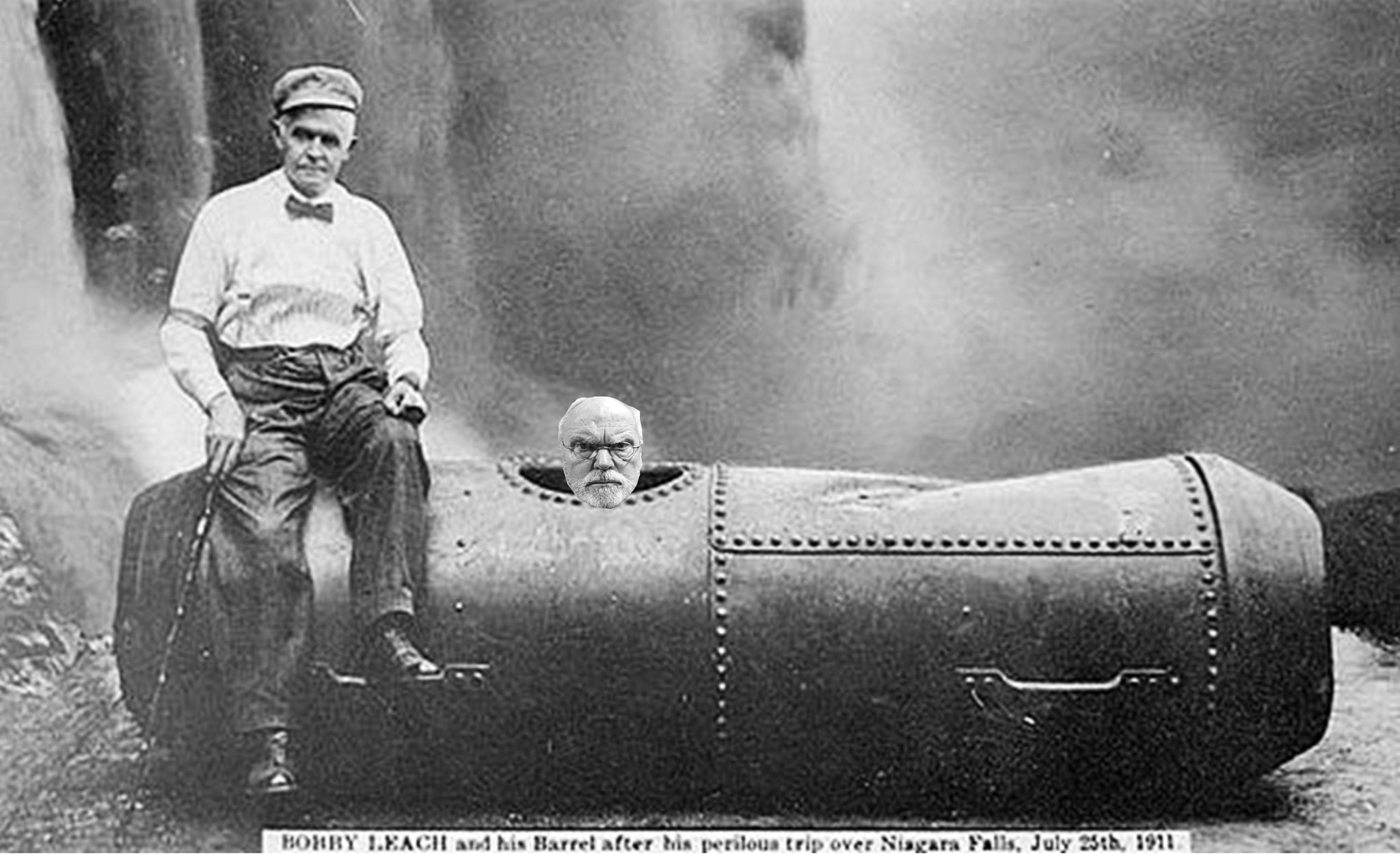
Bobby Leach survived going over Niagara Falls in a barrel in 1911. He sustained serious injuries during the stunt.
Years later, he died from complications after a separate fall. The pursuit of extreme records often leaves lasting consequences beyond the original feat.
Richard Branson
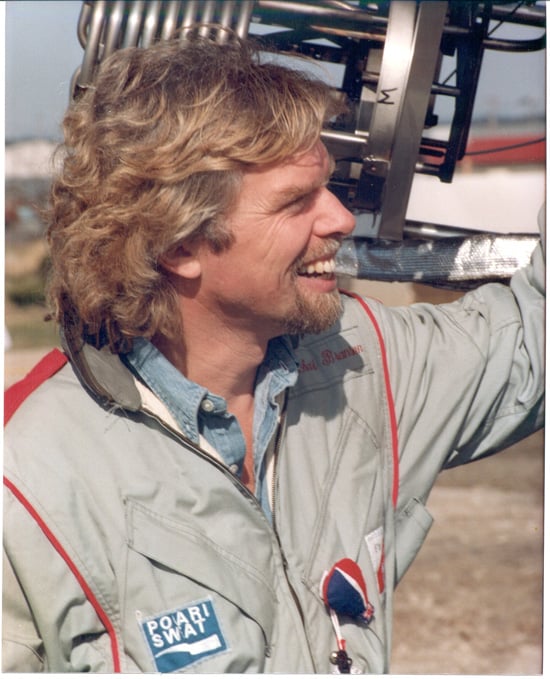
Richard Branson has pursued multiple records in ballooning and ocean crossings. Several attempts ended in emergency rescues.
Ambition pushed boundaries. The risk was not theoretical.
Record-seeking at that level carries genuine danger.
Tom Dempsey

Tom Dempsey kicked a 63-yard field goal in 1970, setting an NFL record that stood for decades.
Debate followed about kicking conditions and specialized footwear. Even celebrated milestones can invite scrutiny long after the crowd leaves.
Ashrita Furman

Ashrita Furman has broken more Guinness World Records than anyone else. His achievements span endurance, balance, and novelty feats.
The pursuit requires constant training and repeated exposure to physical strain. Record-chasing becomes a full-time commitment rather than a single event.
George Foreman
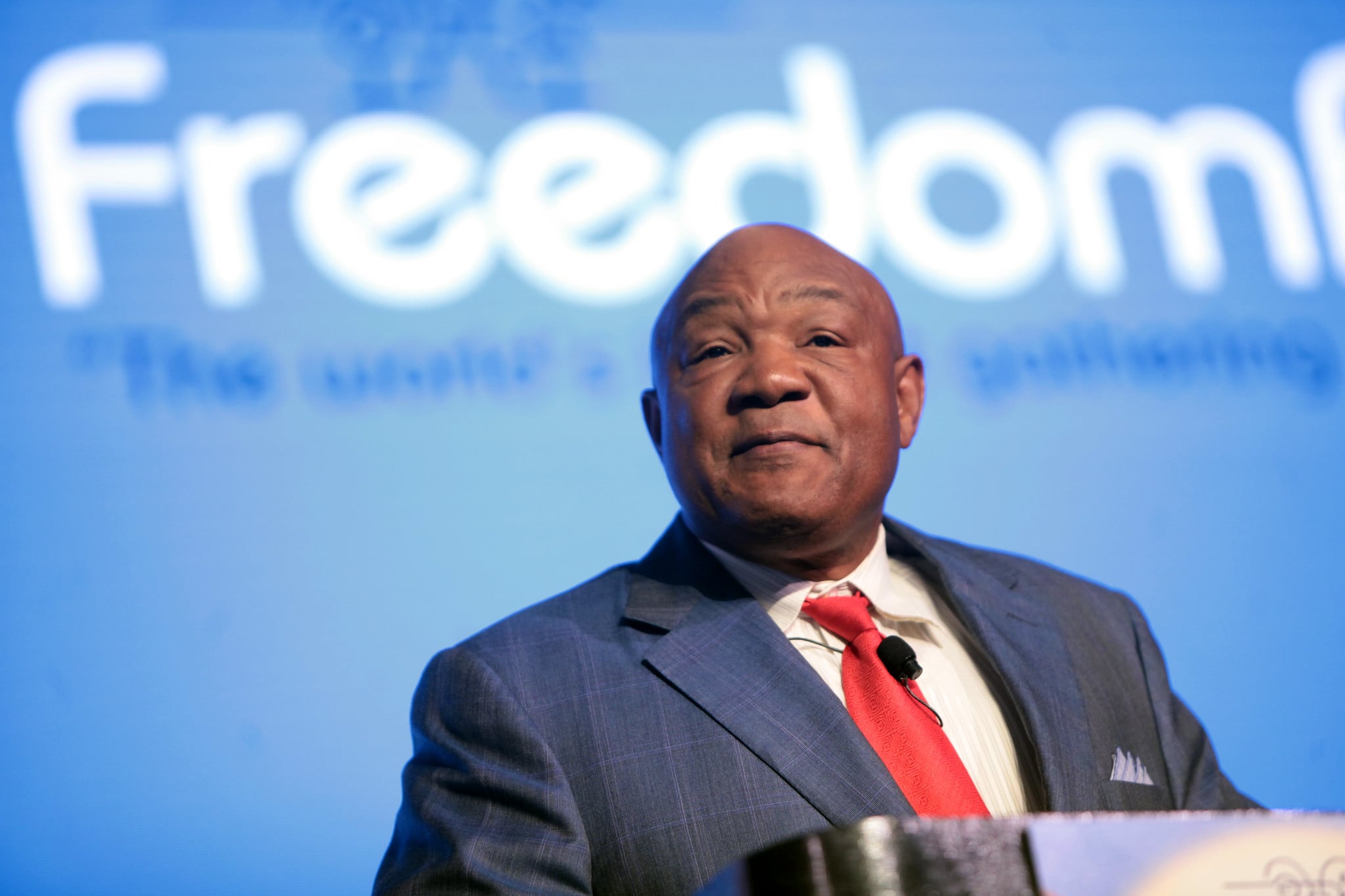
George Foreman became the oldest heavyweight champion at age 45 in 1994. The comeback was remarkable.
Boxing at that level carries inherent physical risk. Longevity in such a demanding sport amplifies those dangers.
When Victory Turns Complicated

The numbers are precise and easily quantified: seconds, miles, totals. What they often don’t account for is what follows.
Some are marked by scandal. Others are marked by scrutiny.
Still, others are marked by stress that lasts long after the moment is gone. The breaking of a record is often seen as a final act.
But it is also often the beginning of something much deeper and much more complex.
The records themselves remain as they are: unchanged and unmoved. The stories behind them often tell a different tale: one in which winning is not always a final result, but often a prelude to something much more complex and much more nuanced.
More from Go2Tutors!

- The Romanov Crown Jewels and Their Tragic Fate
- 13 Historical Mysteries That Science Still Can’t Solve
- Famous Hoaxes That Fooled the World for Years
- 15 Child Stars with Tragic Adult Lives
- 16 Famous Jewelry Pieces in History
Like Go2Tutors’s content? Follow us on MSN.