17 VHS Tape Extras Forgotten by Streaming
Remember when renting a movie meant getting more than just the film itself? Those chunky plastic cases held treasures that streaming services have left behind in their rush toward convenience.
While we can now watch thousands of movies instantly, something special got lost in the process. The VHS era wasn’t just about the main feature—it was about everything that came with it.
Here is a list of 17 VHS tape extras that streaming has completely forgotten.
Director Commentary Tracks
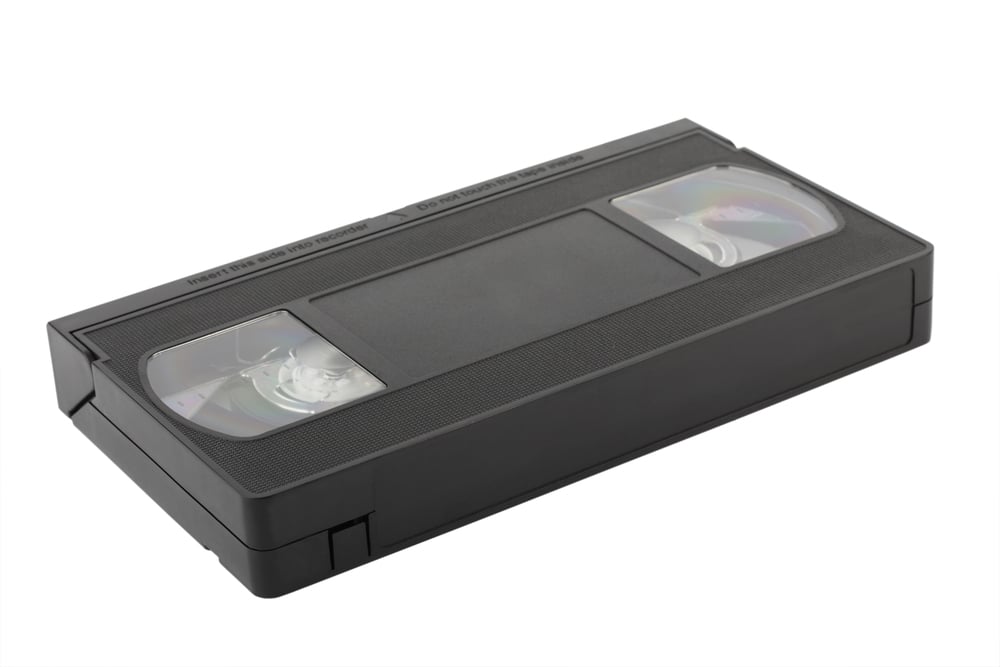
VHS tapes often included alternate audio tracks where directors walked viewers through their creative process scene by scene. You’d hear Steven Spielberg explain why he chose a particular camera angle, or learn about the happy accidents that made certain scenes memorable.
These intimate conversations made you feel like you were sitting in the director’s chair—understanding the craft behind the magic.
Behind-the-Scenes Featurettes
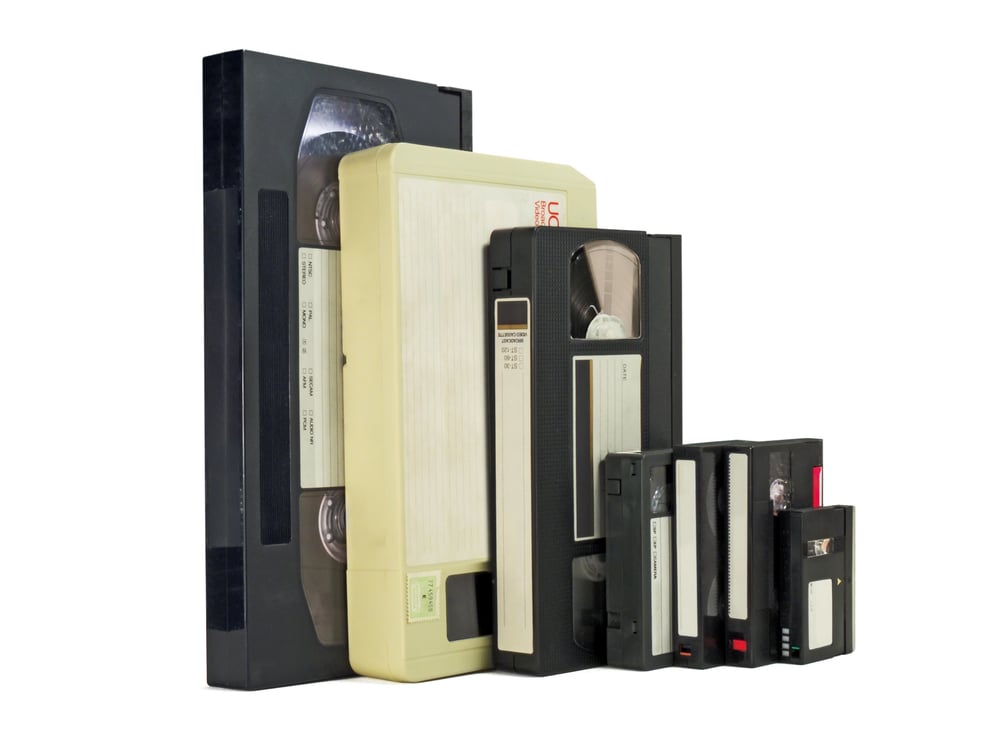
Those grainy documentary segments showed actors goofing around between takes while revealing how practical effects were created with surprising ingenuity. You’d watch someone in a monster costume taking a lunch break—or see how an elaborate car chase was filmed using miniatures with clever camera work.
These glimpses behind the curtain made movies feel more human.
Like Go2Tutors’s content? Follow us on MSN.
Deleted Scenes with Context
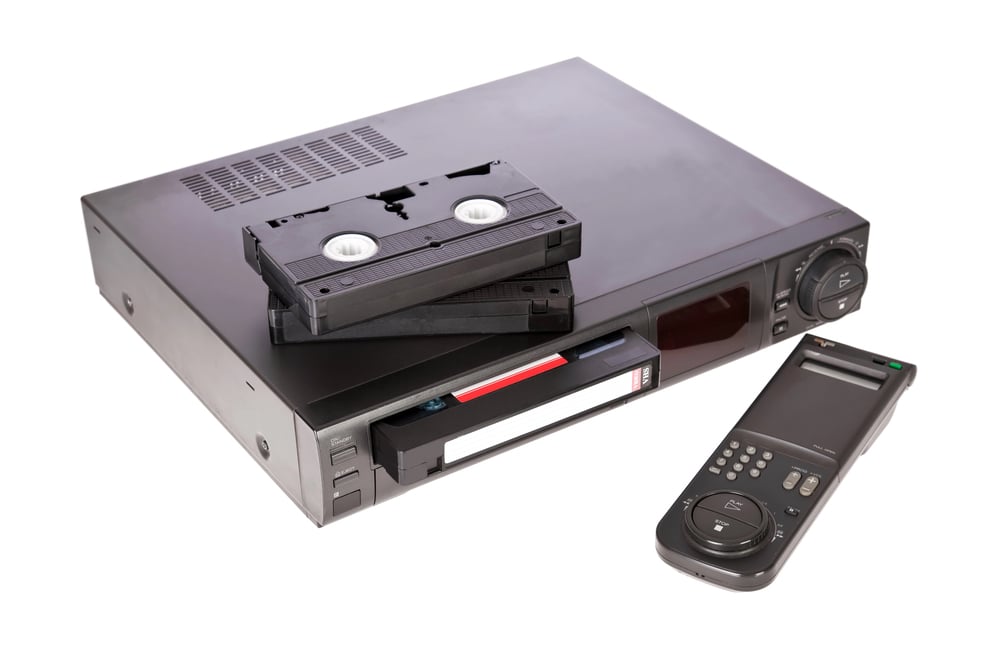
Unlike today’s random bonus clips, VHS deleted scenes came with explanations about why they were cut. Directors would introduce each scene, explaining how it changed the story’s pacing or character development.
This context turned every deleted scene into a mini film school lesson about the editing process—something that’s largely disappeared from modern releases.
Alternate Endings

Some VHS releases included completely different conclusions that tested poorly with audiences or didn’t fit the studio’s vision. These weren’t just extended versions of the theatrical ending, though—they were entirely different narrative choices that could change how you understood the entire story.
Watching these felt like peering into a parallel universe where your favorite movie ended differently.
Original Theatrical Trailers
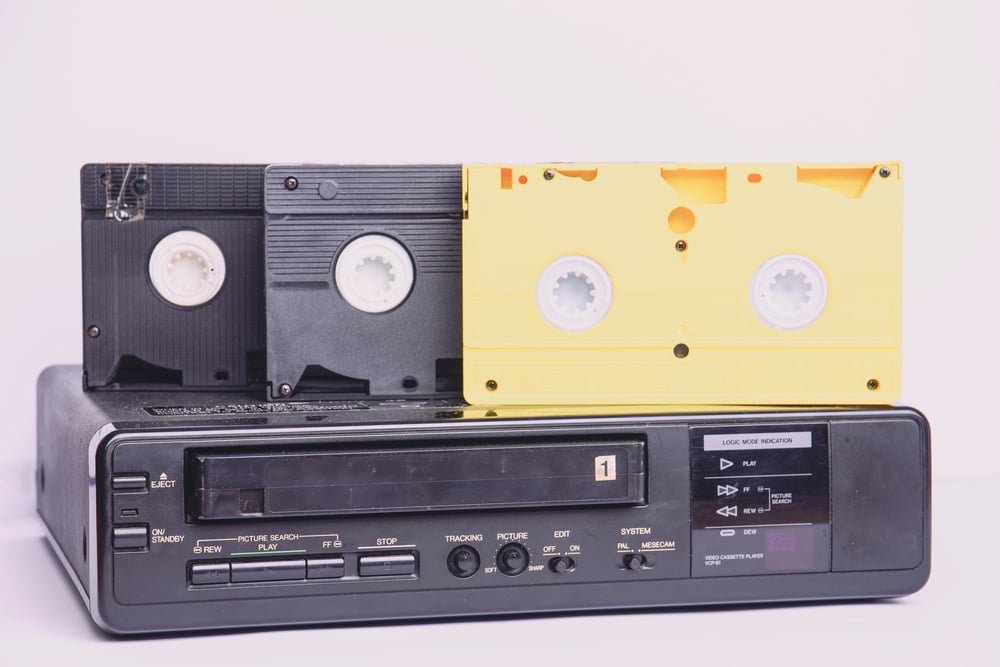
VHS trailers were time capsules that captured the marketing energy of their era—complete with dramatic voiceovers plus cheesy taglines that somehow made every movie sound earth-shattering.
These weren’t the polished previews we see today. Instead, they were loud, bombastic promises that reflected the cultural mood when the film was released, often revealing major plot points that would be carefully hidden in modern trailers.
Like Go2Tutors’s content? Follow us on MSN.
Cast and Crew Interviews
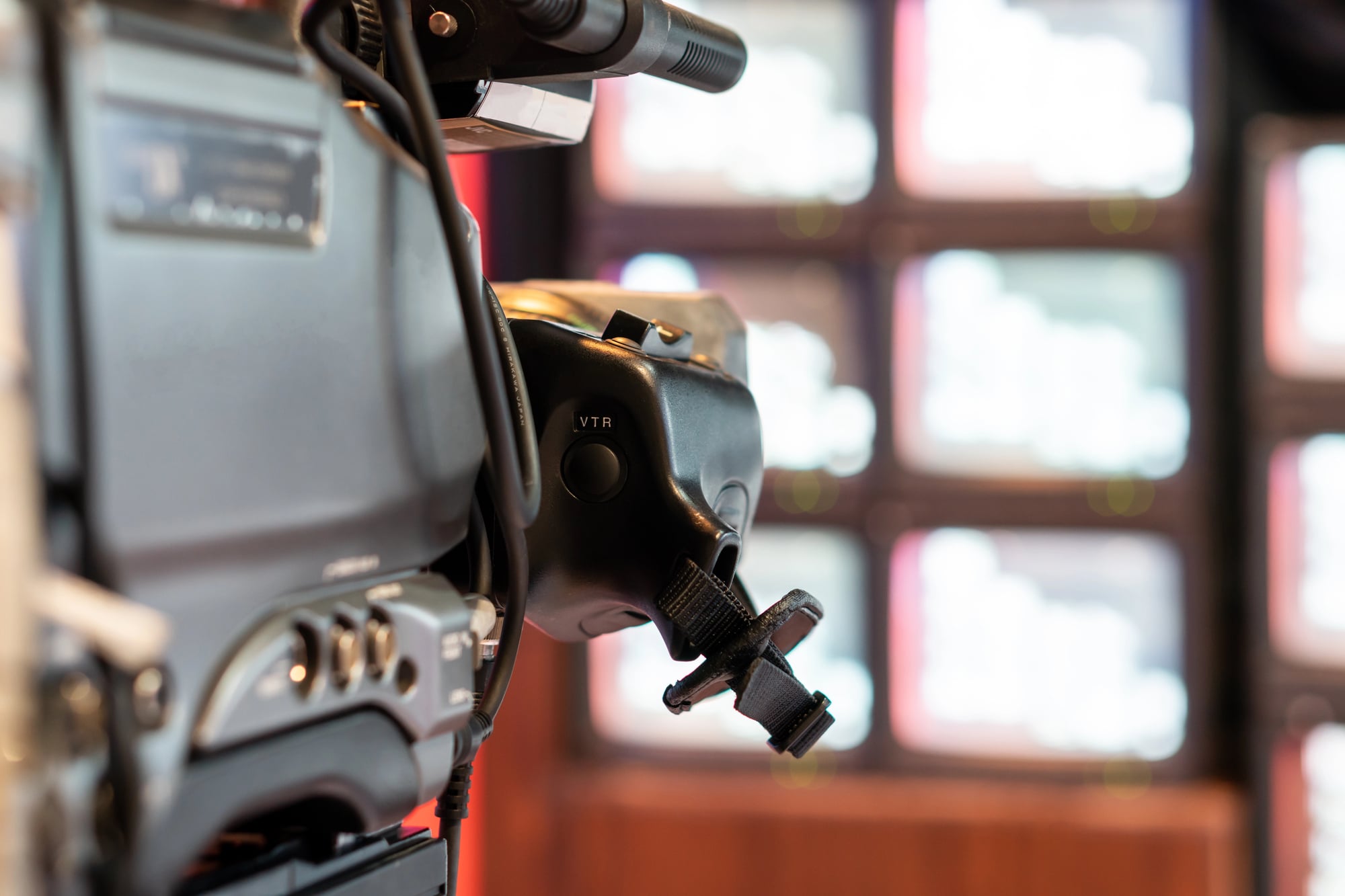
Extended sit-down conversations with actors provided deeper insights than the quick soundbites we get today. These weren’t promotional fluff pieces, yet they offered genuine discussions about the challenges of bringing characters to life.
You’d learn about the research actors did for their roles—plus the personal experiences that influenced their performances in ways that felt authentic rather than scripted.
Production Documentaries
Full-length documentaries chronicled the entire filmmaking process from script to screen. They showed the months or years of work that went into every movie—not just highlight reels but comprehensive looks at location scouting, costume design, and set construction.
All the unglamorous work that makes movie magic possible got its due. These transformed casual viewers into informed film enthusiasts through sheer depth of coverage.
Blooper Reels
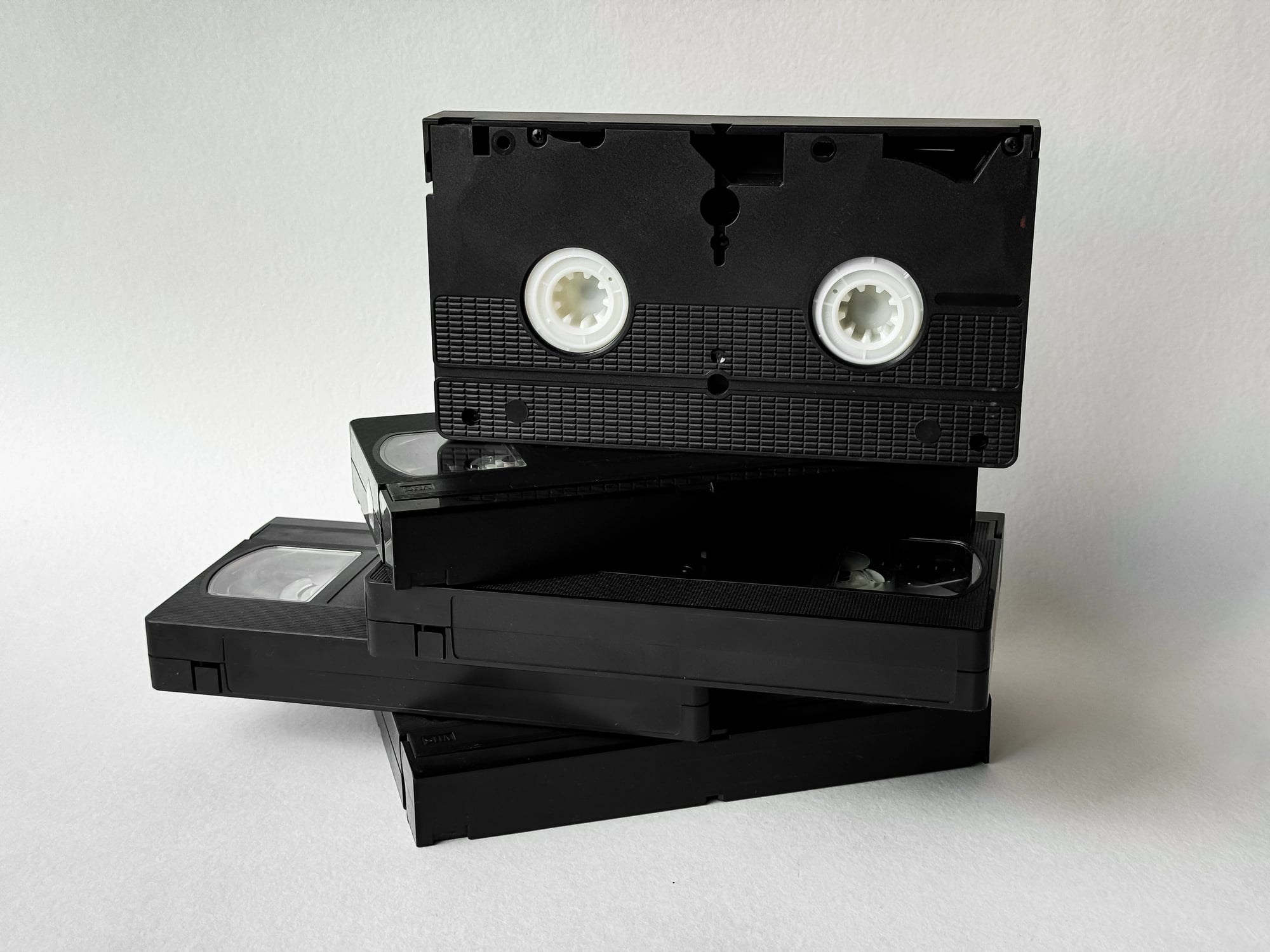
Those collections of on-set mistakes revealed the human side of Hollywood glamour—showing A-list actors stumbling over dialogue while breaking character at the worst possible moments.
Unlike today’s carefully curated social media content, these bloopers were genuinely spontaneous moments. They reminded audiences that even the biggest stars are just people doing a job, creating intimacy between viewers and performers that’s hard to find elsewhere.
Like Go2Tutors’s content? Follow us on MSN.
Making-of Photo Galleries

Still photographs from the production process told their own stories—capturing candid moments between formal filming sessions. These weren’t polished publicity shots but documentary evidence of the collaborative chaos that happens on every movie set.
You’d see actors in partial costume reading scripts, crew members solving technical problems, plus the organized mayhem that somehow results in a finished film.
Director Profiles
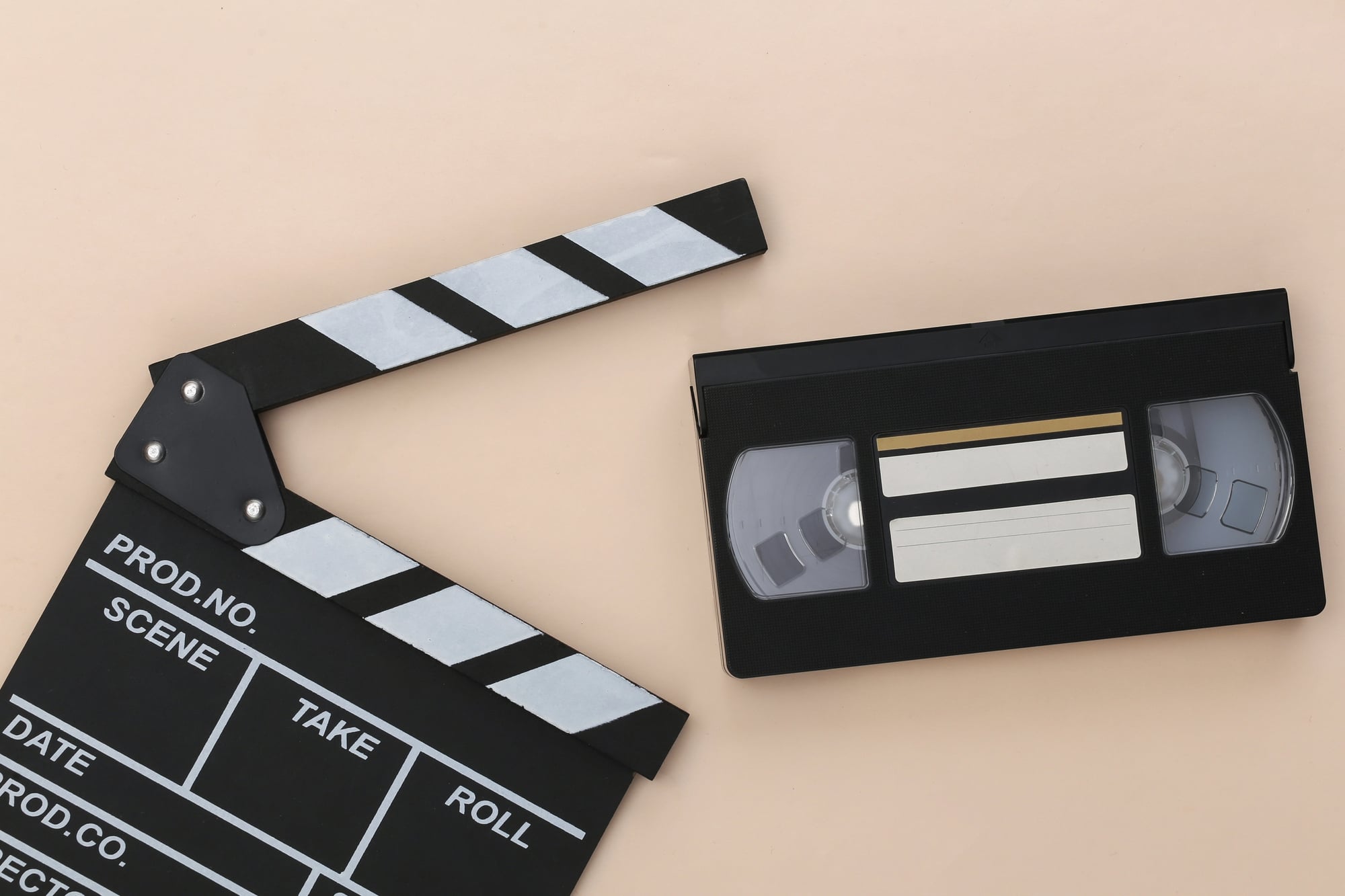
Biographical segments introduced viewers to filmmakers’ previous work while exploring their creative philosophies. This helped audiences understand the artistic vision behind what they’d just watched—not just career summaries but insights into how different directors approached storytelling.
These profiles turned movie watching into an education about cinematic artistry that streaming services rarely attempt to replicate.
Storyboard Comparisons
Side-by-side comparisons between initial storyboards and final scenes revealed how much movies change during production, showing the evolution from rough sketches to polished cinematography.
These comparisons were like archaeological evidence of the creative process. They demonstrated how initial ideas get refined, discarded, or completely transformed while giving viewers an appreciation for the collaborative nature of visual storytelling.
Like Go2Tutors’s content? Follow us on MSN.
Original Script Excerpts

Portions of early screenplay drafts showed how dialogue evolved during development, revealing the iterative process of turning written words into visual narrative.
These weren’t just curiosities though—they were insights into how professional screenwriters craft their work. Reading these excerpts while watching the final film created a deeper understanding of storytelling choices that most viewers never get to experience.
Location Scouting Footage

Raw footage from location hunting expeditions showed the real places that became movie sets, often revealing how ordinary locations were transformed into extraordinary cinematic environments.
This wasn’t polished documentary material but functional footage that captured the practical considerations of filmmaking. Seeing these locations before movie magic transformed them highlighted the creativity required to turn reality into fiction.
Costume and Makeup Tests
Screen tests for wardrobe plus special effects makeup revealed the trial-and-error process of creating memorable character looks, showing multiple versions before settling on the final design.
These tests weren’t just technical exercises yet they were creative explorations that showed how visual elements contribute to storytelling. Watching actors transform under different makeup approaches was like seeing character development happen in real time.
Like Go2Tutors’s content? Follow us on MSN.
Music and Sound Design Features

Segments dedicated to explaining musical choices plus sound effect creation revealed how audio elements shape emotional responses to visual storytelling.
These features weren’t just technical explanations though—they were insights into how sound designers manipulate audience emotions. Learning about these invisible elements changed how viewers experienced movies, making them aware of the sophisticated audio landscape supporting every scene.
Trivia and Fun Facts
Collections of interesting tidbits about casting decisions, location challenges, plus historical accuracy created deeper connections between viewers and the films they loved.
These weren’t random pieces of information but carefully curated insights that enhanced understanding. Knowing these details made rewatching movies more rewarding, as viewers could spot references while understanding creative decisions that might otherwise go unnoticed.
Multiple Language Options
Beyond simple dubbing, VHS tapes often included director commentary in different languages plus region-specific bonus content that reflected local perspectives on the filmmaking process.
These weren’t just translations but culturally adapted presentations that acknowledged different audience expectations. This approach treated international viewers as distinct audiences rather than afterthoughts, something that’s become increasingly rare in the streaming era.
Like Go2Tutors’s content? Follow us on MSN.
The Digital Trade-Off We Made

While streaming offers unprecedented convenience plus selection, we’ve exchanged depth for breadth in our entertainment consumption.
Those VHS extras didn’t just fill space—they created more informed movie fans who understood filmmaking as a collaborative art form. The physical media experience encouraged viewers to dig deeper into the stories they loved, transforming casual entertainment into educational exploration.
Today’s instant access comes at the cost of that intimate, comprehensive relationship with individual films that defined an entire generation’s movie-watching habits.
More from Go2Tutors!

- 16 Restaurant Chains That Went Too Fast
- 12 Things Sold in the 80s That Are Now Illegal
- 15 Strange Things People Have Tried to Ban (And Failed)
- 16 Collectibles People Tossed Out Too Soon
- 17 Myths from Your Childhood That Were Actually Based on Real Things
Like Go2Tutors’s content? Follow us on MSN.



