17 Rookie Mistakes First-Time Cruisers Almost Always Make
There’s something magical about the idea of a cruise — floating across endless water with everything taken care of, waking up in a new destination without the hassle of packing and unpacking. For many people, cruising represents the perfect vacation: relaxation, adventure, and convenience all rolled into one floating resort.
Yet despite the apparent simplicity, first-time cruisers often find themselves caught off guard by the unique rhythms and unspoken rules of life at sea. The cruise industry has spent decades perfecting the art of hospitality, but that doesn’t mean every first-timer automatically knows how to make the most of their experience.
From misunderstanding how dining works to underestimating the importance of sea days, newcomers tend to stumble into the same predictable pitfalls. These mistakes rarely ruin a vacation, but they can certainly leave you feeling like you missed out on something better.
Not researching the ship layout

Walking onto a massive cruise ship for the first time feels like entering a floating city. Decks stack on top of decks, corridors stretch in every direction, and elevators seem to lead everywhere and nowhere at once.
Most people assume they’ll figure it out as they go — which they eventually do, but not before spending the first few days wandering around like confused tourists in their own temporary home. The ship layout determines everything from how quickly you can get to dinner to whether you’ll actually make it to that fitness class you signed up for. Some ships stretch longer than three football fields, with 15 or more passenger decks.
Getting lost isn’t just possible, it’s almost inevitable without some preparation.
Overpacking formal attire

Cruise lines love their formal nights, but first-timers often interpret this as an invitation to pack their entire wedding guest wardrobe. So you bring three cocktail dresses and two suits for a seven-day cruise, then discover that half the dining room shows up in khakis and a button-down shirt.
Formal nights exist, and some people do dress to the nines, but the enforcement varies wildly between cruise lines and even individual ships. Norwegian Cruise Line practically threw formal dress codes overboard years ago, while some luxury lines still expect you to look like you’re attending a charity gala. The result is a lot of suitcase space wasted on clothes that never leave the closet.
Missing specialty restaurant reservations

Picture this: someone spends months planning their cruise, researching shore excursions and deck plans, then boards the ship and discovers that the steakhouse they’ve been dreaming about is booked solid for the entire week. It happens all the time, and it stings more than it should.
Specialty dining reservations open weeks before sailing (sometimes longer for suite guests), and the popular restaurants fill up fast — especially the steakhouses and sushi bars. The main dining room serves perfectly good food, but there’s something uniquely frustrating about watching other passengers enjoy the restaurant you wanted to try while you’re stuck with whatever has availability on the last night of the cruise.
Which is usually the buffet. Again.
Underestimating gratuity costs

Cruise lines have turned gratuities into an art form of calculated vagueness. They mention that tips are “customary” or “appreciated,” but they don’t exactly spell out that you’re looking at an extra $14–$16 per person per day in automatic service charges.
For a family of four on a week-long cruise, that’s over $400 in gratuities alone. The charges appear automatically on your shipboard account, covering housekeeping, dining room staff, and other service personnel.
You can adjust them up or down, but most people just pay whatever appears on their bill. Fair enough — the staff works hard and deserves the tips. But it catches first-timers off guard because it’s rarely emphasized during the booking process.
Booking shore excursions too late
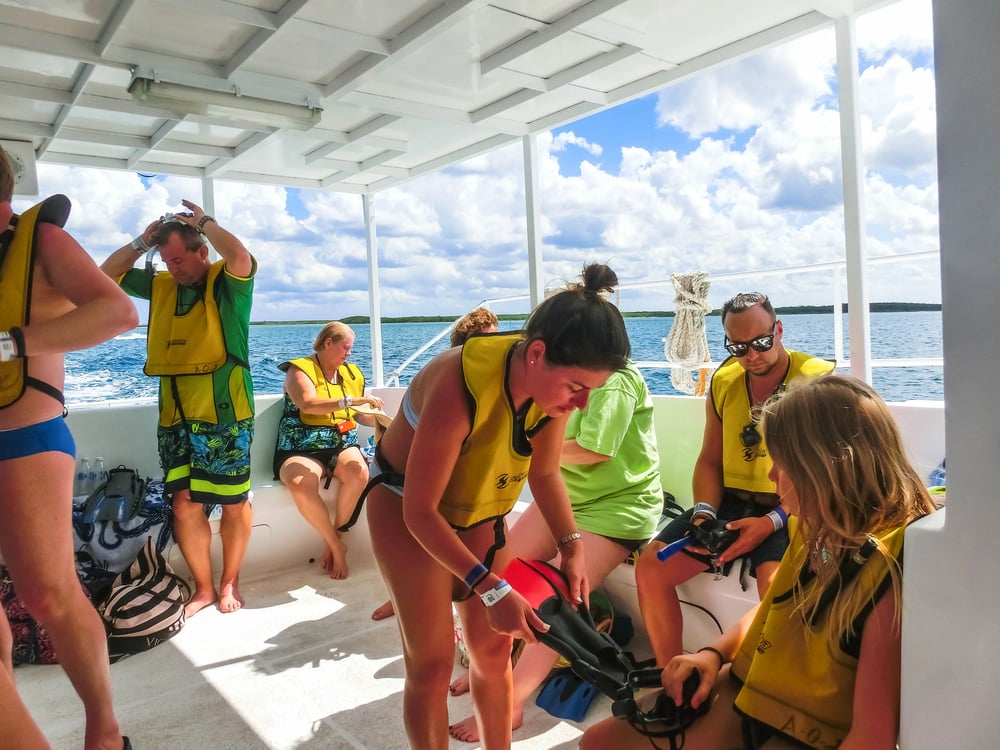
The good shore excursions disappear faster than dessert at the midnight buffet (back when ships had midnight buffets, which they mostly don’t anymore, but the point stands). Helicopter tours, small-group experiences, and anything involving wildlife watching fills up weeks before the ship even leaves port.
What’s left are the generic bus tours that hit three stops in four hours, with half the time spent in gift shops that somehow all carry the exact same merchandise. There’s nothing inherently wrong with these tours — they’re safe, reliable, and you’ll see some sights — but they’re also the cruise excursion equivalent of ordering chicken fingers at a five-star restaurant. Technically food, but you’re missing the point.
Ignoring the daily schedule

Every evening, a detailed schedule appears in your stateroom (or on the app) outlining the next day’s activities, dining hours, port information, and entertainment options. Most first-timers glance at it once and promptly forget it exists.
This turns out to be a miscalculation that compounds throughout the week. The schedule tells you when the good deck chairs get claimed (early), when certain restaurants open for lunch (later than you think), and whether tomorrow is a sea day or port day (which affects everything else). It also lists one-time events that don’t repeat — cooking demonstrations, behind-the-scenes tours, or guest lectures that might actually be interesting.
Miss the schedule, miss the opportunities. And cruise ships, despite their reputation for repetitive programming, actually offer plenty of activities that happen only once per sailing.
Choosing the wrong cabin location
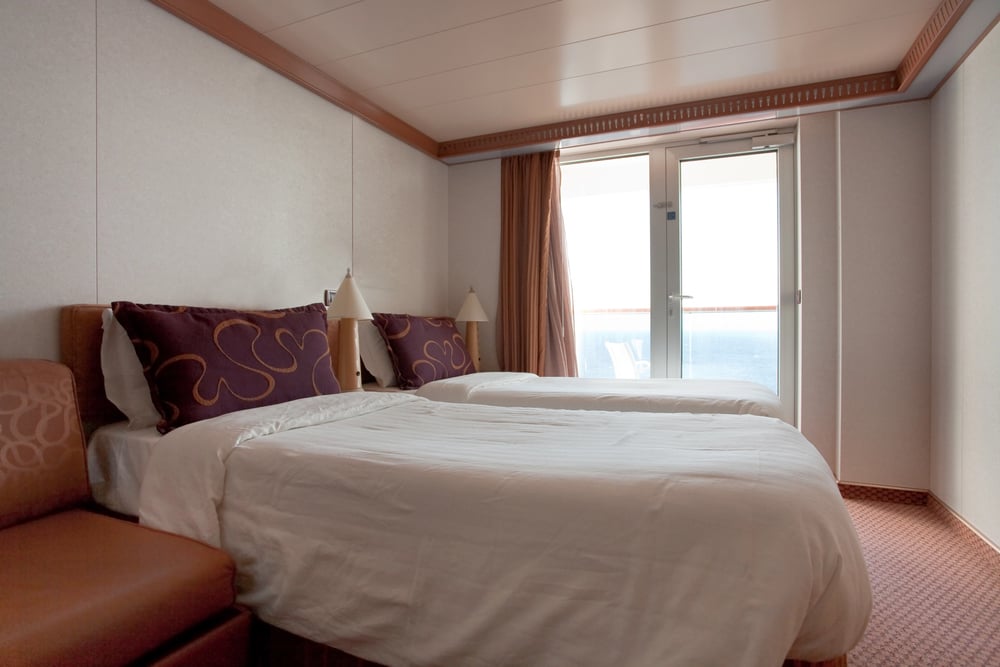
Location on a cruise ship matters more than location in real estate, and first-time cruisers often learn this lesson at 2 a.m. when the crew starts moving deck chairs directly above their heads. Or when they discover their cabin sits directly below the sports deck, where basketball tournaments apparently run until dawn.
But the noise issues pale compared to the motion problems (certain areas of the ship feel every wave like a personal insult from the ocean), and both pale compared to the convenience factor that governs everything else about your week. Cabins near the front or back of the ship experience more movement in rough seas.
Cabins on lower decks mean longer elevator waits. Cabins far from the action mean you’ll spend half your vacation walking through corridors that all look identical.
The cruise line won’t warn you about any of this — to them, a cabin is a cabin is a cabin. To you, it’s the difference between sleeping peacefully and wondering if you’ve accidentally booked passage on a maritime construction site.
Not understanding dining times and options

Cruise ship dining operates on a completely different logic than restaurants on land, and first-timers often approach it with landlubber assumptions that lead to confusion and missed meals. The main dining room serves dinner at specific times (usually 5:30 p.m. and 8 p.m.), and showing up at 7 p.m. because that’s when you normally eat dinner at home means you’re either early for the late seating or late for the early seating — either way, you’re standing in a hallway while other people eat.
Traditional dining assigns you the same table with the same people every night, which sounds lovely until you realize you’ve committed to spending seven dinners making small talk with strangers who chew loudly. Anytime dining lets you eat whenever you want, but it also means you might wait 45 minutes for a table on busy nights.
The specialty restaurants require reservations and extra fees. The buffet runs on its own schedule and closes without warning. Room service exists but costs extra and takes forever.
None of this is necessarily bad, but it requires a different mindset than just wandering down to the hotel restaurant whenever hunger strikes.
Overspending on drinks

Cruise ship drinks pricing operates in its own economic universe where a beer costs $8 and a cocktail approaches $15. First-timers often get hit with sticker shock on the first day, then spend the rest of the cruise either nursing single drinks for hours or watching their shipboard account balance climb into mortgage payment territory.
The beverage packages promise unlimited drinks for one daily rate, which sounds like a great deal until you do the math and realize you’d need to consume roughly six alcoholic beverages per day just to break even. Some people can handle that pace (and more power to them), but most discover that vacation drinking and competitive drinking are different sports entirely.
The packages also come with rules and restrictions that vary by cruise line — some include specialty coffees and fresh juices, others don’t. Some work in specialty restaurants, others require an upcharge.
Reading the fine print prevents disappointment, but most people don’t read the fine print until after they’ve already committed to unlimited piña coladas.
Not preparing for sea days
Sea days — full days when the ship sails without stopping at any ports — divide cruisers into two camps: those who love them and those who panic at the thought of being “trapped” on the ship with nothing to do. First-timers often fall into the panic camp because they underestimate how much there actually is to do on a modern cruise ship, and they overestimate their need for constant stimulation.
A sea day unfolds differently than a port day. The pace slows down.
People sleep later, linger over breakfast, and actually use the pool deck instead of rushing off to see ruins or go shopping. The ship’s amenities get more attention — the spa, the fitness center, the library that most people walk past without noticing.
The entertainment staff pulls out activities that don’t work well in port (because everyone’s gone) — trivia contests, dance lessons, cooking demonstrations, and art auctions that are either fascinating or excruciating depending on your tolerance for aggressive sales tactics. Sea days also offer the best chance to get that perfect deck chair by the pool, the one that’s usually claimed by 6 a.m. on port days by people who then immediately leave to go explore whatever city the ship is visiting.
Which, when you think about it, represents a special kind of vacation irony.
Bringing too much cash

Cash feels important when you’re traveling, like a security blanket against the unknown. So first-time cruisers often arrive at the port with hundreds of dollars in small bills, ready to tip and shop and handle any cash-only emergencies that might arise during their week at sea.
Then they discover that cruise ships operate almost entirely on room charges linked to their key card. Drinks, spa services, photos, specialty dining, casino games, art auctions, and gift shop purchases all go on the shipboard account. Even tips get charged automatically.
About the only time you need cash is for laundry (some ships still use coin machines) and small purchases in port, and even many port vendors now accept credit cards. The real cash needs come at the ports of call, but not nearly as much as most people expect.
Shore excursions booked through the ship get charged to your room. Restaurants in port take credit cards. Souvenir shopping can be done with plastic.
You might need cash for local transportation, small vendors, or tips for local tour guides, but that’s maybe $50–$100 per port, not the thick stack of twenties that first-timers often bring.
Skipping travel insurance

Travel insurance feels like one of those “maybe I should, maybe I shouldn’t” decisions that gets pushed to the last minute and then forgotten entirely. First-time cruisers often skip it because cruise lines don’t emphasize it the way airlines do, and because the idea of something going wrong with a vacation feels too pessimistic to contemplate seriously.
But cruise travel comes with unique risks that don’t apply to regular hotel vacations. If you miss the ship’s departure from a port (because your shore excursion ran late, or you got lost, or local transportation broke down), you’re responsible for getting yourself to the next port at your own expense.
If weather delays force itinerary changes, you’re not entitled to refunds. If you get sick or injured on the ship, medical care is available but expensive, and evacuation to a hospital on land can cost tens of thousands of dollars.
Travel insurance won’t prevent these problems, but it can significantly reduce their financial impact. The cruise lines offer their own insurance, but independent policies often provide better coverage for less money — and they’re more likely to cover pre-existing conditions and other situations that cruise line policies exclude.
Not downloading the ship’s app

Every major cruise line now offers a mobile app that serves as your digital guide to life onboard, but first-timers often either don’t know the apps exist or don’t bother downloading them until they’re already at sea and struggling with spotty ship Wi-Fi.
The apps do more than just show the daily schedule (though they do that too). They let you make dining reservations, book spa appointments, check account balances, message other passengers in your group, and sometimes even order room service.
Some apps work partially without internet connectivity, using the ship’s internal network, while others require you to purchase a Wi-Fi package to access most features. Loading the app before you board means you can start making reservations and exploring options from your departure port, when you still have reliable internet.
Waiting until you’re on the ship means you’ll spend valuable vacation time figuring out technology instead of enjoying yourself.
Expecting everything to be included
The “all-inclusive” reputation of cruises leads many first-timers to assume that everything on the ship is covered by their cruise fare. This assumption lasts roughly until they order their first drink, book their first spa treatment, or try to connect to Wi-Fi.
Modern cruising operates on a base-fare-plus-extras model that would make airline executives proud. Your cruise fare covers accommodation, most dining options, basic entertainment, and use of most ship facilities. But drinks (alcoholic and non-alcoholic), specialty restaurants, spa services, fitness classes, Wi-Fi, laundry, photos, shore excursions, casino play, art purchases, and gratuities all cost extra.
Some cruise lines are more inclusive than others, but none are truly all-inclusive in the resort sense of the term. The extras add up faster than most people expect.
A modest week might add $500–$800 per person in additional charges. A more indulgent approach can easily double your cruise fare.
Neither approach is wrong, but understanding the pricing structure prevents sticker shock when you review your final bill on the last day.
Rushing through ports
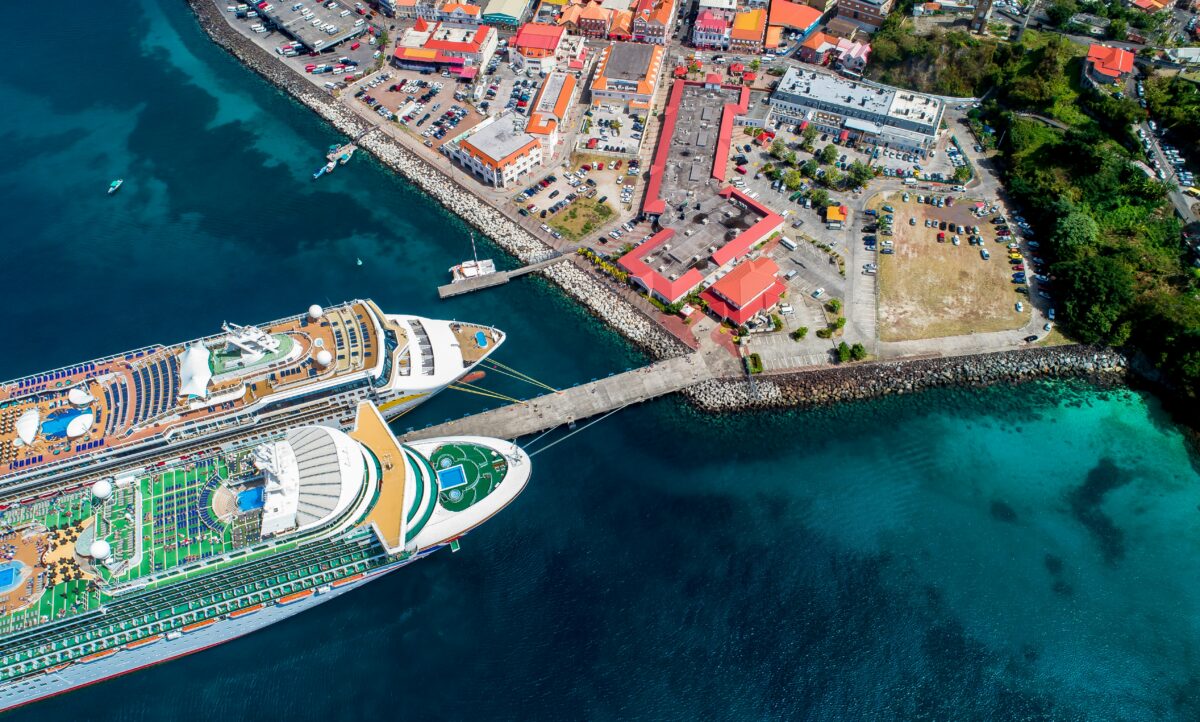
Port days bring out a peculiar form of vacation anxiety in first-time cruisers — the fear that they’re not maximizing their limited time in each destination. This leads to overpacked itineraries that try to see everything in six or seven hours, turning what should be relaxing exploration into a forced march through tourist attractions.
The “get off the ship early, stay until the last possible minute” approach sounds logical, but it often backfires. Popular shore excursions get crowded when everyone follows the same schedule.
Local restaurants fill up at noon when all the cruise passengers descend simultaneously looking for lunch. Transportation gets expensive and scarce when everyone needs to return to the ship at the same time.
A better approach involves picking one or two things to see well rather than checking off every item on the destination’s greatest hits list. Spend two hours at the museum instead of 30 minutes each at four different attractions.
Find a cafe and watch local life unfold instead of photographing every landmark and moving on. The ship will visit 15 or 20 ports throughout the year — other passengers will see what you missed, but they won’t see it the way you would have.
Not packing smart for laundry
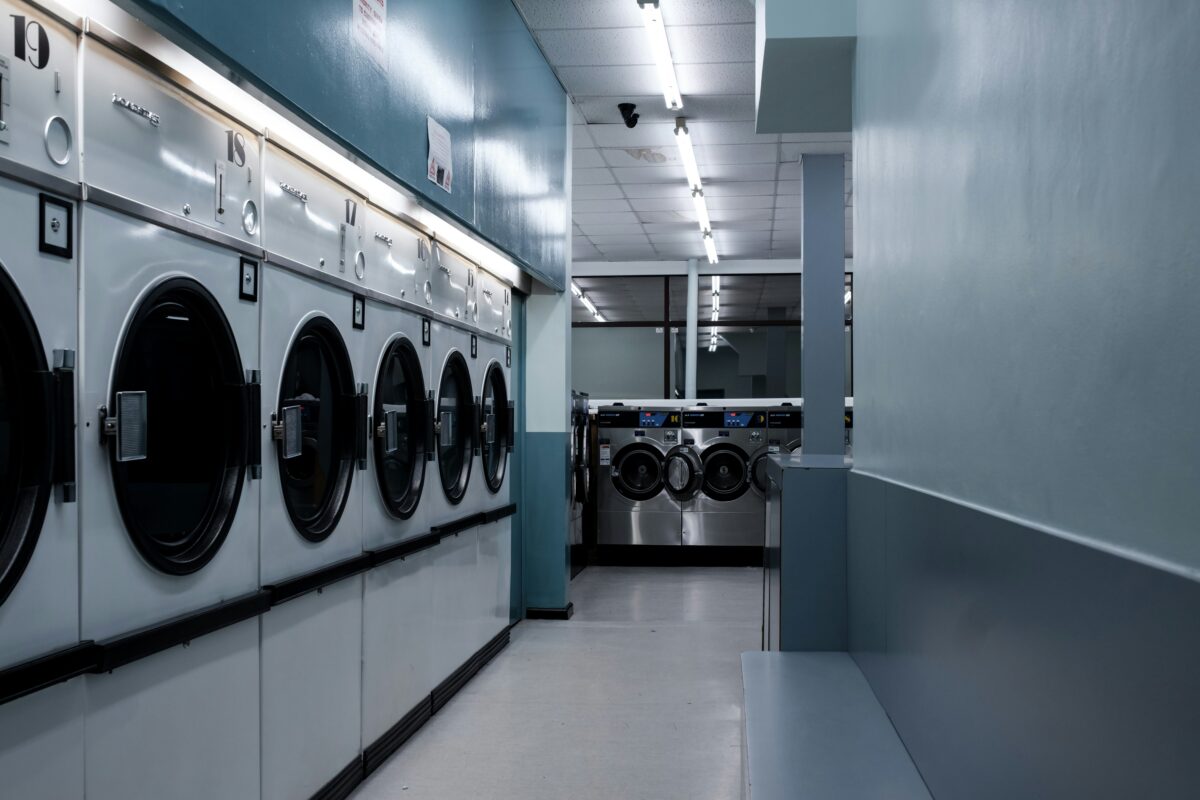
Cruise ship laundry services exist in that special category of travel expenses that cost more than they should, while being less convenient than you’d hope. Most ships charge by the item ($3–$5 per shirt, $4–$7 per pair of pants), which means a basic load of laundry can easily cost $50–$80.
Some ships offer self-service laundromats with coin-operated machines, but they’re often crowded and require you to babysit your clothes instead of enjoying yourself. First-time cruisers often pack either too many clothes (trying to avoid laundry entirely) or too few clothes (underestimating how much they’ll actually need).
The sweet spot involves packing for about half the trip, then planning one laundry session mid-cruise. Bring detergent packets or powder — buying laundry supplies on the ship costs more than the detergent is worth.
Pack clothes that wash and dry easily. Avoid anything that needs special care, because cruise ship laundry services are not gentle with delicate items.
Some experienced cruisers do hand-washing in their cabin sinks, but this violates the terms of service and can result in charges if housekeeping has to deal with wet clothes hanging everywhere. Plus, bathroom lighting makes it difficult to tell if anything is actually clean.
Missing the last tender

Islands without deep-water ports require tender service — small boats that ferry passengers between the anchored cruise ship and the shore. Tender operations depend on weather and sea conditions, and they stop running well before the ship’s official departure time to ensure all passengers make it back safely.
First-time cruisers often treat tender ports like regular ports, assuming they can cut their return timing close and still make it back to the ship. But tender service might end an hour or more before the ship leaves, especially if seas get rough during the day.
Miss the last tender, and you’re spending the night on shore (at your own expense) while the ship continues to its next destination without you. The ship’s daily schedule lists tender operation times, but they’re estimates based on ideal conditions.
Smart passengers plan to return at least 90 minutes before the last scheduled tender, which feels overly cautious until you’re standing on a dock watching the tender service shut down while your ship sits tantalizingly close but unreachably offshore.
Not taking advantage of embarkation day
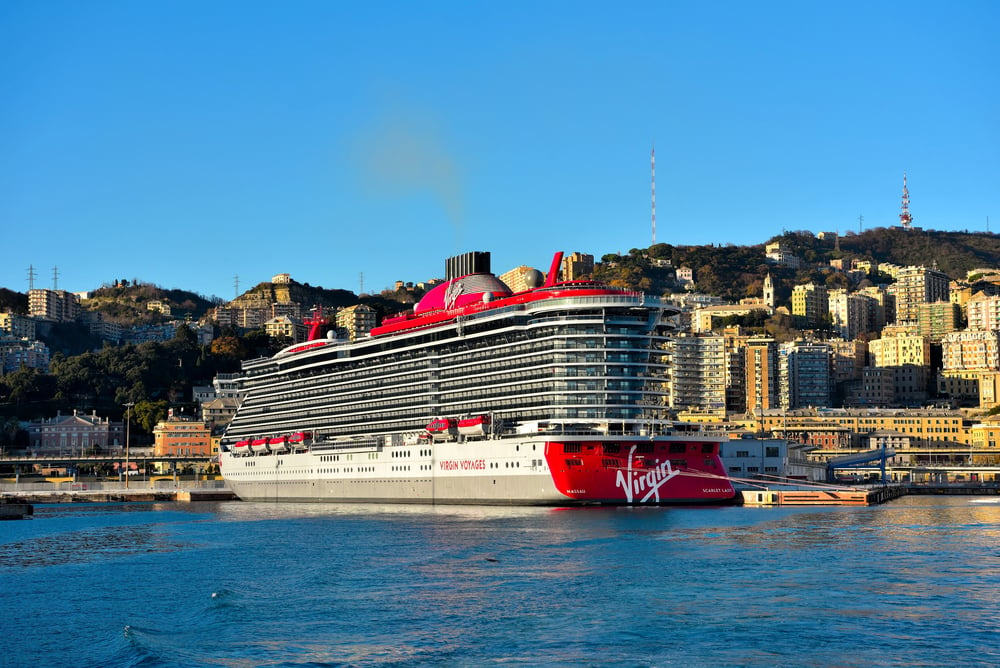
Embarkation day rewards the passengers who treat it like part of the vacation instead of a waiting period before the “real” cruise begins. The spa offers discounted treatments, the pools still have empty chairs, and the ship feels calm before everyone settles into their routines.
By dinner time, experienced cruisers already know where everything is, which elevators move fastest, and where to find the quiet corners most people won’t discover until the final day of the trip. First-time cruise mistakes rarely ruin a vacation. Most become funny stories you laugh about later while planning the next sailing.
But the difference between feeling overwhelmed and feeling completely at ease often comes down to understanding how cruise life actually works before you step onboard. Ships operate like floating cities with their own systems, rhythms, and unwritten rules.
Learn those rhythms early, and the entire experience becomes smoother, cheaper, and far more relaxing. The best cruisers aren’t the ones who spend the most money or book the fanciest suites.
They’re the ones who understand that cruising works best when you stop fighting the flow of ship life and start leaning into it. Once that happens, the confusion fades, the ship starts to feel surprisingly familiar, and somewhere between the sea days and the port stops, you realize why so many people keep coming back.
More from Go2Tutors!

- The Romanov Crown Jewels and Their Tragic Fate
- 13 Historical Mysteries That Science Still Can’t Solve
- Famous Hoaxes That Fooled the World for Years
- 15 Child Stars with Tragic Adult Lives
- 16 Famous Jewelry Pieces in History
Like Go2Tutors’s content? Follow us on MSN.



