Shortest Commercial Flights You Can Book
Flying from one place to another usually means settling in for at least an hour in the air. But some routes take less time than your morning commute.
We’re talking flights measured in minutes, not hours. Some barely give you time to reach cruising altitude before starting descent.
These ultra-short hops exist for practical reasons—island chains, geographic barriers, lack of roads or ferries. They’re not tourist gimmicks, though travellers do book them just for the novelty.
Here are the shortest commercial flights you can actually purchase a ticket for.
Westray to Papa Westray, Scotland

This holds the record. The flight between these two Orkney Islands takes about 90 seconds on a good day.
Sometimes less if the wind cooperates. The distance is 1.7 miles.
Loganair operates the route using a small propeller plane. The schedule exists because there’s no ferry, and the alternative is a long boat journey around several islands.
Locals use it for work, medical appointments, and school. Tourists book it to say they’ve taken the world’s shortest flight.
The plane holds eight passengers. You board, buckle up, and before you’ve finished adjusting your seatbelt, the descent begins.
The pilot barely has time to retract the landing gear. On some flights, they don’t bother.
The whole experience feels surreal, like someone’s playing a practical joke on aviation.
Cayman Brac to Little Cayman, Cayman Islands

Cayman Airways flies between these two islands in about five minutes. The distance covered was roughly 7 miles across Caribbean waters.
The flight exists because Little Cayman has no significant ferry service, and the water between the islands can get rough. Little Cayman’s population hovers around 200 people.
Most visitors come for diving. The island has world-class coral reefs and virtually nothing else.
The short flight saves hours compared to boat travel, especially when the weather turns bad. The plane is a Twin Otter, sturdy enough to handle the short runway on Little Cayman.
You get a brief view of turquoise water before touching down. Some passengers don’t even bother with the overhead storage.
By the time you’ve stowed your bag, you’re already landing.
Karpathos to Kasos, Greece

This flight between two Greek islands takes about five minutes. The distance is around 12 miles.
Olympic Air operates the route, connecting these dots in the Dodecanese archipelago. Kasos is one of Greece’s most remote inhabited islands.
Fewer than 1,000 people live there year-round. The ferry service is infrequent and weather-dependent.
The flight offers reliability that boats can’t match in winter when the Aegean gets choppy. The views during this flight are spectacular on clear days.
You’re low enough to see individual boats and buildings. The plane barely levels off before beginning its approach.
Passengers joke that the safety demonstration takes longer than the actual flight.
Papeete to Moorea, French Polynesia

Air Tahiti flies this route in about seven minutes. The distance spans roughly 11 miles across crystal-clear Pacific waters.
It’s one of the busiest short routes in the world. Moorea sits just across the strait from Tahiti’s capital.
You can see it clearly from Papeete’s waterfront. A ferry runs regularly and takes 30 minutes, but the flight appeals to travellers with tight connections or anyone who just prefers flying.
The route uses larger aircraft than most ultra-short flights. Sometimes a 70-seat ATR turboprop handles the demand.
You get a stunning aerial perspective of both islands, volcanic peaks jutting from turquoise lagoons. Then you’re on the ground in Moorea before your ears have finished popping.
Minami-Daito to Kita-Daito, Japan

These two remote islands in the Philippine Sea are connected by a flight lasting about 10 minutes. Japan Air Commuter operates the service.
The distance covers approximately 7.5 miles. Both islands are coral atolls, raised platforms surrounded by cliffs and rough seas.
No natural harbors exist. Ships have to crane cargo and passengers up and down the cliffs.
The flight is the only practical way to travel between them. The islands produce sugar and host weather stations.
The population of both combined is under 2,000. Most passengers are workers or islanders visiting family.
The plane is usually a small turboprop, and the flight path follows a straight line over open ocean. You spend more time taxiing than flying.
Connemara to Inishmore, Ireland
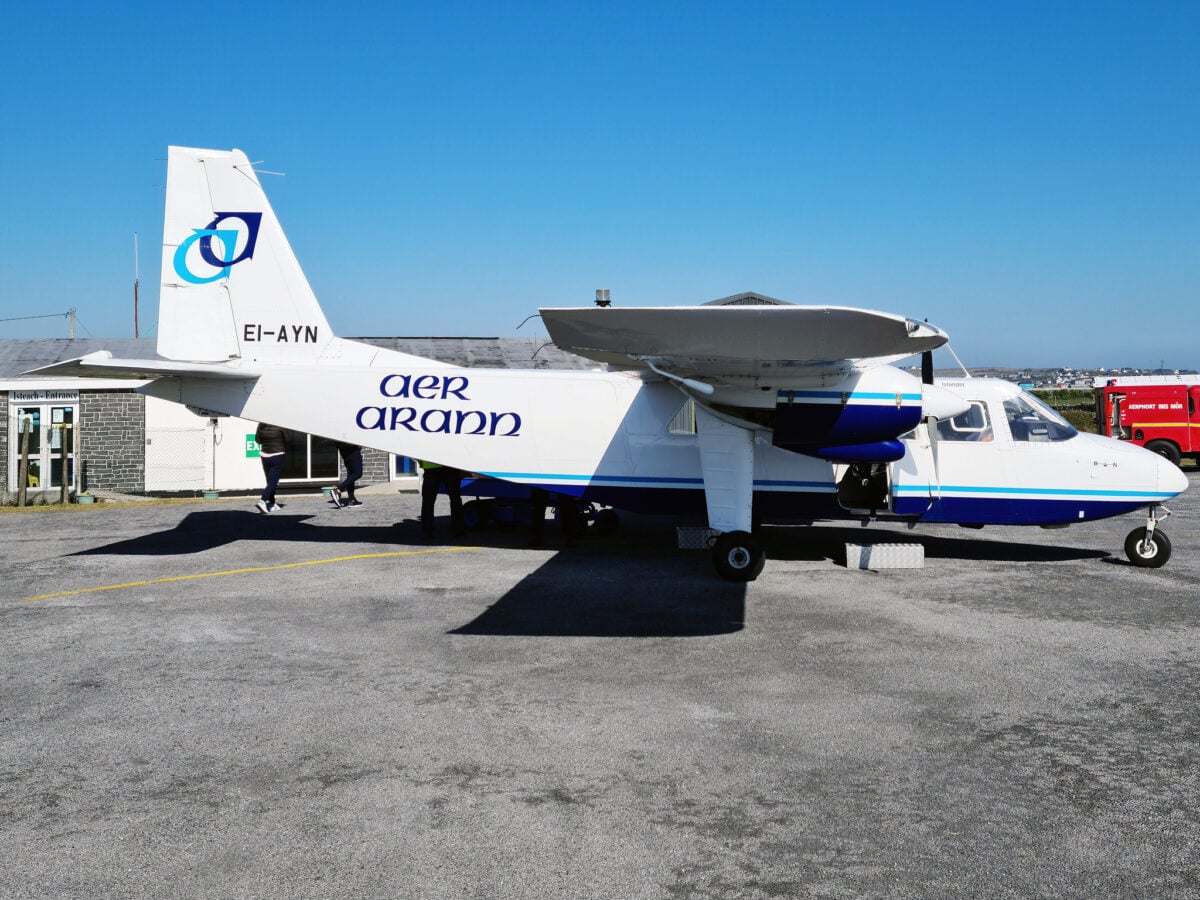
Aer Arann Islands flies from Connemara Airport to Inishmore in the Aran Islands. The flight takes about seven minutes covering roughly 8 miles.
The plane is a tiny Islander aircraft that holds nine people. Inishmore is the largest of the Aran Islands, famous for ancient stone forts and harsh beauty.
Ferries run from the mainland, but they take an hour and get cancelled in bad weather. The flight operates year-round, weather permitting.
The experience feels more like bush flying than commercial aviation. You walk across the tarmac, climb into what looks like a van with wings, and moments later you’re skimming over Atlantic waters.
The landings on Inishmore can be exciting. The runway is short and ends near a beach. You feel every gust of wind.
Caye Caulker to San Pedro, Belize
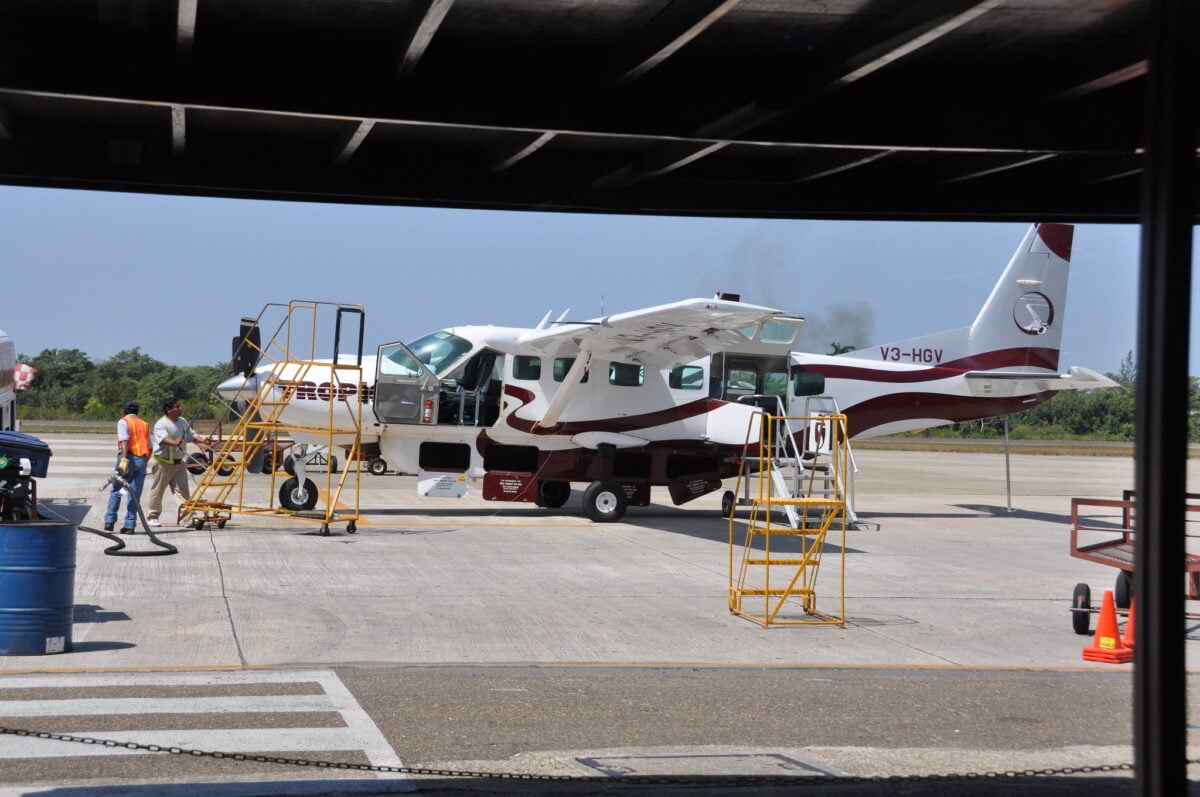
Tropic Air and Maya Island Air both operate this route. Flight time is about five minutes covering approximately 7 miles between two popular tourist islands.
The service runs frequently throughout the day. Water taxis connect these islands regularly, but the flight appeals to travellers who want to maximize their time.
Both islands are small enough to walk across in 20 minutes. The short flight feels almost comical given how close they are, but it beats waiting for a boat in the hot sun.
The planes are usually eight-seater Cessnas. You fly low over the Belize Barrier Reef, the second-longest in the world.
On clear days, you can see the reef structure and darker patches of seagrass. Then you’re on your way to the next island’s small airstrip before you’ve really processed taking off.
Hoolehua to Kalaupapa, Hawaii

This flight on Molokai lasts about 10 minutes. Makani Kai Air operates the service, connecting the main part of Molokai island to the isolated Kalaupapa peninsula.
The distance is only about 3 miles as the crow flies, but those three miles include a 1,600-foot cliff. Kalaupapa was once a leprosy settlement.
Today, it’s a national historical park. Access is tightly restricted. You need permits and usually a guided tour.
The flight is one of two ways to reach it—the other involves hiking down a steep, switchback trail on a mule. The descent is dramatic.
You take off from the regular airport, fly along the coast, then drop sharply to land on a small strip near sea level. The cliffs tower over you.
Looking up at them from the landing strip makes you appreciate why they built an airstrip in the first place.
St. Maarten to Saba
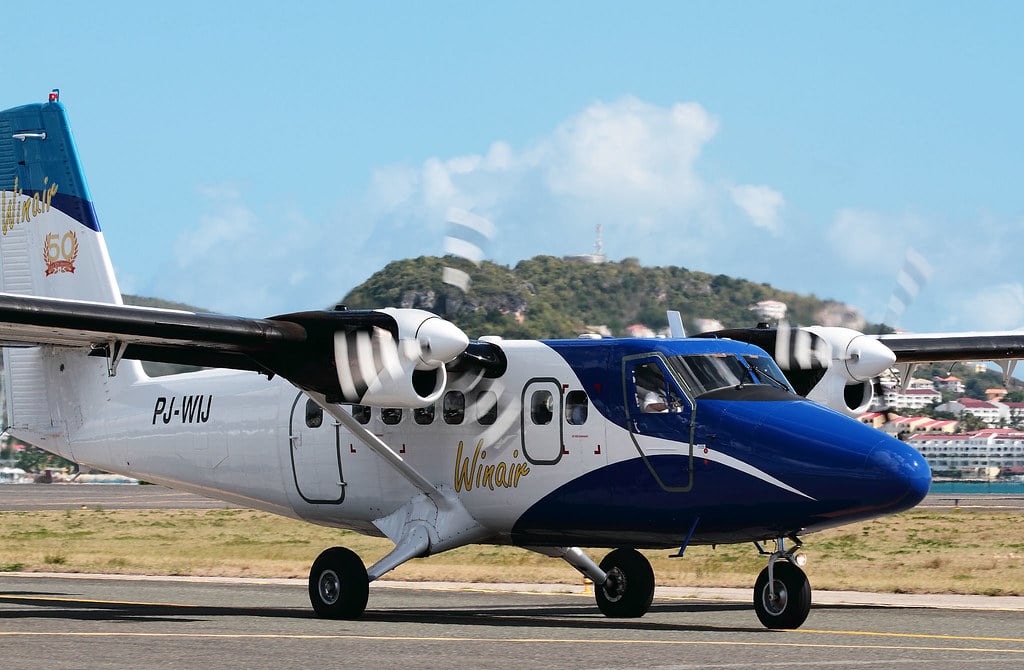
Winair operates this inter-island flight in about 12 minutes. The distance is around 28 miles, making it longer than some others on this list, but the brevity still qualifies it as ultra-short.
What makes this flight notable is the destination. Saba’s runway is one of the world’s shortest commercial runways at just 1,300 feet.
It sits on a flat ledge between mountains and the ocean. Pilots need special certification to land there.
The approach feels steep and fast. You come in over the water, clear the end of the runway by feet, and slam on the brakes immediately.
The island itself is a single volcanic peak. Fewer than 2,000 people live there.
No beaches exist, just rocky coastline and lush green mountainsides. The flight from St. Maarten is the only way to reach Saba unless you take a ferry that runs twice weekly.
Most visitors choose the plane.
Freetown to Lungi, Sierra Leone
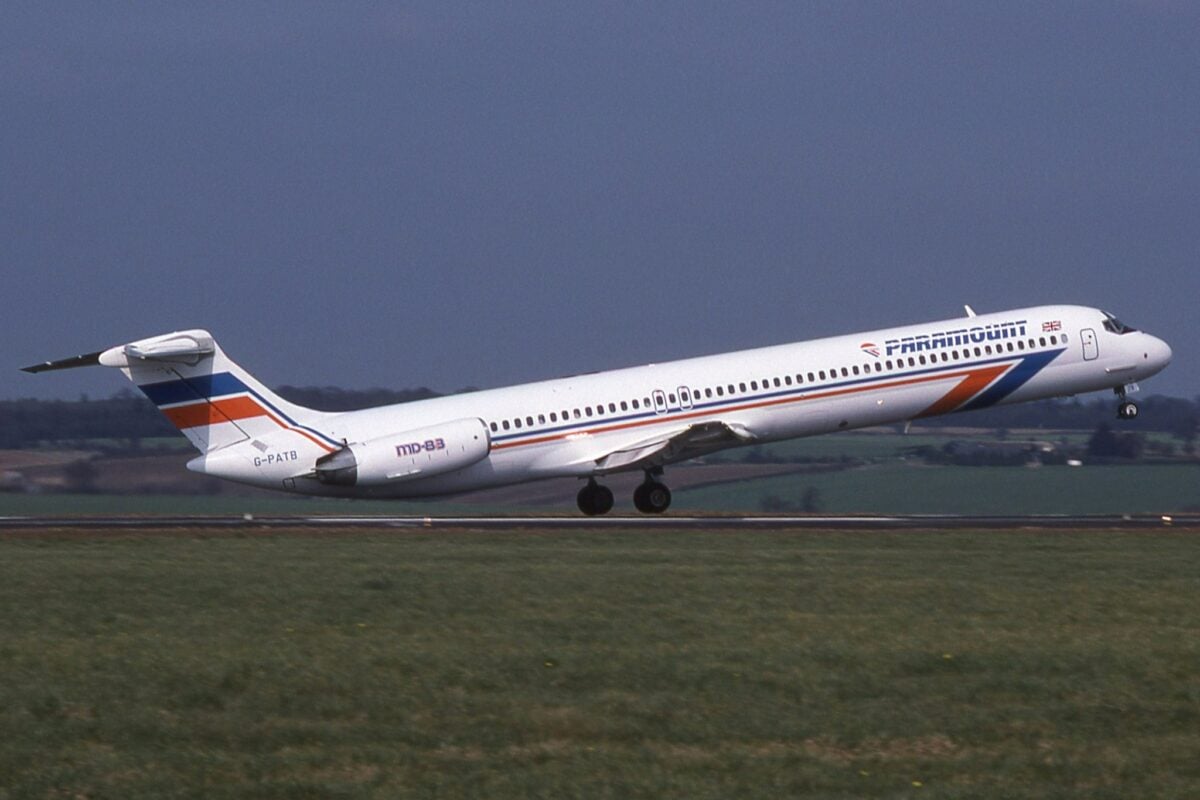
This flight across the Sierra Leone River estuary takes about 10 minutes. Paramount Airlines operates it, connecting Freetown to its main international airport in Lungi.
The water distance is only about 13 miles, but getting around the estuary by land takes four hours. For years, helicopter service was the main option.
Fixed-wing flights started more recently, offering a cheaper alternative. Most international travellers arriving at Lungi need this connection to reach the capital.
A ferry also operates, but it takes longer and depends on tides. The flight follows the coast before cutting across the water.
You get views of Freetown’s harbor, crowded with fishing boats and cargo ships. The landing at Freetown’s smaller airport feels quick after the international facility at Lungi.
Then you’re in the chaos of the capital, having saved yourself hours of ground travel.
Nürnberg to München, Germany

Lufthansa used to operate this route between Nuremberg and Munich in about 30 minutes. It’s longer than most entries here, but it made the list because of how absurd it was.
The cities are only 100 miles apart with excellent train connections. The flight existed for business travellers and airline connections.
Someone flying from London to southern Germany could connect through Munich without taking a separate train. Airlines made money on these short hops by filling otherwise empty seats and offering convenience.
Lufthansa eventually cancelled the route. High-speed rail made it redundant.
You could board a train in downtown Nuremberg and arrive in downtown Munich faster than flying when you factor in airport security and check-in. The flight’s demise shows how ultra-short routes only survive when no better alternative exists.
Paro to Kathmandu

Druk Air flies between Bhutan and Nepal in about 45 minutes. Again, this is longer than the truly ultra-short flights, but it makes the list because both departure and arrival are among the world’s most challenging airports.
Paro Airport sits in a valley surrounded by 18,000-foot peaks. Only a handful of pilots are certified to land there.
The approach involves flying between mountains and banking sharply before touchdown. Kathmandu has its own challenges with high altitude and tricky weather patterns.
The actual flying time is brief, but the experience is intense. You’re rarely more than a few thousand feet above the ground, constantly weaving through Himalayan valleys.
The views are extraordinary on clear days. Then you drop into Kathmandu’s chaotic airport, having covered relatively little distance but feeling like you’ve travelled much farther.
Why These Routes Exist

Short flights survive when geography creates barriers that ground transportation can’t easily overcome. Islands, mountains, rivers, and oceans all make short flights practical even when the distances seem laughable.
Economics matter too. These routes work because they use small planes with low operating costs.
A flight carrying eight passengers for five minutes can be profitable if tickets cost enough and demand stays consistent. Larger planes wouldn’t make sense.
The infrastructure requirements stay minimal—short runways, small terminals, basic facilities. Some routes also exist because of historical patterns.
Communities built up assuming air service would continue. Once people depend on flights for work, medical care, and supplies, cancelling service becomes politically difficult even if the route loses money.
Government subsidies keep some ultra-short flights operating.
The Experience of Flying Nowhere

Strange, how these flights sit in your gut. Through check-in, past security, down the jet bridge – all before you could even reach the terminal by car.
Tourists grin at the silliness like it’s a joke they paid to hear. Residents? They sigh, step on, say nothing. Beverage service never shows up.
Settling in takes just a moment, if that. While the plane moves toward the runway, safety talks begin – timing leaves no room before departure.
On flights stretching a bit farther, crew members toss out light comments, calling attention to the odd rhythm without skipping steps. Most of these trips happen because people need a way across, yet they draw folks just looking for odd adventures.
Not every traveller has a clear reason, but the planes fill up. From the cockpit, it’s routine stuff – strict rules followed, full checklists done – even if wheels-up to wheels-down lasts shorter than a pot of coffee steaming.
What holds it together? A balance between must-have travel and human curiosity showing up in tiny airports nobody expected.
More from Go2Tutors!

- The Romanov Crown Jewels and Their Tragic Fate
- 13 Historical Mysteries That Science Still Can’t Solve
- Famous Hoaxes That Fooled the World for Years
- 15 Child Stars with Tragic Adult Lives
- 16 Famous Jewelry Pieces in History
Like Go2Tutors’s content? Follow us on MSN.