17 Times People Accidentally Created Art Without Realizing It
Some of the world’s most captivating artwork never hung in galleries or sold at auction. Instead, these masterpieces emerged from everyday moments when ordinary people were simply going about their business, unaware they were creating something extraordinary in the process.
Here is a list of 17 remarkable instances when accidental artists stumbled into creating something beautiful without even trying. These unexpected masterpieces remind us that art often finds us when we least expect it.
Construction Site Crystals
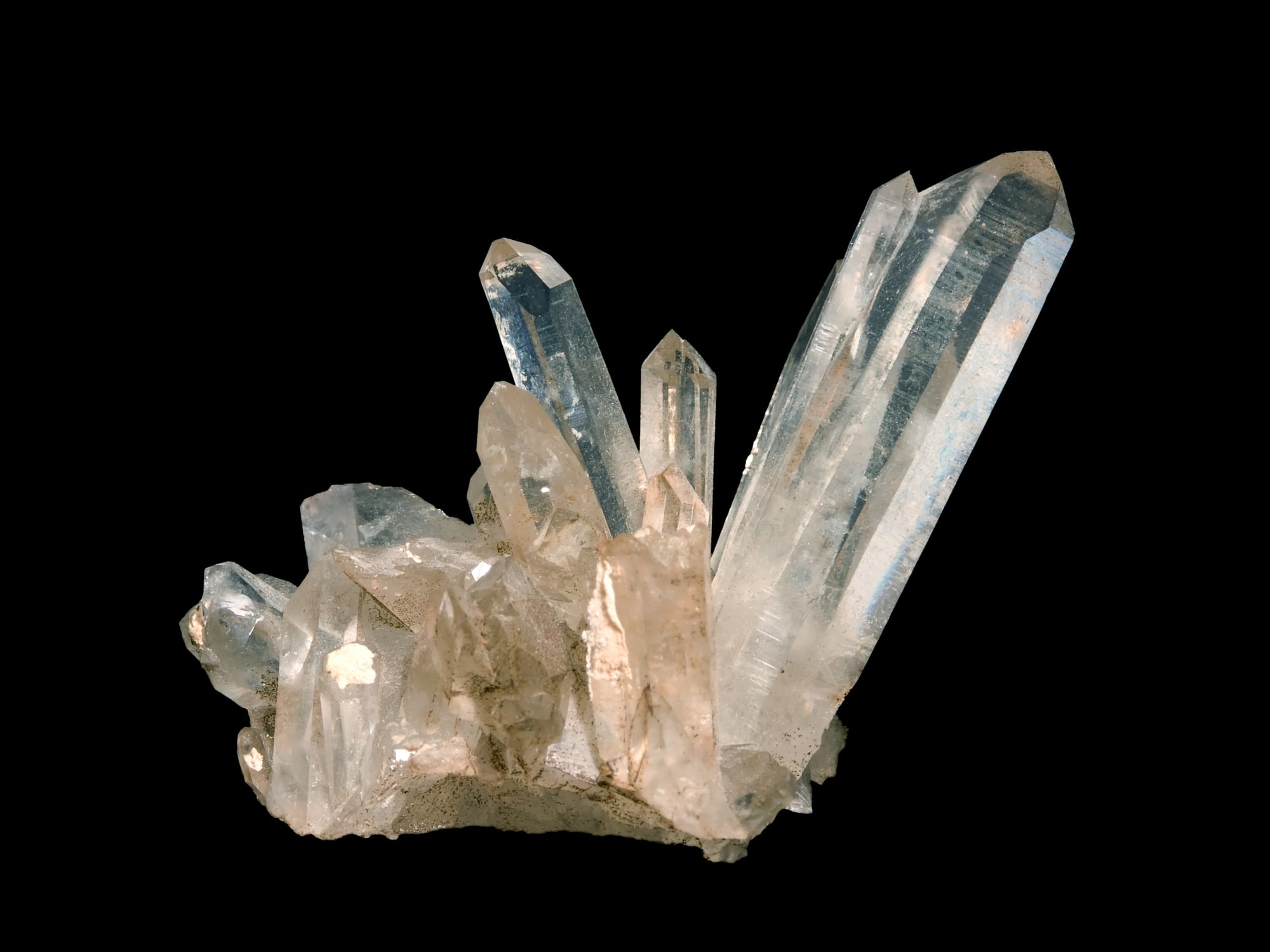
Workers digging the foundation for New York City’s World Trade Center in the 1960s accidentally uncovered a massive pocket of natural quartz crystals over 40 feet below ground. The mammoth formations, some larger than a human, created a cathedral-like space of glittering minerals that construction workers described as ‘stepping into another world.’
Photographs taken before construction continued to show nature’s artistic hand at work, creating geometric perfection over millions of years.
The Rusty Car Hood
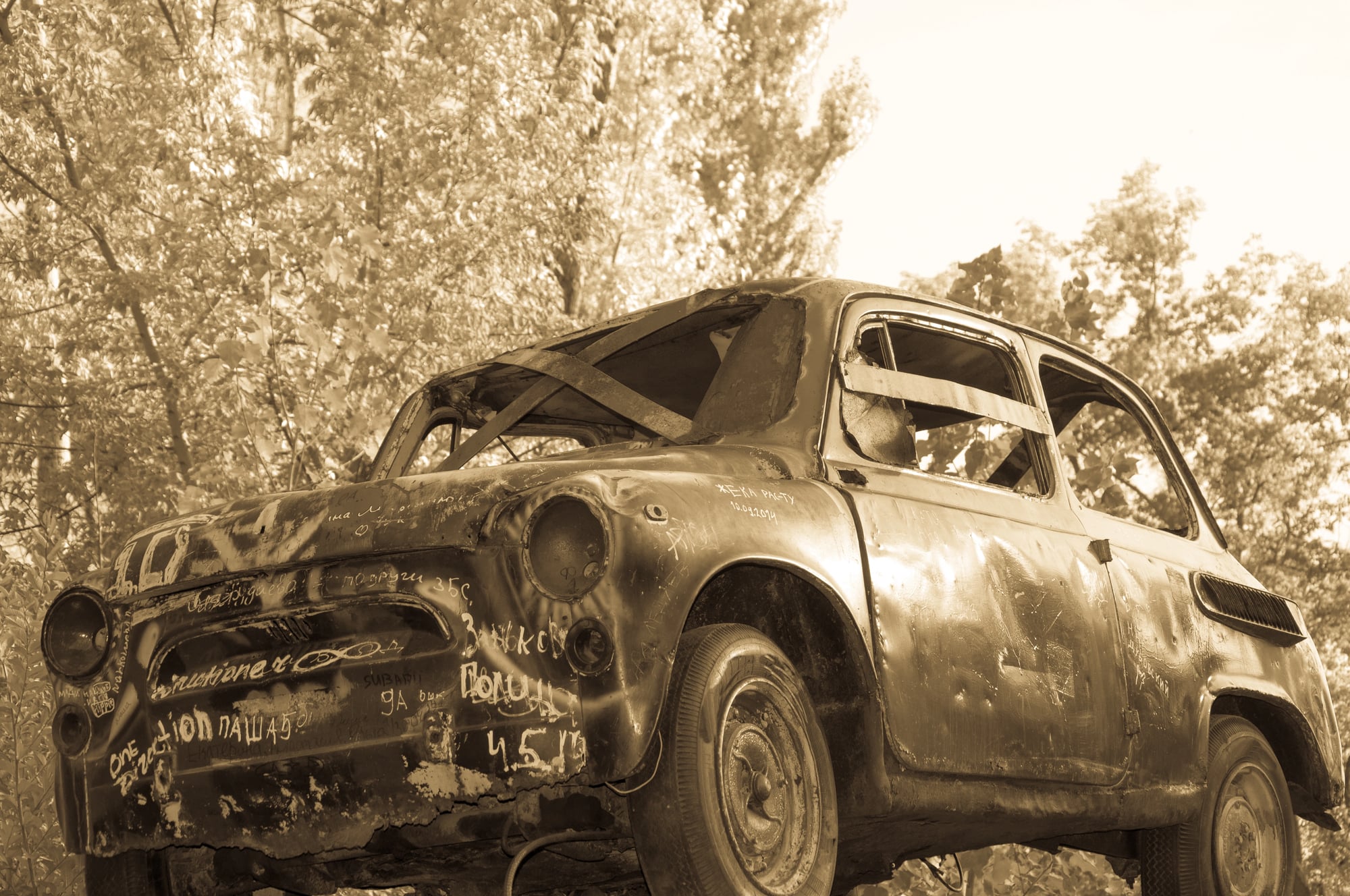
A mechanic in Arizona left an old car hood outside his shop for years, where the harsh desert sun and occasional rain transformed the metal into a stunning canvas of rust patterns. The oxidation created swirling, abstract designs in shades of amber, copper, and deep red that resembled aerial photographs of river deltas.
When a passing artist spotted it and offered to buy the ‘painting,’ the confused mechanic initially thought it was a joke until he offered $1,200 for his accidental masterpiece.
The Subway Stalactites
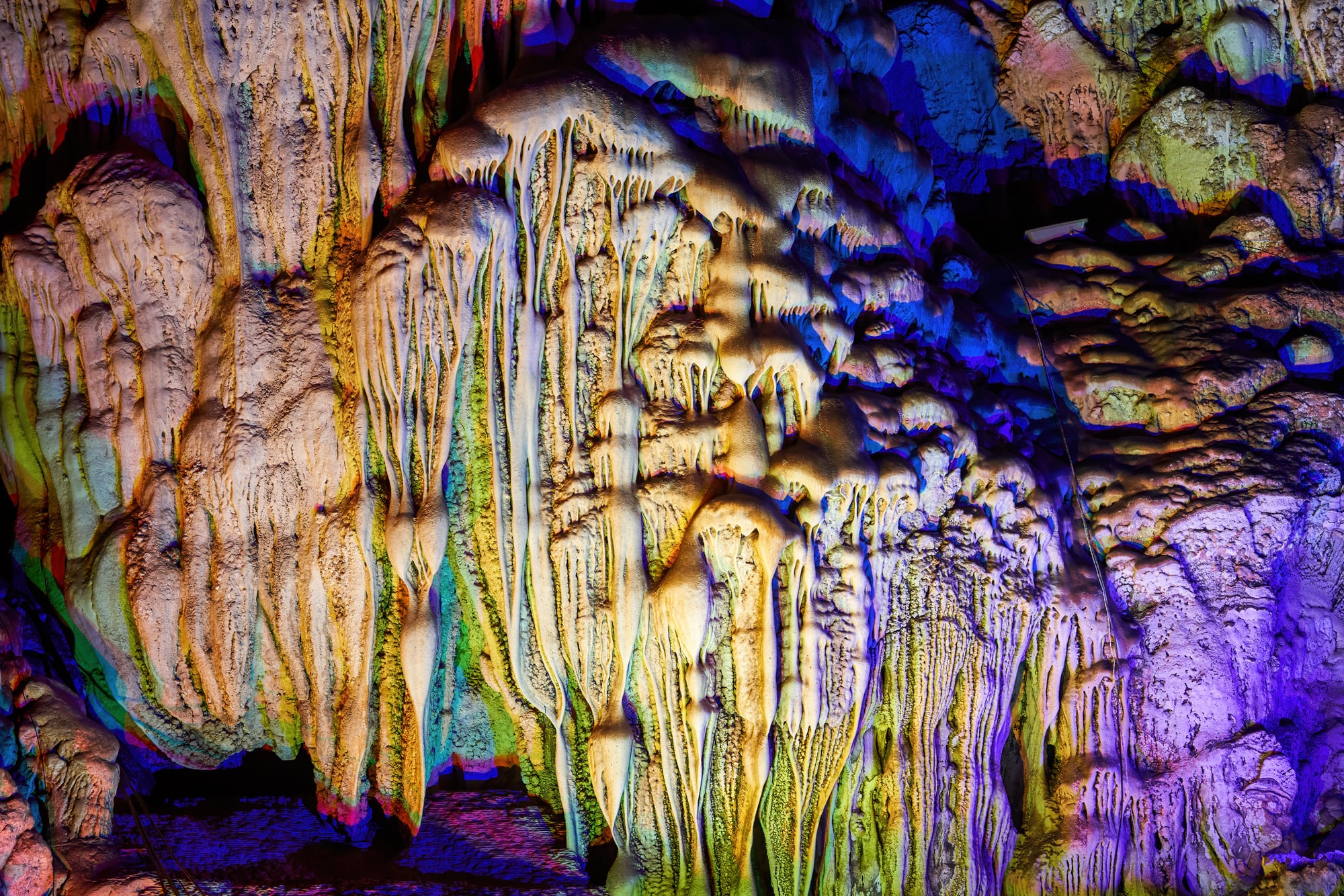
Maintenance workers in New York’s subway system discovered limestone formations growing beneath the city streets, created by decades of water seeping through concrete and dissolving minerals. These underground stalactites, nicknamed ‘urban speleothems,’ formed delicate, translucent structures eerily similar to those found in natural caves.
The calcium deposits created intricate patterns and formations in vibrant rust-orange, chalk-white, and deep amber hues beneath the bustling city.
The Power Washer Artist

A maintenance worker cleaning a massive concrete wall behind a shopping center created an unintentional mural visible from a nearby highway. By inconsistently removing decades of grime and pollution with his power washer, he inadvertently created a striking abstract design of light and dark patches.
The ‘negative space’ artwork stretched across nearly 200 feet and reminded viewers of massive cloud formations or ocean waves, leading to the wall being preserved rather than repainted.
The Frozen Lighthouse

During a particularly severe winter storm in 2010, the St. Joseph North Pier Lighthouse in Michigan was completely encased in ice after being battered by freezing waves. The resulting structure transformed the ordinary lighthouse into a surreal ice sculpture that appeared to be carved by an artist’s hand.
The delicate layers of transparent and opaque ice created an otherworldly structure that photographers traveled hundreds of miles to capture.
The Laboratory Accident
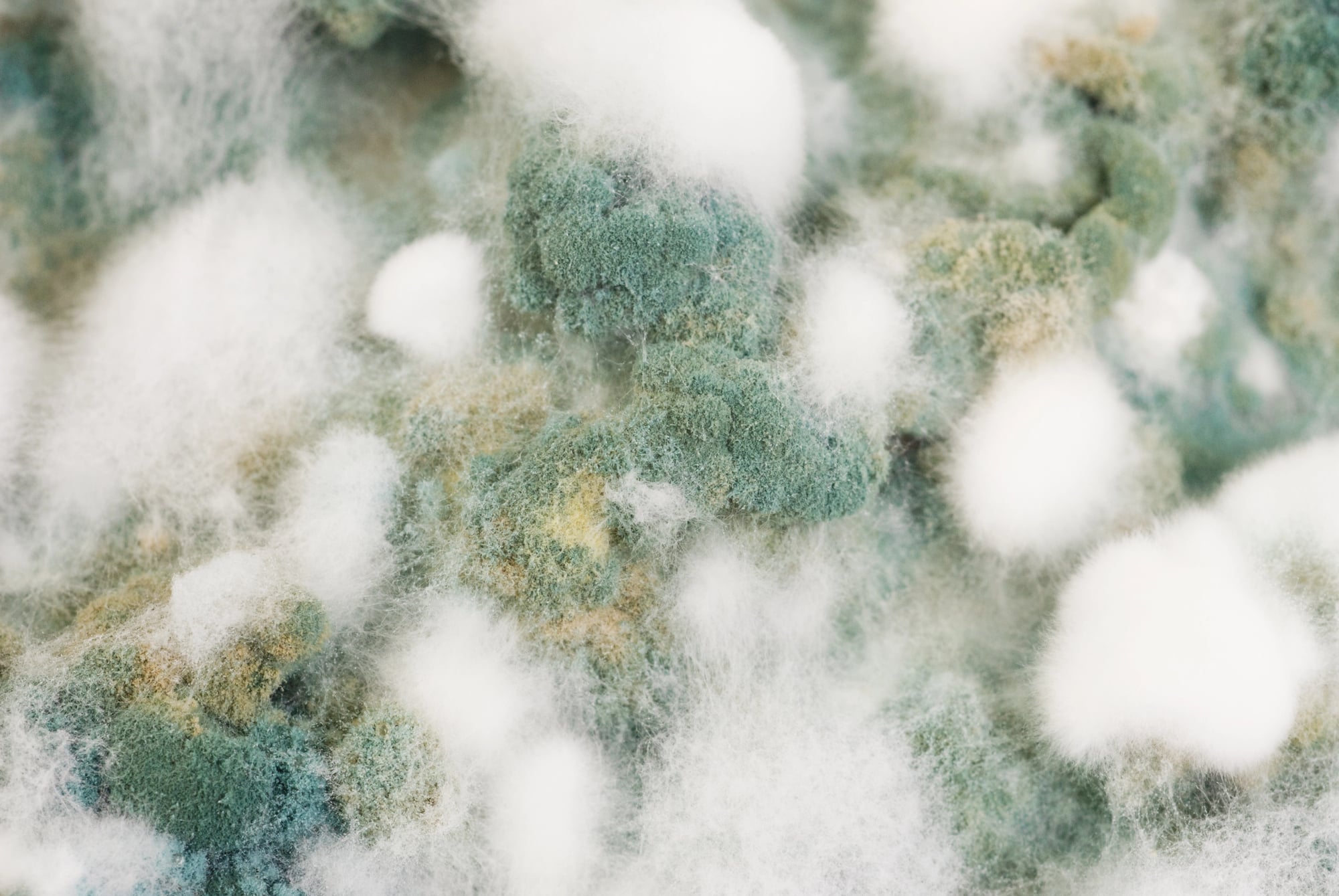
In 1928, bacteriologist Alexander Fleming returned from vacation to find mold growing in one of his petri dishes, creating a clear zone where bacteria couldn’t survive. This contamination—essentially a microscopic artwork of life and death—led to the discovery of penicillin.
The mold created a perfectly circular pattern with an empty halo around it, a design so visually striking that photographs of the original culture are now considered both scientifically and aesthetically significant.
The Shipwreck Garden
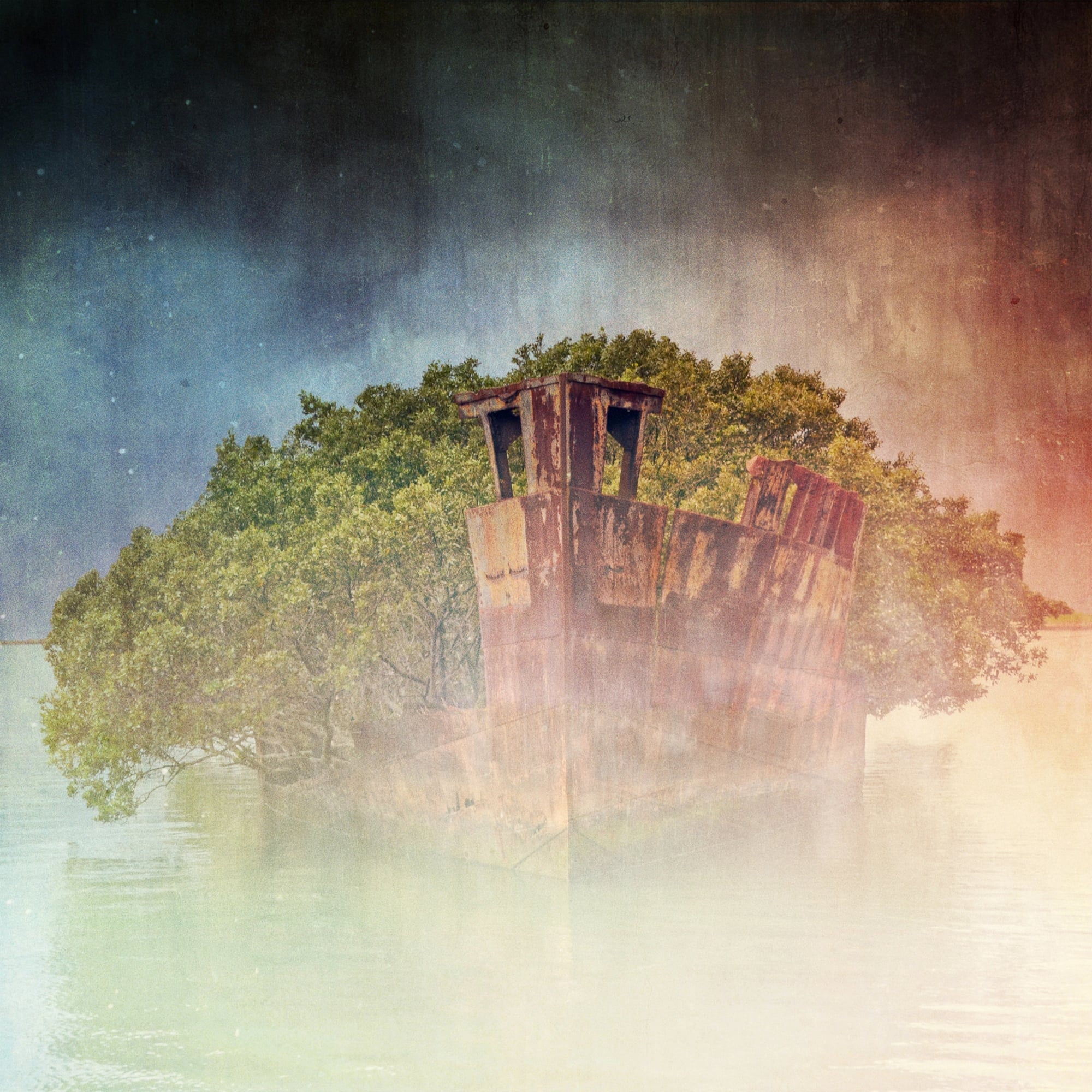
An abandoned fishing boat on the English coast of Dungeness slowly became a living sculpture as native plants grew in its rotting timber. From the salt-soaked lumber, wildflowers, grasses, and even tiny trees emerged, transforming the abandoned boat into a thriving ship-shaped garden.
A striking visual remark on nature reclaiming human artifacts was produced by the contrast between the lush plant life and the worn hull.
The Paint Factory Spill
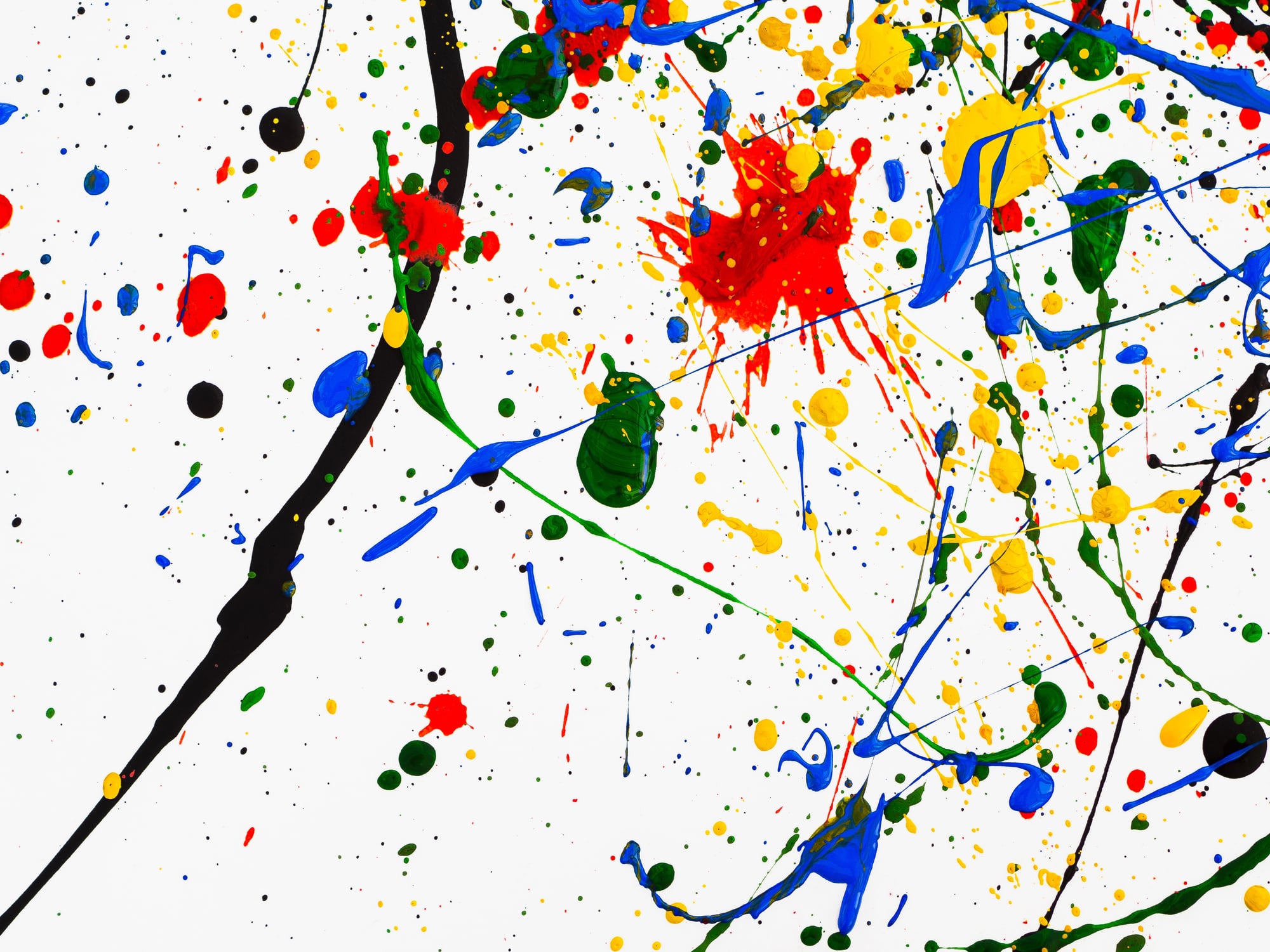
Workers at a Melbourne industrial paint plant unintentionally overturned multiple buckets of various colored paints, resulting in a river of blending hues on the concrete floor. Instead of clearing up the mess right away, a supervisor took a picture of the lovely marbling effect.
Later, a textile designer was inspired by the pictures to develop a fabric line based on unintentional floor art, which ended up becoming a best-selling pattern for a well-known apparel company.
The Smoke-Stained Ceiling
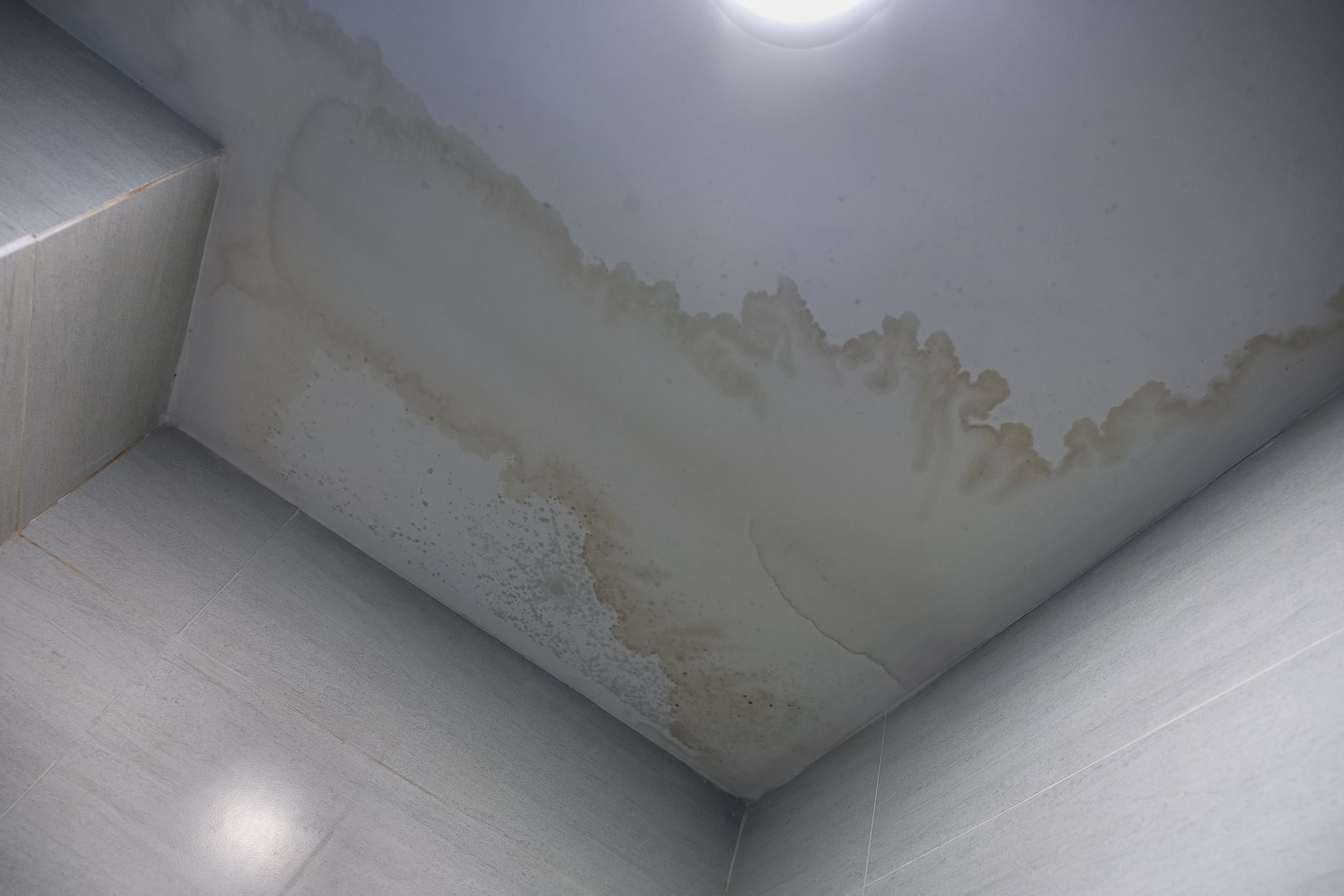
After decades of cooking without enough ventilation, a family in Yorkshire, England, found lovely sepia patterns on their kitchen ceiling. Delicate, flowing patterns reminiscent of watercolor landscapes had been fashioned by the smoke and grease deposits.
An artist friend persuaded them to carefully remove portions of the ceiling as they were planning renovations, and these pieces were subsequently framed and shown in a local gallery’s exhibition on “found art” from commonplace settings.
The Field Crop Artists

When Midwest farmers planted diverse crop varieties in adjacent fields, they unwittingly created enormous works of landscape art. Only from the air could one see the geometric patterns formed by the contrasting hues and textures of soybeans, corn, and wheat.
Thousands of acres of beautiful but inadvertent aerial art were created by airline pilots who frequently captured these agricultural ‘paintings’ that changed with the seasons, from vivid greens in spring to golds and ambers in autumn.
The Leaky Copper Roof
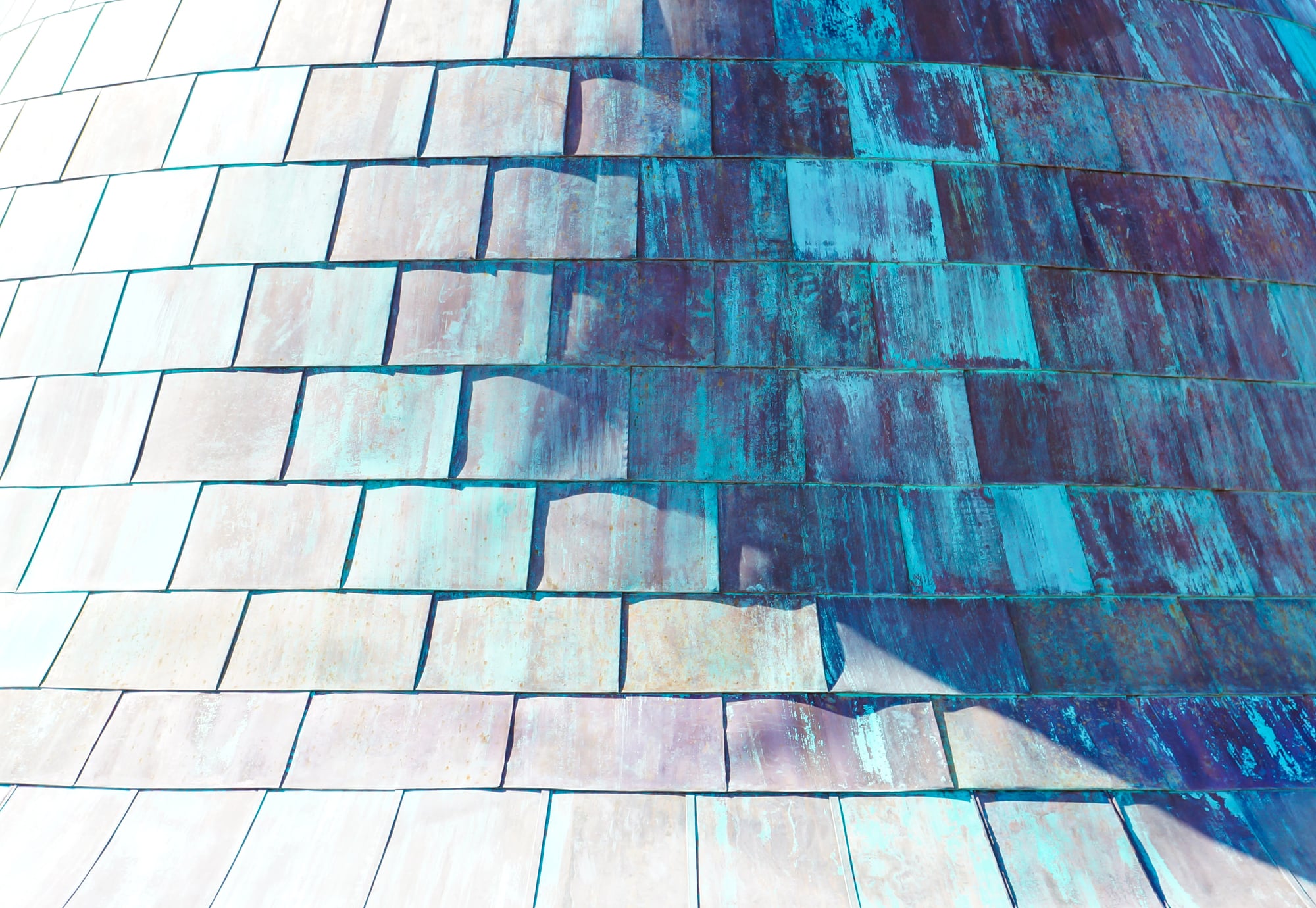
A century of rainwater running off the copper dome of a courthouse created vivid blue-green streaks down its granite walls. The oxidized copper compounds painted vertical lines of verdigris that perfectly complemented the building’s classical architecture.
What started as an architectural flaw became so admired that when restoration was planned, preservationists successfully argued to maintain the colorful staining as an integral part of the building’s character and history.
The Polar Research Station Windows

Scientists at an Antarctic research station were surprised to find that extreme temperature differences between the heated interior and the freezing exterior created intricate frost patterns on their windows. Each morning presented new crystalline formations that resembled delicate ferns, feathers, and geometric patterns.
The researchers began photographing these ephemeral ice artworks daily, eventually publishing a collection that gained recognition in both scientific and artistic communities.
The Highway Department Salt Barn
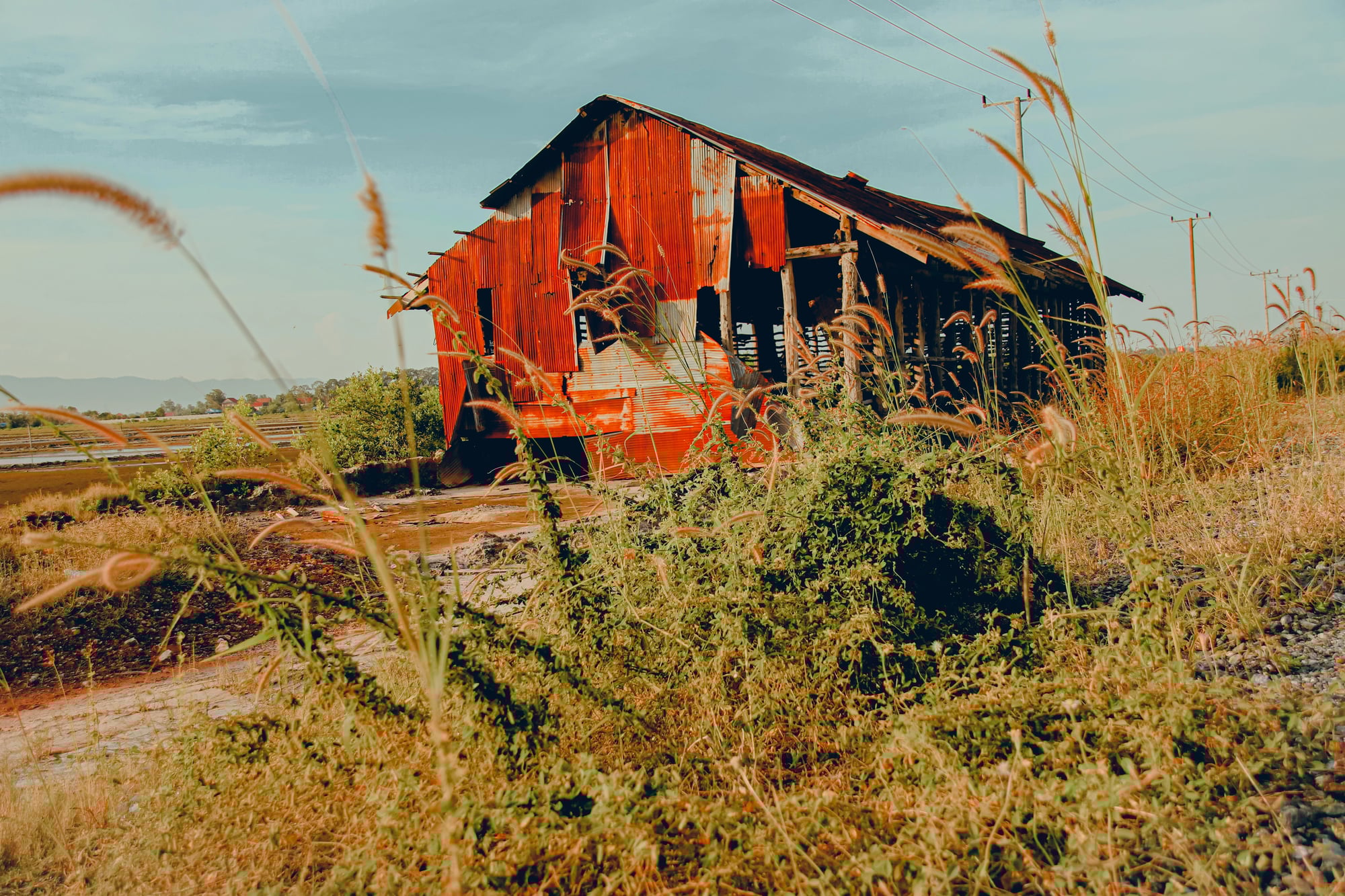
Road maintenance workers in Minnesota created an unexpected monument when decades of salt storage caused their wooden barn to become completely infused with the mineral. The structure gradually crystallized from the inside out, with salt formations growing through cracks and along beams.
When the barn was finally decommissioned, the glittering interior resembled a geode or crystal cave, with light refracting through translucent mineral formations that had transformed utilitarian architecture into accidental art.
The Abandoned Factory Windows
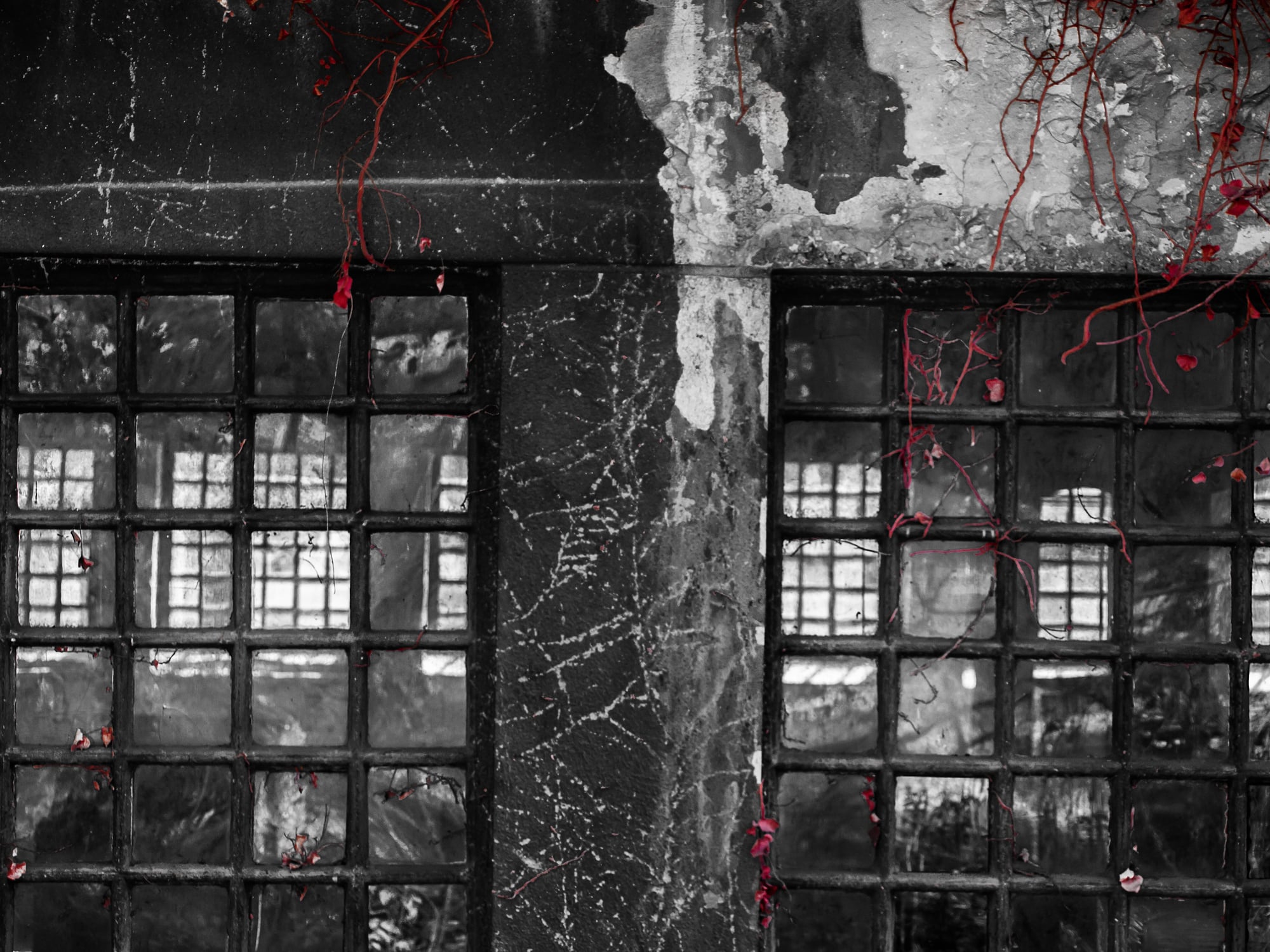
A shuttered manufacturing plant in Detroit became an accidental gallery when its hundreds of windows were broken in different patterns by weather and vandals. The remaining glass fragments created a mosaic effect across the building’s facade, with sunlight streaming through the irregular openings to project constantly changing patterns on the interior floors and walls.
Urban explorers and photographers documented the unintentional installation before the building was eventually demolished.
The Subway Ticket Mosaics

A transit worker in Tokyo noticed that discarded subway tickets accumulated in a collection box had created a beautiful gradient of colors representing different fare types. Instead of emptying the container, he photographed the layered effect of thousands of tickets that had naturally arranged themselves by weight and size.
The resulting image, showing subtle variations in institutional colors never meant to be seen together, was later used as the cover for the transit system’s annual report.
The Microscope Slide Collection
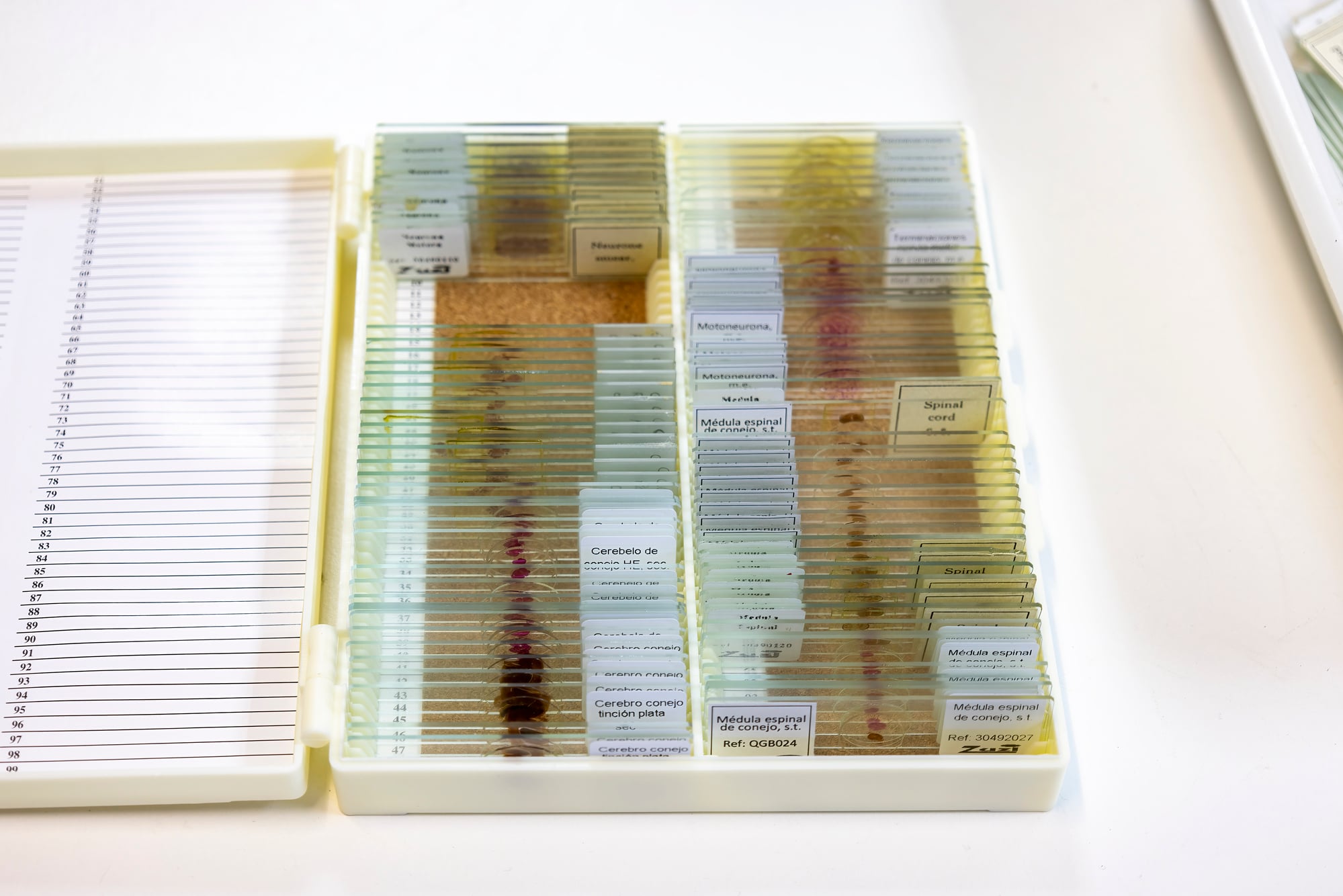
A retiring biology professor donated his collection of 50 years’ worth of microscope slides to his university’s art department rather than the science building. The slides, containing thousands of stained cell samples, tissue cross-sections, and microorganisms, created breathtaking abstract compositions of color and form when viewed as visual objects rather than scientific specimens.
The collection became the centerpiece of an exhibition exploring the intersection of science and art.
The Satellite Calibration Targets

Engineers testing early satellite imagery created massive geometric patterns in remote desert locations to calibrate their cameras, never intending them to be seen as artwork. These concrete installations, some spanning hundreds of feet with precisely arranged lines, circles, and grids, were later discovered by art historians who recognized their similarity to the minimalist land art of the 1960s.
The utilitarian designs, created solely for technical purposes, are now studied alongside intentional earthworks by established artists.
The Unexpected Canvas
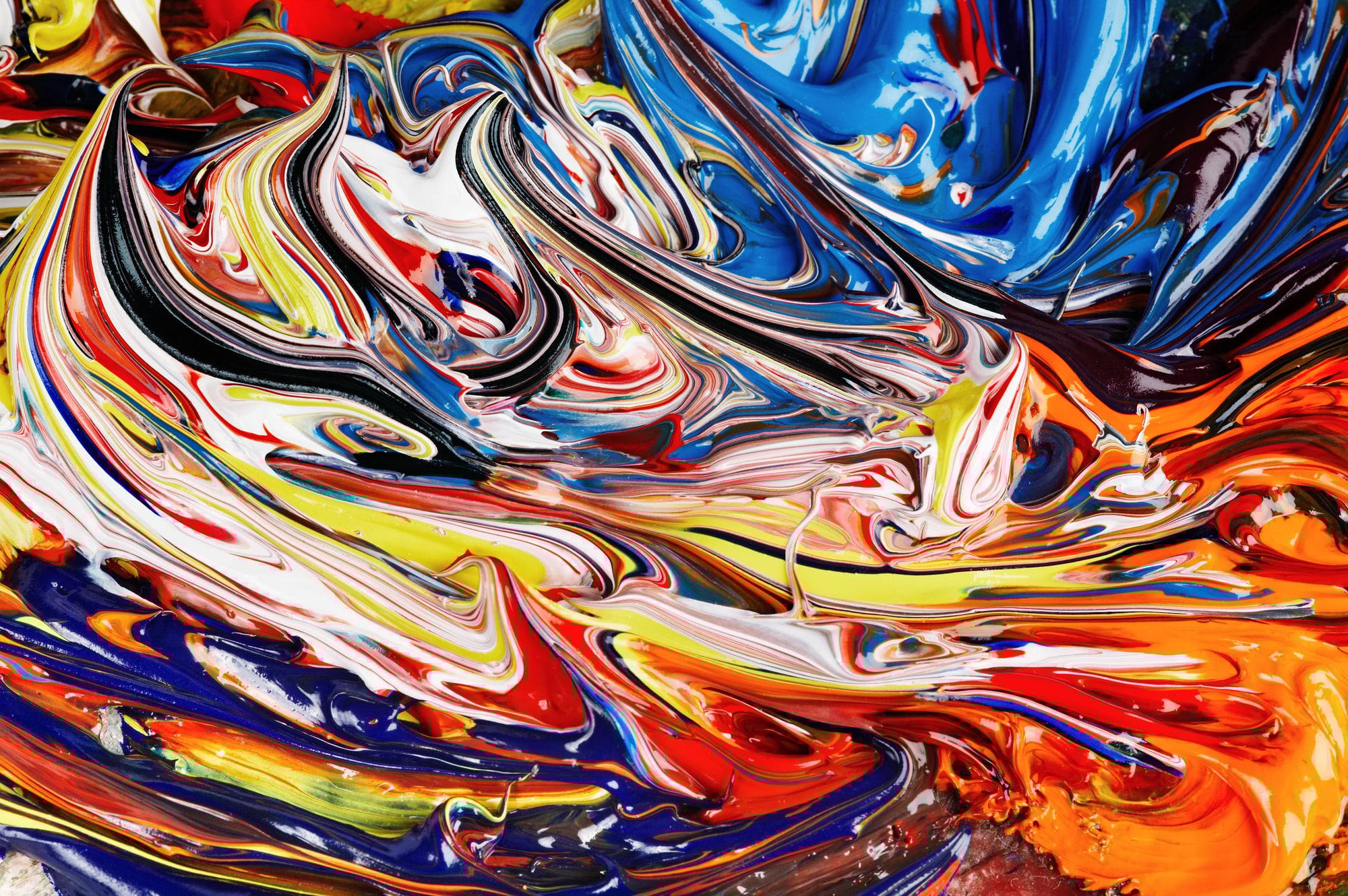
These accidental masterpieces remind us that art doesn’t require intention—sometimes beauty emerges purely from circumstance, function, and time. The line between human creation and natural processes often blurs, producing works no individual could have planned.
When ordinary people unwittingly create extraordinary visual experiences, they demonstrate that artistic expression is perhaps less about conscious creation and more about recognition—the moment when someone first pauses, looks closely, and sees the beauty in what others overlook.
More from Go2Tutors!

- The Romanov Crown Jewels and Their Tragic Fate
- 13 Historical Mysteries That Science Still Can’t Solve
- Famous Hoaxes That Fooled the World for Years
- 15 Child Stars with Tragic Adult Lives
- 16 Famous Jewelry Pieces in History
Like Go2Tutors’s content? Follow us on MSN.



