17 Unbelievable Ways Historical Spies Hid Messages
Whispers once bought silence when machines did not watch. Long before blinking screens or hidden cameras, people relied on patience, disguise, trickery – sometimes just stillness – to slip past guards of truth.
Mistakes meant chains or worse. Each step had to be measured, because recklessness was never an option.
Later on, secret tools found clever ways to hide. Some wrote in invisible juice from fruit; others marked thin pinpricks through pages near flames.
Notes traveled sewn into shirt buttons, often tucked under fabric at the neck. Ordinary shopping lists could carry secrets when warmed over a flame.
Secrets hid inside everyday scribbles where just a few characters made meaning. What kept them alive was how easily they escaped notice.
Messages On Shaved Heads

In ancient Greece, historian Herodotus described a clever technique used during conflicts with Persia. A message would be tattooed directly onto a slave’s shaved scalp.
Once the hair grew back, the writing disappeared from view. The messenger could then travel without arousing suspicion.
Upon arrival, the recipient shaved the head again to reveal the hidden text. It was slow and required planning, but in an era without digital encryption, patience served as protection.
The method blended biology and secrecy in a surprisingly effective way.
Wax Tablets With Hidden Writing

Hidden underneath the wax, words were carved straight into the wood. After that, a fresh coat of warm wax smoothed over the top.
On the outer layer, something ordinary appeared instead. Most people would glance at the tablet and see nothing special.
Hidden words waited underneath the wax – revealed only if it was melted or scraped off. Messages slipped inside other messages worked well when someone might seize your letter.
Steganography made secrets travel without notice.
Invisible Ink Formulas

Invisible ink has long captured the imagination, but it was widely used in real intelligence work. During the American Revolutionary War, George Washington’s Culper Spy Ring relied on specially formulated invisible inks to pass information to the Continental Army.
Unlike simple lemon juice tricks, their solutions required chemical reagents to reveal the hidden writing. Letters appeared harmless until treated with the proper substance.
The system allowed spies to exchange critical military updates in plain sight.
Coded Letters And Substitution Ciphers

Few secrets relied only on hiding things. Often, the words could be seen yet made no sense.
During the Renaissance, changing letters into signs or different characters became widespread through Europe. These coded shifts followed clear patterns now and then.
Locked away during the 1500s, Mary, Queen of Scots leaned on secret letters to stay connected. Her luck ran out when codebreakers uncovered their meaning, sealing her fate.
That moment revealed how hidden messages can shift power – yet still leave traces behind.
Microdots In World War II
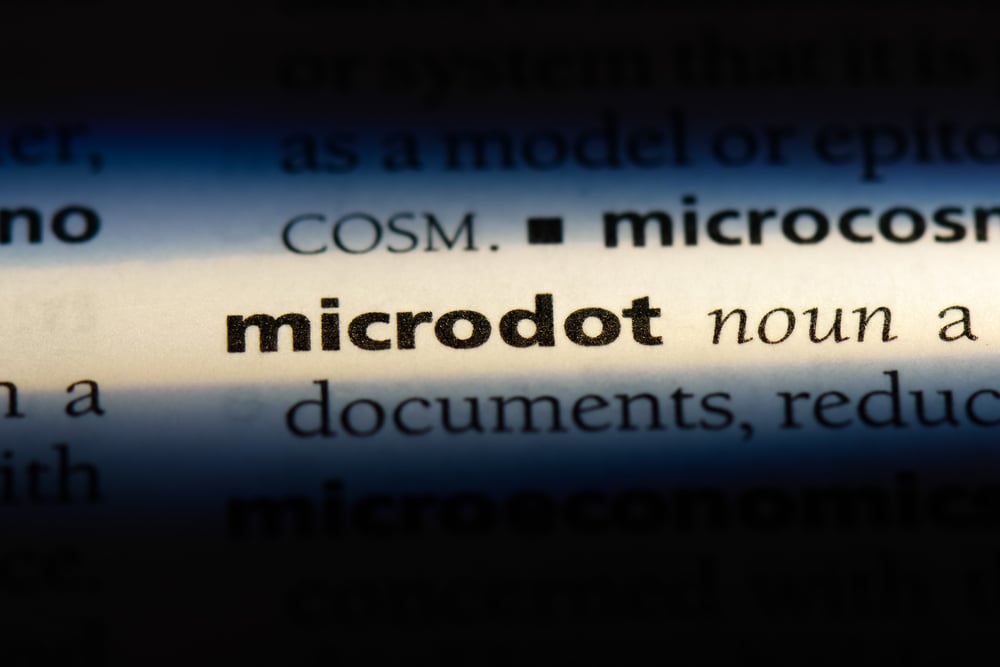
By the 1940s, espionage had entered the age of miniaturization. German intelligence developed microdots, tiny photographs of documents reduced to the size of a period at the end of a sentence.
These dots could be hidden within ordinary letters. To the unaided eye, they looked like simple punctuation marks.
Under magnification, however, they revealed entire pages of information. The technique allowed vast amounts of data to cross borders unnoticed, at least until counterintelligence agencies learned to look more closely.
Hollow Coins
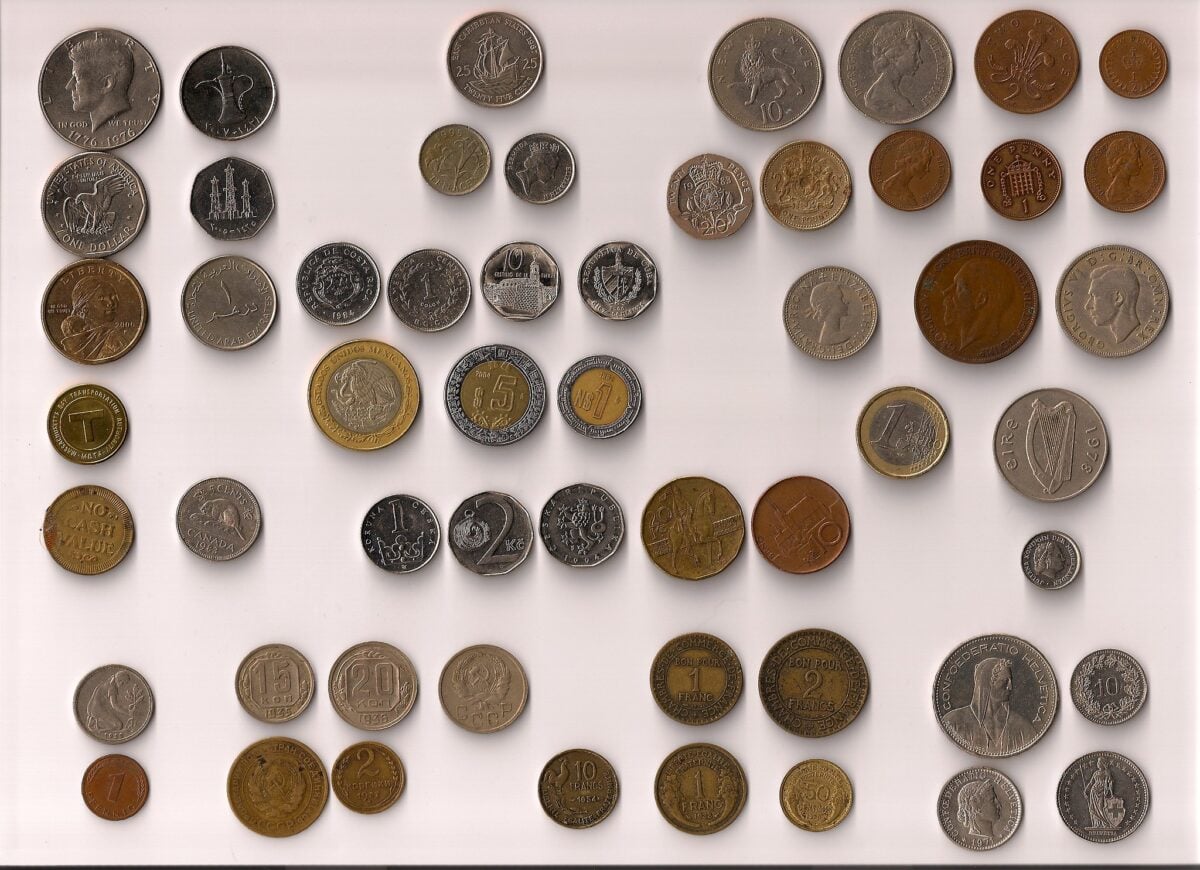
During the Cold War, hollow coins became a discreet way to transfer messages. In 1953, a New York paperboy accidentally dropped a nickel that split open, revealing a microfilm message inside.
The discovery exposed a Soviet spy ring operating in the United States. The coin appeared authentic and circulated normally in everyday transactions.
Only a precise seam betrayed its secret. Everyday objects provided ideal camouflage because they blended seamlessly into routine life.
Dead Drops
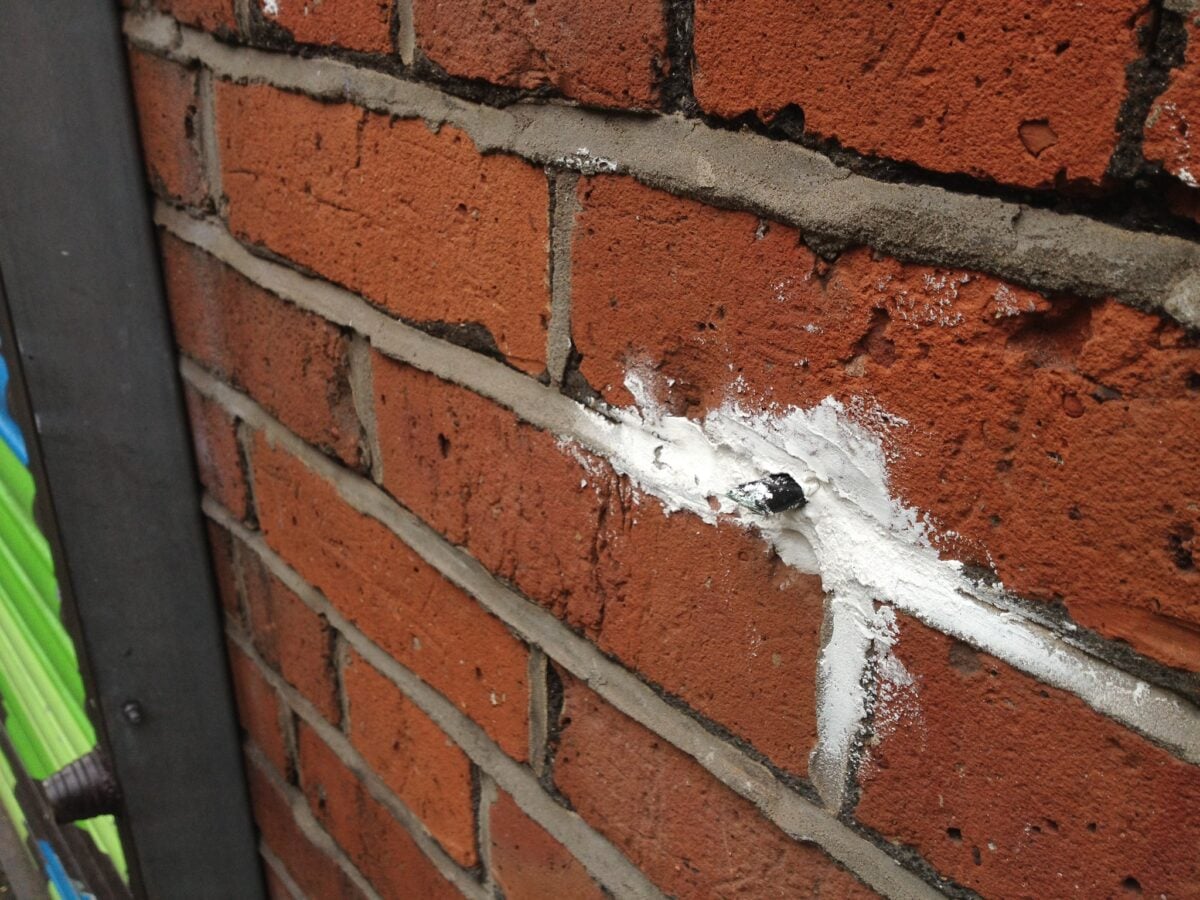
Dead drops remain one of the most enduring espionage techniques. Rather than meeting face-to-face, agents left materials in predetermined hidden locations such as loose bricks, hollow trees, or park benches.
This method minimized direct contact and reduced the risk of exposure. A coded signal, such as chalk marks or moved objects, indicated when a package had been placed.
The simplicity of the system made it remarkably resilient across decades.
Silk Escape Maps

During World War II, Allied forces distributed silk maps to prisoners of war and pilots. Unlike paper, silk could be folded tightly, hidden in clothing, and would not disintegrate in water.
These maps were sometimes concealed within board games sent to prisoners. The material made them quiet to handle and durable under harsh conditions.
A simple fabric square became a lifeline disguised as an ordinary object.
Hollowed-Out Books
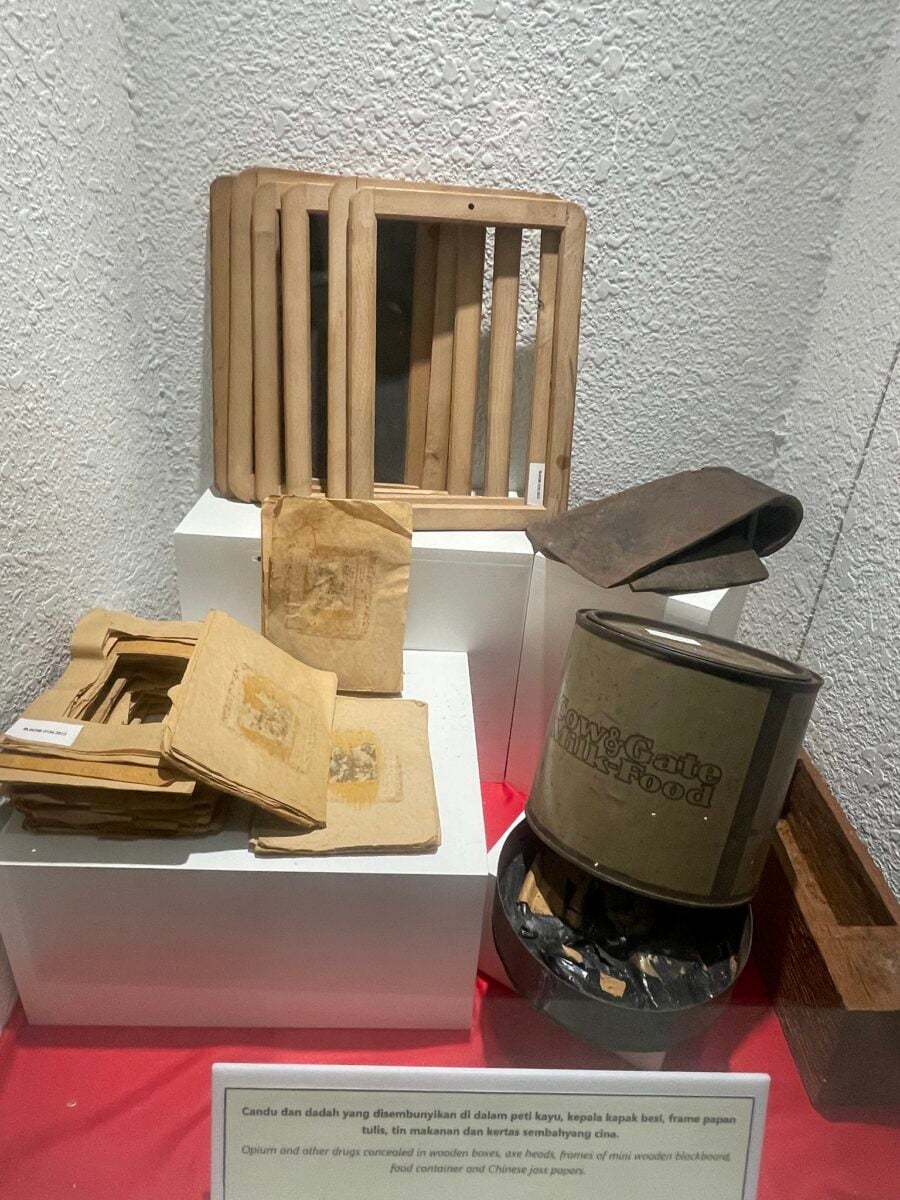
Books have long provided excellent hiding places. By cutting a compartment into the pages, spies could store documents, small radios, or microfilm reels inside what appeared to be a standard volume.
Because books were common in homes and offices, they attracted little suspicion. The weight and shape remained consistent enough to avoid detection at a glance.
Literature became a literal cover for intelligence work.
Concealed Radios In Everyday Items
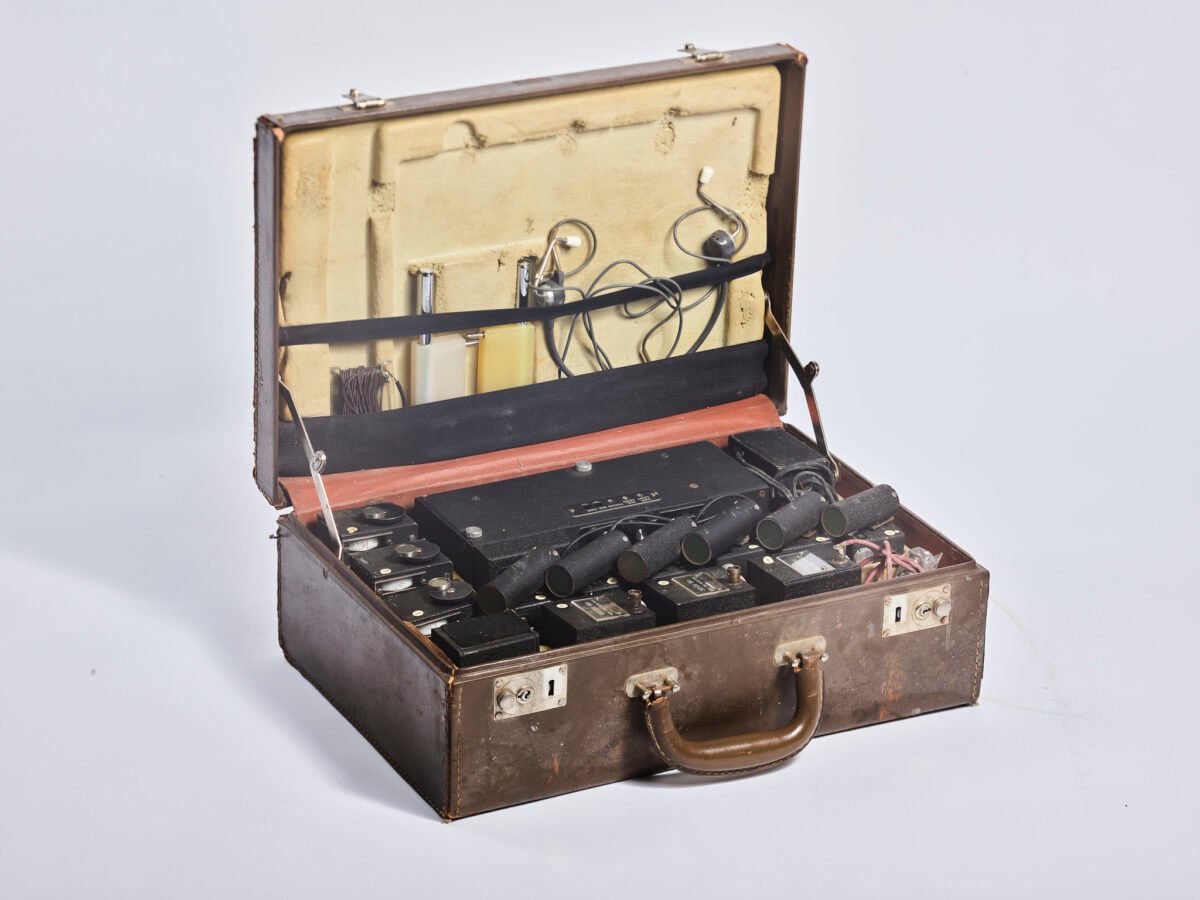
During World War II and the Cold War, miniature radios were sometimes hidden inside suitcases, briefcases, or even household appliances. These devices allowed agents to transmit coded messages without visibly carrying specialized equipment.
The challenge was balancing concealment with functionality. Engineers worked to shrink components while maintaining signal strength.
The resulting devices looked unremarkable but connected agents across continents.
Knitted Codes

In occupied Europe during World War II, some civilians reportedly used knitting patterns to encode troop movements. Variations in stitches could represent different numbers or letters.
To outside observers, a person knitting by a window appeared harmless. In reality, the work in progress could be recording valuable intelligence.
The method relied on blending into ordinary daily routines rather than avoiding attention altogether.
The Pigpen Cipher

The Pigpen cipher, recognizable for its grid-based symbols, was popular among secret societies and occasionally used in covert correspondence. Each symbol represented a letter based on its position within a grid.
Although not highly secure by modern standards, it provided a layer of obscurity. For casual interception, the symbols appeared cryptic and decorative.
In certain contexts, that modest barrier was enough.
Signal Codes With Everyday Objects

Spies often relied on simple visual signals to indicate readiness or danger. A flowerpot placed on a windowsill, a curtain left half open, or laundry arranged in a particular way could communicate prearranged meanings.
These signals eliminated the need for written messages altogether. They leveraged routine domestic scenes to pass information silently.
The brilliance lay in their invisibility within normal life.
Encoded Newspaper Advertisements

During both World Wars, newspapers sometimes carried classified ads that doubled as coded messages. Seemingly mundane phrases concealed prearranged signals for agents.
A short advertisement might confirm safe arrival, request contact, or signal a shift in plans. The public nature of newspapers provided cover, as no secret document was being exchanged directly.
Hollowed-Out Candles

Candles offered another discreet storage method. By carving out the center and inserting rolled microfilm or written notes, spies could transport information in plain sight.
Once delivered, the candle could be melted to retrieve the contents. The object’s everyday function made it unlikely to draw scrutiny during inspections.
Invisible Writing Between Printed Lines

Some spies wrote hidden messages between the printed lines of legitimate letters using invisible ink. The visible text discussed routine matters, while the concealed writing carried operational details.
This layered approach allowed correspondence to pass through censors. Even if the letter was opened and read, the most sensitive content remained hidden without chemical treatment.
Human Couriers With Memorized Codes

Some secrets never made it onto paper. Carrying only what they could recall, messengers held entire messages in their minds.
When seized, authorities found no papers, just silence. Without strict control and sharp memory, this approach would fail.
Evidence disappeared yet danger grew for the person involved. Even so, effectiveness remained if hiding objects felt unsafe.
The Quiet Evolution Of Concealment

Secrets used to vanish under shaved scalps, much like counterfeit bills or small marks appeared later. The gear available then guided every spy’s move, period.
Danger mattered, absolutely, though creativity squeezed through narrow limits too. Tension rose not from showy tricks but from fixes that had to function, nothing fancy.
Hidden things rarely come from one huge moment. Flexibility matters more than a single leap forward.
Small actions, done again each day, reveal patterns worth watching. Digital tools now handle much of the tracking work.
Yet that does not shift the main thought behind it all. What escapes notice is often what nobody stops to study.
Right in front of eyes, covered by normal behavior, lies the safest place to leave something.
More from Go2Tutors!

- The Romanov Crown Jewels and Their Tragic Fate
- 13 Historical Mysteries That Science Still Can’t Solve
- Famous Hoaxes That Fooled the World for Years
- 15 Child Stars with Tragic Adult Lives
- 16 Famous Jewelry Pieces in History
Like Go2Tutors’s content? Follow us on MSN.



