15 School Rules Every Kid in the ’60s and ’70s Had to Follow
Remember when schools had rules that would make today’s kids scratch their heads in disbelief? The educational landscape of the 1960s and 1970s feels like an entirely different universe compared to modern classrooms.
Teachers and administrators ran tight ships with regulations that reflected the cultural values and social norms of those decades. Here is a list of 15 school rules that were standard practice for students during the ’60s and ’70s.
Some might bring back memories, while others might make you grateful for how things have changed.
Strict Dress Codes
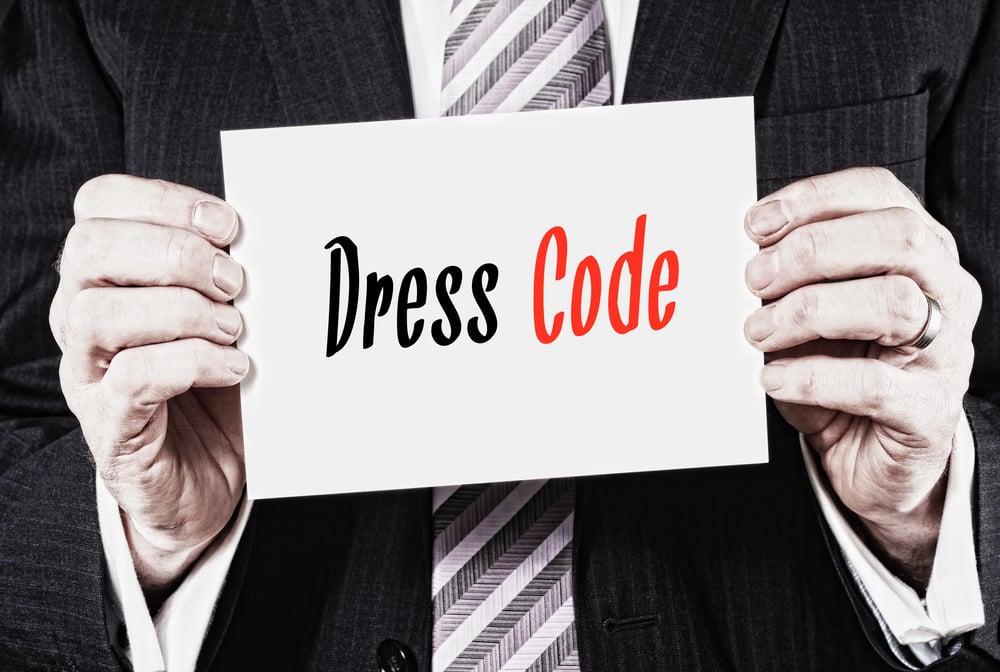
Boys had to wear collared shirts tucked into their pants with belts required at all times. Girls were forbidden from wearing pants until the late ’60s and even then many schools maintained strict skirt-only policies well into the ’70s.
Skirts needed to touch the floor when kneeling, and teachers sometimes conducted impromptu measurement checks with rulers to ensure compliance.
Standing for Teacher Entry

When a teacher entered the classroom, students were expected to stand immediately beside their desks as a sign of respect. This formality happened at the beginning of each class period and sometimes when the principal or other authority figures visited.
The ritual reinforced the clear hierarchy between students and educators that was fundamental to school culture back then.
Like Go2Tutors’s content? Follow us on MSN.
Penmanship Grades
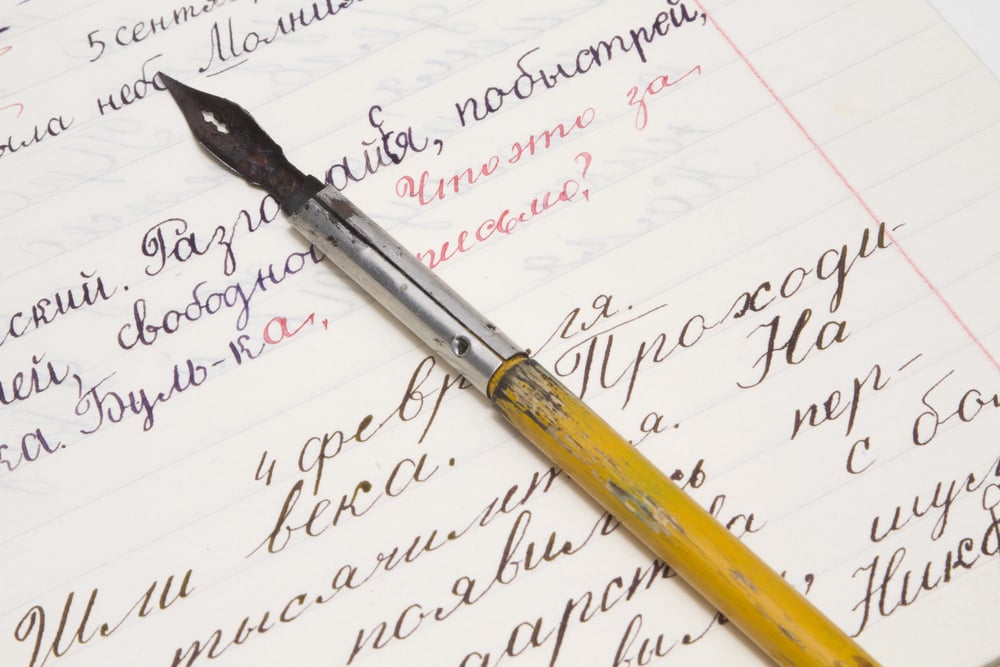
Schools placed enormous emphasis on handwriting quality with dedicated penmanship classes and grades. Students practiced forming letters perfectly for hours each week and could fail subjects based on poor handwriting alone regardless of content knowledge.
Many teachers used penmanship as a key indicator of a student’s overall academic potential and character.
Corporal Punishment

Physical discipline was not only allowed but often encouraged as an effective method of behavior management. The paddle was a common disciplinary tool, with principals and teachers authorized to spank children for infractions ranging from talking back to failing tests.
Parents typically supported these methods and rarely questioned school authority in disciplinary matters.
Hair Length Restrictions

Boys faced strict regulations about hair length that seem bizarre by modern standards. Hair couldn’t touch the shirt collar or cover the ears, and many boys were sent home with notes demanding haircuts.
The Beatles-inspired longer hairstyles were considered rebellious and disruptive to the learning environment, leading to countless power struggles between teens and administrators.
Like Go2Tutors’s content? Follow us on MSN.
Morning Prayers and Bible Readings

Many public schools conducted daily prayer sessions and Bible readings until Supreme Court rulings in the early ’60s prohibited the practice. Even afterward, numerous schools continued religious observances informally or maintained moments of silence.
The transition away from explicit religious practices in schools was gradual and sometimes contentious throughout these decades.
No Talking in Lunch Lines

Cafeteria conduct was tightly controlled with absolute silence required while waiting in line. Students caught whispering could lose lunch privileges or face detention.
Many schools used military-style formations with students required to stand with hands behind backs as they shuffled forward toward their mystery meat and gelatin desserts.
Written Permission to Use Restrooms

Students couldn’t simply use the restroom when needed. Most schools required raising your hand, requesting permission, and then carrying a large wooden hall pass that announced your bathroom journey to everyone you passed.
Teachers often refused requests, suggesting that students should have gone during designated bathroom breaks between classes.
Like Go2Tutors’s content? Follow us on MSN.
Girls Required to Take Home Economics

Female students were automatically enrolled in home economics courses to learn cooking, sewing, and household management skills. These classes were mandatory for girls while boys were directed toward shop classes and technical subjects.
The gendered curriculum was designed to prepare students for what society viewed as their natural adult roles.
Standing for the Pledge of Allegiance

Every morning began with standing for the Pledge of Allegiance with hand over heart, and refusing participation could result in serious disciplinary consequences. Patriotic observances intensified during the Vietnam War era despite growing student unrest about military actions.
The ritual remained largely unchallenged as an essential school tradition throughout these decades.
Memorization Requirements

Students memorized enormous amounts of content, from multiplication tables to historical dates to lengthy poems and literary passages. Testing often focused on verbatim recall rather than comprehension or application.
Teachers valued memory work as essential mental training and awarded prizes to students who could recite impressive amounts of material without error.
Like Go2Tutors’s content? Follow us on MSN.
No Gum Allowed

Chewing gum was treated as a serious offense that could land students in detention or worse. Teachers claimed it was disrespectful, distracting, and damaging to school property.
Getting caught with gum often meant standing in front of the class to discard it while enduring public scolding, and repeat offenders faced increasingly creative punishments.
Formal Forms of Address

Students addressed all adults by title and last name without exception. Using ‘Mrs. Johnson’ or ‘Mr. Williams’ was non-negotiable, and forgetting to say ‘Yes, ma’am’ or ‘No, sir’ could result in discipline.
This formal communication style extended to all school interactions and reflected broader social expectations about youth showing deference to authority.
No Makeup or Jewelry for Girls

Female students faced strict limitations on personal appearance, with makeup completely forbidden in most elementary and middle schools. Even high schools restricted cosmetics to minimal application, and teachers would send girls to wash their faces if they appeared too made-up.
Jewelry was similarly limited to simple watches and perhaps small earrings for girls with pierced ears.
Like Go2Tutors’s content? Follow us on MSN.
Desks in Perfect Rows
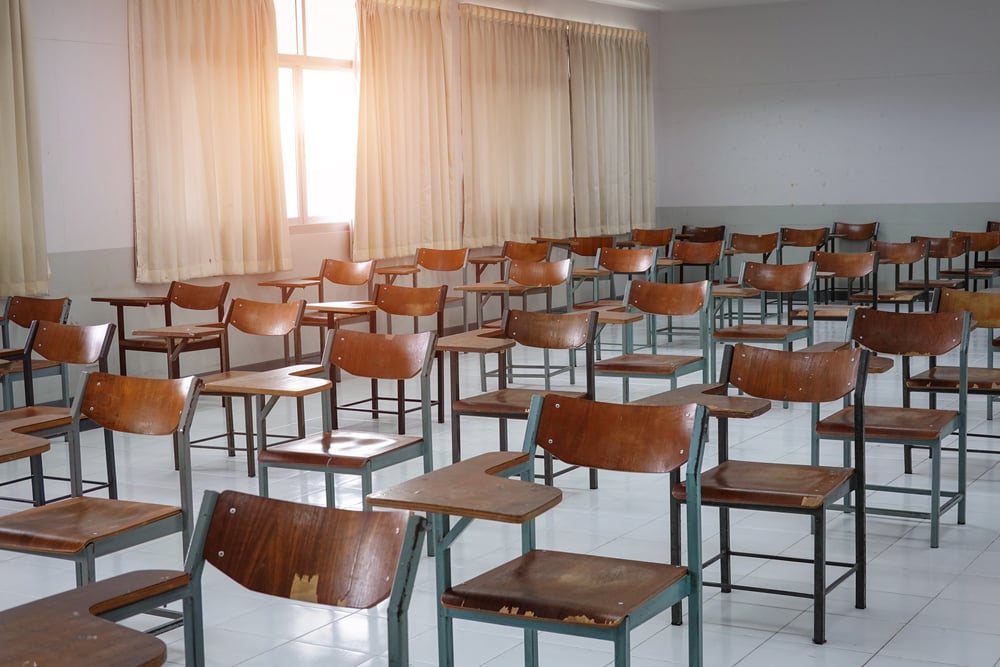
Classroom arrangements featured rigid rows of desks all facing forward toward the teacher’s domain. This physical setup reinforced the teacher-centered instruction model where students were passive recipients of knowledge.
Moving your desk out of alignment or turning to talk with classmates resulted in immediate correction and possible punishment for disrupting the classroom order.
Schooldays Transformed

Looking back at these school rules shows how dramatically education has evolved over the past five decades. While today’s schools certainly maintain necessary structure, the rigid formality and unquestioned authority that defined the educational experience for ’60s and ’70s kids has largely disappeared.
Most educators now recognize that respecting student autonomy and focusing on engagement rather than compliance creates more effective learning environments for children and teenagers alike.
ore from Go2Tutors!

- 18 Unexpectedly Valuable Collectibles You Might Have Lying Around
- 15 Things Every Teenager in the ’70s Did That Teens Today Wouldn’t Understand
- 15 Strange Things People Have Tried to Ban (And Failed)
- 15 Inventions That Were Immediately Banned After Being Created
- 20 Actors Who Were Almost Cast in Iconic Roles
Like Go2Tutors’s content? Follow us on MSN.



