17 Unlikely Items People Hoard During Crises
When a crisis hits — whether it’s a pandemic, a hurricane warning, or a financial collapse — people don’t always reach for what you’d expect. Yes, bottled water and canned goods disappear fast.
But so do some things that make you stop and wonder what everyone is thinking. Panic buying has a strange logic to it.
It’s not really about what you need. It’s about what you’re afraid of running out of. Here’s a look at 17 items that have been hoarded during crises, some of which will genuinely surprise you.
1. Toilet Paper
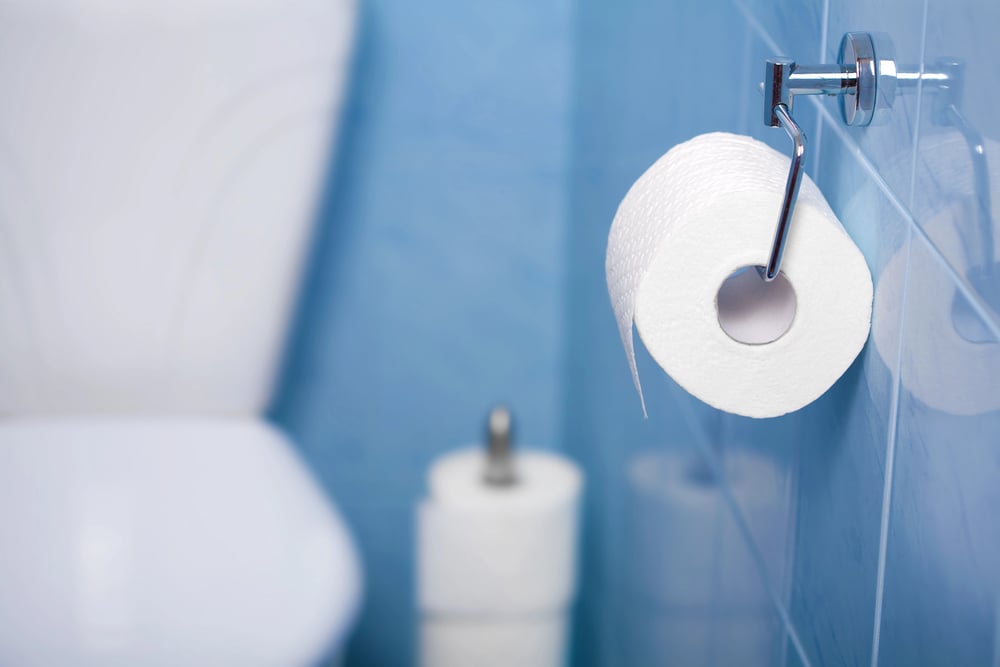
This one kicked off the COVID-19 pandemic’s most memorable supply chain moment. Stores across the world ran dry within days.
Economists and behavioral scientists spent months trying to explain it. The short version: when people feel out of control, they grab whatever makes them feel secure — even if that thing is a 48-roll bulk pack of two-ply.
2. Yeast

When the world locked down in 2020, home baking exploded. And yeast — that humble, tiny packet sitting quietly in baking aisles for decades — vanished.
It was suddenly as scarce as a doctor’s appointment. People who had never baked a loaf of bread in their lives were scouring Amazon for active dry yeast and paying three times the normal price.
3. Bicarbonate Of Soda

Connected to the baking frenzy but also valued as a cleaning agent, a deodorizer, and a remedy for indigestion, baking soda became surprisingly hard to find during COVID-19 lockdowns. It does a lot of jobs, and apparently people suddenly remembered all of them at once.
4. Hand Sanitizer

This one makes obvious sense in a pandemic, but the scale of hoarding was extreme. People were reselling small bottles for dozens of times their original price.
A pair of brothers in Tennessee bought 17,700 bottles from stores across the region intending to flip them online — until the marketplaces shut down their listings.
5. Condoms

During the early weeks of the COVID-19 lockdowns, condom sales spiked dramatically in multiple countries. The world’s largest condom manufacturer, Malaysia-based Karex, actually struggled to keep up with demand.
Whether this reflects optimism, anxiety, or something else entirely is probably a question best left unanswered.
6. Lumber
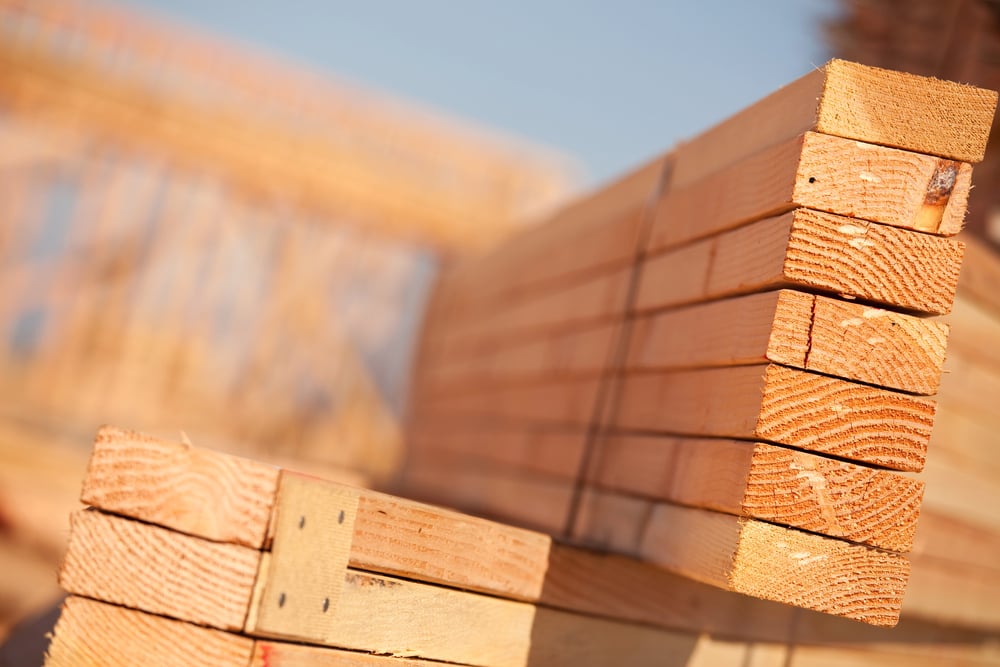
In 2020 and 2021, lumber prices went completely haywire. As people were stuck at home, they started home improvement projects in massive numbers.
Contractors couldn’t get materials. Homebuilders faced months-long delays.
Some people started hoarding lumber in their yards just to lock in prices before they climbed further. At the peak, a standard piece of framing lumber cost three to four times what it had before the pandemic.
7. Flour
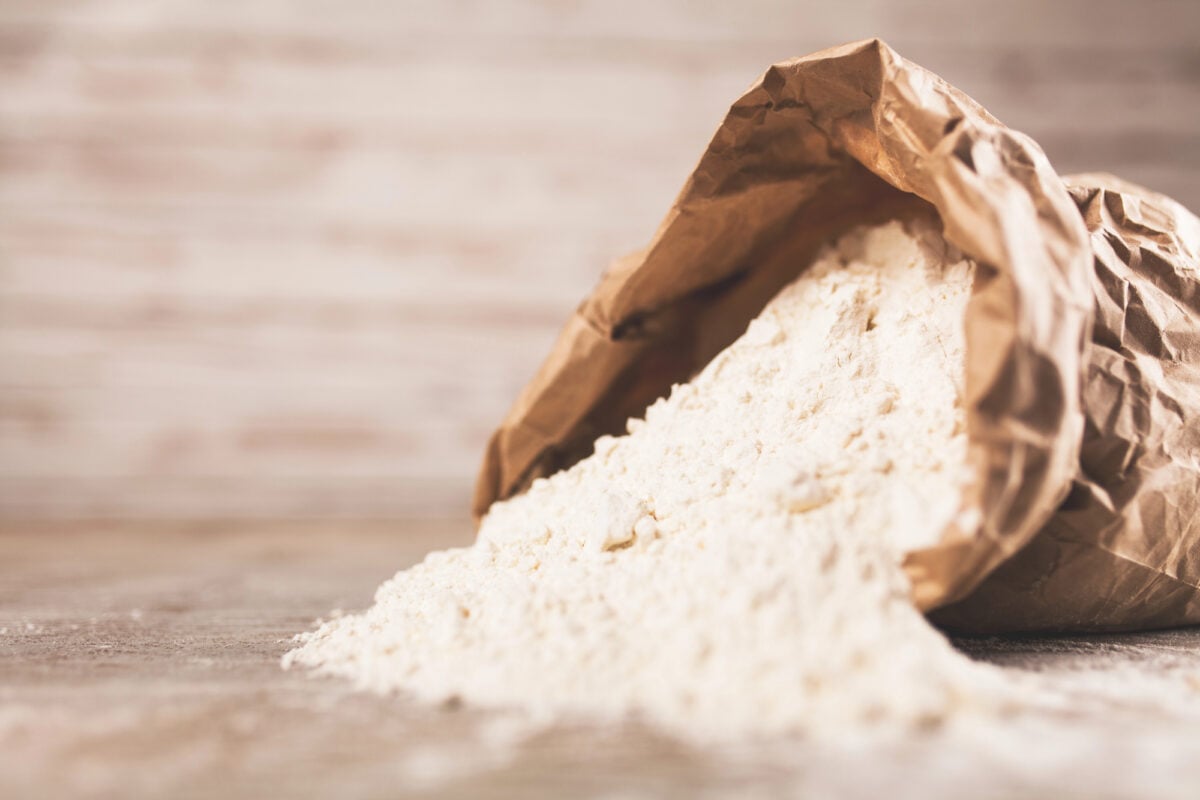
Flour is one of those things most people buy occasionally and use slowly. During lockdowns, it became a hot commodity.
The demand shock hit mills hard because they were largely supplying restaurants and commercial bakers — not households buying five-pound bags. The infrastructure wasn’t set up for it, and shelves emptied fast.
8. Bicycles

This surprised a lot of people. When cities locked down and public transit felt risky, bicycles became the preferred way to get around.
Sales skyrocketed, repair shops backed up by months, and basic models were being sold at premiums.
It wasn’t just urban commuters, either. Families with kids at home suddenly wanted bikes for everyone.
9. Printer Ink

As offices closed and people scrambled to work and learn from home, printers — long considered nearly obsolete — made a comeback. And with them came a rush on printer ink.
Cartridges, which are already among the most expensive liquids on earth by volume, became even harder to find. People printed everything: forms, school worksheets, official documents. The humble inkjet had its moment.
10. Ammunition

This one shows up during nearly every major crisis in the United States. After 9/11, after Hurricane Katrina, during the 2008 financial crash, and throughout the COVID-19 pandemic, ammunition sales spiked sharply.
Fear of instability drives people toward protection. Shelves at sporting goods stores that had been fully stocked would empty in days.
11. Baking Powder

Yes, baking powder separately from bicarbonate of soda. Both vanished.
The 2020 baking boom was real and it was thorough. If you needed leavening of any kind, you were out of luck unless you’d stocked up early or had a generous neighbor.
12. Board Games

When the entertainment industry shut down and families were trapped at home, board games sold out. Classics like Monopoly, Scrabble, and Catan were back-ordered for weeks.
Puzzles, too. The analog entertainment revival was one of the stranger side effects of lockdown culture.
13. Freezers
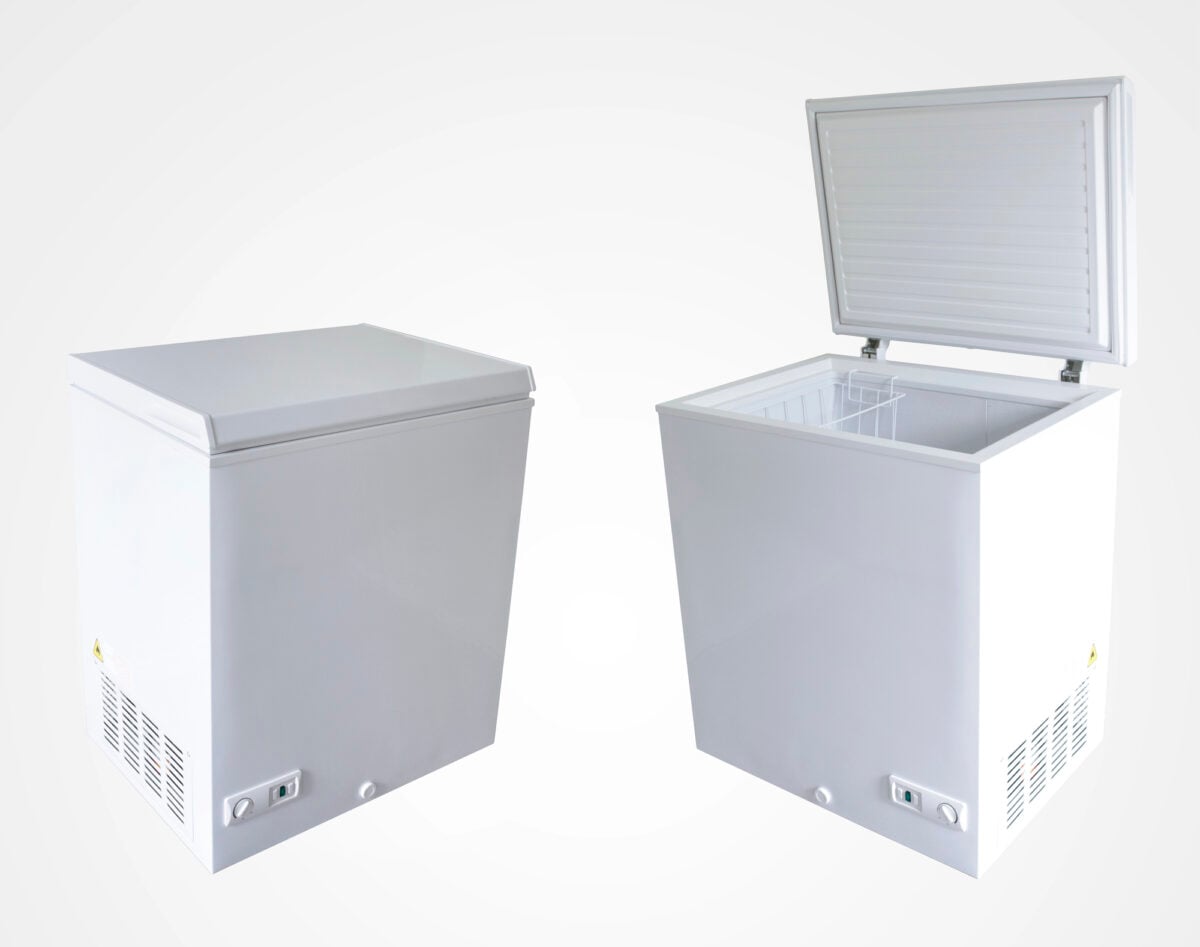
Chest freezers and upright freezers disappeared from appliance stores within weeks of the COVID-19 lockdowns beginning. People wanted to stockpile food and needed somewhere to put it.
Manufacturers couldn’t ramp up fast enough, and secondhand freezers on Facebook Marketplace were going for two and three times their retail value.
14. Seeds

During prolonged crises, something instinctive takes over in a lot of people: the desire to grow their own food. Seed companies reported record sales during the pandemic.
Vegetable seed packets — especially tomatoes, lettuce, and beans — sold out at garden centers and online stores. Many companies had to pause orders entirely because they simply couldn’t fulfill them.
15. Hair Clippers

With barbershops and salons closed, people took matters into their own hands. Hair clippers sold out almost immediately in many markets.
YouTube tutorials on home haircuts racked up millions of views. The results were mixed, but the effort was widespread.
16. Rubbing Alcohol

Before hand sanitizer vanished, rubbing alcohol already had. Folks turned to it for homemade cleansers, wiping down counters, even tending small cuts.
Low cost helped – so did how many ways it worked. Then empty shelves took over. Pharmacies responded fast: just a single bottle allowed each person once gaps showed up.
17. Cats And Dogs

Pets weren’t stockpiled like supplies, yet demand surged wildly when lockdowns began. Homes filled up fast, shelters ran empty.
Waiting years to get a puppy became normal at breeding spots. Loneliness pushed folks to seek soft paws and steady breathing beside them through long quiet days.
When work called people back downtown, some found leashes tangled in weekday routines – too much to manage.
What Our Stockpiles Reveal

Strange how the meaning hides not in the things but in why they’re grabbed. Comfort pulls people more than logic does.
When fear climbs, stockpiling feels less like excess and more like preparing. Stored meals whisper safety.
A deck of cards fights emptiness just enough. Wheels on a bike suggest escape might still be possible.
When crises hit, the idea that things will always work out fades quick. Because of this shift, actions speed up – now and then smart, occasionally leaving less behind for others.
If empty aisles catch your eye later on, skip guessing complicated reasons: fear showed up, doing anything beat standing still.
More from Go2Tutors!

- The Romanov Crown Jewels and Their Tragic Fate
- 13 Historical Mysteries That Science Still Can’t Solve
- Famous Hoaxes That Fooled the World for Years
- 15 Child Stars with Tragic Adult Lives
- 16 Famous Jewelry Pieces in History
Like Go2Tutors’s content? Follow us on MSN.