17 US menu items chain workers say to skip
When you’re standing in line at your favorite chain restaurant, you probably assume everything on the menu is equally fresh and well-prepared. But the people who actually work in these kitchens have a different perspective entirely. From cleaning shortcuts to questionable storage practices, restaurant employees see what really happens behind the counter.
The truth is, not every menu item gets the same level of care and attention. Some dishes sit around longer than they should, while others involve preparation methods that might make you think twice. Here’s a list of 17 menu items that chain restaurant workers consistently say you should avoid, based on what they’ve witnessed firsthand.
Starbucks Cold Brew from the Tap

— Photo by dontree
Starbucks cold brew dispensed from taps, including nitro versions, has a serious cleanliness problem according to workers. The filters in these machines collect hair and mold over time, but closing staff members often don’t know how to properly clean them. Your refreshing cold brew might actually be passing through some pretty gross buildup before it reaches your cup. Not exactly the artisanal coffee experience you’re paying premium prices for.
Ice from Any Restaurant

Ice machines are among the least cleaned equipment in most restaurants, and that’s saying something. Multiple workers across different chains report that these machines rarely get the deep cleaning they need. The amount of black gunk that accumulates in ice machines over time is shocking to those who’ve had to clean them – when you consider how often you actually see staff cleaning these machines, skipping ice starts to make sense.
Ranch Dressing Anywhere

That side of the ranch you love might not be as appetizing as it looks. Ranch typically comes in large plastic containers that get brought out to warm kitchens multiple times per week for months. The top layer often develops a yellow, sticky paste that newer ranch has to glide over to reach serving cups, which is exactly as gross as it sounds.
Fountain Drink Dispensers

The small black spouts that dispense fountain drinks are notorious for collecting black gunk when not cleaned consistently. Workers from multiple restaurant and gas station chains report seeing disgusting buildup in these nozzles. Many locations struggle to get staff to clean the dispensing nozzles regularly, creating a perfect breeding ground for bacteria. If you can see dirty nozzles on the soda machine, that’s your cue to skip the fountain drinks.
McDonald’s McRib

— Photo by Robson90
Former McDonald’s employees are surprised the McRib hasn’t caused more health issues. They describe weird-looking pork patties sitting in old BBQ sauce for hours without being cleaned or changed. The preparation and holding methods for this limited-time item apparently don’t meet the standards you’d expect from a major chain – given that it’s already a processed meat product, the extended holding times make it even less appealing.
Wendy’s Chili

— Photo by homank76
Wendy’s chili raised red flags for workers because the pot of chili never really gets put away, cleaned, or properly refilled – it just sits there continuously. While some employees defend it as a normal way to use leftover burger patties, the storage and handling methods make many workers uncomfortable. The fact that it’s made from day-old burger meat isn’t necessarily the problem. It’s the way it’s maintained throughout service.
Tim Hortons ‘Always Fresh’ Items

Tim Hortons’ famous ‘always fresh’ slogan actually translates to ‘always frozen’ according to workers, which feels like pretty blatant false advertising. Despite marketing that emphasizes freshness, many items arrive frozen and get reheated rather than being prepared fresh in-store. This disconnect between advertising and reality makes their fresh claims particularly misleading for customers who expect made-to-order quality.
Red Lobster Pasta Dishes
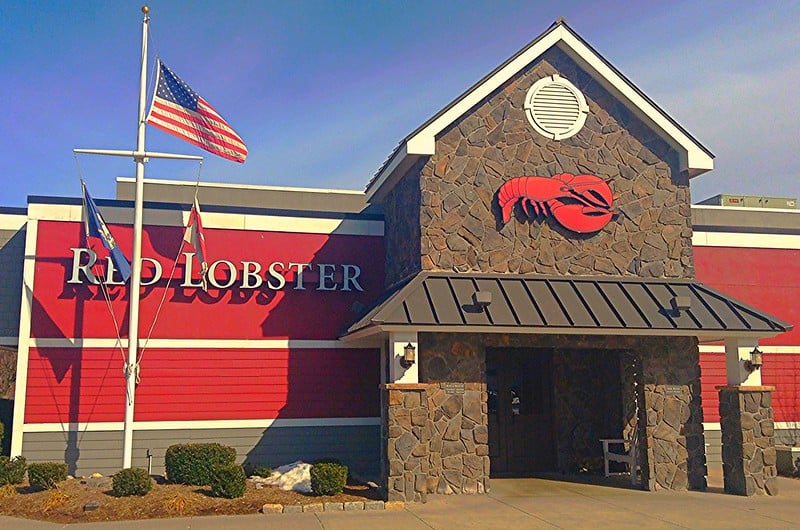
Red Lobster microwaves pasta dishes while they’re still in plastic bags, raising questions about what those containers are made of and whether heating plastic is safe. This revelation about their pasta preparation methods suggests that even seemingly straightforward dishes get the convenience treatment rather than proper cooking techniques. The combination of questionable heating methods and plastic containers is concerning from both quality and health perspectives.
Applebee’s Steaks During Rush Hours

— Photo by jetcityimage2
When Applebee’s gets really busy, kitchen staff use a technique called ‘mark it and mic it’ – putting grill marks on both sides of steaks, then finishing them in the microwave to maintain their 12-minute ticket times. While their Bourbon Street steak is safer since it finishes on a skillet, other steak preparations during peak hours might not get the proper grill treatment you’re paying for. The microwave shortcut explains why some Applebee’s steaks have that distinctive texture that doesn’t quite match a properly grilled piece of meat – you know the one.
Sonic Slushes
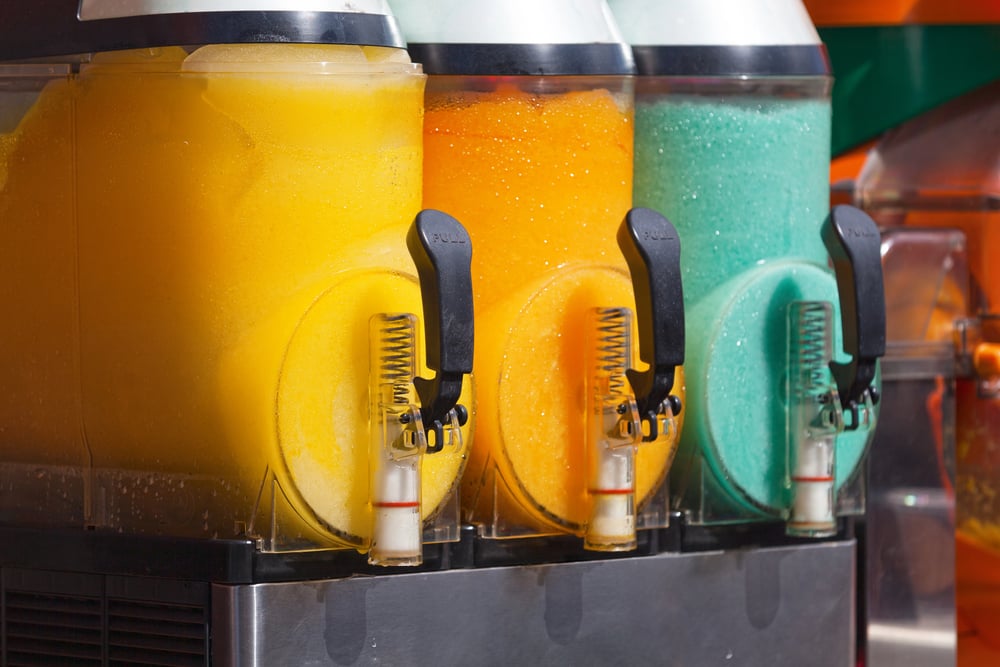
Sonic’s slush machines are difficult to clean properly, so the cleaning doesn’t happen as often as it should. Workers report that while everything else at Sonic maintains decent cleanliness standards, the slush machines present ongoing challenges. The complexity of cleaning these specialty machines means they often harbor bacteria and buildup between services.
Panera Chicken Items

— Photo by jetcityimage2
At some Panera locations, chicken gets shredded by dishwasher staff who don’t wear gloves and move between handling dirty dishes and preparing food without washing their hands, which creates obvious food safety concerns that shouldn’t need explaining. Additionally, Panera soups sit in lukewarm water for hours or sometimes all day if they’re unpopular flavors. The temperature control issues with both chicken handling and soup storage make these menu categories particularly risky.
Any Restaurant’s Ice Cream Machines

Soft-serve ice cream machines across multiple chains present consistent problems. These machines are notoriously difficult to clean and often get neglected in cleaning schedules. Workers from various chains report that without proper maintenance training, ice cream machines become breeding grounds for bacteria. The infamous McDonald’s ice cream machine problems are just the tip of the iceberg – this issue extends across the entire industry, though most places are quieter about it than McDonald’s customers are.
Subway Tuna Sandwiches

Subway workers consistently warn against the tuna, though many won’t explain exactly why – they just emphatically advise avoiding it. The preparation process and ingredient quality apparently create conditions that make even employees uncomfortable. One worker’s brother advised never eating Subway tuna and refused to explain the reason. That silence says everything.
Restaurants with Empty Parking Lots

Workers advise never eating at chain restaurants that don’t have full parking lots during lunch or dinner hours, as they’re guaranteed to use outdated products, sell leftovers, and make weird substitutions. Low-traffic restaurants struggle with inventory management, meaning ingredients sit around longer than they should. When you see that empty Long John Silver’s at noon, there’s probably a good reason why other customers are staying away.
Any Chain’s Seasonal Items Year-Round

Menu items listed as ‘seasonal’ but available year-round are usually just old ingredients that restaurants are trying to get rid of. True seasonal items should disappear when their season ends, but chains often keep pushing these dishes using aging inventory. That ‘seasonal squash soup’ available in July probably isn’t using fresh, in-season ingredients – it’s more likely using frozen or preserved components from months ago.
Outback Steakhouse Chicken Wings

Outback’s chicken wings suffer from slow turnover, which means they often sit around until they become rancid before being served. Wings aren’t a signature item at a steakhouse, so they don’t move as quickly as other menu items. This slow rotation means you might end up with wings that have been sitting in warmers far longer than food safety guidelines recommend. Not exactly what you’d expect from a place that charges steakhouse prices.
Papa John’s Pizza with Mushrooms

Former Papa John’s workers warn against ordering mushrooms because they get slimy and smell bad after sitting around for a day or two, but managers continue serving them since they’ll be heated in the oven anyway. While cooking temperatures might kill bacteria, the texture and quality of these aging mushrooms creates an unappetizing experience. The fact that staff knowingly serves deteriorating toppings shows how profit margins sometimes take priority over quality standards.
The Reality Behind Kitchen Doors

— Photo by oasisamuel
These revelations don’t mean you should never eat at chain restaurants again, but they do highlight the importance of being an informed customer. Management quality varies dramatically between locations, and individual franchise owners set different standards for cleanliness and food handling. The employees sharing these insights aren’t trying to hurt their employers – they’re trying to help customers make better choices based on what they’ve witnessed firsthand. Next time you’re scanning a menu, remember that the most popular items usually have the fastest turnover and the freshest ingredients, while specialty or slow-moving items might not get the attention they deserve.
More from Go2Tutors!

- The Romanov Crown Jewels and Their Tragic Fate
- 13 Historical Mysteries That Science Still Can’t Solve
- Famous Hoaxes That Fooled the World for Years
- 15 Child Stars with Tragic Adult Lives
- 16 Famous Jewelry Pieces in History
Like Go2Tutors’s content? Follow us on MSN.