Unexpected Origins of World-Famous Foods
Food history is full of lies. Not malicious ones, usually—just assumptions that got repeated so many times they became “facts.”
That French pastry? Probably Austrian. That ancient Italian recipe? Maybe invented in the 1960s.
That Chinese restaurant staple? Could be from California. Let’s dig into some of the most surprising origin stories behind foods you thought you knew.
Fortune Cookies
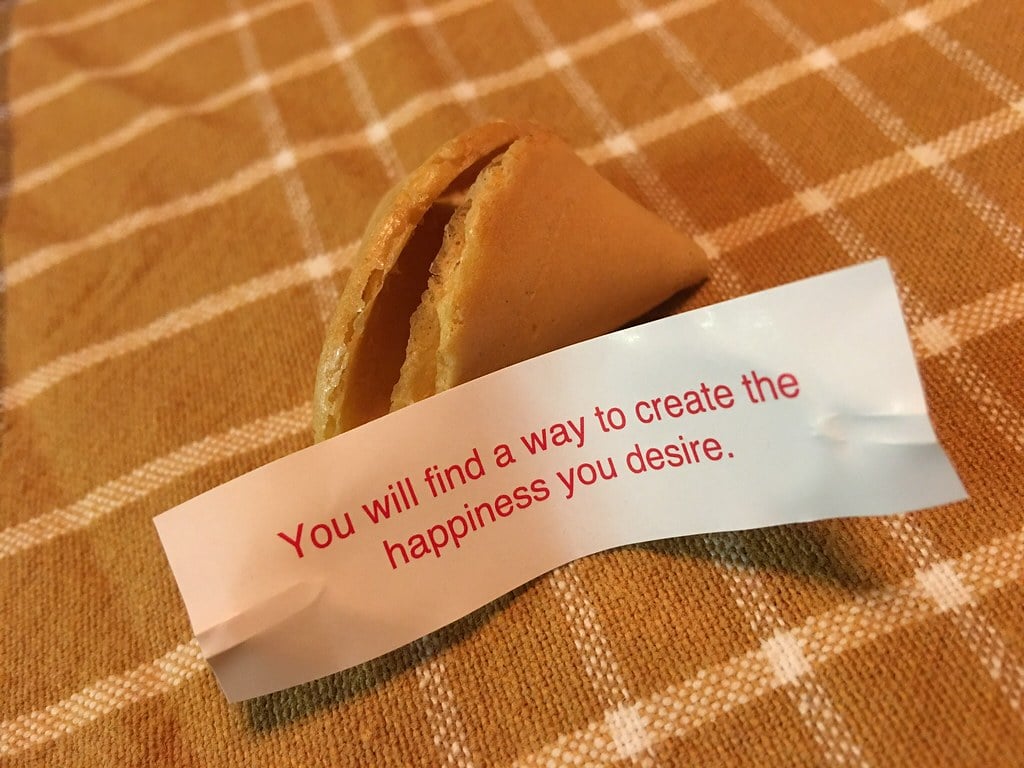
Everyone thinks these are Chinese. They’re not.
Fortune cookies were likely invented in California by Japanese immigrants in the early 1900s (possibly Makoto Hagiwara at the Japanese Tea Garden in San Francisco, though there are competing claims). They were based on Japanese crackers called tsujiura senbei. Chinese restaurants started serving them after World War II, and somehow they became associated with Chinese food in America.
Meanwhile, in actual China, people have no idea what fortune cookies are. If you bring them to Beijing, locals will look at you like you’re insane.
Croissants

The most French thing imaginable, right? Wrong. Croissants are Austrian. The kipferl, a crescent-shaped pastry, existed in Austria for centuries before French bakers got their hands on it. Marie Antoinette supposedly brought them to France when she married Louis XVI in the 1770s.
The modern flaky croissant we know today was probably developed by an Austrian baker named August Zang who opened a Viennese bakery in Paris in the 1830s. So yes, they were perfected in France, but the origin is definitely Austrian (and the French hate admitting this).
Chicken Tikka Masala

Britain’s most popular curry was probably invented in Britain. The most common story is that it was created in Glasgow in the 1970s when a customer complained that his chicken tikka was too dry, so the chef threw together a tomato-cream sauce.
There are other origin claims from London and Bangladesh, but the Glasgow story is the most widely accepted. India didn’t really have this dish until British tourists started asking for it there.
Now you can find it in India, but it’s essentially a reverse import of something that was never theirs to begin with.
Caesar Salad

Despite the name, this has nothing to do with Julius Caesar or Italy. Caesar Cardini, an Italian-American restaurateur, invented it in Tijuana, Mexico in 1924. He ran out of supplies on a busy Fourth of July weekend and threw together what he had—romaine lettuce, garlic, croutons, Parmesan, eggs, olive oil, and Worcestershire sauce.
The original recipe didn’t even have anchovies (though Worcestershire sauce contains them). Cardini’s brother Alex claims he invented it and wanted to call it the “Aviator’s Salad” because it was popular with pilots.
But Caesar’s name won out, which is probably why everyone thinks it’s Roman.
French Fries

The Belgians are furious about this name. They claim fries were invented in Belgium in the late 1600s, when villagers would fry small fish from the Meuse River.
When the river froze in winter, they fried potatoes cut into fish shapes instead. The French connection might come from World War I, when American soldiers stationed in Belgium tried the fries and called them “French” because the Belgian army spoke French.
Or maybe Thomas Jefferson brought them from France to America in the 1800s. Either way, Belgium is the spiritual home of fries (and they’re way better there anyway).
Hawaiian Pizza

Invented in Canada by a Greek immigrant. Sam Panopoulos put pineapple and ham on pizza in 1962 at his restaurant in Ontario.
He named it “Hawaiian” after the brand of canned pineapple he used. Italians are still mad about it, Canadians don’t really claim it with pride, and people in Hawaii didn’t ask for this.
But it’s everywhere now and you either love it or you’re wrong (just kidding, it’s genuinely divisive).
German Chocolate Cake

Named after Samuel German, an English-American baker who developed a type of dark baking chocolate for Baker’s Chocolate Company in 1852. It has absolutely nothing to do with Germany.
The cake recipe itself was published in a Texas newspaper in 1957 by a homemaker named George Clay. The possessive apostrophe got dropped somewhere along the way, so “German’s Chocolate Cake” became “German Chocolate Cake” and everyone assumed it was from Germany. It’s about as German as bourbon.
Fettuccine Alfredo

This dish was created by Alfredo di Lelio in Rome in 1908 for his pregnant wife who had lost her appetite. Just butter, Parmesan, and fresh pasta.
That’s it. No cream in the original recipe, though American versions usually add it. It became famous when Hollywood stars Mary Pickford and Douglas Fairbanks ate at Alfredo’s restaurant during their honeymoon in 1920 and brought the recipe back to America.
Now it’s way more popular in the US than in Italy, where Romans barely acknowledge it exists (and definitely judge the cream-heavy American version).
Nachos

Invented in 1943 in Piedras Negras, Mexico, right across the border from Texas. A group of American military wives showed up at a restaurant after closing time, and the maître d’, Ignacio “Nacho” Anaya, threw together what he had in the kitchen—tortilla chips, cheese, and jalapeños. The dish is literally named after him.
It’s not some ancient Mexican recipe, it’s less than 80 years old and was specifically created for American tourists. Which explains why nachos are more popular at American sports stadiums than anywhere in Mexico.
Vichyssoise

This cold leek and potato soup has a very French name and sounds like it should be from Vichy, France. But it was invented by Louis Diat, a French chef working at the Ritz-Carlton in New York City in 1917.
He based it on a hot leek and potato soup his mother made, but served it cold because it was summer and New Yorkers were complaining about the heat. He named it after Vichy because he grew up near there and wanted it to sound fancy and French (which worked, obviously).
The soup is actually not traditional in France and you’d be hard-pressed to find it in Vichy itself; they have no idea why tourists keep asking about it.
Tiramisu

This feels ancient Italian, but it was probably invented in the 1960s or 70s in Veneto. The most accepted story credits Roberto Linguanotto and Francesca Valori at Le Beccherie restaurant in Treviso in 1969, though several other restaurants claim they invented it first.
The name means “pick me up” in Italian (because of the caffeine in the espresso and cocoa). It’s not Renaissance-era, it’s not from Rome, and it’s younger than most people reading this.
But it tastes like it should have a centuries-old tradition behind it, so everyone just assumes it does.
Pavlova

Australia and New Zealand have been fighting over this meringue dessert for decades. Both countries claim they invented it in honor of Russian ballerina Anna Pavlova when she toured Oceania in the 1920s.
The evidence is inconclusive and both sides get genuinely angry about it. What we do know is that it was named after Pavlova (probably because the white, fluffy meringue resembled her tutu), and that arguing about its origin is a quick way to start a fight in either country.
For what it’s worth, New Zealand has a stronger historical claim, but Australia is louder about it.
Baked Alaska
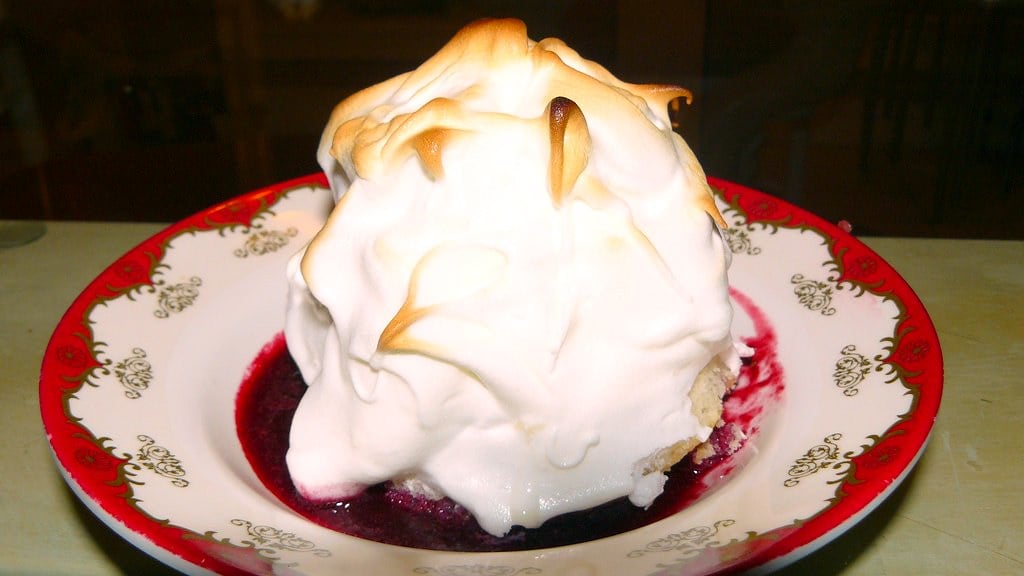
Probably invented at Delmonico’s Restaurant in New York City in 1867 to celebrate the US purchase of Alaska from Russia. Chef Charles Ranhofer created it and called it “Alaska, Florida” because of the contrast between the hot meringue exterior and the ice cream interior (get it? Cold Alaska, hot Florida).
Though some people claim similar desserts existed earlier in France or elsewhere. And Thomas Jefferson apparently served ice cream in a hot pastry at the White House in the early 1800s.
But the name “Baked Alaska” and the specific dessert we know today are definitely American.
When Food Origins Don’t Make Sense
It’s kind of funny how much we associate certain foods with places they’re not actually from. Sometimes it’s marketing, sometimes it’s honest mistakes, sometimes it’s just that the story sounds better than the truth.
But once a food gets tied to a place or culture in the public imagination, good luck correcting the record. People believe what they want to believe, especially if it tastes good.
More from Go2Tutors!

- The Romanov Crown Jewels and Their Tragic Fate
- 13 Historical Mysteries That Science Still Can’t Solve
- Famous Hoaxes That Fooled the World for Years
- 15 Child Stars with Tragic Adult Lives
- 16 Famous Jewelry Pieces in History
Like Go2Tutors’s content? Follow us on MSN.



