Facts About the Historic Iditarod Trail Sled Race
The Iditarod is one of the toughest races on the planet. Every March, mushers and their dog teams battle through Alaska’s frozen wilderness, covering over 1,000 miles of brutal terrain in conditions that would make most people turn around before even starting.
This isn’t just a race—it’s a test of survival, trust, and determination that pushes both humans and dogs to their absolute limits. Here are some fascinating facts about this legendary competition that takes place on top of the world.
The Race Covers More Than 1,000 Miles Of Alaskan Wilderness

The Iditarod stretches across 1,049 miles from Anchorage to Nome, though the actual distance varies slightly depending on the route. Mushers face everything from dense forests to frozen rivers, windswept tundra to mountain ranges that seem to go on forever.
The number 1,049 holds special meaning since Alaska became the 49th state in 1959, and race organizers wanted to honor that milestone.
It Takes About Eight To Fifteen Days To Complete

The fastest mushers can finish in just over eight days, while others might take two weeks or more to reach Nome. Weather conditions play a huge role in determining race times, since blizzards can force teams to hunker down and wait out the storm.
Speed matters, but finishing safely is what really counts.
The Race Started In 1973 To Save A Dying Tradition
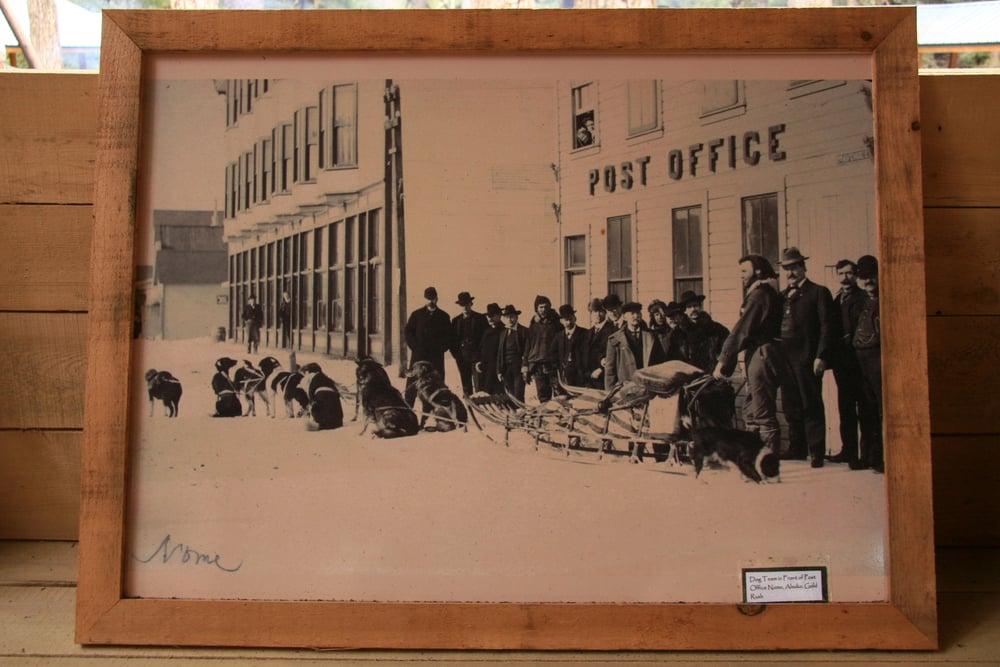
Snowmobiles were replacing dog sleds throughout Alaska, and the traditional mushing culture was fading fast. A historian named Dorothy Page teamed up with musher Joe Redington Sr. to create a race that would celebrate Alaska’s heritage and keep sled dog teams relevant.
Their idea worked better than anyone expected, turning into an annual event that draws competitors from around the world.
Temperatures Can Drop To Negative 100 Degrees With Wind Chill
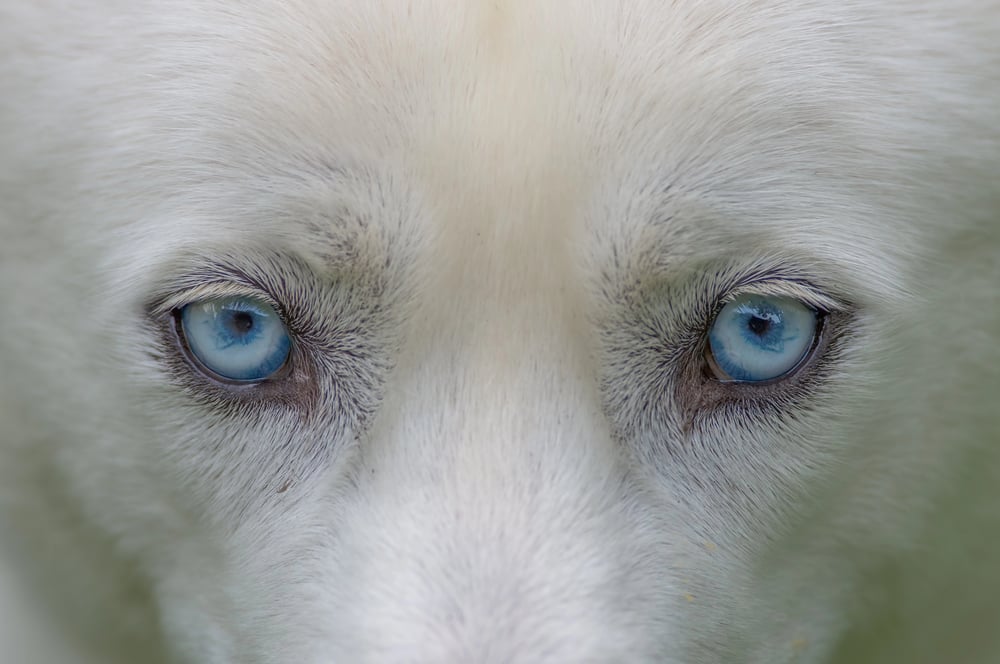
Mushers face some of the coldest conditions imaginable during the race. The wind chill factor can make it feel like negative 100 degrees Fahrenheit, cold enough to freeze exposed skin in minutes.
Proper gear becomes a matter of life and death, not just comfort.
The 1925 Serum Run To Nome Inspired The Race

When a diphtheria outbreak threatened the town of Nome in 1925, dog sled teams relayed lifesaving medicine across 674 miles in just five and a half days. Twenty mushers and about 150 dogs participated in this heroic effort, braving a blizzard and temperatures that plummeted to negative 50 degrees.
The Iditarod Trail Sled Dog Race follows much of the same route those brave teams used to deliver the serum that saved countless lives.
Teams Must Have Between 12 And 16 Dogs At The Start

Race rules require mushers to begin with a minimum of 12 dogs and a maximum of 16 dogs in their team. However, they can finish with as few as five dogs still in harness.
Dogs that get tired, injured, or sick during the race get flown back to Anchorage where veterinarians care for them until their musher returns.
Checkpoints Provide Rest Stops And Supplies Along The Route

The race includes over 20 checkpoints scattered along the trail where mushers can rest, eat, and resupply. These small villages and outposts become temporary hubs of activity during race season, with volunteers helping track teams and veterinarians checking on dog health.
Some checkpoints sit in incredibly remote locations that only see visitors during the annual race.
Susan Butcher Won Four Times And Changed Perceptions About Women In The Sport
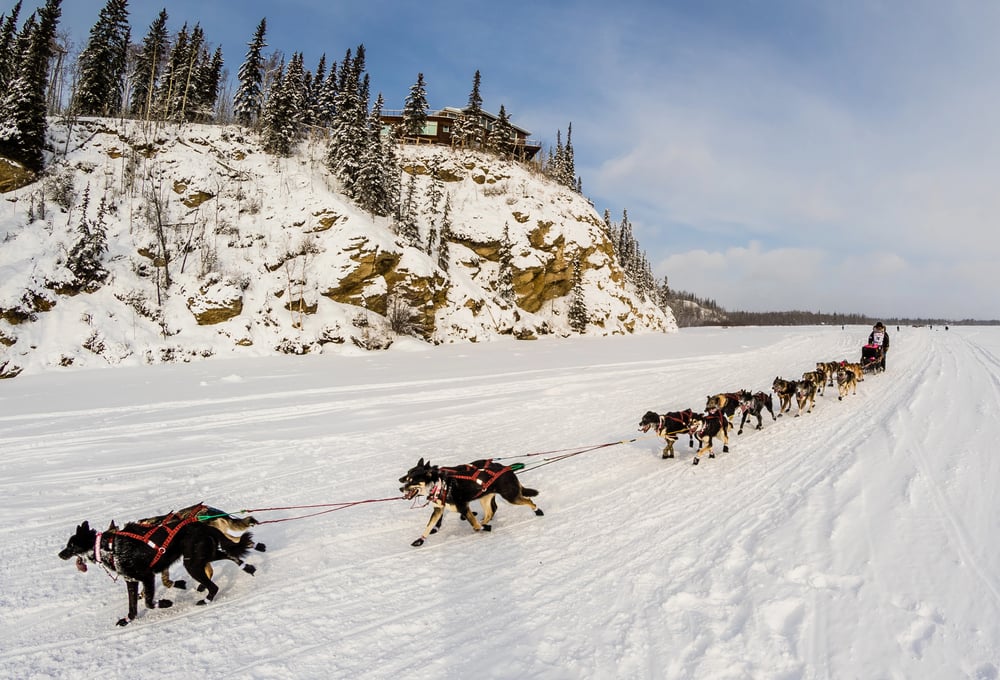
Susan Butcher proved that women could dominate one of the world’s toughest competitions by winning the Iditarod in 1986, 1987, 1988, and 1990. She treated her dogs like family and pioneered training methods that other mushers still use today.
Her success opened doors for female competitors and showed that the bond between musher and dogs mattered more than physical strength alone.
The Widowmaker Is One Of The Most Dangerous Sections

A steep, narrow descent called the widowmaker has earned its grim reputation through years of spectacular crashes and close calls. Teams must navigate a twisting trail down a mountain where one wrong move can send dogs, sled, and musher tumbling.
Many competitors say this section gets their heart racing faster than any other part of the course.
Dogs Eat About 10,000 Calories Per Day During The Race

Sled dogs burn through an incredible amount of energy pulling a sled across frozen terrain for hours on end. Mushers feed their teams high-fat, high-protein meals that would make a regular pet dog sick but keep working dogs fueled and strong.
The dogs actually look forward to their frequent snacks and meals along the trail, gobbling down food at every stop.
The Red Lantern Award Goes To The Last Place Finisher
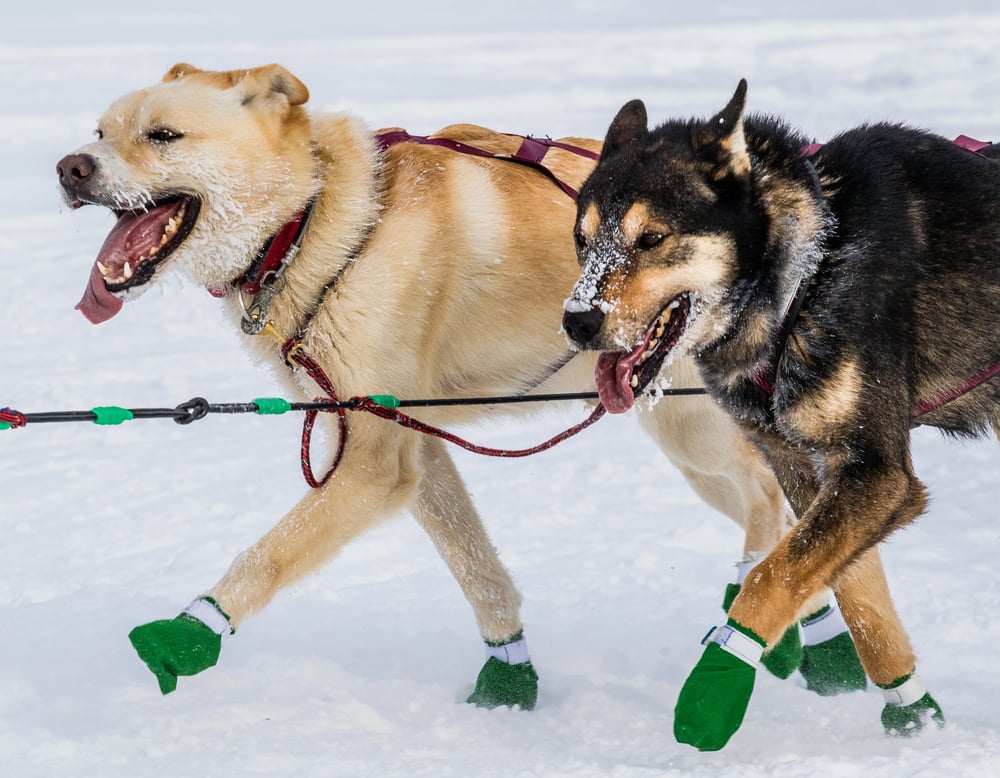
Unlike most competitions where coming in last means nothing, the Iditarod celebrates the final musher to cross the finish line with the red lantern award. This tradition honors the determination it takes to complete the race regardless of placement.
When the last team arrives in Nome, organizers extinguish a symbolic lantern that has been burning since the race began, signaling that everyone made it home.
Mushers Must Take One 24-Hour Rest And Two 8-Hour Rests

Race rules require specific mandatory rest periods to ensure both humans and dogs get adequate recovery time. Mushers must take one full 24-hour break and two separate 8-hour breaks at designated checkpoints along the route.
Strategic planning around these rest stops can make the difference between winning and losing.
The Route Alternates Between Northern And Southern Trails
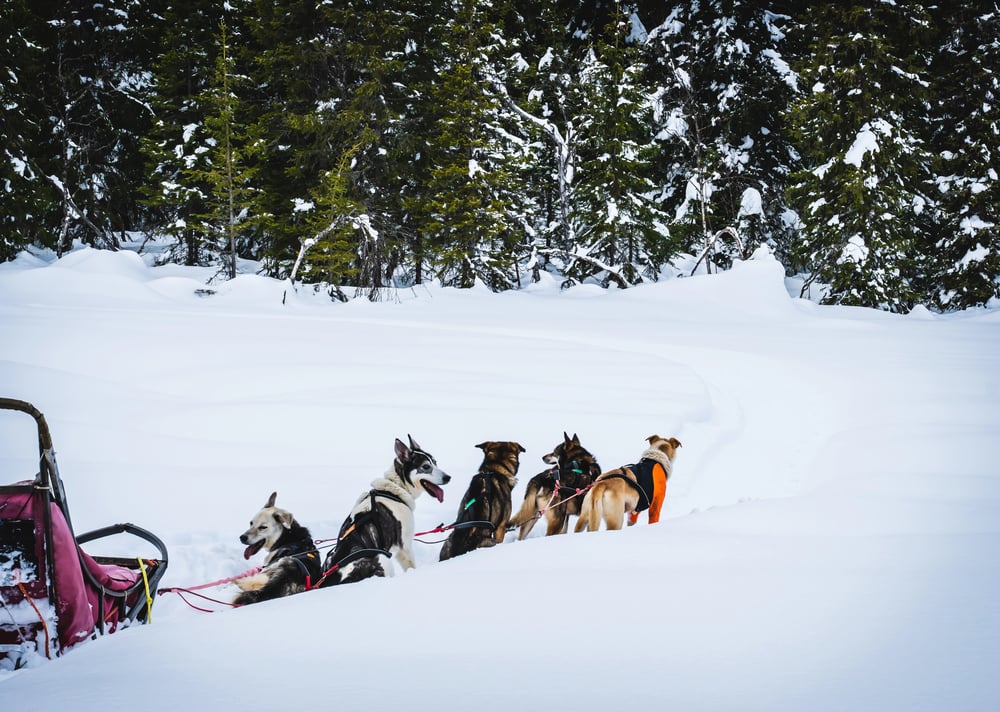
Race organizers switch between two different routes each year to distribute the economic impact among various villages. The northern route runs in even-numbered years, while the southern route happens during odd-numbered years.
Both paths end in Nome, but they pass through different communities and present unique challenges.
Veterinarians Examine Every Dog Multiple Times During The Race

Health comes first in the Iditarod, so veterinarians wait at every stop along the trail. From the start, paws get scanned for injuries – dry skin, cracks, anything off.
Dehydration is tracked closely; even small fluid drops raise flags. Weight checks happen often, since losing too much matters more than it seems.
If something feels wrong, a vet has full say – mushers cannot argue when an animal needs rest. Illness shows quietly sometimes, but eyes stay sharp.
One sign of trouble means out of the race, no exceptions.
Beyond Half A Million Dollars Lies The Full Amount Awarded. That Sum Stretches Past Five Hundred Thousand In Prize Funds

Half the haul goes to first place – about fifty grand plus a pickup. Money gets handed out down the rankings, thanks to entry fees and race backers chipping in.
Everyone crossing the line pockets something, even if just a few bills. Training dogs, buying gear, feeding teams – that adds up faster than any winnings cover.
Most racers dig deep into their own wallets long before seeing anything back.
Tradition Meets Modern Alaska

Even with phones and satellites everywhere, the Iditarod holds tight to a rugged way of life. Nowadays mushers pack GPS units, staying in touch using digital tools, yet rely on wisdom passed down for ages – spotting storm signs, finding paths by starlight, sensing each dog’s limits.
Old ways mix with new ones here, just like across Alaska, where comfort meets wildness without apology. People take what helps from today’s world but do not forget the land that taught them survival.
Out there on frozen trails, time slows; certain trials stay exactly as they’ve always been.
More from Go2Tutors!

- The Romanov Crown Jewels and Their Tragic Fate
- 13 Historical Mysteries That Science Still Can’t Solve
- Famous Hoaxes That Fooled the World for Years
- 15 Child Stars with Tragic Adult Lives
- 16 Famous Jewelry Pieces in History
Like Go2Tutors’s content? Follow us on MSN.