15 Strangest to Cutest Cat Breeds
Cats have been living alongside humans for thousands of years, but they’ve never stopped surprising us with their incredible variety. From wrinkled creatures that look like tiny aliens to fluffy giants that could pass for small lions, cat breeds span an amazing range of appearances and personalities.
Some breeds developed naturally in specific regions, while others came about through careful breeding programs that emphasized unique traits. The result is a world full of feline diversity that goes way beyond your average tabby.
Let’s dive into some of the most unusual and adorable cats you’ll ever see.
Sphynx

With the exception of its fur, the Sphynx cat appears to have emerged directly from ancient Egypt. These wrinkled friends have a thin layer of fuzz that feels like warm suede when you touch them, so they aren’t truly hairless.
They require frequent baths to remove oils that would typically be absorbed by fur because they lack a traditional coat, which makes them more susceptible to the cold. Sphynx cats are very loving and enjoy being the center of attention despite their strange appearance.
Because they like to play fetch and follow their owners around, they are frequently compared to dogs.
Munchkin

Imagine a typical cat, and then picture someone pressing down on its legs until they were about half as long. In essence, that is a Munchkin cat.
Despite their unusual proportions, these short-legged cats can run and jump with surprising agility. When the breed first emerged, it caused controversy because some people were concerned about health issues, but Munchkins typically lead normal, healthy lives.
Many find them irresistible because of their stubby legs, which give them a perpetually kitten-like appearance. It’s like watching a cat move in slow motion when you watch a Munchkin chase a toy.
Scottish Fold

Scottish Folds have ears that fold forward and down, giving them an owl-like expression that’s hard to forget. A natural genetic mutation causes the cartilage in their ears to fold about three weeks after birth.
Not all Scottish Folds have folded ears—some are born with straight ears and are called Scottish Straights. These cats have round faces and big eyes that make them look perpetually surprised or concerned.
They’re known for sitting in odd positions, including on their backs with legs spread out, earning them the nickname ‘Buddha cats.’
Devon Rex
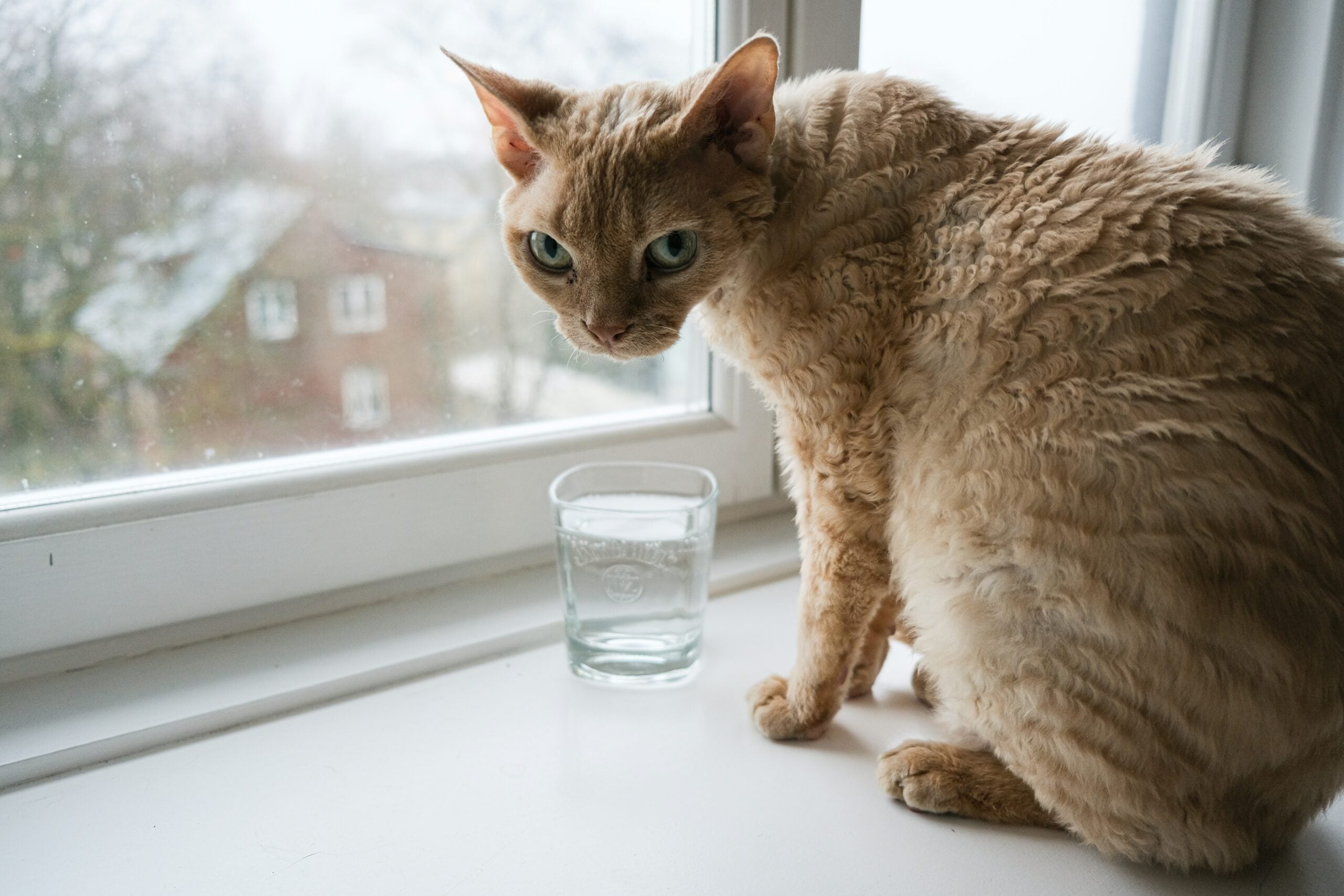
The Devon Rex has huge ears, enormous eyes, and a coat that feels more like suede than traditional cat fur. Their wavy, short coat comes from a natural mutation discovered in England during the 1960s.
These cats have been compared to pixies, elves, and aliens, depending on who you ask. Devon Rex cats are extremely social and hate being left alone for long periods.
They have a reputation for being mischievous troublemakers who get into everything, including places you’d think a cat could never reach.
Cornish Rex

Cornish Rex cats share the curly coat gene with Devon Rex cats, but they’re actually different breeds with distinct mutations. Their fur forms tight waves that lie close to the body, and they lack the outer guard hairs that most cats have.
This gives them a soft, warm feel that some people compare to chenille fabric. These cats have arched backs, long legs, and a body shape that looks more like a greyhound than a typical cat.
They’re incredibly active and playful well into their senior years, often learning tricks and playing games typically associated with dogs.
LaPerm

LaPerms have curly coats that can range from tight ringlets to loose waves, making each cat look unique. The breed started with a single kitten born on a farm in Oregon in 1982, completely bald with wrinkled skin.
As the kitten grew, it developed a soft, curly coat unlike anything the farm owners had seen before. LaPerms can have long or short hair, but both types feature that distinctive curl.
Their fur is surprisingly low-maintenance despite its appearance, and they shed less than most cats. These cats are gentle and affectionate, often reaching out to touch their owners’ faces with their paws.
Peterbald

Peterbald cats come from Russia and can range from completely hairless to having a short, fuzzy coat. They’re the result of crossing a hairless Donskoy with an Oriental Shorthair, creating a cat with an elegant, slender build.
Their skin feels warm and soft, and they need protection from both cold and sun exposure. Peterbalds have webbed toes, which is rare among cats and adds to their unusual appearance.
These cats are extremely social and don’t do well being left alone, often bonding intensely with one particular person in the household.
Selkirk Rex

The Selkirk Rex is the teddy bear of the cat world, with a plush, curly coat that begs to be touched. Unlike other Rex breeds, Selkirks have all three hair types—guard, awn, and down—just curled instead of straight.
They’re a relatively new breed that started with a single kitten found in a shelter in Montana in 1987. These cats have a stocky, muscular build that’s quite different from the sleek appearance of Cornish and Devon Rex cats.
Their curly whiskers often break off, giving them a slightly disheveled look that adds to their charm.
Lykoi

The Lykoi cat legitimately looks like a tiny werewolf, earning it the nickname ‘werewolf cat.’ These cats have a partially hairless coat with a roan pattern that creates a grizzled appearance.
Their fur is sparse around the eyes, nose, and ears, making their facial features stand out dramatically. The breed came from a natural mutation found in domestic shorthair cats, and genetic testing confirmed they’re healthy despite their unusual looks.
Lykois are relatively rare and have dog-like personalities, often playing fetch and being more interested in their owners than typical cats.
Maine Coon
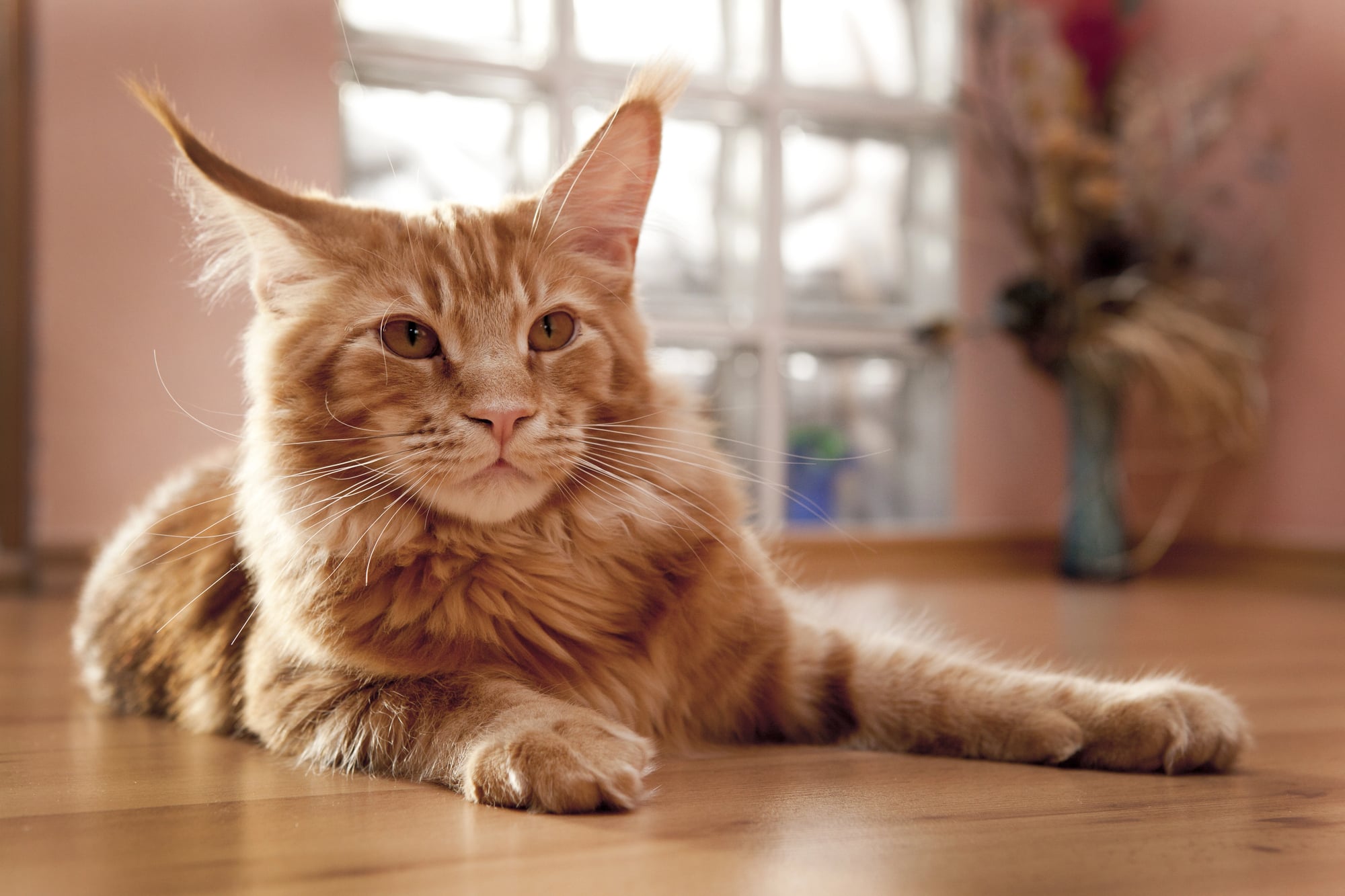
Maine Coons are gentle giants that can weigh up to 25 pounds, making them one of the largest domestic cat breeds. These fluffy creatures have tufted ears, bushy tails, and large paws designed for walking on snow.
Despite their impressive size, they’re known for being friendly and sociable, often getting along well with dogs and children. Maine Coons develop slowly, not reaching full size until they’re about four years old.
Their chirping, trilling vocalizations sound nothing like a typical meow, adding to their unique character.
Norwegian Forest Cat

Norwegian Forest Cats evolved to survive harsh Scandinavian winters, resulting in a thick, water-resistant double coat. These large cats have strong climbing abilities and often descend trees headfirst, something most cats can’t do.
Their triangular-shaped heads and almond eyes give them a wild appearance that hints at their outdoor heritage. Norwegian Forest Cats take up to five years to fully mature, remaining kitten-like longer than most breeds.
They’re independent but affectionate, happy to spend time near their owners without demanding constant attention.
Singapura
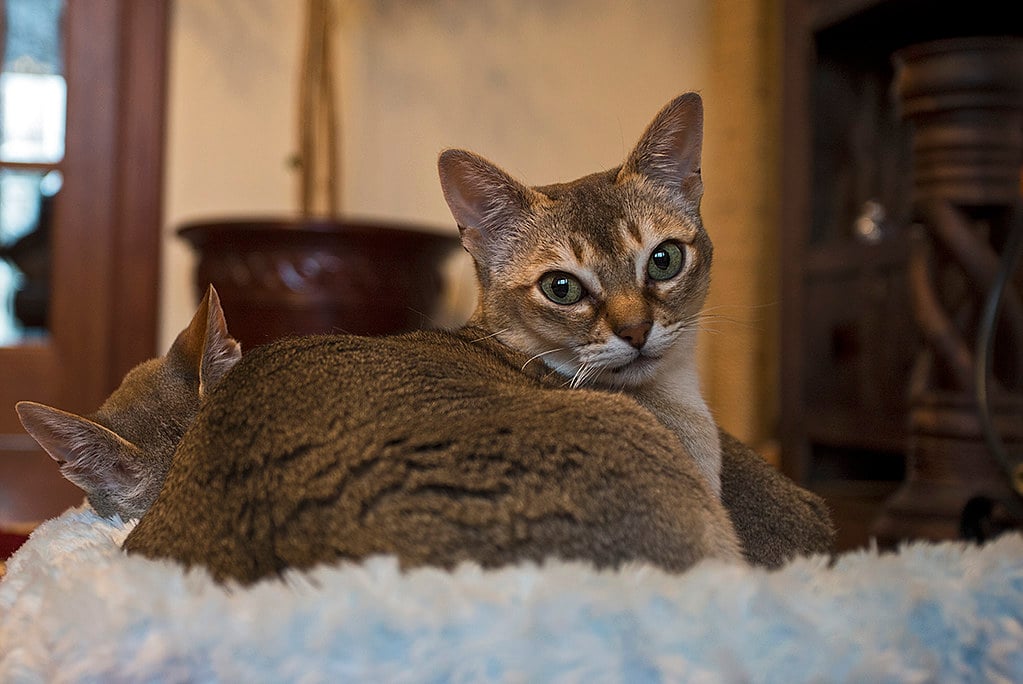
Adult Singapuras typically weigh between four and eight pounds, making them the smallest cat breed. These small cats seem to have too big ears and eyes for their small faces.
They have a warm, ivory appearance with darker brown ticking because their coat is only available in one color, sepia agouti. Despite their diminutive size, Singapuras have large personalities and enjoy participating in their owners’ activities.
They are renowned for their kind, loving dispositions and maintain their playful nature throughout their lives.
Exotic Shorthair
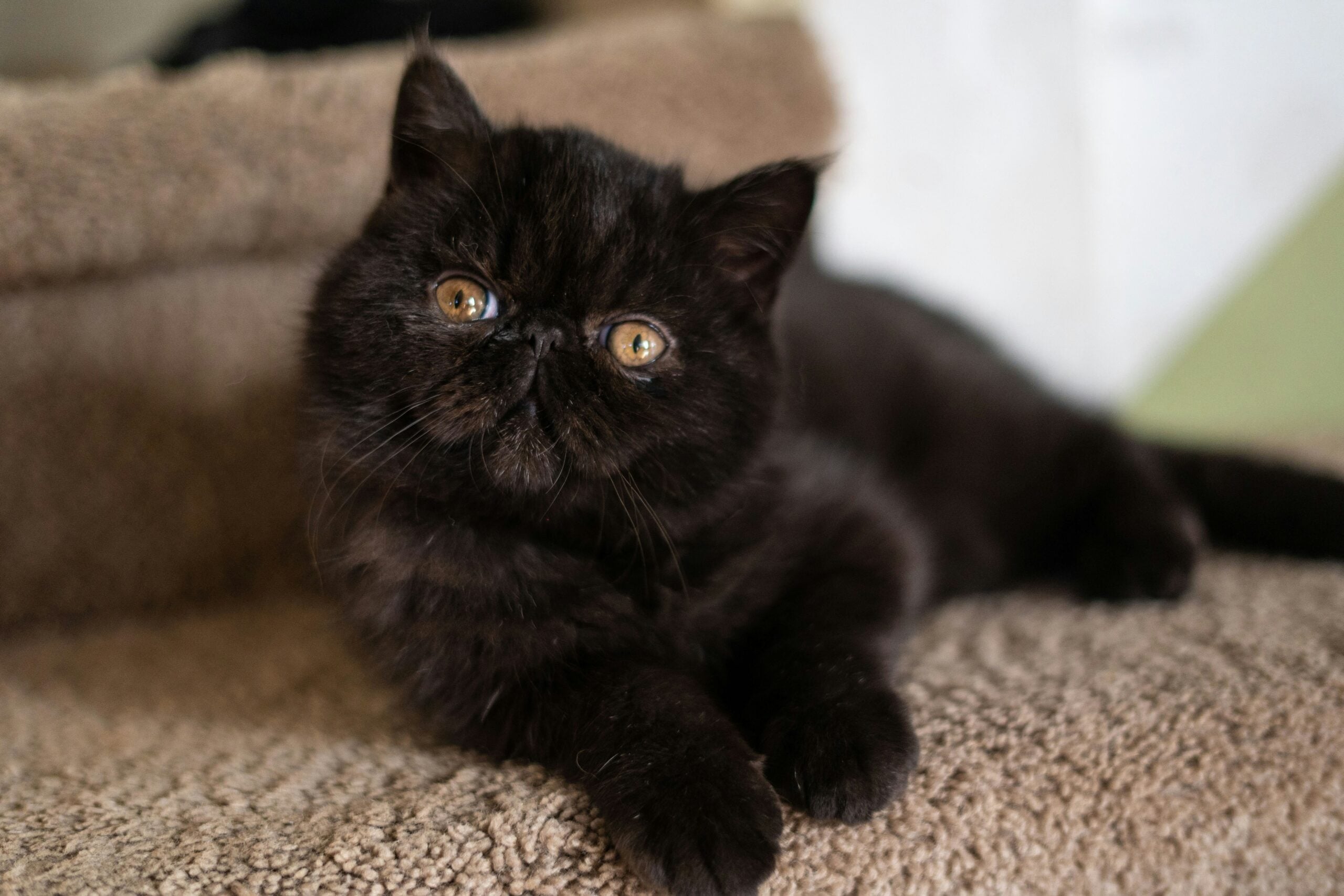
Known as “the lazy person’s Persian,” Exotic Shorthairs are short-haired Persian cats with a plush, dense coat that is much easier to maintain. They share the same round body and flat face as Persians.
These cats are ideal flat companions because of their serene dispositions and endearing facial expressions. Compared to many breeds, exotics are less active and prefer to spend their days relaxing in cozy areas.
They are becoming more and more well-liked among those seeking a low-key companion due to their quiet disposition and loving personalities.
Ragdoll

Ragdolls got their name because, like a kid’s toy, they often go completely limp when picked up. These big, blue-eyed cats have semi-long, silky coats that are surprisingly difficult to mat.
They can weigh up to twenty pounds. They frequently greet their owners at the door and follow them from room to room—a behavior more typically associated with dogs.
Ragdolls are renowned for being incredibly gentle, and they hardly ever use their claws when playing. Although they should stay indoors due to their trusting personalities, their docile nature makes them great companions for families with kids.
British Shorthair

British Shorthairs resemble living teddy bears with their round faces, plump cheeks, and thick, cozy coats. In the past, British ships and farms used these robust cats to manage rodent populations.
Although they come in a variety of hues and patterns, blue-gray is their most well-known color. Independent and dignified, British Shorthairs prefer to sit close to their owners rather than on them.
They take three to five years to reach their full size and personality development due to their slow maturation.
What makes these breeds special today

These unusual cat breeds remind us that nature and human creativity can produce remarkable results. Some of these cats developed naturally in response to their environments, while others came from unexpected genetic mutations or intentional breeding programs.
Each breed brings something different to the table, whether it’s an unforgettable appearance or a personality that defies typical cat stereotypes. The growing interest in unique cat breeds shows that people appreciate diversity and are willing to embrace animals that don’t fit traditional expectations.
Finding the right cat often means looking beyond appearance and considering which personality traits match your lifestyle best.
More from Go2Tutors!

- The Romanov Crown Jewels and Their Tragic Fate
- 13 Historical Mysteries That Science Still Can’t Solve
- Famous Hoaxes That Fooled the World for Years
- 15 Child Stars with Tragic Adult Lives
- 16 Famous Jewelry Pieces in History
Like Go2Tutors’s content? Follow us on MSN.



