Hairstyles Teens Begged for in the ’80s
Somewhere in a 1980s kitchen, a teenager was negotiating with a parent over a haircut that would cost a month of allowance and take an hour of mirror time every morning. The pitch usually involved a poster, a music video, or a magazine page torn out and carried like a legal document.
The decade rewarded anyone willing to commit. Hair got taller, wider, brighter, and louder, and the teens who wanted it most rarely settled for a polite version.
The Mullet, Business in Front
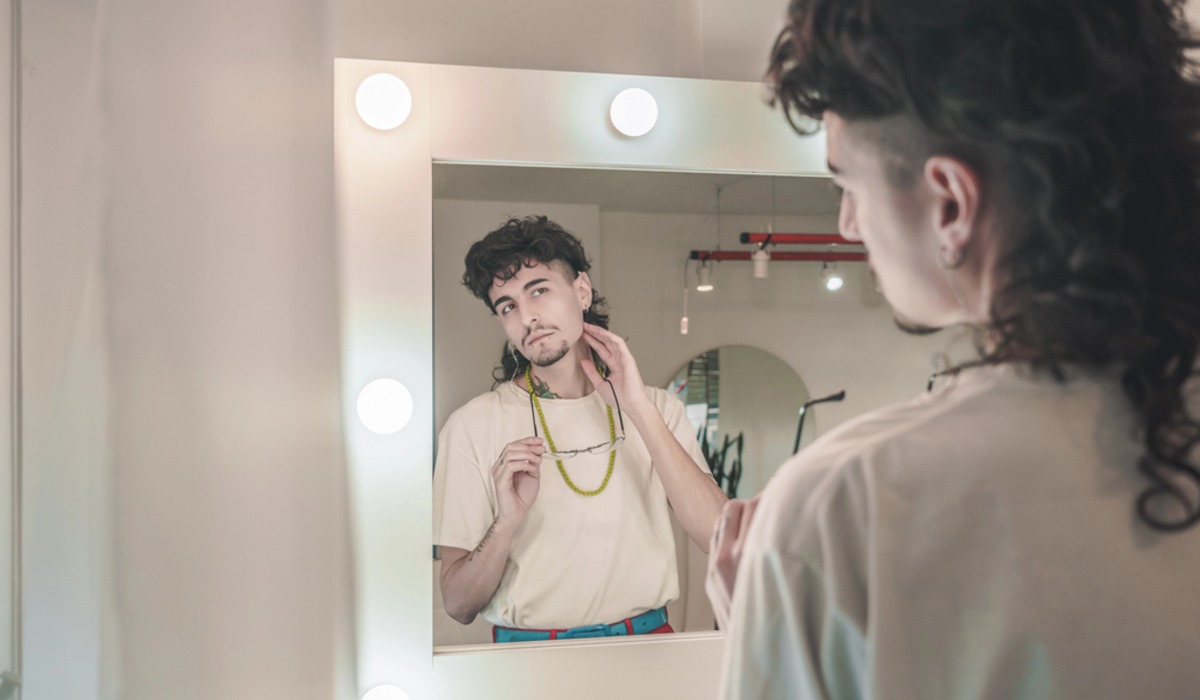
Short on the sides and top, long in back, the mullet was a fixture of the decade, worn by rock stars and plenty of sitcom-era heroes. Richard Dean Anderson wore a version on the TV series MacGyver, which premiered in 1985.
For a teenage boy, the appeal was simple: it looked rebellious from behind and acceptable from the front. Barbers often hesitated to cut the sides short, so many a mullet began as a negotiation.
The Flock of Seagulls Swoop

When A Flock of Seagulls released “I Ran” in 1982, singer Mike Score’s sculpted, swooping hair became almost as famous as the song. The band came from Liverpool, England, and the haircut became shorthand for new wave style.
Getting close to it took a generous amount of gel and spray, plus a steady hand with a blow dryer. Teens who tried it at home often ended up with something closer to a surprised bird than a pop star.
Mr. T’s Mohawk

Mr. T appeared in Rocky III in 1982 and then became a household name on The A-Team, which debuted in 1983.
His strip of hair down the center of an otherwise shaved head came with a mountain of gold chains and a hairstyle he has said was inspired by African warriors. For many kids, the look was out of reach at school but perfect for Halloween.
Parents tended to approve of costumes much more than permanent versions.
Billy Idol’s Bleached Spikes
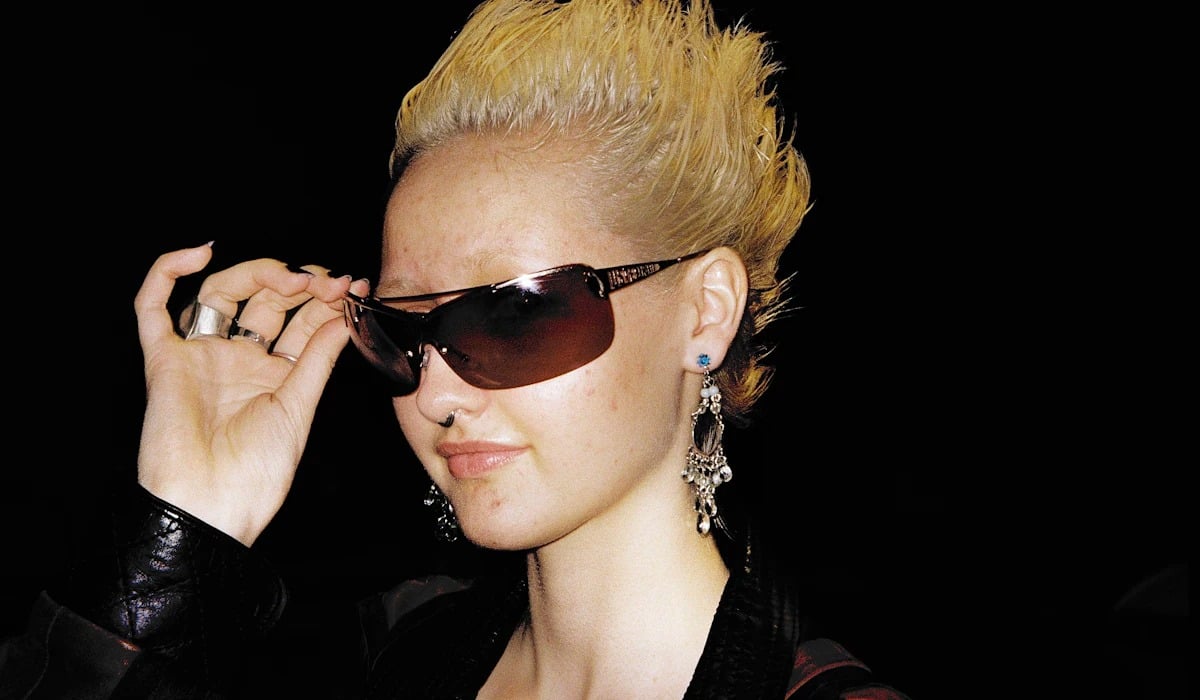
Billy Idol put out “White Wedding” in 1982 and the album Rebel Yell in 1983, and his short, bleached, spiky hair became the poster-ready version of punk for the mainstream. The look needed strong gel or hairspray to hold its shape, and the platinum color needed regular touch-ups.
Teens at the time often settled for spikes without the bleach, which was the parent-friendly compromise. Either way, the bathroom mirror took the brunt of it.
Cyndi Lauper’s Orange Crop
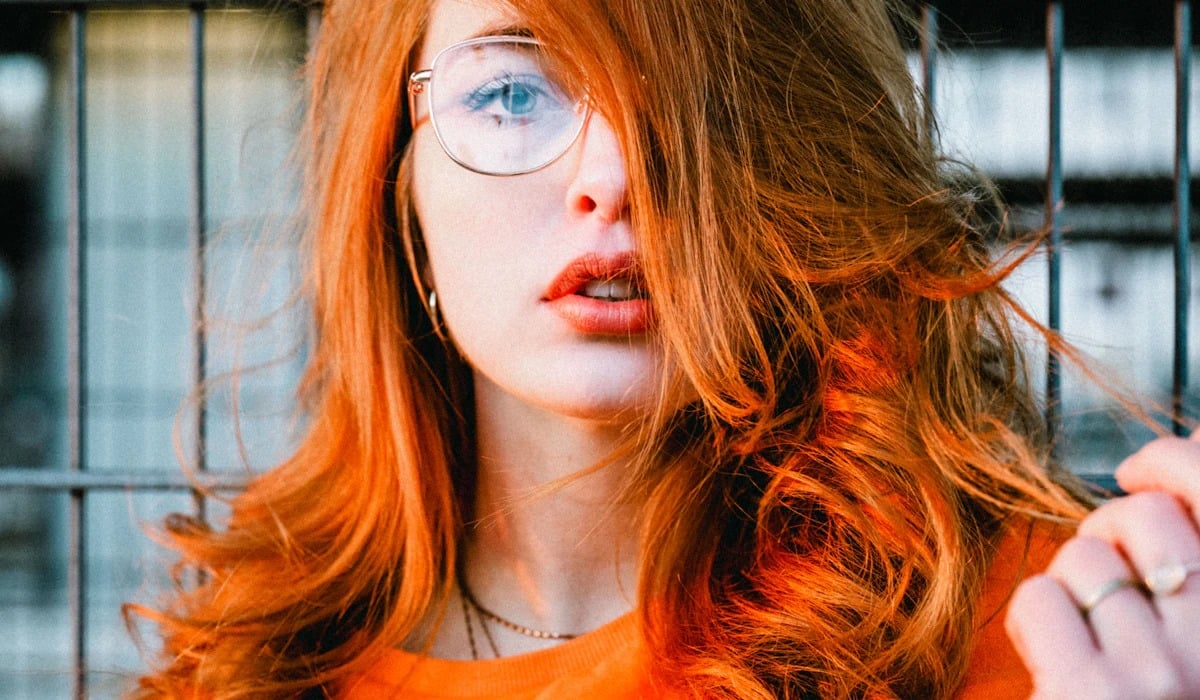
Cyndi Lauper hit the airwaves with “Girls Just Want to Have Fun” in 1983, from her debut album She’s So Unusual. Her asymmetrical, brightly dyed hair, often seen in vivid orange and red tones, was as much a part of her image as her voice.
Fans who could not commit to permanent dye reached for temporary color products. The message was that a teenager’s hair did not have to look like anyone else’s, and that was a big part of the appeal.
Boy George’s Ribbons and Braids
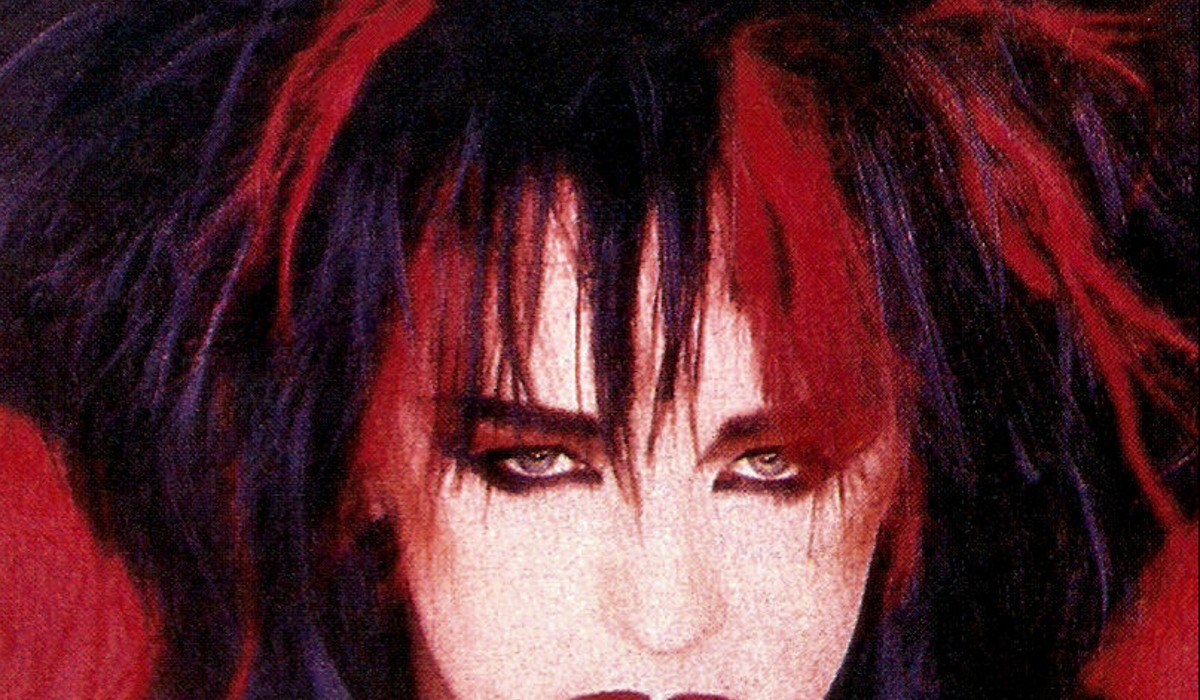
Culture Club’s “Karma Chameleon” topped the charts in the United Kingdom in 1983, and singer Boy George became recognizable for long hair decorated with ribbons, braids, and hats. The look was theatrical and colorful, and it appealed to teens who wanted to stand out without picking up a guitar.
Copying it usually meant a trip to the craft store for ribbon and a lot of patience with a comb. It was not a style that fit well under a school uniform, which made it all the more tempting.
Madonna’s Messy Curls and Bows
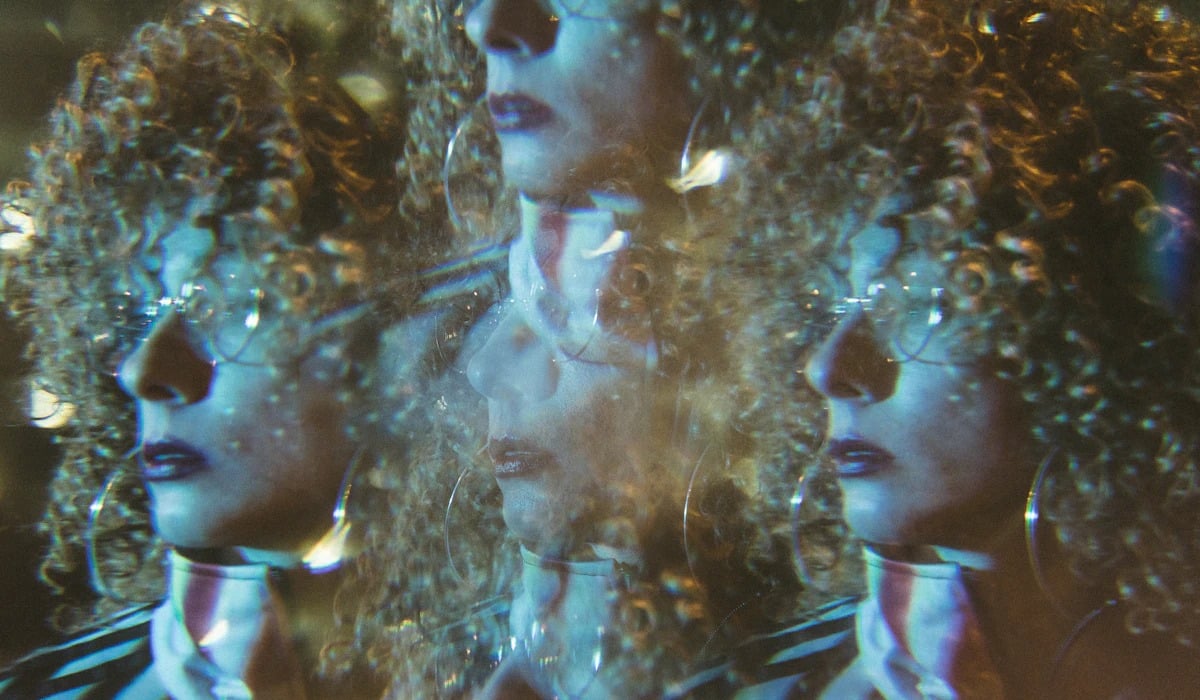
When Madonna released her self-titled debut album in 1983, her tousled, bleached, curly hair tied up with scarves and bows helped shape a template for a generation of girls. The look was deliberately untidy, a break from the polished styles of the late 1970s.
Teens copied it with cheap fabric strips and a perm or a curling iron. Cheap lace and a pile of bracelets completed the effect for anyone with the budget.
Jennifer Beals and the Flashdance Mane
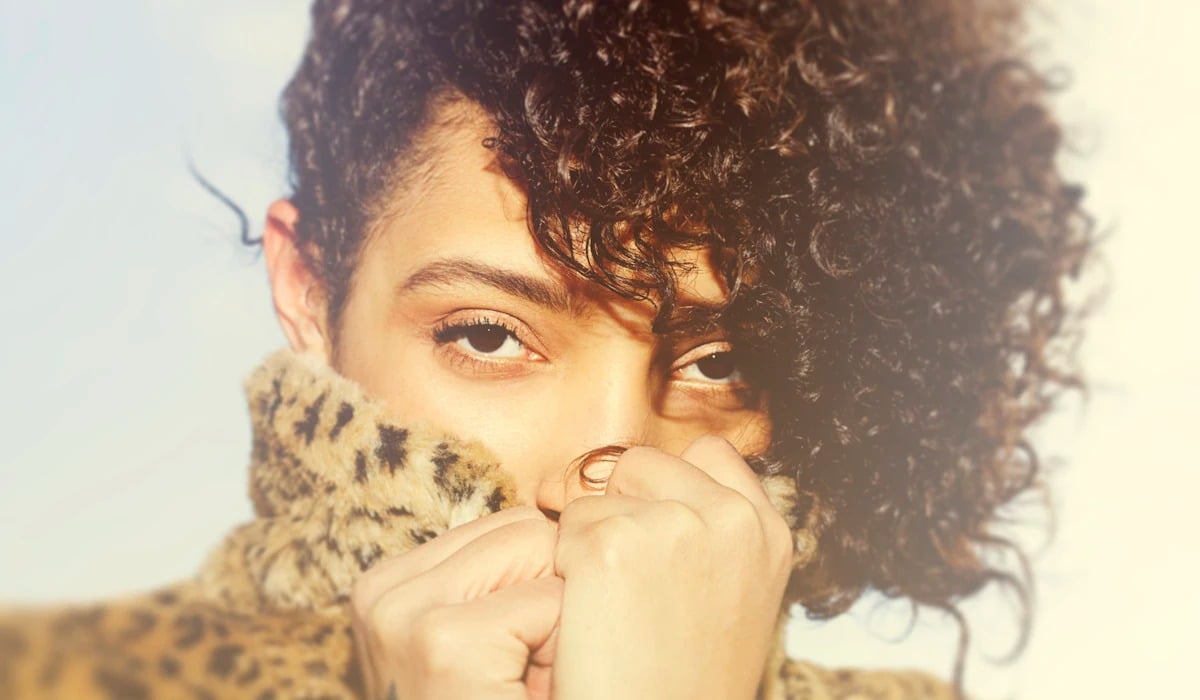
The 1983 film Flashdance starred Jennifer Beals, whose big, voluminous, curly hair stole as much attention as the dance numbers. Girls took the poster to salons and asked for the same wild, springy look.
Home perm kits offered a more affordable way to try for similar volume. The results varied wildly, depending on how long the solution stayed on and how much patience the teenager had.
Princess Diana’s Feathery Cut
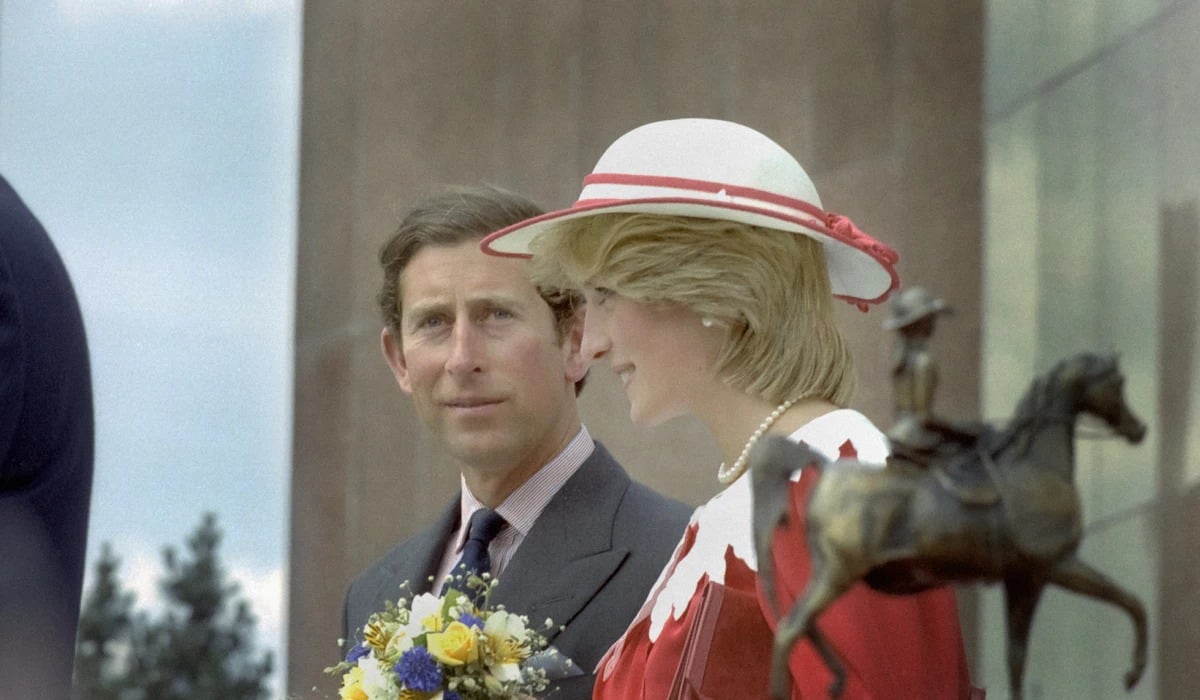
Diana married Prince Charles in 1981, and the short, layered, feathery cut she wore through the early part of the decade was widely copied by women and teenage girls. It was relatively easy to style with a blow dryer and a brush.
Her look became so influential that magazines published cutting diagrams readers could take to their hairdressers. The cut stayed influential well beyond the wedding, proof that a princess could set a trend as easily as a pop star.
Duran Duran’s Feathered Glamour
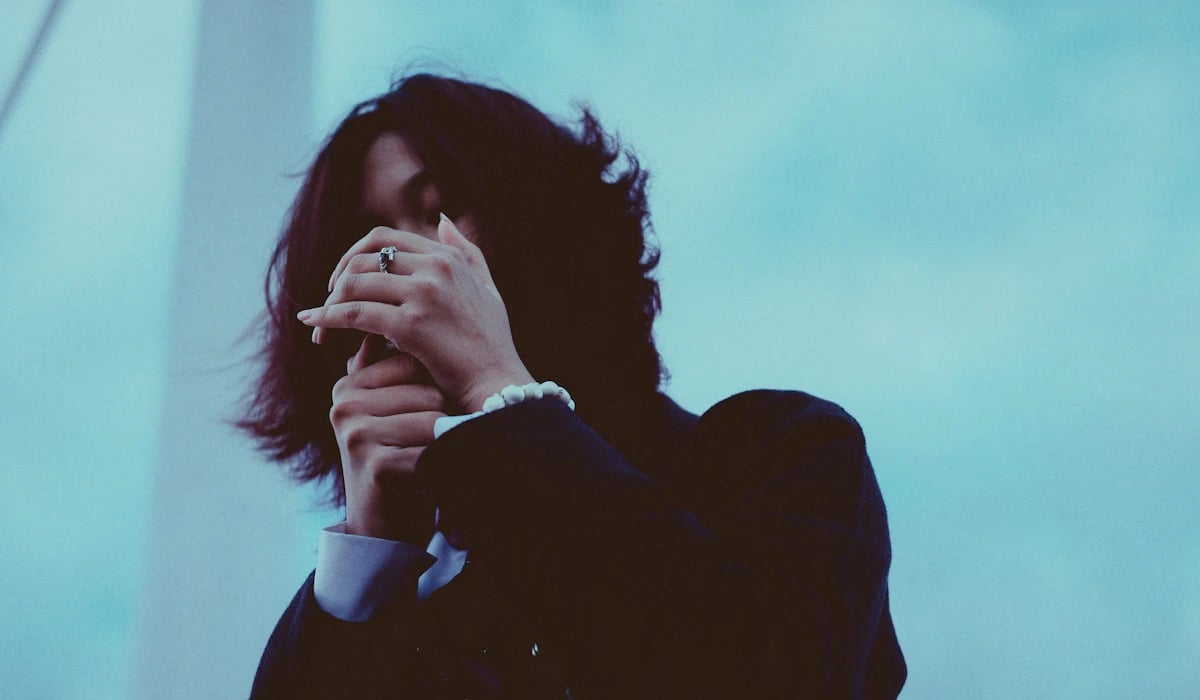
Duran Duran released the album Rio in 1982, and the videos that went with it made the band’s hair a memorable part of its image. Singer Simon Le Bon and keyboardist Nick Rhodes wore styled, teased, and colored looks that took real effort.
Teen fans spent hours trying to copy the layered fringe with a comb and a can of spray. The band’s polished, expensive-looking style was part of the fantasy, and hair was the cheapest way to buy into it.
The Human League’s Lopsided Fringe
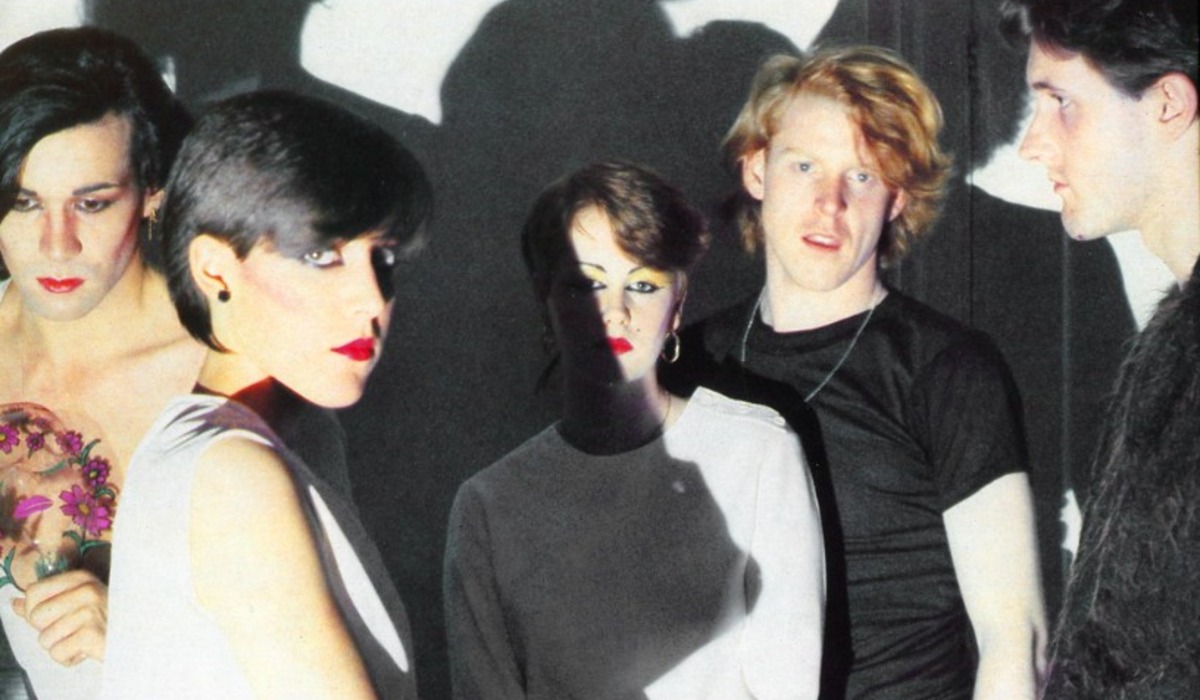
In 1981, The Human League released “Don’t You Want Me,” and singer Philip Oakey’s long, asymmetrical haircut, short on one side and swept over the other, became part of the band’s distinctive look. The cut was striking and strange, and it became a popular choice for teens in the new wave scene.
Girls in the band’s lineup also wore dramatic, angular styles. Keeping the long side from flopping into the eyes was a daily challenge that many teenagers happily accepted.
Grace Jones and the Flat Top
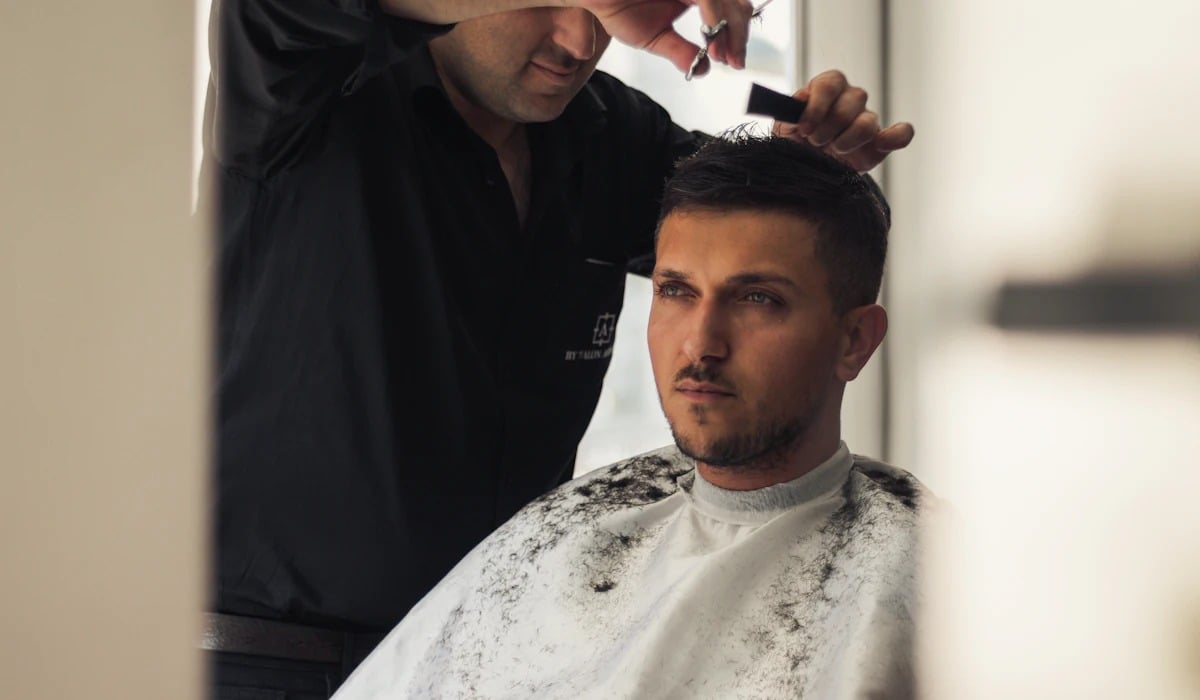
Grace Jones was known for a sharp, geometric flat top that became part of her striking image in the early 1980s. Teens inspired by her and by the broader trend toward sculpted hair experimented with boxy, high-standing shapes.
The look required a skilled barber and regular upkeep to keep the lines crisp. It showed that bold hair did not have to rely on curls or color to be eye-catching.
The Scrunchie

Rommy Revson patented the scrunchie in 1987, and the fabric-covered elastic quickly became a staple of teenage style. Revson reportedly named it after her pet dachshund, whose nickname was a version of the word.
Unlike metal clips and rubber bands, it held a ponytail without pulling hair out. Teens bought them by the handful in every color, often wearing several on one wrist for emergencies.
Hair Metal Teasing
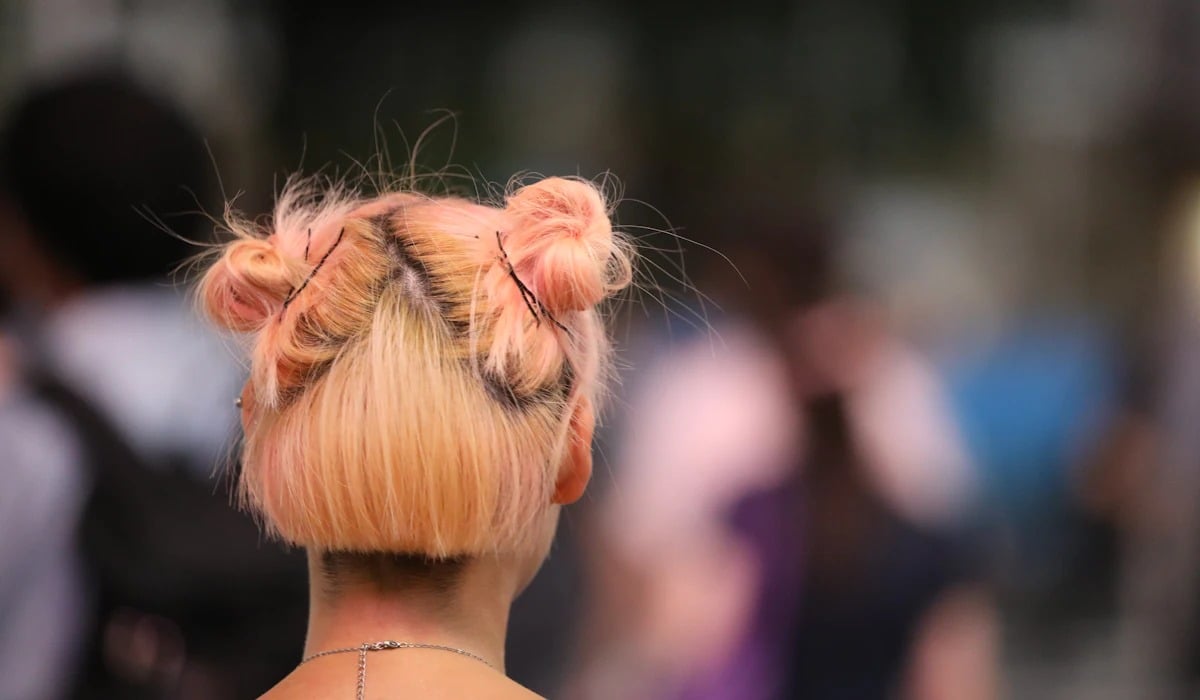
Bands such as Poison, whose debut album Look What the Cat Dragged In came out in 1986, made teased, sprayed, enormous hair the standard for rock fans. Aqua Net, a hairspray that had been on the market for decades, was the product of choice for holding the shape.
The process involved backcombing the hair at the roots and then locking it in place with an alarming amount of spray. Teens who managed it often found their hair could survive a windy day, a crowded school bus, and a mild rain shower.
Mall Bangs

Singer Tiffany became a teen star in 1987 with her mall tour and her hit “I Think We’re Alone Now,” and her tall, curled bangs inspired a wave of imitators. The trend involved curling the front of the hair up and back, then fixing it into a stiff wave with spray.
Girls spent time each morning building the arch, usually with a curling iron and a small mountain of product. Mall bangs became a symbol of teenage weekends spent at the shopping center.
The Dirty Dancing Curls
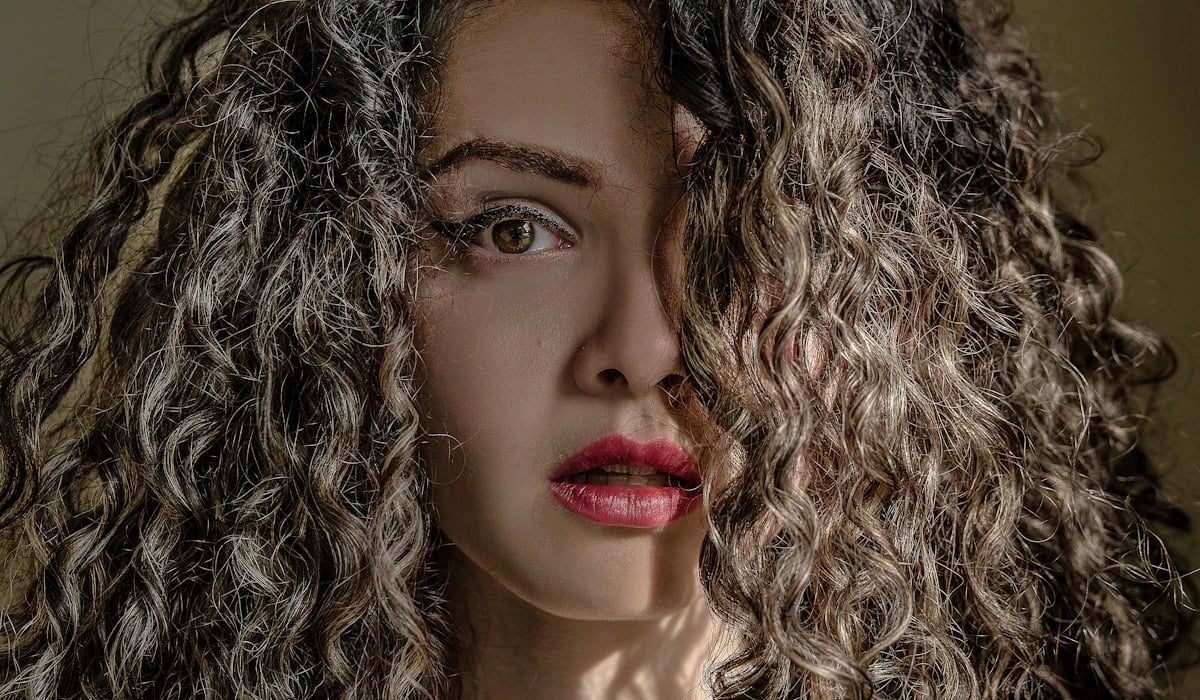
Dirty Dancing hit theaters in 1987, with Jennifer Grey playing a teen whose naturally curly hair became part of her charm. After the film, some viewers sought similarly soft, curly styles, rather than the tight perms also associated with the decade.
The look appealed to teens because it seemed relaxed and approachable after years of teased and sprayed styles. It was proof that a style did not need to be stiff to be popular.
The Jheri Curl
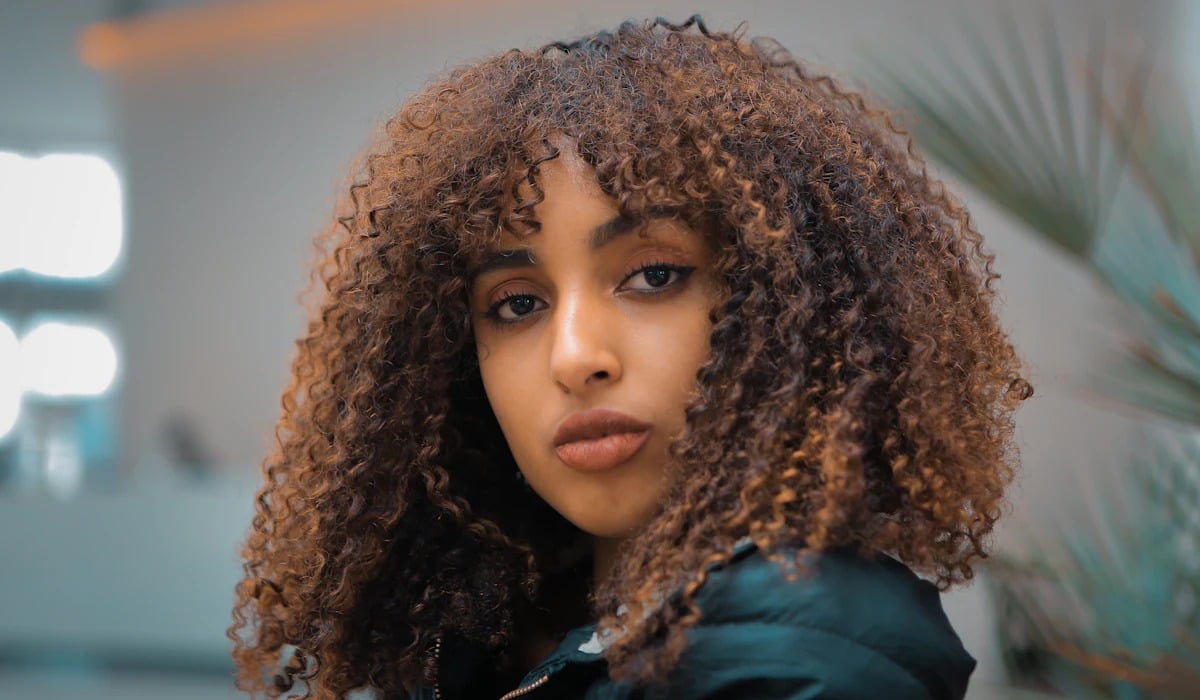
The Jheri curl was named for hairstylist Jheri Redding and became one of the most recognizable looks of the decade, with loose, wet-looking curls that required a curl activator. The style was widely worn in Black communities and by many musicians and entertainers.
It needed constant moisture, which meant protective caps at night and a good deal of upkeep. Teens who wanted the glossy curl often found it harder to maintain than to admire.
Bo Derek’s Beaded Braids
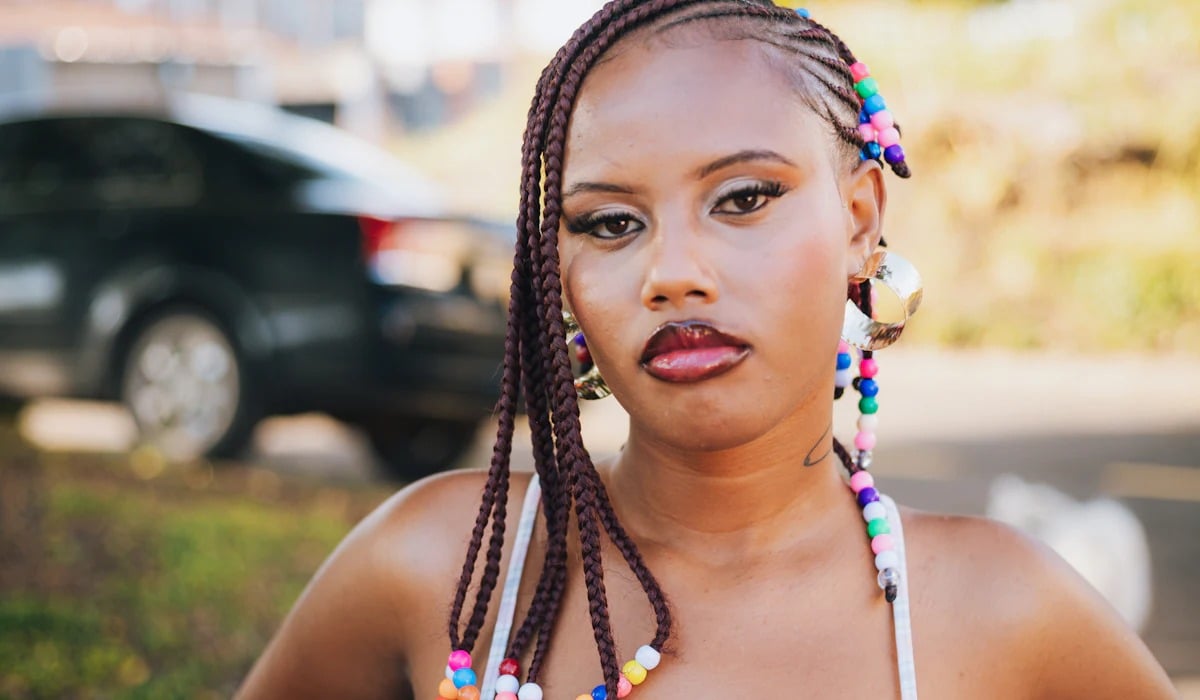
Bo Derek wore beaded cornrows in the 1979 film 10, and the look spilled into the early part of the 1980s as a popular vacation and summer style. Teens with beach trips on the calendar sometimes came home with rows of small braids and colorful beads clacking with every step.
The process could take hours in a chair, and parents grumbled about the cost. For many, it was the souvenir that outlasted the sunburn.
Streaks ‘n Tips and Temporary Color
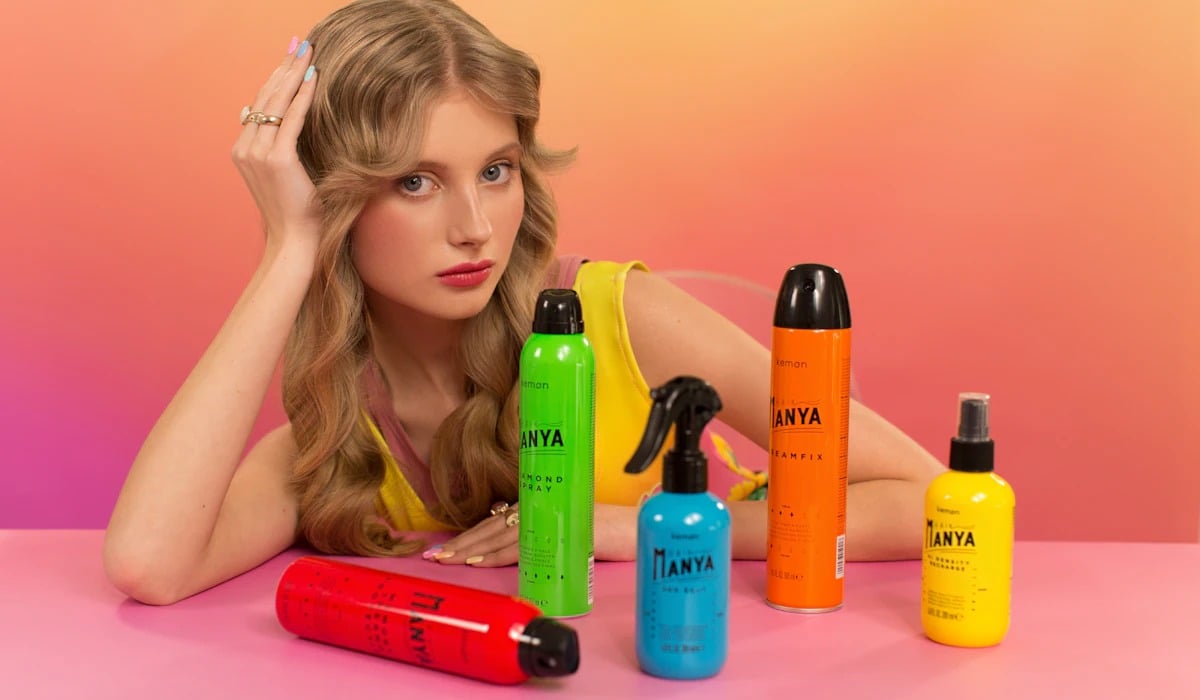
Temporary hair color sprays and washes, including a brand called Streaks ‘n Tips, let teens add a streak of bright color without a permanent commitment. Inspired by punk and new wave musicians, they experimented with pink, blue, and white.
The color could be washed out before school the next morning if a parent objected. It made rebellion a little more affordable and a lot more reversible.
The Crimped Look
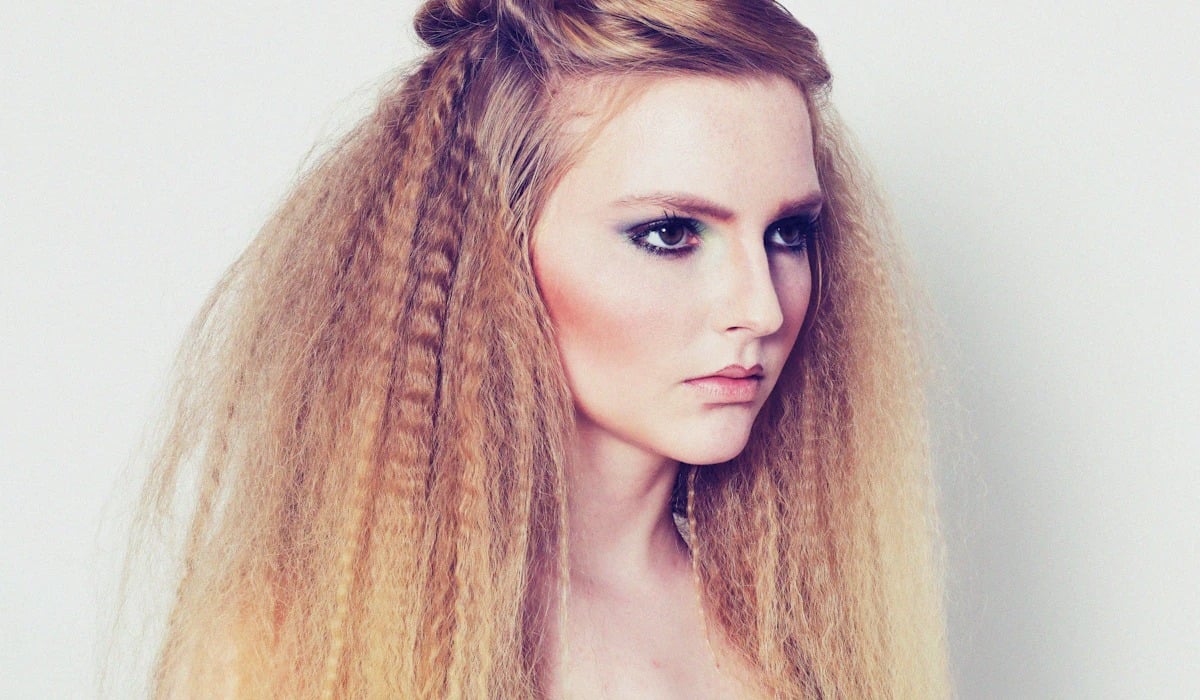
Hair crimping gave strands a zigzag texture using ridged hot plates, and the technique became a recognizable teenage trend in the late part of the decade. Girls bought crimping irons and spent evenings pressing section after section, one small portion at a time.
The result was a frizzy, voluminous look that stood out in school photos. Years later, the same photos tended to produce a mix of nostalgia and mild embarrassment.
Rick Astley’s Quiff
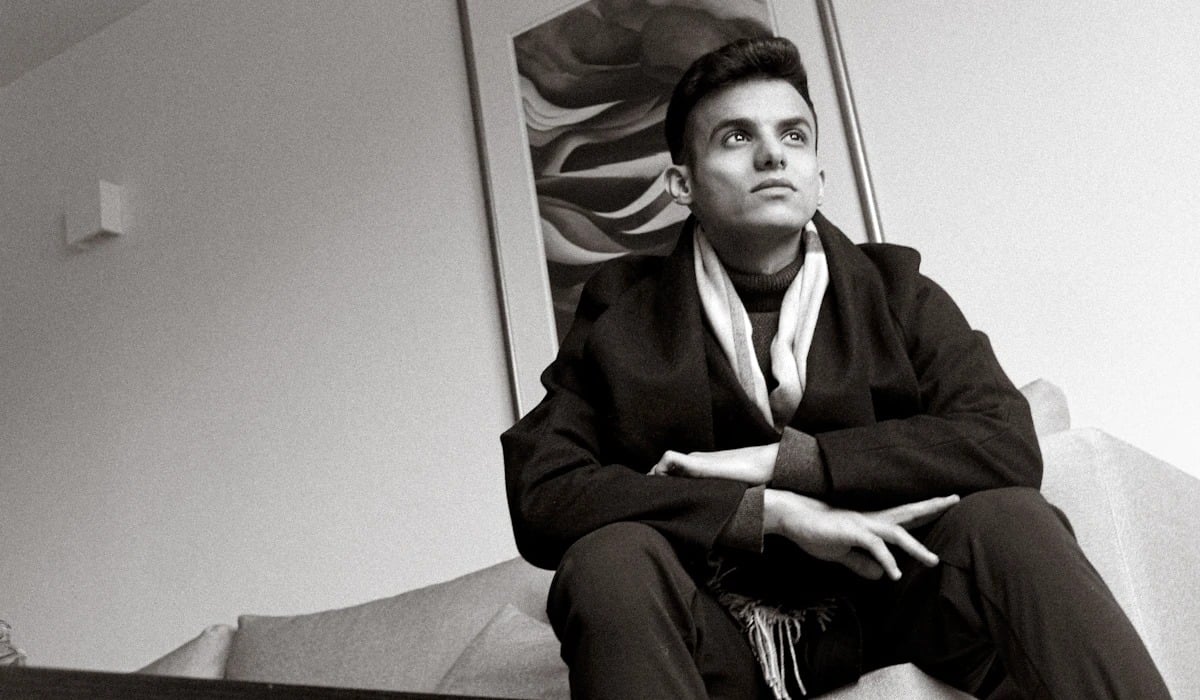
Rick Astley topped charts around the world in 1987 with “Never Gonna Give You Up,” and his tall, swept-up quiff was a fixture of his image. Teen fans copied it with gel and a lot of blow-drying, aiming for height at the front.
The look was neater than many of the decade’s more extreme styles, which made it easy to sell to wary parents. It was a rare case of a trend that managed to be both cool and respectable.
The Price of Looking Loud

Few of these styles were practical. They demanded time, money, and a ruthless tolerance for hairspray fumes, and the people who wore them knew it.
That was part of the point. Hair was the quickest way for a teenager to announce a loyalty, a mood, or a favorite band without saying a word.
The same logic survives today, even if the products have changed. Teens still copy what they see on screens and beg for the cut that makes them feel like someone else, at least for a week.
The 1980s simply did it with more volume, and the photos prove it.
MORE FROM GO2TUTORS!

- The Romanov Crown Jewels and Their Tragic Fate
- 13 Historical Mysteries That Science Still Can’t Solve
- Famous Hoaxes That Fooled the World for Years
- 15 Child Stars with Tragic Adult Lives
- 16 Famous Jewelry Pieces in History
Like Go2Tutors’s content? Follow us on MSN.